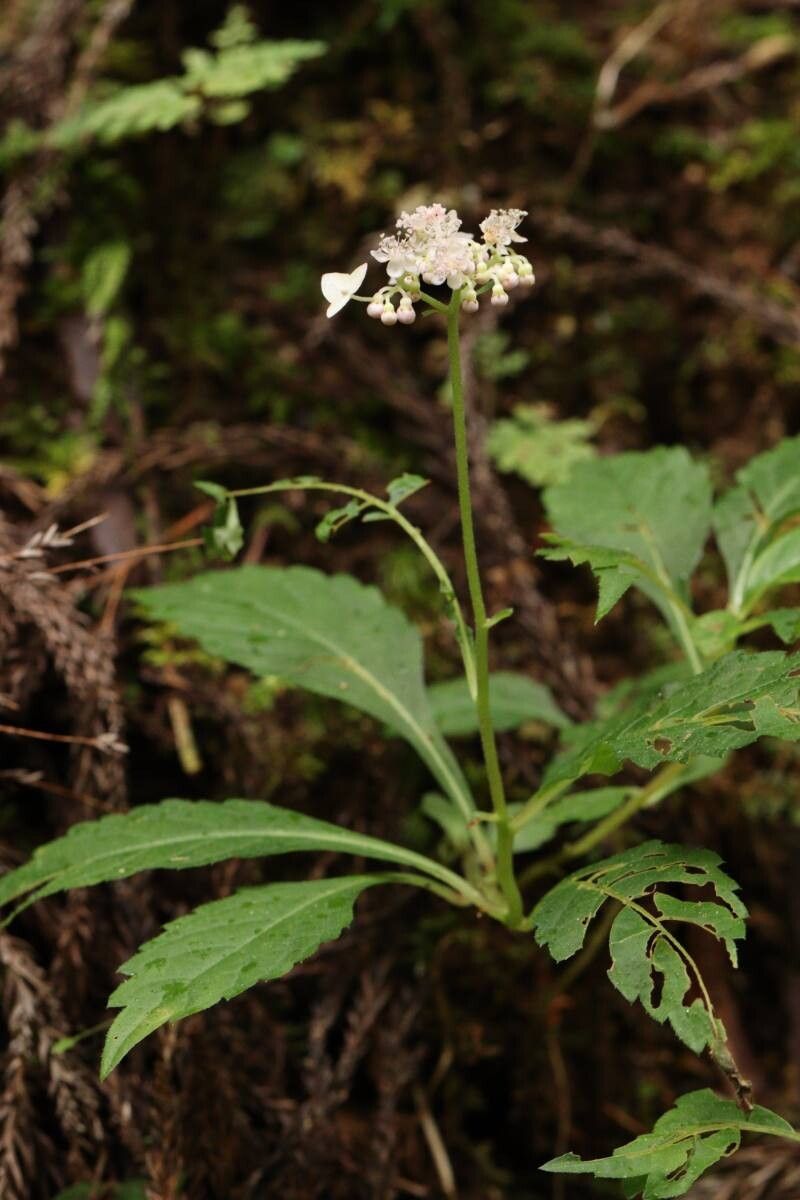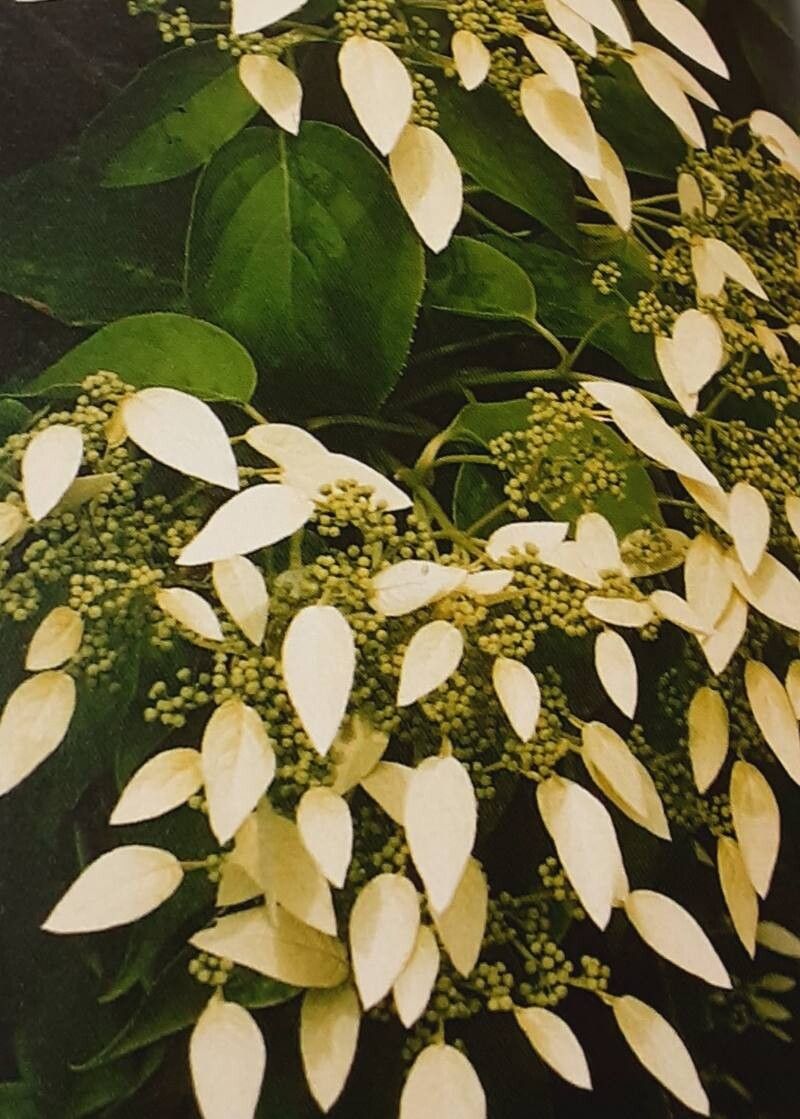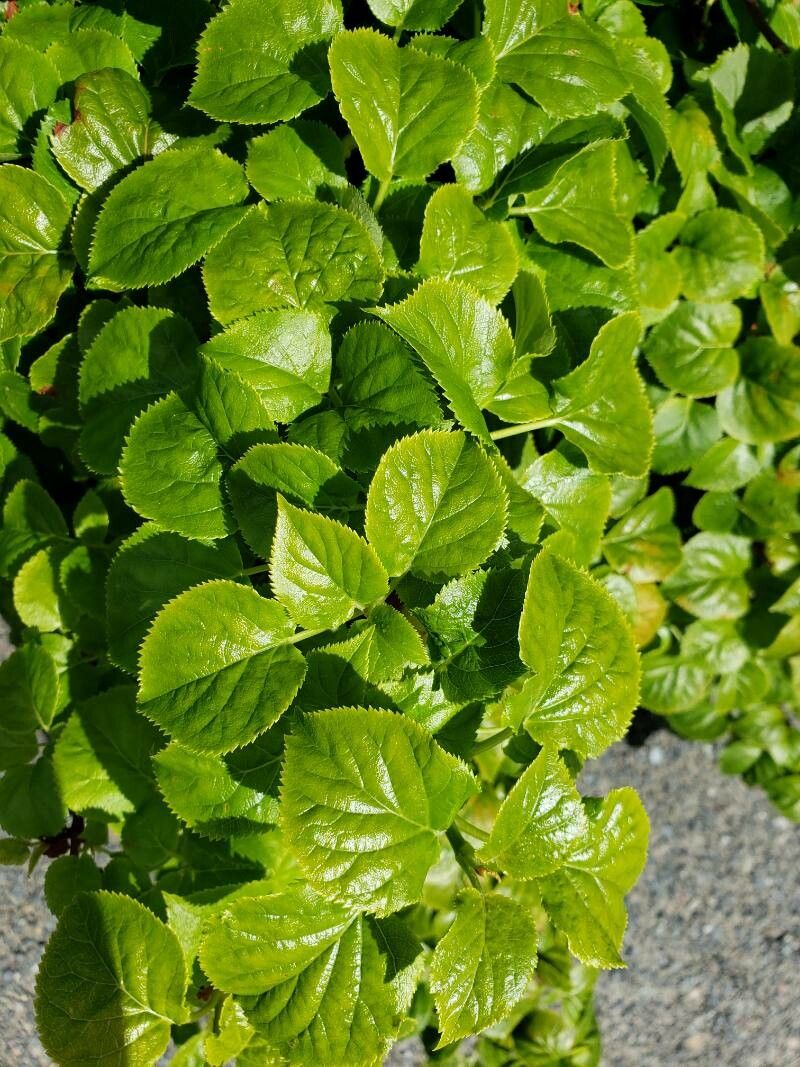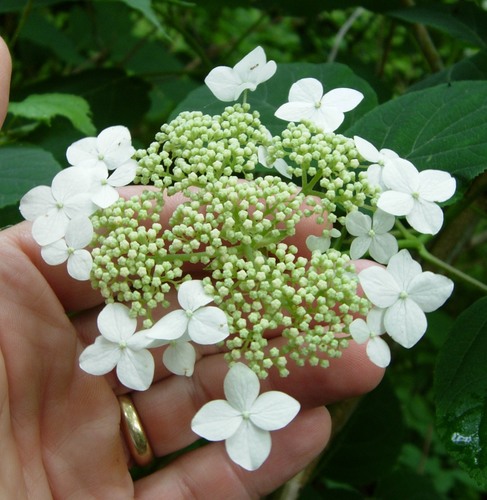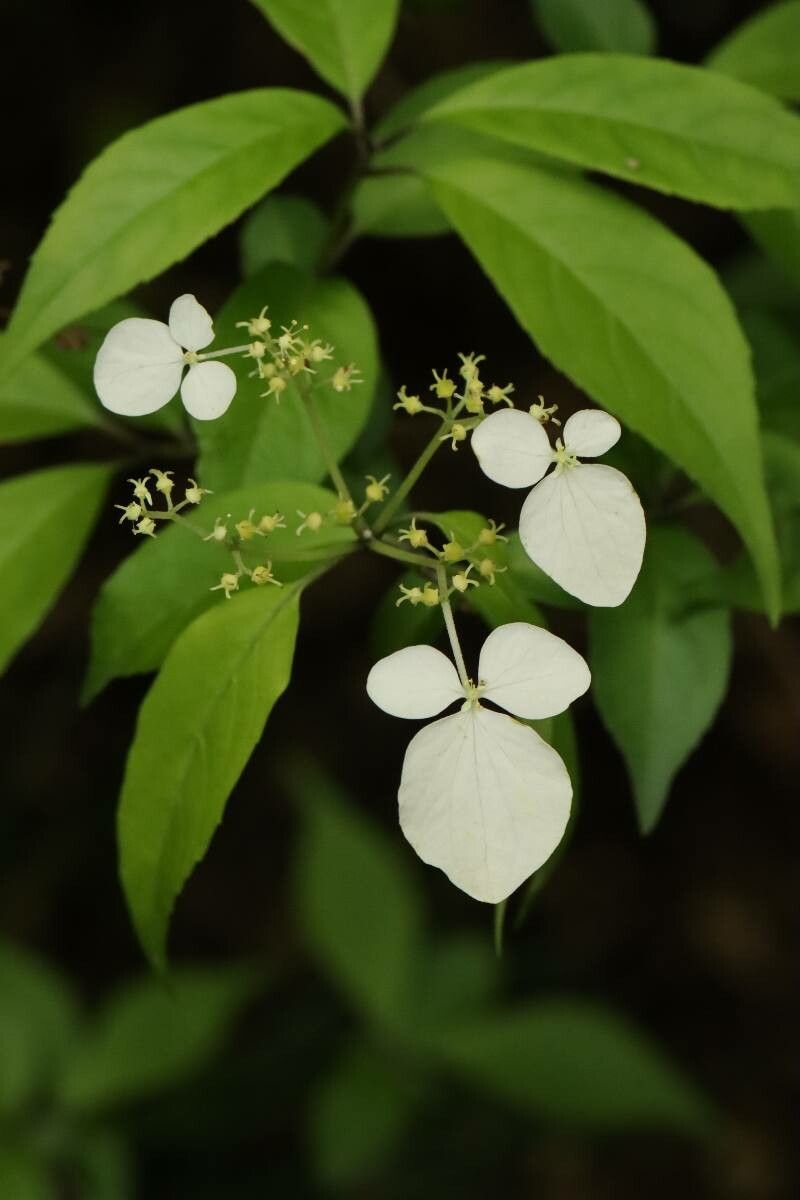
Hydrangea scandens is a species of shrub in the flowering plant family Hydrangeaceae. It is native to Japan, where it is found from the Kantō region southward.
Climbing hydrangea has strong resistance to disease and is generally not vulnerable to illnesses. In terms of care, this plant is fairly low-maintenance. When grown outdoors it needs little watering, and larger specimens typically do not require pruning. Smaller plants, however, should be pruned after they finish blooming. Climbing hydrangea is suitable for anyone with an outdoor area, such as a garden or a deck, and does not demand much care experience.
How to keep Hydrangea Scandens.
Light
Climbing hydrangea prefers filtered light and can tolerate complete shade as well as very bright conditions, making it adaptable to a variety of light situations. While it can endure intense light, excessive exposure may sometimes cause leaf scorching. Insufficient light can slow its growth. Native to habitats with variable sunlight, the plant can adjust to seasonal shifts.
Water
Climbing Hydrangea, native to moist woodlands, thrives in humid environments. It prefers soil that remains consistently moist, although it can tolerate moderate drought. To maintain its lush foliage, water the plant weekly. Adding mulch helps retain moisture, closely mimicking its natural habitat.
Temperature
Climbing hydrangea shows strong adaptability to a variety of climate conditions, from blazing summers to frigid winters. However, it does have an ideal temperature range for growth. If temperatures become too high, the plant is susceptible to heat and humidity stress, which can lead to its death. In areas where temperatures near the lower limit of its cold tolerance, it is important to use insulation to protect the plant.
Fertilizer
It is essential to time the fertilization of Climbing hydrangea properly. You should fertilize it at the beginning of spring and continue on a monthly basis until the early part of the summer. Fertilizer is beneficial in creating beautiful flowers and supplying energy during both inactive and active growth stages.
Pruning
For optimal growth, prune your climbing hydrangea in early spring, concentrating on removing dead branches and thinning out areas to improve air circulation. This practice enhances blooming and overall plant health while controlling its vigorous growth. Always use clean, sharp tools to avoid causing any damage.
Pot & Repot
For climbing hydrangeas to thrive, they need pots with excellent drainage. This helps prevent water buildup, which can damage the roots.
Botanical profile.
- Plant Type
- Shrub
- Life Cycle
- Perennial
- Genus
- Hydrangea
- Family
- Hydrangeaceae
- Hardiness Zone
- 4-9
- Mature Height
- 14.94 m
- Mature Spread
- 4.88 m
- Leaf Color
- Green
- Leaf Type
- Deciduous
- Flower Color
- White
- Flower Size
- 15.24 cm to 25.40 cm
- Bloom Time
- Early summer, Mid summer
- Planting Time
- Spring, Autumn
- Harvest Time
- Mid summer
- Native Area
- Russia, Japan, South Korea