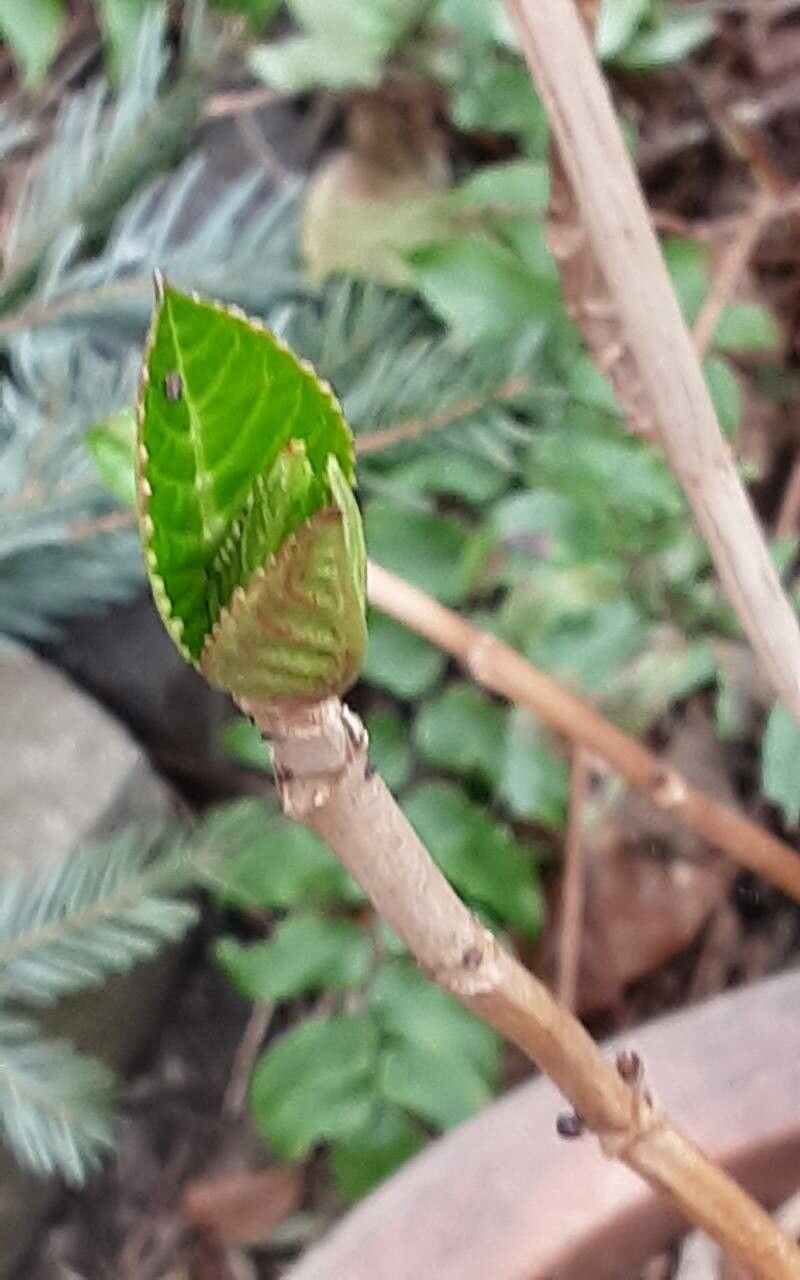
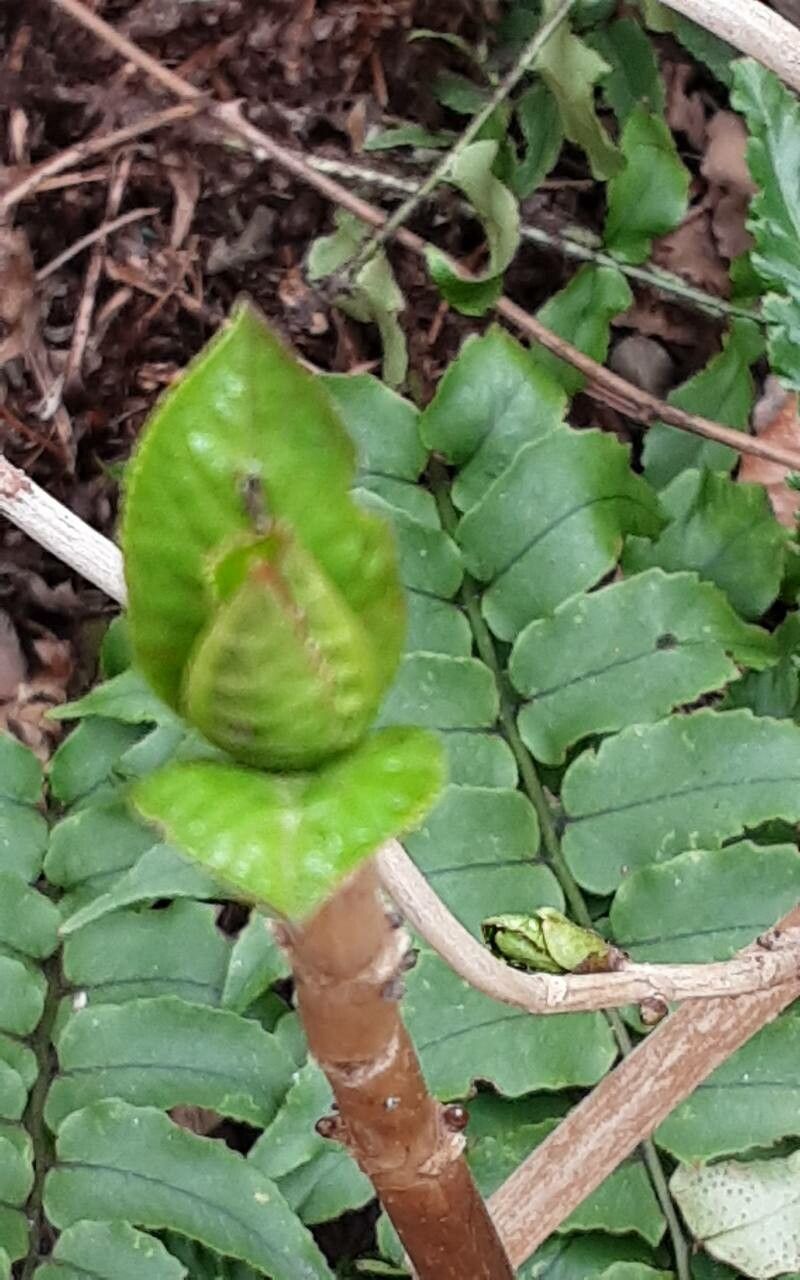
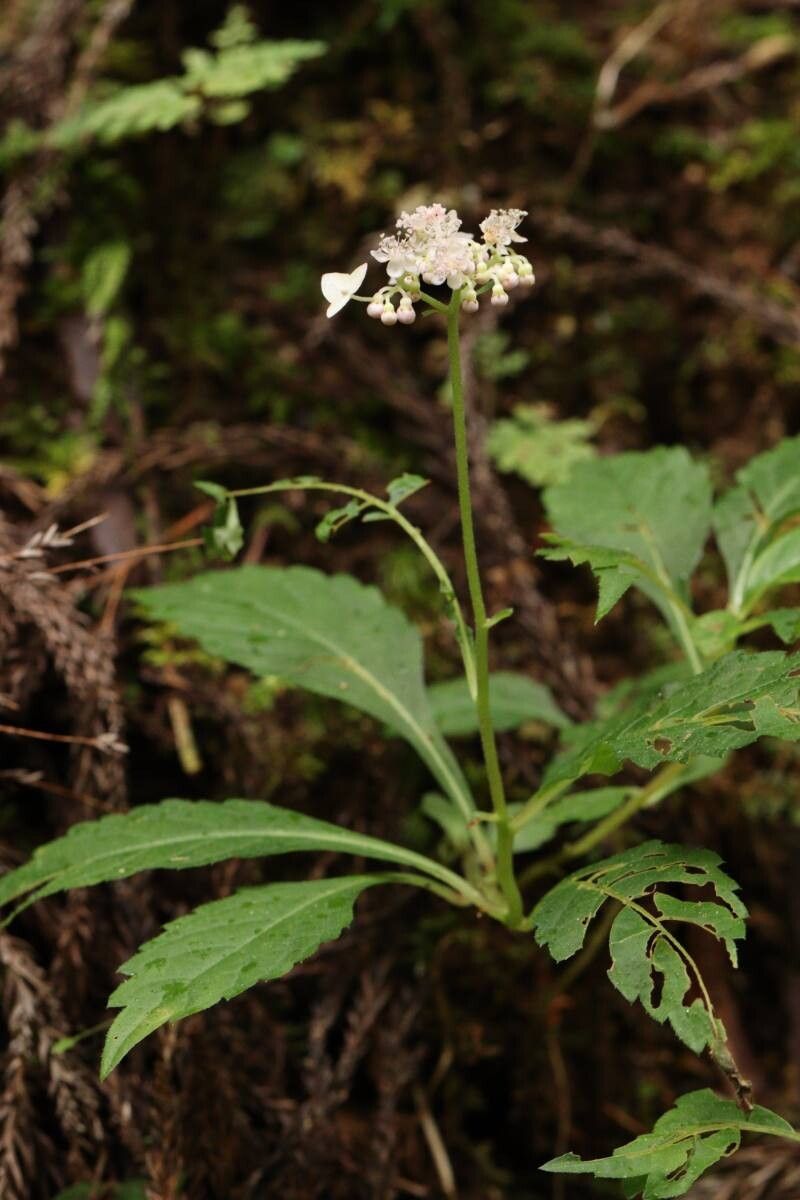
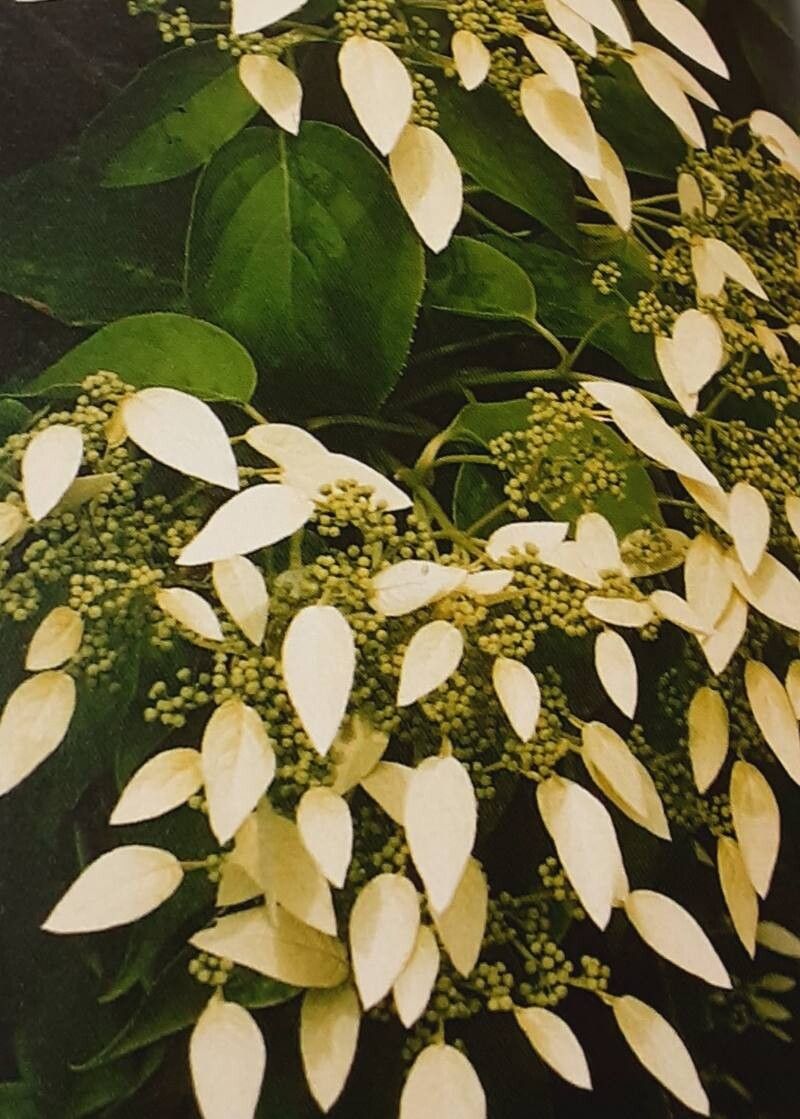
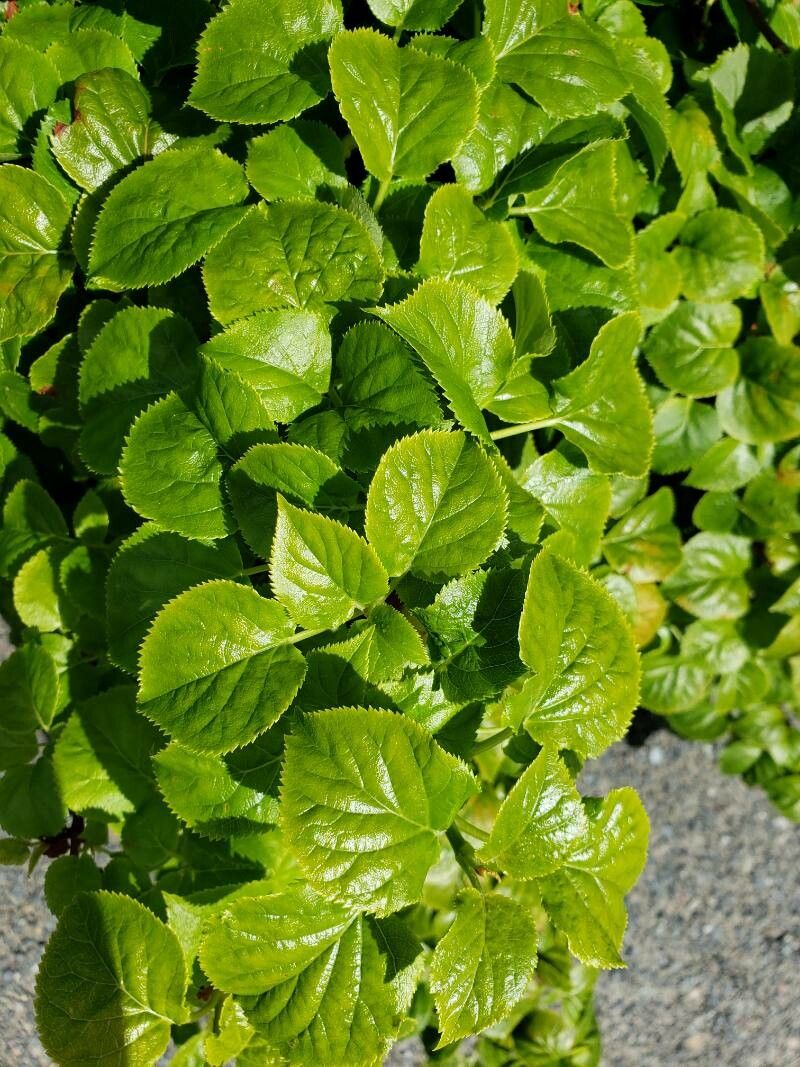
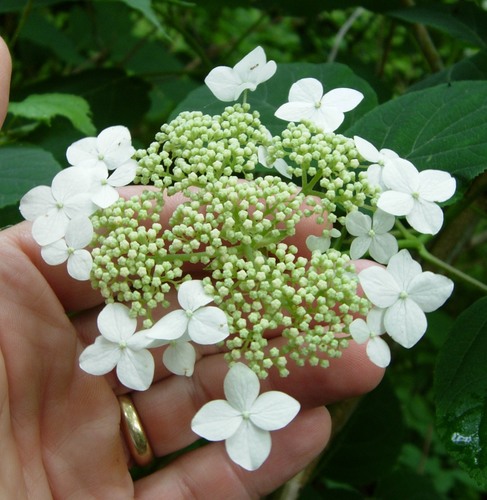
Hydrangea hirta, also known as the nettle-leaved hydrangea, is a species of flowering plant in the family Hydrangeaceae that is native to East Asia. Due to the beauty and sturdiness of the species' flowers it can be found outside of its range being used for horticultural and landscaping purposes, and is found in gardens in countries including the United Kingdom and the United States.
Hydrangea hirta is fairly resistant to disease and typically does not tend to get sick. In terms of upkeep, this plant is fairly low-maintenance. When grown outdoors it needs only light watering, and larger specimens usually do not require pruning. Smaller plants, however, should be pruned after they finish blooming. Hydrangea hirtat is appropriate for anyone with an outdoor area, such as a garden or a deck, and does not demand much prior experience in plant care.
How to keep Hydrangea Hirta.
Light
Hydrangea hirta naturally grows in settings like forest understories or rocky sites, where it receives natural shade. It favors partial sun but can tolerate full sun or full shade, showing its adaptable and hardy nature.
Water
Hydrangea hirta is native to moist woodlands and thrives in high humidity environments. To ensure its well-being, the soil should remain consistently moist, so watering twice a week is recommended. This plant is resilient to varying weather conditions and adapts well to rain. Additionally, applying mulch can help retain moisture during dry periods.
Temperature
Hydrangea hirta copes well with a range of climates, from scorching summers to chilly winters. Nevertheless, it has a preferred temperature range for optimal growth. If temperatures become too high, the plant is susceptible to heat and humidity stress, which can lead to its death. In areas where temperatures near the lower limit of its cold tolerance, providing insulation to protect the plant is important.
Fertilizer
Fertilize your Hydrangea hirta in early spring to encourage healthy growth. Regular feeding boosts overall health, producing vigorous growth, increased tolerance of harsh conditions, and better resistance to pests and diseases. Keep to a consistent fertilization schedule for your Hydrangea hirta to maintain foliage that is vivid, deeply colored, and lush.
Pruning
Pruning methods for Hydrangea hirta depend on their blooming habits. For Bigleaf and Oakleaf varieties, pruning should be done in early summer with an emphasis on removing any weak growth. The 'Endless Summer' variety offers more flexibility in timing. Smooth and Panicle Hydrangea hirta can be pruned throughout the year, except during the spring. For the 'Annabelle' variety, it's best to prune it completely in winter.
Botanical profile.
- Plant Type
- Shrub
- Life Cycle
- Perennial
- Genus
- Hydrangea
- Family
- Hydrangeaceae
- Hardiness Zone
- 5-9
- Mature Height
- 0.91 m to 2.13 m
- Mature Spread
- 0.91 m to 1.52 m
- Leaf Color
- Forest Green, Dark Green
- Leaf Type
- Deciduous
- Flower Color
- White
- Flower Size
- 1.02 cm to 2.03 cm
- Bloom Time
- Early summer, Mid summer
- Planting Time
- Spring, Autumn
- Harvest Time
- Late summer, Early fall, Mid fall
- Native Area
- Japan
Reader questions.
What are the sunlight requirements for Hydrangea hirta?
Hydrangea hirta, also known by its botanical name Hydrangea hirta, requires a specific amount of sunlight to thrive. For partial sun, the plant needs about 3-6 hours of sunlight daily. In contrast, if you're aiming for full sun exposure, it should receive above 6 hours of sunlight each day. It's important to observe how sunlight moves through your garden throughout the day. This observation helps in selecting the ideal spots that offer the perfect balance of light and shade for your plants, ensuring they grow healthy and happy.