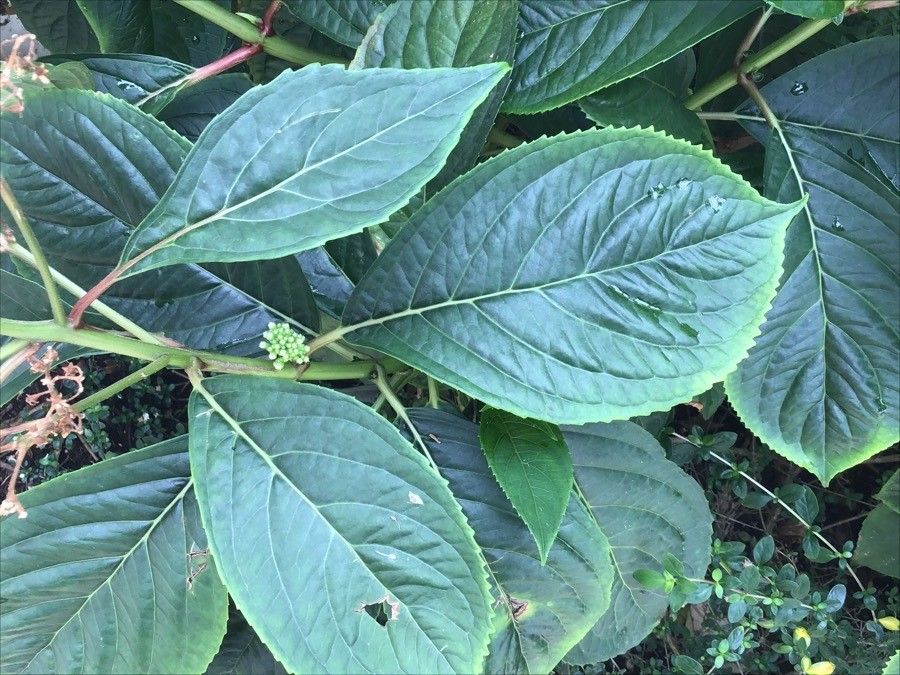
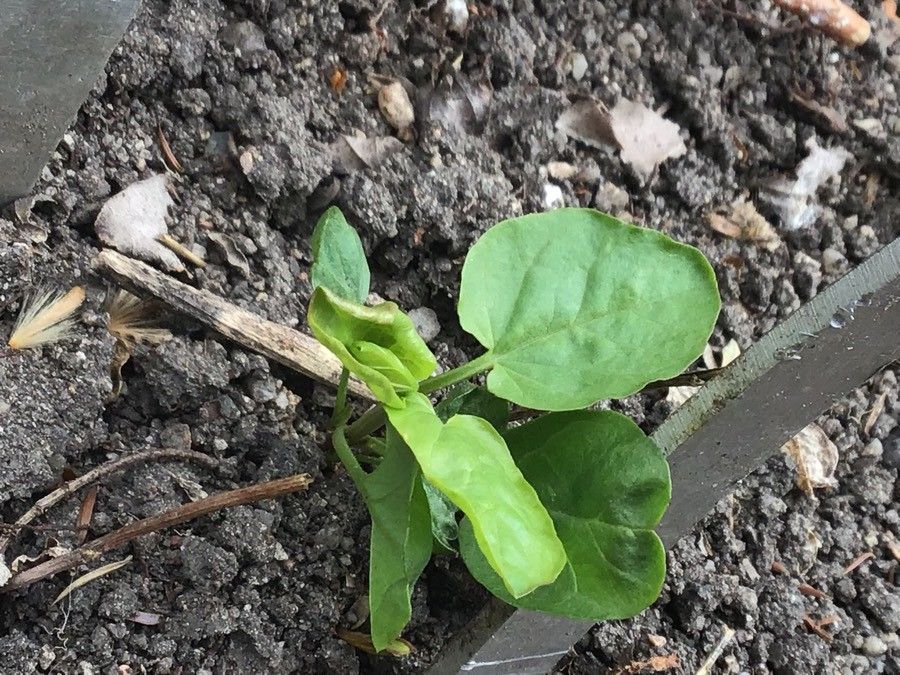
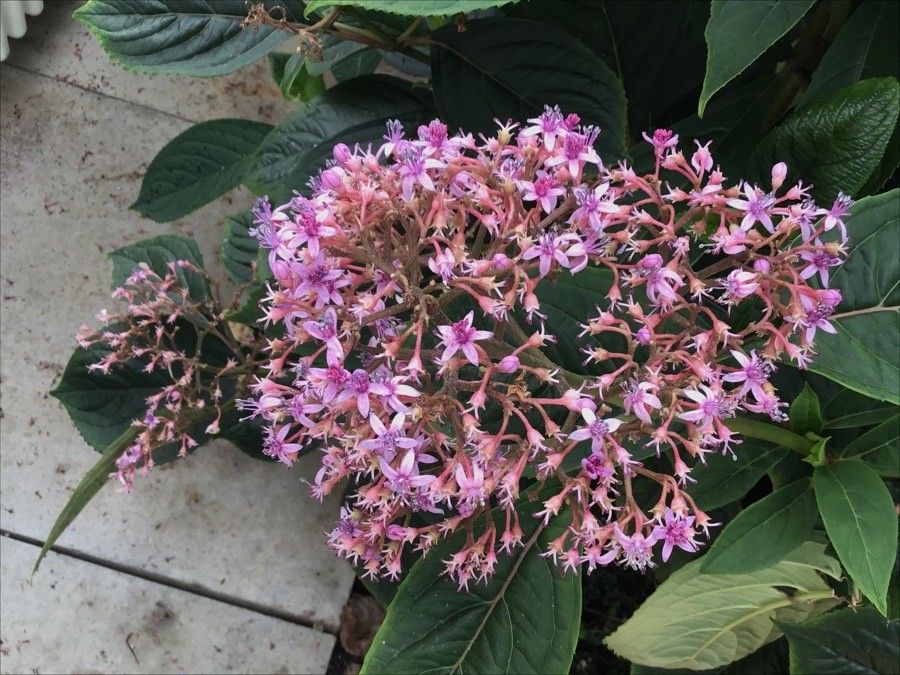
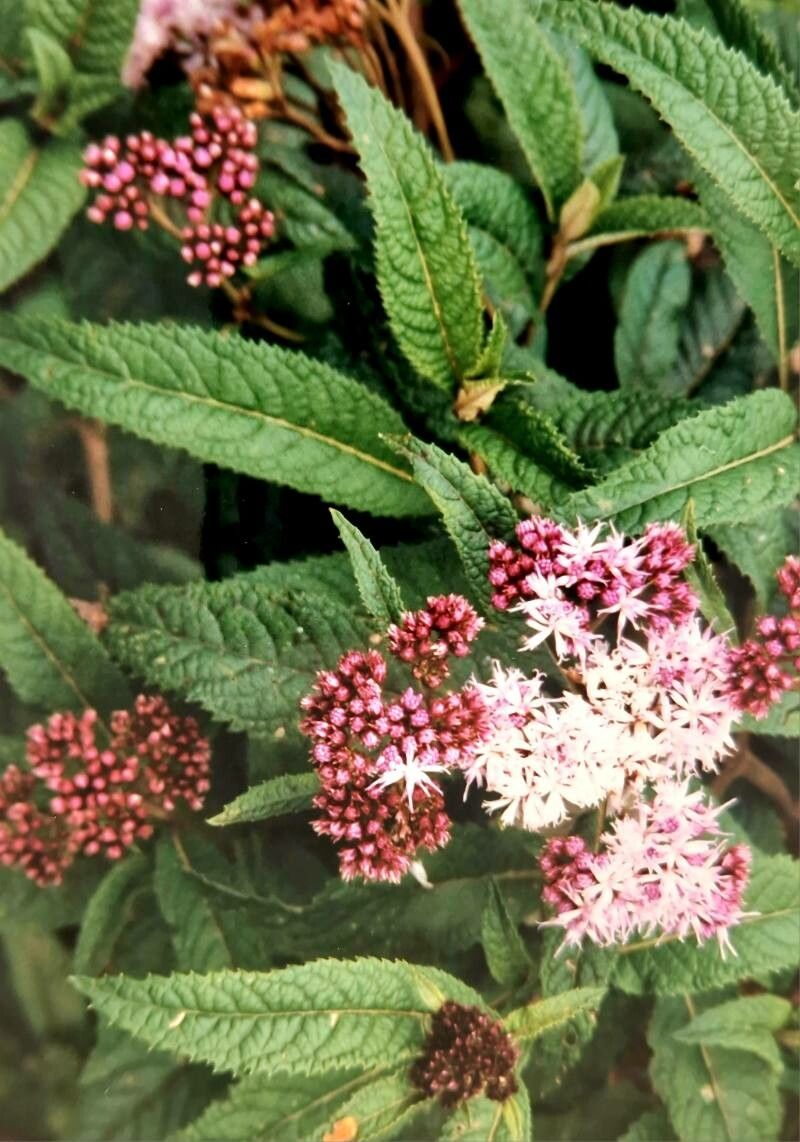
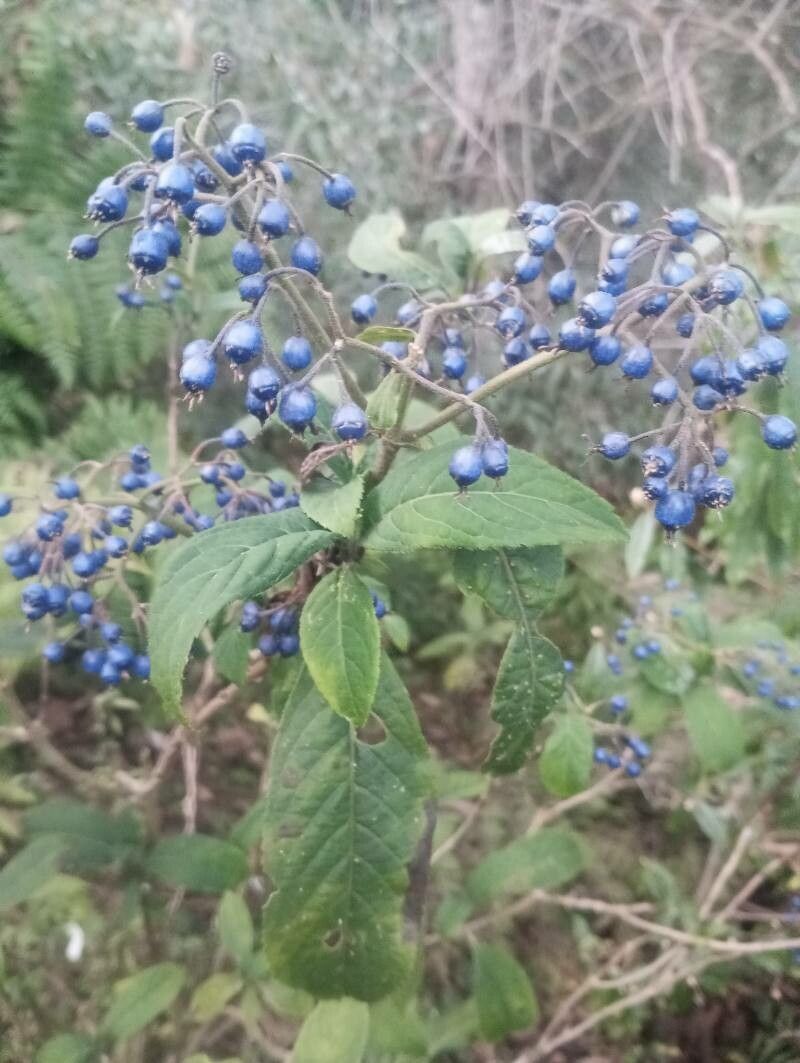
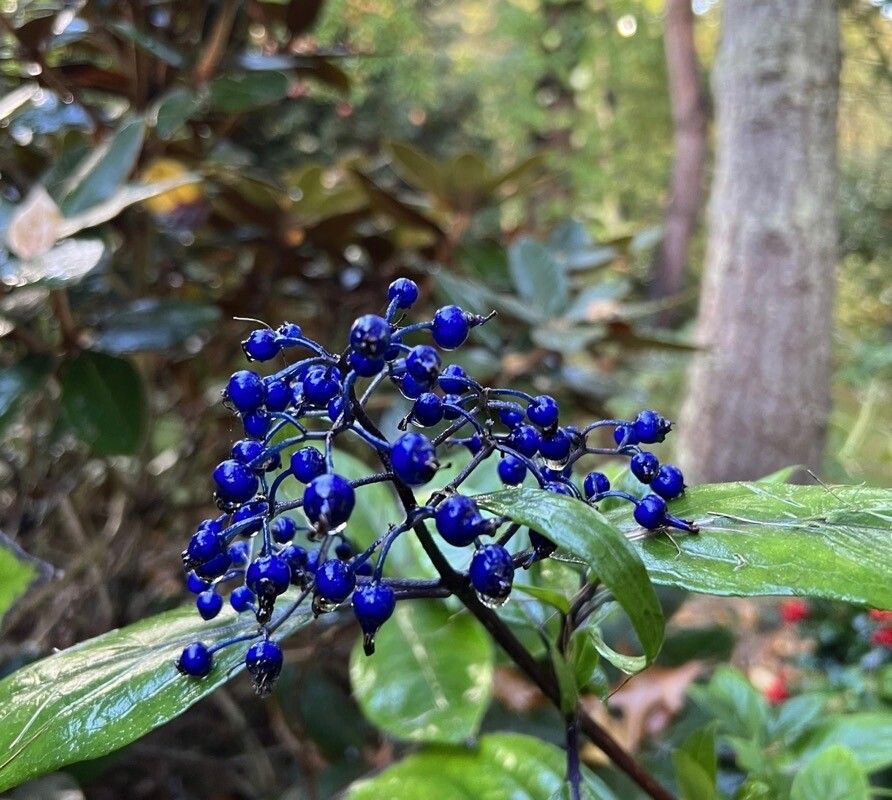
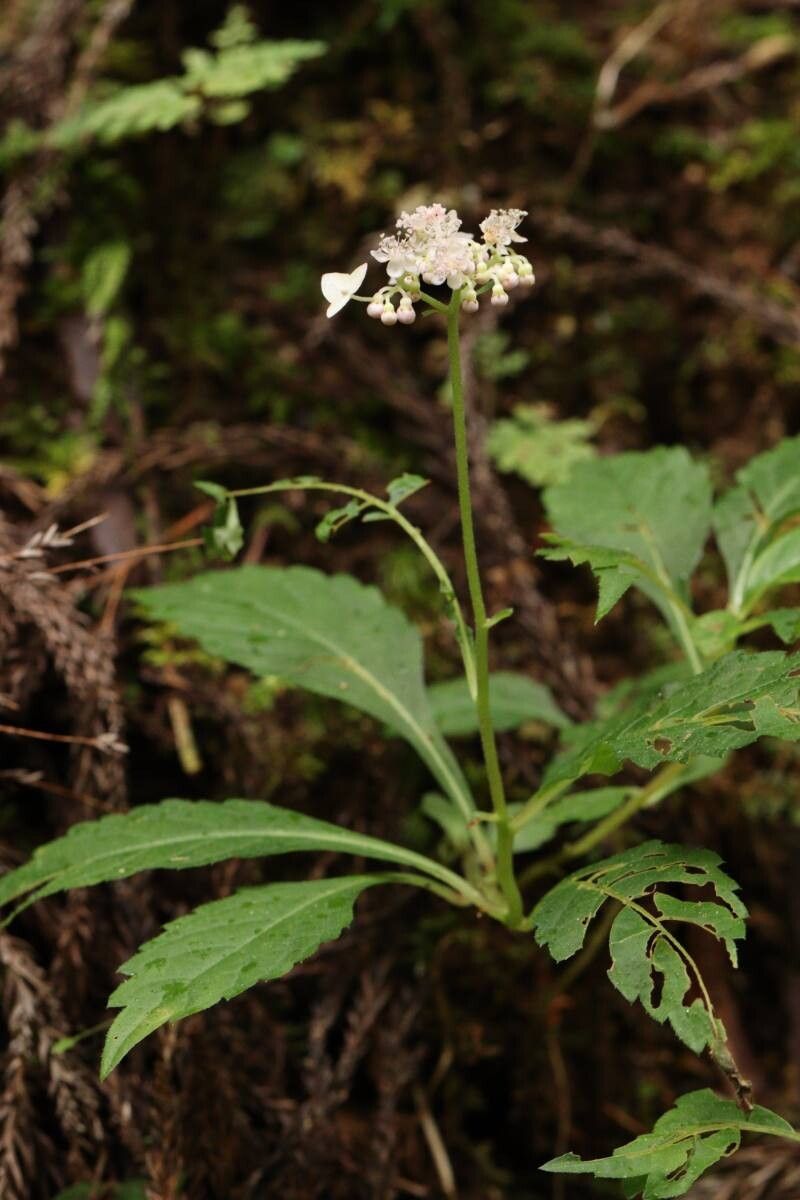
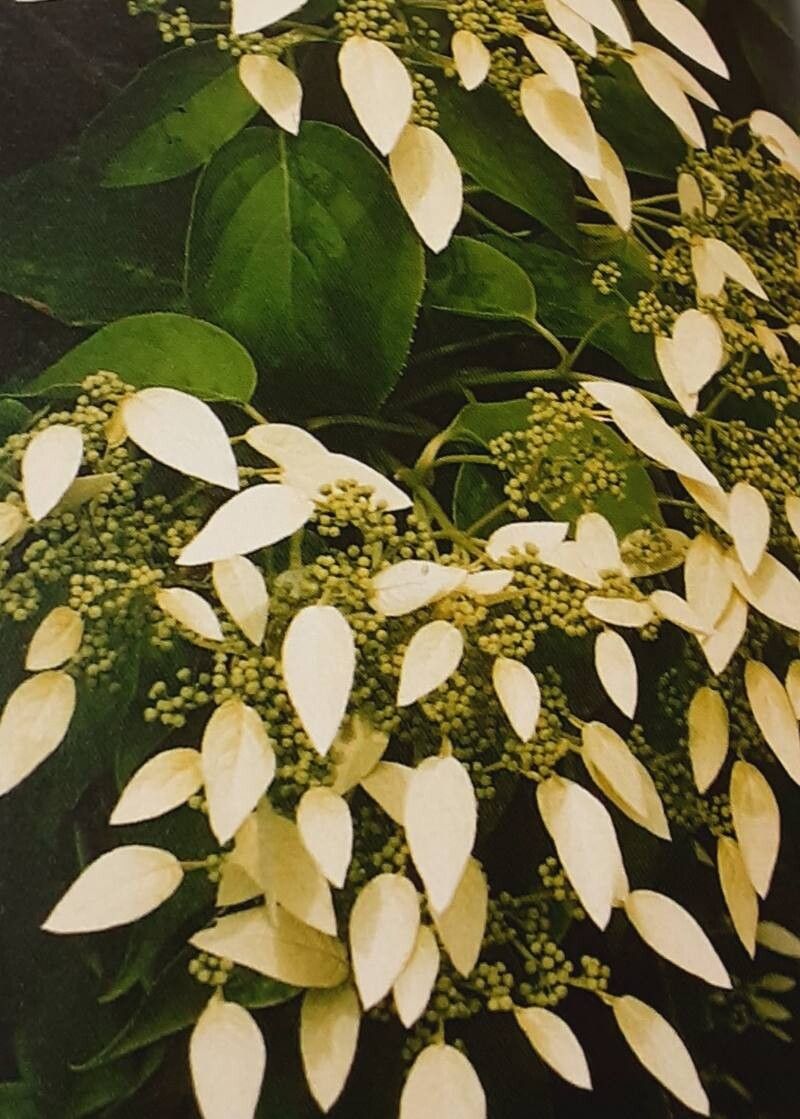
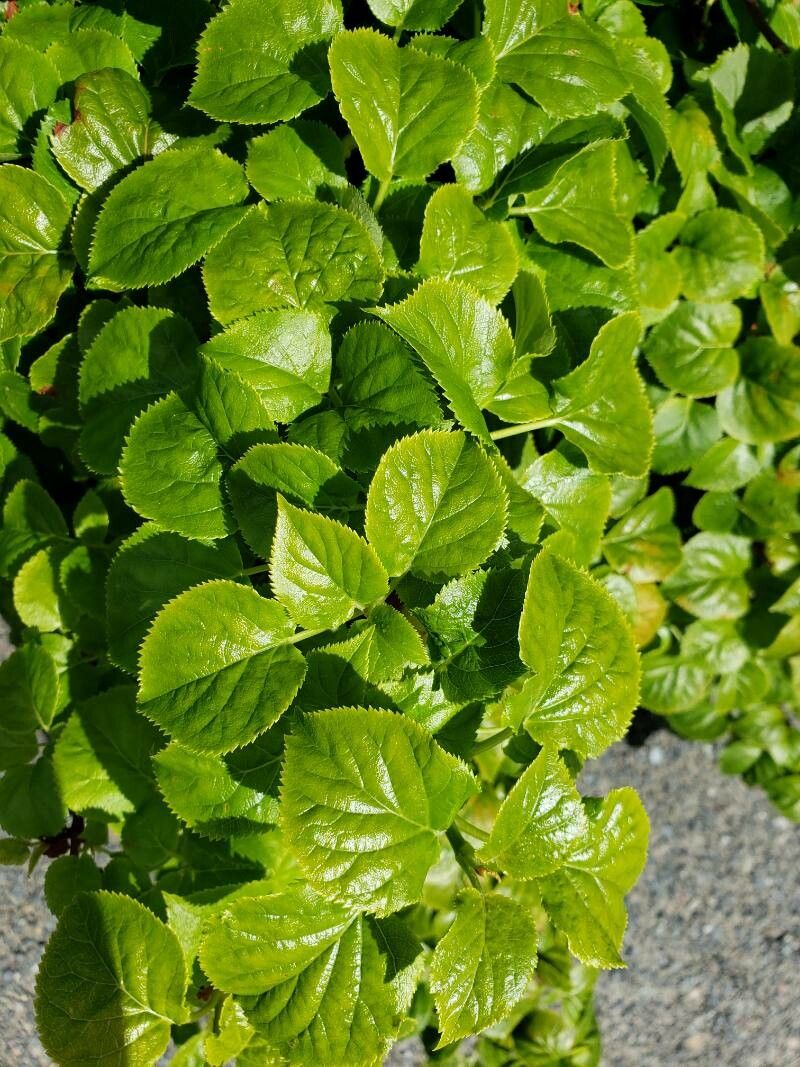
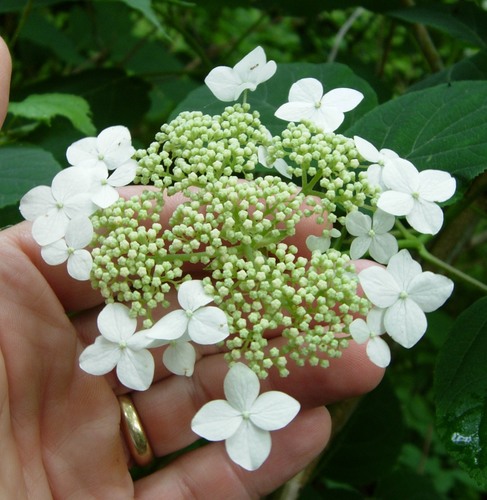
Hydrangea febrifuga is a flowering plant in the family Hydrangeaceae. It is a subshrub or shrub native to central and southern China, Indochina, Malesia, and New Guinea.
Blue evergreen hydrangea is fairly resistant to disease and usually not susceptible to illnesses. Regarding upkeep, this plant is fairly low-maintenance. Planted outdoors, it needs only light watering, and larger specimens typically do not require pruning. Smaller plants, however, should be pruned after they have finished blooming. Blue evergreen hydrangea is appropriate for anyone with outdoor space, such as a garden or deck, and does not demand extensive care experience.
How to keep Hydrangea Febrifuga.
Light
The Blue evergreen hydrangea typically thrives in areas with substantial sunlight exposure, yet it can also prosper in environments with lengthy periods of intense sun if adequate filtering is provided to avoid leaf scorch. Its ability to adjust to different sunlight levels stems from its native environment that has varying degrees of sun. Nevertheless, its growth might decelerate if there is an extreme deficiency of light.
Water
The blue evergreen hydrangea thrives in the humid, moist conditions typical of tropical rainforests. To keep it healthy, it needs to be watered weekly, ensuring a balance between dry and wet conditions. As an evergreen plant, it is efficient at retaining water, which makes it well-suited for indoor gardening where humidity levels can be controlled.
Temperature
Blue evergreen hydrangea originates from areas with a temperate climate and grows best in temperatures between 15 and 35 ℃ (59 to 95 °F). Modifying the environment may be necessary in severe weather to sustain ideal growth circumstances.
Fertilizer
The scheduling of fertilizer application is vital for the Blue evergreen hydrangea. Apply fertilizer at the start of spring and keep applying it on a monthly basis until the beginning of summer. Fertilizer aids in the creation of beautiful flowers and provides the necessary energy during both dormant and active growth stages.
Pruning
Pruning methods for blue evergreen hydrangeas depend on the type. Bigleaf and oakleaf varieties bloom on old branches and should be pruned in early summer. In contrast, 'Endless Summer' can be pruned throughout the year, except in spring. Smooth and panicle varieties bloom on new branches, making them more flexible for pruning, although it is best to avoid pruning them in spring.
Pot & Repot
To thrive effectively, blue evergreen hydrangeas need pots with excellent drainage.
Botanical profile.
- Plant Type
- Shrub
- Life Cycle
- Perennial
- Genus
- Hydrangea
- Family
- Hydrangeaceae
- Hardiness Zone
- 8-10
- Mature Height
- 0.91 m to 1.83 m
- Mature Spread
- 0.91 m to 1.83 m
- Leaf Color
- Dark Green, Forest Green
- Leaf Type
- Deciduous
- Flower Color
- White
- Flower Size
- 10.16 cm to 15.24 cm
- Bloom Time
- Early summer, Mid summer
- Planting Time
- Spring, Autumn
- Harvest Time
- Late summer, Early fall, Mid fall
- Native Area
- Nepal, India, Malaysia, Indonesia, Cambodia, Vietnam, Myanmar, Philippines, Bhutan, Laos, Thailand, China