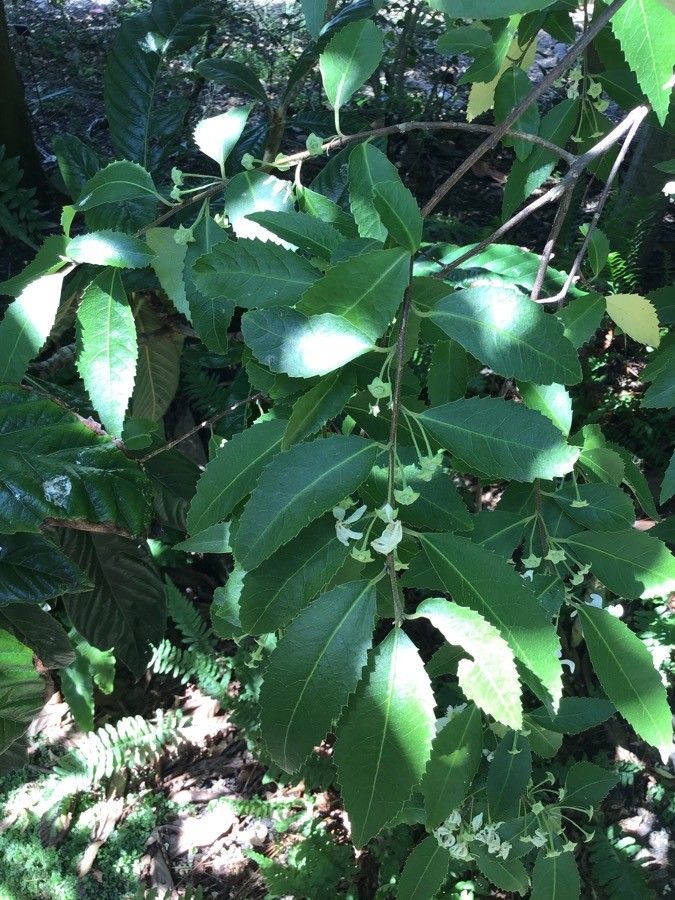
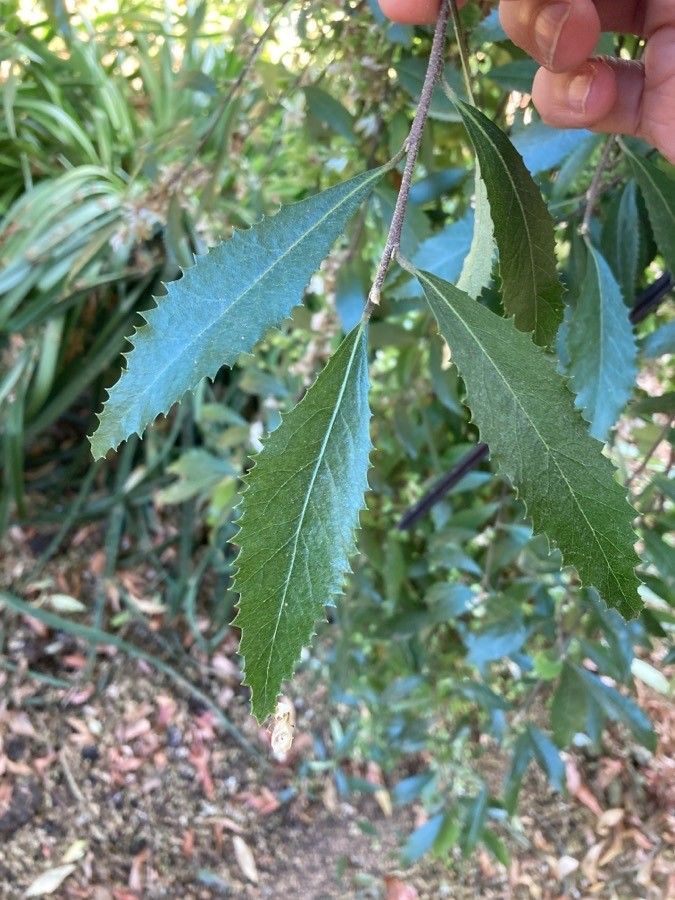
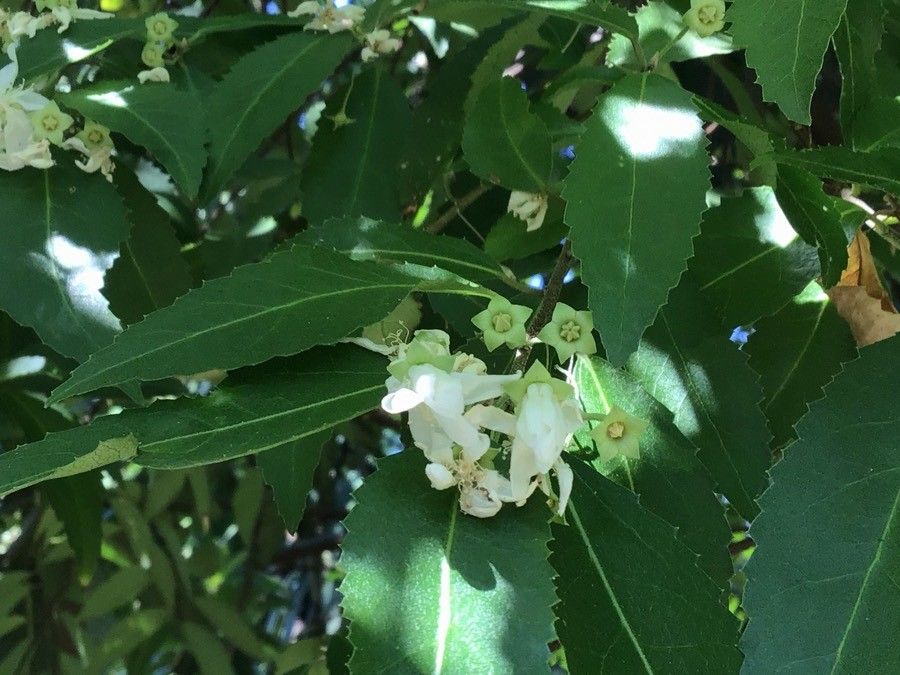
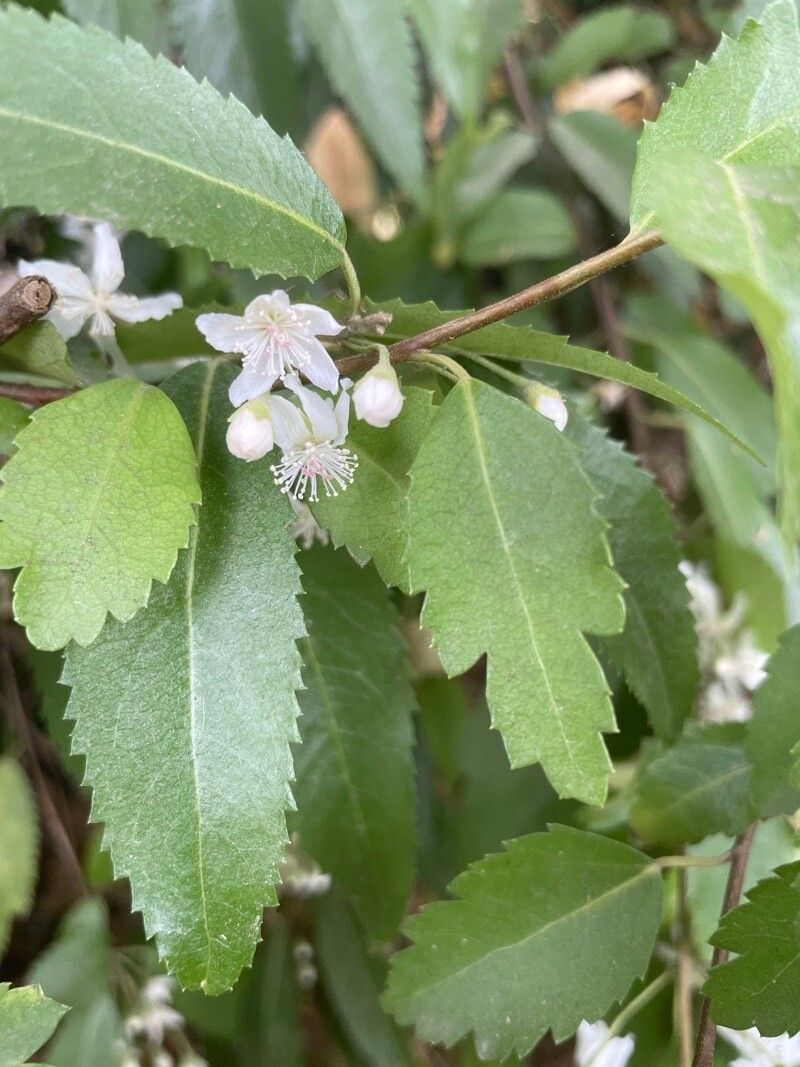
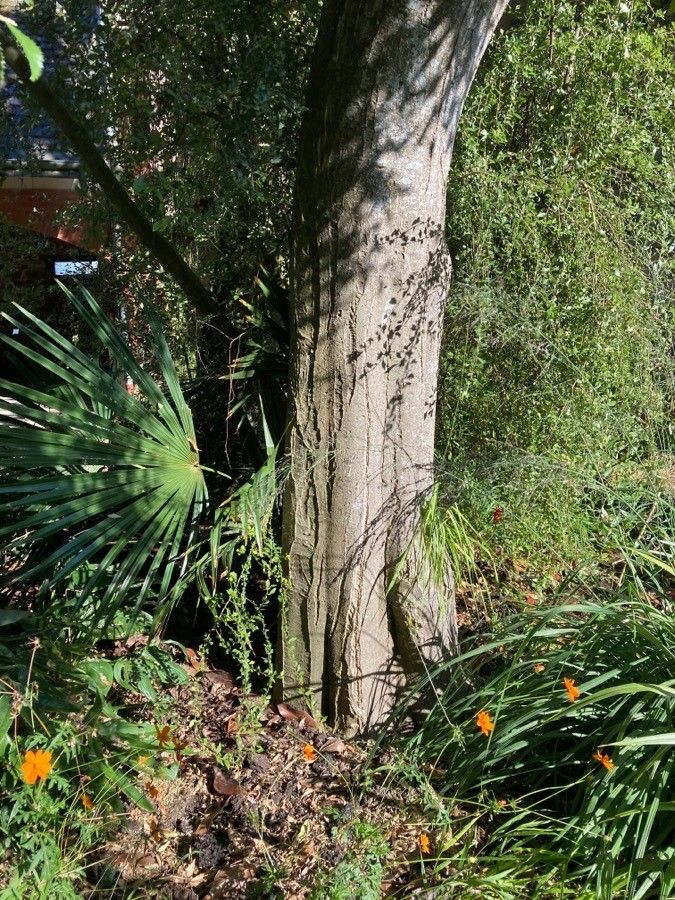
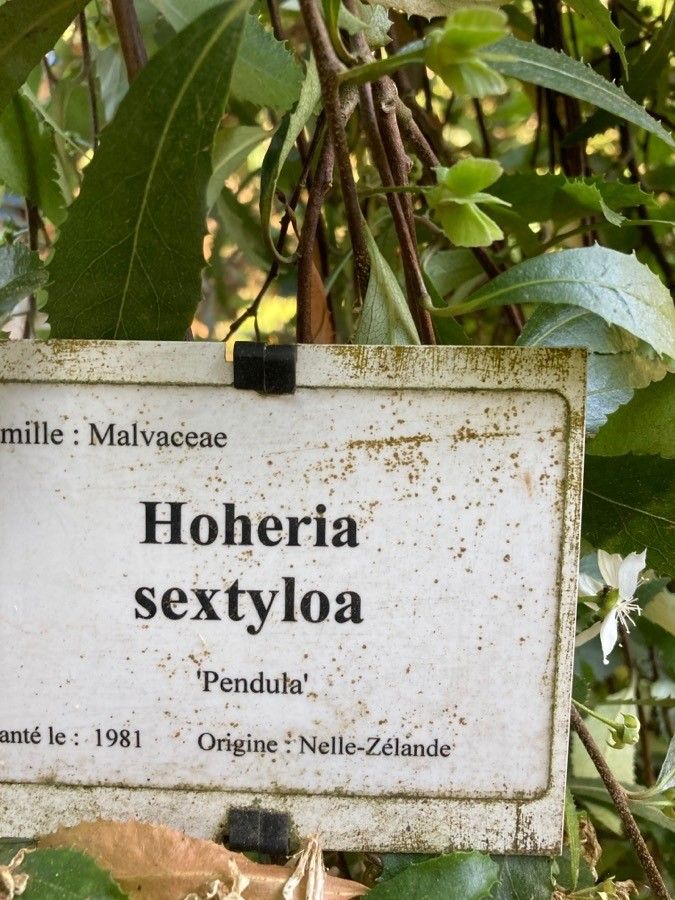
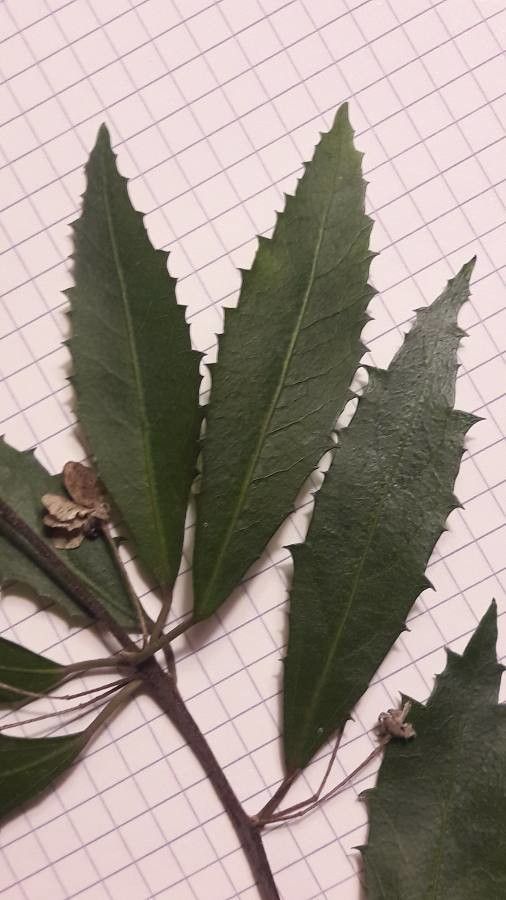
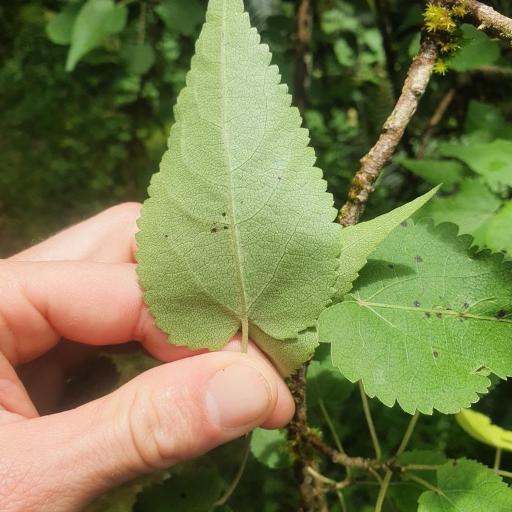
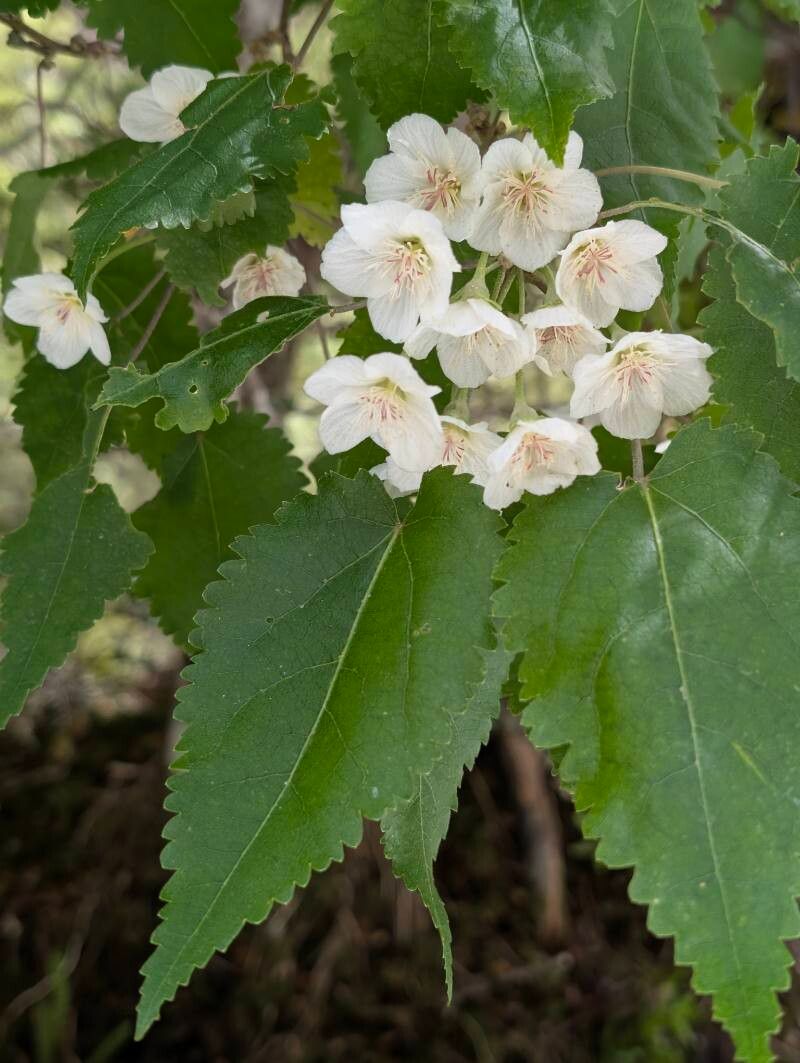
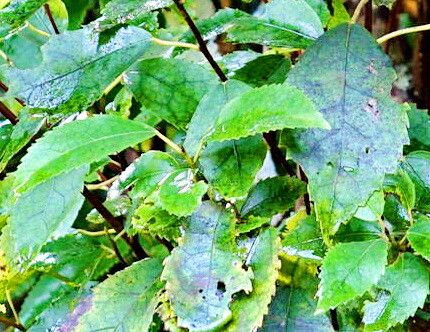
Hoheria sexstylosa, the long-leaved lacebark or ribbonwood, is a species of flowering plant in the family Malvaceae, endemic to New Zealand. It is an evergreen tree or shrub growing to 8 m (26 ft) tall by 6 m (20 ft) broad with glossy green leaves, and white flowers in summer and autumn. The Latin specific epithet sexstylosa means "six styles".In cultivation it is frost-hardy but requires a protected site. The cultivar 'Stardust' has gained the Royal Horticultural Society's Award of Garden Merit.
Ribbonwood shows strong resistance to disease and is generally unlikely to be affected by illnesses. With regard to care, this plant is fairly low-maintenance. When grown outdoors it needs only light watering, and larger plants usually don't need pruning. Smaller plants, however, should be trimmed after they finish blooming. Ribbonwoodt is suitable for anyone with an outdoor area, such as a garden or deck, and does not demand much experience in plant care.
How to keep Hoheria Sexstylosa.
Light
Ribbonwood flourishes in settings with abundant sunlight, though it can also tolerate spots with reduced light. Originating from an open habitat, it is adapted to strong sun exposure. However, both excessive and insufficient sunlight can hinder its healthy growth.
Water
Ribbonwood thrives in a moist environment and does best when watered every two weeks to keep the soil hydrated. Although it can tolerate short dry periods, it benefits from mulching, especially during its active growing season. This makes it well-suited for outdoor cultivation.
Temperature
Ribbonwood comes from an environment with a wide temperature range of 59 to 95 °F (15 to 35 ℃). Adaptable to varied climates, the plant does best within this range. Seasonal temperature fluctuations should therefore be deliberately adjusted to ensure plant vigour.
Fertilizer
The timing of fertilizing is important for Ribbonwood. Apply fertilizer beginning in early spring and then once a month through early summer. Fertilizer promotes attractive blooms and supplies energy both during dormant periods and active growth.
Pruning
Ribbonwood is a deciduous tree that benefits from pruning between early and late winter. Pruning during this time encourages healthy growth and vibrant blooms. To improve air circulation, remove any dead branches and thin out crowded areas. Make minimal cuts to preserve its natural shape and enhance its aesthetic appeal.
Pot & Repot
Repot ribbonwood every 2-3 years during late winter or early spring. Choose a large, sturdy pot with well-draining soil. Water sparingly to prevent root rot. Keep the plant sheltered from strong winds, and ensure it receives bright, indirect light to encourage healthy growth and recovery.
Botanical profile.
- Plant Type
- Tree, Shrub
- Life Cycle
- Perennial
- Genus
- Hoheria
- Family
- Malvaceae
- Hardiness Zone
- 7-10
- Mature Height
- 7.92 m
- Mature Spread
- 6.1 m
- Leaf Color
- Green
- Leaf Type
- Evergreen
- Flower Color
- White
- Flower Size
- 1.78 cm to 2.54 cm
- Bloom Time
- Mid summer, Late summer, Early fall
- Planting Time
- Spring, Summer, Autumn
- Harvest Time
- Mid fall, Late fall, Early winter
- Native Area
- New Zealand
Other names.
Reader questions.
How should I water my Ribbonwood plant?
Your Ribbonwood is flexible when it comes to watering methods. You can use various tools like watering cans, hoses, or even cups to properly moisten the soil. It's important to apply the water directly to the soil, ensuring that all areas are equally moistened to nourish the entire root system. Filtered water is preferable since tap water may contain harmful particles. Additionally, it's best to use water that is at or slightly above room temperature, as extremely hot or cold water may shock the Ribbonwood. However, the Ribbonwood generally responds well to any type of water.
Why should I put fertilizer on my Ribbonwood plant?
Fertilizing a Ribbonwood is important for several reasons. First, it helps the tree produce beautiful flowers. One of the best times to fertilize is in early spring to ensure vibrant blooms. Additionally, fertilizer provides the tree with energy to store during its dormant phases. By giving it extra nutrients during fall planting or late spring, the Ribbonwood can have more energy to fuel its growth once active growth resumes.
What are the sunlight requirements for Ribbonwood?
Ribbonwood plants need environments that are well-exposed to sunlight, thriving in both full and partial sun. They require above 6 hours of sunlight for full sun conditions and about 3-6 hours for partial sun. It's important to observe the movement of sunlight through your garden to ensure your Ribbonwood plants receive the ideal balance of light and shade, fostering their growth and health.
What is the ideal temperature range for Ribbonwood?
Ribbonwood, also known by its botanical name Hoheria sexstylosa, thrives in an environment with a broad temperature range of 59 to 95°F (15 to 35°C). This adaptability to varied climates allows the plant to flourish best within this temperature spectrum. To ensure the vigor of Ribbonwood, seasonal temperature fluctuations should be carefully managed to stay within this optimal range.
What should I do if I give my Ribbonwood plant too much water or too little water?
Outdoor plants, especially newly planted ones or seedlings, are susceptible to lack of watering. It is important to consistently water them for a few months when they are small or just planted. Once the roots are established, Ribbonwood plants can usually rely on rain. When Ribbonwood plants are in pots, overwatering is a common issue. If you accidentally overwater your Ribbonwood, take immediate action to remedy the situation. Stop watering the plant to minimize the impact of overwatering. Then, remove the Ribbonwood from its pot to inspect the roots. If there are no signs of root rot, you can return the plant to its container. If there is root rot, trim affected roots and consider applying a fungicide. Repot the Ribbonwood in soil that drains well. In the case of underwatering, which is often an easy fix, simply water the plant more frequently. Underwatered plants may have drooping, dry leaves that fall off, but the leaves will regain fullness after sufficient watering. Adjust your watering frequency when underwatering is detected.
When should I fertilize my Ribbonwood tree for the best results?
To effectively fertilize Ribbonwood, timing is crucial. Applying fertilizer too early, when the Ribbonwood is still dormant, is ineffective and results in wasted fertilizer that gets washed away by rainwater, causing pollution. The first application of fertilizer should be in early spring, followed by monthly fertilizing until early summer.
How does artificial lighting affect Ribbonwood growth?
In conditions where natural sunlight is insufficient, artificial lighting becomes crucial for Ribbonwood's growth, particularly during winter or in less sunny spaces. The right type of artificial light, such as LED lights tailored for plants, can significantly promote healthier and faster growth by providing the specific wavelengths needed. Full sun plants, like Ribbonwood, require 30-50W per square foot of artificial light, whereas partial sun plants need 20-30W, and full shade plants require 10-20W. The light source should be placed 12-36 inches above the plant to mimic natural sunlight, and the duration should replicate the plant's natural daylight exposure, typically 8-12 hours per day.
Does Ribbonwood require special frost protection measures during winter?
Ribbonwood possesses strong cold resistance, which generally eliminates the need for special frost protection measures during winter. Nonetheless, if winter temperatures are anticipated to fall below -15°C, it becomes important to protect the plant from cold. This protection can be provided by wrapping the trunk and branches with non-woven fabric or cloth. Additionally, before the onset of the first freeze in autumn, it is advisable to water the plant abundantly, ensuring the soil remains moist and enters a frozen state. This technique helps to prevent drought and water scarcity for Ribbonwood during winter and the early spring.
How many times a week should I water my Ribbonwood?
Most outdoor plants can grow normally with rainfall. However, if your area lacks rainfall, you should water your plants every 2 weeks during the spring and fall. In the summer, you will need to water more frequently, while in winter, when growth slows down, you can water less. In fact, you may not need to water at all during the winter. If you have a young or newly planted Ribbonwood, it's important to water more often to help it establish and become more drought tolerant. For potted plants, there are two main approaches to determine watering frequency for your Ribbonwood. The first approach is to have a set watering schedule, such as once a week or once every other week. However, this may not always be effective as it doesn't consider the specific growing conditions of your Ribbonwood. Watering frequency can also vary depending on the season. During the summer, when the plant's water needs are highest, a predetermined schedule may not be sufficient. An alternative approach is to determine watering based on soil moisture. It's generally best to wait until the top two to four inches of soil, which is about ⅓ to ½ the depth of the pots, have completely dried out before watering again.
When would it not be a good idea to fertilize my Ribbonwood plant?
To help Ribbonwood thrive and bloom, it's important to be mindful of its fertilizer needs. Avoid using fertilizers that have a high level of nitrogen, as this can result in an abundance of leaves but few flowers. Instead, opt for fertilizers that have a lower level of nitrogen compared to other nutrients. Additionally, be careful not to fertilize Ribbonwood after early autumn, as this can cause excessive growth right before winter. Similarly, avoid fertilizing during hot and dry periods, as dry soil doesn't effectively deliver the fertilizer and can stimulate growth that requires more water, which may not be available. It's best to apply fertilizer earlier in the season when temperatures are cooler. Lastly, keep in mind that Ribbonwood can absorb fertilizer from nearby plants or lawns, so be cautious about unintentionally giving the tree or shrub a double dose of fertilizer.
What are the signs of insufficient light in Ribbonwood plants?
Ribbonwood plants exhibit several noticeable symptoms when exposed to suboptimal lighting. These include smaller new leaves, leggy or sparse growth, faster leaf dropping, and a halt in new growth, signaling a struggle with light access. Color change in new leaves to a lighter shade or yellowing due to chlorosis, damage from excessive sunlight like sunscald, leaf curling as a sun defense, wilting under intense light, and leaf scorching are all key indicators. These symptoms show the plant's stress responses to either too much or too little sunlight.
How does Ribbonwood react to low temperatures, and what solutions exist for any cold damage?
Ribbonwood is notable for its cold tolerance, performing best when temperatures remain above 15°C. During winter, it's essential to maintain temperatures above -10°C. When temperatures dip below -15°C, the plant may not exhibit immediate signs of distress during winter; however, in spring, its branches may become brittle and dry, and new shoots may fail to emerge. The solution for this scenario involves pruning away any dead branches that have failed to produce new leaves in spring, facilitating the plant's recovery and growth.