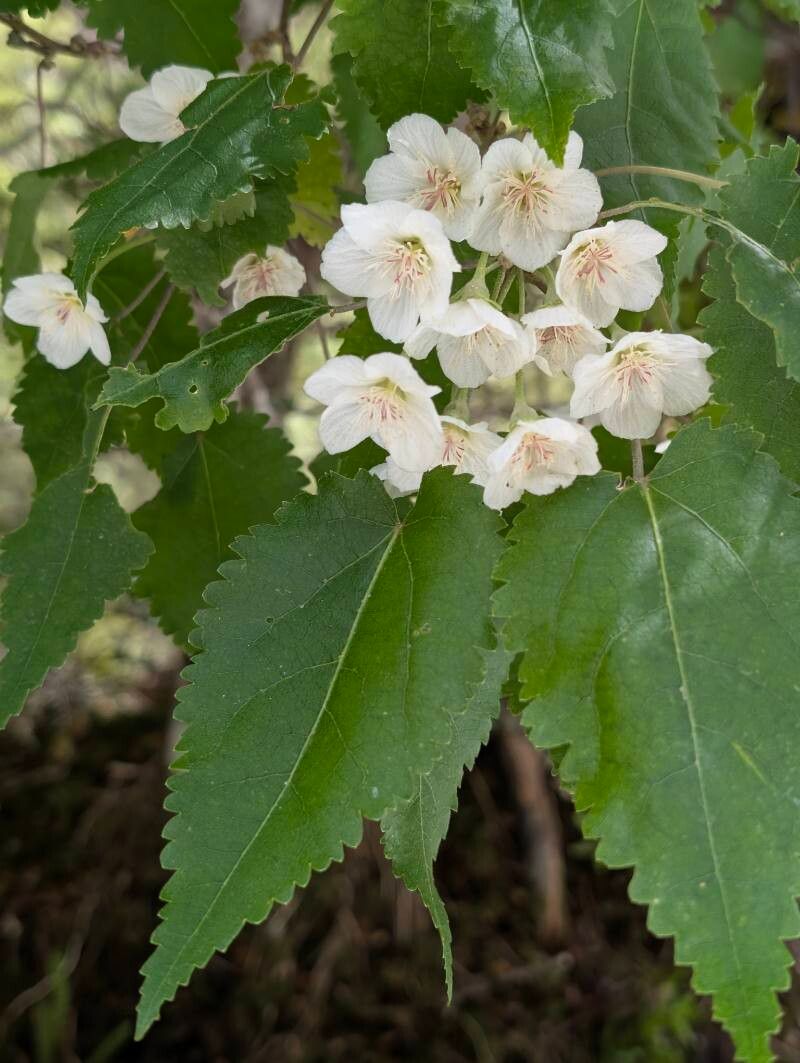
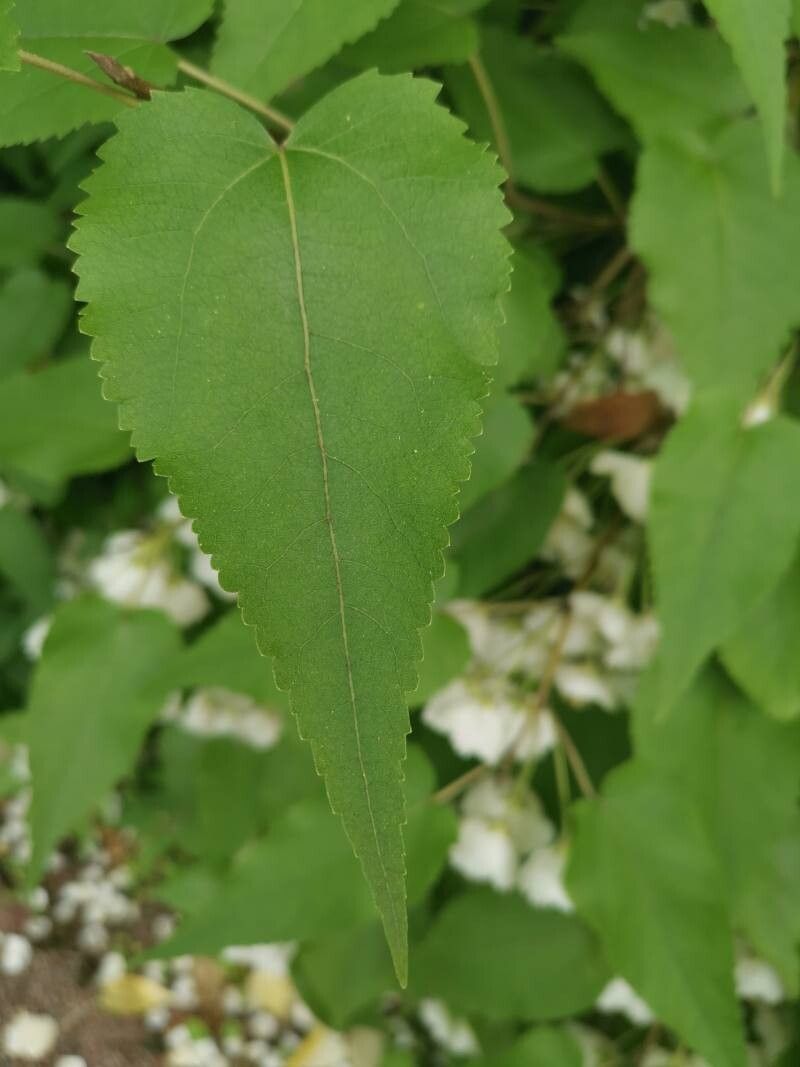
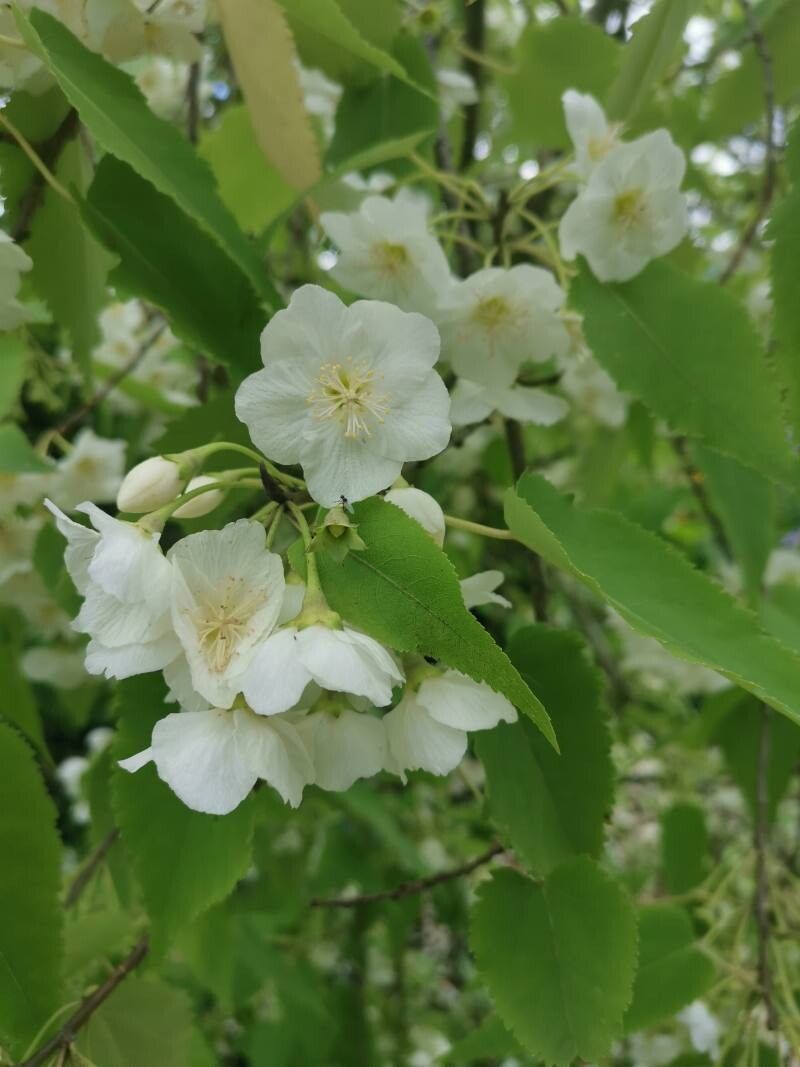
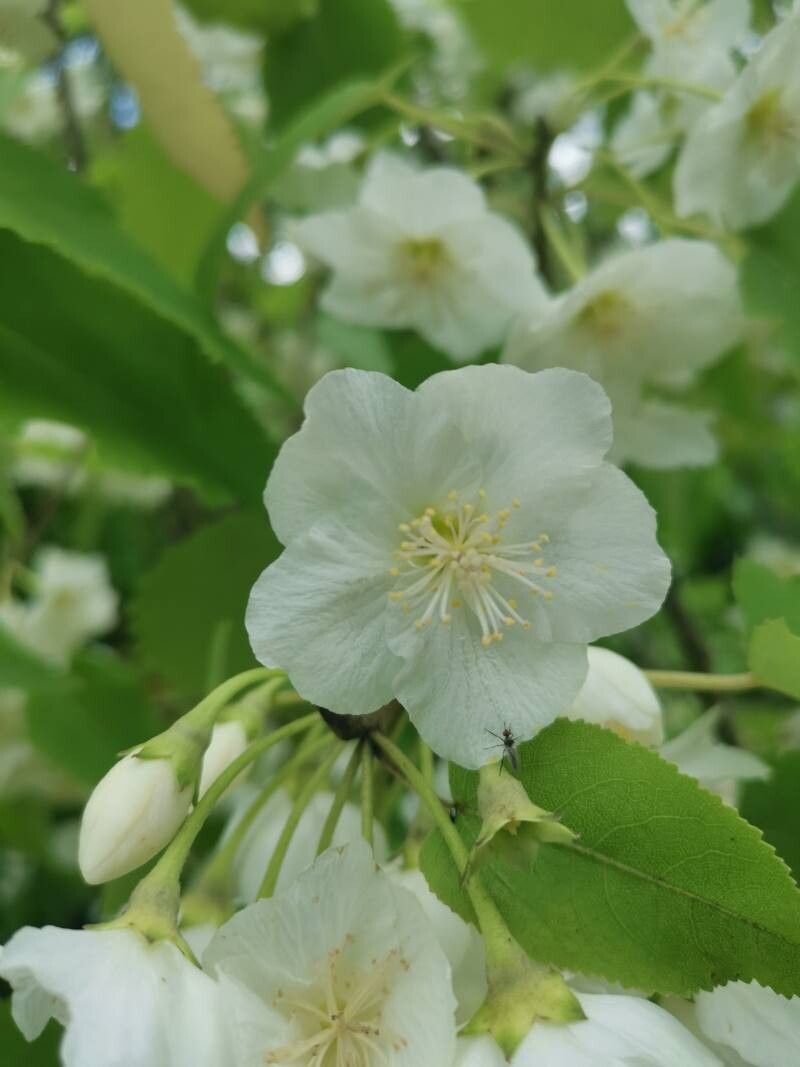
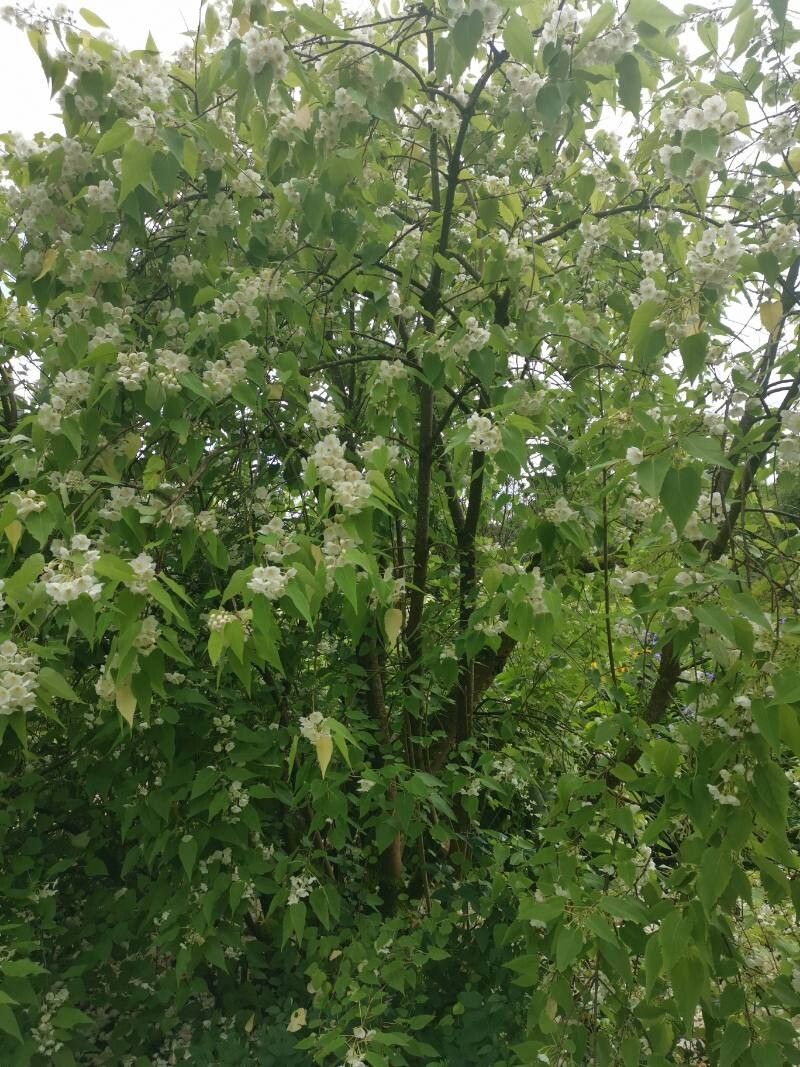
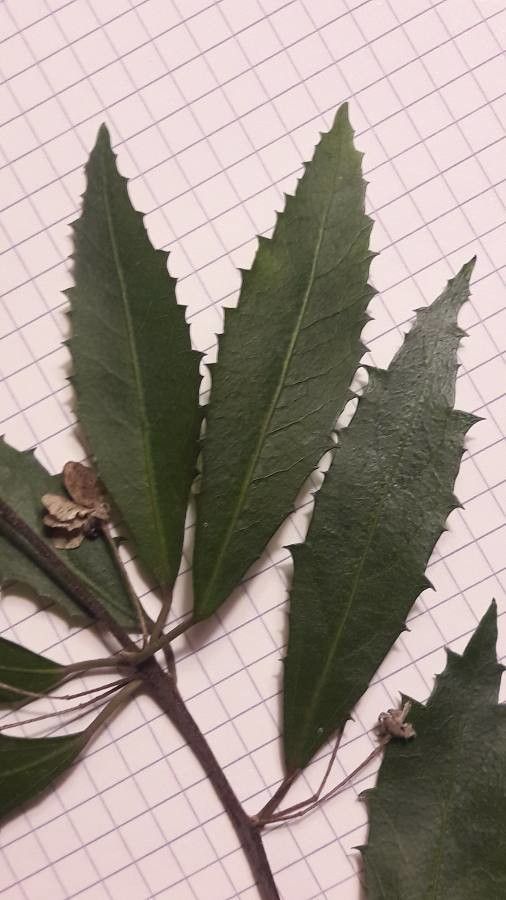
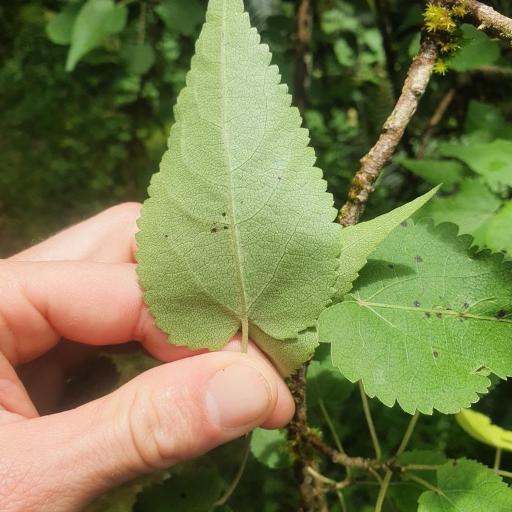
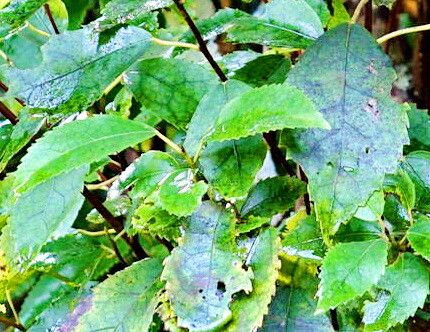
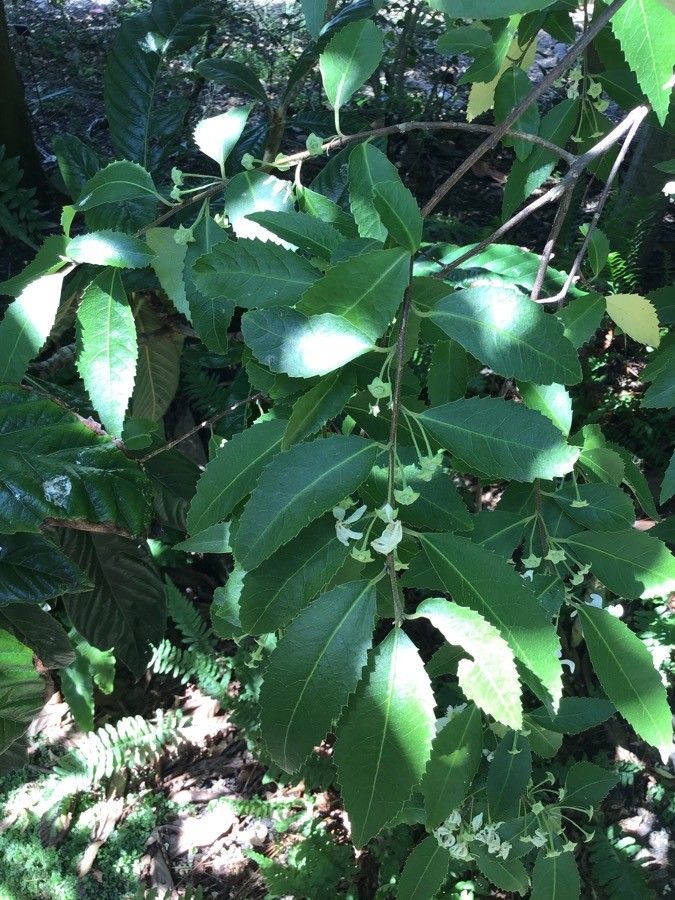
Hoheria lyallii, the mountain lacebark, is a species of flowering plant in the mallow family Malvaceae, endemic to New Zealand, where it grows on drier mountainous areas of South Island — mainly in eastern Canterbury and Marlborough. Growing to 7 m (23 ft), it is a deciduous shrub or small tree with hairy leaves and slightly scented white flowers in summer.
Lace bark is resistant to disease and typically not susceptible to many illnesses. Regarding care, this plant is fairly low-maintenance. When grown outdoors it needs little watering, and larger plants generally do not require pruning. Smaller plants, however, should be pruned after they have finished blooming. Lace bark is suitable for anyone with an outdoor area, such as a garden or a deck, and does not demand extensive plant-care experience.
How to keep Hoheria Lyallii.
Light
Lace bark originates from environments like forest understories or rocky terrains, where it is naturally exposed to shade. It favors partial sun as its sunlight condition, yet it is capable of adjusting to either complete sun or total shade, showcasing its adaptable and resilient characteristics.
Fertilizer
The schedule for fertilizing Lace bark is vital. Begin fertilization in the early spring and maintain it on a monthly basis until the beginning of summer. The use of fertilizers aids in the production of beautiful blossoms and supplies energy during both dormant and active periods of growth.
Botanical profile.
- Plant Type
- Tree
- Life Cycle
- Perennial
- Hardiness Zone
- 8-10
- Mature Height
- 7.01 m
- Mature Spread
- 7.01 m
- Leaf Color
- Green, Gray, Silver
- Leaf Type
- Evergreen
- Flower Color
- White
- Flower Size
- 2.03 cm to 3.05 cm
- Bloom Time
- Early summer, Mid summer
- Planting Time
- Spring, Summer
- Harvest Time
- Late summer, Early fall, Mid fall
- Native Area
- New Zealand
Other names.