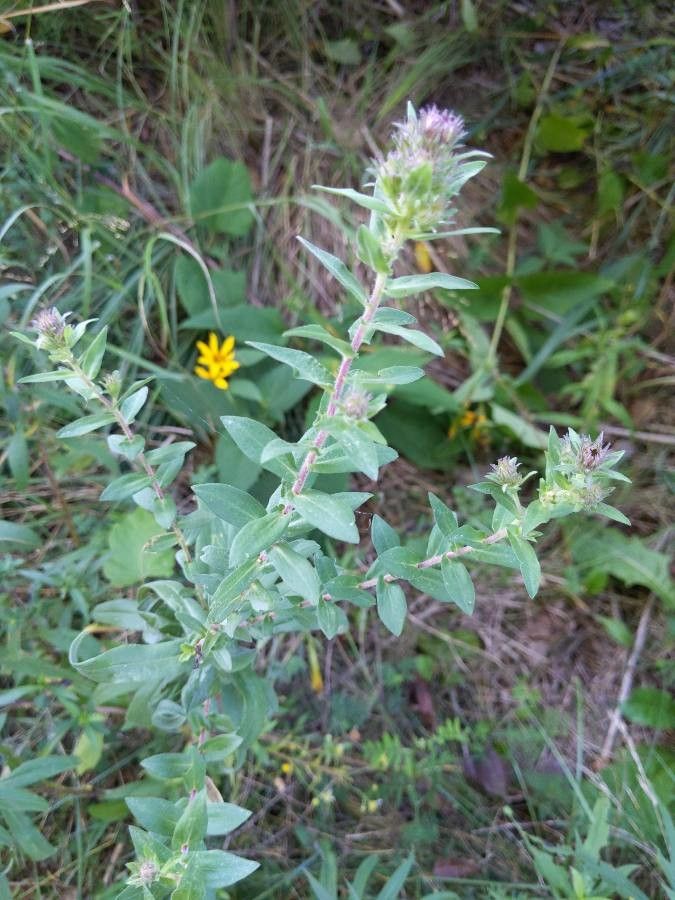
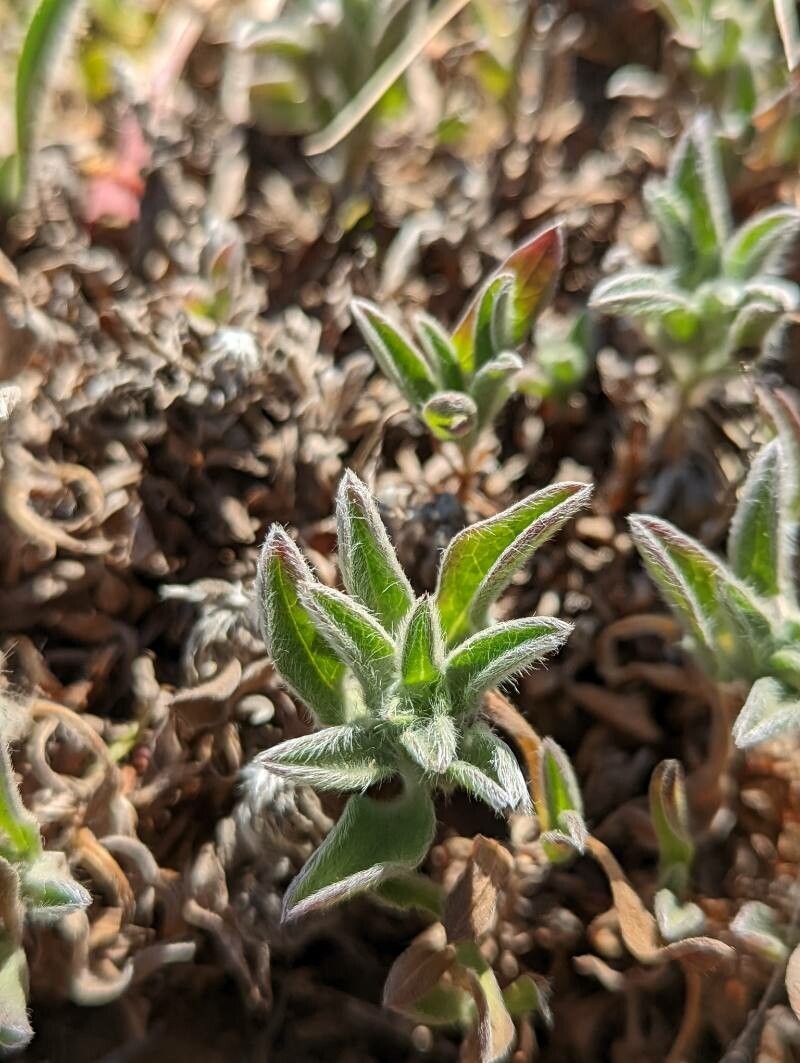
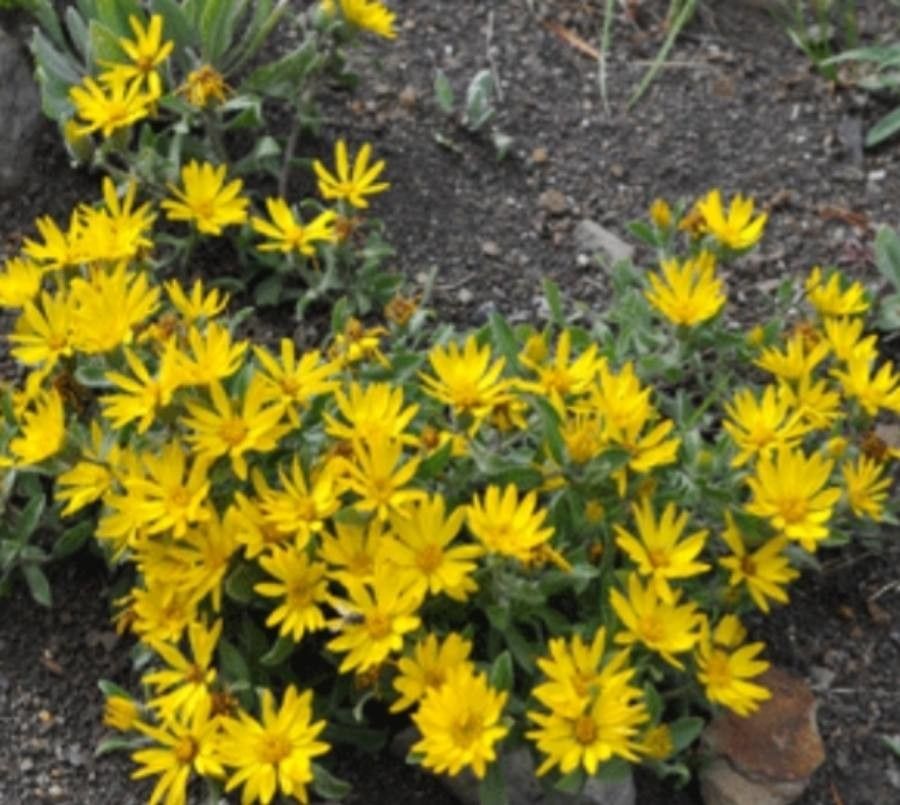
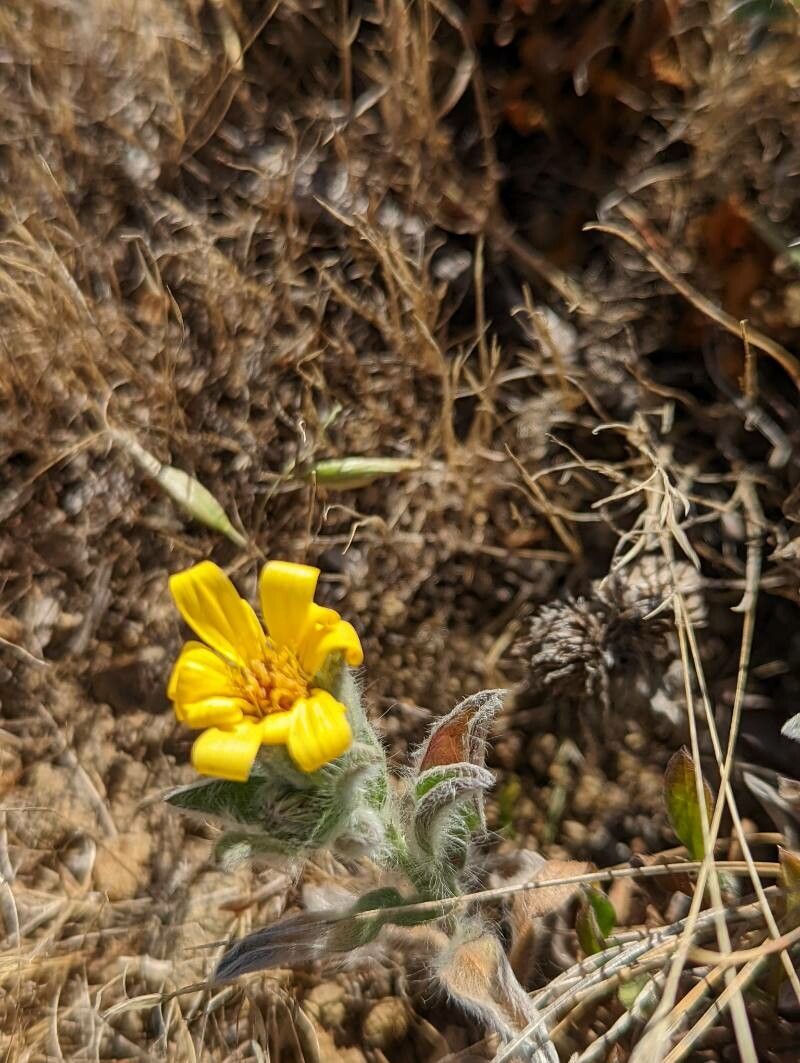
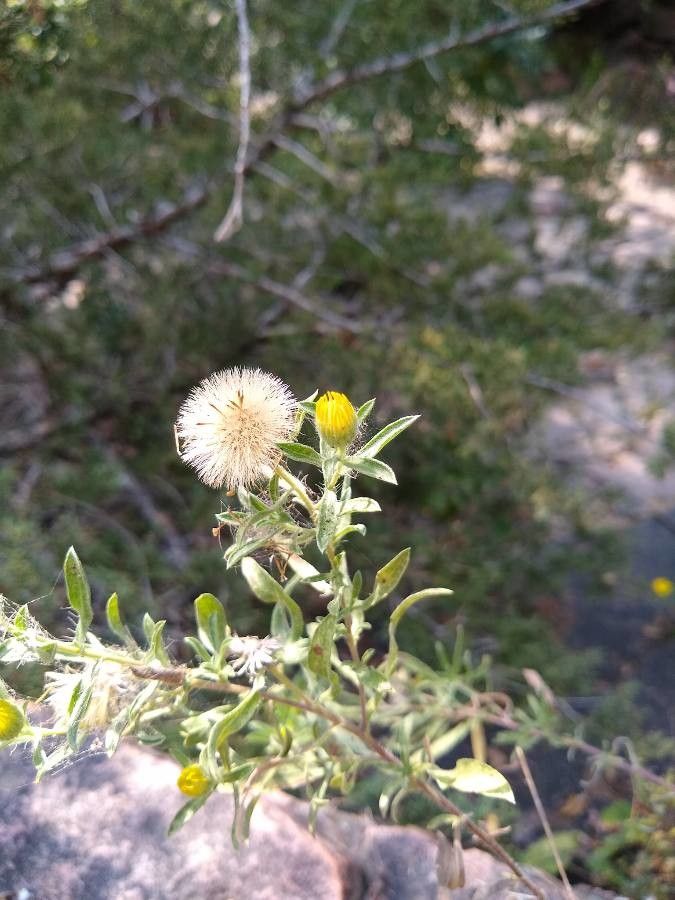
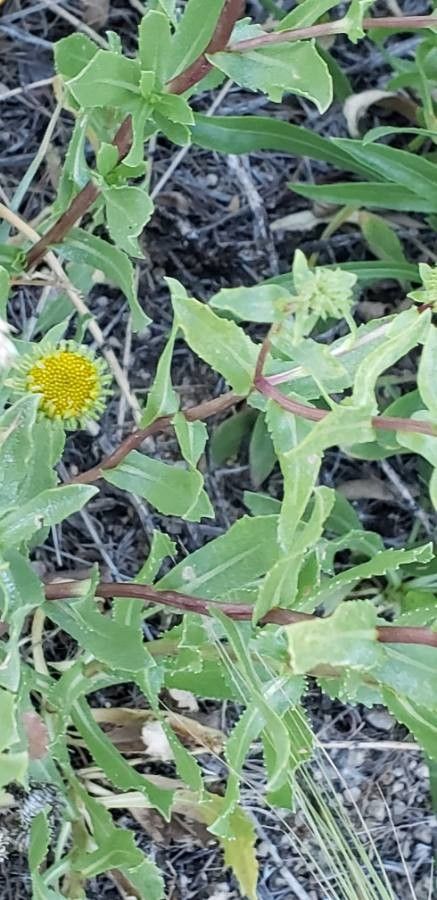
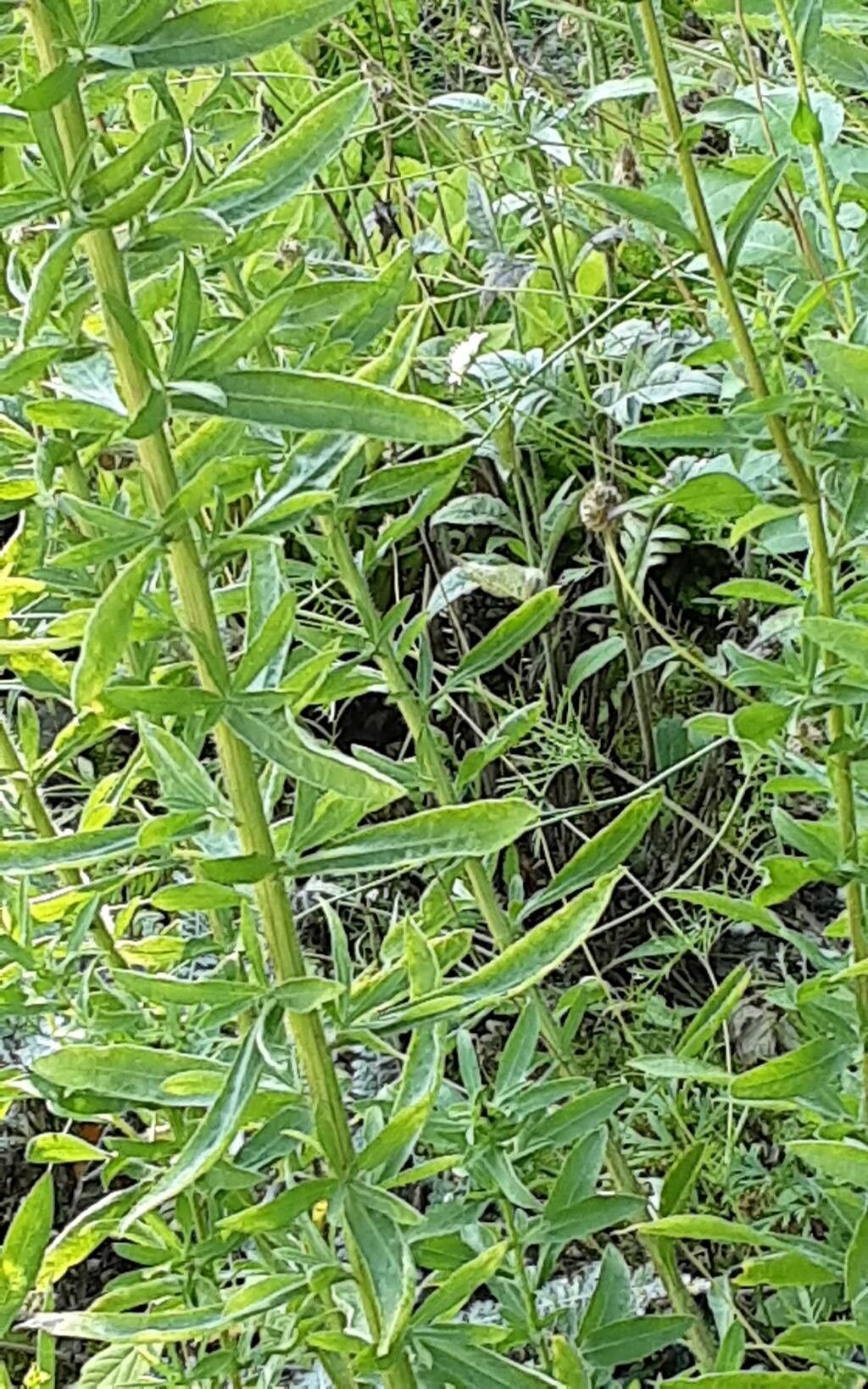
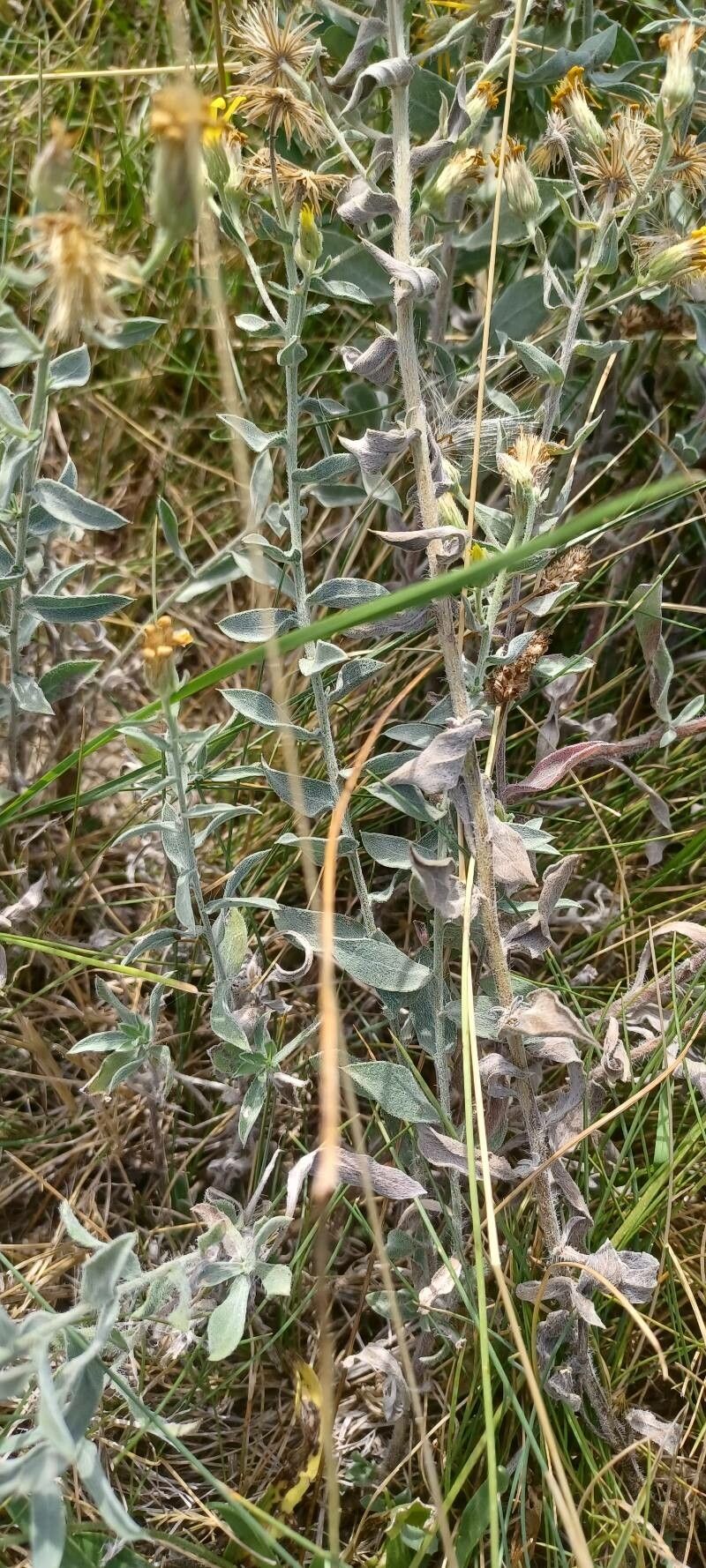
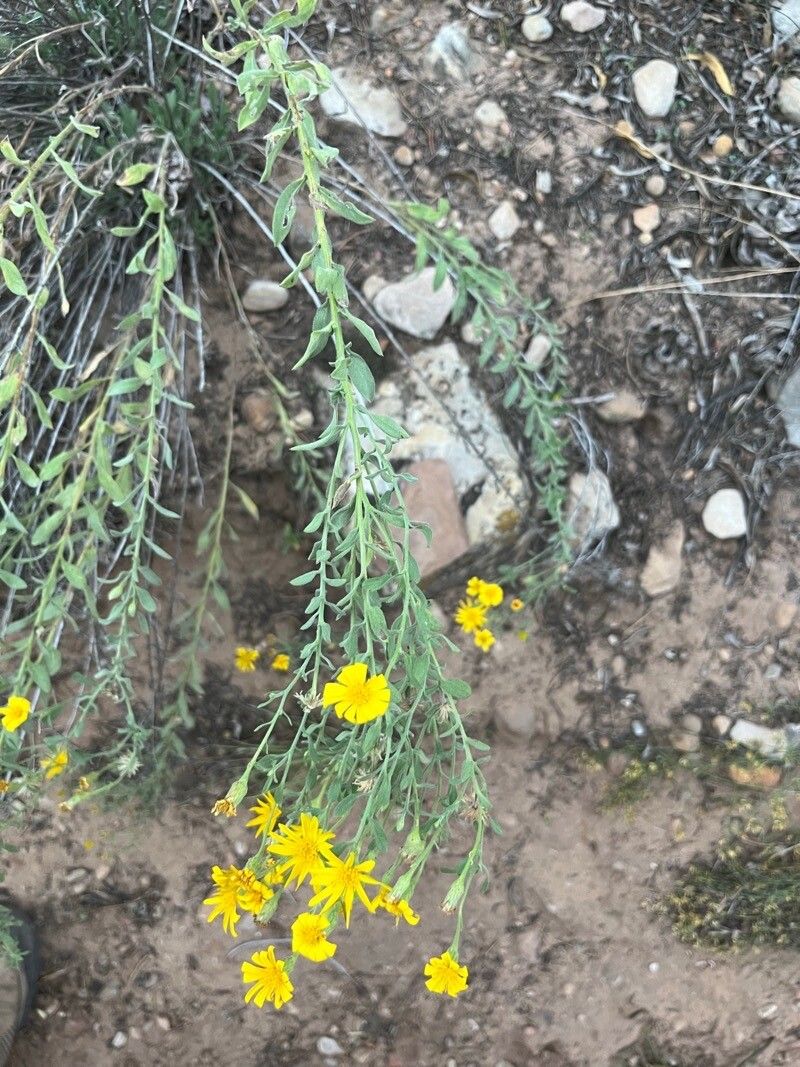
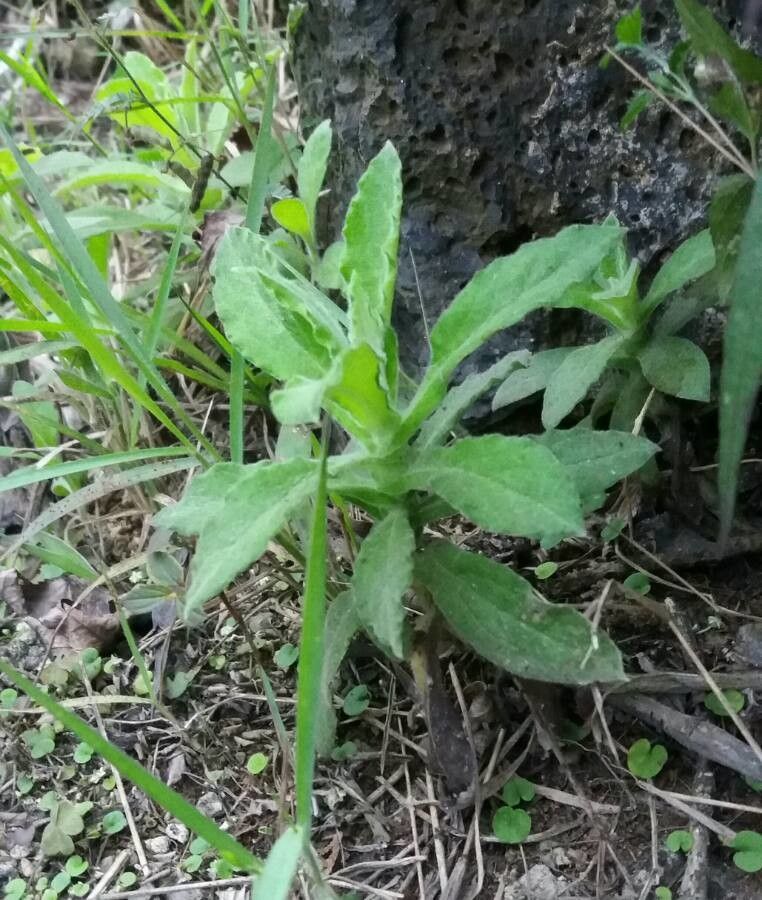
Heterotheca villosa, called the hairy goldenaster, is a species of flowering plant in the family Asteraceae found in central and western North America.
Hairy false goldenaster has strong resistance to disease and is generally not susceptible to illnesses. However, it can be vulnerable to pests and diseases present in its surroundings. Such infections are typically not severe. Regarding care, this plant needs moderate maintenance. It should be pruned regularly to maintain a tidy appearance and support healthy growth. Fertilizing can also help encourage flowering. Hairy false goldenaster is appropriate for anyone with an outdoor area, such as a garden or patio, and does not demand extensive care experience. It may require more attention when grown indoors.
How to keep Heterotheca Villosa.
Light
Hairy false goldenaster grows best in full, unobstructed sunlight but can tolerate moderate shade. Native to open, sunny habitats, abundant light supports vigorous growth and healthy development. Too little or too much sun can harm its overall growth and vitality.
Water
The hairy false goldenaster thrives in semi-arid conditions, requiring moderate moisture and excellent drainage. Once established, it becomes drought-resistant and only needs watering once a week. As a hardy outdoor plant, it adapts well to the varying availability of water in rocky areas during the growing season.
Temperature
Hairy false goldenaster favors a temperature range of 41 to 89.6 °F (5 to 32 °C) and is typically found in areas with a temperate climate. With adequate water it can withstand minor temperature fluctuations and does best where temperatures are stable and constant.
Fertilizer
One fertilizer application in spring is typically adequate for Hairy false goldenaster, although repeated feedings can boost growth. Apply fertilizer once every month to a month and a half. Fertilizing improves the leaves' appearance and function, helping maintain even color and a healthy texture. It also promotes root development and nutrient uptake for the plant's long-term health.
Pruning
The hairy false goldenaster has distinct hairy leaves and vibrant yellow flowers. To encourage bushy and healthy growth, prune the plant between early and late spring by removing any dead or damaged stems. After it flowers, additional pruning helps maintain its shape and vigor. Always use clean, sharp tools when pruning to prevent the spread of diseases.
Botanical profile.
- Plant Type
- Herb
- Life Cycle
- Perennial
- Genus
- Heterotheca
- Family
- Asteraceae
- Hardiness Zone
- 4-8
- Mature Height
- 20 cm to 52 cm
- Mature Spread
- 15 cm to 46 cm
- Leaf Color
- Green, Gray
- Leaf Type
- Deciduous
- Flower Color
- Gold, Yellow
- Flower Size
- 2.54 cm to 5.08 cm
- Bloom Time
- Early summer, Mid summer
- Planting Time
- Spring, Summer
- Harvest Time
- Mid summer, Late summer
- Native Area
- Mexico
Other names.
Reader questions.
How should I water my Hairy false goldenaster plant?
To properly care for the Hairy false goldenaster plant, it's best to use filtered water at room temperature. Tap water may contain harmful particles, so filtered water is preferred. Since the plant comes from a warm environment, it's important to avoid using cold water to prevent shock. Additionally, overhead watering should be avoided as it can lead to foliage issues. Instead, simply water the plant by applying filtered room temperature water directly to the soil until it is completely soaked. This method is advantageous as it ensures that the roots are well-moistened and able to spread through the soil to obtain necessary nutrients.
Why should I use fertilizer on my Hairy false goldenaster?
The main structure of the Hairy false goldenaster is composed of its leaves. Fertilization is a powerful method to ensure that these leaves look great and perform their function effectively. By properly fertilizing your Hairy false goldenaster, you can maintain consistent leaf color and a healthy texture. Fertilization also has positive effects below the soil's surface, promoting the growth of new roots and maintaining existing ones. This not only keeps your plant healthy in the present, but also improves its ability to absorb nutrients from the soil in the future.
What are the sunlight requirements for Hairy false goldenaster?
Hairy false goldenaster requires full sun exposure, defined as above 6 hours of direct sunlight, to thrive optimally, but it can also tolerate partial sun, which is about 3-6 hours of sunlight. It's important to observe the movement of sunlight through your garden to ensure you place your plants in locations that offer a good balance of light and shade, catering to their specific needs for growth and health.
What temperature is ideal for Hairy false goldenaster?
Hairy false goldenaster, known botanically as Heterotheca villosa, thrives in a temperature range of 41 to 89.6°F (5 to 32°C) and is best suited to a temperate climate. It exhibits strong cold resistance, which typically negates the need for special frost protection measures in winter. However, in climates where winter temperatures can plunge below -30°C, it's imperative to take steps to protect the plant, such as covering it with soil or straw. To further enhance its cold tolerance, it's advised to water the plant abundantly before the first freeze of autumn to ensure the soil around it remains moist and enters a frozen state securely. This preparatory action helps safeguard the plant against drought and water scarcity during the colder months and the early spring season.
What should I do if I give too much or too little water to my Hairy false goldenaster?
Overwatering is a more common issue and can be harmful to your Hairy false goldenaster. It causes wilting and yellowing of stems and leaves, and can lead to diseases like root rot, mold, and mildew, which can kill the plant. Underwatering is less common, but can still happen. It causes brittle and brown leaves. It's important to identify overwatering signs early because some diseases may not be fixable if left too long. Reduce watering if you notice signs of overwatering and check the soil quality. Replace poorly draining soil with a well-draining potting mix. If you notice signs of underwatering, simply water more regularly until the signs go away.
When should I fertilize my Hairy false goldenaster?
If you plant your Hairy false goldenaster outside each year, it will start growing new leaves in early spring. When you see these leaves, it means it's time to fertilize the plant. Usually, one application of fertilizer in spring is enough for the Hairy false goldenaster to thrive. However, if you want to promote maximum growth, you can fertilize it multiple times during spring and early summer. In this case, you can fertilize the plant every month to a month and a half.
How does Hairy false goldenaster react to different lighting conditions?
Hairy false goldenaster is best suited for open, sunny environments, tolerating moderate shade. Originating from sunny habitats, it needs ample sunlight for healthy development and vigorous growth. Insufficient or excessive sunlight can negatively impact its growth and vitality. For indoor plants, where natural sunlight is limited, especially in winter or less sunny spaces, the use of artificial lighting such as LED lights, which can be customized to provide specific light wavelengths, becomes crucial. The right amount of artificial light (30-50W/sq ft for full sun plants, 20-30W/sq ft for partial sun plants, and 10-20W/sq ft for full shade plants) and proper placement (12-36 inches above the plant) for about 8-12 hours per day mimics natural sunlight conditions, promoting healthier growth.
What should I do if the temperature falls too low or too high for Hairy false goldenaster?
Hairy false goldenaster can generally withstand cold temperatures well but prefers to stay above 5°C. During winter, aim to keep it above -25°C, but be mindful that if temperatures drop below -30°C, the plant might not show immediate distress, yet it could struggle to sprout in spring. If this occurs, it's beneficial to remove any parts of the plant that haven't sprouted once warmer weather returns. Conversely, during the summer, it's crucial to ensure the plant remains below 32°C, as exceeding 35°C could lead to symptoms such as lighter leaf coloration, leaf curling, susceptibility to sunburn, or even result in the entire plant wilting and drying out. To combat these issues, trim any sun-damaged parts, relocate the plant to a shaded area or use shade cloth to protect it from intense midday and afternoon sun, and maintain soil moisture by watering in the morning and evening.
How frequently should I water my Hairy false goldenaster?
If your Hairy false goldenaster is in a pot, the easiest way to determine if it needs water is to stick your finger into the soil. If the top two to three inches feel dry, it's time to water it. If you're growing your Hairy false goldenaster outdoors in the ground, you can use the same method to test the soil. Once the first few inches of soil have dried out, it's time to water it. Typically, you'll need to water this plant about once a week in spring and early fall. During extremely hot weather, you may need to water it twice or more per week. However, mature, well-established Hairy false goldenasters can tolerate drought well.
When is it not necessary to fertilize my Hairy false goldenaster?
During the late fall and winter, your Hairy false goldenaster goes into a dormant phase and stops producing new growth. So, it's best not to fertilize it during this time. When spring and summer arrive, if you choose to fertilize, gradually decrease the amount of fertilizer as summer progresses because the growth rate of your Hairy false goldenaster will slow down too. In general, it's not a good idea to fertilize your Hairy false goldenaster when the weather is very hot or the soil is extremely dry. Fertilizing in these conditions can stress the plant and cause it to die prematurely.
What are the symptoms of inadequate light in Hairy false goldenaster?
Symptoms of inadequate light in Hairy false goldenaster include smaller new leaves, leggy or sparse growth, faster leaf drop, slower or halted new growth, paler new leaves, chlorosis (yellowing leaves due to chlorophyll breakdown), sunscald (damage from intense sunlight exposure), leaf curling (a defense mechanism against excessive sunlight), wilting (from loss of water through high transpiration), and leaf scorching (brown, dry edges on leaves from excessive sunlight). Each symptom signals a need to adjust the plant's exposure to light.
How much water does my plant, the Hairy false goldenaster, require?
To water your Hairy false goldenaster effectively, don't be afraid to give it a generous amount of water. Make sure that the top two to three inches of soil are dry before watering. When you do water, ensure that the soil is thoroughly soaked. The water should be enough to cause excess water to flow out through the drainage holes at the bottom of the pot. If you don't see any excess water draining, it means you have likely not watered the plant enough. However, be careful not to let water accumulate in the soil, as this can be harmful to the plant. On the other hand, if you observe that water doesn't drain properly from the pot, it could indicate that the soil doesn't drain well, which is not good for the plant's health. If the plant is located outside, receiving around 1 inch of rain per week is sufficient.