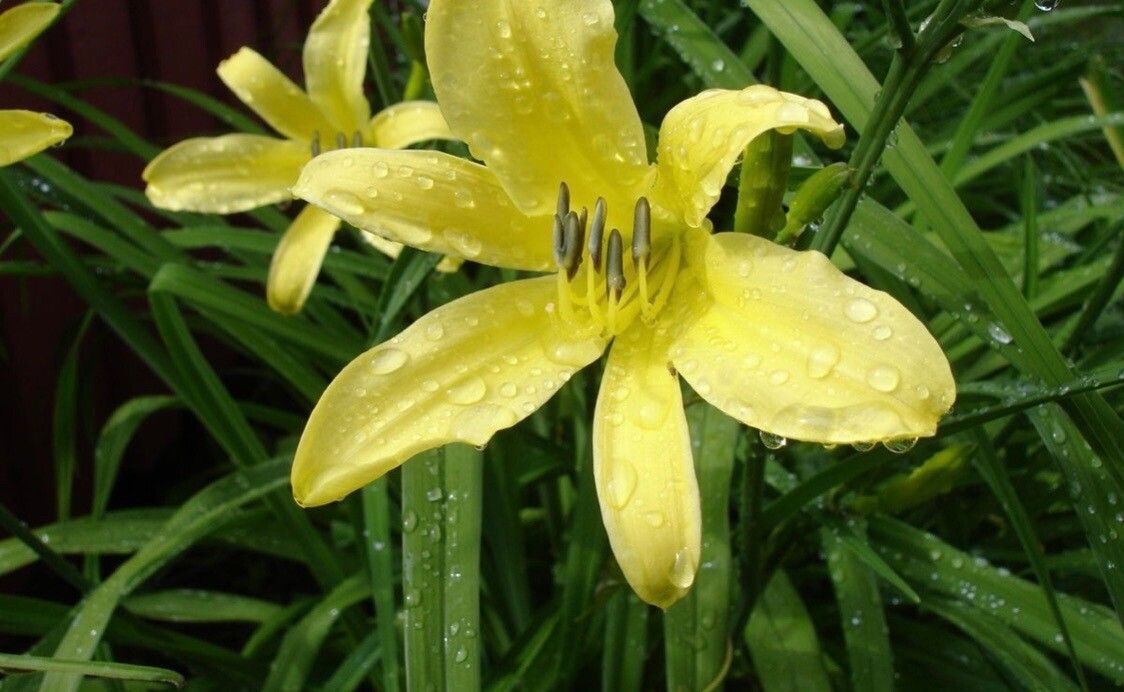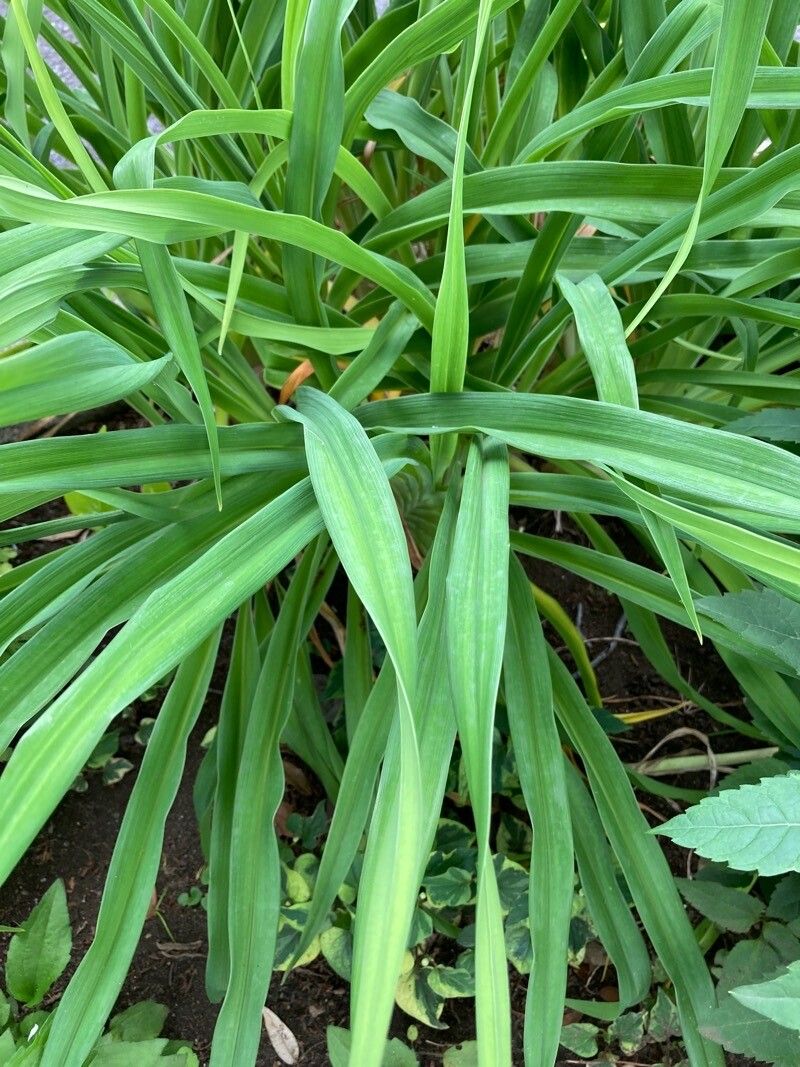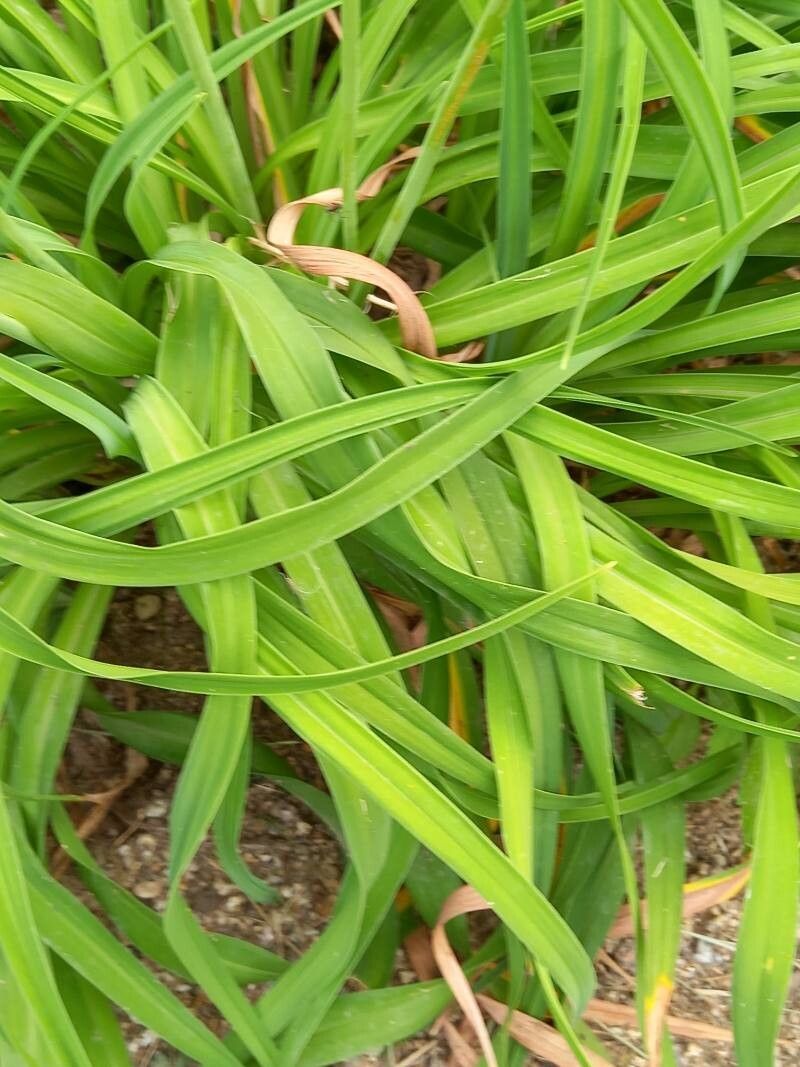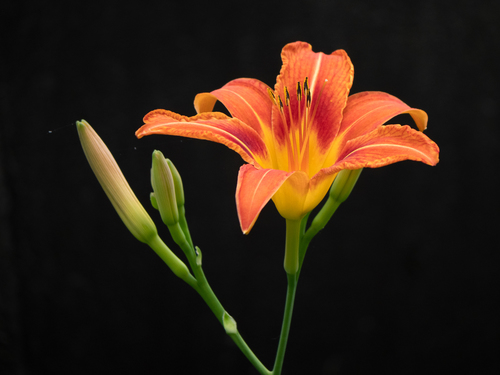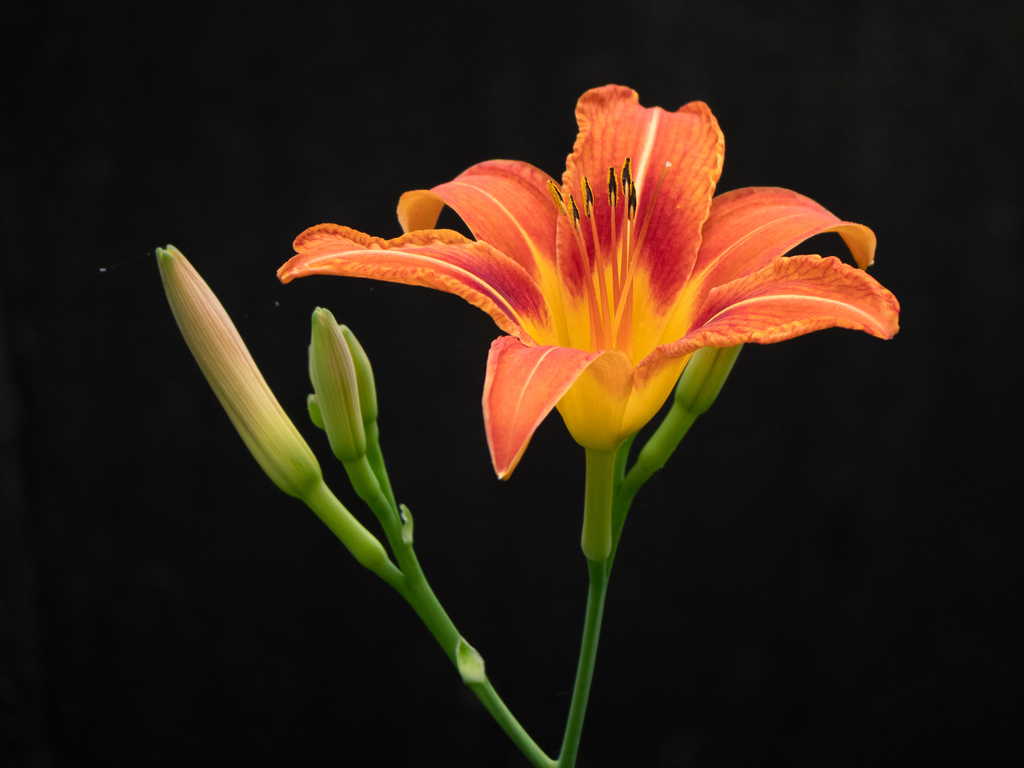
Hemerocallis lilioasphodelus (syn. Hemerocallis flava, known as lemon daylily, lemon lily, yellow daylily, and other names) is a plant of the genus Hemerocallis. It is found across China, in Europe in N.E. Italy and Slovenia and is one of the first daylilies used for breeding new daylily cultivars.Hemerocallis lilioasphodelus grows in big, spreading clumps, and its leaves grow to 75 cm (30 in) long. Its scapes each bear from 3 through 9 sweetly fragrant, lemon-yellow flowers.
Daylilies are fairly disease-resistant and usually not susceptible to illnesses. However, they can still be affected by pests and diseases present in their environment. These problems are typically minor. In terms of care, the plant needs moderate maintenance. It should be pruned regularly to preserve a tidy appearance and encourage healthy growth. Fertilizing can also help boost flowering. Daylilies are suitable for anyone with outdoor space, such as a garden or patio, and do not require extensive gardening experience. They may demand more attention when grown indoors.
How to keep Hemerocallis Lilioasphodelus.
Light
The daylily thrives in an environment rich in sunlight for its healthy growth and vigor. The plant is highly tolerant of locations that receive less sun. Its native habitat reflects its preference for abundant sunlight. Both too much and too little light exposure can affect the daylily's health and flowering.
Water
The yellow daylily thrives with consistent watering, ideally receiving water once a week. While it can withstand short periods of drought, it prefers well-drained soil. Its growth is significantly influenced by rainfall patterns during the growing season, showing its adaptation to moderate moisture levels.
Temperature
The daylily plant grows best in a temperate climate. Its preferred temperature range is 32 to 100 ℉ (0 to 38 ℃). In summer, it copes with higher heat by slowing its growth rate. In winter, it can tolerate cold, but may require protection if temperatures fall below 20 ℉ (-6 ℃).
Fertilizer
The best time to fertilize a daylily is in early spring, when it is coming out of dormancy and starting active growth. Fertilizing supplies essential nutrients for healthy development. Although a daylily has relatively low fertilization requirements, giving fertilizer once a year can enhance its survival and encourage better, longer-lasting flowers.
Pruning
The yellow daylily is a hardy plant that features vibrant yellow flowers. To keep your daylily healthy, prune it in early spring to remove dead foliage, and again after it blooms to maintain its shape and promote growth. Regular pruning encourages healthier growth, extends the blooming period, and helps prevent fungal issues. For the best results, consult reliable sources for detailed pruning practices.
Pot & Repot
When repotting Daylily, choose a pot 1–2 inches (2.5–5.1 cm) larger with ample drainage. Use a well-draining potting mix. Repot in spring or fall, making sure the root ball sits slightly below the rim of the flower pot. Water thoroughly after repotting and place it in a warm spot with indirect sunlight.
Botanical profile.
- Plant Type
- Herb
- Life Cycle
- Perennial
- Genus
- Hemerocallis
- Family
- Asphodelaceae
- Hardiness Zone
- 3-11
- Mature Height
- 49 cm to 91 cm
- Mature Spread
- 91 cm
- Leaf Color
- Green
- Leaf Type
- Semi-evergreen
- Flower Color
- Yellow
- Flower Size
- 10.16 cm
- Bloom Time
- Late spring, Early summer, Mid summer
- Planting Time
- Spring
- Harvest Time
- Mid summer
- Native Area
- Russia, Kazakhstan, Japan, Mongolia, South Korea, China
Other names.
Reader questions.
When Should I Water My Yellow Daylily?
Timely watering is essential for the optimal growth of a yellow daylily. Look for signs such as drooping or wilting leaves, which indicate dehydration, and ensure the top 1-2 inches of soil are dry before watering as yellow daylilies prefer slightly dry conditions. Reduced flowering and a shift in leaf color towards yellow suggest issues with water intake, where the former indicates under-watering and the latter may indicate overwatering or poor drainage. Always present adequate drainage to prevent root rot, signaled by brown or slimy roots. To balance the plant's health, analyze these signs carefully before deciding to water.
Why should I put fertilizer on my Yellow daylily?
The Yellow daylily benefits from fertilization because it provides important nutrients for the plant's growth. While the overall fertilization needs for a Yellow daylily are low, annual fertilization can greatly benefit the plant's survival and promote the development of better and longer-lasting flowers. Therefore, those who want their Yellow daylily to thrive should prioritize annual fertilization.
What are the sunlight requirements for a Yellow Daylily?
The Yellow Daylily thrives in environments that are rich in sunlight, crucial for its growth and vitality. This plant requires full sun, defined as more than 6 hours of sunlight daily, but can also tolerate partial sun, which means about 3-6 hours of sunlight. Its resilience to varying degrees of sunlight exposure is notable, highlighting its capability to adapt to different light conditions. However, it's important to observe the movement of sunlight through your garden to pick the best spots that offer an ideal blend of light and shade, ensuring the plant's well-being.
What is the preferred climate and temperature range for the yellow daylily?
The yellow daylily, scientifically known as Hemerocallis lilioasphodelus, thrives in a temperate climate with a preferred temperature range of 32 to 100°F (0 to 38°C). During summer, it adjusts to higher temperatures by slowing down its growth rate, while in winter, it can tolerate cold but may need protection if temperatures drop below 20°F (-6°C). Despite its strong cold resistance, protection from frost by covering the plant with soil or straw is advised if winter temperatures are expected to fall below the growth limit temperature. Additionally, watering the plant abundantly before the first freeze in autumn is recommended to ensure the soil remains moist and enters a frozen state, helping prevent drought and water scarcity for the plant during winter.
How Should I Water My Yellow Daylily?
Watering the yellow daylily correctly involves ensuring evenly moist soil with good drainage to prevent over-saturation. Use a watering can with a narrow spout for controlled, gentle watering directly at the root zone. Bottom-watering is effective for containers, ensuring deep soil moisture without waste. A moisture meter can help monitor soil moisture levels accurately. Focus watering on the root zone and avoid overhead watering to reduce the risk of fungal diseases. Ensure effective drainage to avoid waterlogged conditions, which can lead to root rot.
When should I add fertilizer to my Yellow daylily?
The best time to fertilize a Yellow daylily is late winter to early spring when it is transitioning from dormancy to active growth. Fertilizing during this time promotes healthy growth for the season. It is also acceptable to fertilize in the fall, but it is not recommended to do so in summer or winter.
What additional care does a Yellow Daylily need regarding light?
In conditions where natural sunlight is insufficient, especially during winter or in less sunny locations, artificial lighting can be a beneficial supplement for the Yellow Daylily. Optimal growth requires appropriate types of artificial light, such as LED lights, which can be adjusted to emit specific light wavelengths needed by the plant. For plants requiring full sun, 30-50W per square foot is recommended; for partial sun plants, 20-30W per square foot; and for full shade plants, 10-20W per square foot. The artificial light should be placed 12-36 inches above the plant and be on for 8-12 hours per day to mimic natural sunlight conditions adequately.
How does the yellow daylily respond to temperature changes, and what are the recommended protective measures?
The yellow daylily can withstand cold temperatures and thrives best when the environment stays above its minimum suitable growth temperature. However, if temperatures fall below its growth limit temperature, while there may not be noticeable changes during winter, there could be a decrease in sprouting or no sprouting at all come springtime. In response to high temperatures, specifically above its maximum tolerable growth temperature, the plant's leaves may lighten in color, curl, become susceptible to sunburn, and in severe cases, the plant may wilt and dry up. Protective measures include removing unsprouted parts in spring, trimming away sunburned and dried parts, moving the plant to a shaded location or using a shade cloth during summer, and ensuring the soil remains moist by watering in the morning and evening.
How Much Water Does Yellow Daylily Really Need?
Yellow daylilies, native to various environments, thrive in consistently moist, well-drained soil. The amount of water needed depends on factors like pot size, root depth, and plant size, aiming to soak the root zone thoroughly. On average, a mature plant in a 15-inch pot may require about 2 to 3 liters of water per session. Indicators of proper hydration include vibrant and firm green leaves, sturdy stems, and abundant flowers. Be wary of over and under-watering consequences, adjusting practices to maintain soil moisture optimally without causing waterlogging or dehydration.
When should I not fertilize my Yellow daylily?
To prevent overfertilization and complications, refrain from fertilizing your Yellow daylily throughout most of the year. The plant's low fertilization needs only require a single feeding in late winter or early spring. However, if you haven't fertilized in spring, it is acceptable to feed the plant in fall. Additionally, there is no need to fertilize the Yellow daylily during winter when it is in a dormant growth phase and not putting forth new growth.
What symptoms indicate light deficiency in a Yellow Daylily?
Symptoms of light deficiency in a Yellow Daylily can vary. Some signs include smaller new leaves, leggy or sparse growth, accelerated leaf drop, slower or no new growth, and leaves developing lighter colors or chlorosis, indicating a lack of chlorophyll and essential nutrients. Excessive sunlight, on the other hand, may lead to sunscald, leaf curling, wilting, or leaf scorching, pointing to overexposure to sunlight. These symptoms demonstrate the plant's struggle to adapt to its lighting conditions, affecting its health and growth.
What Kind of Water is Best for Yellow Daylily?
The yellow daylily benefits most from distilled water, which is pure and free from contaminants that could harm the plant. Rainwater is another excellent option, being natural and chemical-free. If these are not available, filtered water that has had harmful substances removed is suitable, with tap water being a last resort if treated to remove chlorine due to the plant's sensitivity. Avoid water with high fluoride or chlorine content to prevent leaf burn and stress. Moderately warm water is preferred, avoiding shocks from extreme temperatures.