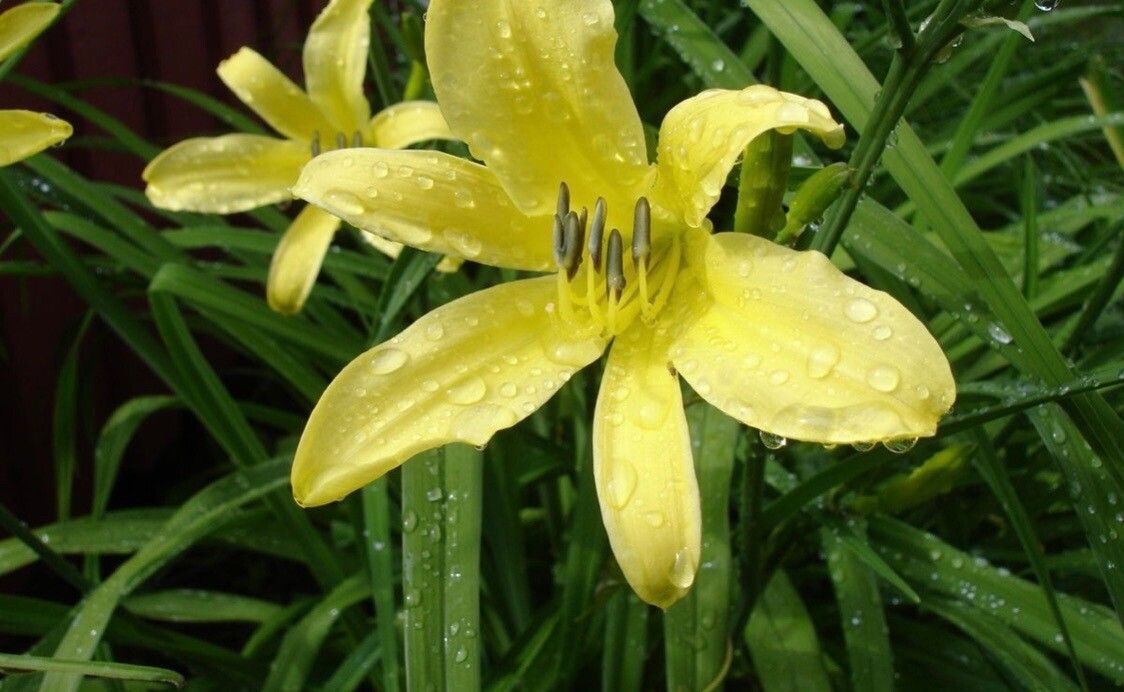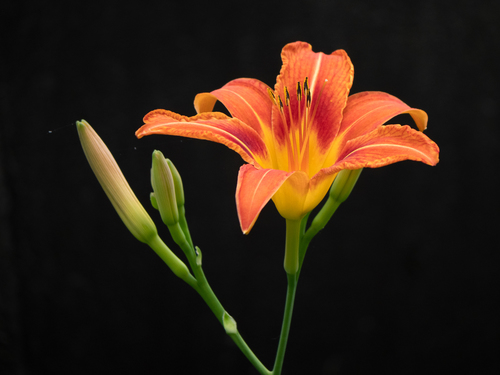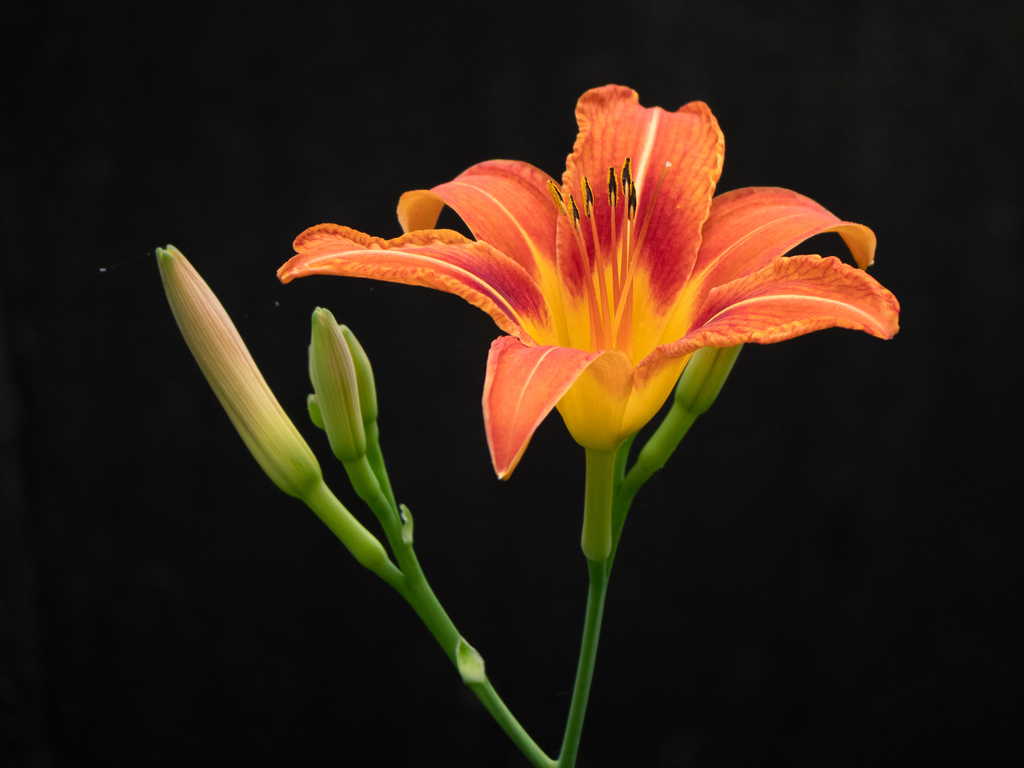
Hemerocallis fulva, commonly known as the tawny daylily, is a herbaceous perennial in the Asphodelaceae family. Native to Asia, it has become a popular ornamental plant in gardens and landscapes worldwide.
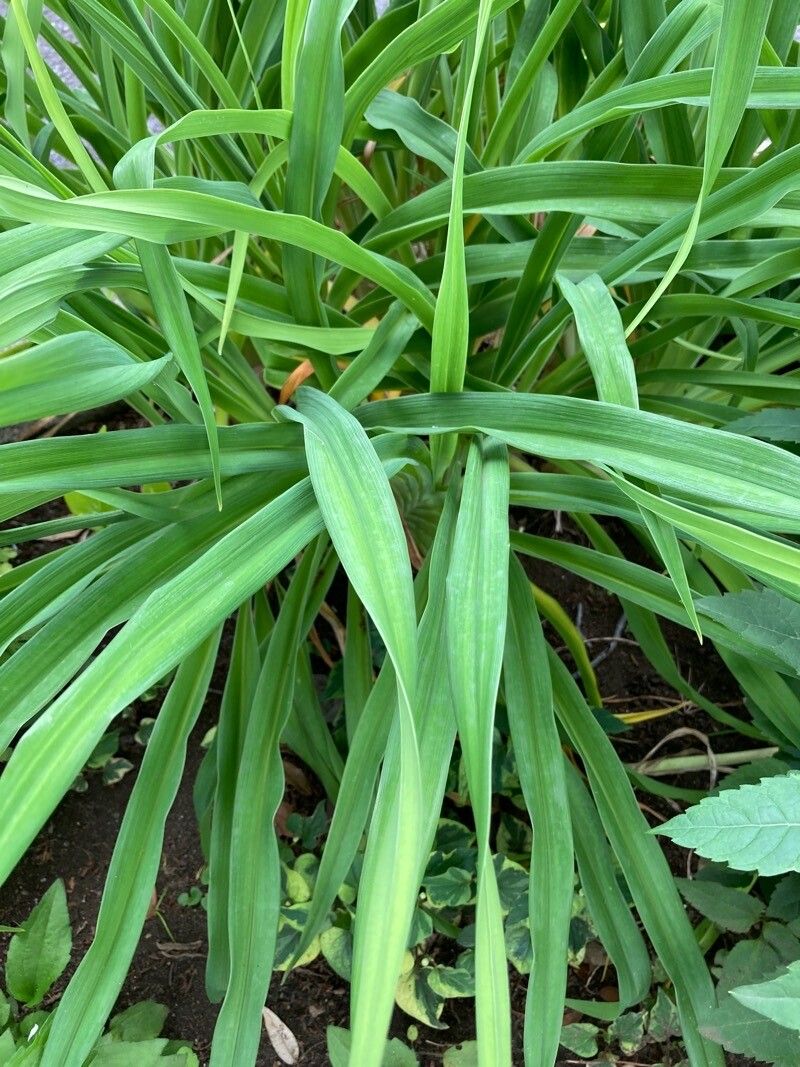
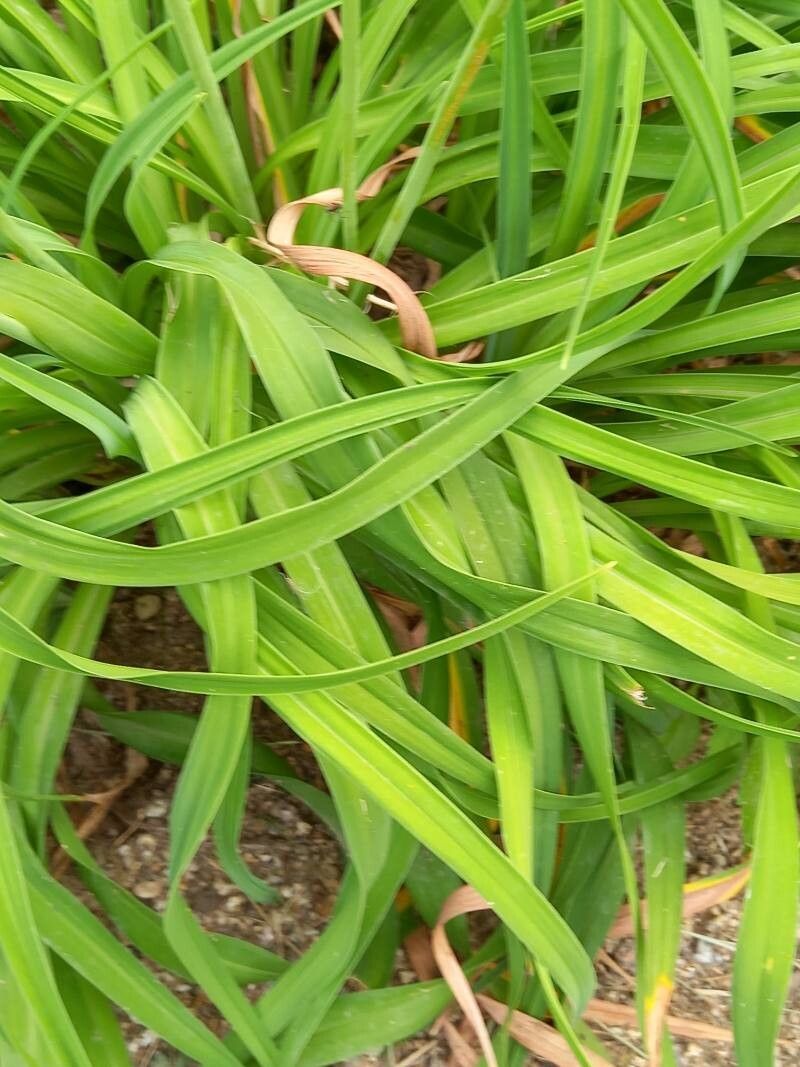
The tawny daylily can grow to a height of 1 to 1.5 meters and features long, strap-like green leaves. The trumpet-shaped flowers, which display six petals in shades ranging from orange-red to yellow, bloom for just one day before wilting.
This resilient plant thrives in full sun to partial shade and prefers well-drained soil, though it can adapt to a variety of soil types, including clay. Once established, Hemerocallis fulva is drought-tolerant but will benefit from regular watering during dry periods.
Renowned for its hardiness, ease of cultivation, and rapid naturalization, the tawny daylily is an excellent choice for low-maintenance gardens. It adds a burst of color during the summer months with minimal effort required from the gardener.
While Hemerocallis fulva doesn't have notable medicinal uses, it has been traditionally used as a food source in some cultures. Young shoots can be eaten raw or cooked, and flower buds can be pickled similar to capers.
Overall, Hemerocallis fulva is an attractive ornamental plant that provides vibrant colors and requires minimal care, making it ideal for both novice gardeners and seasoned horticulturists.
The ditch lily is fairly disease-resistant and generally does not suffer from many illnesses. It can, however, be vulnerable to pests and diseases present in its environment, though such infections are typically mild. In care terms, this plant needs moderate maintenance. It should be pruned regularly to keep a tidy appearance and encourage healthy growth. Fertilizing can also help stimulate flowering. Ditch lily is a good choice for anyone with outdoor space, like a garden or patio, and does not demand extensive care experience. It may need more attention if kept indoors.
How to keep Hemerocallis Fulva.
Light
Ditch lily prospers in places that receive abundant sunlight for most of the day. Areas that receive dappled or filtered light for part of the day can also support its growth. Originating from vibrant meadows and open woods, it is a light-loving species, although excessive sun can scorch its leaves. Conversely, inadequate light can impede its ability to bloom.
Water
The Ditch Lily thrives in the moderate moisture conditions commonly found in Eastern Asia, often growing near ditches. It requires watering every 1-2 weeks to maintain moist but not waterlogged soil. This robust and resilient plant is frequently cultivated outdoors, where it can adapt to varying rainfall patterns throughout the growing season.
Temperature
The ditch lily plant naturally occurs in environments that favor temperatures of 20 to 29 ℃ (68 to 84 ℉). It can, however, tolerate temperatures as low as 0 ℃ (32 ℉) and as high as 38 ℃ (100 ℉). In different seasons, adjust the temperature to keep it within this preferred range to ensure optimal growth.
Fertilizer
The best time to fertilize a Ditch lily is in early spring, as it comes out of dormancy and begins active growth. Fertilization supplies essential nutrients needed for healthy development. Although Ditch lily has fairly low fertilizer requirements, applying fertilizer annually can boost its survival and encourage improved, longer-lasting blooms.
Pruning
The ditch lily is a resilient perennial known for its vibrant orange flowers. To encourage growth, it's best to prune it from early to late spring. Be sure to remove dead leaves and old flower stalks so that the plant can focus its energy on the roots. Regular pruning not only enhances the blooms but also helps maintain a neat appearance.
Pot & Repot
Repot Ditch lily in early spring. Choose a pot that is wider than it is deep and has good drainage. Use a loamy, well-draining potting mix enriched with compost. Gently remove old soil from the bulb and plant it so the depth equals the bulb's height. Water thoroughly after repotting and place the pot in a sunny location. Avoid overwatering to prevent the bulb from rotting.
Botanical profile.
- Plant Type
- Herb
- Life Cycle
- Perennial
- Genus
- Hemerocallis
- Family
- Asphodelaceae
- Hardiness Zone
- 3-11
- Mature Height
- 0.4 m to 1.52 m
- Mature Spread
- 61 cm to 91 cm
- Leaf Color
- Green
- Leaf Type
- Deciduous
- Flower Color
- Orange
- Flower Size
- 5.08 cm to 11.43 cm
- Bloom Time
- Early summer, Mid summer
- Planting Time
- Spring
- Harvest Time
- Mid summer
- Native Area
- Kyrgyzstan, Japan, China
Other names.
Reader questions.
When Should I Water My Ditch Lily?
Watering your ditch lily appropriately is vital for its health, growth, and flowering. You should water when the top 1 to 2 inches of soil around the plant is dry. Pay attention to the leaves; if they start to wilt or lose their vibrant color, it's a sign that the plant needs water. It's particularly crucial to water during the pre-flowering stage to prevent bud drop. In conditions of warm temperatures and high sunlight exposure, ditch lilies have higher water needs. Be cautious of watering too early or too late, as this could lead to root diseases from over-watering or plant stress and potential death from under-watering.
Why do I have to put fertilizer on my Ditch lily?
Fertilization is important for the Ditch lily because it provides essential nutrients for the plant's growth above and below ground. The Ditch lily's fertilization needs are generally low, and it can survive without fertilization at times. However, annual fertilization can greatly benefit the Ditch lily, as it helps keep the plant alive and promotes the production of better and longer-lasting flowers. Therefore, those who want their Ditch lily to look its best should prioritize annual fertilization.
What are the sunlight requirements for a ditch lily?
A ditch lily needs above 6 hours of sunlight (full sun) to thrive and can also grow in partial sun, which is about 3-6 hours of sunlight. It's essential to observe the movement of sunlight through your garden to find the perfect spots that offer a balance of light and shade, ensuring the plants' well-being. Regions receiving dappled or filtered light for part of the day can support ditch lily growth.
What is the native growth environment of the Ditch Lily?
The Ditch Lily (Hemerocallis fulva) is native to an environment that prefers a temperature range of 20 to 29°C (68 to 84°F). It show strong resilience to a wide range of temperatures, capable of withstanding lows of 0°C (32°F) to highs of 38°C (100°F). To ensure the plant's optimal growth, it's crucial to adjust the temperature to keep it within this preferred range across different seasons.
How Should I Water My Ditch Lily?
To water your ditch lily effectively, utilize the bottom-watering technique by placing the plant in a tray of water to absorb moisture from the bottom up, or use a narrow spout watering can to direct water to the base, avoiding the foliage. Employing a moisture meter can help determine when it's the right time to water by checking the soil's moisture level. Always aim to keep the foliage dry to prevent disease, and adjust your watering schedule based on the plant's needs and environmental conditions. Mulching can help retain soil moisture, and ensure any excess water drains out of the pot to avoid overwatering issues.
When should I fertilize my Ditch lily?
The best time to fertilize a Ditch lily is in the late winter to early spring when it is transitioning from dormancy to active growth. This encourages healthy growth and helps it start the season off well. Fertilizing in the early spring is generally the most beneficial, but it is also okay to fertilize it in the fall. However, it is not recommended to feed the Ditch lily in the summer or winter seasons.
How can artificial lighting support ditch lily growth?
Artificial lighting can be critical for ditch lily growth, especially when natural sunlight is insufficient. Indoor plants benefit greatly from artificial lights, which promote faster, healthier growth. LED lights are recommended because they can be customized to provide specific wavelengths needed by the plants. Full sun plants need 30-50W/sq ft, partial sun plants need 20-30W/sq ft, and full shade plants require 10-20W/sq ft of artificial light. The light source should be placed 12-36 inches above the plant to mimic natural sunlight, ensuring the plant receives 8-12 hours of light per day.
How does the Ditch Lily tolerate cold temperatures?
The Ditch Lily has notable cold resistance and typically doesn't require special frost protection measures during the winter. However, if temperatures are expected to fall below the plant's tolerance limit, it's important to take measures to protect it from the cold. This can include covering the plant with soil or straw. Additionally, watering the plant abundantly before the first freeze in autumn is recommended to maintain soil moisture. This step helps in preventing drought and water scarcity during the winter and early spring.
How Much Water Does Ditch Lily Really Need?
Ditch lily requires more water compared to some other plants, due to its natural habitat in moist areas. The amount of water needed depends on the pot size, root depth, and plant size. For example, a ditch lily in a 12-inch pot with 6-inch deep roots typically needs about one gallon of water to ensure thorough saturation. Observing the plant's growth and leaf condition can help you assess if it's getting the right amount of water. Firm, upright leaves indicate adequate hydration, while yellow or wilting leaves suggest over or under-watering. It's crucial to soak the roots properly but avoid waterlogging.
When is it best to not put fertilizer on my Ditch lily?
To properly fertilize your Ditch lily, remember to only do it in late winter or early spring. This plant only needs one feeding per year, so avoid fertilizing it in spring, summer, and fall to avoid overfertilization. However, if you missed fertilizing in spring, it is acceptable to feed it in fall. Also, there is no need to fertilize the Ditch lily during winter because it is in a dormant phase and does not grow.
What are the symptoms of light deficiency in ditch lilies?
Symptoms of light deficiency in ditch lilies include smaller new leaves, leggy or sparse growth, faster leaf drop, slower or no new growth, and lighter-colored or yellowing leaves indicating chlorosis. Excessive sunlight can cause symptoms like sunscald, leaf curling, wilting, and leaf scorching, which damage the plant's tissues and impact its health.
What are the indicators of low temperature distress in Ditch Lily plants, and how can it be managed?
Ditch Lily plants are cold-tolerant, ideally thriving when temperatures are kept above their minimum suitable growth temperature. During winter, it is crucial to maintain temperatures above their minimum tolerable growth limit. Falling below this limit may not show immediate visible changes, but could lead to decreased sprouting or absence of sprouting in spring. To manage this issue, remove any parts of the plant that have failed to sprout come spring.