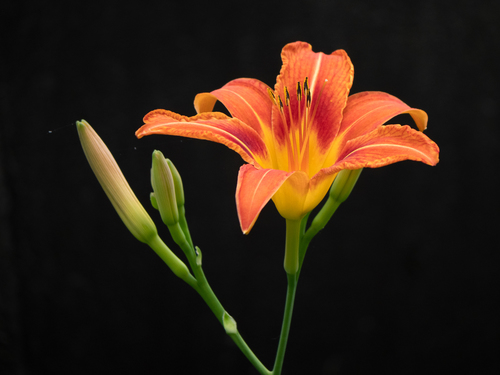
Hemerocallis dumortieri is a species of plant in the family Asphodelaceae. It is native to Korea and possibly parts of China, and has been introduced into Japan. Hemerocallis dumortieri var. esculenta is native to Hokkaidō.
Dumortier's daylily has strong disease resistance and is typically not easily affected by illnesses. Still, it can be vulnerable to pests and diseases that exist nearby. Such infections tend to be mild. Regarding upkeep, this plant requires a moderate level of care. Regular pruning is necessary to preserve a neat appearance and support healthy growth. Applying fertilizer can also encourage blooming. Dumortier's daylily is appropriate for anyone with outdoor areas like a garden or patio and does not demand extensive gardening experience. If cultivated indoors, it may need more attentive care.
How to keep Hemerocallis Dumortieri.
Light
Dumortier's daylily does best when exposed to plentiful light for most of the day, though it can tolerate somewhat shadier spots. Native to bright habitats, too little light can hinder its growth, while too much can scorch its leaves, so a careful balance of exposure is necessary.
Water
Dumortier's daylily, originally from East Asia, flourishes in moist, woodland-like environments. It prefers to be watered weekly but can tolerate short periods of dryness. This plant adapts well to growing outdoors, especially when it can benefit from rainfall. Providing sufficient hydration during the growing season is essential for healthy foliage and maximizing its blooming potential.
Temperature
Dumortier's daylily can tolerate a wide range of temperatures, but its distribution may still be restricted by various combinations of moisture and heat. It performs best in warm summer climates with sufficient rainfall or irrigation. Extended periods of cloudy, rainy weather, as well as prolonged high temperatures, can raise the likelihood of Dumortier's daylily dying. In winter, protecting the plant from cold can improve its survival rate.
Fertilizer
For Dumortier's daylily, the primary time to apply fertilizer is early spring when the flowers are forming. The proper fertilizer promotes better blooms and helps Dumortier's daylily produce attractive flowers. Fertilizing in early spring ensures strong flowers during the season and supplies energy for dormant growth phases.
Pruning
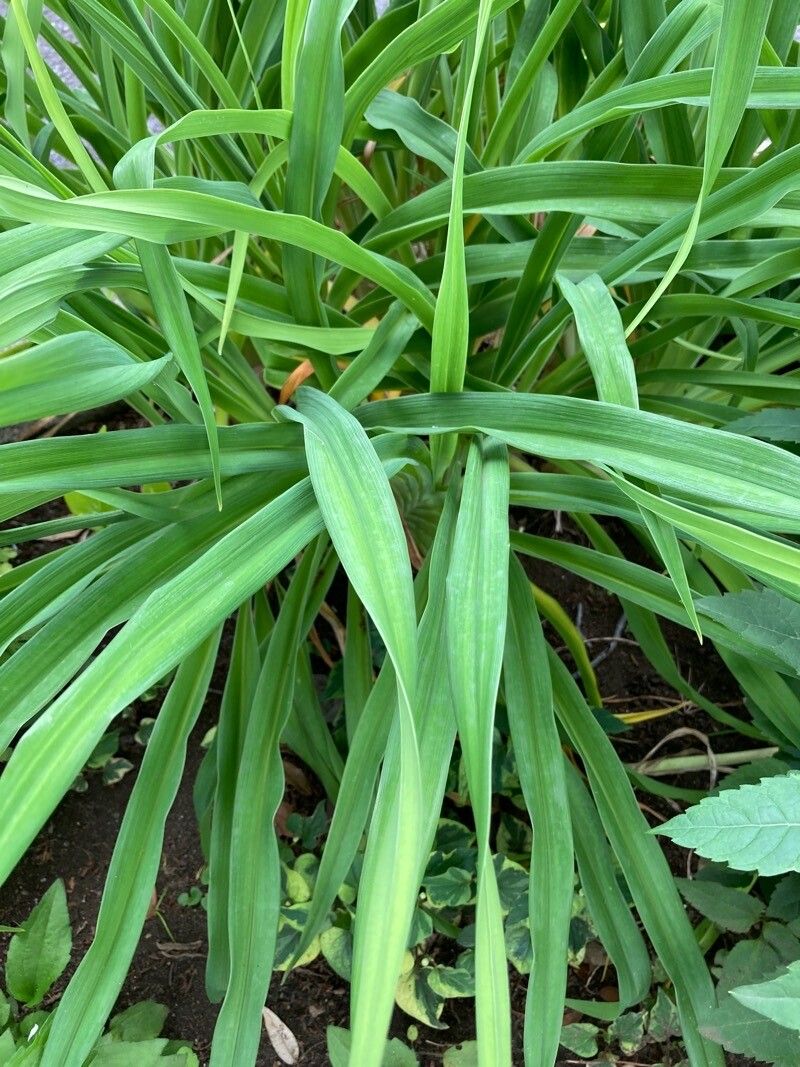
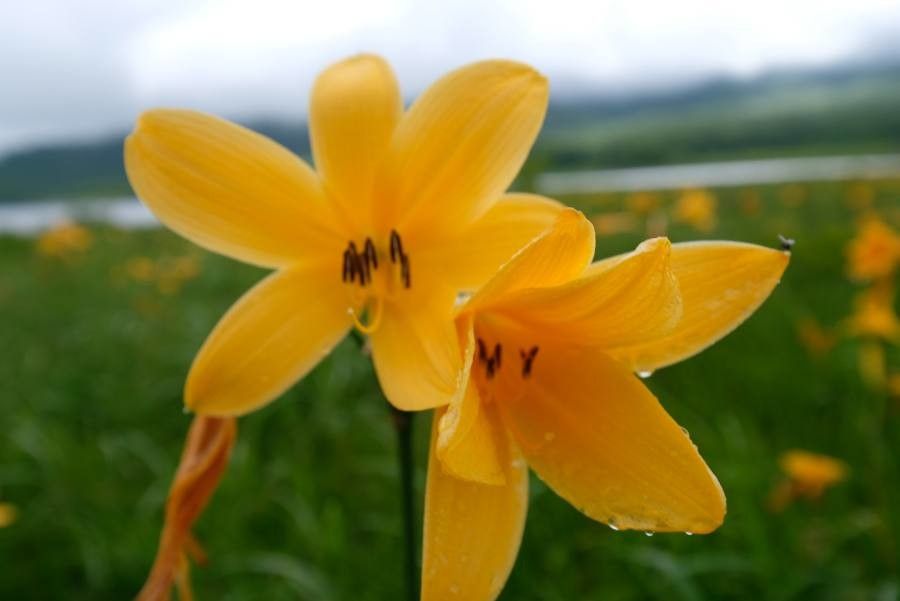
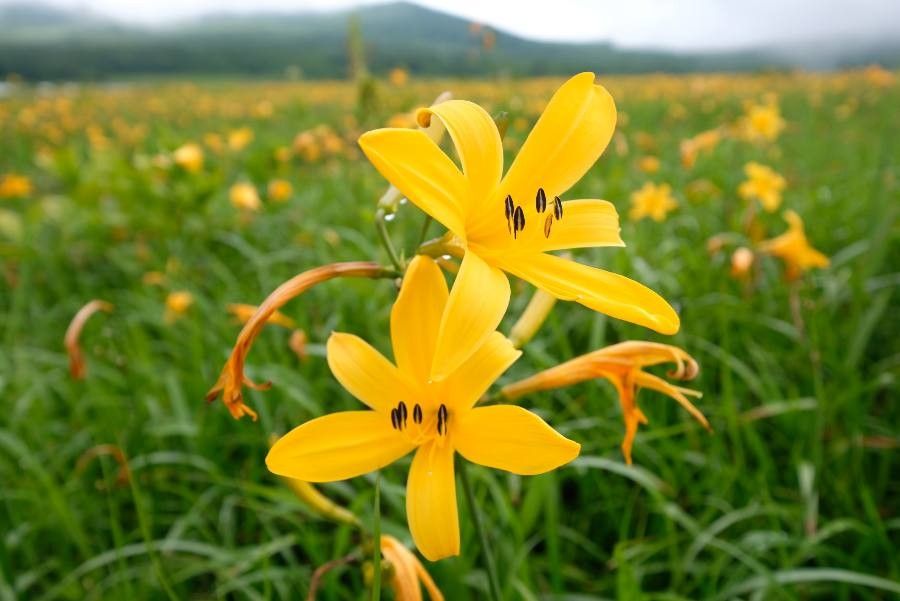
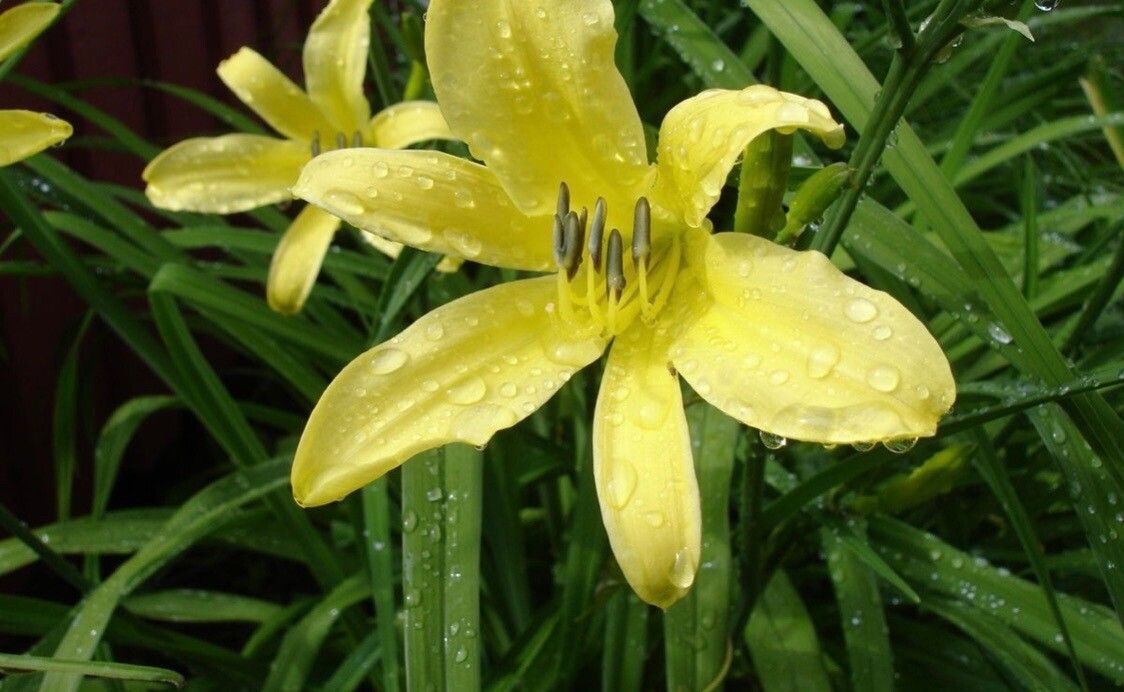
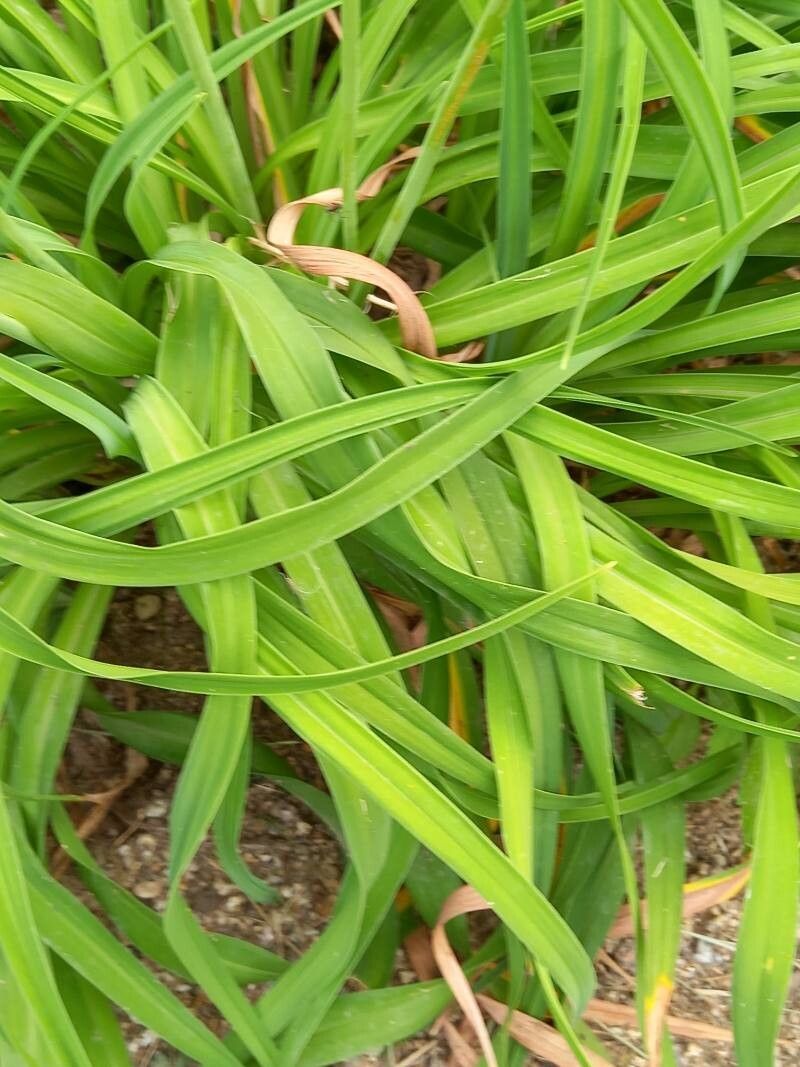
Dumortier's daylily features vibrant yellow flowers and grass-like foliage. To encourage growth and minimize the risk of disease, prune old stems and remove spent flowers from early to late spring. Regularly trimming damaged leaves also enhances blooming and supports plant health, ensuring a thriving garden.
Botanical profile.
- Plant Type
- Herb
- Life Cycle
- Perennial
- Genus
- Hemerocallis
- Family
- Asphodelaceae
- Hardiness Zone
- 3-9
- Mature Height
- 49 cm
- Mature Spread
- 61 cm
- Leaf Color
- Green
- Leaf Type
- Deciduous
- Flower Color
- Orange, Yellow
- Flower Size
- 5.08 cm to 6.35 cm
- Bloom Time
- Late spring, Early summer
- Planting Time
- Spring, Summer
- Harvest Time
- Mid summer, Late summer
- Native Area
- Russia, Japan, Koppen, South Korea, China
Other names.
Reader questions.
How should I water my Dumortier's daylily to keep it healthy?
To properly water the Dumortier's daylily, it is suggested to use filtered water at room temperature. Tap water may contain harmful particles, so filtered water is preferred. It's important to use warm water because the plant is adapted to warm environments, and cold water can be a shock to its system. Avoid overhead watering as this may cause issues with the foliage. Instead, water the soil directly until it is completely soaked. This helps moisten the roots and allows them to spread and absorb nutrients effectively.
Why do I have to put fertilizer on my Dumortier's daylily?
Fertilization is important for the Dumortier's daylily because it provides nutrients for the plant to grow both above and below ground. Although the overall fertilization needs of the daylily are relatively low, annual fertilization can greatly benefit the plant. It helps the daylily stay alive and may even improve the quality and longevity of its flowers. Therefore, if you want your Dumortier's daylily to look its best, it is recommended to fertilize it on a yearly basis.
What are the sunlight requirements for Dumortier's daylily?
Dumortier's daylily thrives under conditions of full sun, requiring above 6 hours of sunlight a day, but it can also tolerate partial sun, meaning about 3-6 hours of sunlight daily. It's essential to watch how sunlight moves through your garden and choose spots that ensure a perfect balance of light and shade for your plants, promoting their best growth and happiness.
What do I need to do if I give my Dumortier's daylily too much or too little water?
Overwatering is a common issue that can harm your Dumortier's daylily. When the plant receives too much water, its stems and leaves may wilt and turn yellow. Prolonged overwatering can also lead to diseases like root rot, mold, and mildew, which can be fatal for the plant. Underwatering is less common for this species, but it can still happen. When the plant is underwatered, the leaves may become brittle and brown. It's important to notice signs of overwatering early and take action immediately. Some diseases caused by overwatering, such as root rot, may be irreversible if not addressed promptly. If you see early signs of overwatering, reduce watering and check the soil drainage. If the soil drains poorly, replace it with a loose, well-draining potting mix. If you notice signs of underwatering, increase watering until the signs subside.
When should I fertilize my Dumortier's daylily?
The best time to fertilize a Dumortier's daylily is in late winter or early spring when it is coming out of dormancy and starting to grow. Fertilizing at this time helps promote healthy growth for the season. While fertilizing in early spring is generally most beneficial, you can also fertilize in the fall. However, it is not recommended to fertilize in summer or winter.
How does Dumortier's daylily respond to different light conditions?
Dumortier's daylily grows optimally in abundant light for most of the day but is resilient enough to survive in more shaded conditions. Originating from areas rich in light, lacking sufficient light can stunt its growth, whereas too much exposure can damage its foliage. This indicates the necessity for a careful balance of light exposure. When sunlight is not adequate, especially during winter or in less sunny locations, indoor plants might require artificial lighting to ensure optimal growth. LED lights are a good choice for their adaptability in providing necessary wavelengths, with recommended wattages based on the plant's sunlight needs.
How often do I need to water my Dumortier's daylily?
If your Dumortier's daylily is in a pot, the best way to determine if it needs water is by sticking your finger into the soil. If the top two to three inches of soil are dry, then it's time to water it. If your Dumortier's daylily is planted in the ground outdoors, you can use a similar method to test the soil. Once again, if the top few inches of soil have dried out, it's time to water it. Typically, during the spring and early fall, you will need to water this plant about once a week using this method. However, during extremely hot weather, you may need to water it twice a week or even more. Despite this, mature and well-established Dumortier's daylilies can actually tolerate drought quite well.
When is the best time to not put fertilizer on my Dumortier's daylily?
The Dumortier's daylily only needs to be fertilized once a year, specifically during late winter or early spring. Overfertilizing during other times of the year can cause complications. However, if you skipped fertilizing in the spring, it is acceptable to fertilize during the fall. Additionally, there is no need to fertilize during the winter when the plant is in a dormant phase and not growing.
What are the symptoms of improper lighting for Dumortier's daylily?
Dumortier's daylily exhibits several symptoms when exposed to inadequate lighting conditions, including smaller new leaves, leggy or sparse growth, faster leaf drop, slower or halted growth, pale new leaves, chlorosis, sunscald, leaf curling, wilting, and leaf scorching. These symptoms can range from light deficiency signs like reduced leaf size and pale coloring to excessive light symptoms such as sunscald and leaf scorching.
How much water does my Dumortier's daylily require?
When watering your Dumortier's daylily, it's important not to hold back on the amount of water you give. Make sure that the first two to three inches of soil are dry before watering, and then give the plant a good, thorough soaking. You should add enough water to completely saturate the soil, allowing excess water to drain through the holes at the bottom of the pot. If you don't see any excess water draining, it's likely that you haven't watered enough. However, be cautious of overwatering, as this can also harm the plant. Similarly, if water is not draining properly, it could be a sign of poorly draining soil, which is bad for the plant's health. If the plant is outdoors, about 1 inch of rain per week should be enough.
What kind of fertilizer does my Dumortier's daylily require?
For Dumortier's daylily, most general-purpose fertilizers with a balanced amount of the three main plant nutrients will work well. However, some specific nutrient blends can be even more beneficial. Many gardeners believe that higher levels of phosphorus can strengthen the roots and improve flower quality. Since Dumortier's daylilies are flowering plants, using a phosphorus-rich fertilizer may be the best approach. You can choose either granular or liquid fertilizer, as long as it contains plenty of nutrients. Additionally, you can also improve the soil for your Dumortier's daylily using organic methods, such as compost and manure. These materials can greatly enhance the overall health of your Dumortier's daylily.
What solutions exist for Dumortier's daylily experiencing improper lighting?
To combat improper lighting, for indoor Dumortier's daylilies, gradually move them to spots with at least 6 hours of direct sunlight daily or use artificial lighting if moving them is not feasible. Outdoor plants should be shifted gradually to sunnier spots to avoid sunburn. Clearing obstructions like overhanging branches can also improve sunlight exposure. In case sunlight exposure can't be naturally increased, using desk, ceiling lamps, or professional plant grow lights can provide the necessary luminescence for healthy growth. It's important to note, parts of the plant damaged by insufficient light might not recover, but proper light exposure can ensure new growth is healthy.