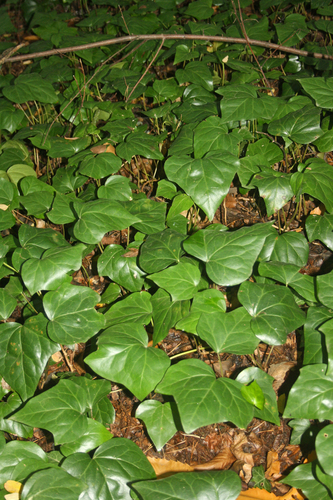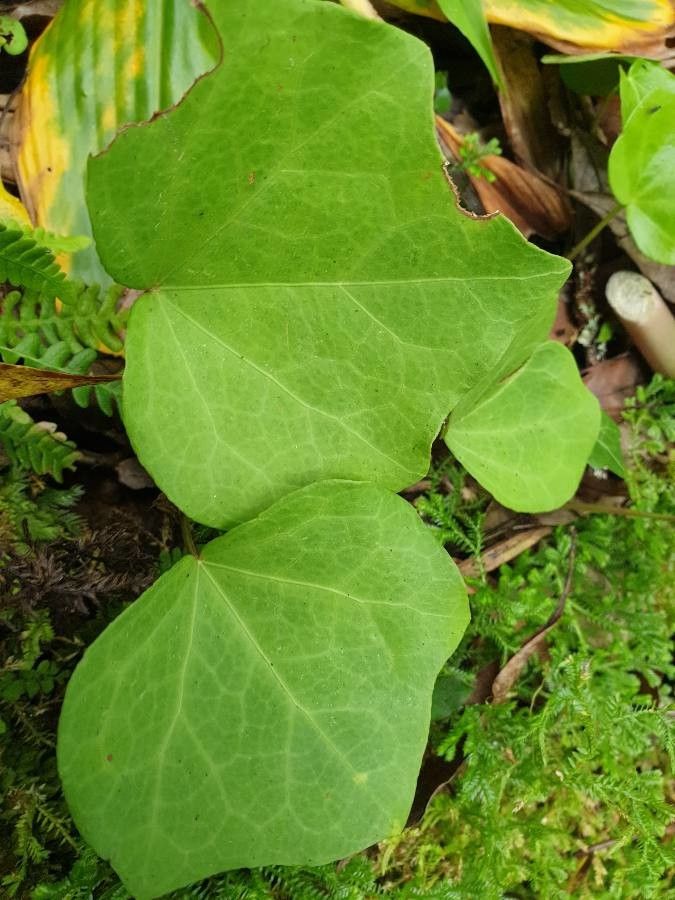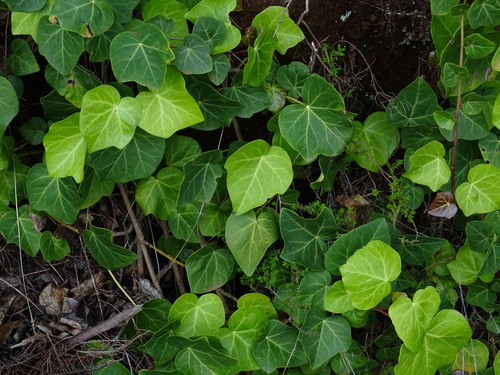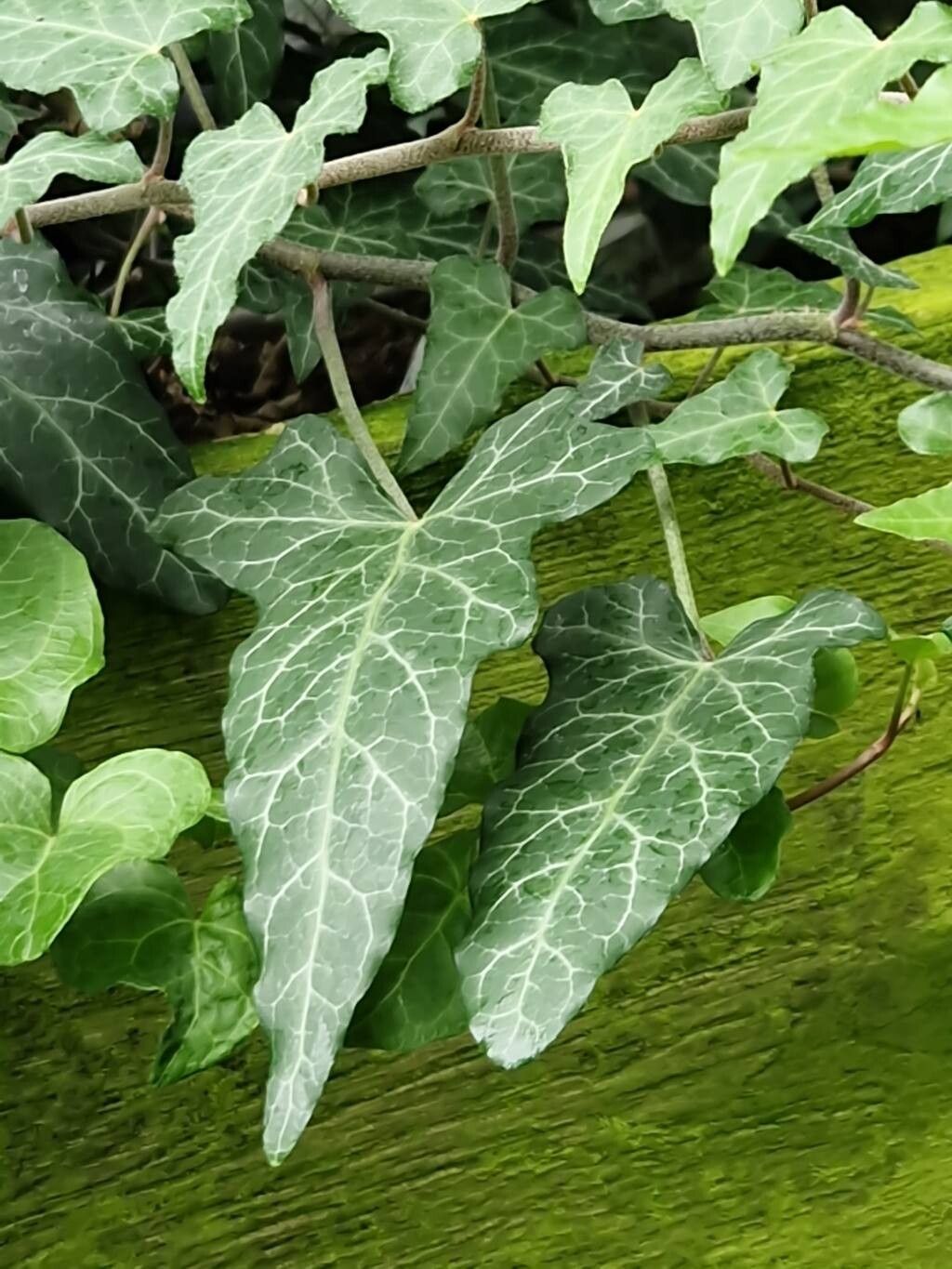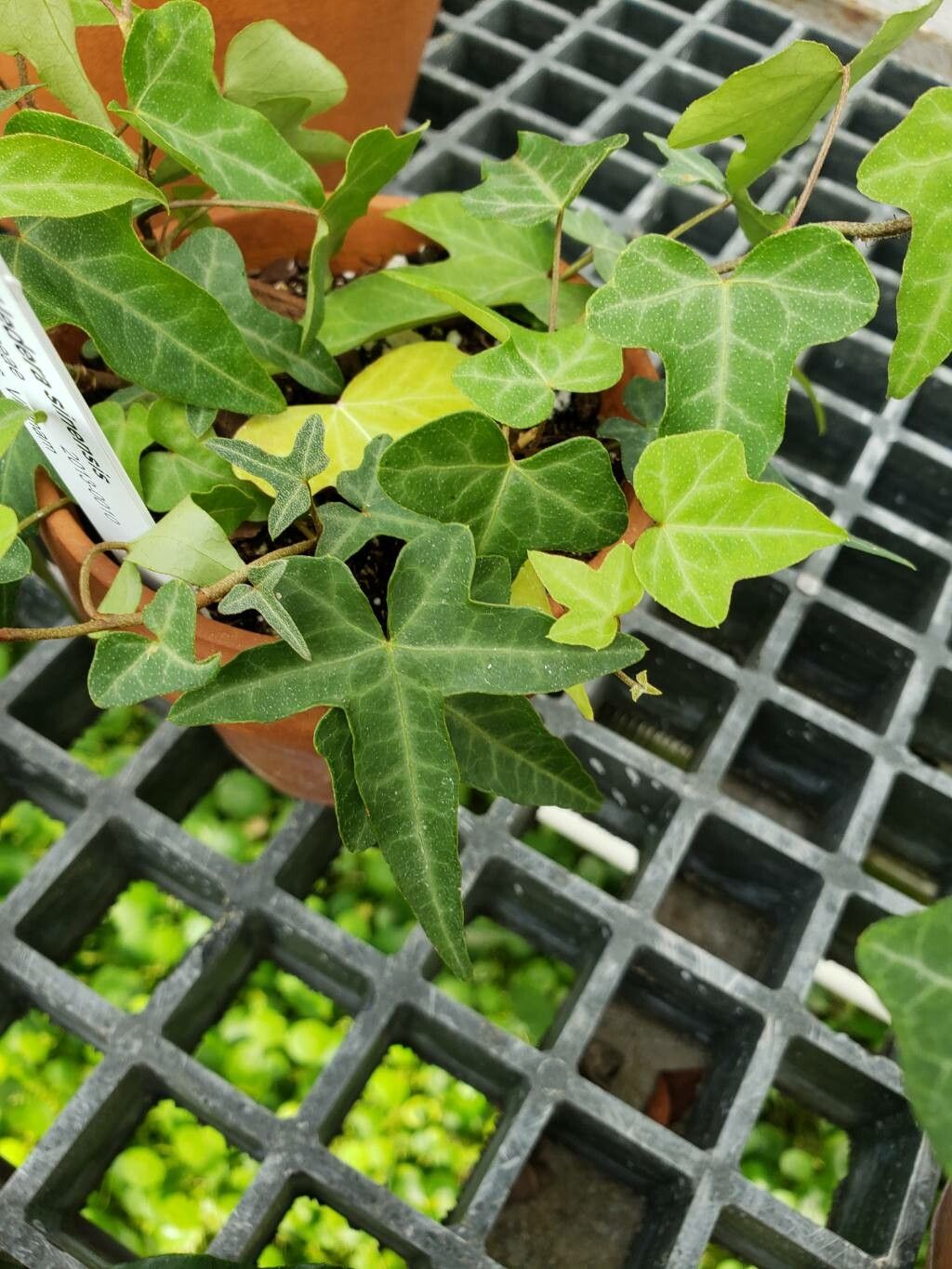
Himalayan ivy has good resistance to disease and is generally not susceptible to illnesses. Regarding care, this plant is fairly low-maintenance. Planted outdoors it needs little watering, and larger specimens usually do not require pruning. Smaller plants, however, should be pruned after they have finished blooming. Himalayan ivy is suitable for anyone with outdoor space, such as a garden or a deck, and does not demand a great deal of care experience.
How to keep Hedera Sinensis.
Light
Himalayan ivy originates in settings like forest understories or rocky areas, where it grows in natural shade. It prefers partial sun but can tolerate full sun or full shade, reflecting its versatile and hardy nature.
Water
Himalayan ivy flourishes in humid environments, as it needs consistent moisture and stability. To mimic its natural habitat and promote vibrant growth, water the plant twice a week and mist it regularly. This drought-sensitive plant benefits greatly from high humidity, particularly when grown indoors.
Temperature
Himalayan ivy is highly adaptable to a wide range of climates, from scorching summers to cold winters. However, it has a preferred temperature range for healthy growth. If temperatures become too high, the plant can experience heat and humidity stress that may kill it. In areas where temperatures near the lower threshold of its cold tolerance, providing insulation is necessary to protect the plant.
Fertilizer
Fertilize your Himalayan ivy in early spring to encourage healthy growth. Regular feeding improves the plant’s overall health, leading to vigorous development, increased tolerance of harsh conditions, and enhanced resistance to pests and diseases. Keeping a consistent fertilization routine for your Himalayan ivy will help maintain vibrant, deeply colored foliage and a lush appearance.
Pruning
Himalayan ivy benefits from pruning in early spring. During this time, dead branches are removed, and the size of the plant is managed. Light trimming helps maintain its shape and encourages the growth of dense foliage. Using sharp tools ensures clean cuts, which reduces the risk of disease. Strategic pruning improves the plant's appearance and overall health.
Pot & Repot
Repot Himalayan ivy every 1 to 2 years to promote healthy growth and provide enough space for root development.
Botanical profile.
- Plant Type
- Vine
- Life Cycle
- Perennial
- Genus
- Hedera
- Family
- Araliaceae
- Hardiness Zone
- 6-10
- Mature Height
- 2.13 m to 4.88 m
- Mature Spread
- 4.88 m to 10.06 m
- Leaf Color
- Dark Green, Forest Green
- Leaf Type
- Evergreen
- Flower Size
- 1.52 cm to 2.54 cm
- Bloom Time
- Late summer, Early fall, Mid fall
- Planting Time
- Spring, Autumn
- Harvest Time
- Late fall, Early winter, Mid winter
- Native Area
- Nepal, Vietnam, Laos, China