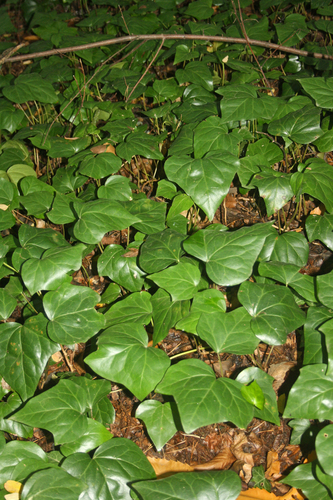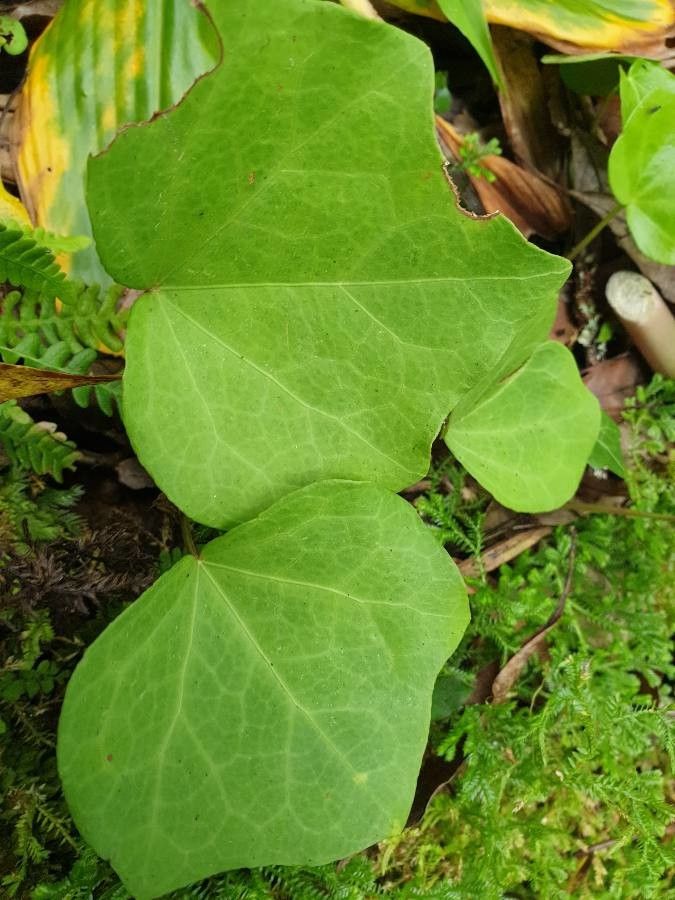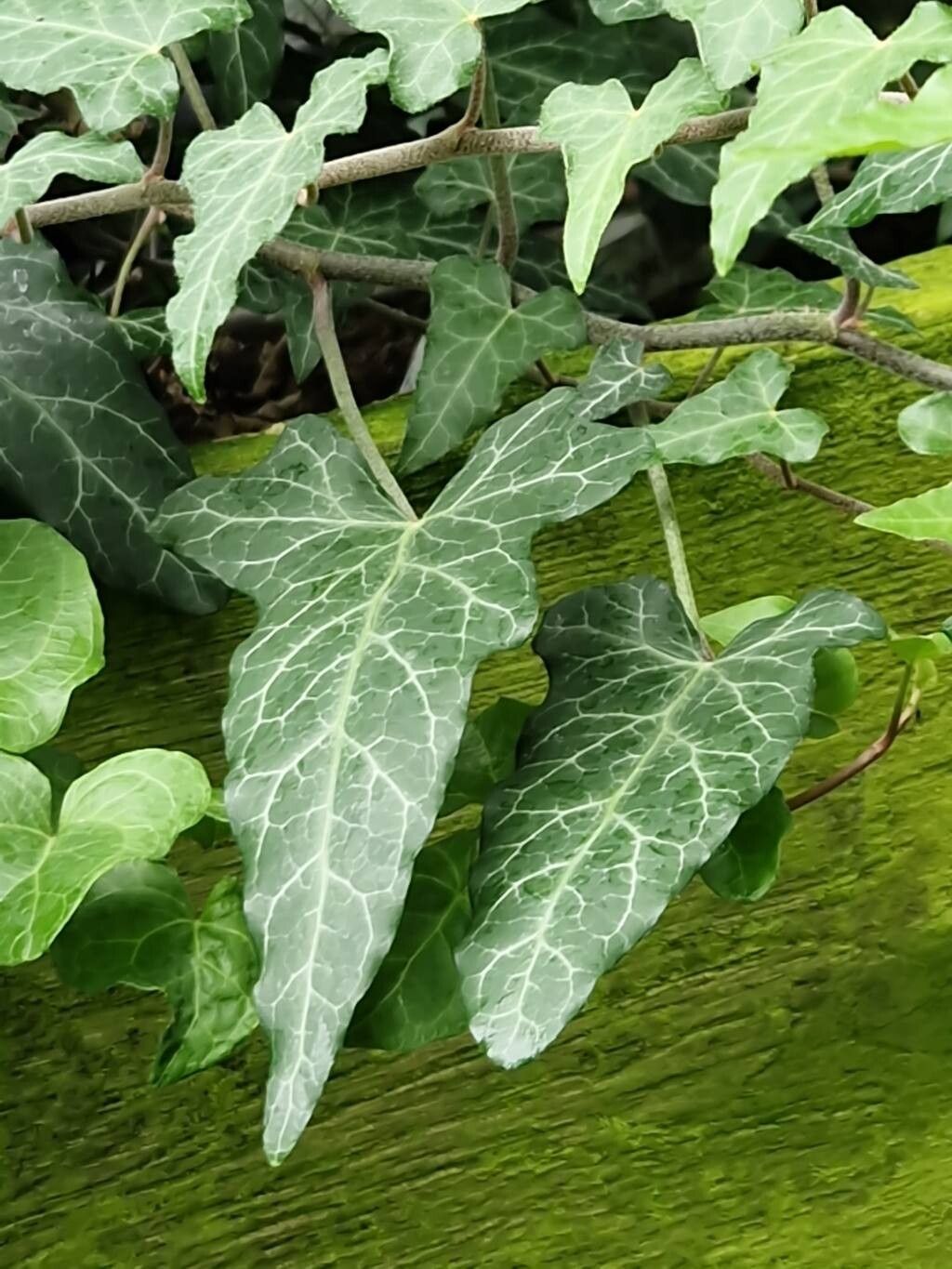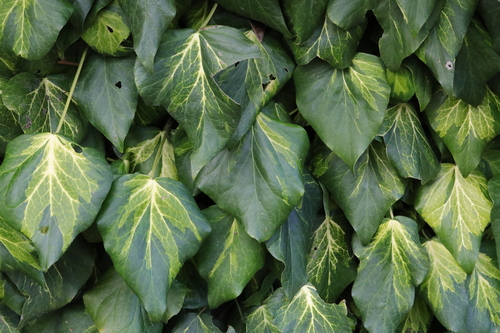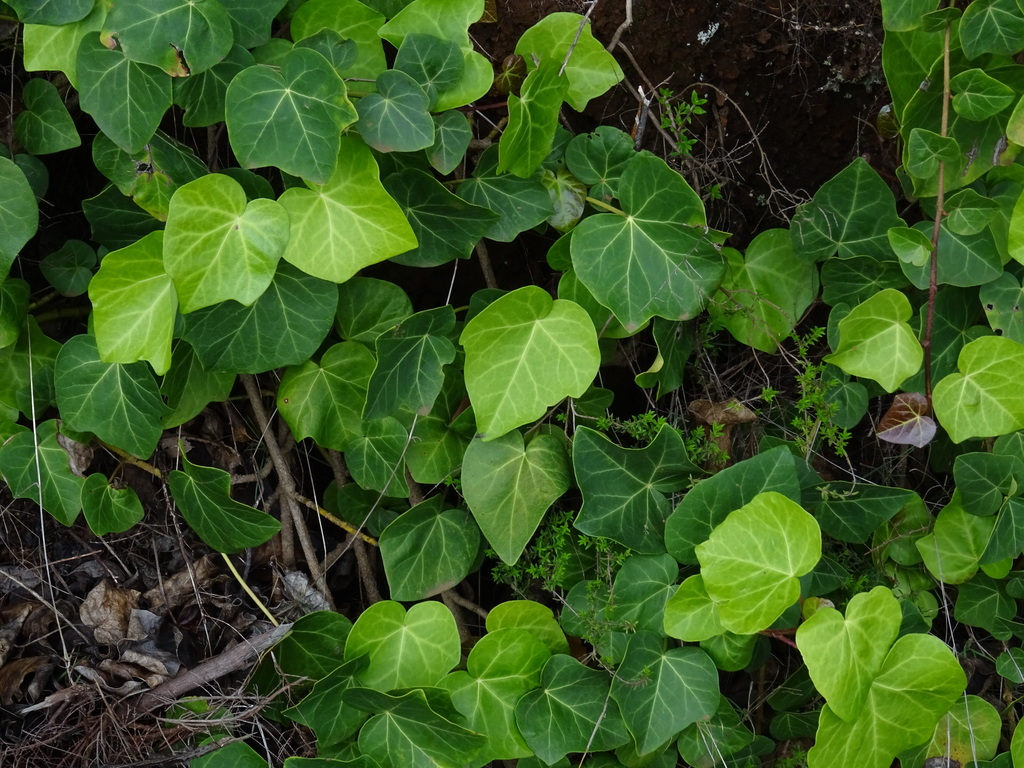
Hedera canariensis, commonly known as Algerian ivy, is an evergreen climbing vine native to the Canary Islands and North Africa. Its attractive foliage and adaptability have made it a popular ornamental plant worldwide.
The leaves of Hedera canariensis are glossy and dark green, featuring five distinct lobes. In late summer or early fall, the plant produces small yellow-green flowers, which are followed by black berries. As a fast-growing vine, it can reach heights of up to 50 feet (15 meters) when supported adequately.
This plant thrives in moist, well-drained soil and prefers partial shade, though it can tolerate full sun or deep shade. It is also resistant to salt spray, making it an excellent choice for coastal gardens.
Despite its many benefits, Algerian ivy has the potential to become invasive if not properly managed. Its ability to climb trees and structures allows it to compete with native plants for resources when unchecked.
In summary, Hedera canariensis is an appealing climbing vine with glossy foliage that adds visual interest and texture to walls, trellises, and garden landscapes.
Algerian ivy is highly resistant to disease and is generally not prone to illnesses. In terms of care, this plant is fairly low-maintenance. When grown outdoors it needs only minimal watering, and larger plants typically do not require pruning. Smaller plants, however, should be pruned after they have finished blooming. Algerian ivy is suitable for anyone with an outdoor space, such as a garden or deck, and does not demand much prior experience in plant care.
How to keep Hedera Canariensis.
Light
Algerian ivy grows well in moderate sunlight but can also tolerate brighter light. Native to environments that offer both sun and shade, it adjusts its growth at different stages based on available light. Excessive exposure can scorch the leaves, while insufficient light leads to poor vigor.
Water
Algerian ivy grows best in humid subtropical climates, where it needs consistent moisture and prefers indirect light. While it is moderately drought-tolerant, it does best with weekly watering to maintain optimal health. This evergreen plant thrives indoors, where humidity and watering can be controlled more easily.
Temperature
Algerian ivy originates from a native environment that prefers temperatures ranging from 59 to 95 °F (15 to 35 ℃). In colder seasons, make sure the temperature does not fall below 59 °F (15 ℃) for optimal growth.
Fertilizer
To encourage healthy growth, apply fertilizer to your Algerian ivy in early spring. Regular feeding improves overall health, leading to vigorous growth, greater resilience to harsh conditions, and enhanced resistance to diseases and pests. Keep a consistent fertilization schedule for your Algerian ivy to maintain vibrant, deeply colored foliage and a lush appearance.
Pruning
Algerian ivy is known for its glossy, lobed leaves and vigorous growth. To maintain its health and appearance, you should prune it in early spring. Start by removing any damaged stems and thinning out dense areas to improve airflow. Ensure your tools are clean and sharp to prevent disease. Regular pruning helps maintain the plant's vitality and attractiveness, while also controlling its size and invasiveness.
Pot & Repot
To successfully grow Algerian ivy, a hardy climbing plant, repot it every 2-3 years in the spring. Use a large pot to accommodate its growth. After repotting, ensure the plant has plenty of root space and water it sparingly to encourage stability and new growth. Handle the plant with care to enhance its resilience and promote a lush appearance.
Botanical profile.
- Plant Type
- Vine
- Life Cycle
- Perennial
- Genus
- Hedera
- Family
- Araliaceae
- Hardiness Zone
- 7-9
- Mature Height
- 20 cm to 30 cm
- Mature Spread
- 20.12 m
- Leaf Color
- Green
- Leaf Type
- Evergreen
- Flower Color
- Yellow, Gold, Green
- Flower Size
- 2.54 cm
- Bloom Time
- Early summer, Mid summer
- Planting Time
- Spring, Autumn
- Harvest Time
- Mid summer
- Native Area
- North Africa
Other names.
Reader questions.
How should I water my Algerian ivy for the best results?
To promote excellent root development, it is recommended to place a garden hose at the base of the plant. Avoid spraying the leaves directly, especially if they are exposed to direct sunlight outdoors, as they may need more watering. Another option is to use bubblers or soaker hoses that can moisten the roots efficiently. When adding or removing plants, soaker hoses that cover the entire garden or bed can help push the roots deeper. After watering, make sure to drain any excess water and wait for the soil to dry before watering again. To prevent diseases, it is advisable to water at ground level rather than spraying the entire bush on a sunny day. Whether the Algerian ivy is potted or in-ground, remember that it prefers deep watering instead of light sprinkling.
Why should I add fertilizer to my Algerian ivy?
No matter what type of Algerian ivy you have, fertilizing it regularly will improve its overall health. Providing the right nutrients will promote strong growth and make the plant more resistant to challenging conditions, diseases, and pests. The foliage of Algerian ivy is a key aesthetic feature, so it's important to maintain it. Follow a consistent fertilization schedule tailored to your Algerian ivy to encourage vibrant, richly colored leaves and an overall lush appearance.
What are the sunlight requirements for Algerian ivy?
Algerian ivy thrives under moderate levels of sunlight and can adapt to both shade and full sunlight environments. The plant requires partial sun, which equates to about 3-6 hours of sunlight daily, or full sun, meaning more than 6 hours of sunlight. It's essential to watch how sunlight moves through your garden to ensure your plants receive a balance of light and shade, promoting healthy growth. However, overexposure may cause leaf scorching, while inadequate light can lead to poor plant vitality.
What is the native growth temperature range for Algerian Ivy?
Algerian ivy, or Hedera canariensis, thrives best in its native growth environment with temperatures ranging from 59 to 95°F (15 to 35°C). To maintain optimal growth, it is crucial to ensure that during the colder seasons, the temperature does not fall below 59°F (15°C).
What do I do if I give Algerian ivy too much or too little water?
If an Algerian ivy is overwatered, it may exhibit yellowing, wilting, and dropping of leaves. The plant might also appear unhealthy with mushy stems. In these cases, it's important to adjust your watering schedule. However, wilting can also indicate under watering, with leaves becoming crispy and dry. When the soil is dry and simple watering is insufficient, give the plant a thorough watering. This will enable the Algerian ivy to recover, but the plant may still show dryness and yellow leaves due to root damage. Once it returns to normal, the yellowing of leaves will cease. For indoor Algerian ivy, always check the soil moisture levels and avoid overwatering. Look out for black spots, and if present, allow the soil to dry out by refraining from watering for a few days. Overwatering can lead to root rot, so transferring the plant into a different pot is advisable if discolored and slimy roots are observed. Preventing root rot is essential by avoiding overly soggy soil. When planting Algerian ivy outdoors, ensure the soil is adequately moistened, as overly dry soil could be a sign of underwatering. Providing appropriate watering is necessary for the plant to recover.
When should I fertilize my Algerian ivy?
To ensure healthy growth for your Algerian ivy, it is recommended to fertilize it for the first time in late winter or early spring. This provides the necessary nutrients for the ivy to thrive once the weather warms up. In warm climate regions, it can be beneficial to give an additional fertilizer feeding in early fall. This not only adds nutrients for the upcoming growing season but also helps the ivy withstand winter cold without foliage damage. Fertilizing earlier in fall ensures that new branches have enough time to grow and be resistant to the winter conditions.
How does artificial lighting support indoor Algerian ivy growth?
When natural sunlight is insufficient, particularly during winter or in less sunny spaces, indoor Algerian ivy benefits significantly from artificial lighting. Optimal growth is achieved by ensuring adequate light through artificial means. LEDs are a preferred option for their ability to provide specific light wavelengths that cater to plant needs. Full sun plants require 30-50W/sq ft, partial sun plants 20-30W/sq ft, and full shade plants 10-20W/sq ft of artificial light. The light source should be placed 12-36 inches above the plant, and the duration should mimic natural daylight hours, typically 8-12 hours per day.
Does Algerian Ivy require special frost protection measures during winter?
Algerian ivy exhibits strong cold resistance and typically does not require special frost protection measures during the winter. However, in regions where winter temperatures are expected to drop below -15°C, it’s important to provide extra cold protection. This can be done by wrapping the trunk and branches with non-woven fabric or cloth, especially before the first freeze of autumn. Additionally, watering the plant abundantly before the soil freezes helps in keeping the soil moist, thereby preventing drought and water scarcity for the plant during the winter and early spring.
How many times should I water my Algerian ivy?
The Algerian ivy prefers deep and infrequent watering. If they are planted in pots, be sure to soak them in a gallon of water each time, as the soil in pots dries out quickly. In colder regions, water every 3 to 5 days, preferably early in the morning when the soil is dry. Check the top 2-3 inches of soil to determine if watering is needed. During hot days, check the moisture daily as the soil in the pot can dry out quickly. If you have a garden, irrigation is necessary. In hot climates, water once a week when the top 2-3 inches of soil is dry. Take into account rainfall and avoid watering if there is enough water. To conserve water, add mulch 3 to 4 inches deep around the plants when they are outdoors. Sandy soil drains faster, so water more frequently, while clay soil requires less frequent watering to avoid root rot. Mark the date on the calendar when watering and be cautious if the leaves start to droop, as this could indicate a need for water.
When is it not a good idea to fertilize my Algerian ivy?
There are specific times of the year when you should avoid fertilizing your Algerian ivy. The first of these is during the early and mid-winter months when the plant is dormant and does not need any additional nutrients. It is also not recommended to fertilize the plant during late spring and throughout the summer. During this time, the weather is likely to be hotter and drier, which can have a negative effect on the plant if fertilized. To prevent any problems, it is best to stick to a fertilization schedule that involves feeding only in early spring and early fall.
What are the symptoms of insufficient light in Algerian ivy?
Indoor Algerian ivy with inadequate light exhibits several symptoms including small-sized new leaves, leggy or sparse growth, accelerated leaf drop, stalled or ceased new growth, and new leaves that are lighter in color. These symptoms highlight the plant's struggle in poor lighting conditions, indicating a reduction in chlorophyll and essential nutrients. Additionally, excessive sunlight can lead to chlorosis, sunscald, leaf curling, wilting, and leaf scorching, severely impacting the plant's overall health.
How does low temperature affect Algerian Ivy and what are the solutions?
Algerian ivy is cold-tolerant, ideally thriving at temperatures above 15°C and should be kept above -10°C during the winter. If the temperature falls below -15°C, the plant may not show immediate signs of distress during winter, but come spring, branches might become brittle and dry with no new shoots emerging. The solution to this is to prune away any dead branches that have failed to produce new leaves in the spring, facilitating the growth of healthy, new foliage.