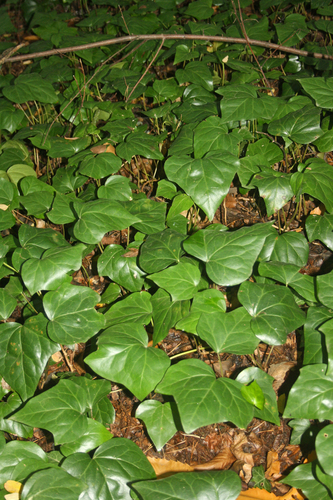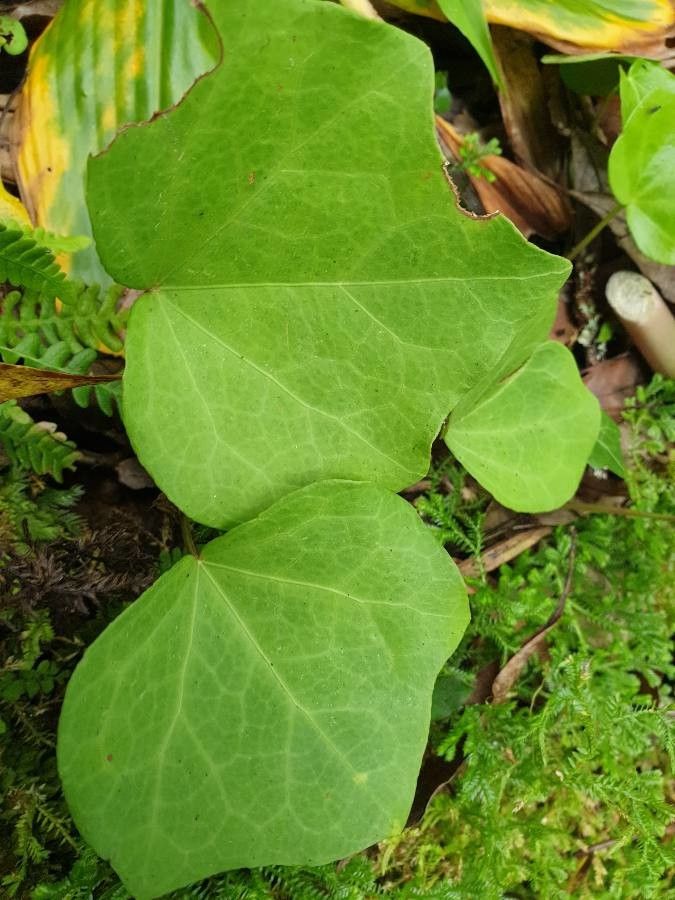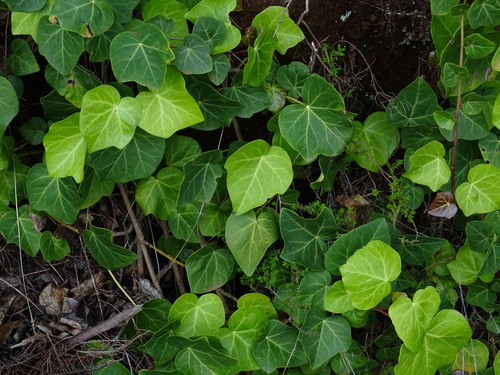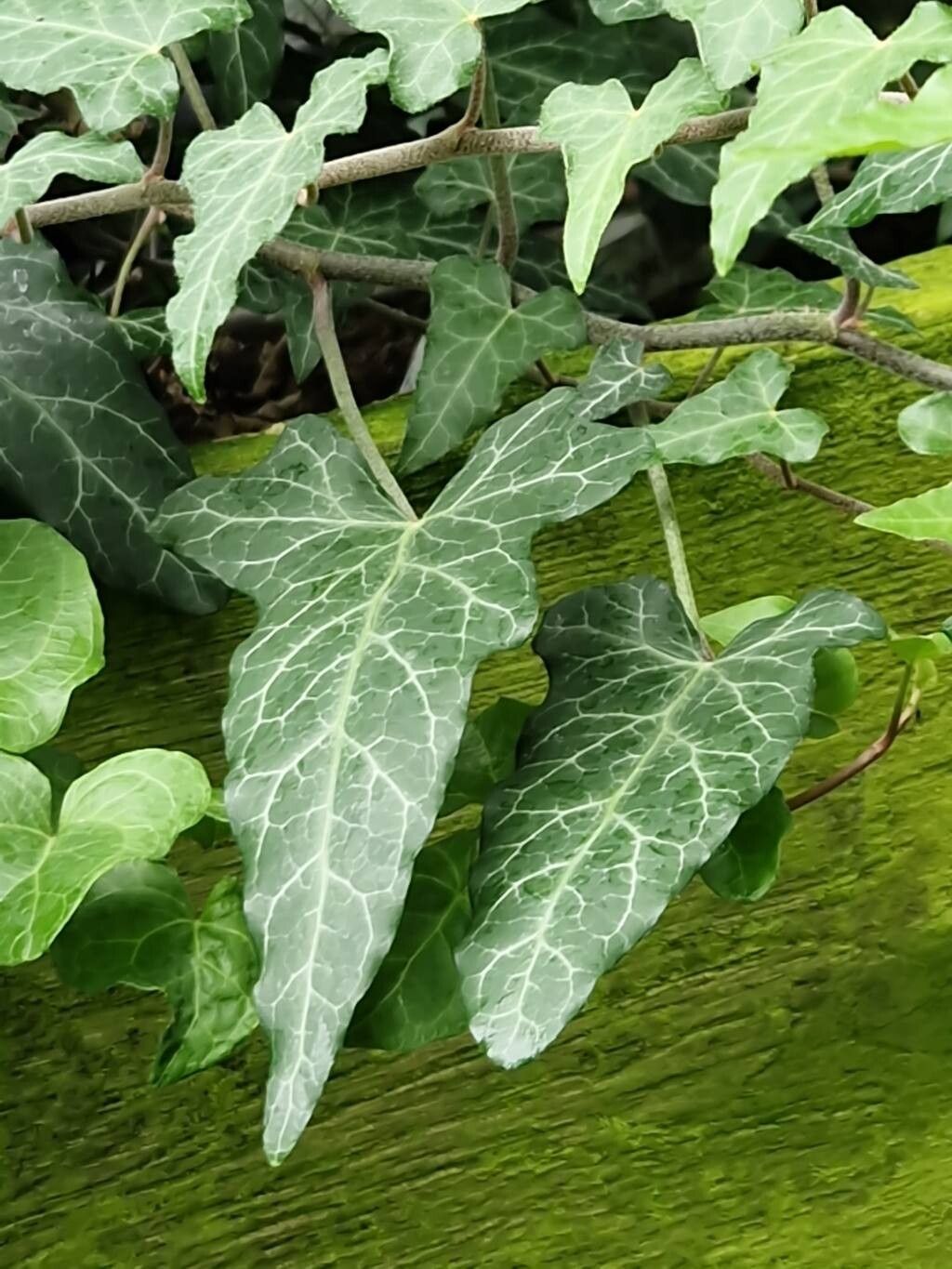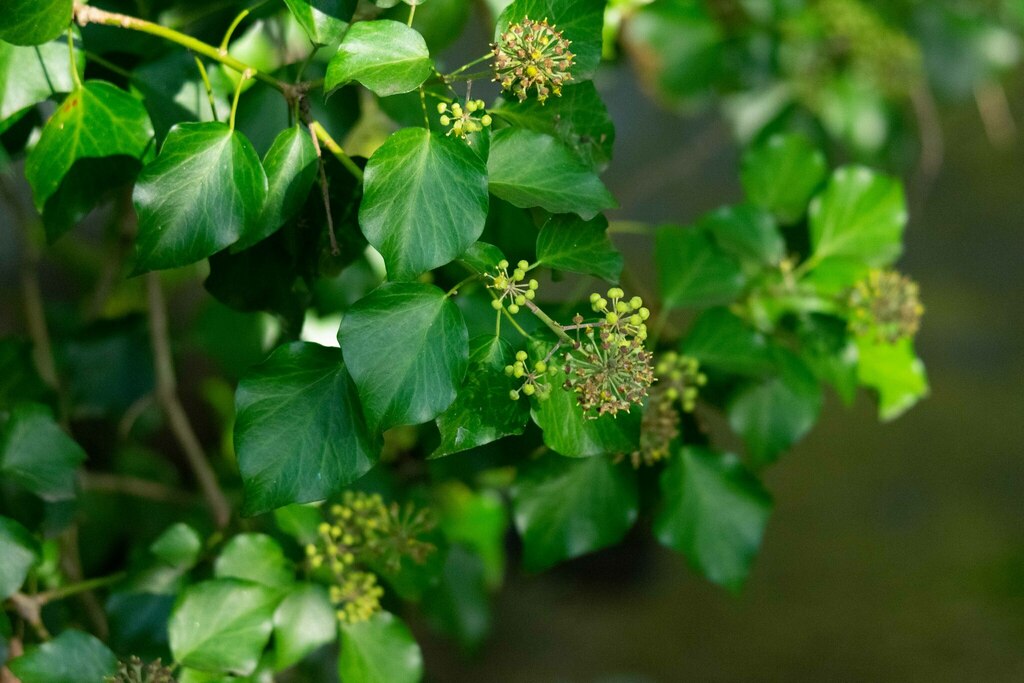
Hedera hibernica, commonly known as Irish ivy, is an evergreen climbing plant in the Araliaceae family. Native to the Atlantic coast of Europe and western Asia, it has also been introduced to other regions as an ornamental plant. Irish ivy features large, glossy, dark green leaves with distinctive shapes of three or five lobes. These leaves are alternately arranged on long stems that can extend up to 30 meters.
As a vigorous climber, Hedera hibernica uses its aerial roots to firmly attach to walls, trees, or other surfaces. If left unchecked, it can grow up to 20 meters tall but can be easily pruned as needed. In late summer, Irish ivy produces small greenish-yellow flowers, which are followed by black berries.
This plant is popular for ornamental use because of its attractive foliage and ability to rapidly cover unsightly walls or fences. Additionally, it provides shelter for wildlife, such as birds and insects, making it a favorite for ecological landscaping projects.
However, caution is necessary when planting Hedera hibernica near natural habitats, as it has the potential to become invasive. It can compete with native plants for resources like light and water, posing a threat to these ecosystems.
Overall, Hedera hibernica is a versatile climbing plant with appealing foliage, making it a popular choice among gardeners seeking an easy-to-grow evergreen for various landscaping projects, both indoors and outdoors.
Atlantic ivy is resistant to disease and is generally not susceptible to illnesses. In terms of care, the plant is fairly low-maintenance. When grown outdoors it needs only minimal watering, and larger specimens typically do not require pruning. Smaller plants, however, should be pruned after they have finished blooming. Atlantic ivy is suitable for anyone with an outdoor area, such as a garden or deck, and does not demand extensive care experience.
How to keep Hedera Hibernica.
Light
Atlantic ivy does best in full sun, but it can also adjust to locations with reduced light or largely shaded conditions. Its growth comes from originating in an environment that alternated between darkness and strong sunlight. Still, insufficient or excessive light may inhibit its growth or lead to leaf discoloration.
Water
Atlantic ivy thrives in moderate humidity and requires consistent moisture, needing to be watered every three weeks. Its adaptability allows it to grow well indoors, where it is sheltered from extreme weather conditions. Being an evergreen plant, Atlantic ivy maintains its moisture, resulting in lush foliage all year round.
Humidity
This plant will thrive in moderate humidity, which is probably the level in your home. However, misting it a few times a week can be very beneficial. Make sure the room has good ventilation.
Temperature
Atlantic ivy is suited to a warm temperate climate and prefers temperatures between 41 and 100 °F (5 to 38 ℃). It can tolerate cooler conditions, but temperature adjustment may be required during extreme seasons to maintain optimal growth.
Fertilizer
Fertilize your Atlantic ivy in early spring to encourage healthy growth. Regular feeding improves its overall health, producing vigorous growth, resilience to harsh conditions, and increased resistance to diseases and pests. Follow a specific fertilizing schedule for your Atlantic ivy to keep foliage vibrant with deep color and a lush appearance.
Pruning
Atlantic ivy is a robust evergreen climber that requires regular pruning to maintain its growth. It is best to prune in early spring by trimming dead stems and overgrowth to shape the plant. Make clean cuts just above the leaf nodes to encourage new growth and improve air circulation, which helps reduce the risk of disease. Always use sterilized tools to prevent infections.
Pot & Repot
For healthy growth and to prevent root rot, Atlantic ivy needs excellent drainage when potted. Good drainage practices help manage water effectively and support the plant’s well-being.
Toxicity
While the Atlantic ivy does not contain any poisonous compounds, it is nevertheless hazardous to both people and dogs. Oxalate crystals are abundant in the leaves and berries. The crystals are glass shards that lodge in the mouth and throat of any animal or person unlucky enough to consume them. Nausea, throat soreness, vomiting, and profuse drooling are some of the symptoms. Touching the ivy leaves with your bare hands may sometimes cause skin discomfort.
Further reading →
The toxicity and danger assessments provided are for reference only. We do not assure their accuracy, so it's crucial not to depend on them. Seek professional advice when necessary for accurate guidance.
Botanical profile.
- Plant Type
- Vine
- Life Cycle
- Perennial
- Genus
- Hedera
- Family
- Araliaceae
- Hardiness Zone
- 5-12
- Mature Height
- 11.89 m
- Mature Spread
- 7.92 m
- Leaf Color
- Green
- Leaf Type
- Evergreen
- Flower Color
- Green, Yellow
- Flower Size
- 2.54 cm
- Bloom Time
- Early fall, Mid fall
- Planting Time
- Spring, Summer, Autumn, Winter
- Harvest Time
- Mid winter, Late winter, Early spring
- Native Area
- Portugal, Spain, France, Ireland, United Kingdom, Belgium, Netherlands
Other names.
Reader questions.
What's the easiest way to water my Atlantic ivy?
To effectively water your plants and promote good root development, follow these steps: 1. Place a garden hose at the base of the plant, but avoid spraying the leaves directly. If the plants are outdoors and exposed to direct sunlight, the leaves will need more frequent watering. 2. Consider using bubblers that can be attached to each plant to keep the roots moist. 3. When adding or removing plants, use soaker hoses that cover the entire garden or bed to ensure deep root watering. After watering, make sure to drain any excess water and allow the soil to dry before watering again. 4. To prevent diseases, always water at ground level rather than spraying over the leaves. However, on a sunny day, you can give the entire bush a light spray of water. 5. Whether your plants are potted or in the ground, remember that Atlantic ivy prefers deep watering rather than light sprinkling.
Why should I put fertilizer on my Atlantic ivy?
No matter which type of Atlantic ivy you have, regular fertilization is important for its overall health. Providing the right nutrients helps the ivy grow strong and resilient, making it better equipped to handle tough conditions and fight off diseases and pests. Taking care of the foliage is crucial, as it is one of the most attractive aspects of the plant. To maintain healthy leaves with vibrant color and a lush appearance, it is necessary to create and follow a fertilization schedule that is tailored to your specific Atlantic ivy.
How many hours of sunlight does Atlantic ivy need each day to grow healthily?
To promote healthy growth, Atlantic ivy needs a minimum of 3-6 hours of sunlight each day. Although most plants that tolerate part sun can also do well in full sun, Atlantic ivy's ability to thrive in different light conditions is due to its lower light requirement for photosynthesis compared to plants that need full sun or part shade.
What is the best temperature for Atlantic ivy?
Atlantic ivy thrives best in temperatures ranging from 65 to 80°F (18 to 27°C). During its primary growing phase, it can tolerate temperatures as high as 95°F (35°C), and as low as 15°F (-10°C). This species is also able to tolerate freezing winters. The ideal temperature range for Atlantic ivy is 65 to 80°F (18 to 27°C), with the highest tolerable range being 85 to 95°F (30 to 35°C), and the lowest being -5 to 15°F (-20 to -10°C) or lower.
What should I do if I give Atlantic ivy too much or too little water?
An Atlantic ivy that is overwatered will have yellow leaves that drop off and wilt. Additionally, the plant will look dull and unhealthy with mushy stems. When these signs appear, it is best to adjust your watering schedule if possible. On the other hand, wilting can also be a sign of under watering, which is characterized by crispy and dry leaves. In such cases, check the soil, and if it is dry, give the plant a thorough watering. However, be aware that even with enough water, the damaged root system may cause the plant to still have dry and yellow leaves for a few days. Once the plant returns to normal, the yellowing leaves will stop. Indoor Atlantic ivy should be monitored for moisture levels and avoid overwatering. Look out for black spots, and if present, allow the soil to dry by temporarily suspending watering. Overwatering can lead to root rot, which can be identified by discolored and slimy roots. If root rot is detected, consider transferring the plant to a different pot and taking precautions to prevent it from happening again. When planting Atlantic ivy outdoors, check the soil moisture by digging a little deeper. If it is too dry, it may indicate underwatering, in which case adequate watering is necessary to help the plant recover.
When should I fertilize my Atlantic ivy plant?
To optimize the growth of your Atlantic ivy, it is recommended to fertilize it for the first time in late winter or early spring. This will supply all the necessary nutrients for the ivy to flourish when the weather gets warmer. If you live in a warm climate region, it can be beneficial to provide another round of fertilization in early fall. This will not only provide additional nutrients for the following growing season, but also help the ivy withstand the winter cold without damage to its foliage. By fertilizing earlier, the new branches will have sufficient time to develop and withstand the winter conditions.
What kind of sunlight does Atlantic ivy need?
Atlantic ivy thrives in full or partial sun. It prefers direct morning light but requires protection from the strong afternoon sun during summer. Excessive hot afternoon sun in temperate environments can burn the leaves and harm the plant's overall appearance and health.
Do I need to change the temperature for Atlantic ivy as it grows?
According to research, if Atlantic ivy is exposed to higher temperatures for long periods, it will show slowed growth, especially when axillary buds and main shoots are developing. To promote vigorous growth after germination or transplanting, it is recommended to keep the temperatures cooler and consistent, around 65℉ (18℃).
How often do I need to water my Atlantic ivy?
The Atlantic ivy prefers deep and infrequent watering. Especially when planted in pots, it's important to soak them with a gallon of water each time. Pots have limited water storage, so the soil tends to dry out faster. In cold regions, watering every 3 to 5 days is necessary. Do this early in the morning when the soil is dry, whether the plant is indoors or outdoors. You can check if watering is needed by examining the soil. If the top 2-3 inches are dry, it's time for a full watering. During hot days, monitor the moisture daily as the heat can quickly dry out potted soil. If you have a garden, irrigation is essential. In hot climates, watering once a week is recommended. Only water when the top 2 to 3 inches of soil are too dry, whether indoors or outdoors. Take into account rainfall and avoid overwatering to prevent root rot. If there is ample rainfall, additional watering may not be necessary. Atlantic ivy mostly grows in spring and fall. When outdoors, adding mulch about 3 to 4 inches deep helps conserve water. The frequency of watering depends on the soil type. Sandy soil drains faster, so plants will require more frequent watering. On the other hand, clay soil retains moisture better, allowing for less frequent watering. Marking the watering dates on a calendar and observing drooping leaves can help determine if watering is needed, ensuring the plant stays healthy.
When should I not fertilize my Atlantic ivy?
To ensure healthy growth of your Atlantic ivy, there are certain times of the year when you should avoid fertilizing. Firstly, during the early and mid-winter months when the plant is dormant and doesn't require feeding. Secondly, it is not recommended to fertilize in late spring and throughout the summer, as the hotter and drier weather conditions can have a detrimental effect on the plant's response to fertilization. To prevent any issues, it's best to adhere to a fertilization schedule that only includes feeding in early spring and early fall.
Does the sun hurt Atlantic ivy? How can I keep Atlantic ivy safe from the sun and heat?
When moving Atlantic ivy from indoors to outdoors, it can get damaged by direct sunlight. To prevent sunburn, it is recommended to gradually move the pots from a shaded area to a brighter spot. However, extreme heat can still harm the plants, even if they have adjusted to the summer sun. To protect Atlantic ivy during heatwaves, it is important to keep the soil consistently moist. This will help the plants tolerate excessive heat levels. Additionally, moving container plants to areas with afternoon shade or using a shade cloth can provide further protection during extreme weather.
How can I make sure that Atlantic ivy doesn't get too cold in the winter?
When Atlantic ivy is planted in the ground, it can survive freezing temperatures as long as the temperature does not drop below 15℉ (-10℃) during winter. However, if the ivy is planted in pots or containers, the roots need to be protected from the cold. This can be done by wrapping the container in a blanket or bringing it indoors for complete protection from the weather.