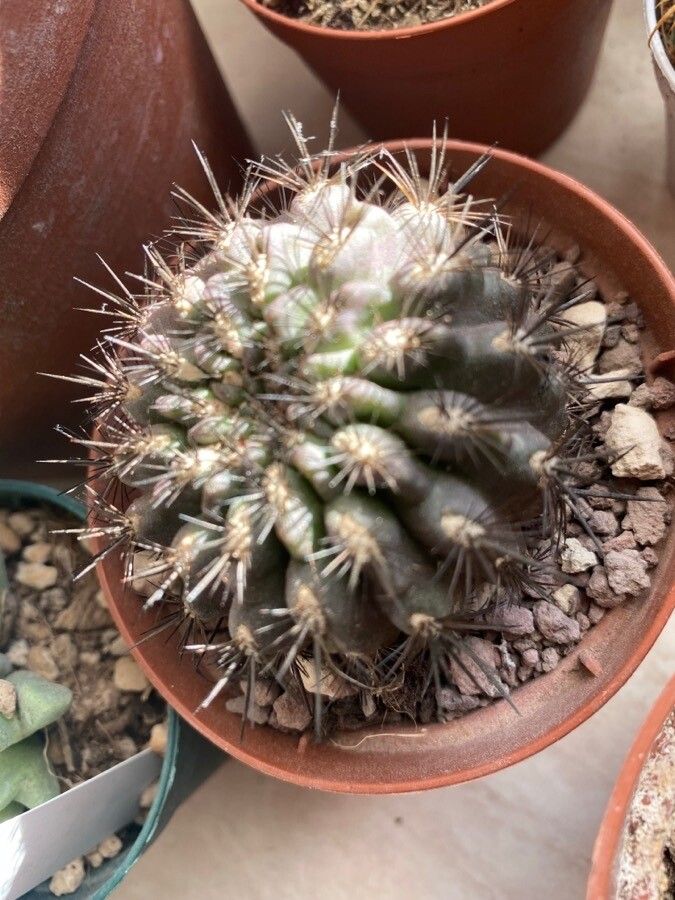
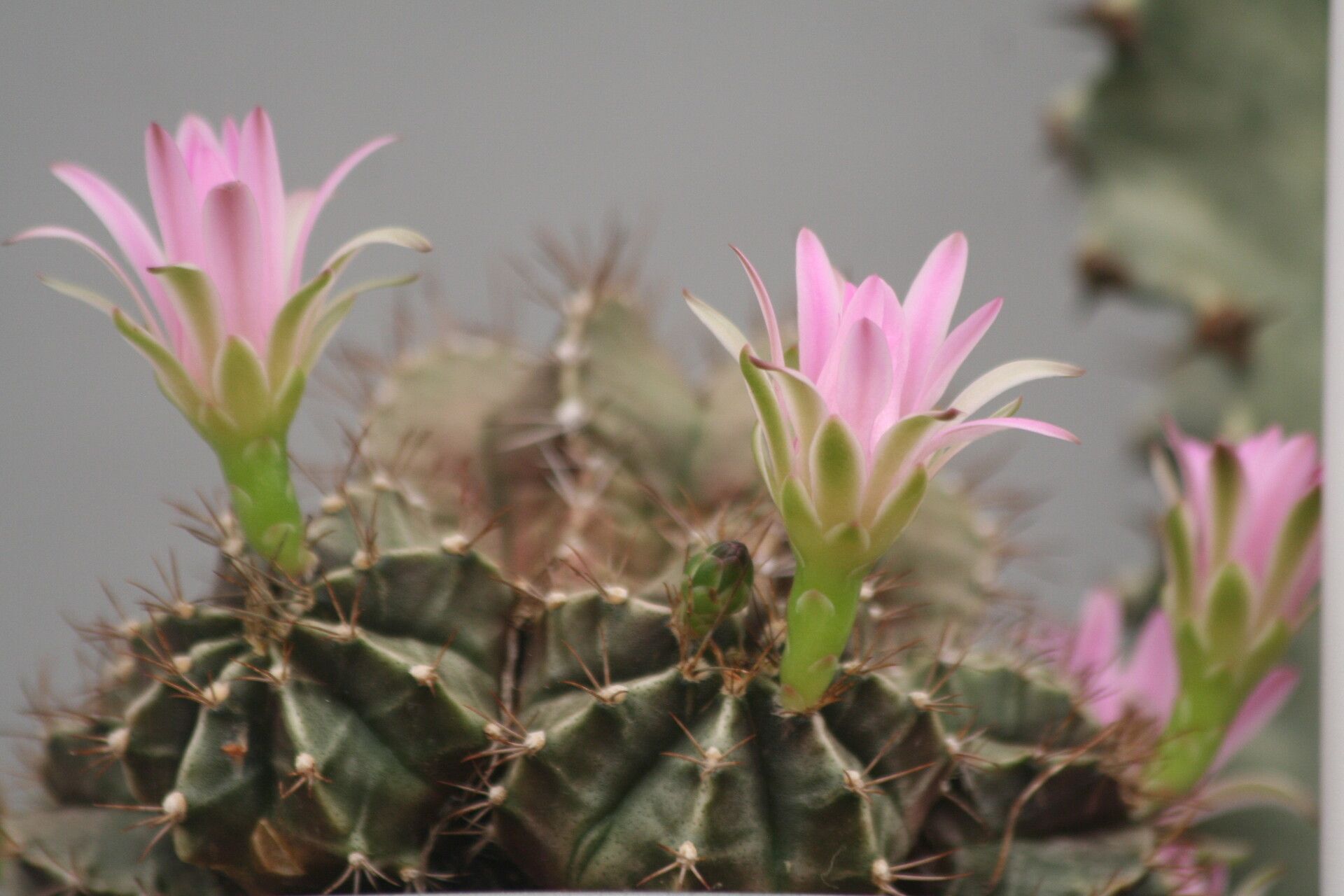
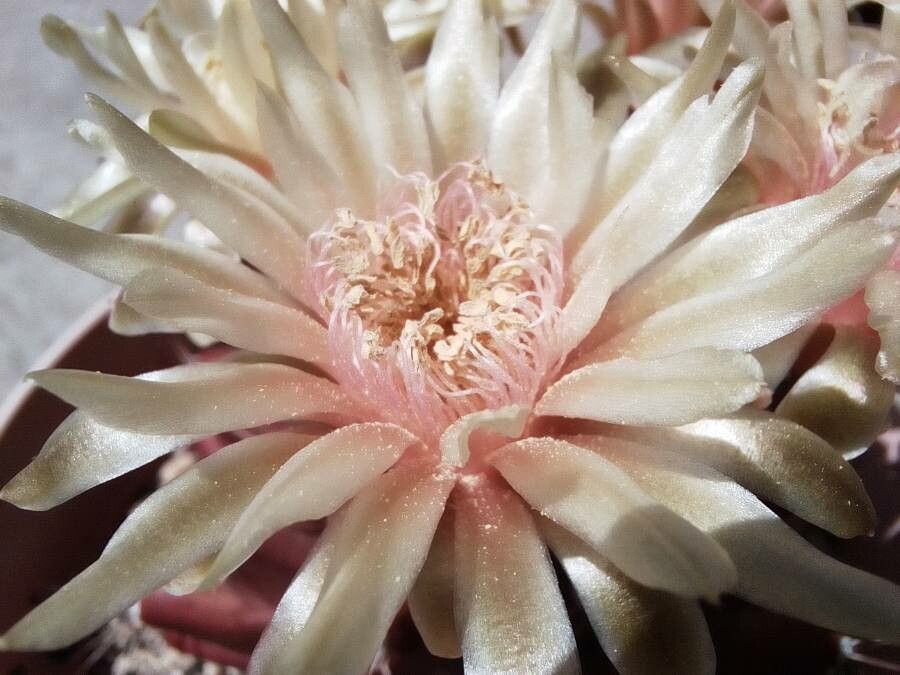
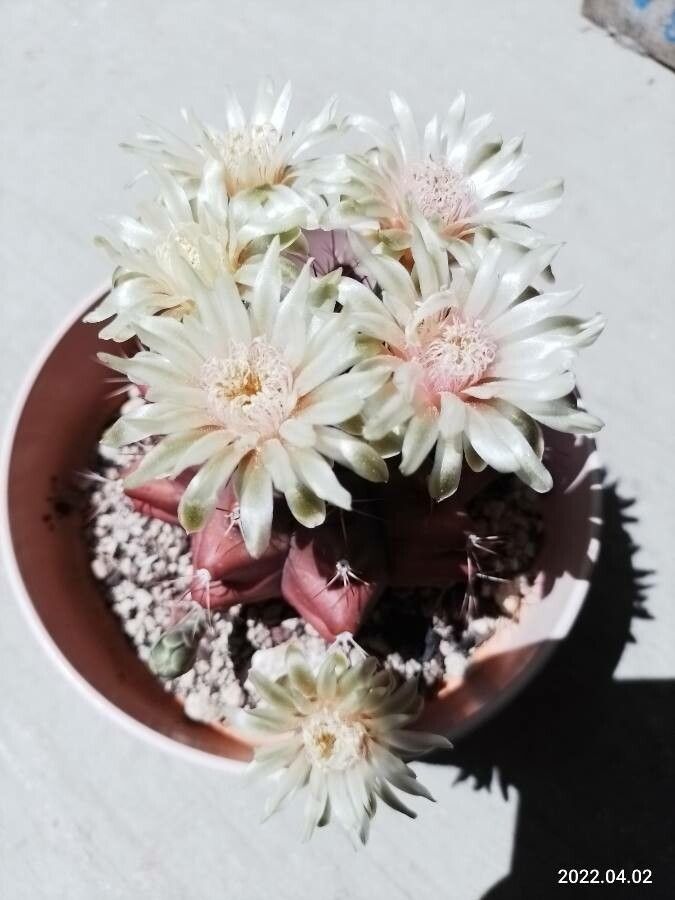
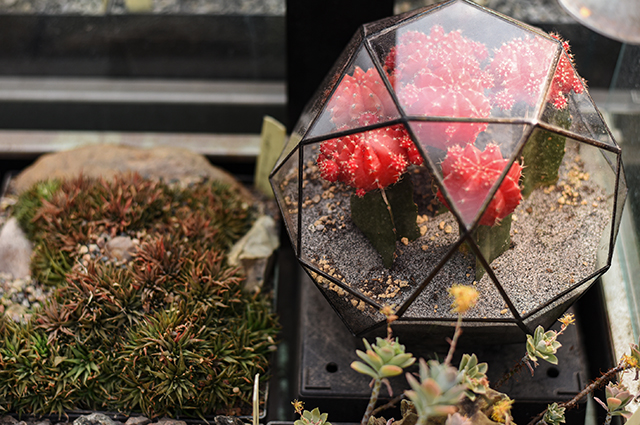
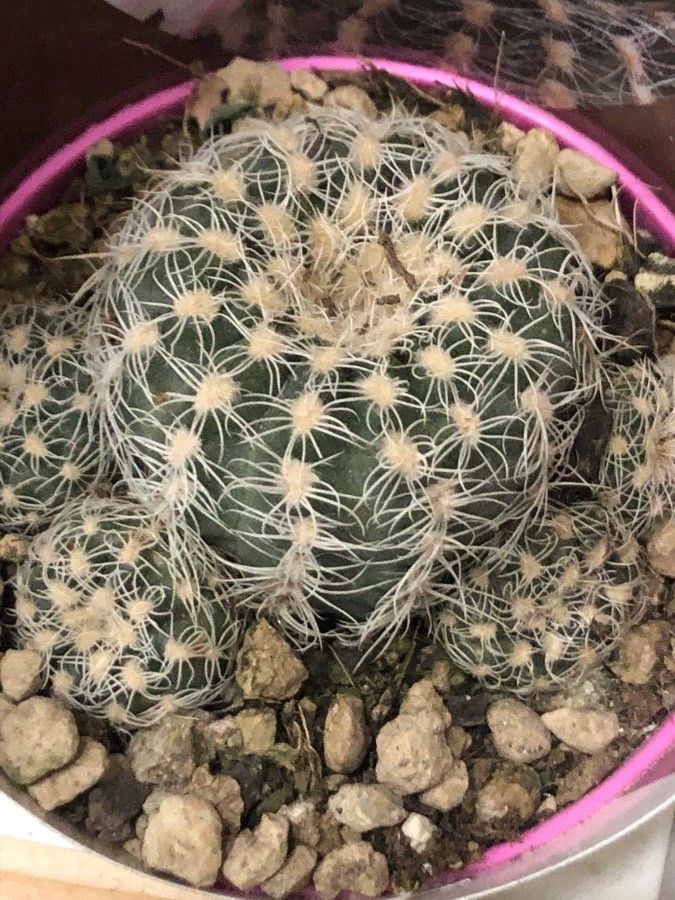
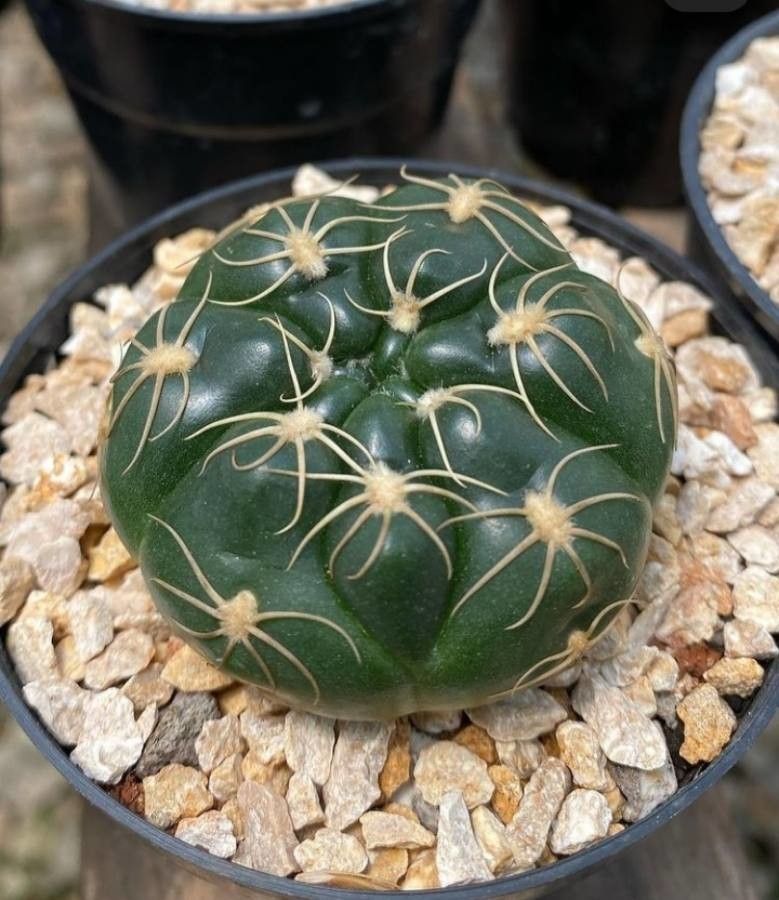
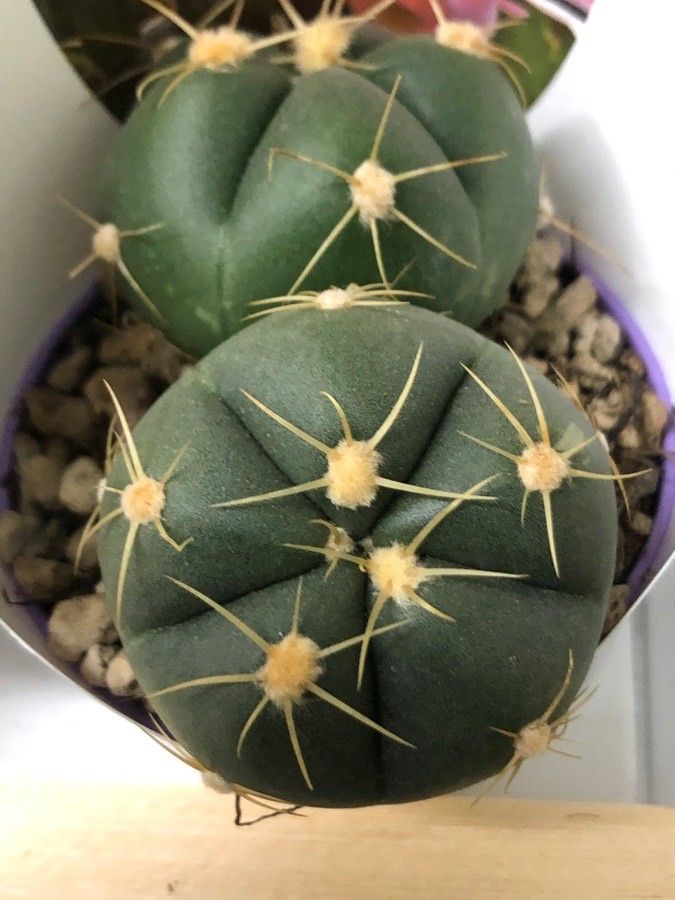
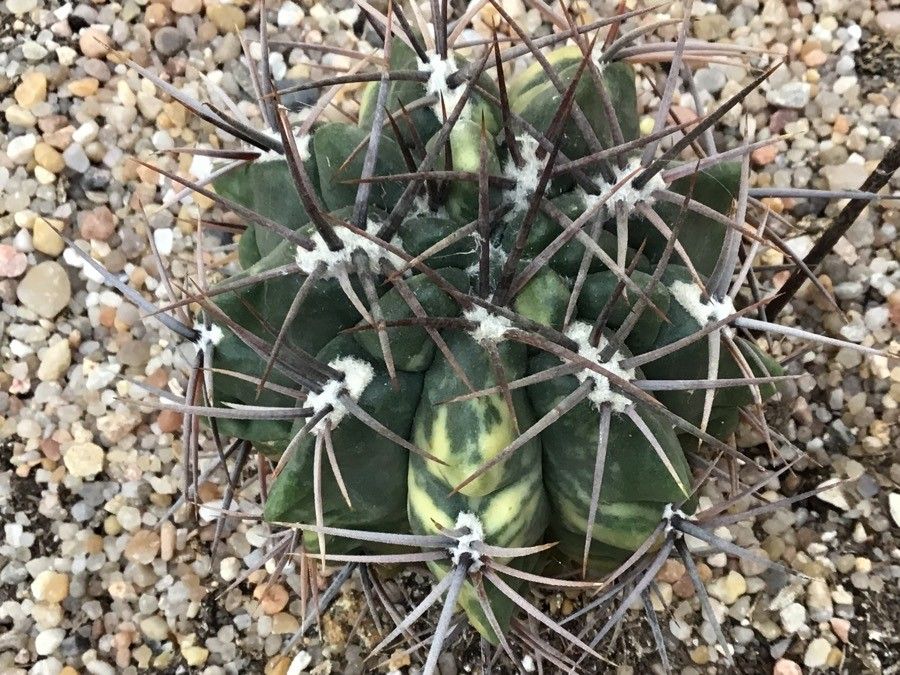
Choosing the ideal cactus might be difficult because there are so many different species available. The good news is that Chin cacti are perfectly ordinary like all other cacti. They must therefore hold a special position in your collection of cacti! In addition to being highly attractive, chin cactus are also simple to grow and maintain. These cacti look great indoors as decorative houseplants on windowsills, desktops, coffee tables, or even bookshelves thanks to their seductive shapes and hypnotic blossoms.
How to keep Gymnocalycium Stenopleurum.
Temperature
You can omit the watering when it is cooler outside or when winter's icy face has emerged. In terms of humidity, Chin cacti thrive in spaces where the air is more likely to be dry than humid. By positioning your cacti close to air vents or using a dehumidifier, you can maintain the proper level of humidity around them.
Fertilizer
The fertilizer needs for cacti are rather straightforward. Any decent houseplant food that is higher in phosphorus than nitrogen is a suitable option (diluted to half). A 5-10-5 solution may be effective. Knowing when to feed cactus plants is essential now that you are aware of their true requirement for fertilizer.
Pruning
With the exception of damaged or dead stems and leaves, almost all of the material you remove is salvageable. If pads are placed on top of soil, they will take root and grow into a new plant of the same species. After several days, cut stems and trunks should be allowed to callus before being planted to grow new cacti.
Toxicity
Pets are not known to be poisoned by gymnocalycium. However, caution must be used when handling this plant due to the presence of sharp spines in order to avoid damage. Contact your neighborhood veterinarian or poison control right away if you suspect poisoning. A simple cactus that can be cultivated both inside and outside is the gymnocalycium.
Further reading →
The toxicity and danger assessments provided are for reference only. We do not assure their accuracy, so it's crucial not to depend on them. Seek professional advice when necessary for accurate guidance.
Botanical profile.
- Plant Type
- Houseplant, perennial
- Genus
- Gymnocalycium
- Family
- Cactaceae
- Hardiness Zone
- 11 and 12
- Bloom Time
- Year-round
- Native Area
- South America