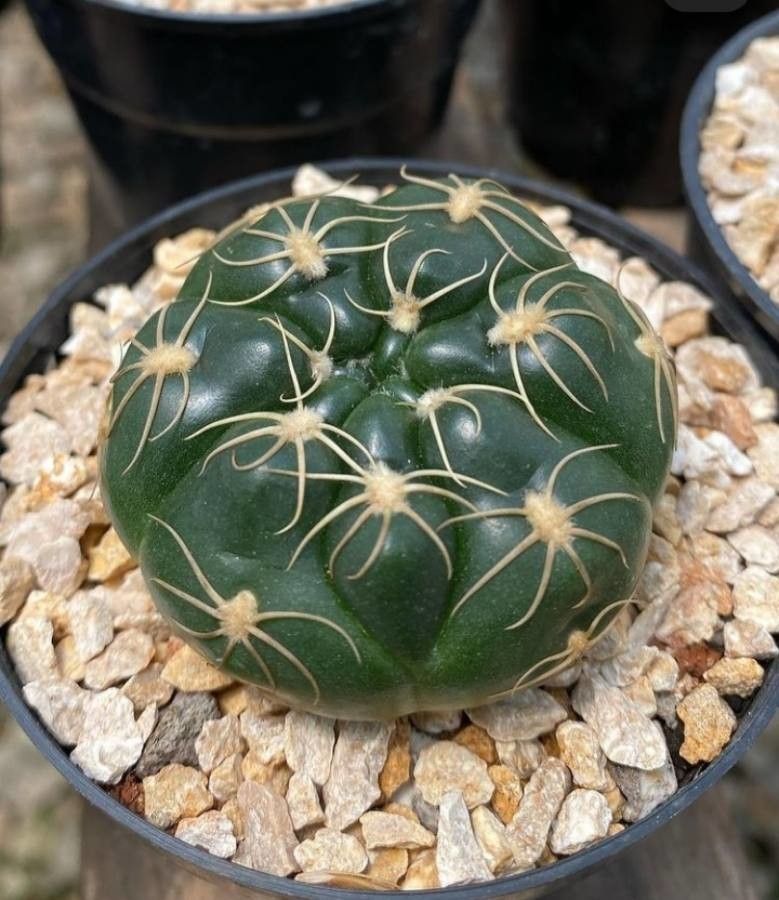
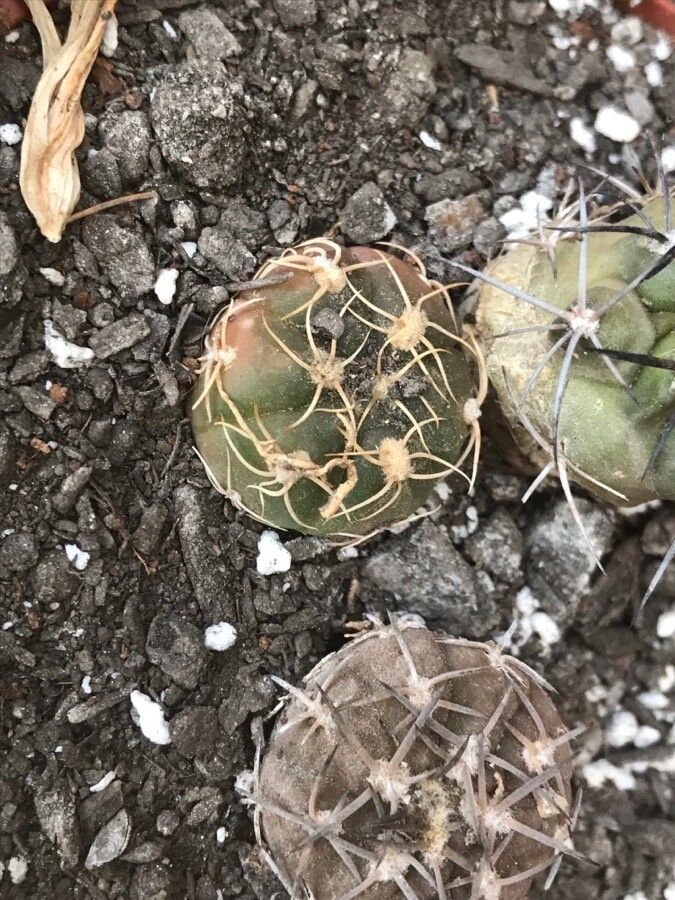
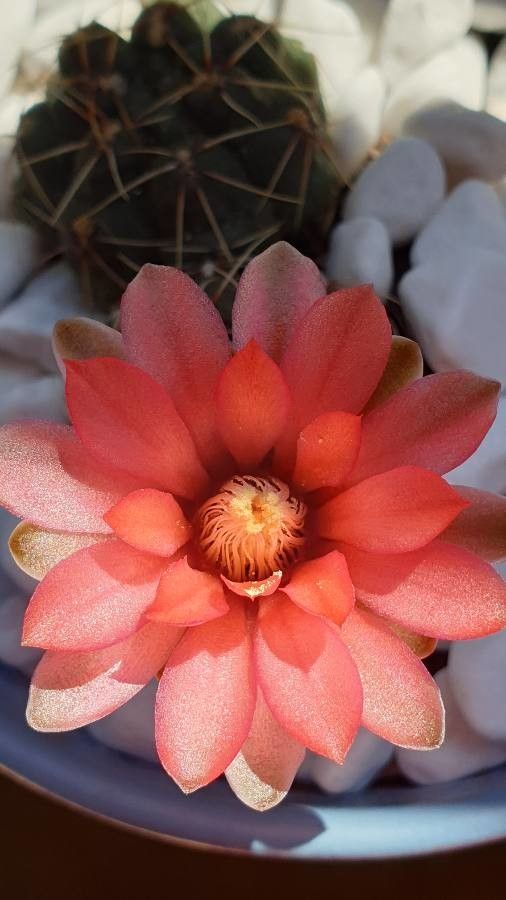
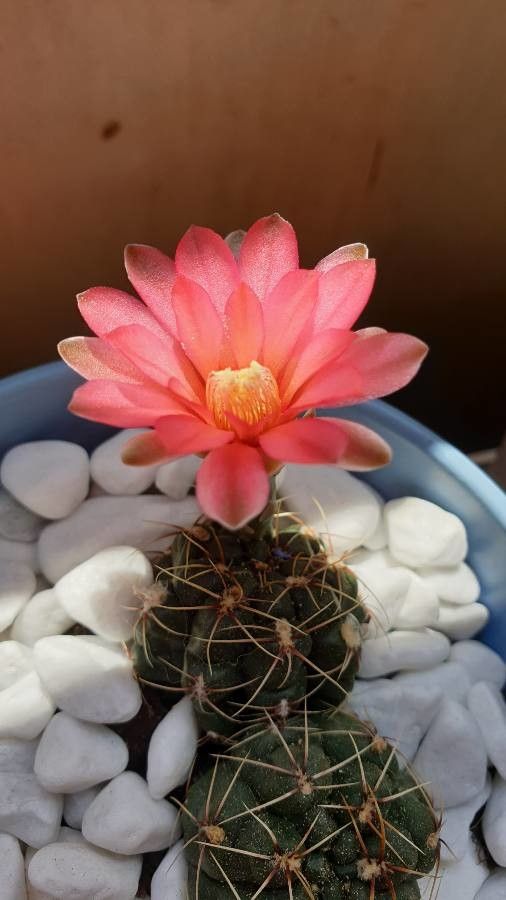
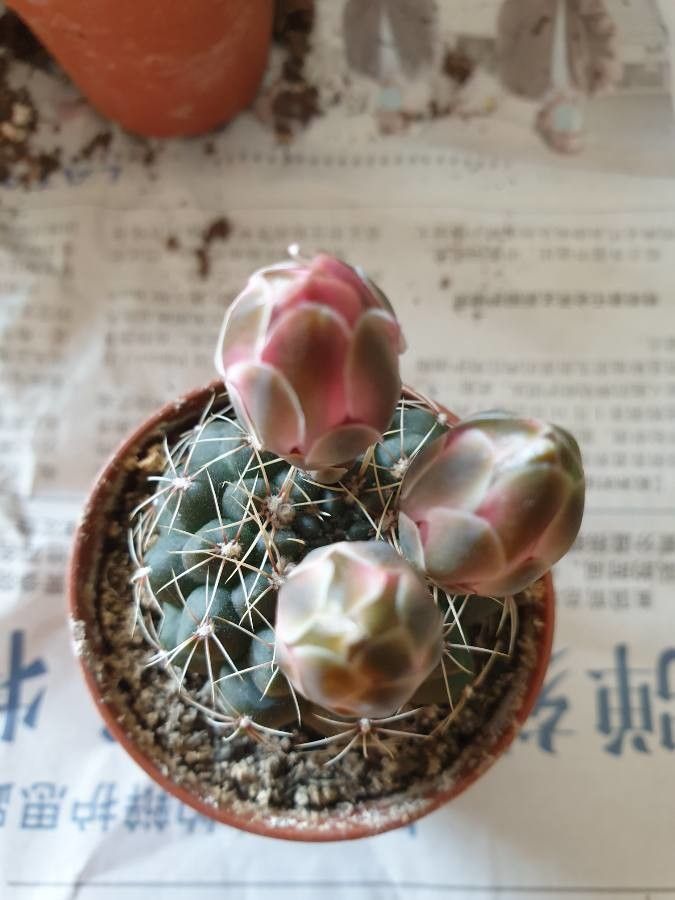
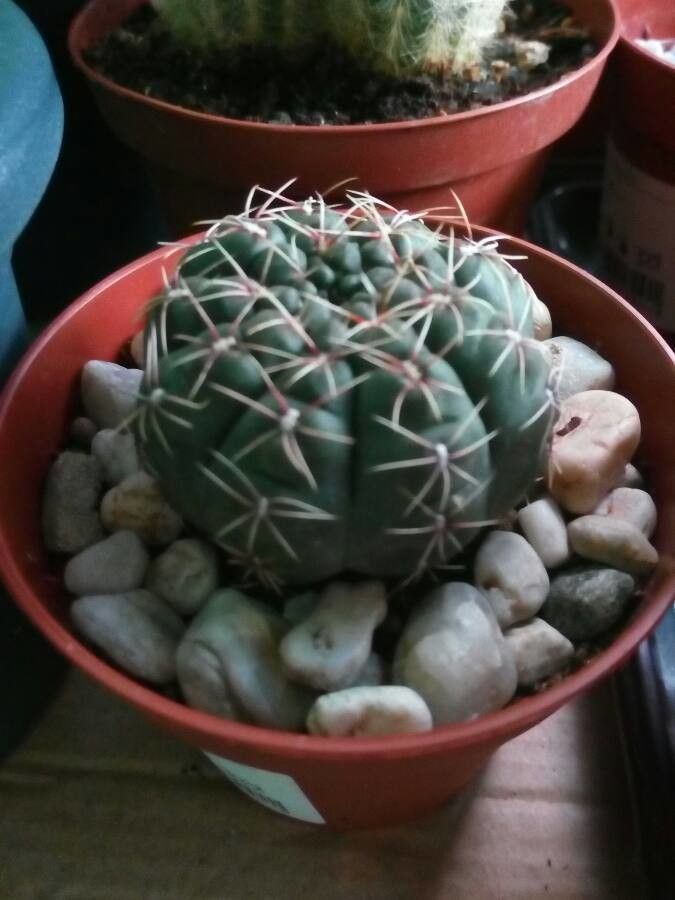
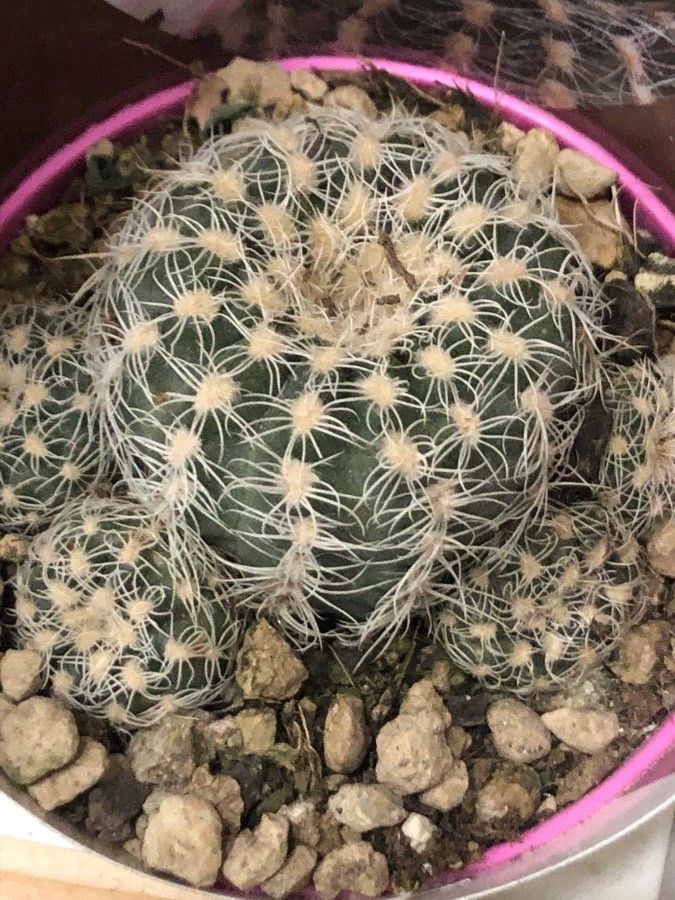
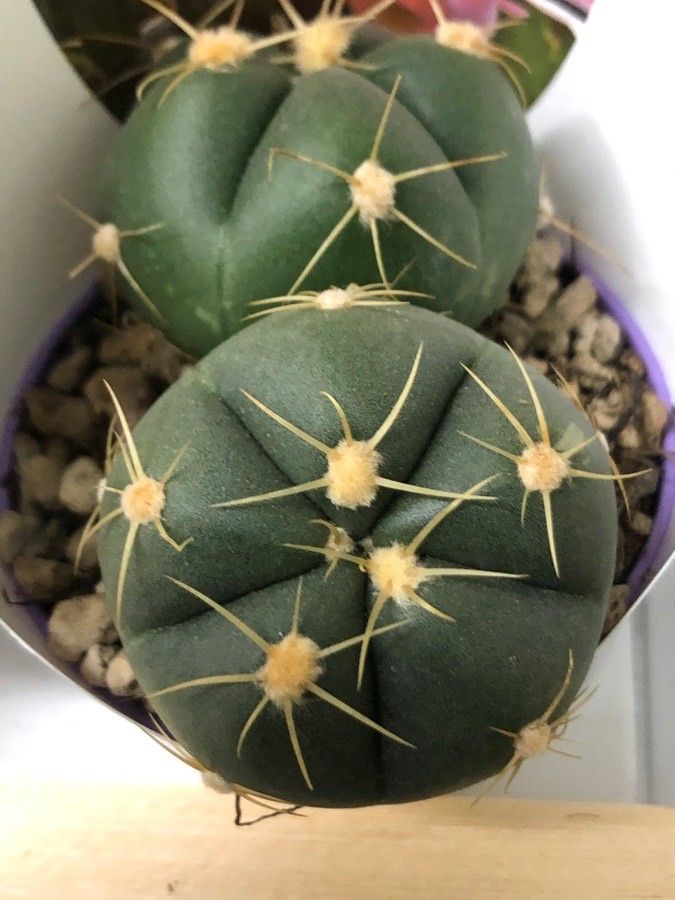
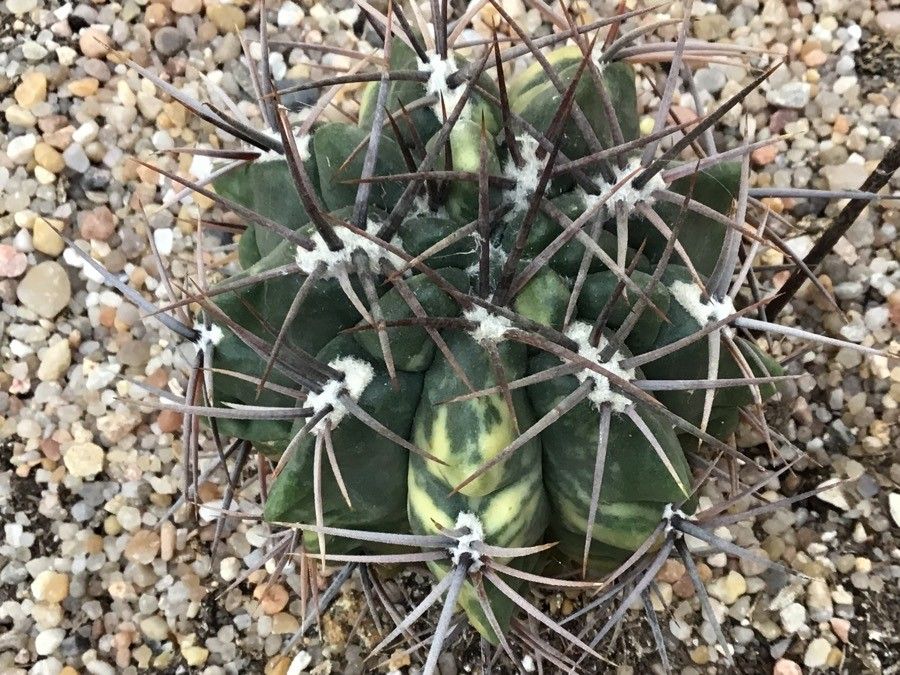
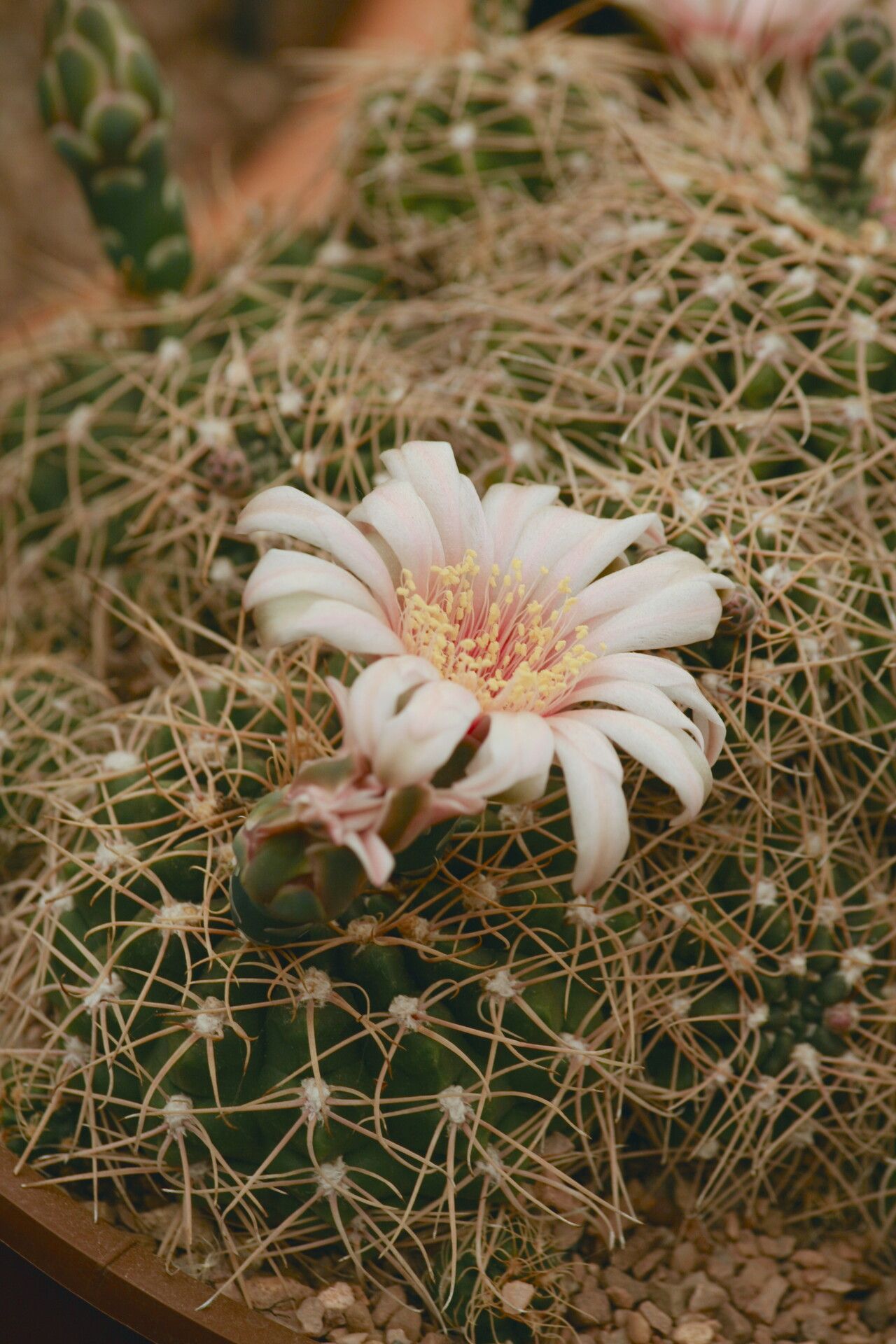
Gymnocalycium calochlorum is a species of Gymnocalycium from Argentina.
Gymnocalycium calochlorum has strong resistance to disease and, under normal care, does not become ill easily. That said, it can be vulnerable to mealybugs; these pests may cause some harm but are usually not a major problem. Regarding care, Gymnocalycium calochlorum is drought-tolerant and does not require frequent watering. It can go long periods without water and needs little fertilizer. However, it is very prone to root rot if kept in poor light and overwatered. In summary, Gymnocalycium calochlorum is a good choice for people who want a low-maintenance plant, but its basic needs should still be met. It is especially suitable for those who are away for extended periods and might forget to water regularly.
How to keep Gymnocalycium Calochlorum.
Light
Gymnocalycium calochlorum comes from habitats with filtered light, such as forest understories or rocky sites that provide natural shade. It favors partial sunlight but can also tolerate full sun.
Humidity
This plant prefers dry conditions, so don't mist it. However, watering it less often can also thrive in higher humidity.
Temperature
Although Gymnocalycium calochlorum tolerates some heat, it mainly does best and grows during cooler periods and goes dormant in summer. In very hot weather it should be given shade to avoid scorching from strong sun. Watering should be cut back or stopped during the hottest season to prevent root rot. It grows most vigorously in winter and spring, and as long as temperatures do not fall too low, it will continue to grow steadily.
Fertilizer
For Gymnocalycium calochlorum, giving fertilizer once or twice a year during the growing season is sufficient. Avoid feeding in winter and during summer dormancy. Cut back on fertilizer for plants that have been repotted, and wait a couple of months after repotting before you start fertilizing again. Fertilizing helps maintain healthy growth and encourages flowering.
Pot & Repot
Repot Gymnocalycium calochlorum in spring or summer, selecting a pot slightly larger than the current one with good drainage. Use a well-draining, sandy or gritty cactus mix. Handle it carefully to avoid the spines. Allow the cactus to dry out before repotting to prevent root rot. After repotting, wait for a week before watering to let the roots heal.
Botanical profile.
- Plant Type
- Succulent, Shrub
- Life Cycle
- Perennial
- Hardiness Zone
- 9-11
- Mature Height
- 5 cm to 10 cm
- Mature Spread
- 5 cm to 8 cm
- Leaf Color
- Dark Green
- Leaf Type
- Evergreen
- Flower Size
- 3.05 cm to 4.06 cm
- Bloom Time
- Late spring, Summer, Early fall
- Planting Time
- Spring, Summer, Autumn
- Harvest Time
- Late summer, Fall