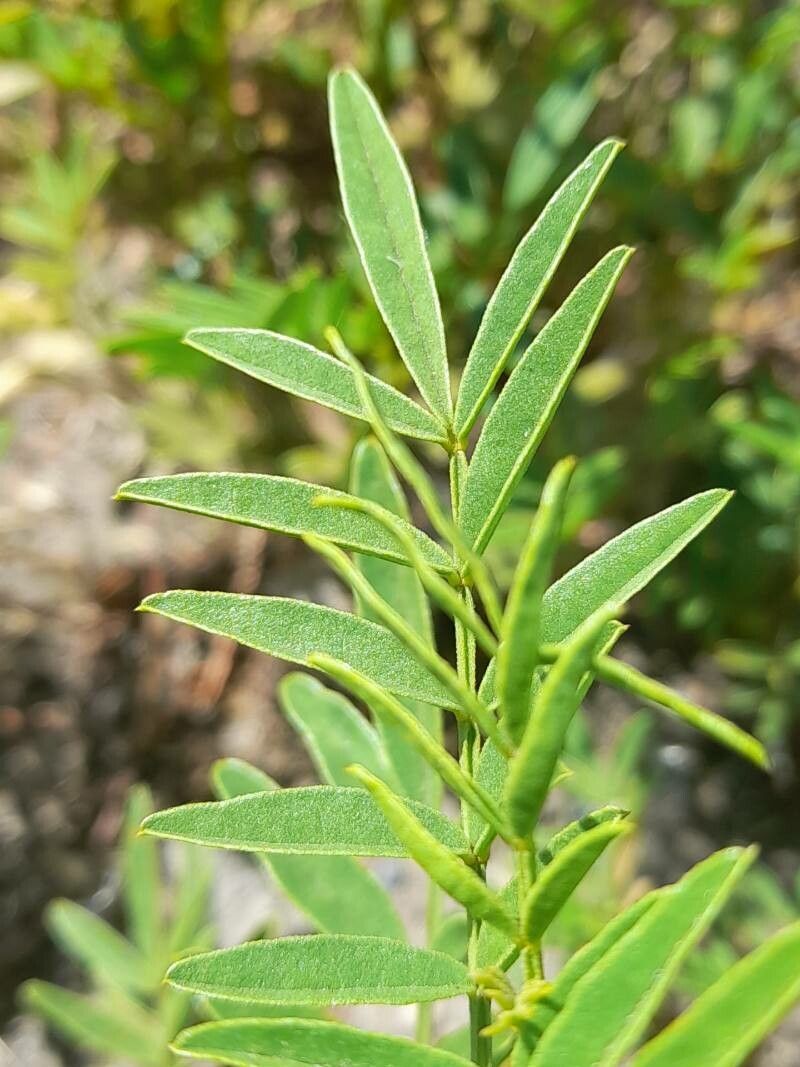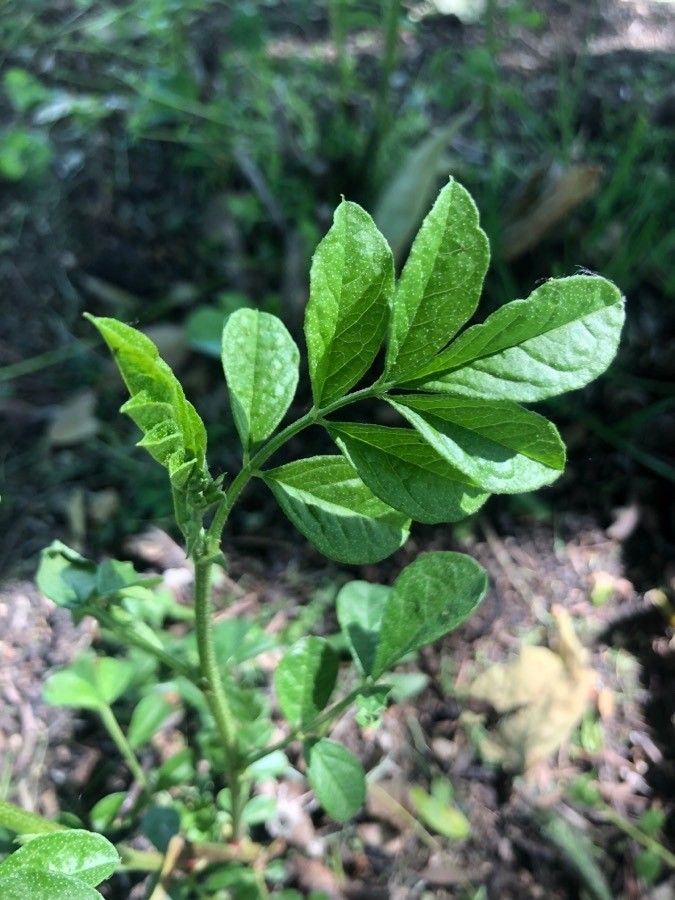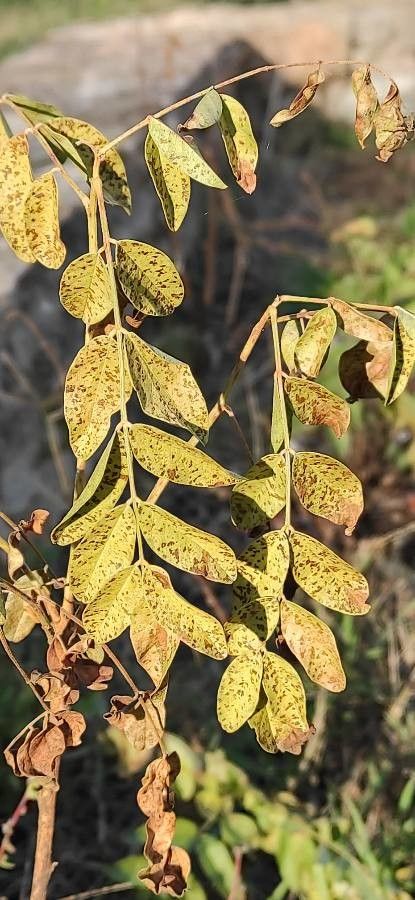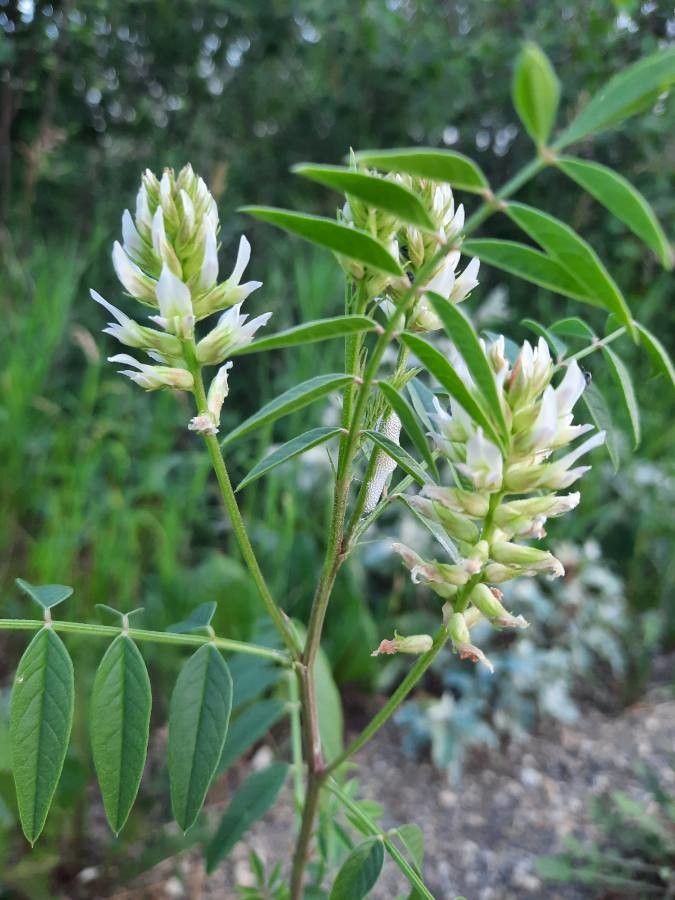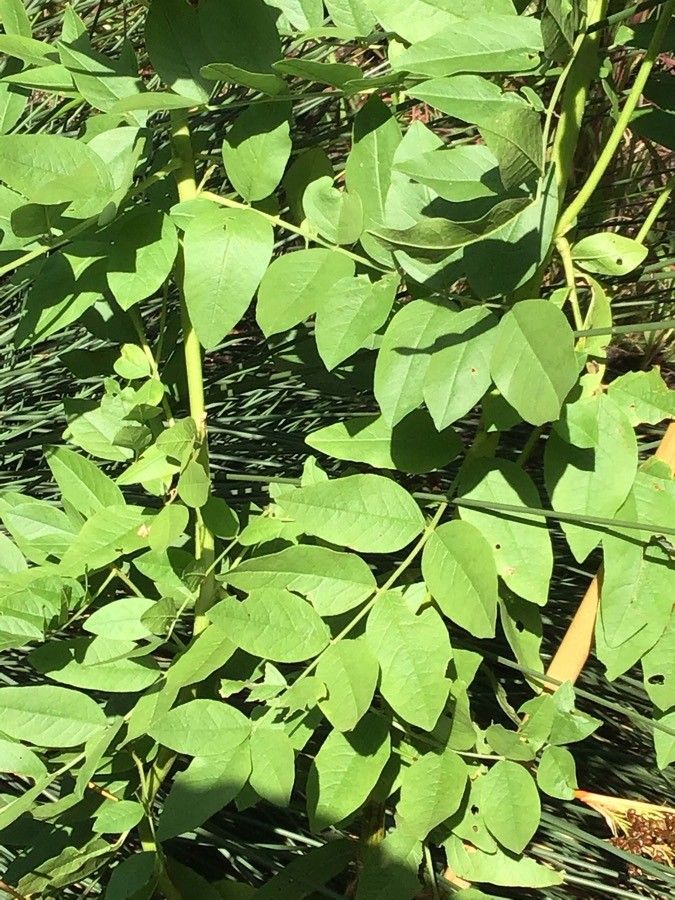
Glycyrrhiza uralensis, also known as Chinese liquorice, is a flowering plant native to Asia. It is used as a sweetener and in traditional Chinese medicine.
Chinese liquorice has strong resistance to disease and typically does not easily contract illnesses. Still, it can be affected by pests and diseases present nearby. When infections do occur, they are generally mild. Regarding care, the plant needs a moderate amount of attention. It should be pruned regularly to preserve a good appearance and support healthy growth. Applying fertilizer can also encourage flowering. Chinese liquorice is well suited for anyone who has outdoor space, like a garden or patio, and does not demand extensive gardening experience. Growing it indoors may call for more attentive care.
How to keep Glycyrrhiza Uralensis.
Light
Originating from open habitats, Chinese liquorice is a perennial herbaceous plant that thrives in meadows and grasslands and has a preference for full sun. However, it can also endure conditions with partial sun. It is a plant that loves sunlight.
Water
Chinese licorice needs balanced watering each week, similar to the consistent rainfall of its temperate origin. As a deciduous plant, it adapts to changing moisture levels by shedding its leaves during dry spells, conserving water in the process.
Temperature
Chinese liquorice possesses the capacity to thrive amidst diverse temperature settings, yet its geographical spread may still be restricted by various combinations of thermal and water conditions. It flourishes optimally in warm summer climates when it receives sufficient levels of rain or irrigation. Extended phases of overcast and wet conditions, as well as sustained high temperatures, could augment the odds of Chinese liquorice perishing. During the cold winter season, adequate safeguards against the cold can enhance the plant's survival rate.
Fertilizer
Generally, Chinese liquorice can fare well with a single serving of fertilizer in spring, but its growth can be maximized with more frequent feedings. Aim to feed the plant once every four to six weeks. Adding fertilizer not only improves the look and function of the leaves, ensuring a regular color and robust texture, but also encourages the growth of roots and the absorption of nutrients, which contributes to the overall health of the plant in the long run.
Pruning
Chinese liquorice thrives when it is regularly pruned. This process involves removing dead stems and thinning out dense areas to improve airflow and reduce the risk of disease. The ideal time for pruning is from early to late spring. Consistent pruning encourages healthier growth, enhances root production, and increases flowering. Be sure to use clean and sharp tools to minimize potential damage to the plant.
Botanical profile.
- Plant Type
- Herb
- Life Cycle
- Perennial
- Genus
- Glycyrrhiza
- Family
- Leguminosae
- Hardiness Zone
- 5-9
- Mature Height
- 61 cm to 91 cm
- Mature Spread
- 40 cm
- Leaf Color
- Green, Dark Green
- Leaf Type
- Deciduous
- Flower Color
- White, Purple
- Flower Size
- 1.02 cm to 1.52 cm
- Bloom Time
- Early summer, Mid summer
- Planting Time
- Spring, Summer
- Harvest Time
- Late summer, Early fall
- Native Area
- Russia, Afghanistan, Tajikistan, India, Kyrgyzstan, Kazakhstan, Mongolia, Pakistan, China
Other names.
Reader questions.
What are the sunlight requirements for Chinese liquorice?
Chinese liquorice is a perennial herbaceous plant that thrives in full sun, requiring more than 6 hours of sunlight daily. It can also tolerate partial sun conditions, which means about 3-6 hours of sunlight each day. It's important to observe how sunlight moves through your garden to choose spots that provide the perfect balance of light and shade, ensuring the well-being of your Chinese liquorice.
What is Chinese liquorice?
Chinese liquorice, also known by its botanical name Glycyrrhiza uralensis, is a plant of interest for various uses. Its specific attributes, including potential benefits and applications, have made it a subject of study and use in different contexts.
How can artificial lighting be used for Chinese liquorice indoor growth?
For indoor Chinese liquorice plants, adequate lighting is crucial, especially when natural sunlight is insufficient. Artificial lights, such as LED lights, are recommended because they can be customized to provide specific wavelengths needed for optimal growth. Full sun plants require 30-50W per square foot, partial sun plants 20-30W per square foot, and full shade plants 10-20W per square foot of artificial light. Position the light source 12-36 inches above the plant and ensure it receives 8-12 hours of light per day to mimic natural sunlight conditions.
What are the symptoms of light deficiency in Chinese liquorice?
When Chinese liquorice experiences inadequate lighting, several symptoms may manifest, including smaller new leaves, leggy or sparse growth, faster leaf drop, slower or no new growth, lighter-colored new leaves, chlorosis (leaves turning yellow), sunscald, leaf curling, wilting, and leaf scorching. These symptoms indicate that the plant is not receiving enough sunlight and may need to be moved to a brighter location or provided with supplemental artificial lighting.
What solutions exist for Chinese liquorice suffering from light deficiency?
To address light deficiency in Chinese liquorice, gradually move plants to sunnier locations or increase artificial light exposure. Indoor plants can be relocated to south-facing windows or supplemented with professional grow lights for at least 8 hours daily. Outdoor plants should be moved to optimal sunlight spots progressively to avoid sunburn. It's crucial to trim any obstructions like tree branches to allow more sunlight. For plants with permanent locations, consider transplanting during their dormant period to a brighter spot with good drainage, ensuring new growth is healthy. Note, parts of the plant that have suffered may not recover, but new growth should flourish with improved light conditions.