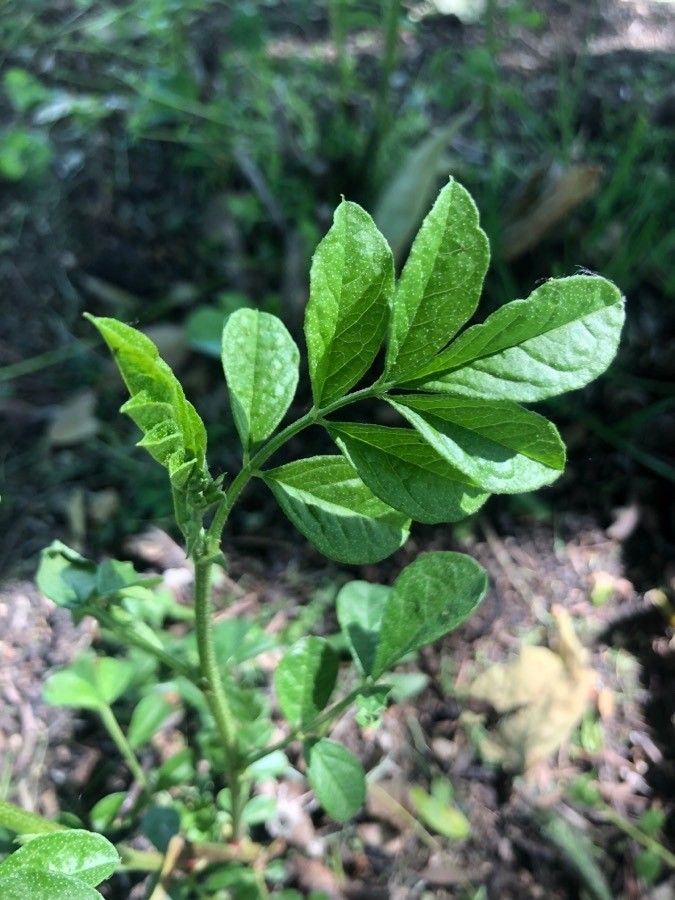
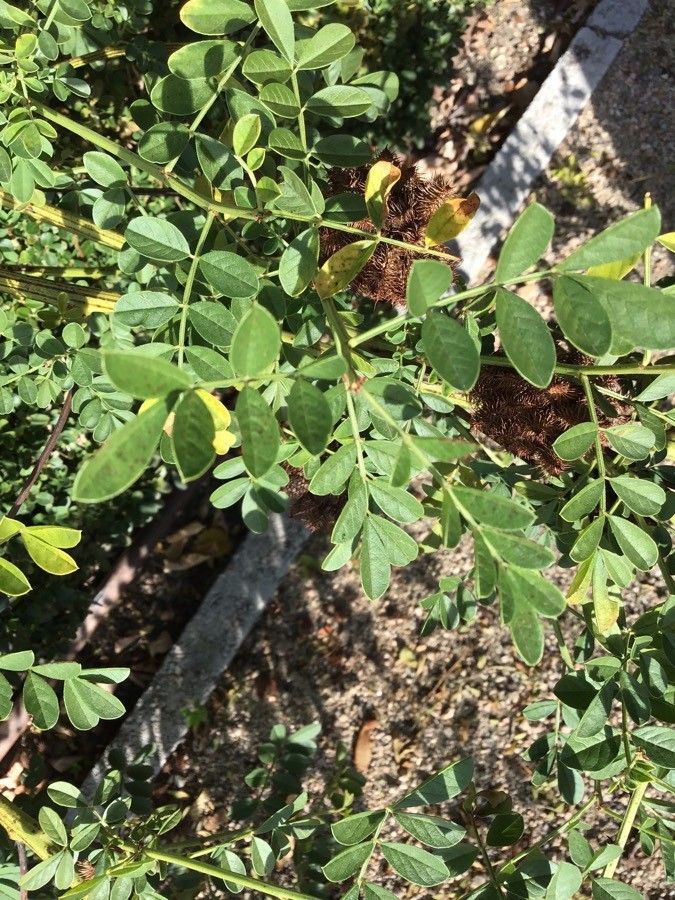
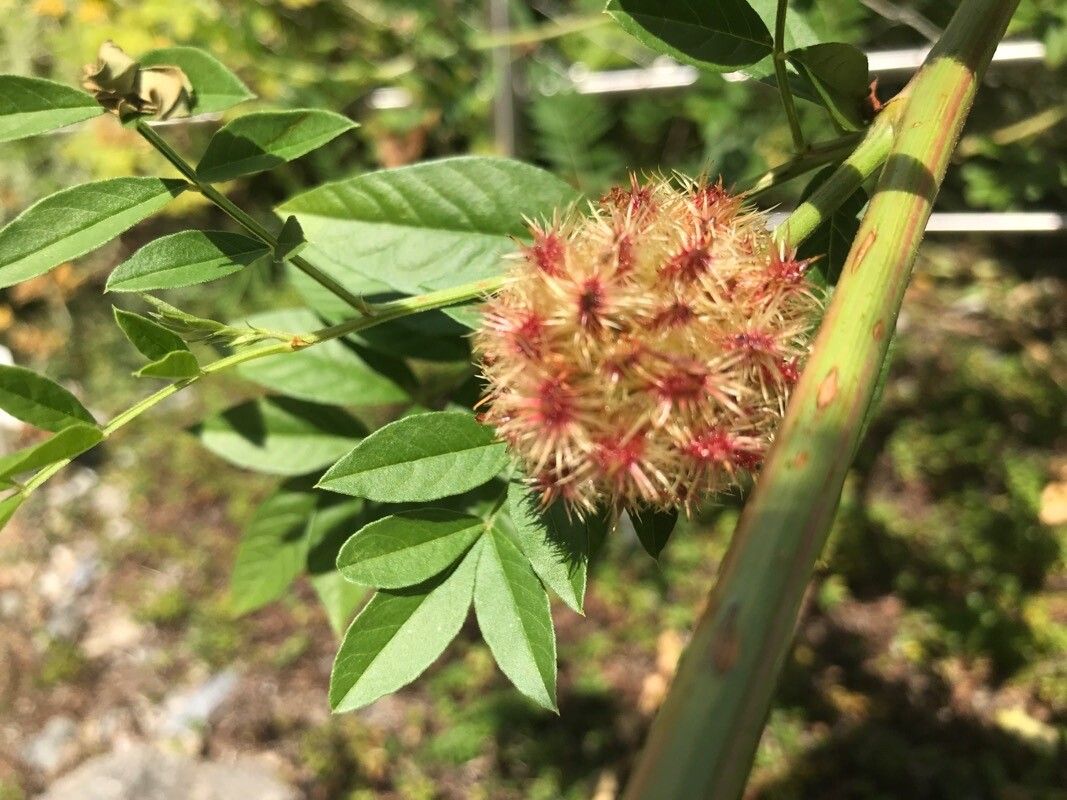
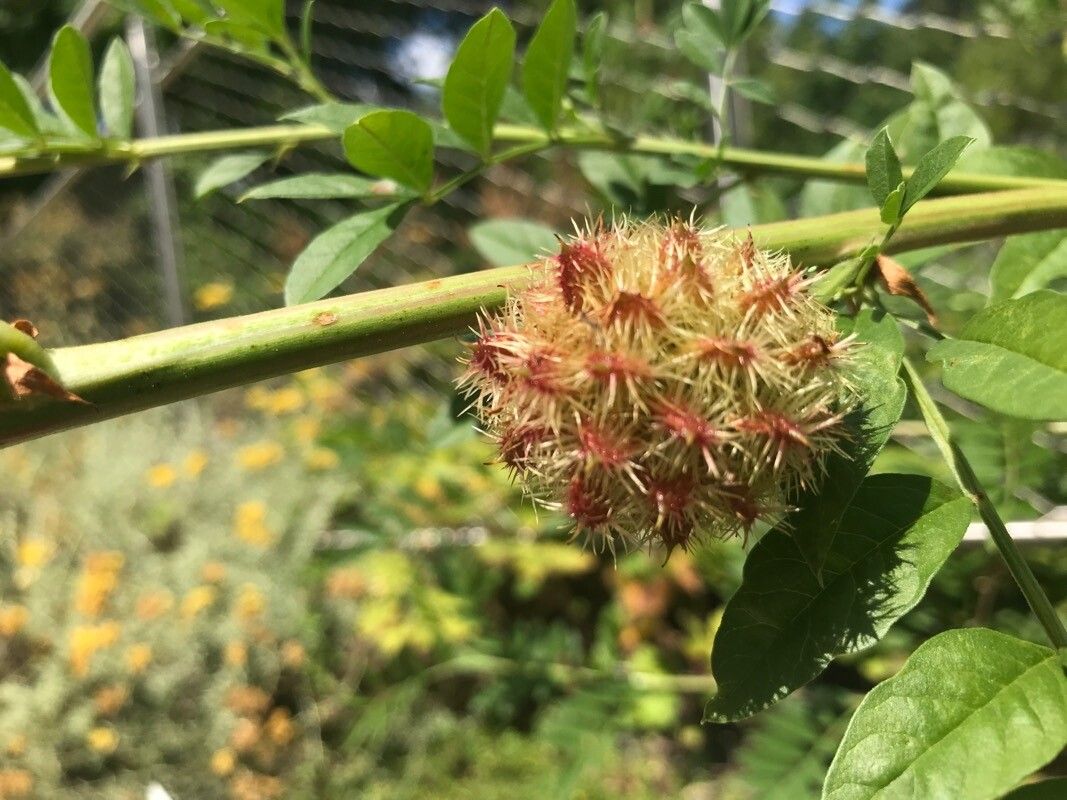
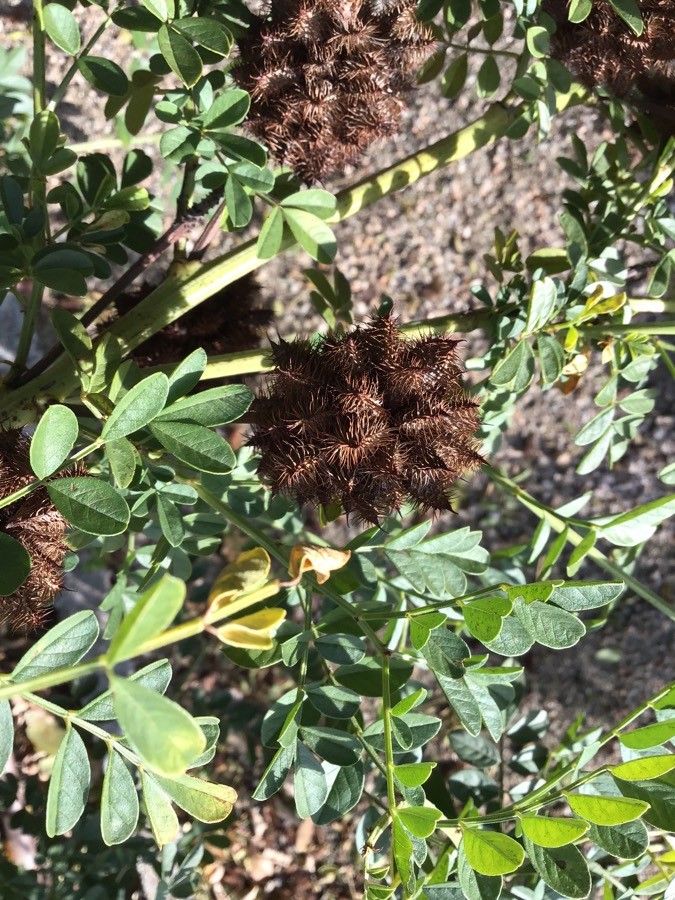
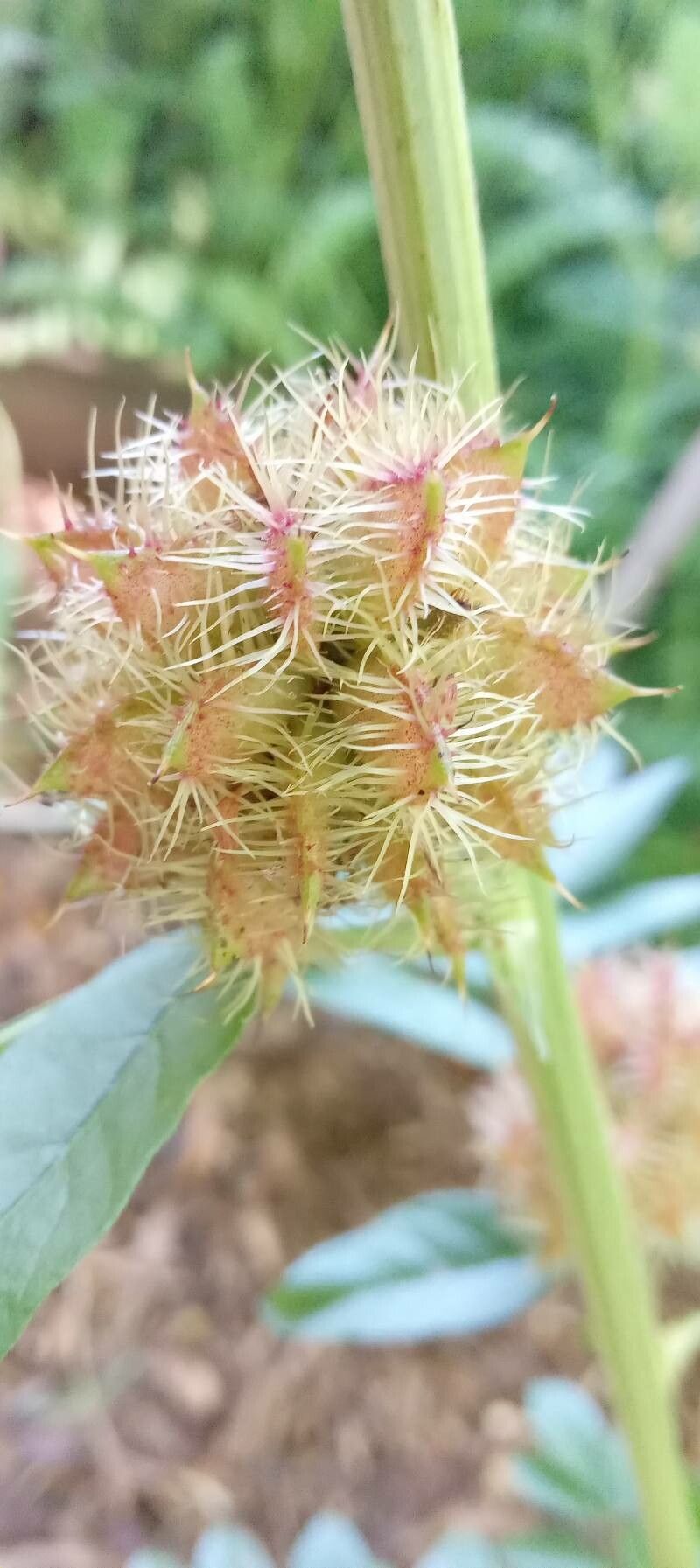
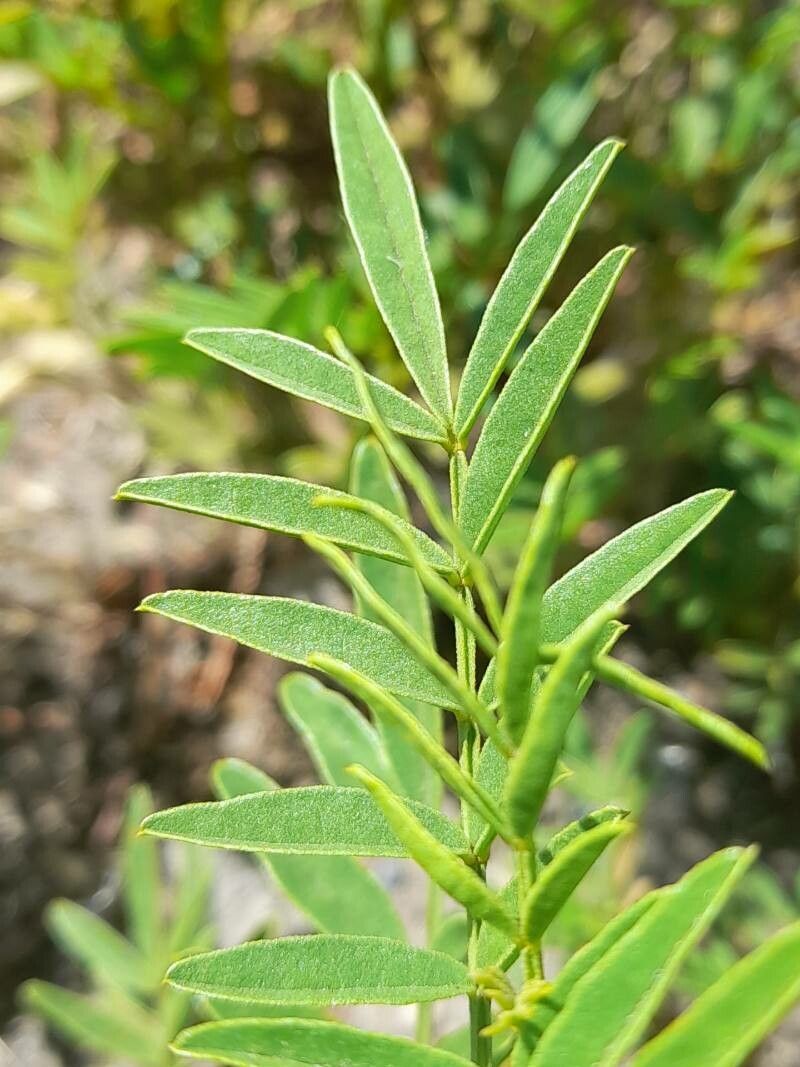
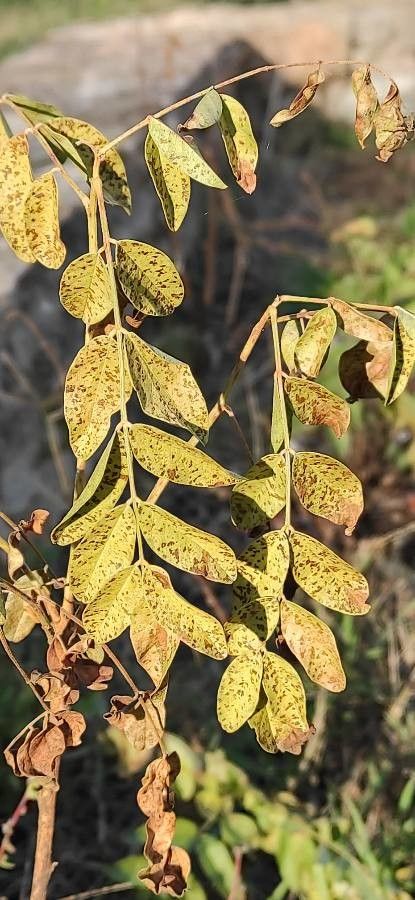
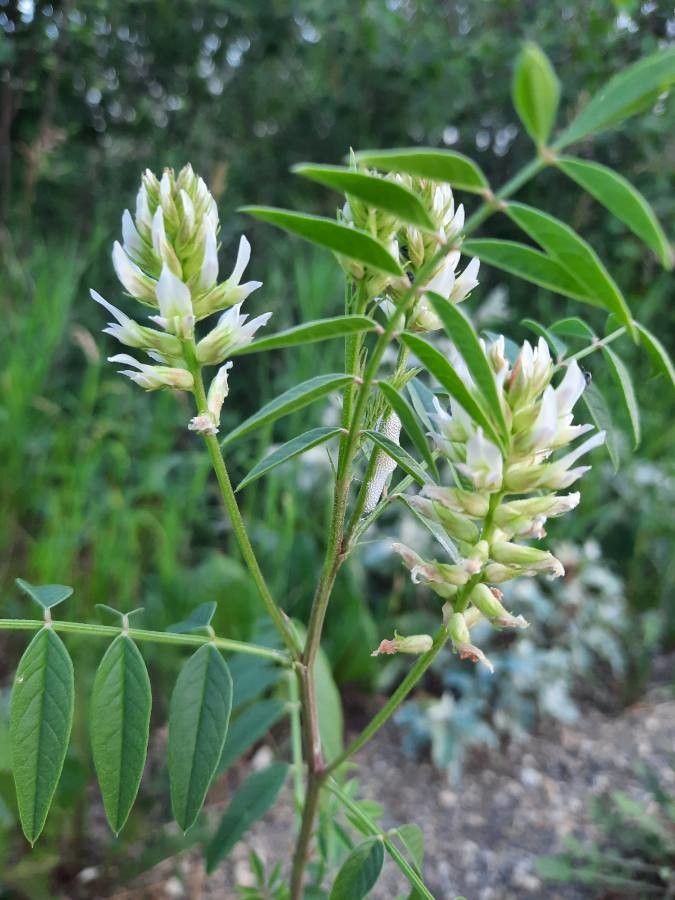
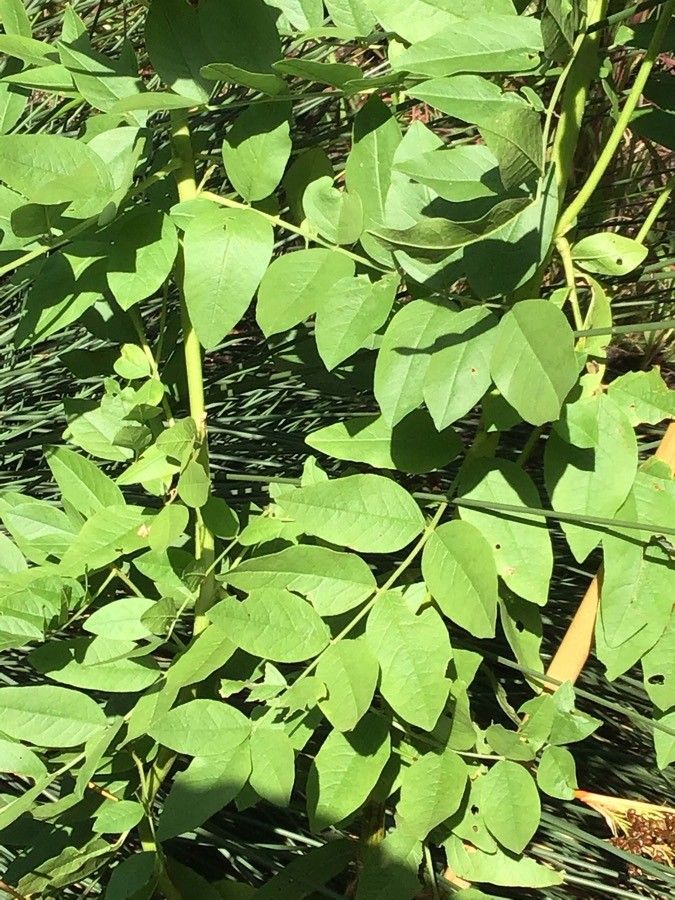
Glycyrrhiza echinata is a species of flowering plant in the genus Glycyrrhiza, with various common names that include Chinese licorice, German licorice, and hedgehog licorice, Eastern European licorice, Hungarian licorice, Prickly licorice, and Roman licorice. It is used as a flavoring and medicinally, and to produce Russian and German licorice.
Chinese licorice is quite resistant to disease and usually does not suffer from illnesses. However, it can be vulnerable to pests and diseases present in its environment, and such infections are generally mild. As for care, it needs a moderate level of maintenance. Regular pruning is required to preserve a tidy appearance and support healthy growth. Fertilizing can also encourage flowering. This plant is well suited for anyone with outdoor space, such as a garden or patio, and does not demand extensive gardening experience. It may need more attention if grown indoors.
How to keep Glycyrrhiza Echinata.
Light
Chinese licorice is a sun-loving, perennial herbaceous plant native to open habitats and commonly found in meadows and grasslands. It prefers full sun but can tolerate partial sun.
Water
Chinese licorice grows well in sub-humid regions because it can effectively utilize infrequent moisture. To keep it healthy, it needs to be watered once a week. It is best grown outdoors since it has a strong root system. This plant is most suitable for temperate climates where rainfall patterns align with its growth cycles.
Temperature
Chinese licorice can tolerate a wide range of temperatures, though its distribution may still be restricted by different mixes of moisture and heat. It performs best in warm summer conditions with enough rainfall or irrigation. Long spells of cloudy, rainy weather or extended high temperatures can raise the chance of Chinese licorice dying. In winter, appropriate protection from the cold can increase the plant’s survival rate.
Fertilizer
For Chinese licorice, one application of fertilizer in spring is generally enough, though multiple feedings can maximize growth. Apply fertilizer every one to one and a half months. Fertilizing improves the leaves' appearance and function, helping maintain even color and a healthy texture. It also encourages root development and enhances nutrient uptake for the plant's long-term health.
Pruning
Chinese licorice is a hardy perennial plant known for its medicinal roots. To keep the plant healthy, it's important to prune it from early to late spring. During pruning, remove any dead stems, thin out older growth, and trim long stems to help the plant maintain its shape. Regular pruning not only improves the plant's structure but also boosts root production. For more detailed pruning techniques, refer to reliable horticultural guides.
Botanical profile.
- Plant Type
- Herb
- Life Cycle
- Perennial
- Genus
- Glycyrrhiza
- Family
- Fabaceae
- Hardiness Zone
- 5-8
- Mature Height
- 0.61 m to 1.22 m
- Mature Spread
- 49 cm to 76 cm
- Leaf Color
- Green, Dark Green
- Leaf Type
- Deciduous
- Flower Color
- Lavender, Purple
- Flower Size
- 1.02 cm to 1.52 cm
- Bloom Time
- Early summer, Mid summer
- Planting Time
- Spring, Summer
- Harvest Time
- Late summer, Early fall
- Native Area
- Turkey, Romania, Montenegro, Bulgaria, Armenia, Greece, Croatia, Ukraine, Lebanon, Russia, Syria, Italy, Kazakhstan, Iran, Azerbaijan, Hungary
Other names.
Reader questions.
What are the sunlight requirements for Chinese licorice?
Chinese licorice, botanically known as Glycyrrhiza echinata, thrives in conditions where it can receive sufficient sunlight. It requires 'full sun' conditions, meaning it should get above 6 hours of sunlight daily, to flourish. However, it can also tolerate 'partial sun' conditions, which provide about 3-6 hours of sunlight. It's important to monitor the movement of sunlight through your garden carefully to ensure that you select locations that offer an ideal balance of light and shade for your plants. This careful placement is crucial for the happiness and health of your Chinese licorice plants.
What is Chinese licorice?
Chinese licorice, scientifically known as Glycyrrhiza echinata, is a plant recognized for its significance in various traditions and uses, though specific details such as its origin, traditional uses, and health benefits are not provided in this context.