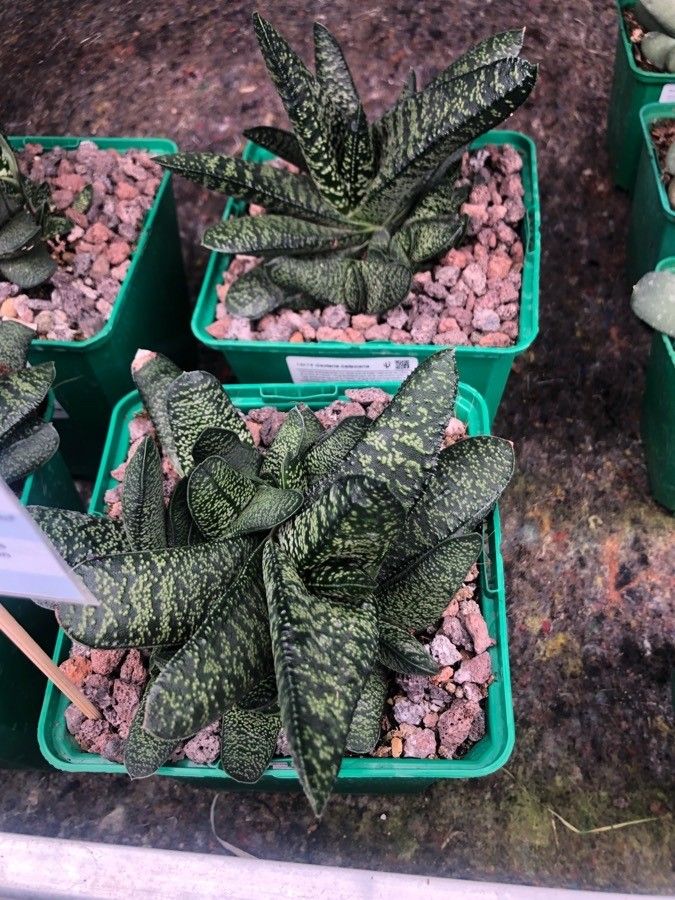
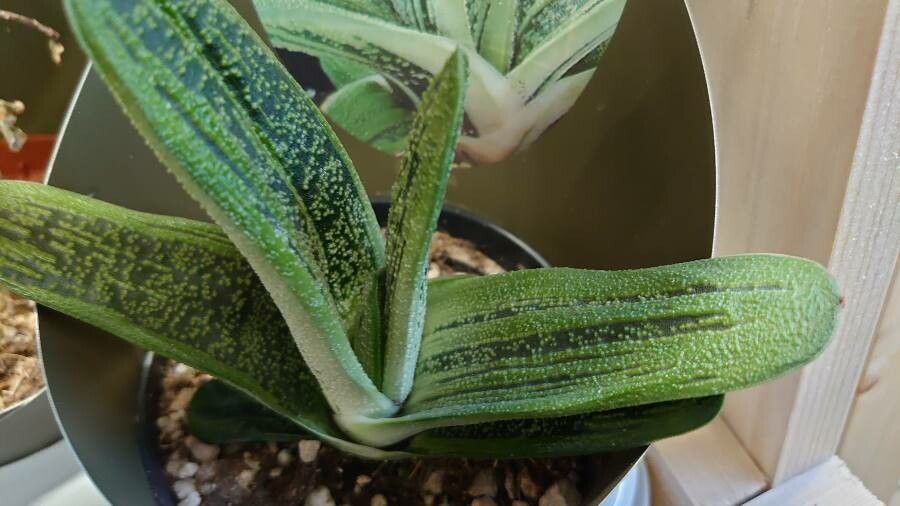
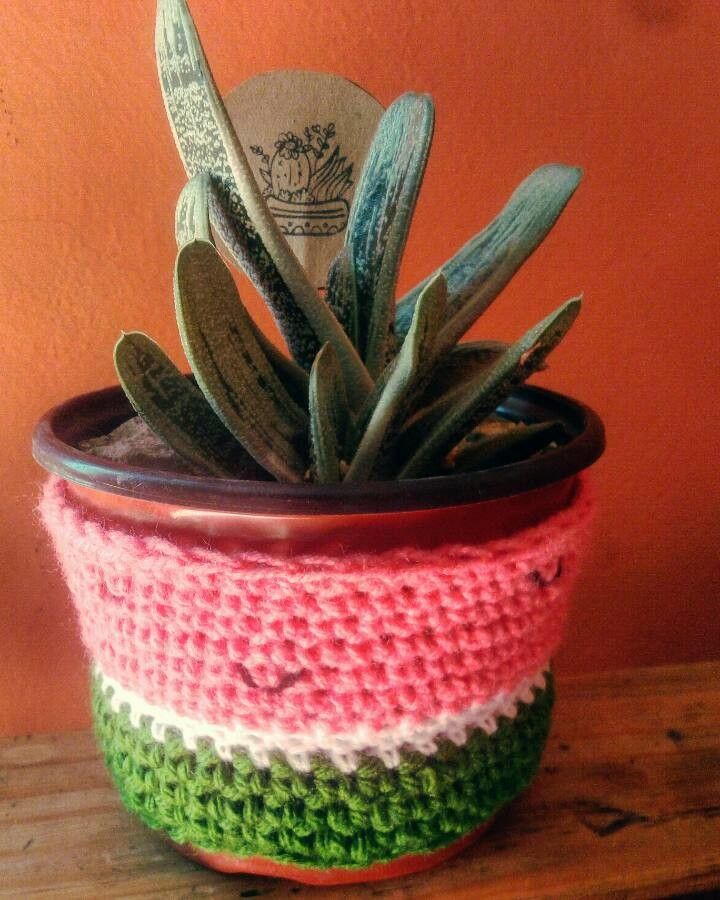
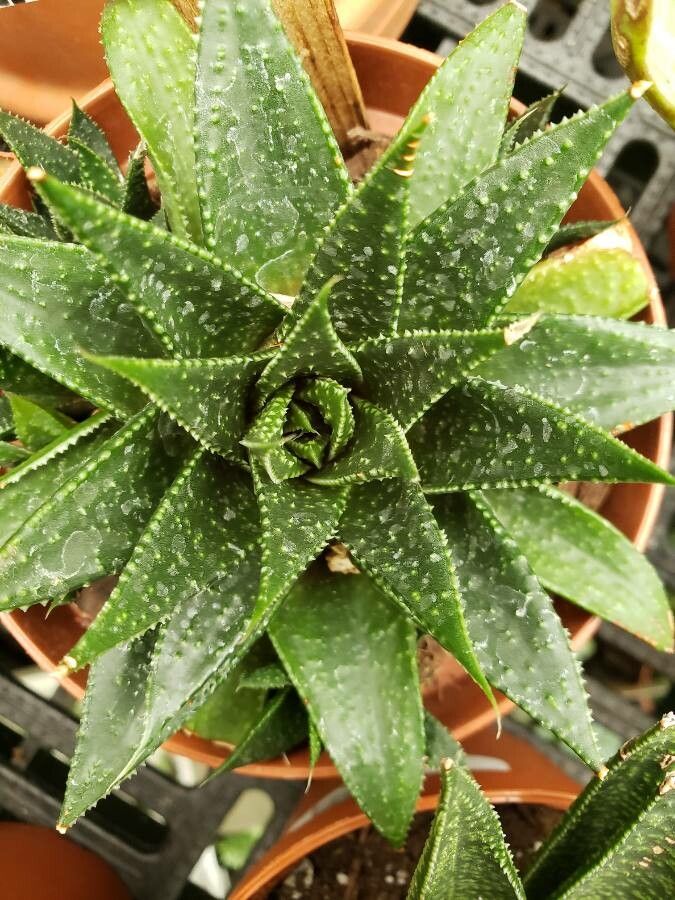
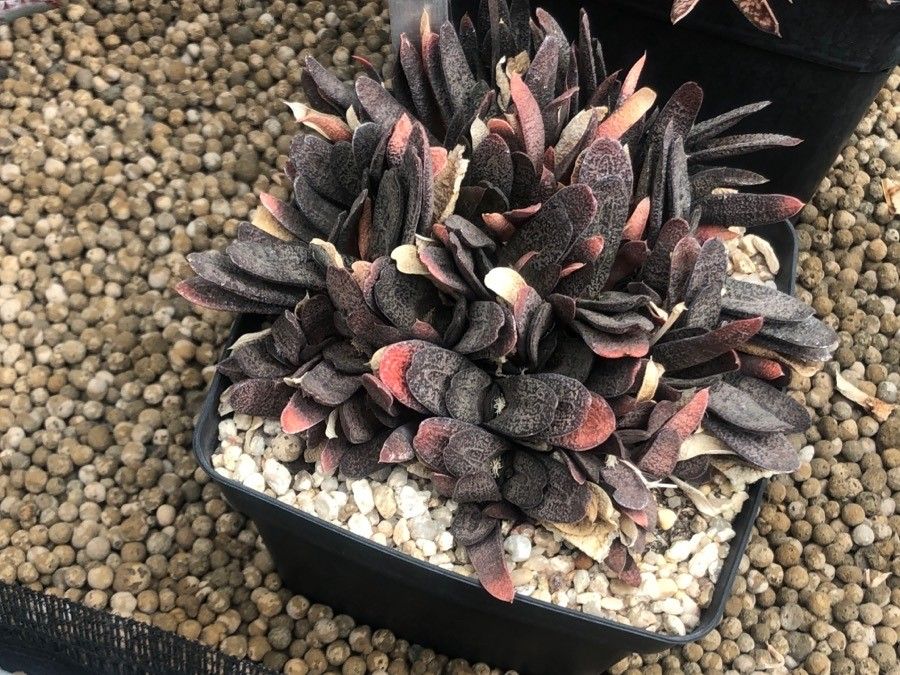
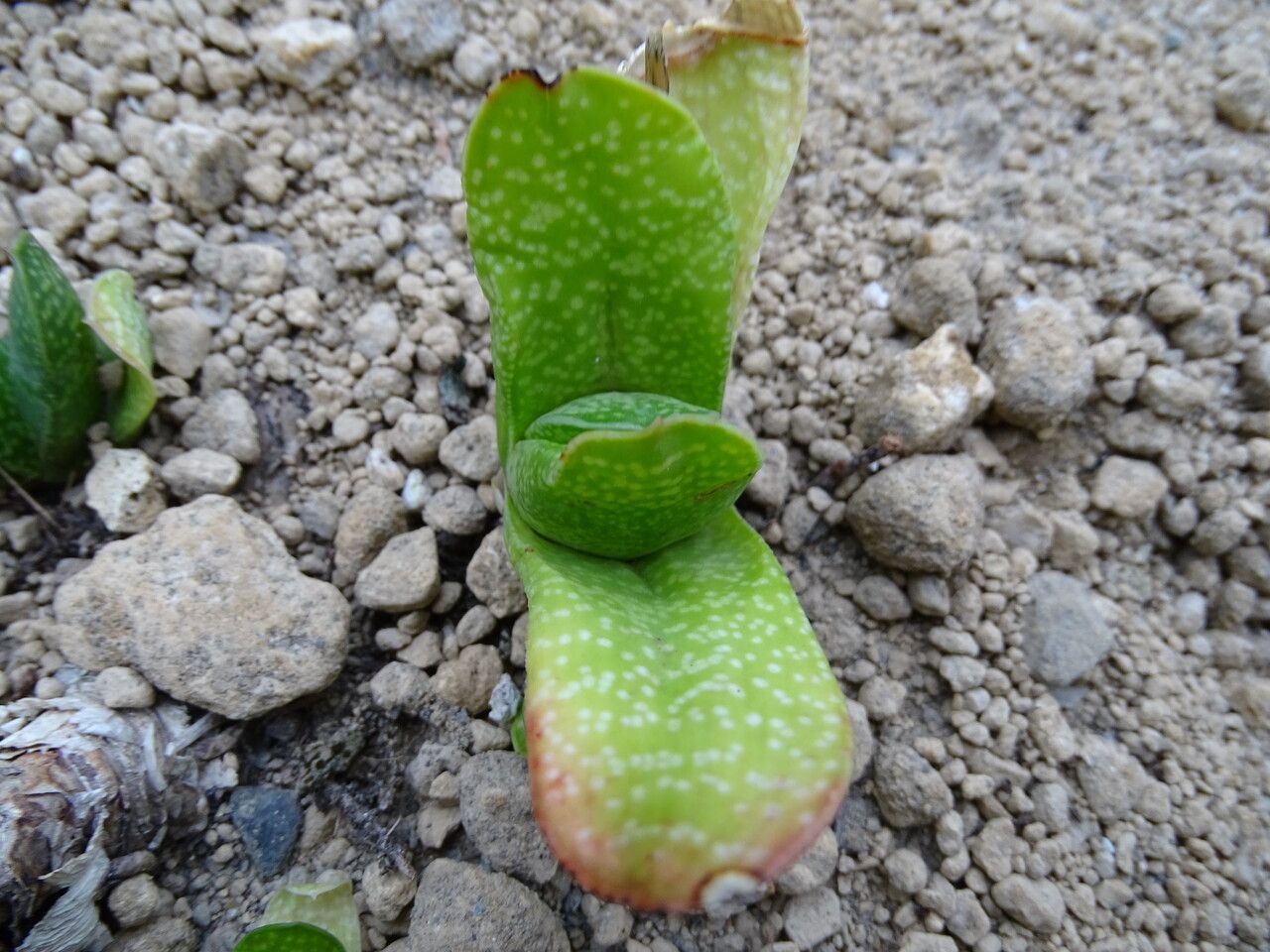
Gasteria batesiana is a succulent plant that belongs to the Asphodelaceae family. Native to South Africa, it is commonly found in the Eastern Cape Province. The plant features thick, fleshy, dark green leaves arranged in a rosette pattern, adorned with distinctive white spots or stripes.
Gasteria batesiana can grow up to 20 cm tall and 30 cm wide, making it an ideal choice for indoor settings or rock gardens. It thrives in well-draining soil and partial shade, which contributes to its ease of care.
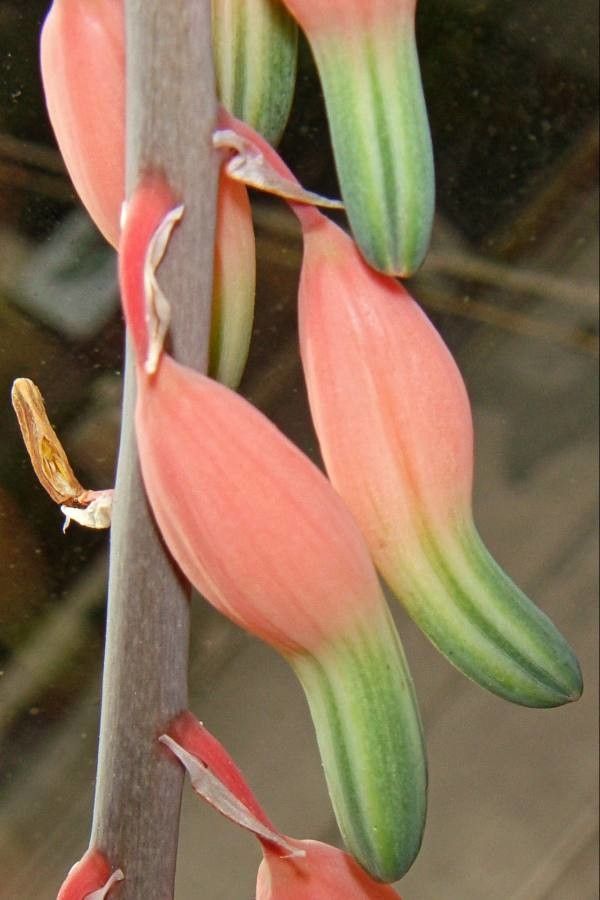
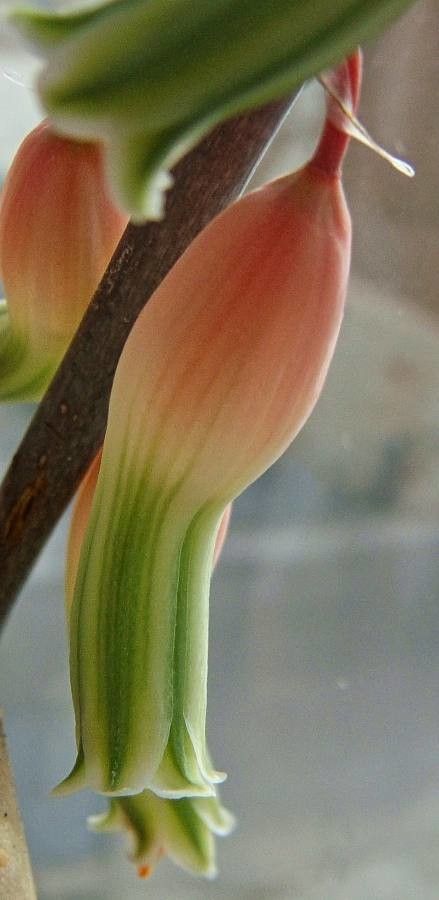
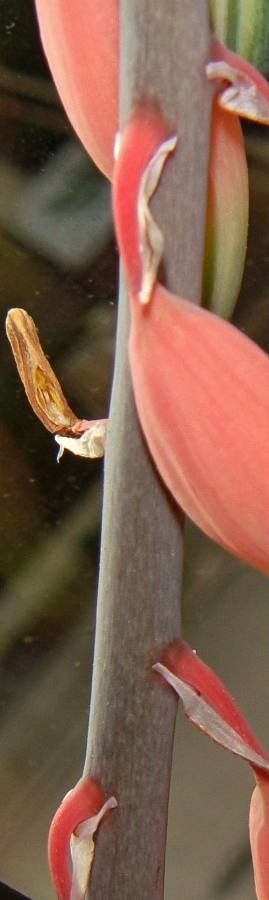
The plant produces tubular flowers on long stems that can reach up to 60 cm in height. These flowers, which typically appear in red-orange or yellow-green hues, bloom during the summer months.
Gasteria batesiana has numerous medicinal uses among indigenous South African communities. It is traditionally utilized to treat wounds, burns, stomach ailments, headaches, and to reduce fever, among other ailments.
Overall, Gasteria batesiana is an attractive succulent with unique foliage patterns, making it a popular choice for indoor gardening enthusiasts and outdoor gardeners alike. Its low-maintenance requirements and ornamental value add to its appeal.
Knoppies Oxtongue has moderate disease resistance but is more sensitive to humidity. It becomes vulnerable to illness in high-humidity conditions and is likely to develop root rot during dormancy. Regarding care, Knoppies Oxtongue tolerates drought yet requires increased watering in the growing season. Watering should be greatly reduced or stopped entirely while the plant is dormant. Knoppies Oxtongue is best suited to growers with some experience, though it can be challenging to maintain, especially during the dormant period. It is particularly appropriate for those who can dedicate time to its care over the winter months.
How to keep Gasteria Batesiana.
Light
Knoppies Oxtongue comes from habitats with dappled light, for example the understory of forests or rocky areas that offer natural shade. It prefers partial sun but can also tolerate full sun.
Water
Like other succulents, these plants don't need much water. Allow the soil to almost completely dry out between waterings. If the plant gets rainfall outdoors, usually no supplemental watering will be necessary.
Temperature
Although Knoppies Oxtongue can tolerate some heat, it grows best in cooler seasons and becomes dormant in summer. In very hot summer conditions, provide shade to avoid scorching from intense sunlight. Watering should be reduced or stopped during the hottest period to prevent root rot. It shows vigorous growth in winter and spring, and as long as temperatures do not fall too low, it will continue to grow steadily.
Fertilizer
Knoppies Oxtongue only needs light fertilizer applications once or twice a year during its growing season. Do not fertilize in winter or summer, when the plant is dormant. Cut back on fertilizer for repotted plants and postpone feeding for a couple of months after repotting. Fertilizing helps keep growth healthy and encourages flowering.
Pot & Repot
When repotting Knoppies Oxtongue, choose a pot slightly larger than the current one that has good drainage. Use a gritty, well-draining cactus or succulent mix. Gently lift the plant from its old pot, brush away excess soil, and set it back in at the same depth. Wait a few days before watering so any root wounds can heal. Repot in spring or fall and keep it in a brightly lit location.
Botanical profile.
- Plant Type
- Succulent
- Life Cycle
- Perennial
- Genus
- Gasteria
- Family
- Asphodelaceae
- Hardiness Zone
- 9-11
- Mature Height
- 10 cm to 20 cm
- Mature Spread
- 15 cm to 30 cm
- Leaf Color
- Dark Green, Forest Green
- Leaf Type
- Evergreen
- Flower Color
- Pink, Red
- Flower Size
- 2.03 cm to 3.05 cm
- Bloom Time
- Summer
- Planting Time
- Spring, Summer
- Harvest Time
- Late summer, Early fall, Mid fall
- Native Area
- South Africa
Other names.