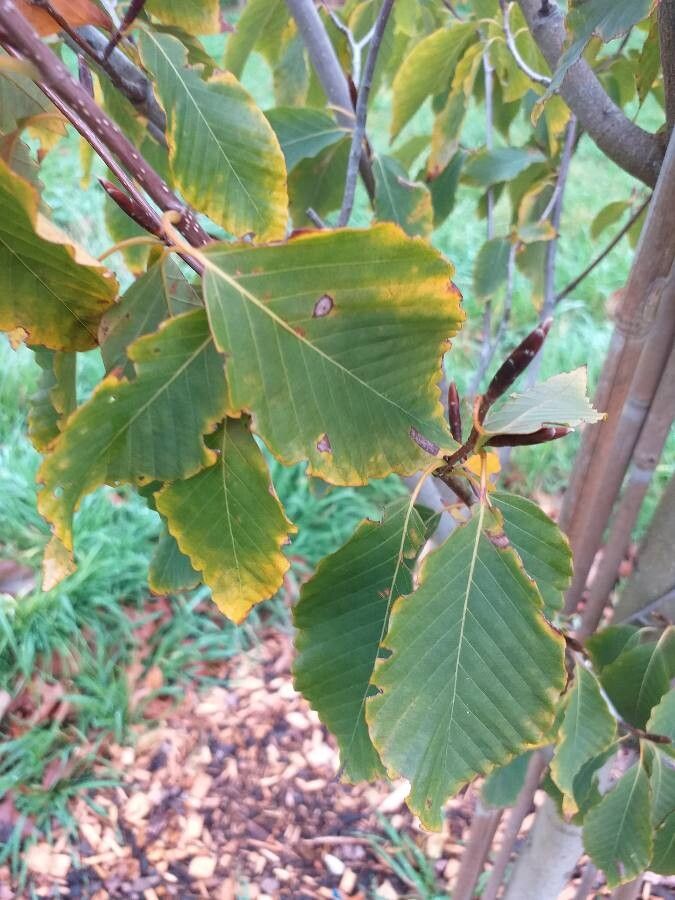
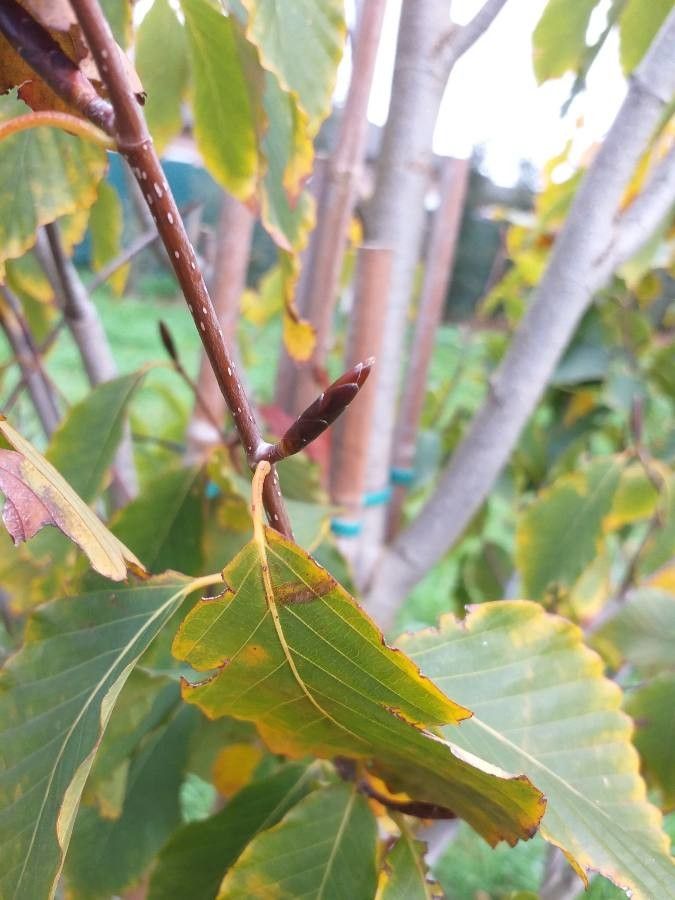
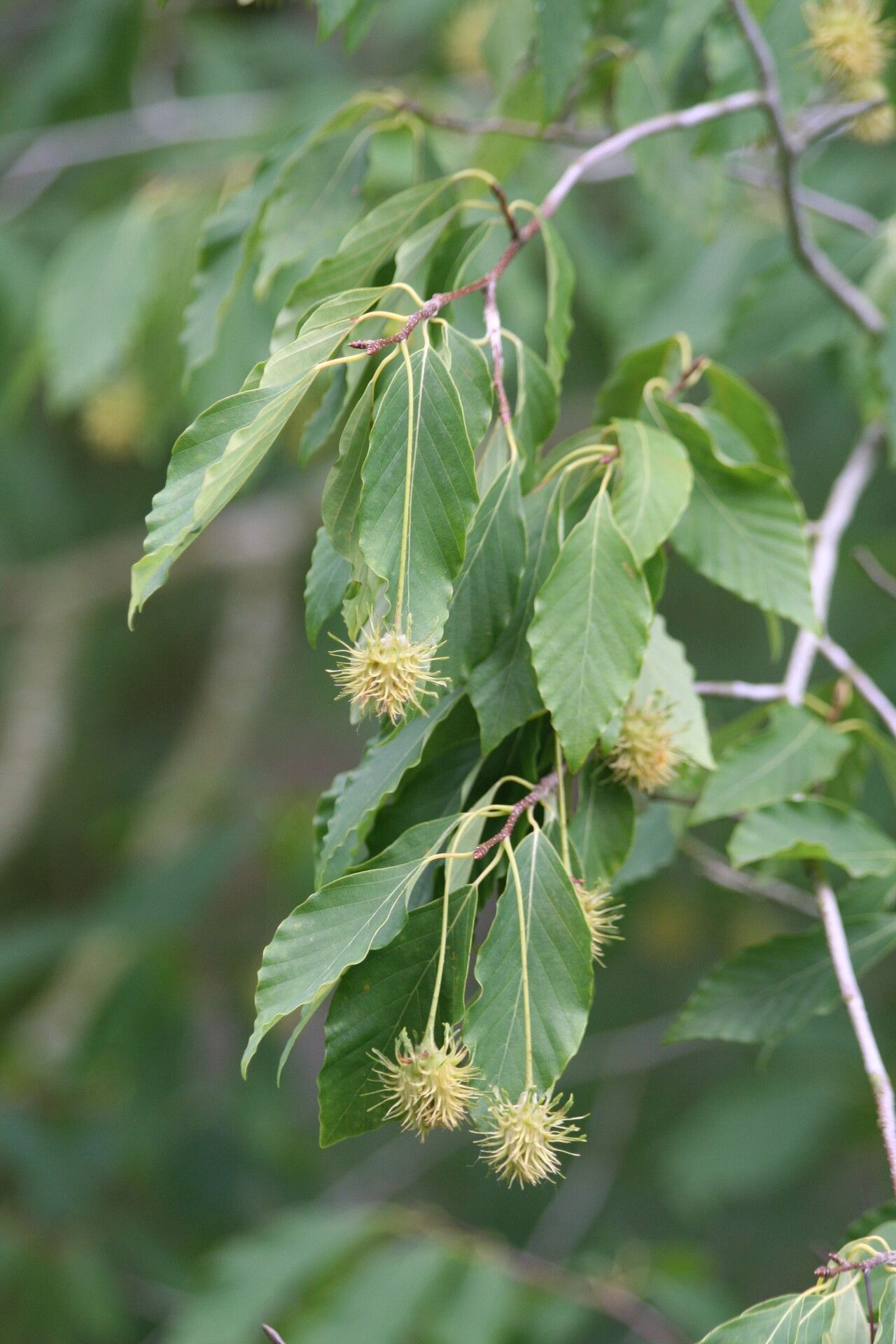
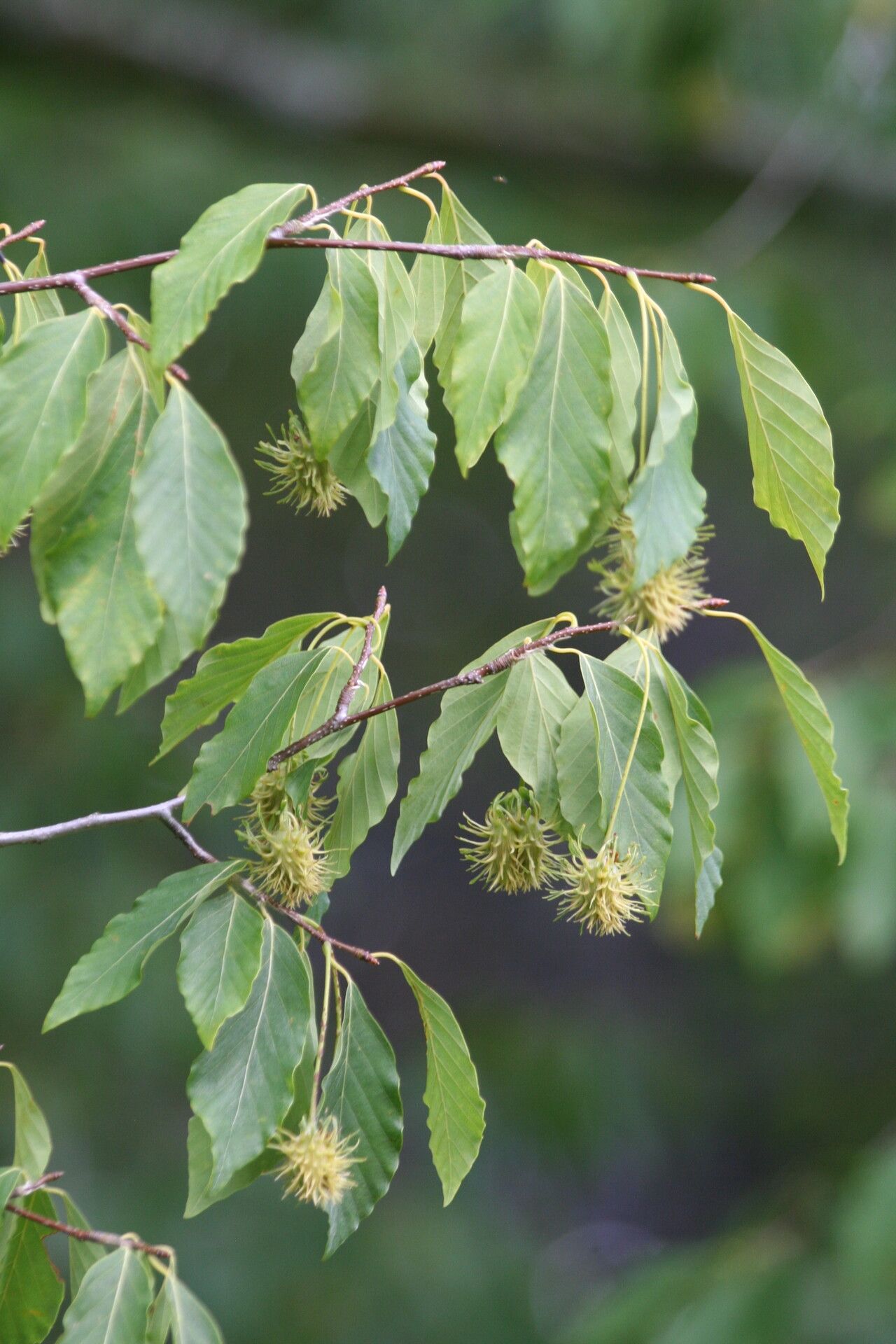
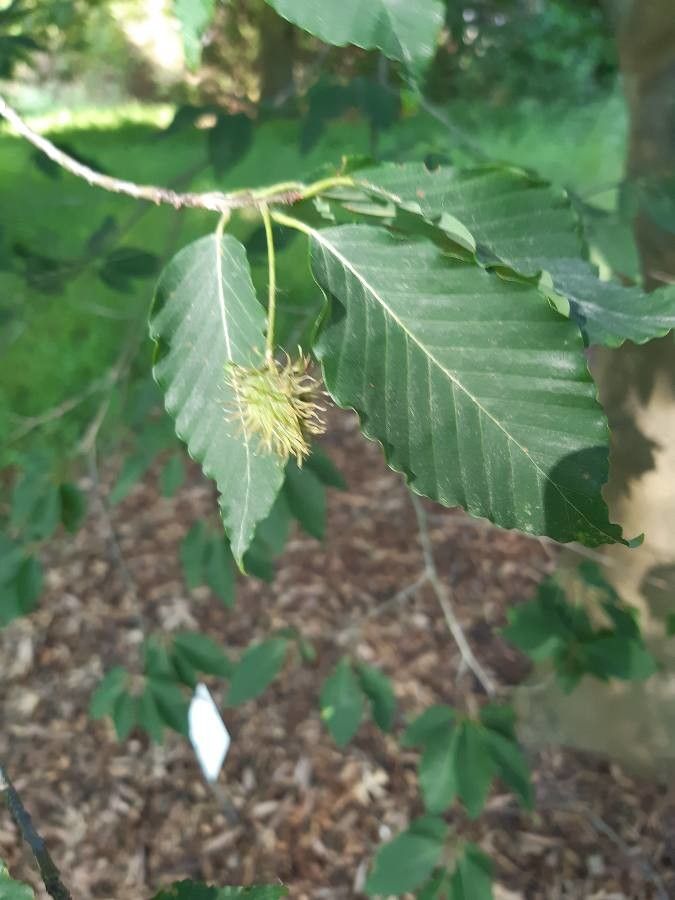
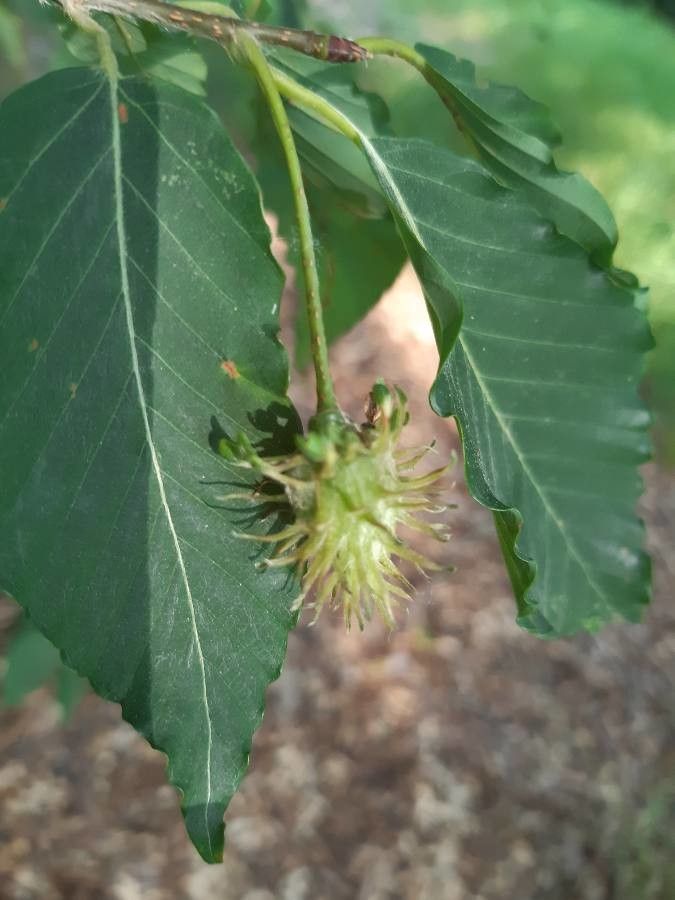
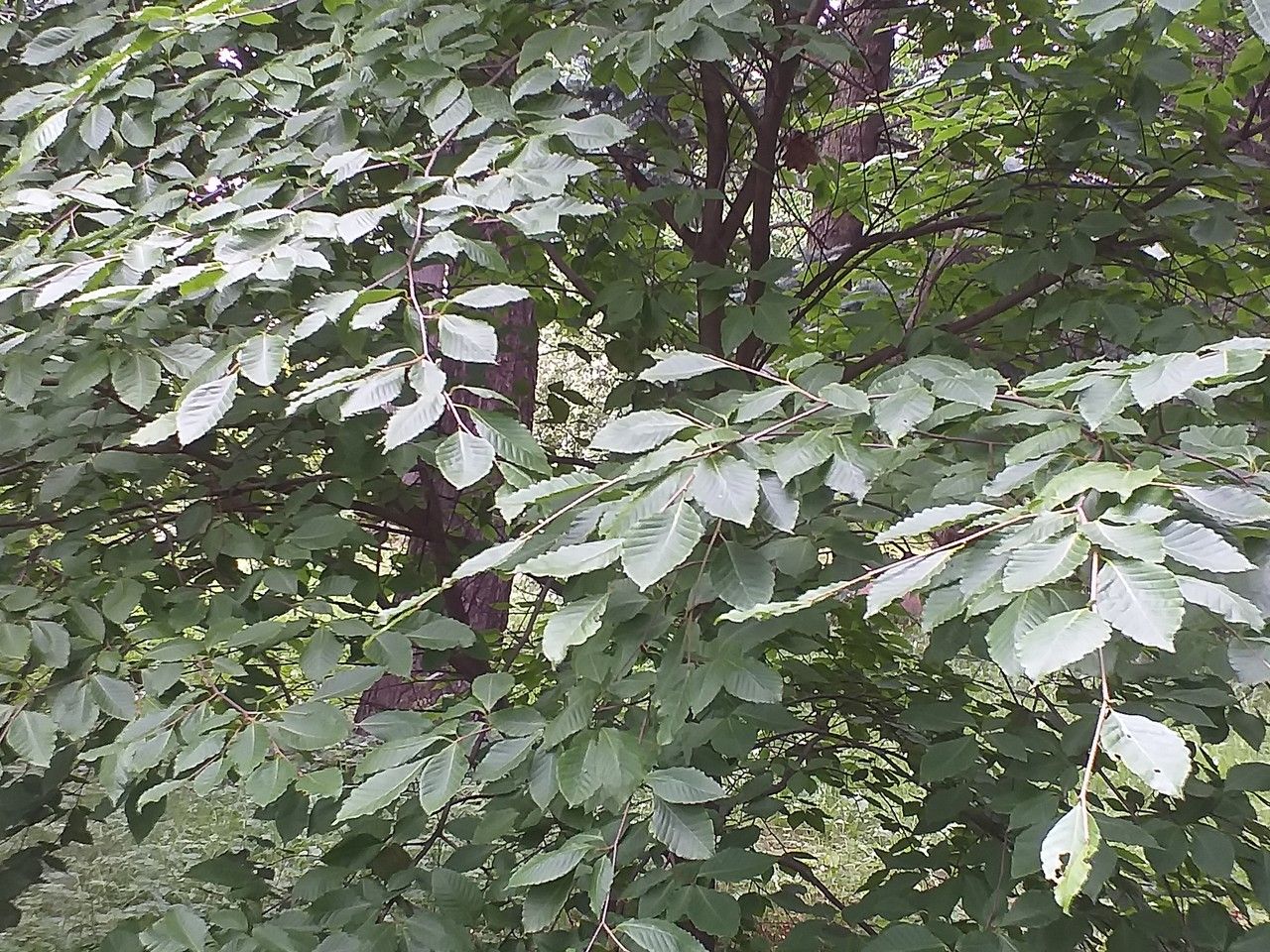
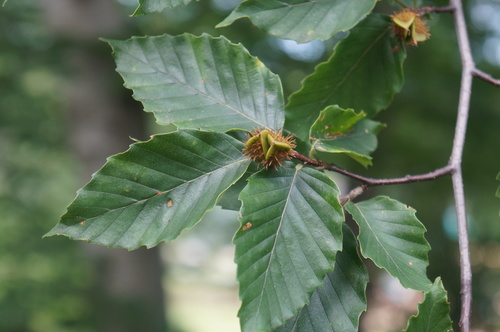
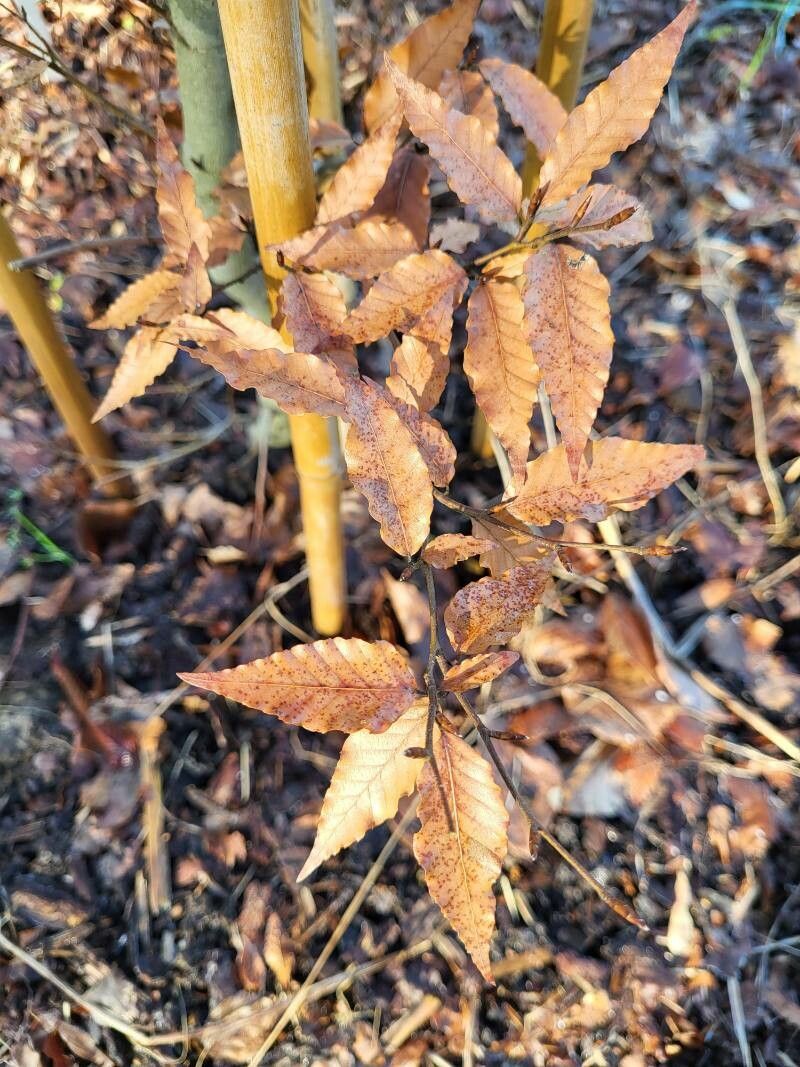
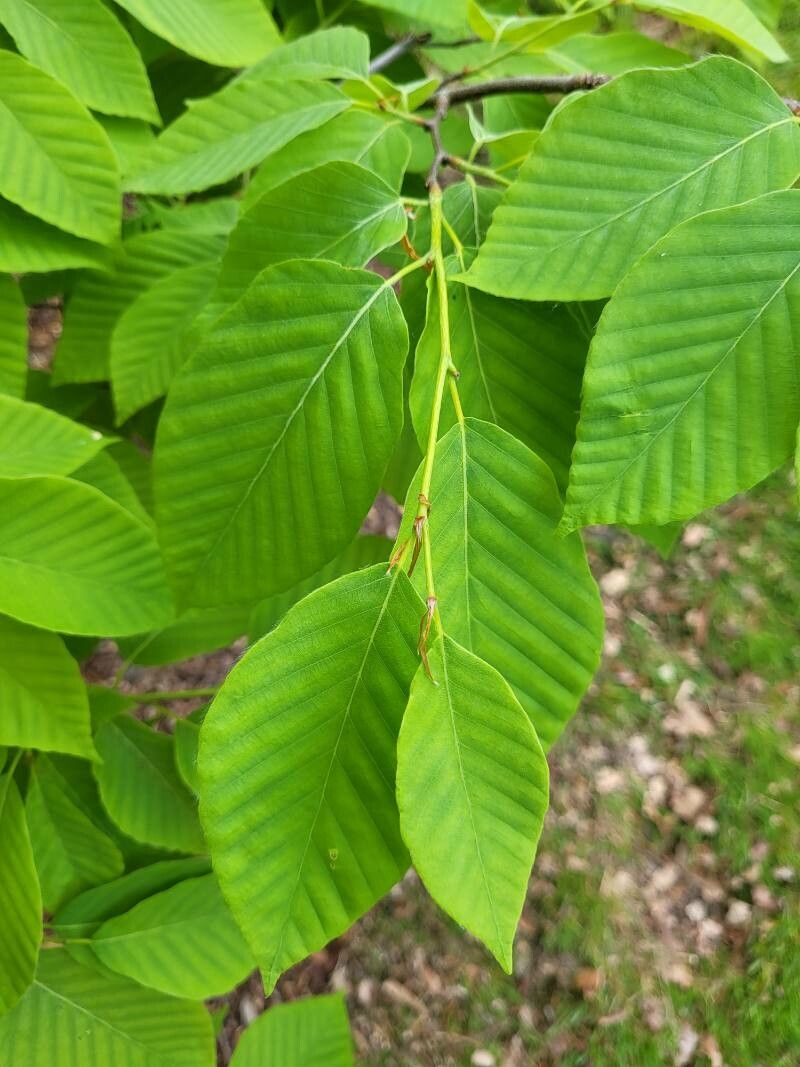
Fagus engleriana, the Engler's beech, also known as Chinese beech, is a species of beech native to central and eastern China (Anhui, Guangxi, Guizhou, Henan, Hubei, Hunan, Shaanxi, Sichuan, Yunnan, and Zhejiang provinces) where it grows in broad-leaved and mixed forests. It can reach 25 m (82 ft) in height.The shoots are dark brown and hairless. Leaves contain 10-14 vein-pairs and the margin is hairless, deckled and scarcely toothed.
Chinese beech is resistant to disease and is generally unlikely to suffer from illnesses. Regarding care, this plant is fairly low-maintenance. When grown outdoors it needs only light watering, and larger specimens typically do not require pruning. Smaller plants, however, should be pruned after they have finished blooming. Chinese beech is appropriate for anyone with outdoor space, such as a garden or deck, and does not demand extensive care experience.
How to keep Fagus Engleriana.
Light
Chinese beech naturally occurs in habitats like forest understories and rocky areas, where it is typically shaded. It prefers partial sun but can tolerate full sun or full shade, illustrating its versatility and hardiness.
Water
Chinese beech thrives in moist, temperate environments and prefers soil that remains consistently damp. Once the tree is established, it can tolerate moderate drought conditions. Watering it twice a week helps to mimic its natural habitat. It is usually found in shaded areas, where the availability of water significantly affects its growth cycle and overall health.
Temperature
Chinese beech is highly adaptable to a variety of climatic conditions, from very hot summers to frigid winters. Still, it has a preferred temperature range for healthy growth. If temperatures become too high, the plant can suffer from heat and humidity stress, potentially leading to its death. In locations where temperatures approach the lower limit of its cold tolerance, taking insulating precautions is necessary to protect the plant.
Fertilizer
Fertilize your Chinese beech in early spring to encourage healthy growth. Regular feeding improves overall health, leading to robust growth, greater tolerance of harsh conditions, and enhanced resistance to pests and diseases. Keep to a consistent fertilization routine for your Chinese beech to maintain vibrant, richly colored foliage and a lush appearance.
Pruning
In early spring, selectively prune Chinese beech to thin and shape the tree, promoting better light and air circulation. Remove any dead or crossing branches to enhance structural integrity. Avoid heavy pruning to maintain the tree's vigor, health, and aesthetic appeal.
Botanical profile.
- Plant Type
- Tree
- Life Cycle
- Perennial
- Genus
- Fagus
- Family
- Fagaceae
- Hardiness Zone
- 5-7
- Mature Height
- 18.29 m to 21.34 m
- Mature Spread
- 13.41 m to 9.14 m
- Leaf Color
- Green, Brown
- Leaf Type
- Deciduous
- Flower Color
- Green
- Flower Size
- 0.51 cm to 0.76 cm
- Bloom Time
- Mid spring, Late spring
- Planting Time
- Spring, Summer
- Harvest Time
- Late summer, Early fall, Mid fall
- Native Area
- South Korea, China
Other names.
Reader questions.
What are the sunlight requirements for Chinese beech (Fagus engleriana)?
The Chinese beech (Fagus engleriana) thrives in different sunlight conditions depending on its needs. Those that require 'Full sun' need above 6 hours of sunlight daily, ideal for plants that love the warmth of the sun for most of the day. For 'Partial sun' conditions, about 3-6 hours of sunlight is necessary, perfect for those plants that prefer a mix of light and shade. It's important to observe how sunlight moves through your garden to ensure you choose spots that provide the perfect balance of light and shade for your plants, ensuring their happiness and growth.
What is the botanical name of the Chinese beech?
The botanical name of the Chinese beech is Fagus engleriana. This species is known for its distinct characteristics and belongs to the genus Fagus. Despite the brief provided information, Fagus engleriana plays a specific role in its native habitat and is appreciated for particular qualities, such as its visual appeal or ecological benefits.