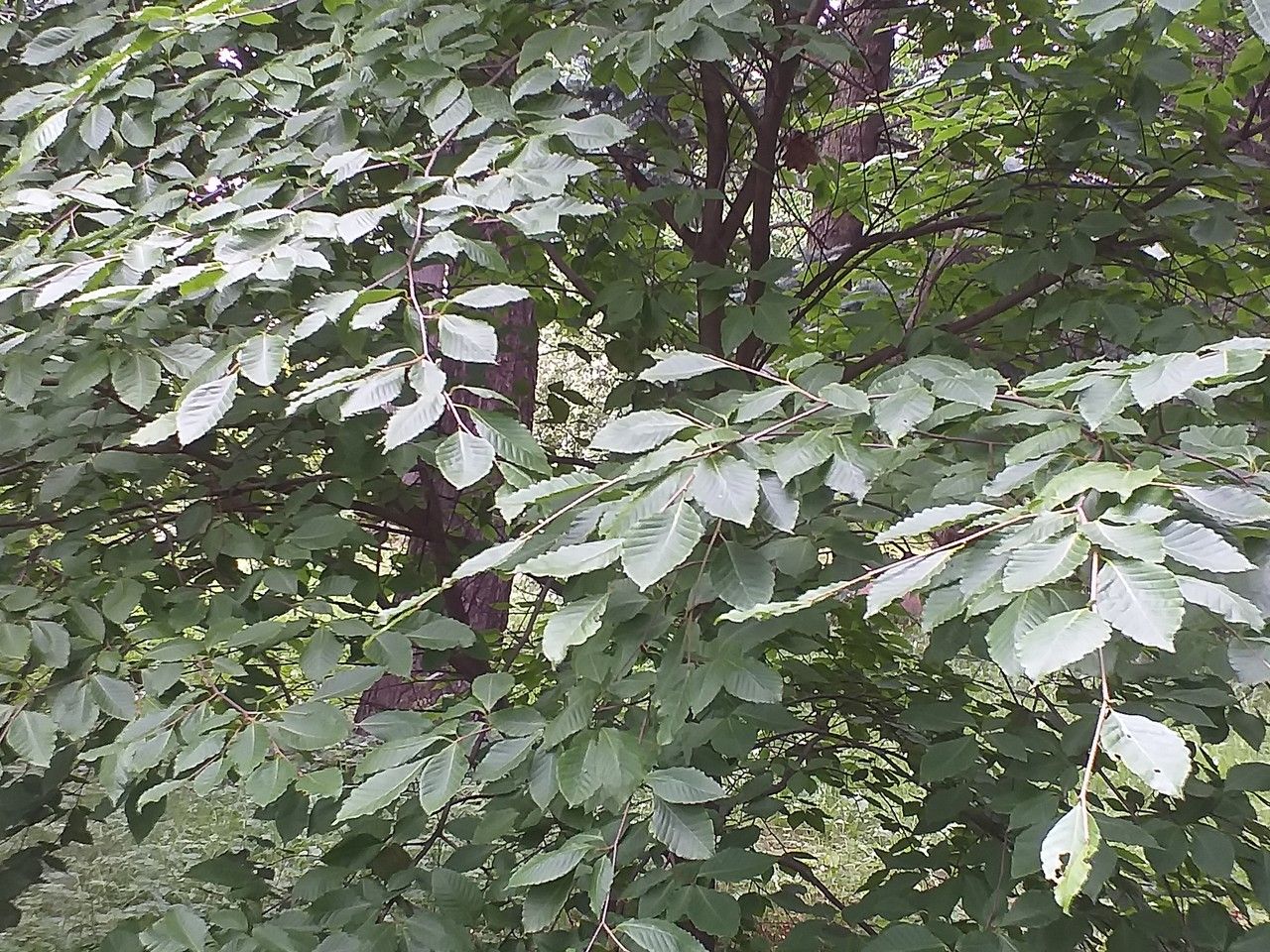
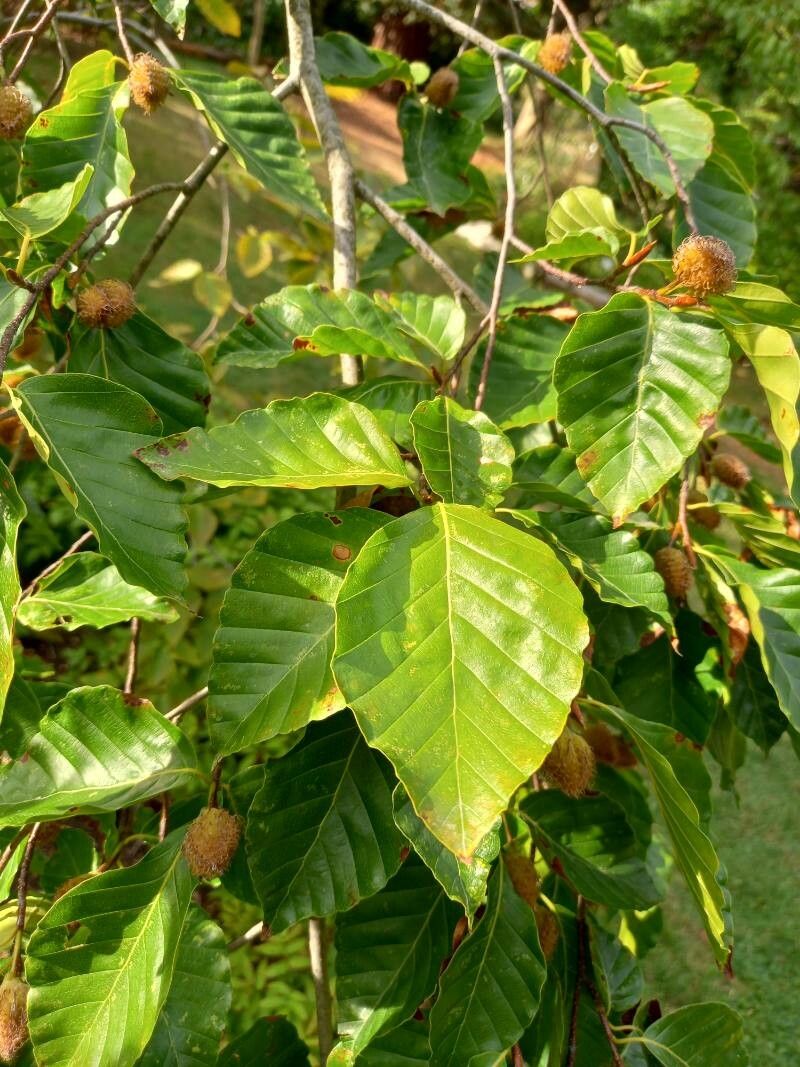
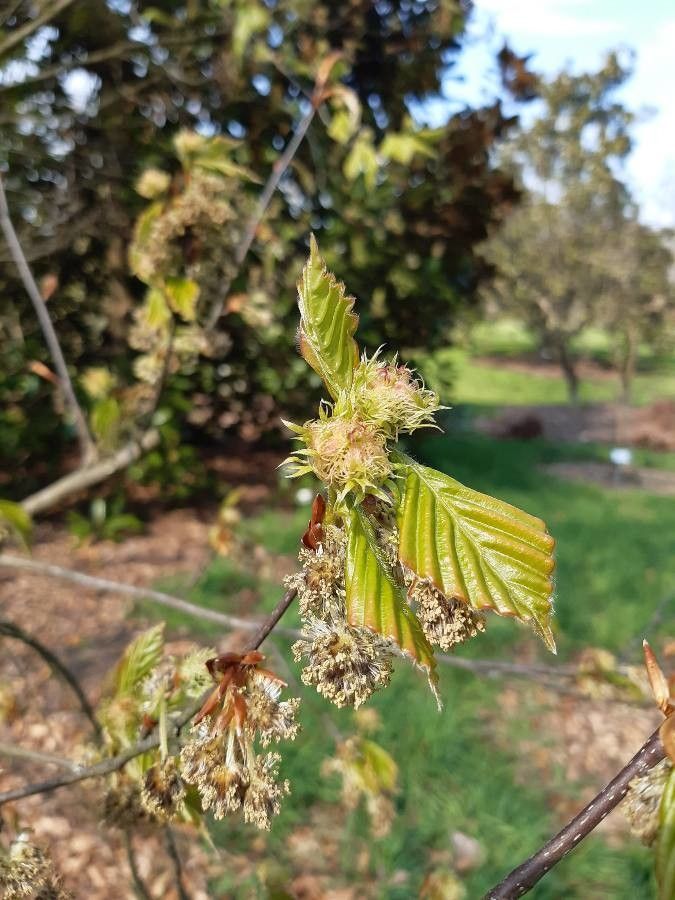
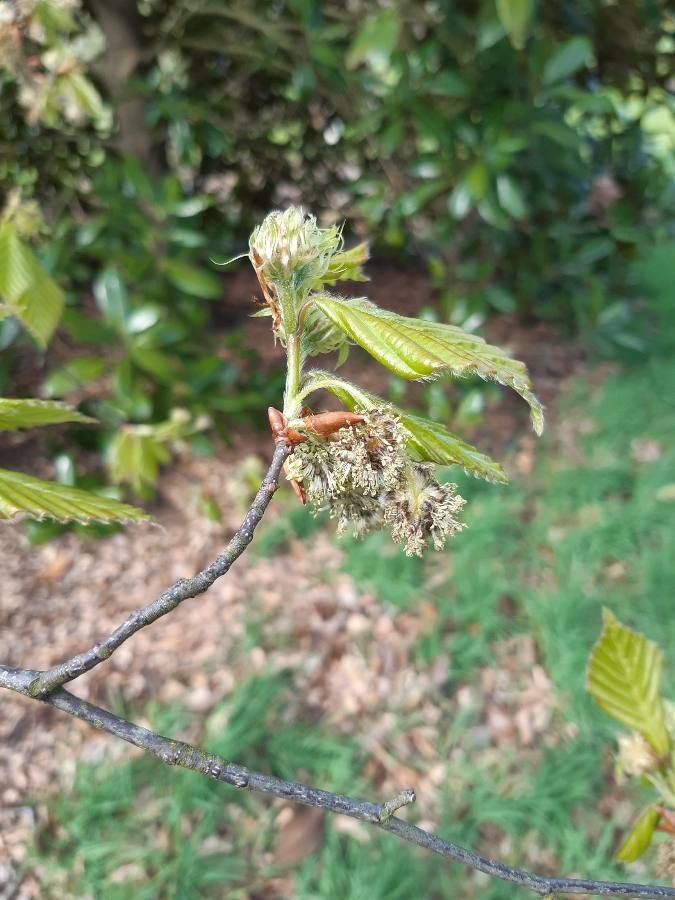
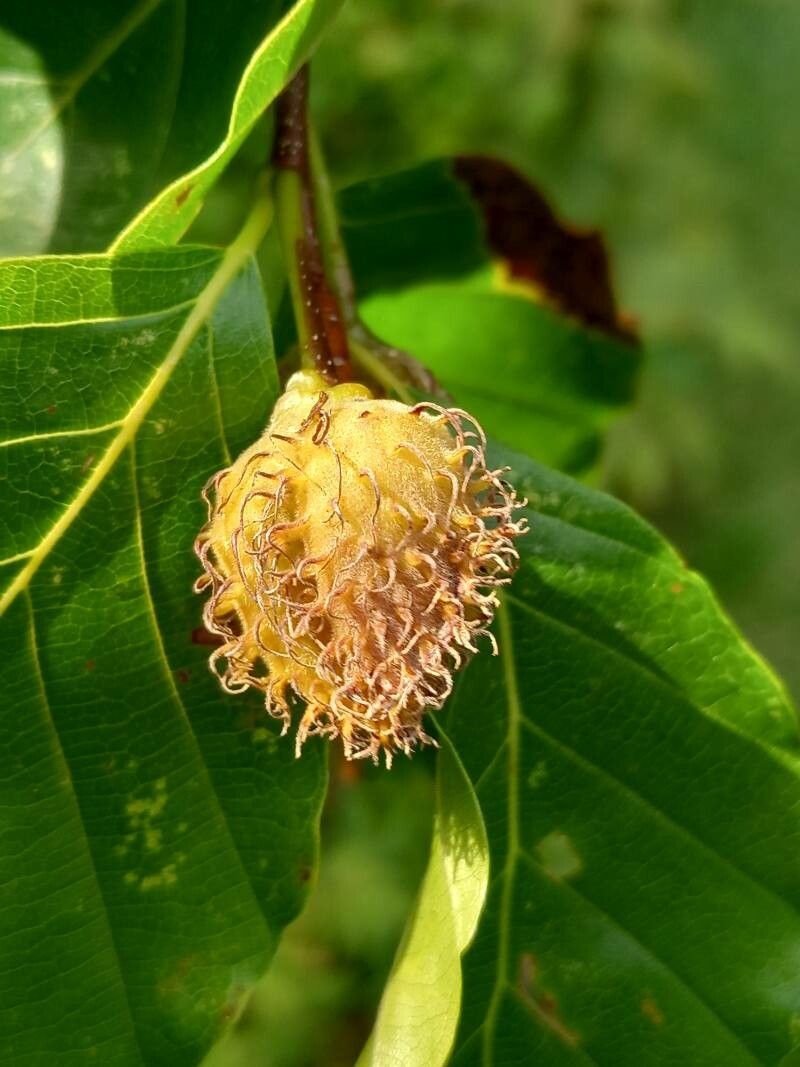
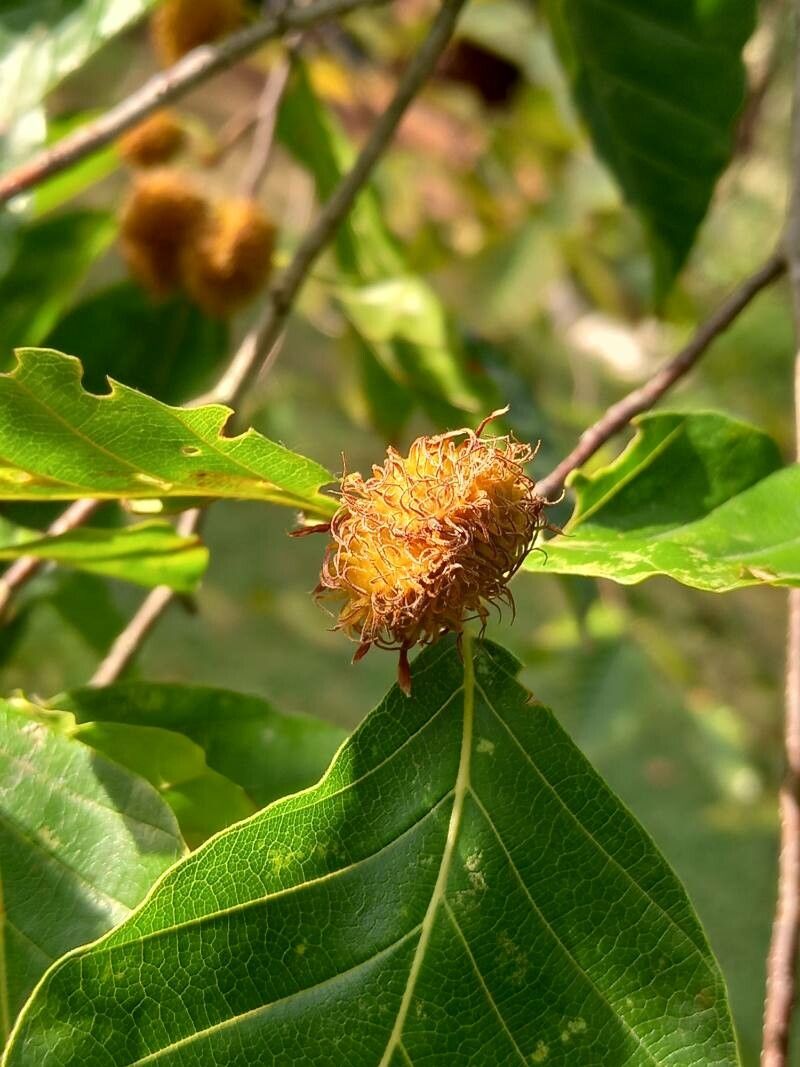
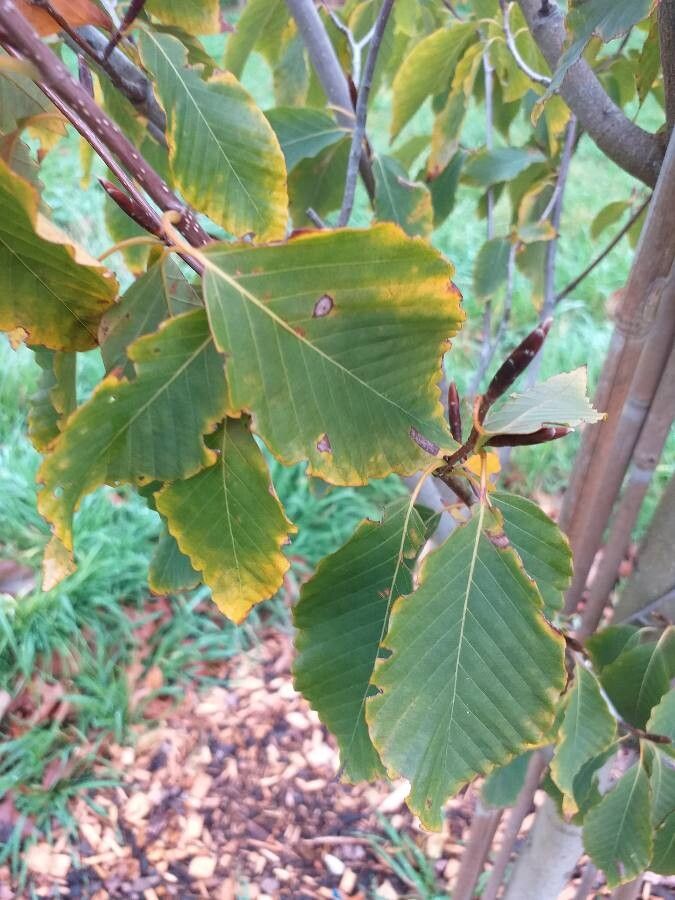
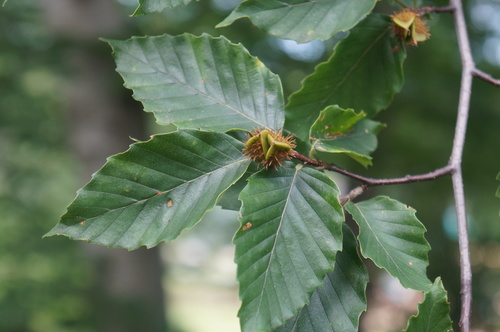
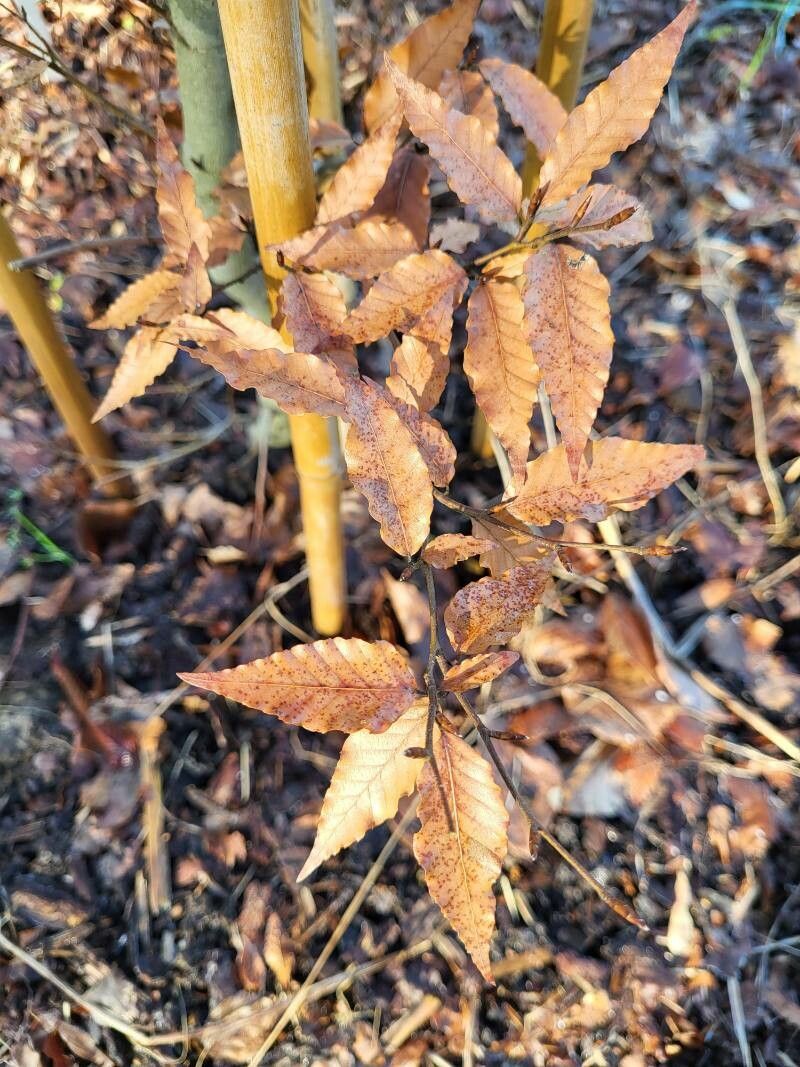
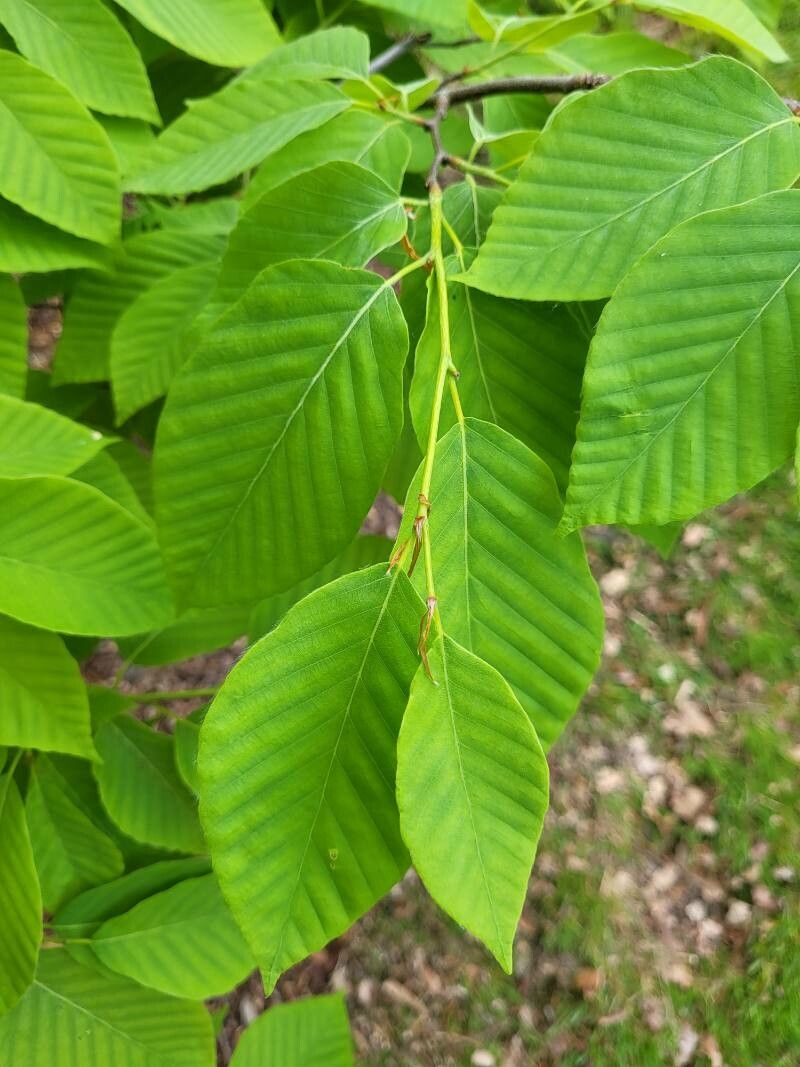
Fagus crenata, known as the Siebold's beech, Japanese beech, or buna, is a deciduous tree of the beech genus, Fagus, of the family Fagaceae.
Japanese beech has good resistance to disease and is generally not prone to illnesses. Regarding care, this plant is relatively low-maintenance. When grown outdoors it requires minimal watering, and larger specimens usually do not need pruning. Smaller plants, however, should be trimmed after they have flowered. Japanese beech is suitable for anyone with an outdoor area, such as a garden or deck, and does not require extensive plant-care experience.
How to keep Fagus Crenata.
Light
Japanese beech naturally occurs in places like forest understories and rocky sites, where it grows in natural shade. It prefers partial sun but can tolerate full sun or complete shade, showing its hardy, adaptable nature.
Water
The Japanese beech is native to Japan's moist, temperate forests and thrives in consistently damp soil. Once established, it can withstand moderate drought and needs watering every 1-2 weeks. When grown outdoors, it requires careful watering during its active growing season to maintain its lush foliage.
Temperature
Japanese beech is highly adaptable to a variety of climate conditions, from blazing summers to freezing winters. Nevertheless, it has a preferred temperature range for growth. If temperatures rise excessively, the plant is vulnerable to heat and humidity stress, which can cause it to die. In locations where temperatures approach the lower limit of its cold tolerance, providing insulation to protect the plant is important.
Fertilizer
Fertilize your Japanese beech in early spring to encourage healthy growth. Regular feeding boosts the tree’s overall health, leading to vigorous growth, better resilience to harsh conditions, and increased resistance to diseases and pests. Follow a consistent fertilization schedule for your Japanese beech to keep the foliage vibrant, richly colored, and lush in appearance.
Pruning
The Japanese beech is known for its smooth gray bark and shiny green leaves. Pruning in early spring can help remove dead wood, shape the plant, and encourage healthy growth. Light thinning is recommended to improve air circulation. However, avoid heavy pruning, as it can stress the plant. Always use sanitized tools to ensure the plant remains healthy.
Botanical profile.
- Plant Type
- Tree
- Life Cycle
- Perennial
- Genus
- Fagus
- Family
- Fagaceae
- Hardiness Zone
- 5-7
- Mature Height
- 20.12 m to 35.05 m
- Mature Spread
- 14.94 m to 24.99 m
- Leaf Color
- Dark Green, Forest Green
- Leaf Type
- Deciduous
- Flower Size
- 0.51 cm to 1.02 cm
- Bloom Time
- Mid spring, Late spring
- Planting Time
- Spring, Summer
- Harvest Time
- Late summer, Early fall, Mid fall
- Native Area
- Japan
Other names.