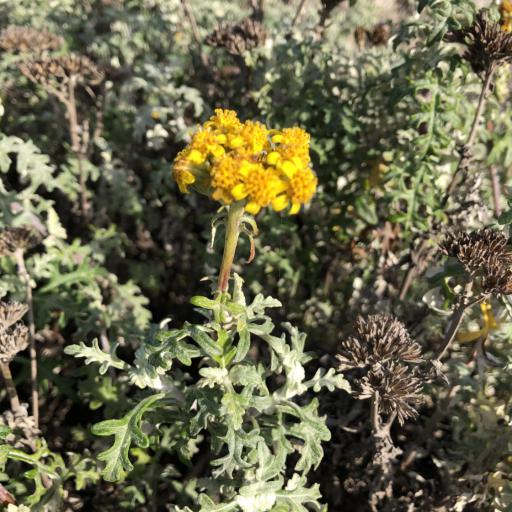
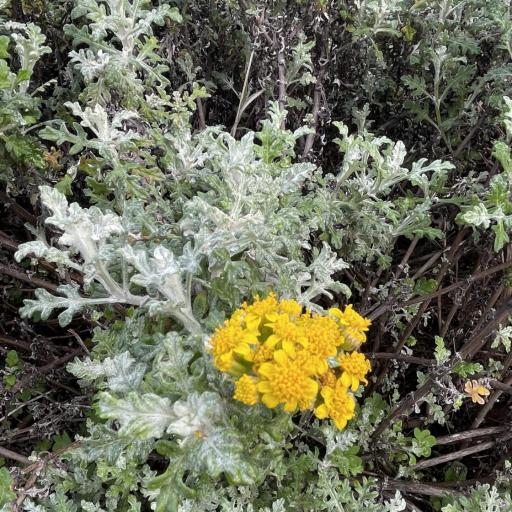
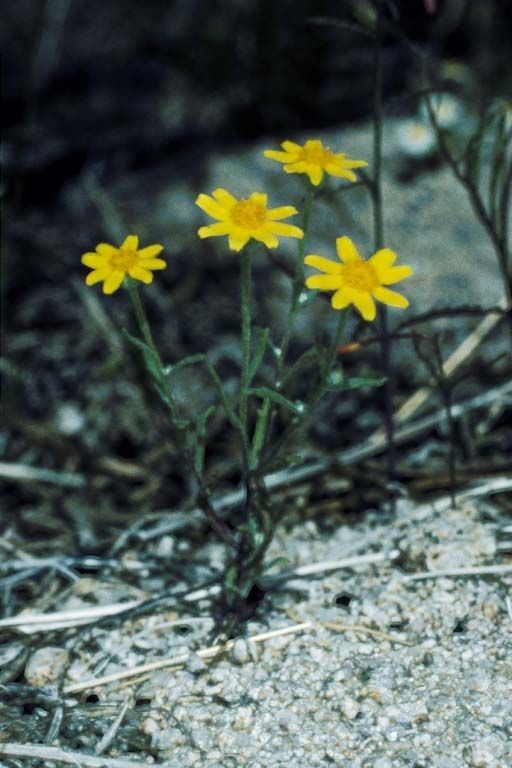
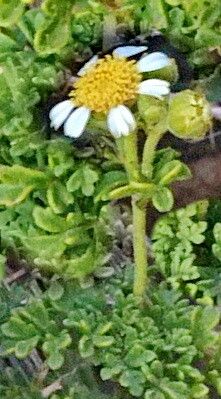
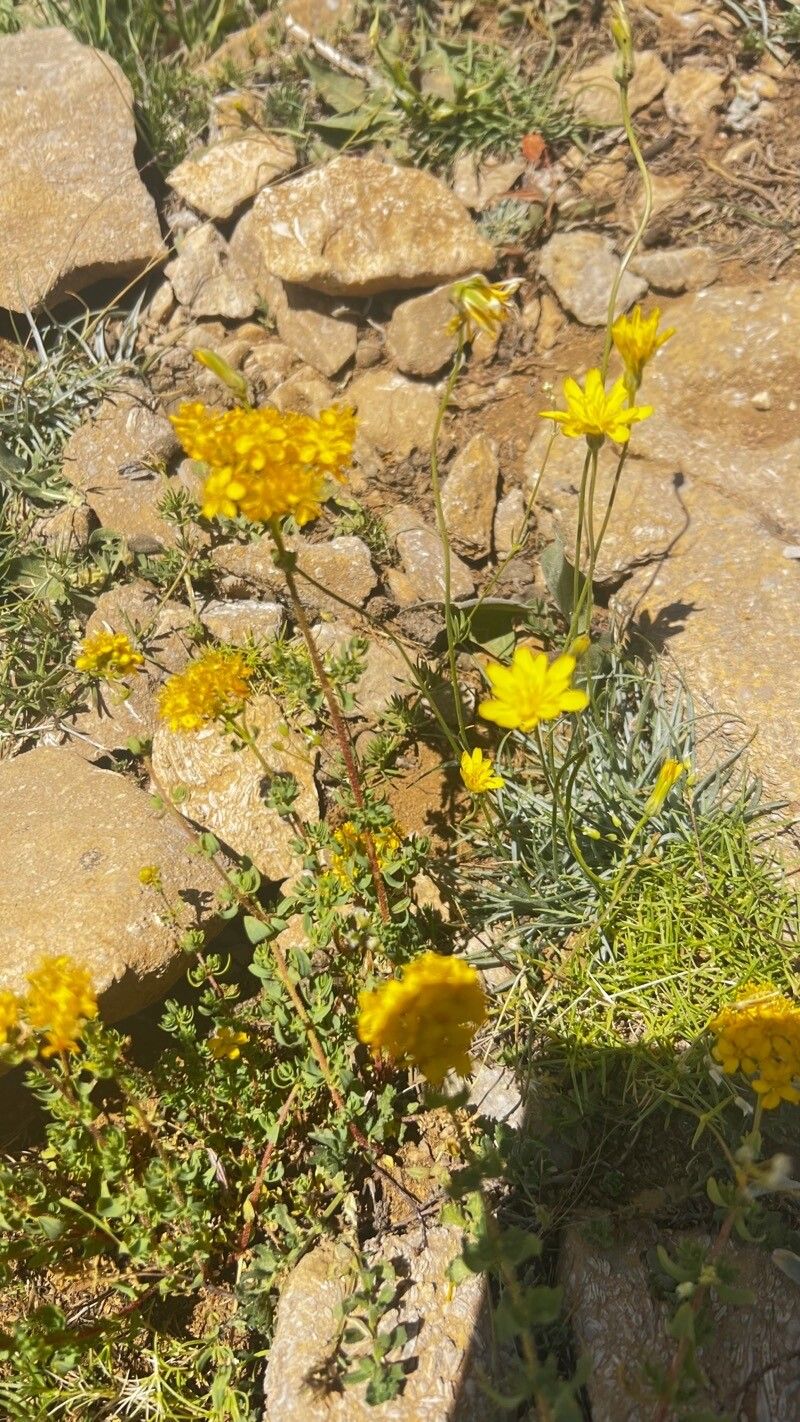
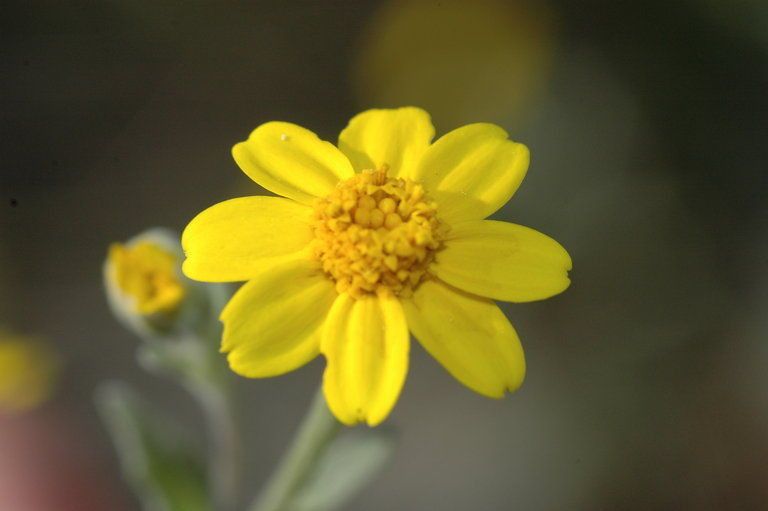
Eriophyllum staechadifolium is a flowering plant in the daisy family which is known by the common name seaside woolly sunflower. It is native to the coastline of Oregon and California including the Channel Islands. This is a plant of the beaches, dunes, and coastal scrub. Eriophyllum staechadifolium is variable in size, its height depending in part on its exposure to harsh coastal wind and saline spray. It may reach anywhere from 30 centimeters to 150 centimeters (1–5 feet) tall, and may be small and clumpy or quite sprawling. The leaves are up to seven centimeters (2.8 inches) long and are sometimes lobed. Each inflorescence holds several tightly packed flower heads in shades of golden yellow with centers full of 30-40 disc florets and usually a fringe of 6-6 small ray florets each a few millimeters long.
Lizard tail is fairly resistant to disease and usually does not suffer from illnesses. That said, it can be vulnerable to pests and diseases present in its environment, though these problems are generally mild. Regarding care, the plant requires moderate maintenance. It should be pruned regularly to keep a neat appearance and encourage healthy growth. Fertilizing can also help stimulate flowering. Lizard tail is appropriate for anyone with outdoor space, such as a garden or patio, and does not demand extensive gardening experience. It may need extra attention when grown indoors.
How to keep Eriophyllum Staechadifolium.
Light
Lizard tail is a sun-loving perennial herbaceous plant native to open habitats, frequently flourishing in meadows and grasslands. It prefers full sun but can also tolerate partial sun.
Temperature
Lizard tail can tolerate a wide range of temperatures, but its distribution may still be restricted by different combinations of moisture and heat. It grows best in warm summer conditions with sufficient rainfall or watering. Long periods of cloudy, rainy weather or prolonged high temperatures can raise the chance of Lizard tail dying. In winter, adequate protection from cold can increase the plant's survival rate.
Fertilizer
The best time to fertilize a Lizard tail is in early spring, as it comes out of dormancy and begins active growth. Fertilization supplies key nutrients needed for healthy growth. Although Lizard tail has relatively low fertilizer requirements, a yearly application can improve its survival and promote better, longer-lasting flowers.
Pruning
Lizard tail plants have soft, silvery leaves and vibrant yellow flowers. To encourage bushiness and more blooms, prune them in early spring. This also helps improve air circulation. Regular maintenance can minimize the risk of disease. Always use clean, sharp tools for precise cuts to ensure the plant remains healthy.
Botanical profile.
- Plant Type
- Herb, Shrub
- Life Cycle
- Perennial
- Genus
- Eriophyllum
- Family
- Asteraceae
- Hardiness Zone
- 8-10
- Mature Height
- 30 cm to 61 cm
- Mature Spread
- 61 cm to 91 cm
- Leaf Color
- Gray, Silver
- Leaf Type
- Evergreen
- Flower Color
- Yellow
- Flower Size
- 2.03 cm to 3.05 cm
- Bloom Time
- Mid spring, Late spring, Early summer, Mid summer
- Planting Time
- Spring, Summer
- Harvest Time
- Summer
Other names.