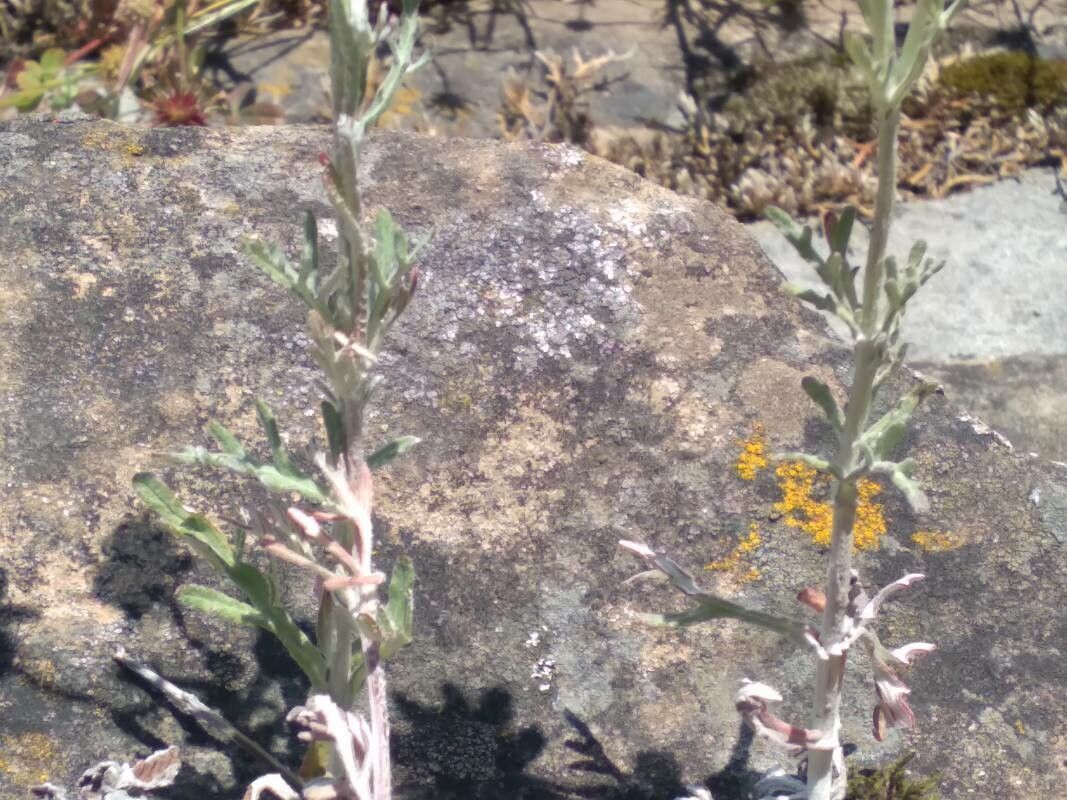
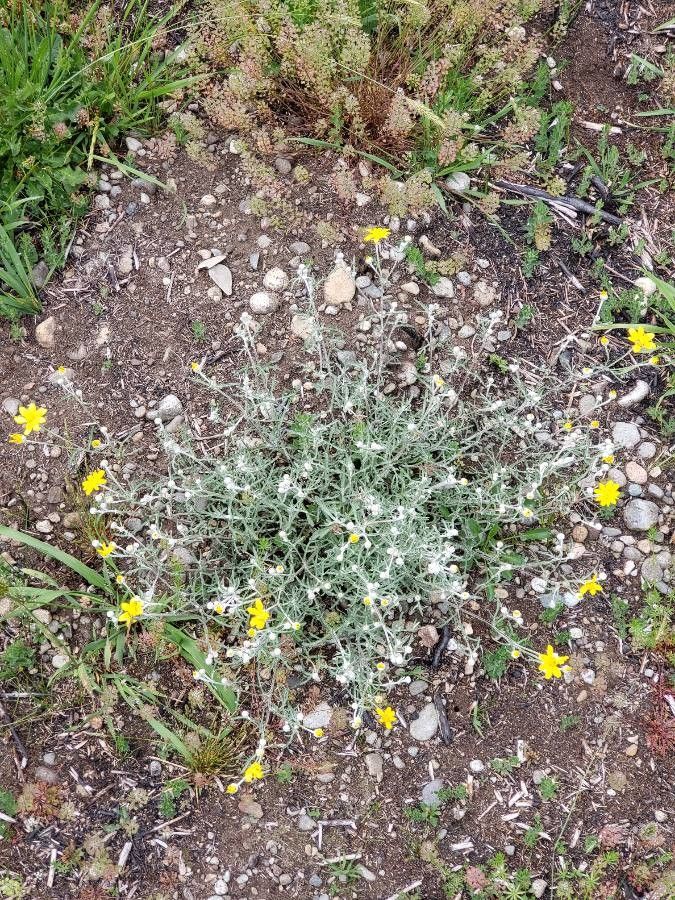
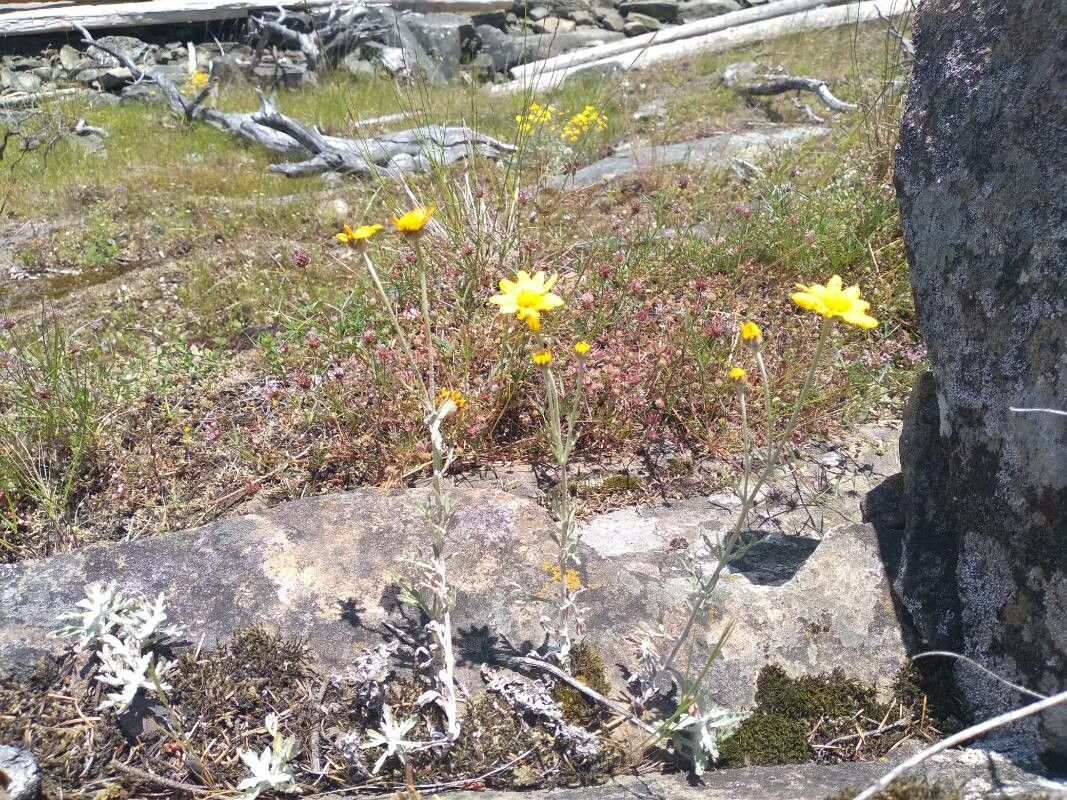
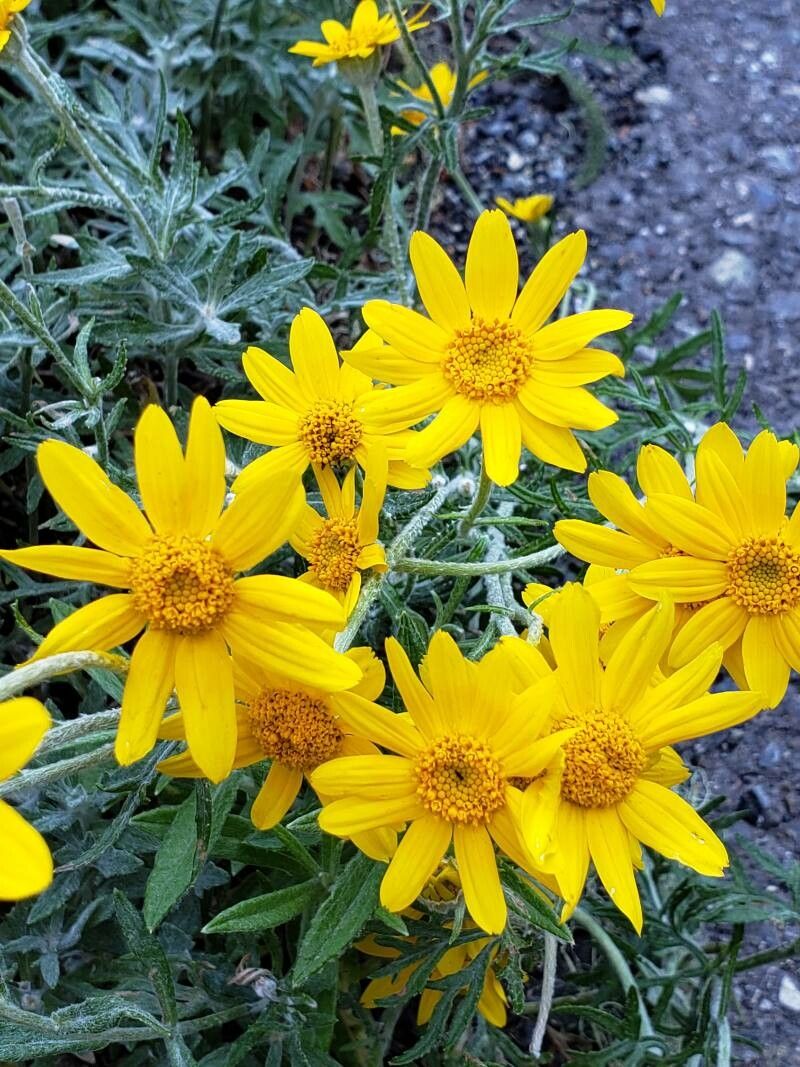
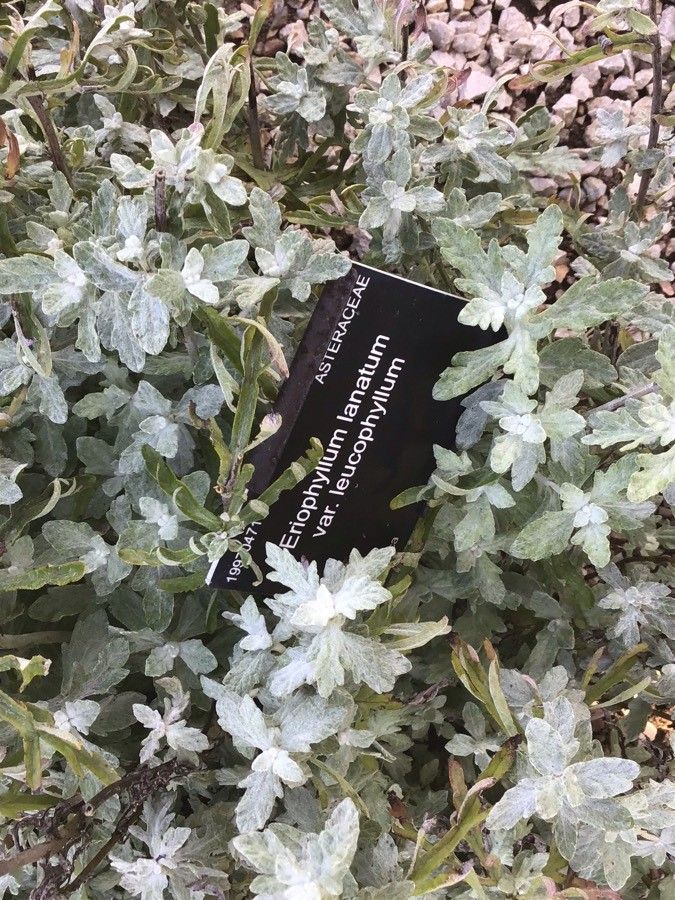
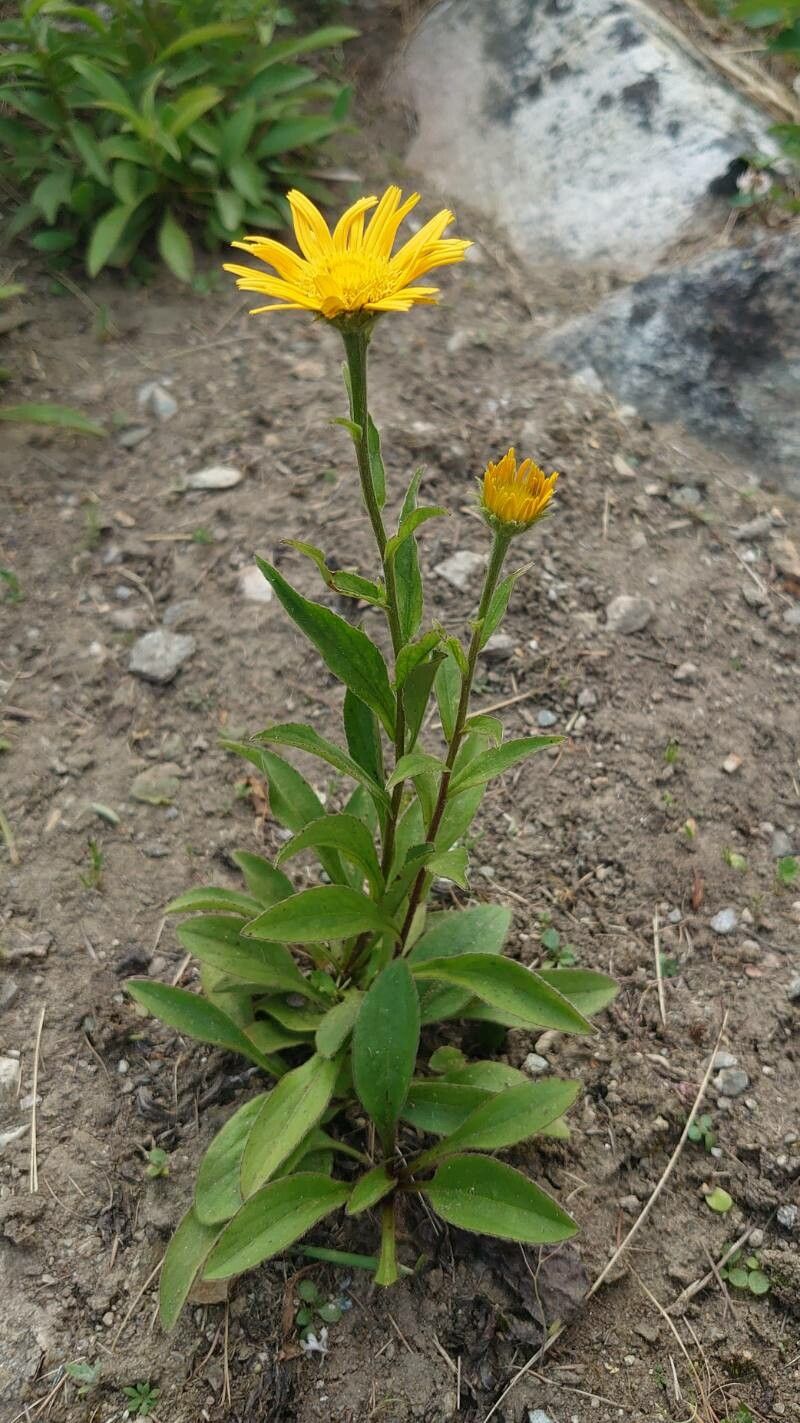
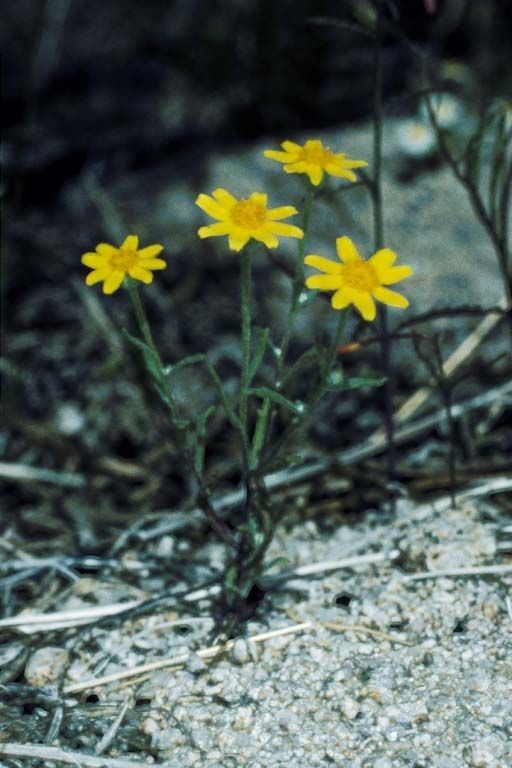
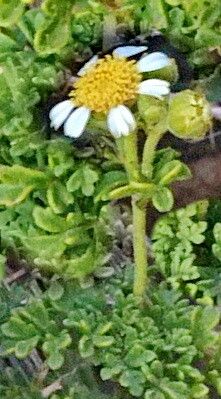
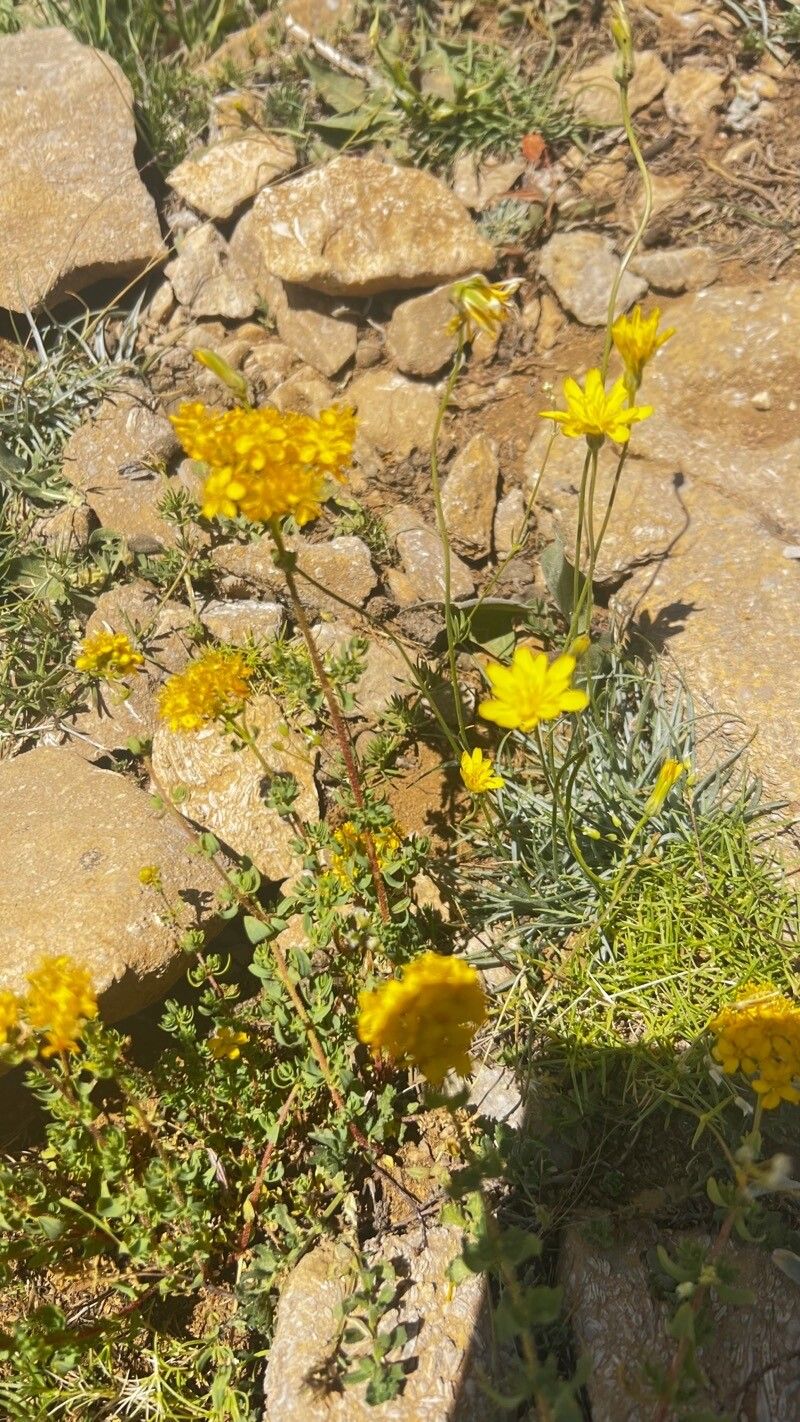
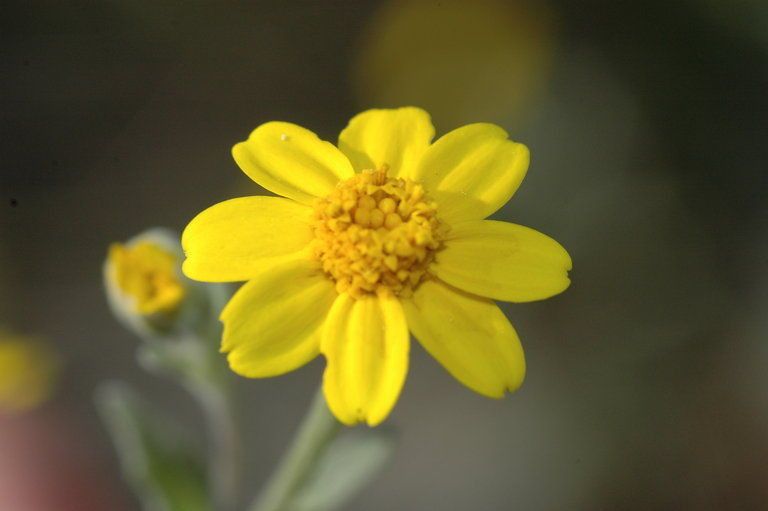
Eriophyllum lanatum, commonly known as Oregon sunshine or woolly sunflower, is a perennial plant native to western North America. As a member of the Asteraceae family, it can grow up to 3 feet tall. The plant features woolly gray-green leaves and produces bright yellow, daisy-like flowers from late spring to early summer. It thrives in well-drained soils with full sun exposure and can tolerate drought conditions once established. Eriophyllum lanatum is an important food source for pollinators such as bees and butterflies, making it a valuable addition to any garden or natural landscape. Additionally, indigenous peoples have used the plant for its anti-inflammatory properties in medicinal applications.
Common Woolly Sunflower has good resistance to disease and is generally not prone to illnesses. Nevertheless, it can be affected by pests and diseases present in its environment. These problems are usually minor. Its care requirements are moderate. It needs regular pruning to keep a neat appearance and maintain healthy growth. Fertilizing can also help encourage flowering. Common Woolly Sunflower is well suited for someone with an outdoor area, such as a garden or patio, and does not demand extensive caregiving experience. It may need more attention when cultivated indoors.
How to keep Eriophyllum Lanatum.
Light
The common Woolly Sunflower performs best when exposed to unfiltered sunlight all day. While this condition maximizes its growth and flowering, the plant tolerates some variation in light intensity. In its native habitat it experiences continuous, unobstructed sun. Nevertheless, departures from that light level can lead to insufficient photosynthesis or sun scorching.
Water
The common Woolly Sunflower, native to the dry regions of western North America, thrives with minimal rainfall. During the growing season, it needs to be watered weekly and benefits from well-draining soil to prevent waterlogging and promote healthy root growth.
Temperature
Common Woolly Sunflower is native to regions where temperatures range from 68 to 95 °F (20 to 35 ℃). The plant favors warm conditions, so the optimal environment for growth lies within that range. Seasonal adjustments may be necessary to accommodate cooler temperatures.
Fertilizer
For Common Woolly Sunflower, the primary time to apply fertilizer is in early spring when the flowers are forming. The proper fertilizer promotes improved blooms and helps Common Woolly Sunflower produce attractive flowers. Fertilizing in early spring ensures strong flowers throughout the season and supplies energy for dormant growth phases.
Pruning
To promote healthy growth and flowering, prune the common Woolly Sunflower between early and late spring. Remove dead stems, trim overgrown areas for better shape, and improve air circulation to minimize the risk of disease. For best results, use clean and sharp tools.
Pot & Repot
Repot the common Woolly Sunflower every 2 to 3 years in early spring, using a container that is one size larger and provides good drainage. After repotting, place the plant in a sunny location and water it regularly, ensuring that the soil is well-drained. The common Woolly Sunflower is drought-tolerant and easy to care for, which helps it recover quickly after repotting.
Botanical profile.
- Plant Type
- Herb
- Life Cycle
- Perennial, Annual
- Genus
- Eriophyllum
- Family
- Asteraceae
- Hardiness Zone
- 5-10
- Mature Height
- 0.1 m to 1.07 m
- Mature Spread
- 20 cm
- Leaf Color
- Green, Gray, Silver
- Leaf Type
- Deciduous
- Flower Color
- Yellow, Gold
- Flower Size
- 2.54 cm
- Bloom Time
- Mid spring, Late spring, Early summer, Mid summer
- Planting Time
- Spring, Summer
- Harvest Time
- Summer
- Native Area
- Mexico
Other names.
Reader questions.
What is the most effective way to water my Common Woolly Sunflower?
To properly water the Common Woolly Sunflower, it is recommended to use filtered water at room temperature. Tap water may contain harmful particles that can potentially harm the plant's health. It is important to use water that is at room temperature or slightly warmer because this plant is accustomed to warm environments, and cold water can be a shock to its system. Additionally, it is best to avoid overhead watering as it can cause issues with the plant's foliage. Instead, water the plant by applying filtered room temperature water directly to the soil until it is thoroughly soaked. This method of watering benefits the plant by hydrating its roots and promoting the spread of nutrients throughout the soil.
Why should I put fertilizer on my Common Woolly Sunflower?
The Common Woolly Sunflower relies heavily on its leaves for structure. Fertilizing your plant is key to ensuring that these leaves not only look great, but also function properly. Proper fertilization will result in consistent leaf color and a healthy texture. Additionally, fertilization benefits your plant's roots, both by promoting the growth of new roots and by maintaining the existing root system. This means that fertilization is not only important for your plant's current health, but also for its ability to absorb nutrients from the soil in the long term.
What are the sunlight requirements for Common Woolly Sunflower?
The Common Woolly Sunflower requires full sun, meaning it should receive above 6 hours of sunlight daily. It's essential to observe how sunlight moves through your garden to find spots that offer a balance of light and shade, ensuring the plant's health and happiness. In its natural habitat, the Woolly Sunflower thrives under constant, unobscured sunlight, promoting optimal growth and flowering. However, it's resilient to variations in light intensity, although too much deviation might lead to insufficient photosynthesis or sun scorching.
What is the optimal temperature range for the growth of Common Woolly Sunflower?
The Common Woolly Sunflower, or Eriophyllum lanatum, thrives in climates where temperatures range between 68 to 95°F (20 to 35°C). These conditions are ideal for the plant's growth, indicating its preference for warm environments. To ensure its health and vitality, it's crucial to maintain an environment within this temperature range. Seasonal adjustments may be required to accommodate lower temperatures, ensuring the plant continues to thrive outside of its optimal climate conditions.
What do I do if I give too much or too little water to my Common Woolly Sunflower?
Overwatering is a common issue for the health of your Common Woolly Sunflower. It can cause wilting, yellowing leaves, and diseases like root rot and mold. Underwatering is less common, but can result in brittle, brown leaves. It's important to notice signs of overwatering early to prevent irreversible damage like root rot. Reduce watering if you see signs of overwatering and replace poorly draining soil. If you notice signs of underwatering, increase watering until the symptoms improve.
When should I fertilize my Common Woolly Sunflower to get the best results?
If you grow your Common Woolly Sunflower outdoors each year, you will notice new growth in early spring. This is when you should start fertilizing the plant. One application of fertilizer is usually sufficient, but if you want to maximize growth, you can fertilize multiple times throughout spring and early summer. In this case, feed the Common Woolly Sunflower about once every month to a month and a half.
How can artificial lighting be used for indoor Common Woolly Sunflower plants?
Indoor Common Woolly Sunflower plants require adequate lighting for optimal growth, especially when natural sunlight is insufficient. Artificial lights can be a vital solution, promoting faster, healthier growth. The right type of artificial light, such as LED lights, should be chosen because they can provide specific wavelengths of light the plants need. Full sun plants need 30-50W/sq ft of artificial light, partial sun 20-30W/sq ft, and full shade plants 10-20W/sq ft. The light source should be placed 12-36 inches above the plant to mimic natural sunlight and turned on for 8-12 hours per day to mimic natural daylight hours for your plant species.
How should Common Woolly Sunflower be protected during the winter?
Although the Common Woolly Sunflower possesses strong cold resistance and usually doesn't require special frost protection measures, precautions should be taken if winter temperatures are predicted to fall below -25°C. Protection can be provided by covering the plant with insulating materials such as soil or straw. Additionally, it's advisable to water the plant plentifully before the first freeze in autumn to ensure the soil remains moist and enters a frozen state. This practice helps prevent drought and water scarcity for the plant during the harsh winter and early spring months.
How often do I need to water my Common Woolly Sunflower plant?
If your Common Woolly Sunflower is in a pot, the most precise way to determine if it needs water is by checking the soil. Stick your finger into the soil and if the first two to three inches feel dry, it's time to water the plant. If you have the Common Woolly Sunflower planted outdoors in the ground, you can use the same method. When the first few inches of soil have dried out, it's time to water. Usually, during spring and early fall, watering once a week is sufficient. However, during extremely hot weather, you may need to water twice or more per week. It's worth mentioning that mature and well-established Common Woolly Sunflowers can endure drought conditions quite well.
When is it not a good idea to use fertilizer on my Common Woolly Sunflower?
During the late fall and winter, your Common Woolly Sunflower enters a dormant phase, during which it stops producing new growth. It is important to avoid fertilizing your Common Woolly Sunflower during this period. In the spring and summer, if you choose to fertilize multiple times, gradually reduce the amount of fertilizer as summer approaches because the growth rate of the Common Woolly Sunflower also slows down. Avoid fertilizing your Common Woolly Sunflower during unusually hot weather or when the soil is very dry, as this can stress the plant and cause it to die prematurely.
What are the symptoms of inadequate sunlight for Common Woolly Sunflower?
When Common Woolly Sunflower receives inadequate sunlight, it may display symptoms including smaller new leaves, leggy or sparse growth, faster leaf drop, slower or no new growth, and lighter-colored new leaves. Other symptoms like chlorosis, sunscald, leaf curling, wilting, and leaf scorching can also occur, indicating too much sunlight or poorly managed light conditions. Chlorosis is characterized by yellowing leaves due to chlorophyll breakdown, while sunscald appears as damaged pale areas on the plant tissue. Leaf curling is a defense mechanism against excessive sunlight, and wilting and scorching indicate severe water loss or burn from too much light.
What are the signs of temperature distress in Common Woolly Sunflower, and how can they be addressed?
Common Woolly Sunflower shows different signs of distress under extreme temperature conditions. During cold spells, if the temperature falls below -25°C, the plant may exhibit reduced or no sprouting in spring despite its cold tolerance. The recommended solution is to remove any parts that fail to sprout come spring. In contrast, when temperatures exceed 35°C, symptoms can include leaves becoming lighter in color, curling, susceptibility to sunburn, and, in severe cases, the entire plant wilting and drying out. To counteract heat stress, trimming away sunburned and dried-up parts, relocating the plant to a shaded area, or using a shade cloth can be effective. Additionally, watering the plant in the morning and evening helps keep the soil moist, aiding in its recovery and continued health.