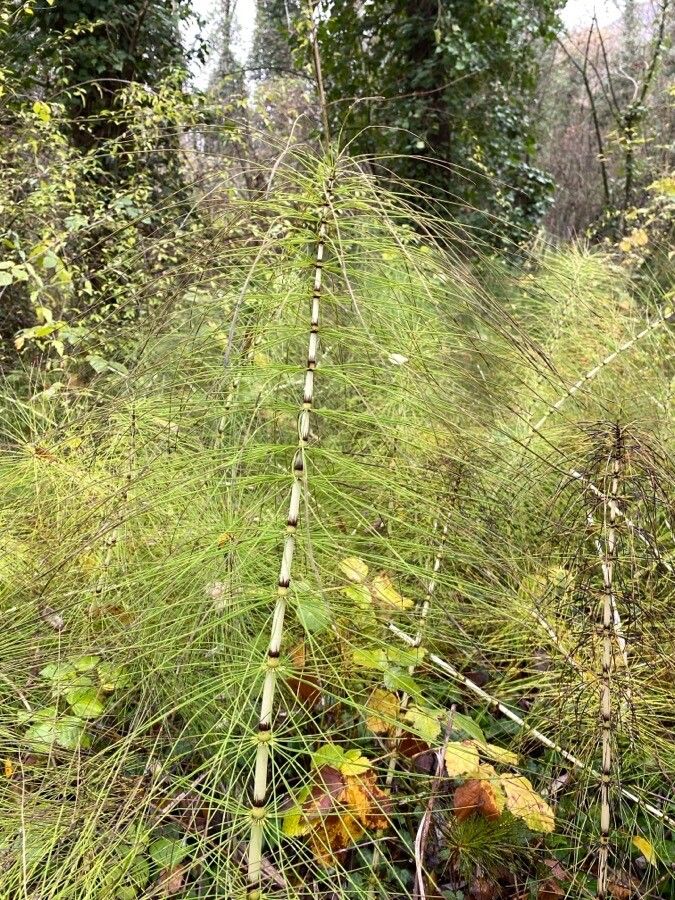
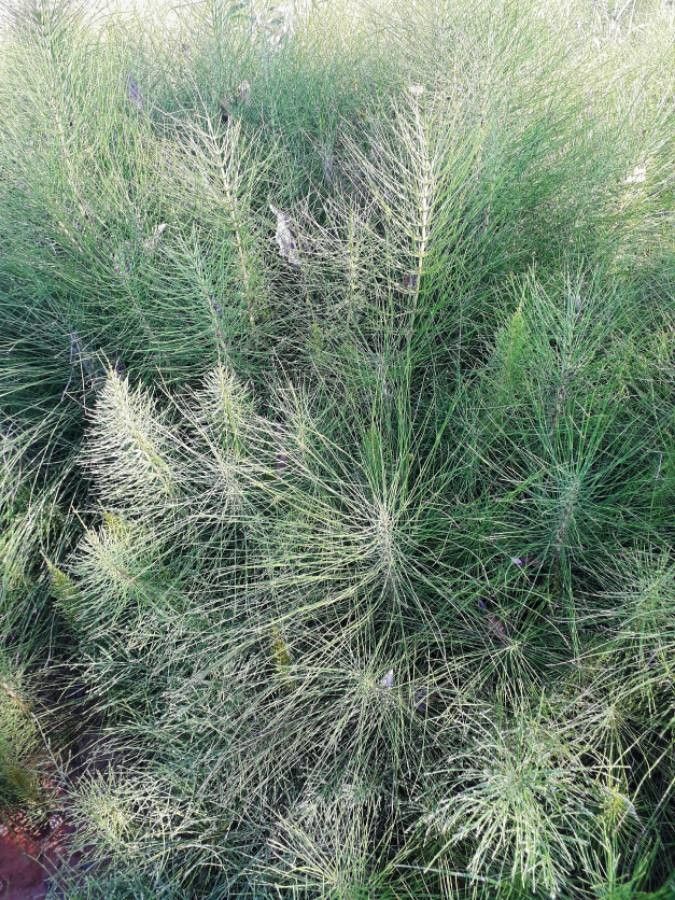
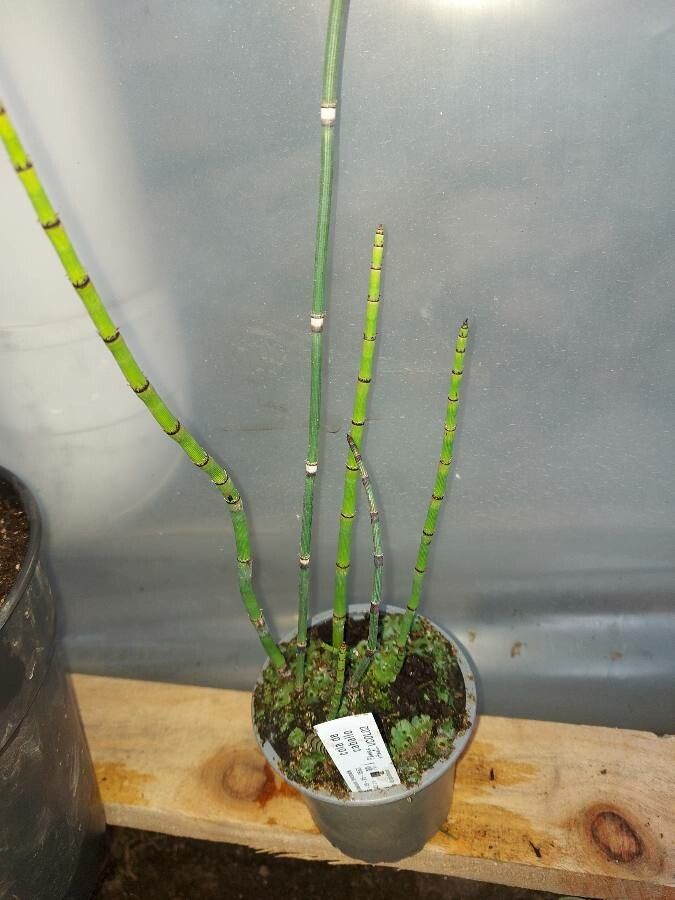
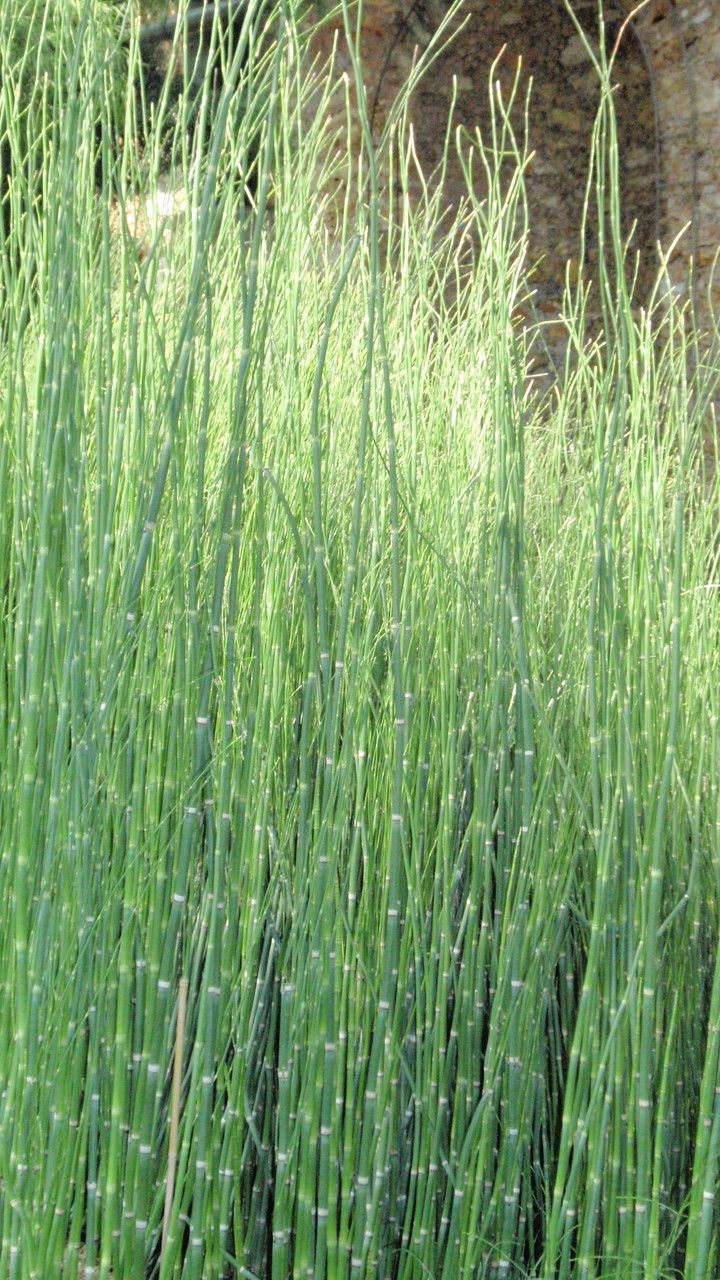
Equisetum telmateia, commonly known as the giant horsetail or great horsetail, is a perennial plant species that belongs to the Equisetaceae family. Native to Europe and Asia, it thrives in wetlands, marshes, and along riverbanks.
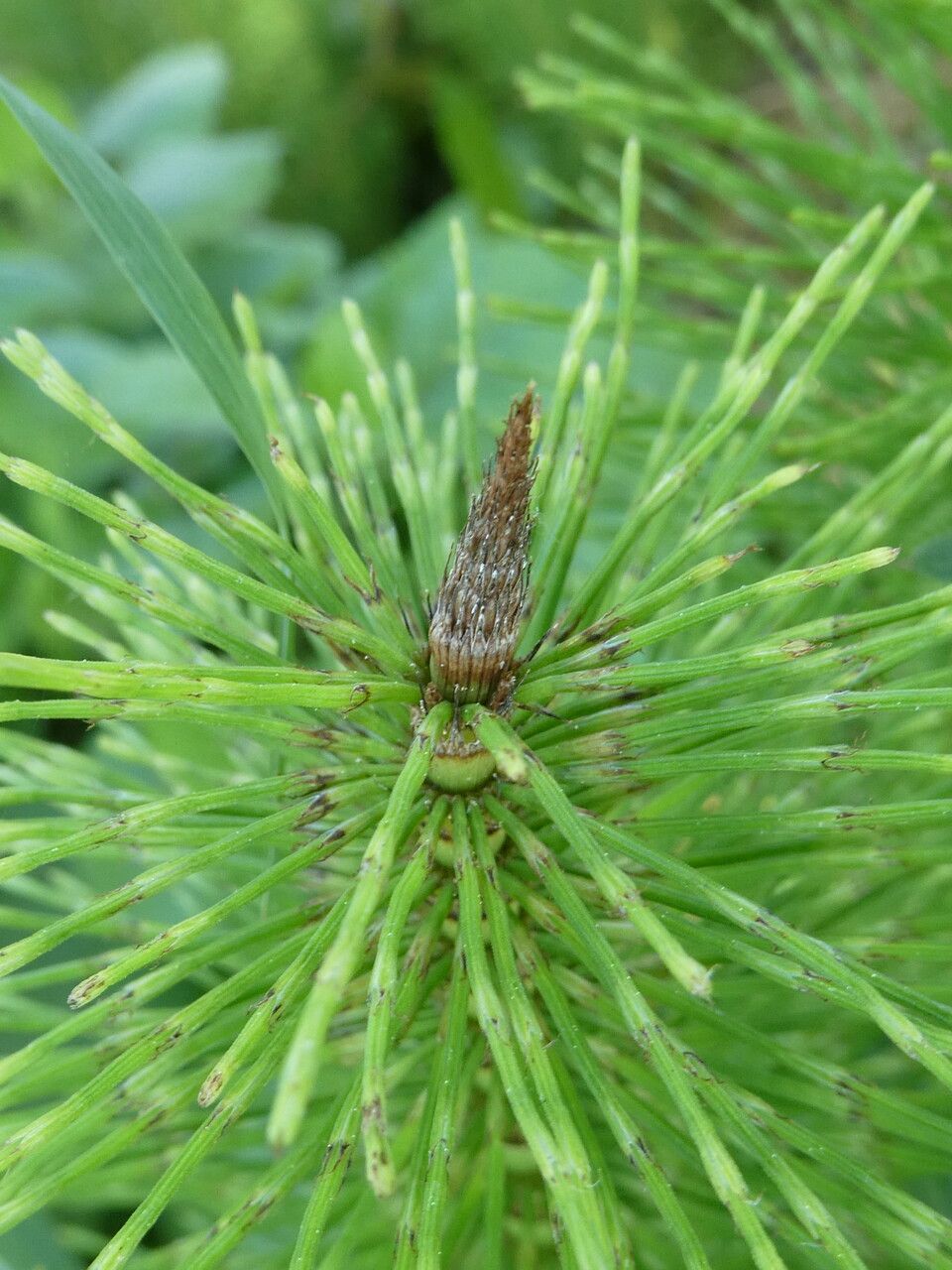
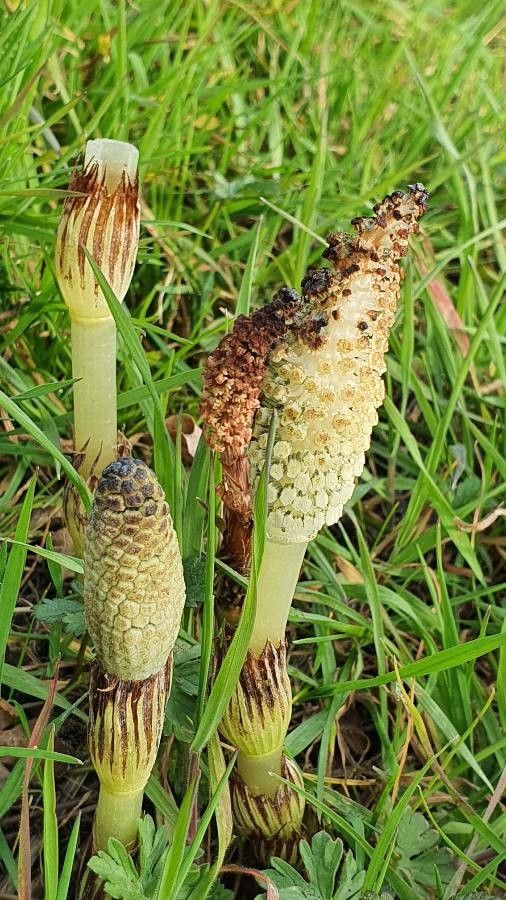
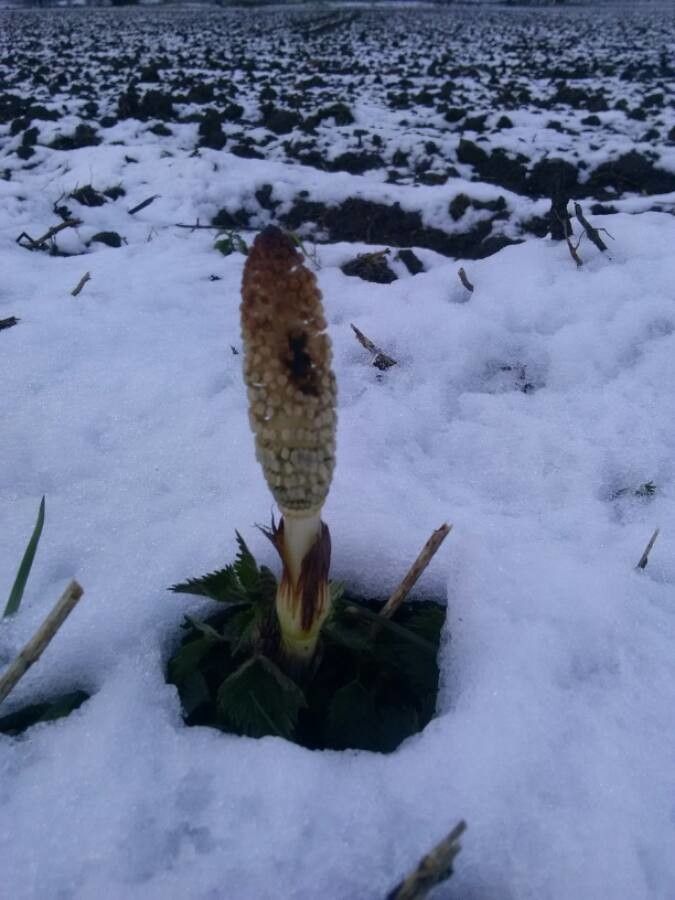
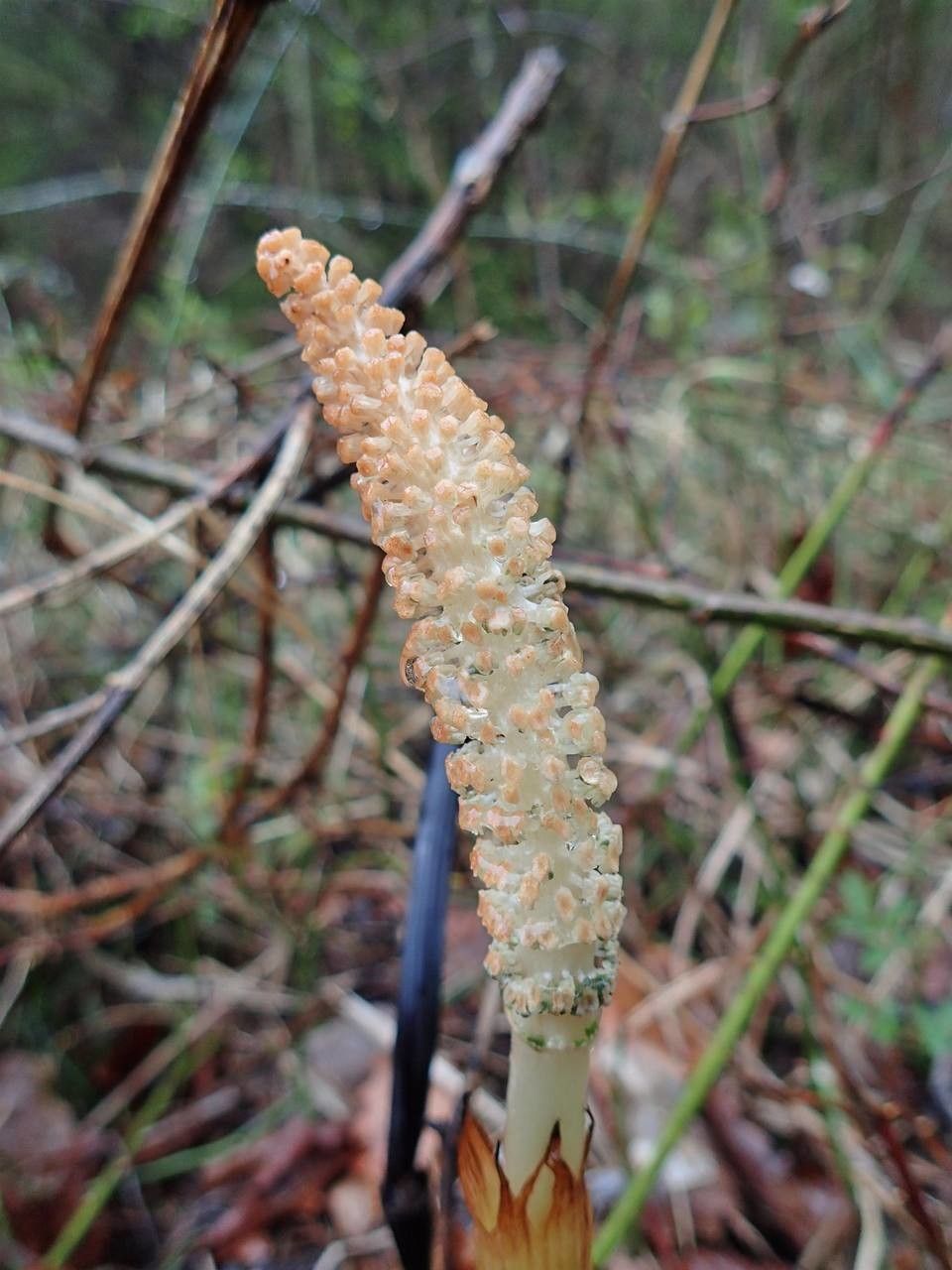
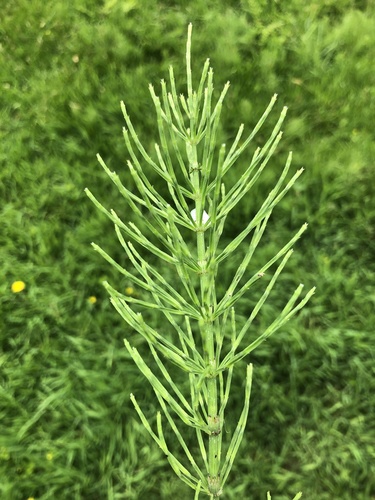
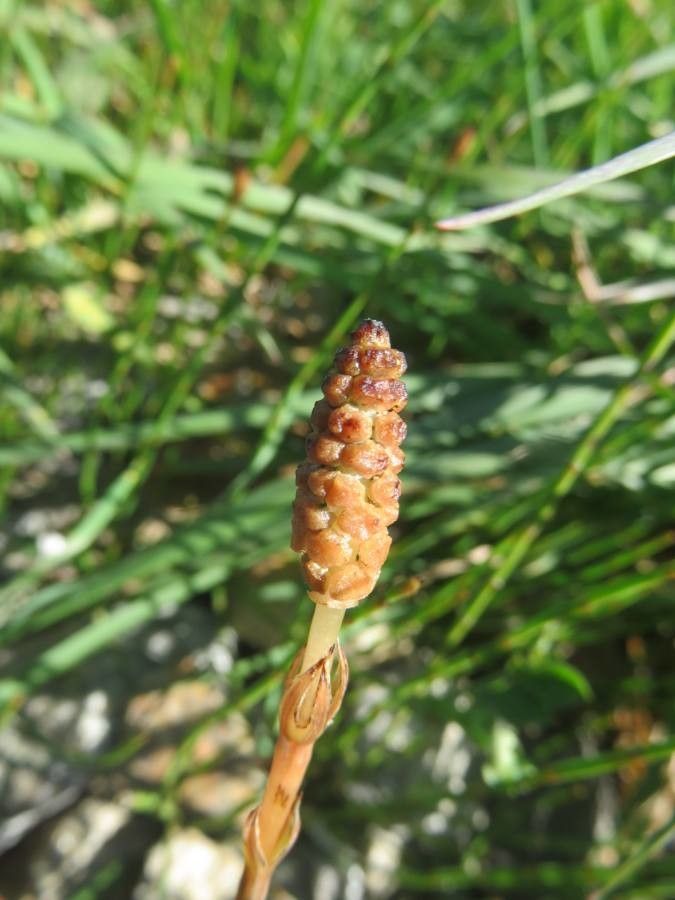
This plant has a distinctive appearance, featuring tall stems that can reach up to 2 meters in height. The hollow stems have distinct ridges and are topped with cone-like structures called strobili. The leaves of Equisetum telmateia are reduced to small scales that grow along the stem.
For centuries, Equisetum telmateia has been used for medicinal purposes due to its high silica content, making it beneficial for treating bone-related ailments such as osteoporosis. Additionally, its diuretic properties make it useful for treating urinary tract infections.
Apart from its medicinal uses, the plant is also valued as an ornamental due to its unique look. However, it can become invasive if not properly managed. While it prefers moist soil conditions, it can tolerate some drought once established.
Overall, Equisetum telmateia is a fascinating and useful plant species with both medicinal properties and ornamental value.
Giant horsetail is generally resistant to disease and has relatively few insect pests. Its care is considered difficult because it needs a consistently moist environment and frequent watering. However, the roots are susceptible to rot if overwatered or if the surroundings lack good ventilation. Giant horsetail is better suited to someone with some growing experience, as many people can keep it alive for a period. Nevertheless, it may struggle to thrive, with its leaves drying out and becoming less healthy over time.
How to keep Equisetum Telmateia.
Light
Giant horsetail grows best in locations with moderate sunlight, although it can tolerate lower light levels. The plant's sunlight needs do not change much across its growth stages. Excessive sunlight can stress it, while insufficient light can limit its ability to reach maximum growth. While it originally thrived in partially lit environments, giant horsetail can adjust to shadier conditions.
Water
Giant horsetail flourishes in consistently moist soil, with a preference for wetland-like environments. It has excellent water retention and needs to be watered twice a week to maintain its humidity levels. As an outdoor plant, it benefits from conditions that replicate the moisture availability of its natural habitat.
Temperature
The giant horsetail favors a temperate native habitat, with temperatures ranging from 10 to 35 ℃ (50 to 95 ℉). It can withstand somewhat lower or higher temperatures when adapting, but prefers to remain within that temperature range.
Fertilizer
To ensure the optimal growth of giant horsetail, use high-nitrogen fertilizers at the beginning of the growing season. Adjust the amount based on the plant's size, and apply the fertilizer monthly. During colder months, reduce the application frequency to prevent nutrient buildup. Always follow the product guidelines to protect local waterways and maintain the health and vitality of the giant horsetail.
Pruning
Giant horsetail, with its tall, bamboo-like stems, benefits from pruning in early spring. Removing dead or yellowed stems not only enhances its appearance but also prevents overcrowding and improves air circulation, which reduces the risk of fungal diseases. Regular pruning helps maintain the plant’s vigor and makes it more manageable.
Pot & Repot
When repotting Giant horsetail, select a container 1–2 inches (2.5–5.1 cm) larger that provides good drainage. Use a well-draining potting mix. Repot in spring or fall, making sure the root ball sits just below the rim of the flower pot. Water thoroughly after repotting and place in a warm spot with indirect sunlight.
Botanical profile.
- Plant Type
- Fern
- Life Cycle
- Perennial
- Genus
- Equisetum
- Family
- Equisetaceae
- Hardiness Zone
- 6-10
- Mature Height
- 2.13 m
- Mature Spread
- 2 cm
- Leaf Color
- Green
- Leaf Type
- Evergreen
- Bloom Time
- Spring
- Planting Time
- Spring
- Harvest Time
- Early spring, Mid spring
- Native Area
- Europe, western Asia and northwest Africa, and a second subspecies native to western North America
Other names.
Reader questions.
What should I do if I give my Giant horsetail plant too much or too little water?
The Giant horsetail plant can be overwatered if it is left sitting in water or if the planter has no drainage holes. This can cause the roots to be unable to absorb nutrients and moisture, leading to wilted and yellow leaves. Over time, the stems may droop, feel soft and mushy, or even fall over. However, it's important to check for other causes of these symptoms as well. On the other hand, underwatering is also a concern for Giant horsetail plants. Unless using a self-watering planter, it is necessary to be vigilant about keeping the plant moist. In dry conditions, the plant can quickly change from green and lush to brown and crispy. In extreme cases, the plant may appear completely dried up, but it might still be possible to save it if some of the roots are healthy. To do so, remove any dry and dead stems, thoroughly water the plant, and return it to its usual location. With proper care, the plant can recover and start growing new fronds, although it may take several months to reach its previous size.
Why is it necessary to add fertilizer to my Giant horsetail plant?
Fertilizing Giant horsetail is essential for multiple reasons. Firstly, it provides your plant with the necessary nutrients to promote healthy new growth. Additionally, these extra nutrients also contribute to maintaining the health of existing growth and can aid in protecting your plant against diseases and pests.
What are the sunlight requirements for giant horsetail?
Giant horsetail thrives in areas with moderate sunlight but can adapt to less light. Ideally, it should receive about 3-6 hours of sunlight daily, which qualifies as partial sun exposure. However, it can also grow in full shade conditions, where sunlight is less than 3 hours per day. It's vital to observe the movement of sunlight through your garden to find spots that offer a good balance of light and shade, ensuring the plant's well-being. Overexposure to sunlight can stress the plant, while insufficient light might impede its optimal growth.
What temperature does Giant horsetail like best?
The best temperature for Giant horsetail depends on the time of year and the stage of its growth cycle. The seasons play a role in determining the plant's growth stage, influenced by temperature changes. Temperature can impact various aspects of a plant's life, such as flowering, dormancy, and sprouting after winter. In general, during the growing season, a temperature range of 65~80℉ (18~27℃) is ideal for Giant horsetail.
How do I water my Giant horsetail plant correctly?
Your Giant horsetail requires consistently moist soil that resembles its natural habitat. This may entail watering every one or two days. It is crucial to prevent the plant from drying out, so when the top layer of soil starts to feel slightly dry, it is time to water again. Ensure thorough watering by soaking the soil until water drains from the bottom of the pot. Afterward, discard any excess water to prevent the pot from sitting in a puddle. This method is best for maintaining the soil's moisture level and preventing it from becoming too dry.
When should I fertilize my Giant horsetail?
The feeding schedule for Giant horsetail depends on its location. Although it is not a highly demanding plant, it still needs some extra nutrients. Outdoor plants should be fertilized once in the spring. On the other hand, indoor specimens should be fed monthly from spring to summer.
How do artificial lights affect indoor giant horsetail plants?
For giant horsetail plants grown indoors, where natural sunlight is limited, artificial lighting can be a crucial solution for promoting growth. Choosing the right type of artificial light is important, with LED lights being recommended for their ability to provide the specific wavelengths needed by plants. The strength of the light (measured in watts per square foot) should correspond to the plant's sun requirements (full sun, partial sun, or full shade), and the lights should be placed 12-36 inches above the plant for 8-12 hours per day to mimic natural sunlight conditions.
Advice on the ideal temperature for Giant horsetail during the growing season.
There is a significant difference between the temperatures needed during the growing season and dormant season for Giant horsetail. The growing season requires warmer temperatures, around 65-80℉ (18-27℃), for the plant to sprout, mature, and reproduce. If the temperatures become too cold, the plant cannot complete the growing season cycle and may die off completely or try again the following year if it has enough energy. The growing season typically stretches from late spring to early autumn, but variations in temperature from year to year can affect the exact timing by a few weeks. Therefore, it is not possible to pinpoint an exact start or end date for the growing season. The plant emerges from dormancy and begins rapid growth when daytime temperatures consistently stay above 15℉ (-10℃).
What do I need to think about when watering my Giant horsetail?
The frequency of watering your Giant horsetail plant depends on the humidity level in the air. Higher humidity means less frequent watering. Avoid placing the plant near heating or cooling vents as it can dry out quickly. Keep it in a location protected from drafts. These ferns prefer dappled and indirect sunlight with temperatures between 55-80 degrees F (13-27 degrees C). Placing them on a warm and sunny windowsill can dehydrate them quickly. If possible, use rainwater or distilled water for this plant, although tap water usually works fine. Tap water can sometimes cause brown leaf tips due to minerals and chemicals. Use larger pots for Giant horsetail as small pots dry out too quickly. Consider using a self-watering planter for this plant. It keeps the soil consistently moist, reduces the need for frequent watering, and provides a constant supply of water for the roots.
When should I not put fertilizer on my Giant horsetail?
To avoid excessive growth before winter, it is advised not to fertilize after early autumn. Additionally, it is not recommended to fertilize Giant horsetail during hot and dry times as dry soil does not effectively deliver fertilizer and it can stimulate growth that may require more water. It is better to apply fertilizer earlier in the season when temperatures are cooler. Lastly, be cautious about unintentionally giving ferns extra fertilizer, as Giant horsetail can absorb nearby applied fertilizers.
What are the common symptoms of incorrect sunlight exposure in giant horsetail, and how can they be addressed?
Symptoms of incorrect sunlight exposure in giant horsetail include slower or no new growth, chlorosis (leaves turning yellow), sunscald (pale or necrotic spots on leaves or stems), leaf curling, wilting, and leaf scorching. To address light deficiency or overexposure, it's advisable to gradually move the plant to an area with appropriate sunlight levels (3-6 hours of direct sunlight for indoor plants). For outdoor plants, avoid sudden changes in light intensity to prevent sunburn. Providing additional light with artificial sources can also be beneficial, especially for indoor or large, non-movable plants. Pay attention to ensuring the plant gradually adapts to the new light conditions.
How can I keep Giant horsetail safe from really hot or really cold temperatures?
Giant horsetail can handle temperatures up to 85℉(30℃) during the growing season, but it needs constant moisture to survive when it gets hotter. Providing shade during the hottest parts of the day and keeping the plant moist are two ways to prevent heat damage. On the other hand, if temperatures drop below 15℉(-10℃) during the growing season, it can cause problems for the sprouted and growing foliage of the Giant horsetail. To protect it from cold damage, you can create a greenhouse effect using clear polycarbonate plastic or provide insulation with a thick layer of mulch around the plant.