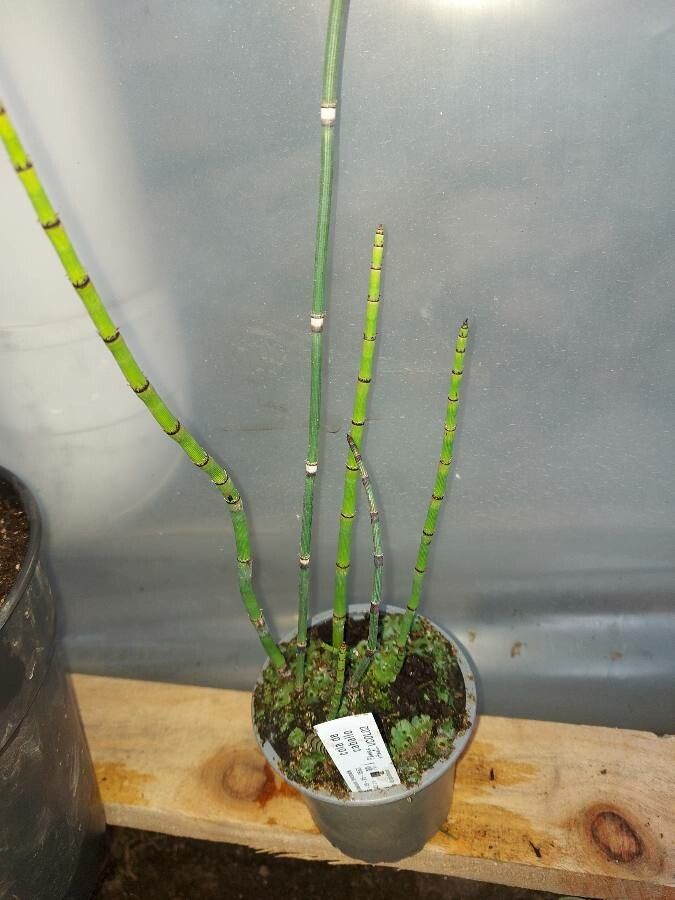
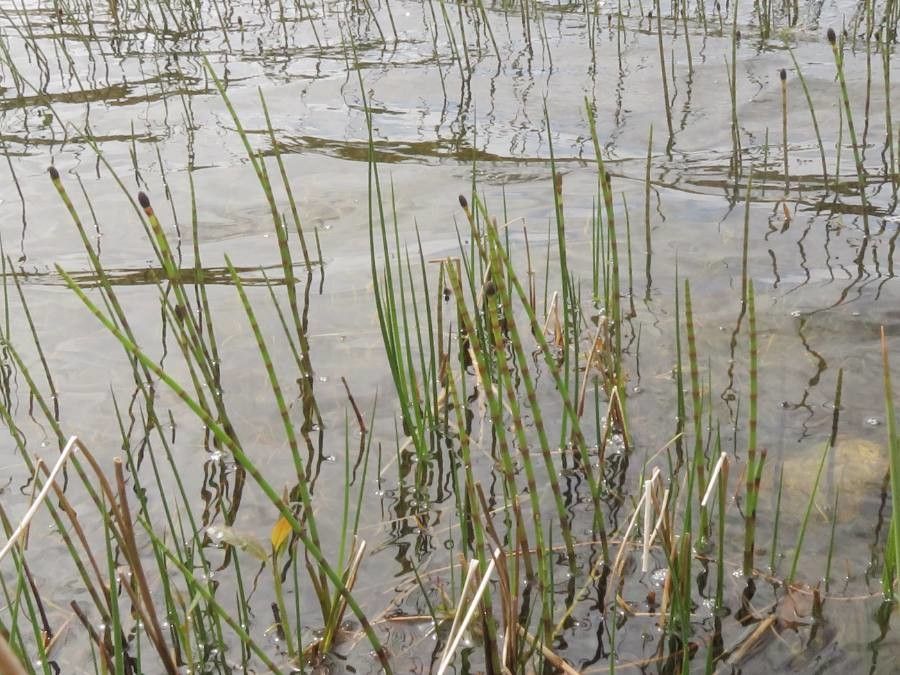
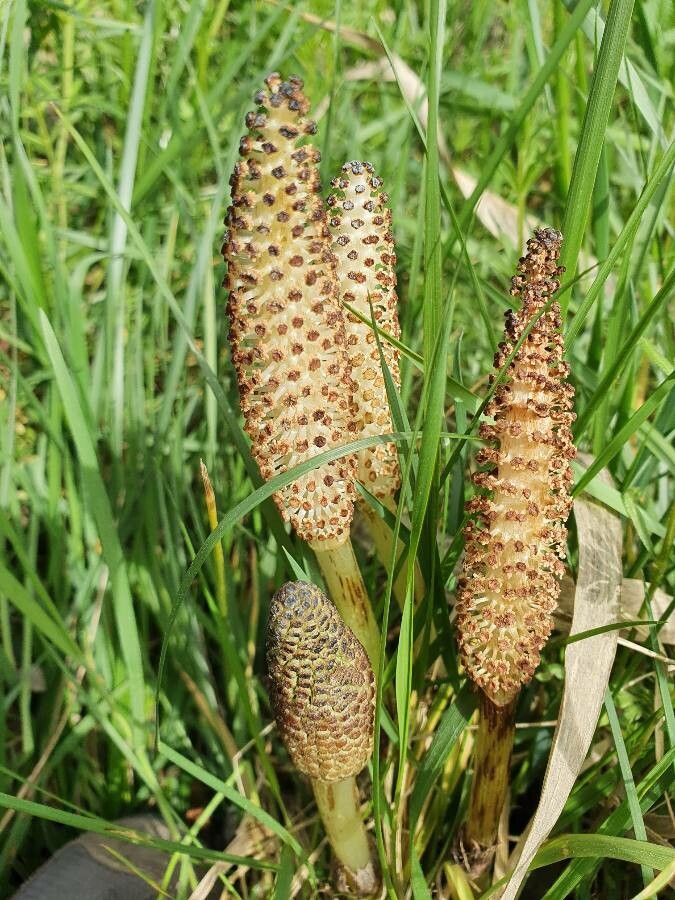
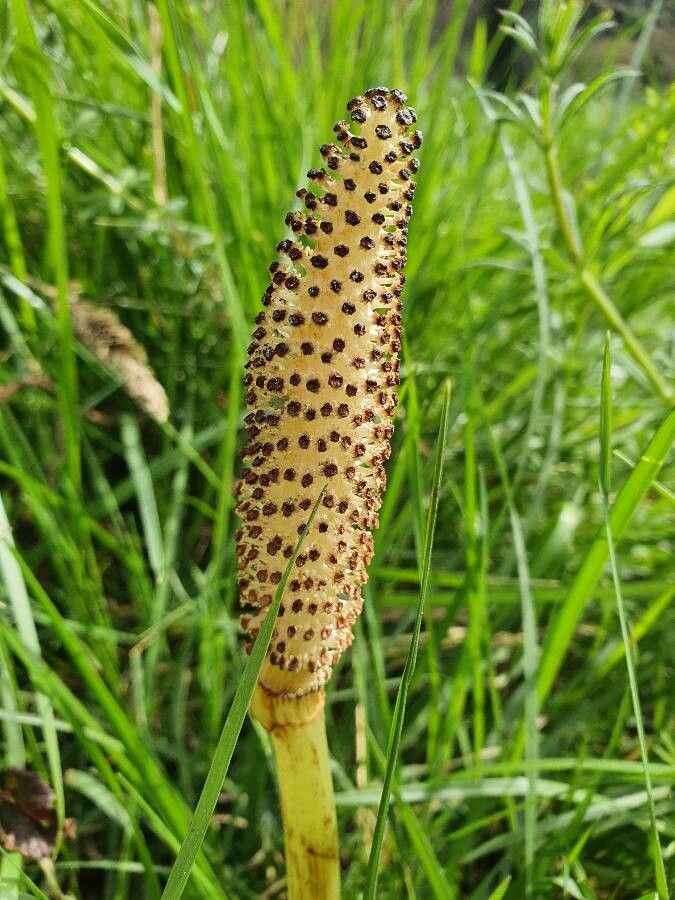
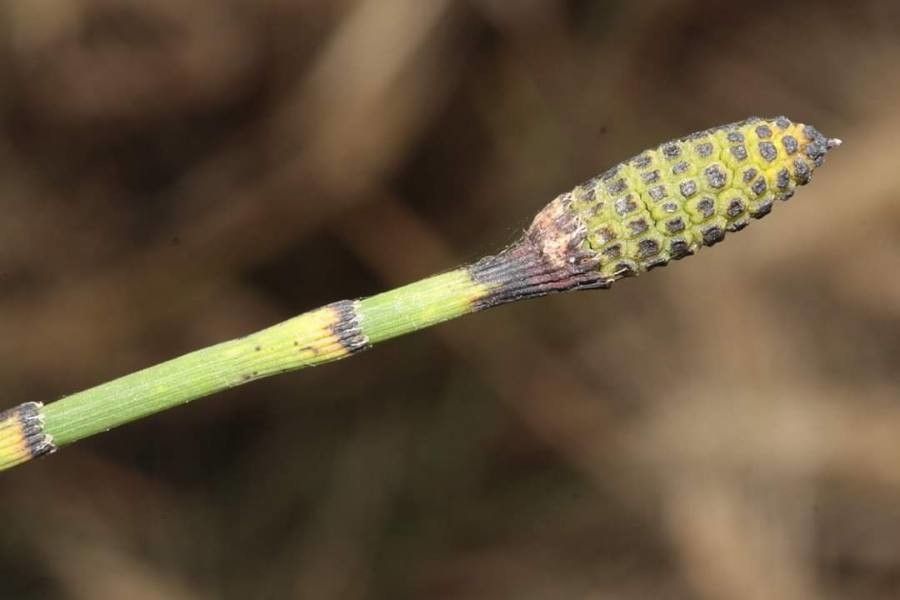
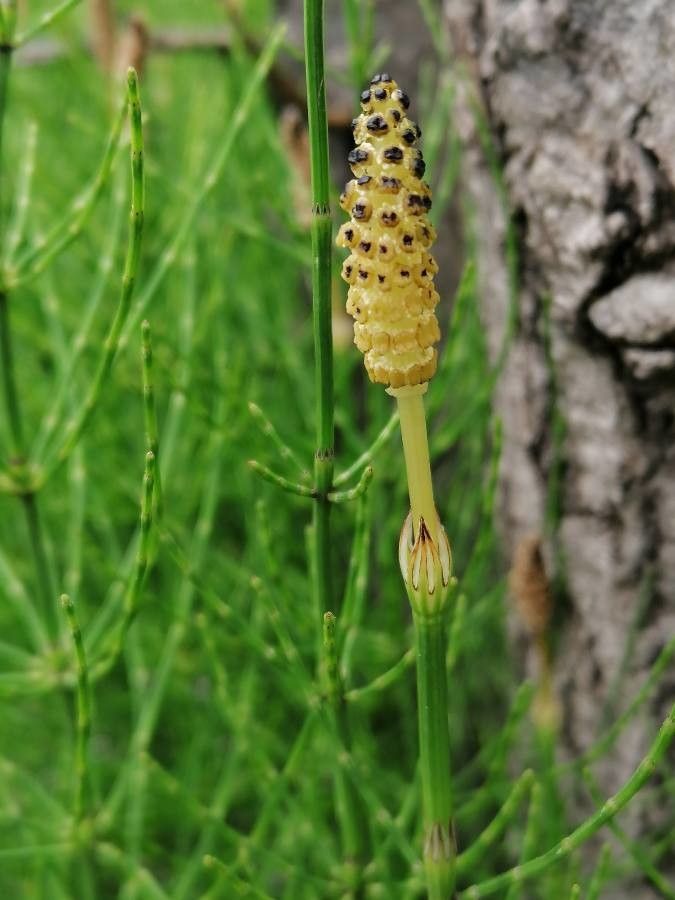
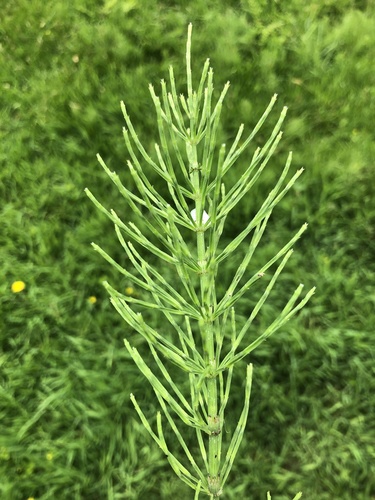
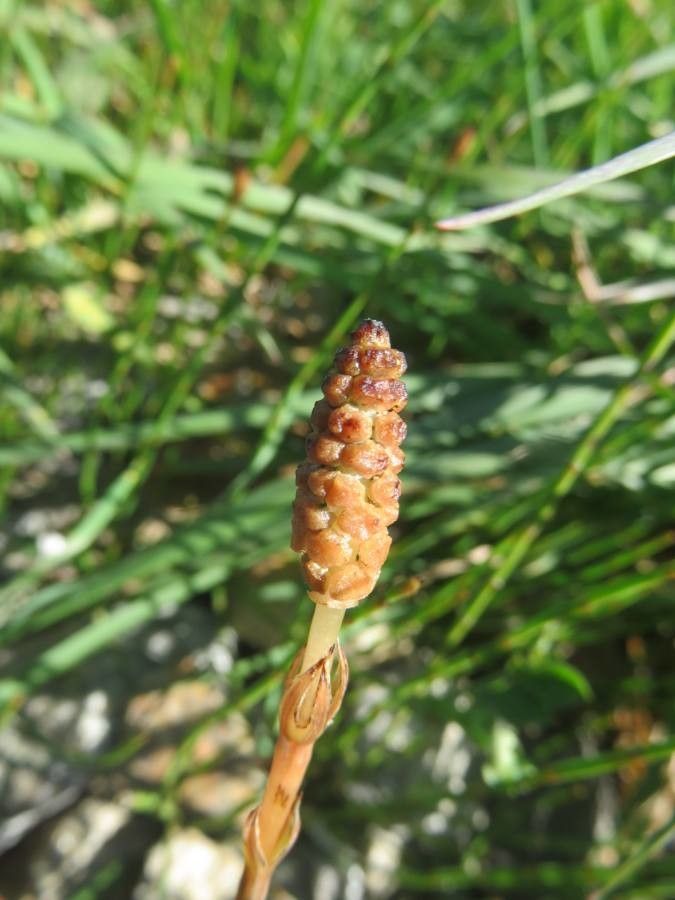
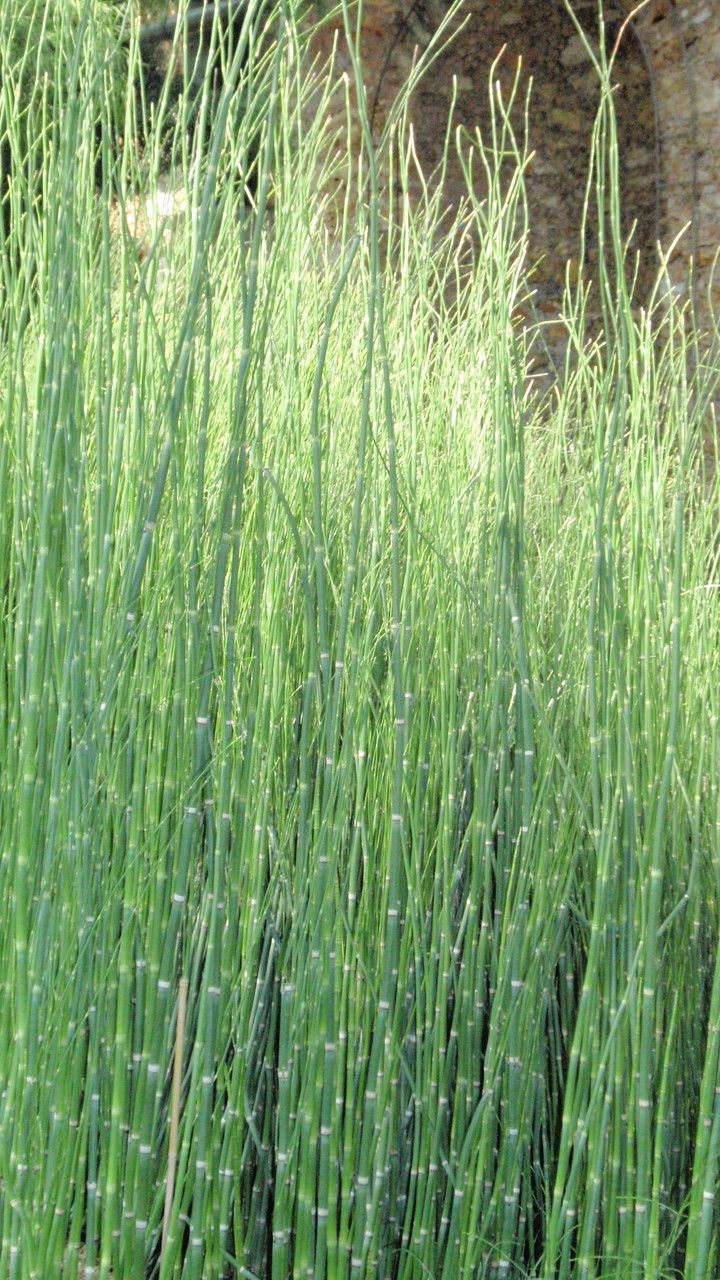
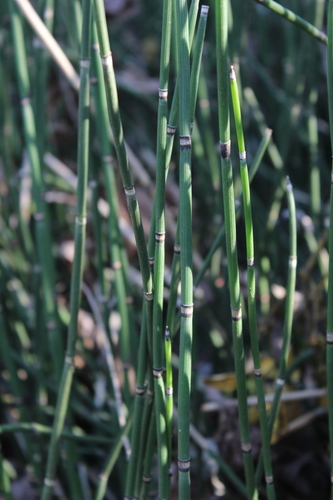
Equisetum fluviatile, commonly known as water horsetail or swamp horsetail, is a perennial plant species belonging to the Equisetaceae family. This non-flowering plant reproduces through spores and features a distinctive appearance characterized by jointed stems and small, scale-like leaves.
Water horsetail can grow up to 2 meters in height and thrives in wet habitats like marshes, swamps, and riverbanks. Traditionally, it has been used for its diuretic properties in medicinal applications.
The plant's stems contain high levels of silica, making them abrasive enough to serve as natural scouring pads or sandpaper. This silica content also helps the plant resist herbivore predation.
Water horsetail plays a vital role in wetland ecosystems by stabilizing soil with its extensive root system and providing habitat for various aquatic organisms, including insects, fish, amphibians, and birds.
Overall, Equisetum fluviatile is a fascinating species with unique features that make it valuable both medicinally and industrially. Additionally, it contributes significantly to maintaining ecological balance within aquatic ecosystems.
Water horsetail has good resistance to disease and is generally not prone to illness. However, it can be affected by pests and diseases present in its environment. Such infections are typically mild. Regarding care, this plant needs moderate maintenance. Regular pruning is required to keep a neat appearance and support healthy growth. Applying fertilizer can also encourage flowering. Water horsetail is suitable for anyone with an outdoor area, such as a garden or patio, and does not demand extensive care experience. It can require more attention when grown indoors.
How to keep Equisetum Fluviatile.
Light
Water horsetail prospers in places with plentiful sunlight. Light conditions greatly influence the plant's growth and vigor, and it requires ample exposure to develop optimally. Such conditions are common in its natural habitat. Still, the plant can tolerate areas with moderate sunlight. Both excessive light and insufficient light can negatively affect its health.
Water
Water horsetail thrives in consistently moist and saturated soils, a preference rooted in its wetland origins. To ensure optimal growth, it should be watered twice a week. This plant is ideal for outdoor settings such as rain gardens, where it helps absorb excess water and prevent soil erosion.
Humidity
This plant needs special care because it loves high humidity levels of 60-80% or more. The best way to achieve this is by placing a humidifier near the plant. Daily misting is also essential! Make sure the room has good ventilation.
Temperature
Water horsetail naturally occurs in temperate areas where temperatures range from 41 to 100 °F (5 to 38 °C). It copes well with seasonal changes and can withstand both cool and warm conditions. Even though it is hardy, sudden temperature swings outside that range should be minimized to preserve its growth.
Fertilizer
For water horsetail, use balanced fertilizers every three months during active growth. Apply them in diluted concentrations to prevent root burn. The benefits include vibrant fronds and a strong root system. Be sure to water the soil before fertilizing to enhance nutrient absorption and minimize shock, particularly during dormancy periods.
Pruning
Water horsetail is a semi-aquatic plant known for its hollow, jointed stems. To encourage healthy growth and control its spread, prune any old or damaged stems from early to late spring. Regular thinning not only improves the plant's appearance but also enhances airflow. Always use clean, sharp tools to reduce the risk of disease.
Pot & Repot
To encourage vertical growth, repot the 'water horsetail' every 2-3 years in spring. Choose tall, narrow containers that allow for proper drainage. After repotting, place the plant in shallow water where it can receive plenty of light. Be sure to handle the roots gently to ensure optimal recovery.
Botanical profile.
- Plant Type
- Herb
- Life Cycle
- Perennial
- Genus
- Equisetum
- Family
- Equisetaceae
- Hardiness Zone
- 4-11
- Mature Height
- 0.61 m to 1.22 m
- Mature Spread
- 61 cm
- Leaf Color
- Green, Yellow, Variegated
- Leaf Type
- Semi-evergreen
- Bloom Time
- Spring
- Planting Time
- Spring, Summer, Autumn
- Native Area
- Turkey, Sweden, Austria, Slovakia, Montenegro, Slovenia, Croatia, Belarus, Russia, Germany, Iceland, Estonia, Koppen, Romania, Latvia, Belgium, Netherlands, France, Czech Republic, Bulgaria, Armenia, Poland, Greece, Ukraine, Serbia, China, Lithuania, Norway, Italy, Kazakhstan, Spain, Switzerland, Denmark, Japan, Mongolia, Finland, Iran, Albania, Ireland, United Kingdom, Hungary, Azerbaijan
Other names.
Reader questions.
How should I water my Water horsetail plant?
To properly water the Water horsetail, it is recommended to use filtered water at room temperature. Tap water may have harmful particles for the plant. It is important to use room temperature or slightly warmer water because the Water horsetail is used to warm environments and cold water can be shocking to it. It is also advised to avoid watering the plant from above as it can cause problems with its foliage. Instead, water the plant by applying filtered room temperature water to the soil until it is completely soaked. This helps to moisten the roots and facilitate their spread through the soil to collect the necessary nutrients.
Why should I put fertilizer on my Water horsetail?
The leaves of the Water horsetail play a crucial role in its structure. Fertilization is key in ensuring that these leaves not only look great but also function effectively. By fertilizing properly, you can maintain consistent leaf color and a healthy texture. Additionally, fertilization works below the soil to promote new root growth and maintain existing roots. This not only keeps your plant healthy in the present but also improves its ability to absorb soil nutrients in the long run.
What are the sunlight requirements for Water horsetail?
Water horsetail thrives best in full sun conditions, requiring above 6 hours of sunlight daily. It can also grow in partial sun, with about 3-6 hours of sunlight. It's important to observe how sunlight moves through your garden to choose spots that offer a balance of light and shade, ensuring the plant's well-being. In its natural habitat, Water horsetail is accustomed to abundant light, but it can tolerate moderate sunlight as well. Insufficient light or overexposure can negatively impact the plant's health.
What climates do water horsetail plants thrive in?
Water horsetail grows naturally in moderate climates, thriving in temperatures ranging from 41 to 100 °F (5 to 38 °C). It is adaptable across different seasons, capable of tolerating both cold and hot weather conditions. While sudden extreme temperature changes should be avoided to ensure healthy growth, water horsetail is notably resilient, showing strong cold resistance. Therefore, it usually does not require special frost protection measures during winter. However, in regions where winter temperatures may plummet below -30°C, it is crucial to provide additional protection by covering the plant with materials such as soil or straw. To further support the plant's health through winter and early spring, it is recommended to water it abundantly before the first freeze in autumn, ensuring the soil remains moist as it freezes.
What do I need to do if I give my Water horsetail plant too much or too little water?
Overwatering is a more common issue that can harm your Water horsetail. If it gets too much water, the stems and leaves may wilt and turn yellow. Overwatering for a long time can also lead to diseases like root rot, mold, and mildew, which can be fatal for your plant. Underwatering is less common because the plant can handle drought, but it is still possible. In this case, the leaves may become brittle and brown. It is important to notice signs of overwatering early on. Some of the diseases caused by overwatering, like root rot, cannot be fixed if you wait too long. If you see early signs of overwatering, reduce your watering immediately. Also, check the quality of the soil. If it doesn't drain well, replace it with a loose, well-draining mix. If your Water horsetail isn't getting enough water, simply water it more regularly until the signs go away.
When should I fertilize my Water horsetail plant?
To ensure optimal growth of your outdoor Water horsetail, pay attention to the emergence of new leaves in early spring. This signals that it's time to start fertilizing for the year. While a single application of fertilizer in the spring may be sufficient, if you want to maximize growth, consider applying fertilizer multiple times throughout the spring and early summer. In this case, aim to feed your Water horsetail approximately once every month to a month and a half.
How can artificial lighting supplement sunlight for Water horsetail?
When natural sunlight is inadequate, especially during winter or in spaces that receive less sun, artificial lights can be a beneficial supplement for Water horsetail, ensuring optimal growth. LED lights are recommended because they can be customized to provide specific wavelengths needed by plants. Full sun plants require 30-50W/sq ft, partial sun need 20-30W/sq ft, and full shade need 10-20W/sq ft of artificial light. The light source should be placed 12-36 inches above the plant to mimic sunlight. Additionally, mimicking natural daylight hours, most plants including Water horsetail require 8-12 hours of light per day.
How should I care for water horsetail in low temperature conditions?
Water horsetail is exceptionally cold-tolerant, thriving best at temperatures above 5°C. During the winter season, it is important to ensure temperatures stay above -25°C. If temperatures fall below -30°C, the plant may not show immediate damage but could experience decreased sprouting or fail to sprout come spring. In the event that some parts of the plant fail to sprout in spring, these should be removed as part of the plant's care routine.
How often do I need to water my Water horsetail?
If your Water horsetail plant is in a pot, the most precise way to determine if it needs water is by checking the soil. Simply stick your finger into the soil and if you find that the top two to three inches are dry, then it's time to water it. If you have your Water horsetail planted outdoors in the ground, you can use a similar method to test the soil. Once again, if the top few inches of soil have dried out, it is time to water. During the spring and early fall, you will generally need to water this plant about once a week using this method. However, during extremely hot weather, you may need to increase watering to around twice or more per week. However, it's worth noting that mature, well-established Water horsetail plants have an impressive ability to survive drought.
When is it best to not fertilize my Water horsetail?
During late fall and winter, your Water horsetail goes into a dormant phase and stops producing new growth. Avoid fertilizing it during this time. In spring and summer, if you choose to fertilize, gradually reduce the rate as summer approaches because the growth rate of your Water horsetail slows down. When the weather is unseasonably hot or the soil is extremely dry, it is not recommended to fertilize your Water horsetail as it can cause stress and premature death.
What are the signs of insufficient light in Water horsetail?
Signs of insufficient light in Water horsetail include smaller new leaves compared to older ones, leggy or sparse growth, faster leaf drop, slower or no new growth, and lighter-colored or pale new leaves. These symptoms indicate that the plant might not be receiving adequate sunlight. Similarly, excessive sunlight can lead to chlorosis (leaves turning yellow), sunscald, leaf curling, wilting, and leaf scorching. It's crucial to ensure that Water horsetail receives the right amount of sunlight to maintain health and growth.
How does high temperature affect water horsetail, and how can I mitigate these effects?
During the hot summer months, it's essential to keep water horsetail's living environment below 38°C. Exposure to temperatures above 43°C can lead to the plant's leaves lightening in color, curling, and becoming susceptible to sunburn. In severe cases, the plant may wilt and dry out. To mitigate these damaging effects, trim away any sunburned or dried-up parts of the plant. Relocating the plant to a shaded area or using a shade cloth can provide protection from the intense midday and afternoon sun. Additionally, watering the plant in the morning and evening helps maintain soil moisture, further supporting the plant's health under high temperature conditions.