Equisetum scirpoides, commonly known as Dwarf Horsetail or Dwarf Scouring Rush, is a perennial herbaceous plant belonging to the Equisetaceae family. Native to North America, it thrives in wetlands, marshes, and along streams.
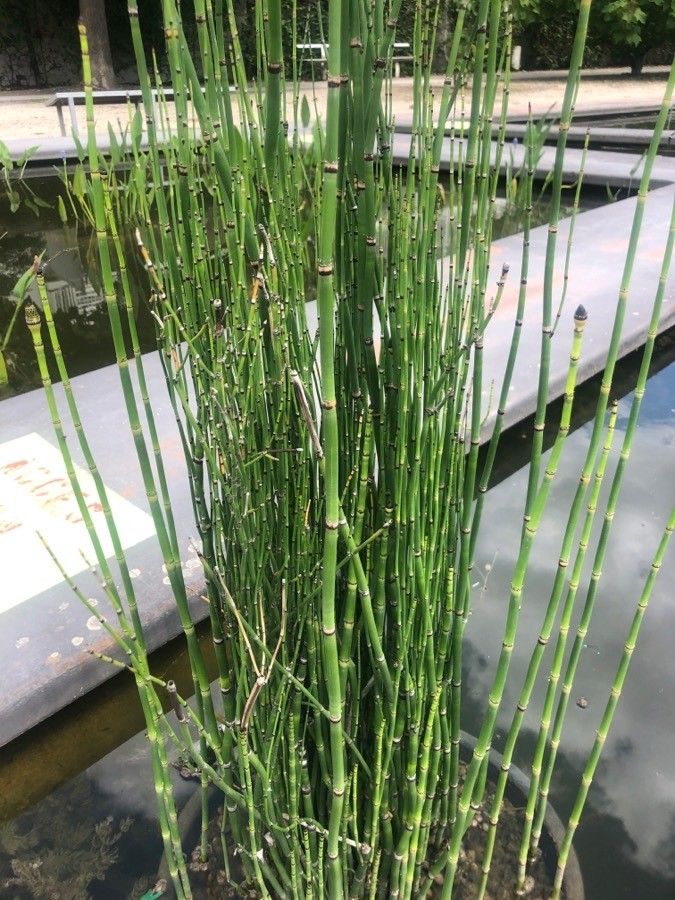
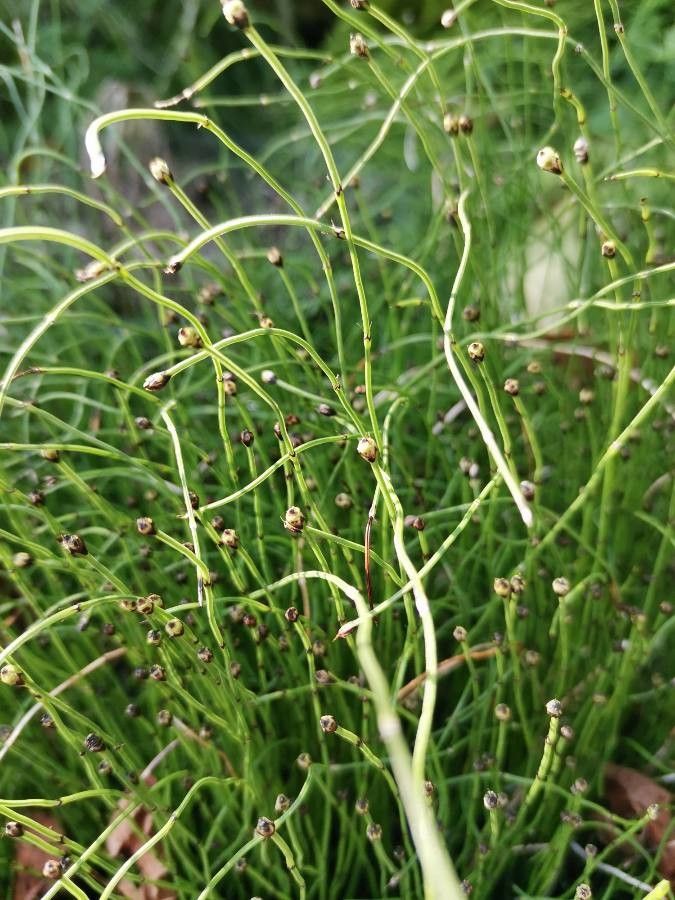
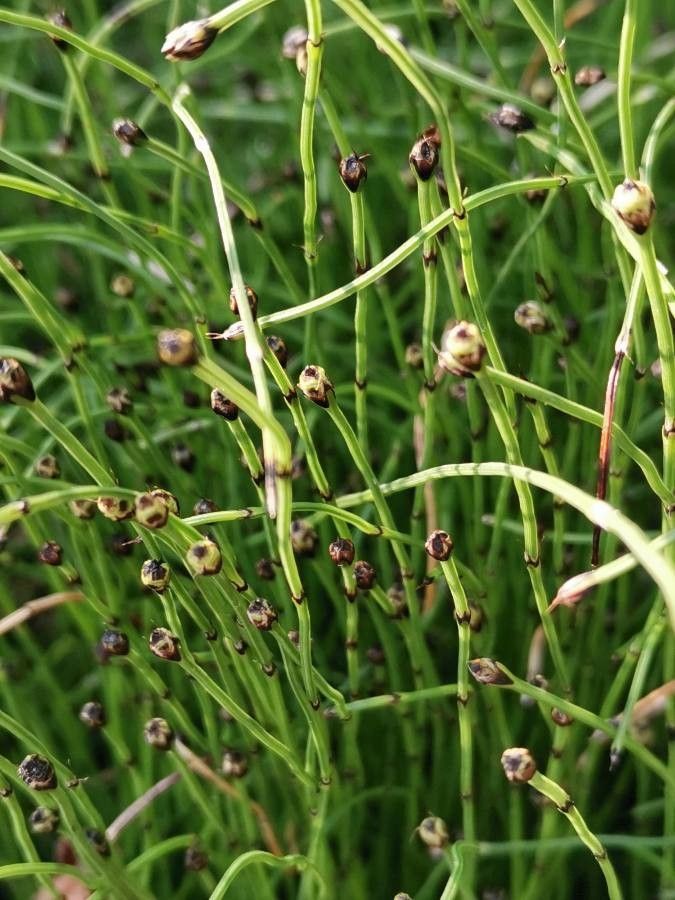
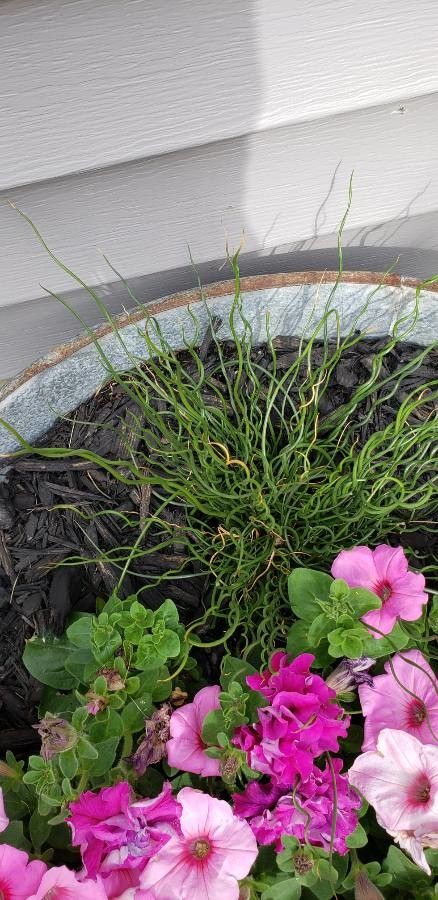
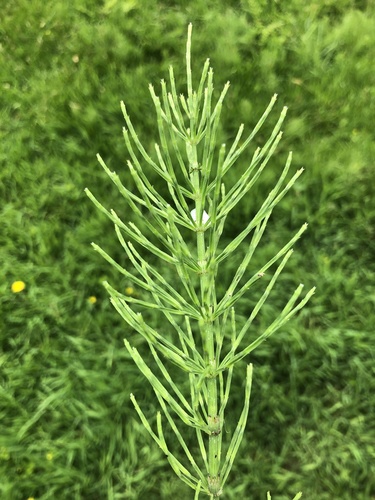
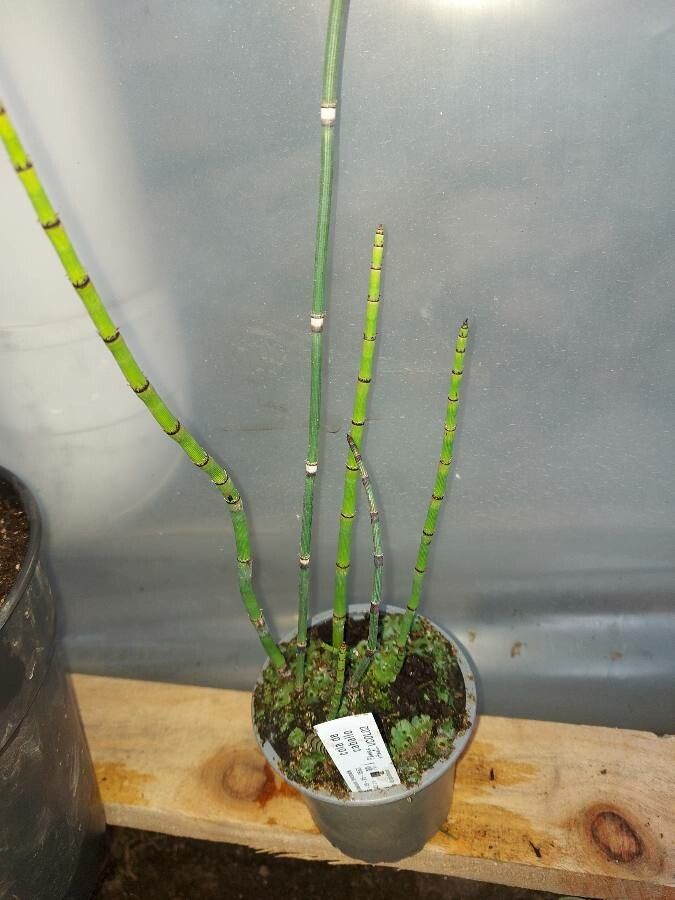
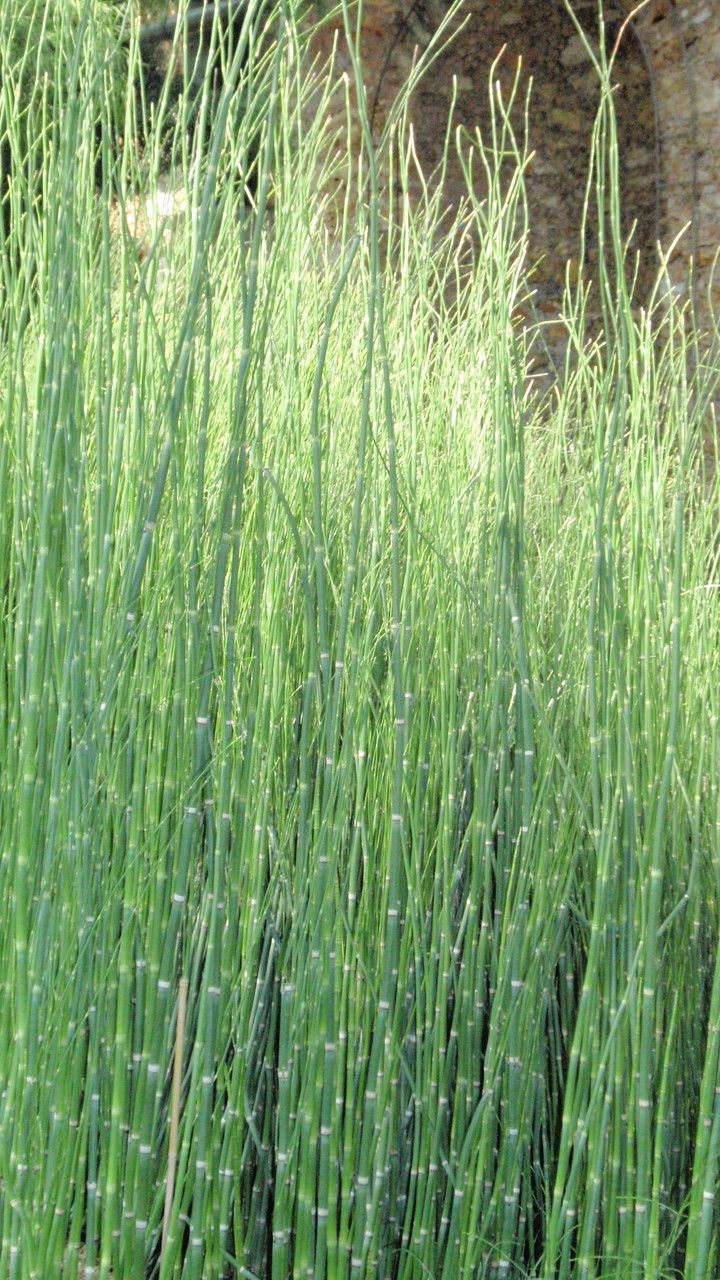
The plant features unique, thin green stems that can grow up to 20 cm in height, resembling a horse's tail. These hollow stems have distinct nodes and are jointed at regular intervals. The leaves of Equisetum scirpoides are reduced to small scales that grow at these nodes.
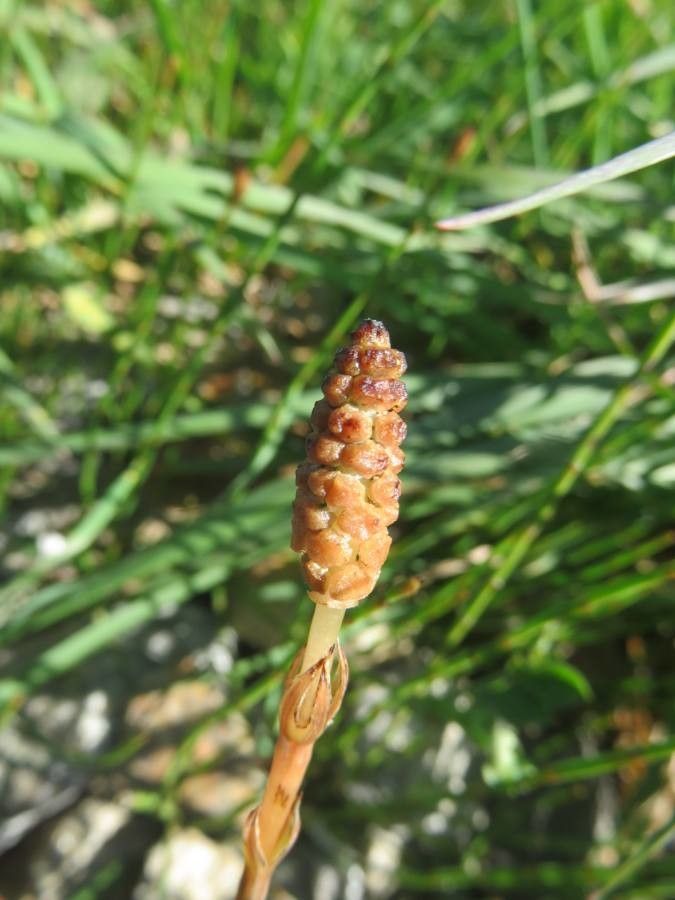
Unlike most plants, Equisetum scirpoides reproduces via spores rather than seeds. During the spring or early summer, it produces cone-like structures called strobili on separate fertile stems.
For centuries, Native Americans have used this plant for its medicinal properties, as it contains silica, which helps strengthen bones, hair, nails, and teeth.
Equisetum scirpoides plays a crucial role in wetland ecosystems by stabilizing soil erosion along stream banks and providing habitat for various aquatic animals, including frogs and salamanders.
Overall, Equisetum scirpoides is a fascinating plant with unique characteristics that contribute significantly to North American ecosystems and offers medicinal benefits that have been valued by indigenous peoples for generations.
Botanical profile.
- Plant Type
- Herb
- Life Cycle
- Perennial
- Genus
- Equisetum
- Family
- Equisetaceae
- Hardiness Zone
- 1-9
- Mature Height
- 10 cm to 20 cm
- Mature Spread
- 20 cm
- Leaf Color
- Green, Gray
- Leaf Type
- Evergreen
- Bloom Time
- Summer
- Planting Time
- Spring
- Native Area
- Russia, Norway, Austria, Sweden, Kazakhstan, Denmark, Japan, Mongolia, Finland, Estonia, Koppen, Latvia, China
Other names.