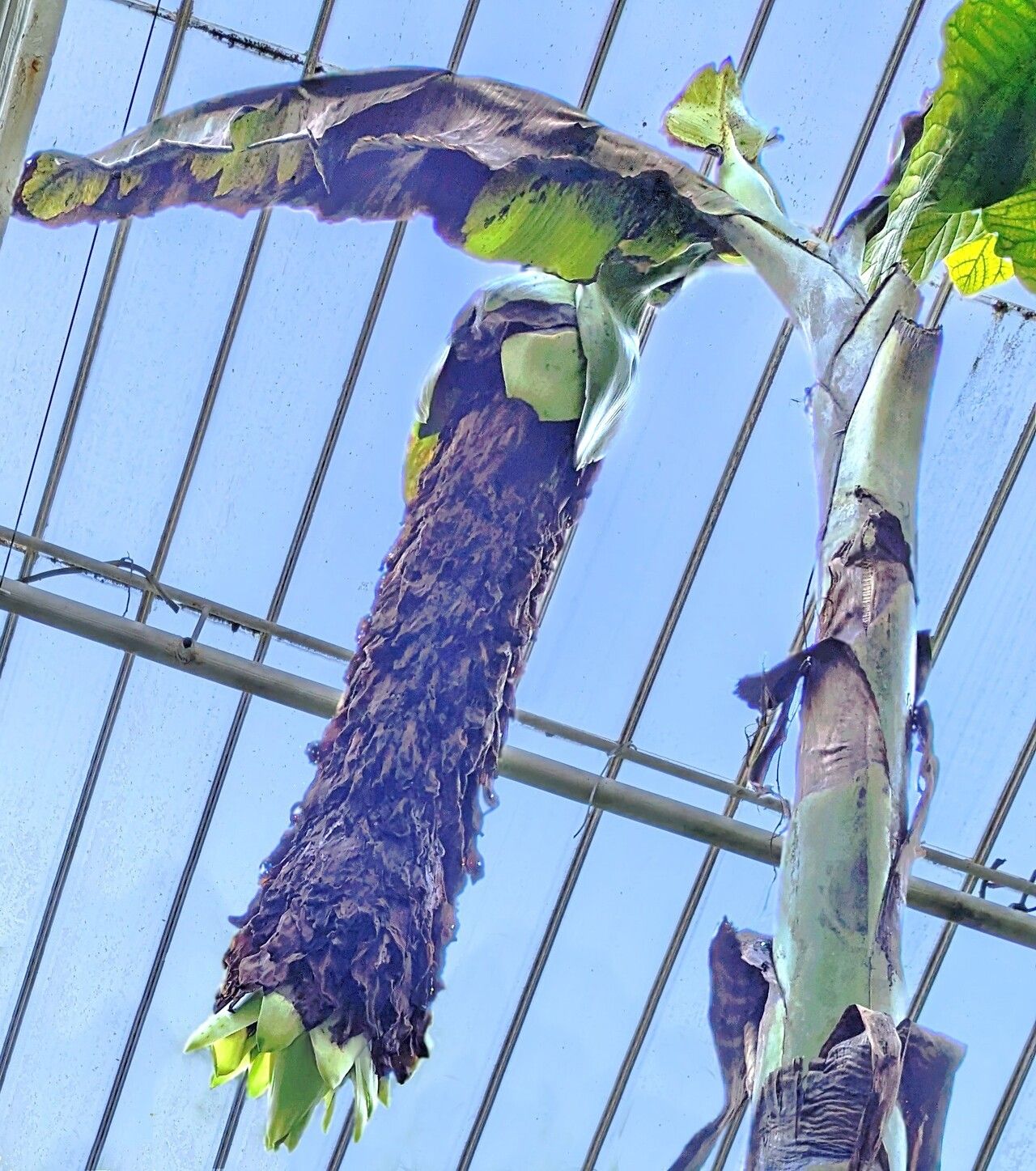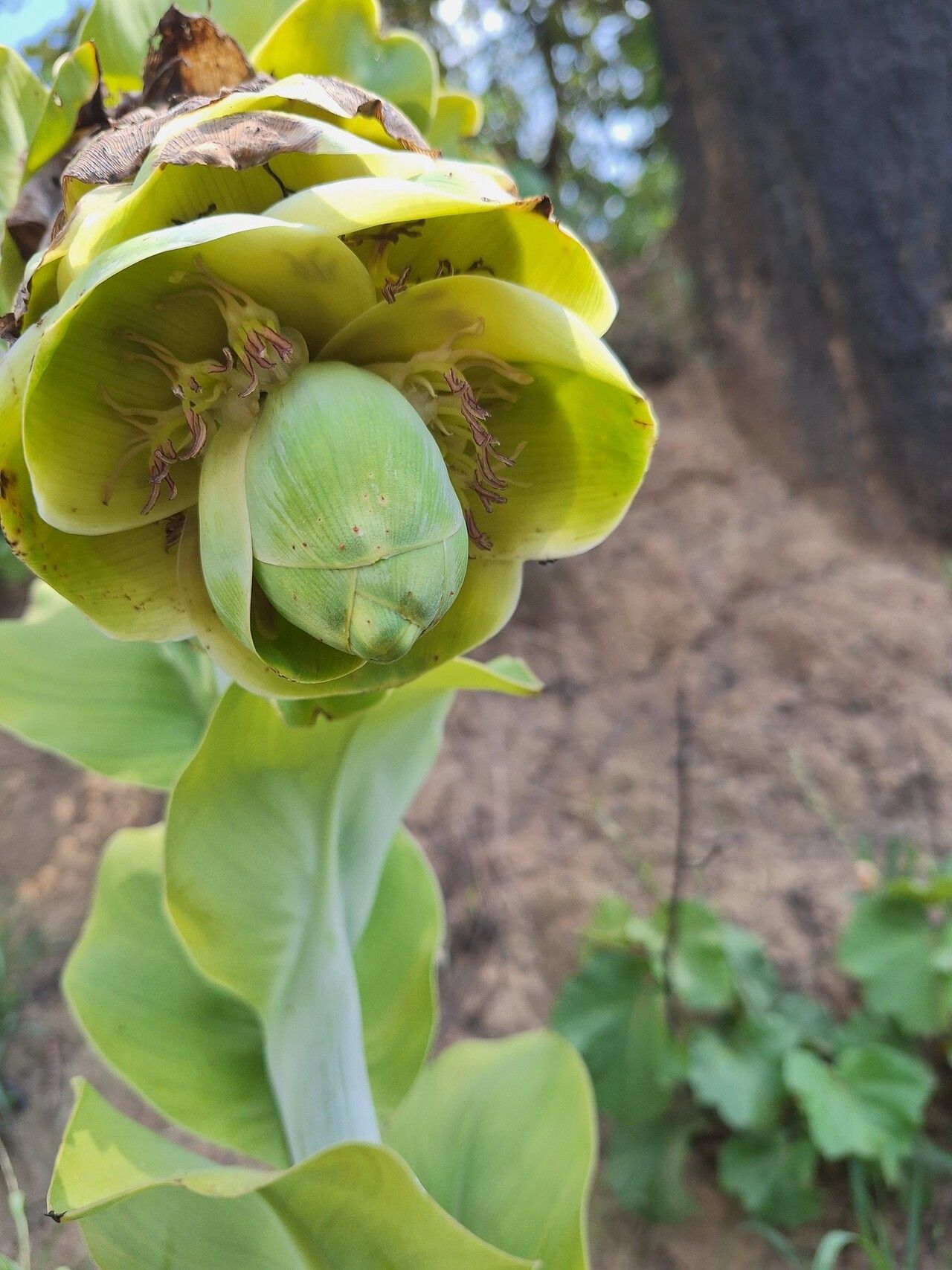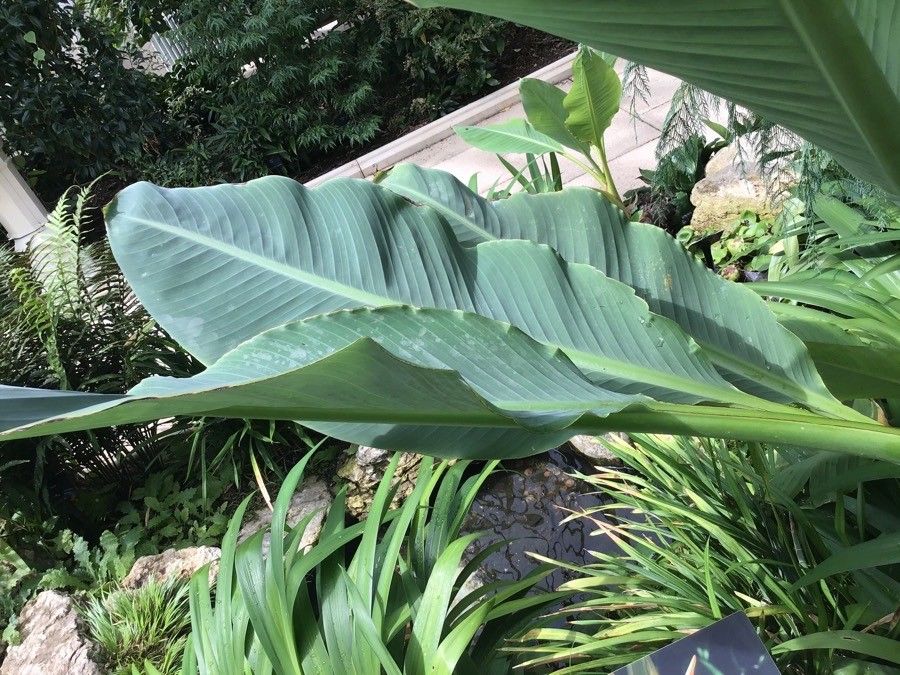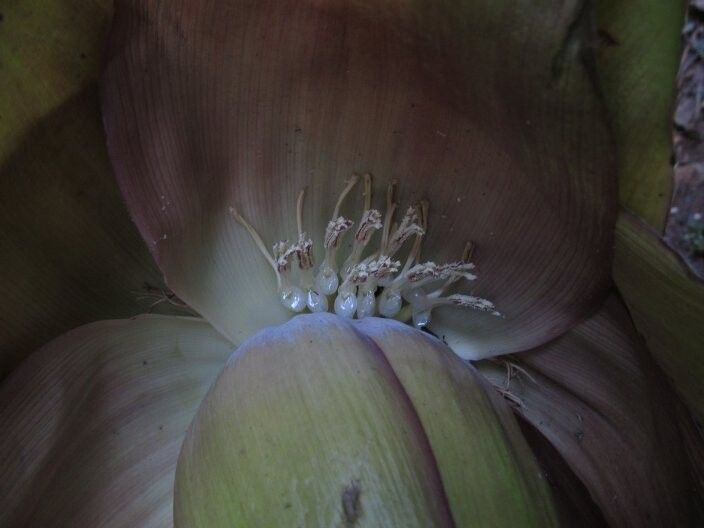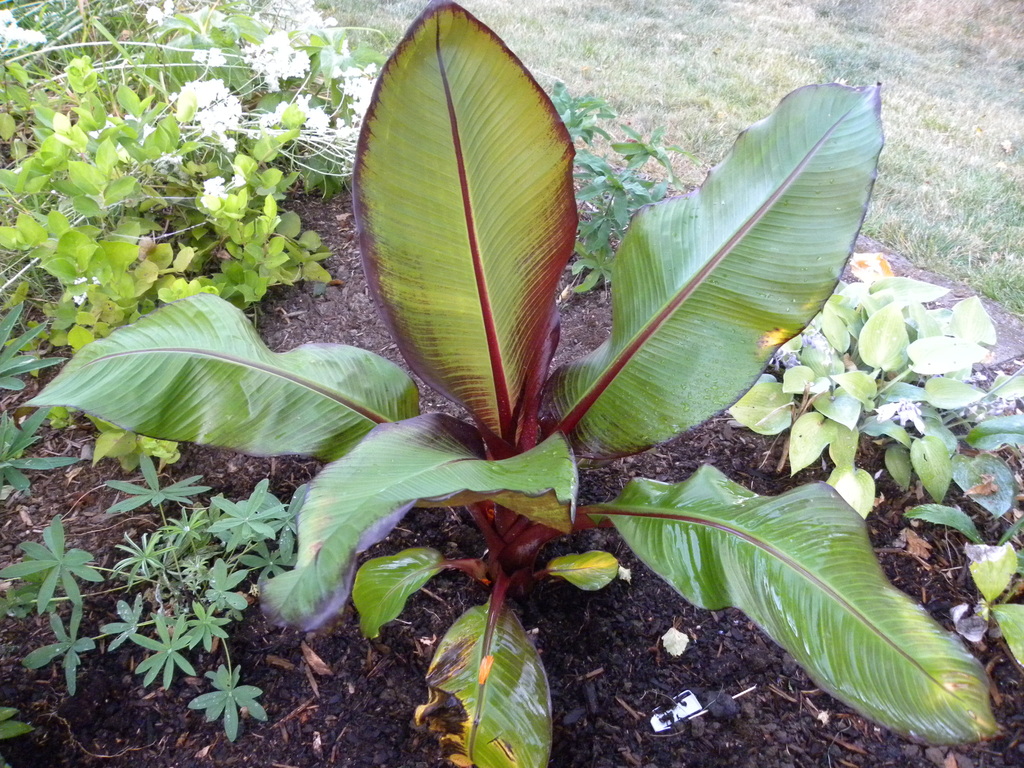
Ensete ventricosum, commonly known as the Ethiopian banana or enset, is a large herbaceous plant native to Ethiopia. Belonging to the Musaceae family, it is closely related to the banana plant. For centuries, enset has been a staple food crop in Ethiopia and is often referred to as "the tree against hunger" because of its ability to provide food security during times of drought or famine.
Enset plants can grow up to 10 meters tall and have large, paddle-shaped leaves that can reach up to 3 meters in length. They produce a substantial underground stem called a corm, which can weigh up to 100 kg and contains high levels of starch.
The corms are harvested by digging them out of the ground, after which they are processed into various forms for consumption. The most common form is called "kocho," which involves fermenting mashed enset corms for several months before shaping them into flat cakes that are then dried.
Enset has several advantages over other staple crops such as maize or wheat. It requires less water and can grow on marginal land unsuitable for other crops. Additionally, enset provides both food security and income generation opportunities for farmers who cultivate it.
Despite its importance as a crop in Ethiopia, enset remains relatively unknown outside of Africa. However, there has been growing interest in recent years due to its potential as an alternative source of starch for industrial applications such as biofuel or bioplastic production.
Overall, Ensete ventricosum plays a significant role not only culturally but also economically by providing sustenance during times when other crops may fail. Additionally, its potential industrial applications make it an important plant species worthy of further study both locally within Africa and globally. This research could explore how this species could be utilized more effectively in different industries while still maintaining its cultural significance within Ethiopian communities that have historically relied on this crop.
The Abyssinian banana has moderate resistance to diseases but can be prone to problems like leaf spot. Its vulnerability to insect pests varies with the variety, although most types are relatively less resistant to pests. For care, the Abyssinian banana requires regular watering and feeding, and frequent removal of yellow leaves. Pests and diseases should be managed as soon as they appear, and the plant should be harvested in a timely way. The Abyssinian banana is best for people who can invest some time and effort in regular upkeep.
How to keep Ensete Ventricosum.
Light
The Abyssinian banana does best with plentiful, consistent sunlight. Its native environment, which had abundant sun, helped it become tolerant of shadier conditions. Nevertheless, inadequate sun exposure can hinder its growth and lead to reduced vigor. Excessive sunlight can cause leaf burn.
Water
The Abyssinian banana flourishes in tropical highlands, where it prefers consistent moisture but can tolerate short periods of dryness. To mimic its natural environment, water it weekly. It is best grown outdoors, where it thrives with plenty of water during the growing season, promoting lush foliage and optimal health.
Humidity
This plant needs special care because it loves high humidity levels of 60-80% or more. The best way to achieve this is by placing a humidifier near the plant. Daily misting is also essential! Make sure the room has good ventilation.
Temperature
The Abyssinian banana originates from warm climates and does best at temperatures of 68 to 100 °F (20 to 38 ℃). In colder months, move the Abyssinian banana to a warmer location to replicate its natural habitat.
Fertilizer
For Abyssinian banana, choose natural organic materials like compost, grass clippings, or manure. You may use slow-release granular fertilizer or commercial fertilizer, but only sparingly. Incorporate the organic fertilizer into the soil before planting. Usually one to two fertilizer applications each growing season are enough for a bountiful harvest.
Pruning
The Abyssinian banana is known for its large, paddle-shaped leaves and rapid growth. To encourage new growth, prune it from early to late spring by removing dead leaves and old stalks. However, be careful not to over-prune, as the plant needs enough leaves for photosynthesis. Proper pruning also improves airflow and reduces the risk of disease.
Pot & Repot
Repot your Abyssinian banana every 2 to 3 years in early spring to encourage its rapid growth. Choose a large, sturdy pot to accommodate its strong roots. After repotting, ensure the plant receives consistent moisture and light fertilization. Also, provide enough space for its broad foliage to spread.
Botanical profile.
- Plant Type
- Herb
- Life Cycle
- Perennial
- Genus
- Ensete
- Family
- Musaceae
- Hardiness Zone
- 9-11
- Mature Height
- 6.1 m
- Mature Spread
- 1.83 m to 3.05 m
- Leaf Color
- Green
- Leaf Type
- Evergreen
- Flower Color
- White, Red
- Flower Size
- 15.24 cm to 20.32 cm
- Bloom Time
- Summer, Early fall, Mid fall
- Planting Time
- Spring, Summer, Autumn
- Harvest Time
- Fall, Early winter, Mid winter
- Native Area
- Malawi, Angola, Burundi, Mozambique, Zimbabwe, South Africa, Zambia, Sudan, Rwanda, Ethiopia, Kenya, Congo (DRC), Uganda, Tanzania, Congo
Other names.
Reader questions.
How should I water my Abyssinian banana plant?
The Abyssinian banana not only has specific preferences for water amount, but it also cares about how you water it. If you don't use the right technique, your tomatoes may be affected. To water the Abyssinian banana correctly, apply the water directly to the soil in a slow and gentle way. Avoid pouring all the water at once or doing overhead watering. It's important to water slowly but deeply to ensure the soil is moist where the Abyssinian banana grows.
Why should I add fertilizer to my Abyssinian banana plant?
To determine if you need to fertilize your Abyssinian banana, consider the soil conditions in your garden. If you have a successful harvest, it likely means you don't need fertilizer. However, the most reliable way to assess the need for fertilizer is to test the soil. You can do this yourself using a kit or send it to a lab for analysis. Understanding the nutrient levels in your soil will help you decide if additional fertilizer is necessary.
What are the sunlight requirements for Abyssinian banana plants?
Abyssinian banana plants thrive best when they receive abundant and consistent sun exposure. They are adapted to full sun conditions, requiring more than 6 hours of sunlight daily to maintain optimal growth and health. However, they can also tolerate partial sun, about 3-6 hours of sunlight per day. It's important to observe how sunlight moves through your garden to pick spots that offer a perfect balance of light and shade, ensuring the plants' well-being.
What is the ideal temperature range for Abyssinian banana?
The Abyssinian banana (Ensete ventricosum) thrives in warm environments, with an ideal temperature range between 68 to 100°F (20 to 38°C). It's native to climates that maintain these temperatures, so it's important to emulate this environment as much as possible, especially during the colder seasons. During winter or when temperatures drop, it's beneficial to keep the plant in conditions above 20°C to ensure its growth isn't hindered. The plant should be protected from temperatures falling below freezing to avoid damage.
What should I do if I give my Abyssinian banana plant too much or too little water?
If you have overwatered your Abyssinian banana and are worried about the risk of disease, you should take action right away. The best solution for an overwatered Abyssinian banana is to remove it from its current location. Let the roots dry out a bit before planting it in a new spot with well-draining soil. If you have your plant in a pot, consider moving it to one with better drainage holes. If you are underwatering, simply water your plant more frequently.
When should I fertilize my Abyssinian banana plant?
To ensure a successful harvest of Abyssinian banana, it is recommended to mix organic fertilizer into the soil about a week before planting. Additionally, applying another layer of fertilizer on top of the soil during the spring will give young plants an extra boost. Generally, one to two applications of fertilizer throughout the growing season should be enough to achieve a good harvest.
How does sub-optimal sun exposure affect Abyssinian banana plants?
Sub-optimal sun exposure can significantly impact the growth and robustness of Abyssinian banana plants. Such conditions may lead to a lack of energy for sufficient development, potentially resulting in smaller leaves, slower growth rates, and a more susceptible stature to environmental stressors. Moreover, too much direct sunlight can lead to leaf burn, while insufficient light can trigger various growth and health issues.
How should I care for my Abyssinian banana during winter?
In colder seasons, it's crucial to protect your Abyssinian banana from freezing temperatures. When outdoor temperatures approach -5°C (25°F), consider bringing the plant indoors or using protective measures like a temporary greenhouse or wrapping the plant in plastic film or fabric. The minimum winter temperature should be kept above the freezing point to prevent the plant from damage. Maintaining temperatures above 20°C is beneficial for the plant's growth during the winter months.
How frequently do I need to water my Abyssinian banana plant?
To ensure proper growth, Abyssinian banana plants require a considerable amount of water. It is best to water them regularly, especially during the spring and summer months. At the beginning of the growing season, water your Abyssinian banana once or twice a week. As the season progresses, increase the frequency of watering, potentially up to twice a day or more if the weather is particularly hot. Once the plants have completed their main growth phases, you can reduce the watering to about once a week until the end of the growing season.
When is it best not to add fertilizer to my Abyssinian banana plant?
If you're growing Abyssinian bananas, it's important to know when to fertilize them. It's best to avoid fertilizing this crop after most of the vegetables have been harvested since it will be a waste of your fertilizer and energy. Additionally, if you're already gardening in soil that is rich in nutrients, there is no need to fertilize the Abyssinian bananas. They don't require much fertilizer to grow well and produce flavorful and ample vegetables. Only consider fertilizing them if a soil test indicates that your garden soil lacks one or more nutrients.
Can I use artificial lighting for indoor Abyssinian banana plants?
Yes, artificial lighting can be a vital solution for growing Abyssinian banana plants indoors, especially in spaces with limited natural sunlight or during the winter months. LED lights are recommended due to their efficiency and ability to be customized to provide specific wavelengths needed by plants. Full sun plants should receive 30-50W/sq ft, partial sun plants 20-30W/sq ft, and full shade plants 10-20W/sq ft of artificial light. The light source should be placed 12-36 inches above the plant, mimicking natural sunlight for about 8-12 hours per day for optimal growth.
What are the symptoms of low temperature exposure in Abyssinian banana?
Abyssinian bananas exhibit a moderate tolerance to low temperatures, but they thrive best between 20°C and 38°C. Exposure to temperatures below 0°C can lead to symptoms like darkening of leaves, and dropping below -5°C may cause water-soaked necrosis, wilting, and drooping with the leaves gradually turning brown. To mitigate damage from low temperatures, affected areas should be trimmed, and the plant moved to a warmer environment indoors or protected with a makeshift greenhouse. Ensuring ample sunlight by placing it near a south-facing window or using supplemental lighting is beneficial.