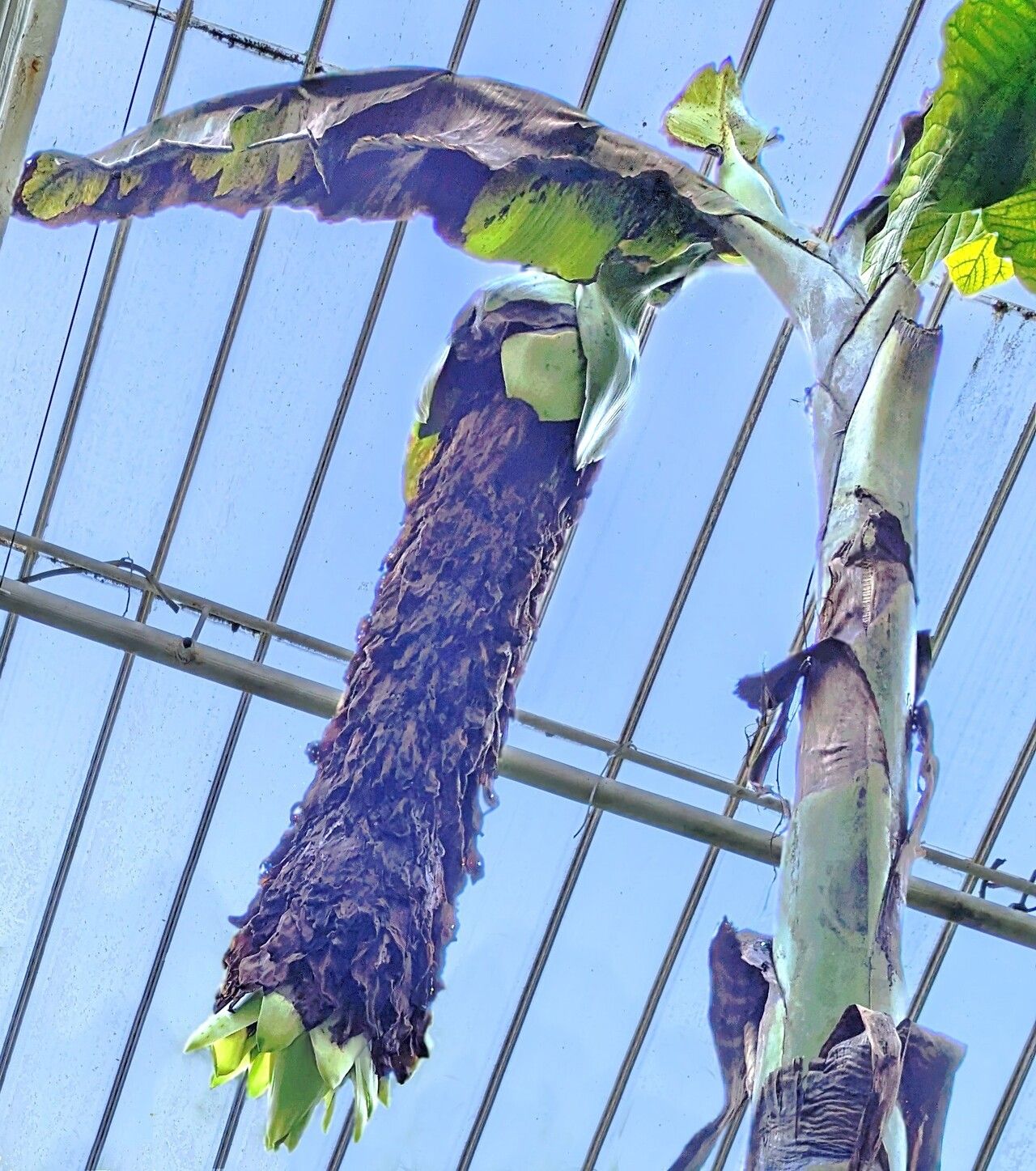
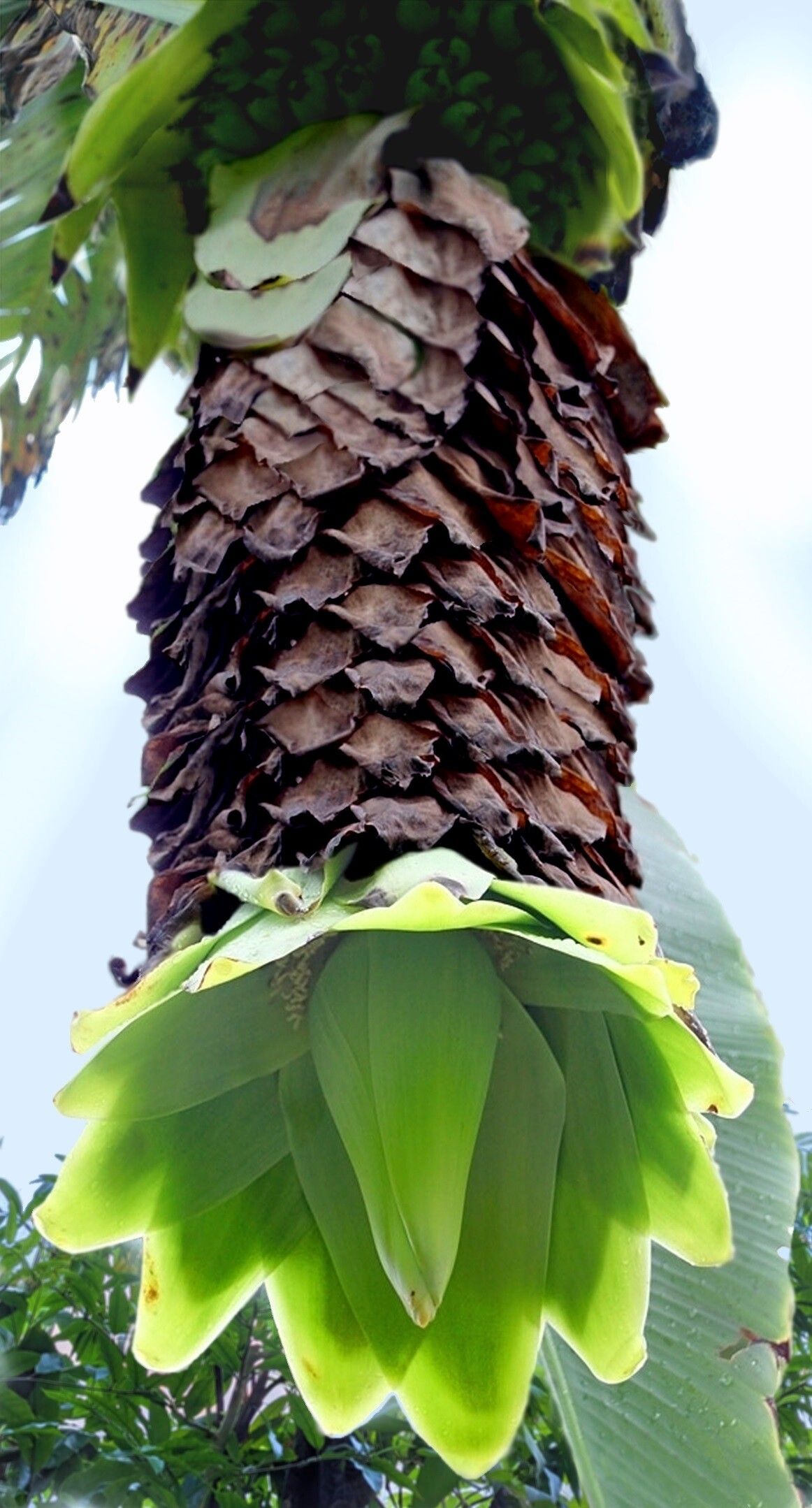
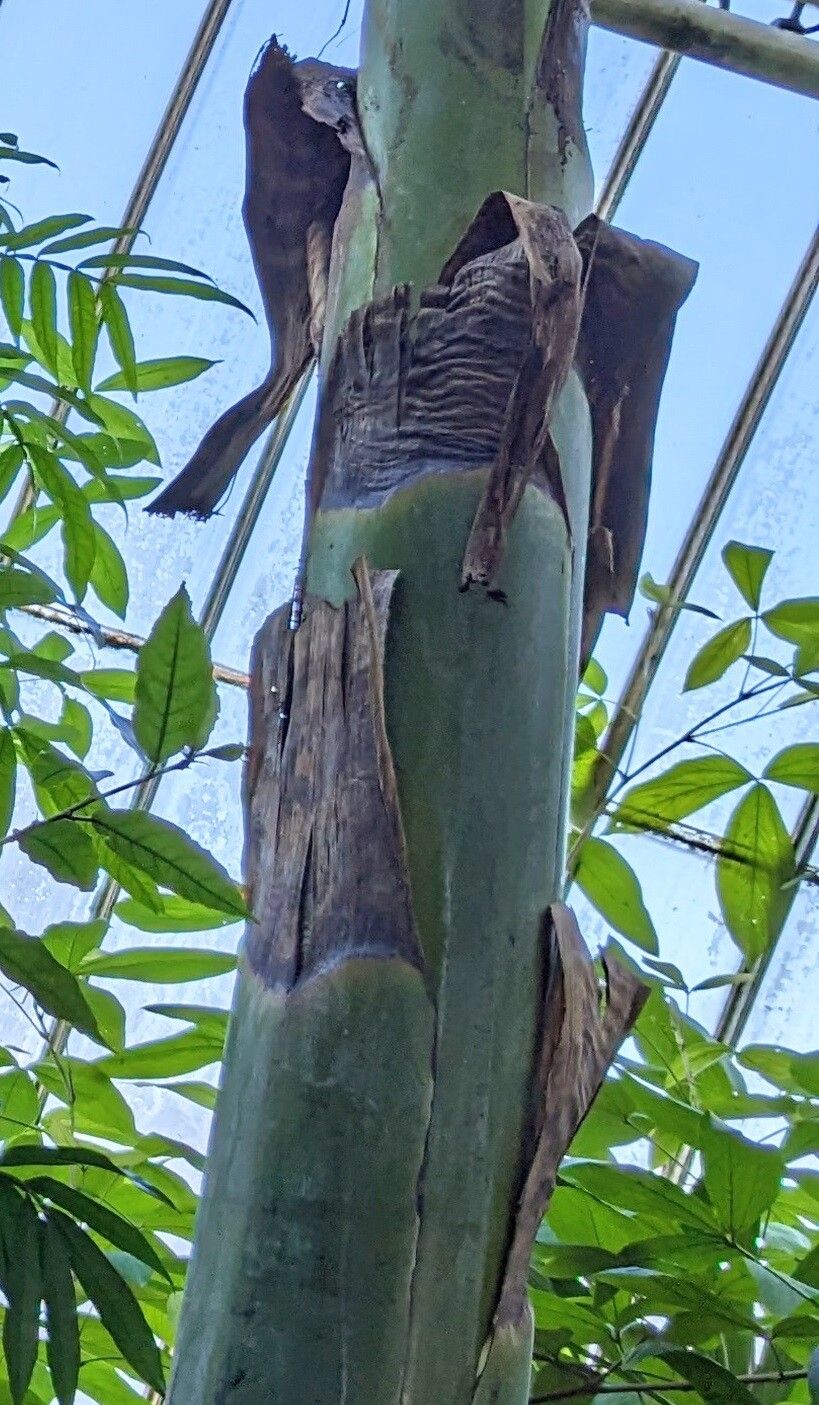
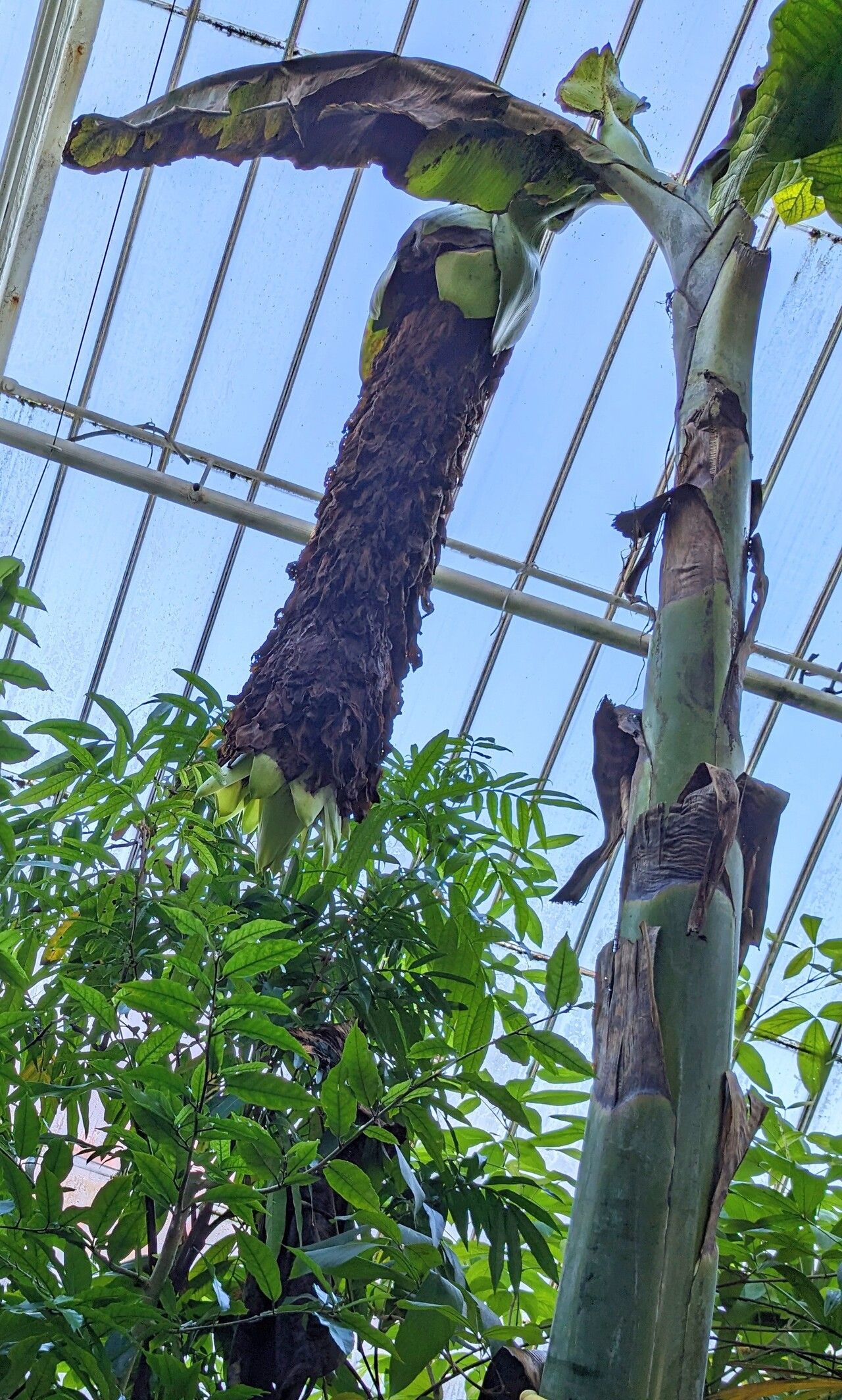
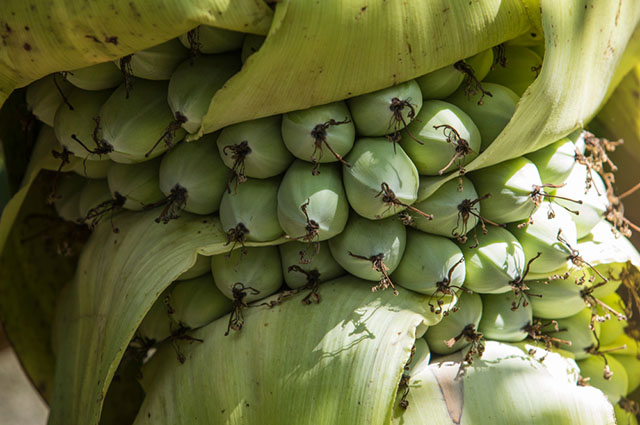
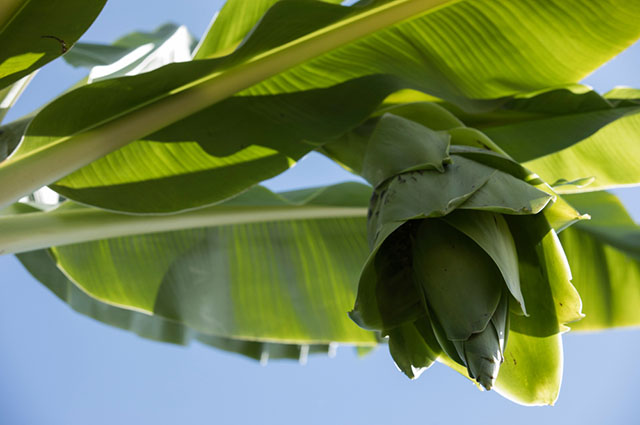
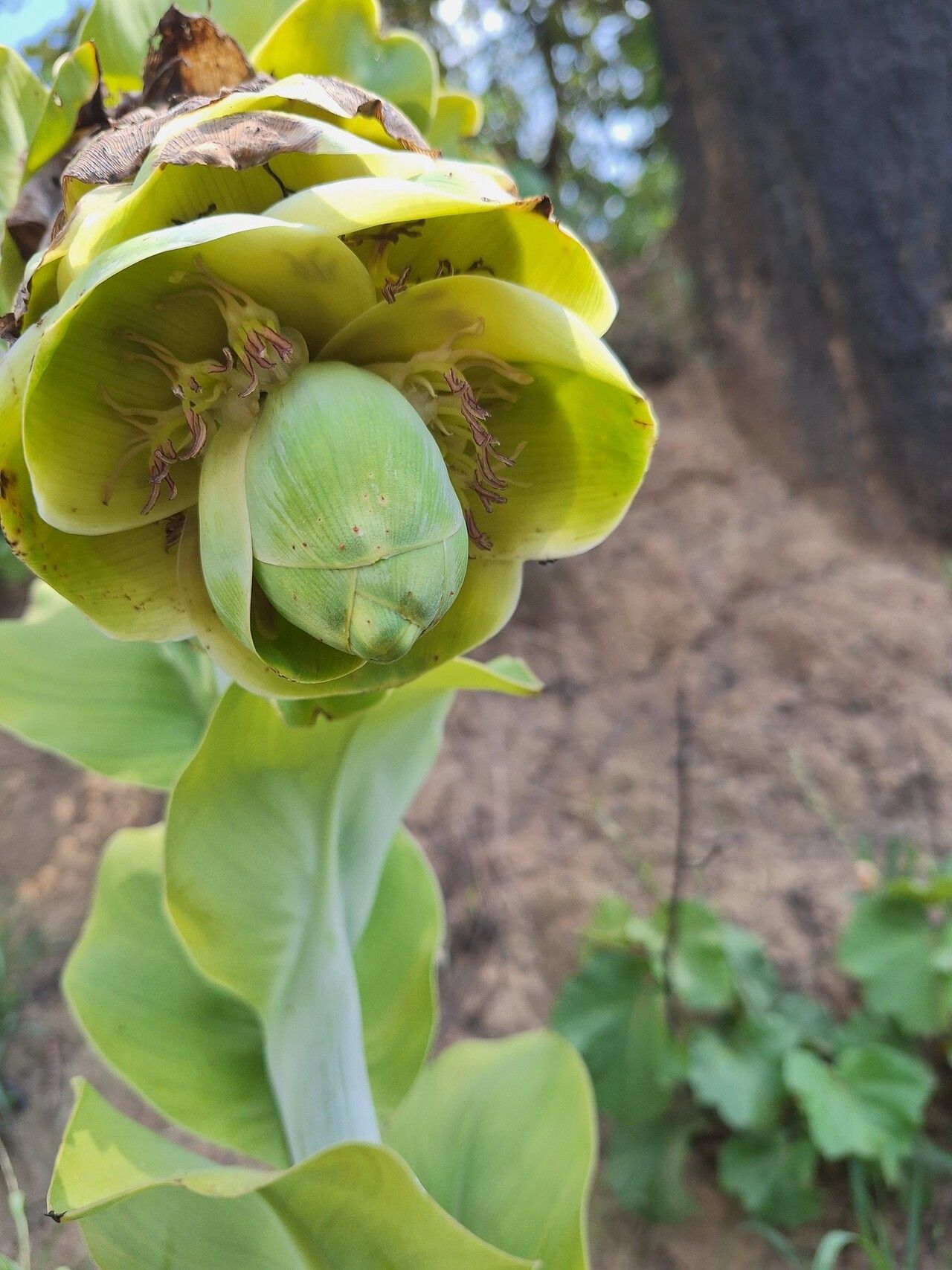
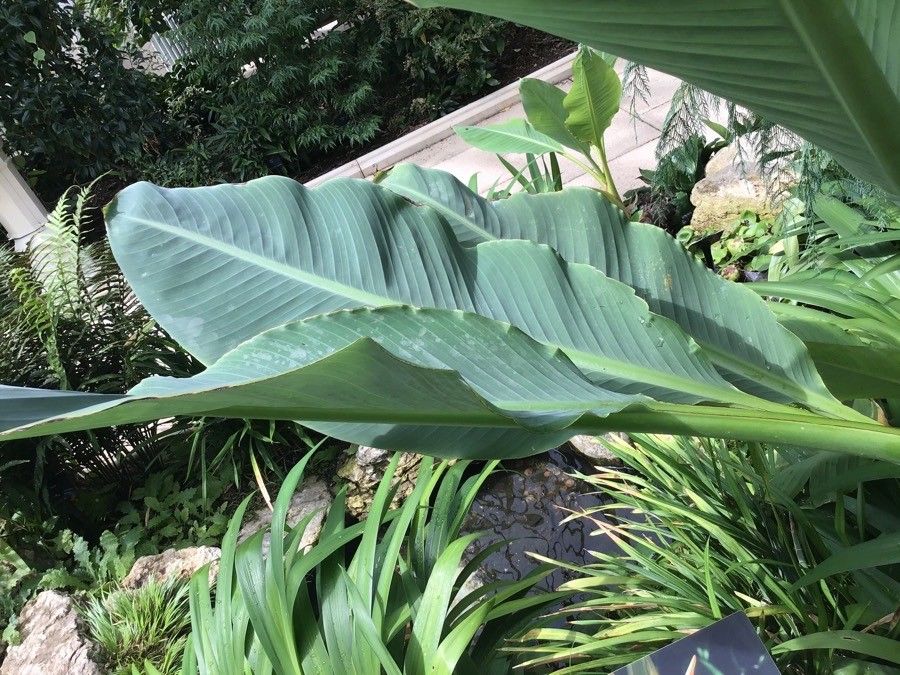
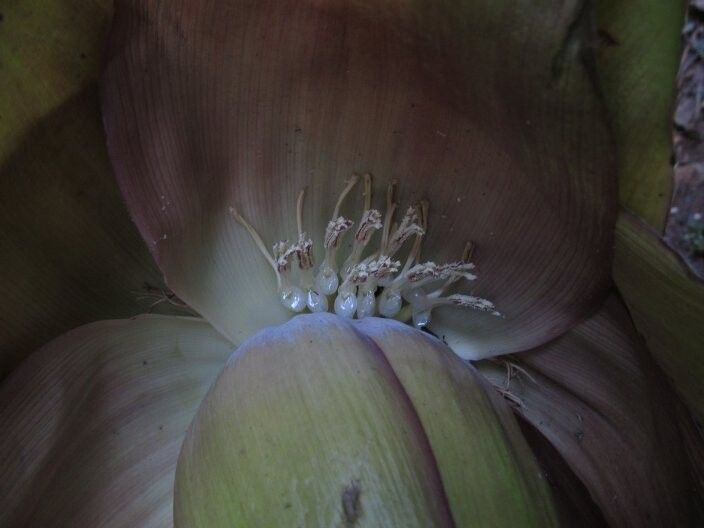
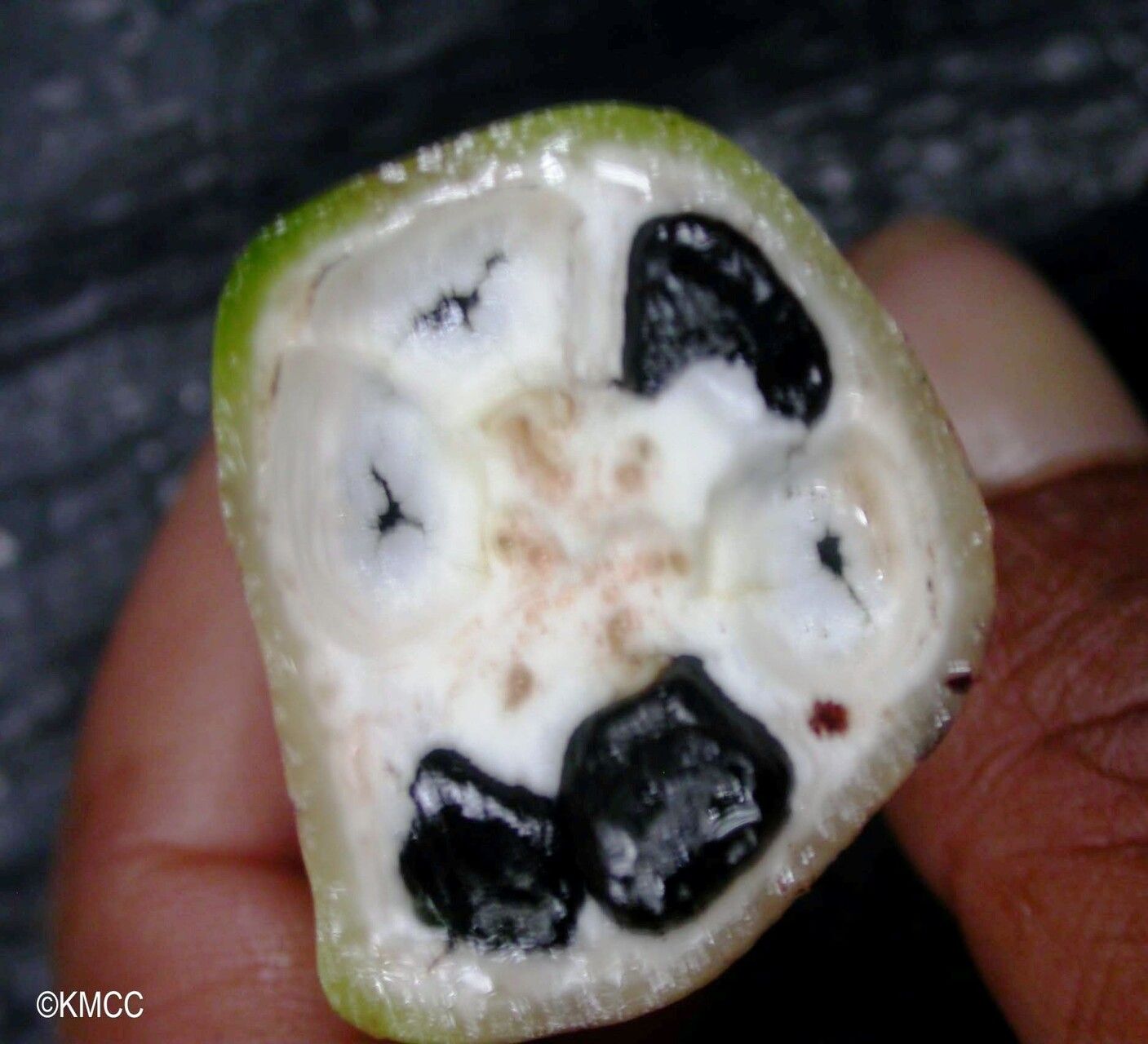
Snow Banana (Ensete glaucum) has eye-catching, huge, thick, waxy leaves and a unique, bulging blue-green trunk. When in bloom, the brilliant green inflorescences (flower heads) can grow up to one foot wide and are sometimes characterized as resembling elephant trunks. When given the correct conditions, a tropical species related to the banana is a fast-growing, remarkably resilient, and easy-to-grow plant.
Snow banana has moderate resistance to disease but can be susceptible to problems like leaf spot. Its susceptibility to insect pests varies by variety, although most types have relatively low pest resistance. For care, Snow banana needs consistent watering and fertilizing, along with frequent removal of yellow leaves. Controlling pests and diseases as they arise and harvesting the plant promptly are important. Snow banana is suited to people who can spare some time and effort for regular upkeep.
How to keep Ensete Glaucum.
Light
Snow banana performs best when given a generous amount of sunlight each day, which promotes healthier growth. It can tolerate lower light levels too, but only in moderation. Both excessive and insufficient light can lead to health problems. This mirrors its native environment, where strong sun exposure is common.
Water
The snow banana, which comes from high-altitude regions, thrives in consistently moist soil and requires weekly watering. When grown outdoors in cooler climates, it benefits from mulching. This practice helps retain moisture and protects the plant from temperature fluctuations.
Temperature
Snow banana is a plant native to areas where temperatures range from 68 to 95 °F (20 to 35 ℃). It favors these warm climates and may require temperature adjustments in colder seasons to replicate its natural habitat.
Fertilizer
For Snow banana, choose natural organic materials such as compost, grass clippings, or manure. A slow-release granular fertilizer or a commercial fertilizer may be used, but only sparingly. Work the organic fertilizer into the soil before planting. Usually, one to two fertilizer applications per growing season are adequate for a plentiful harvest.
Pruning
The snow banana plant is known for its large blue-green leaves and benefits from pruning in the spring. To encourage growth, remove any dead or damaged leaves at their base and trim the side shoots to strengthen the stem. Pruning carefully enhances the plant's vitality and ornamental appeal; however, avoid over-pruning to prevent developmental problems.
Botanical profile.
- Plant Type
- Herb
- Life Cycle
- Perennial
- Genus
- Ensete
- Family
- Musaceae
- Hardiness Zone
- 9
- Mature Height
- 7.01 m
- Mature Spread
- 3.05 m
- Leaf Color
- Light Green, Medium Sea Green
- Leaf Type
- Evergreen
- Flower Color
- Purple
- Flower Size
- 10.16 cm to 15.24 cm
- Bloom Time
- Summer
- Planting Time
- Summer, Autumn
- Harvest Time
- Late summer, Fall
- Native Area
- Nepal, India, Indonesia, Vietnam, Myanmar, Philippines, Bangladesh, Thailand, China
Other names.