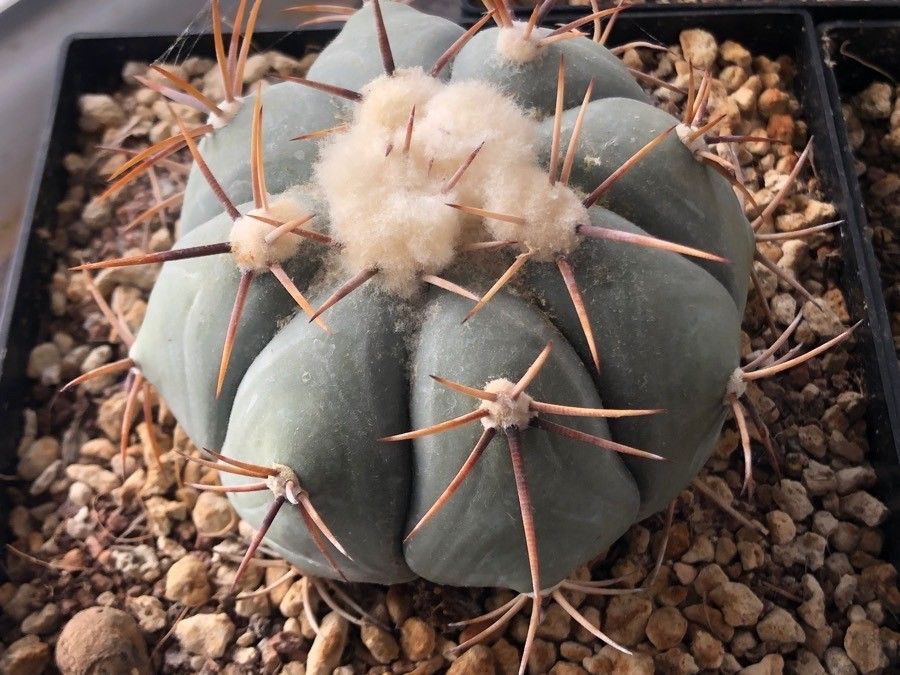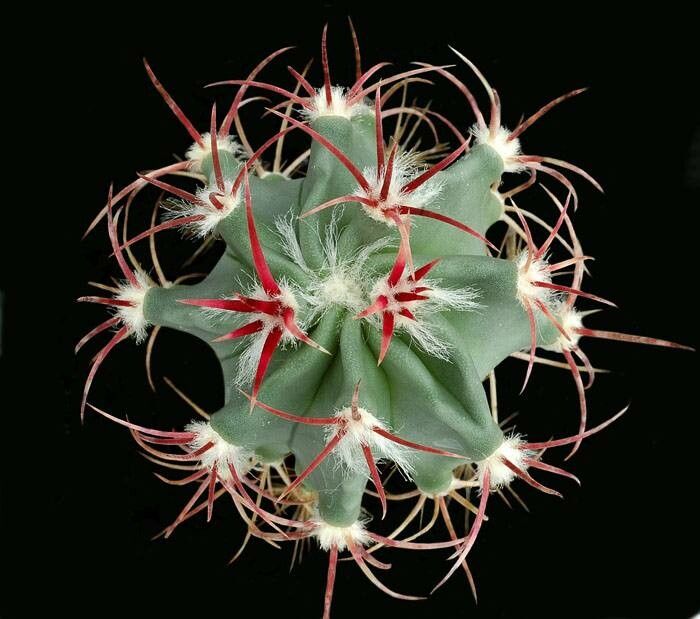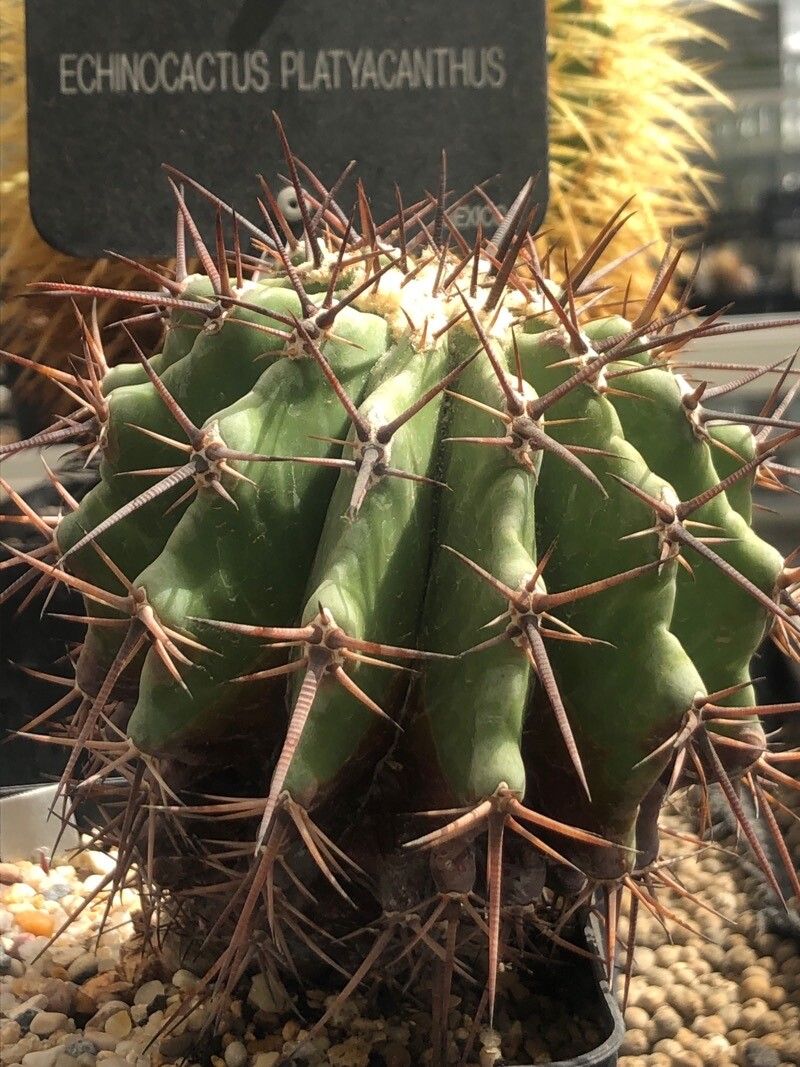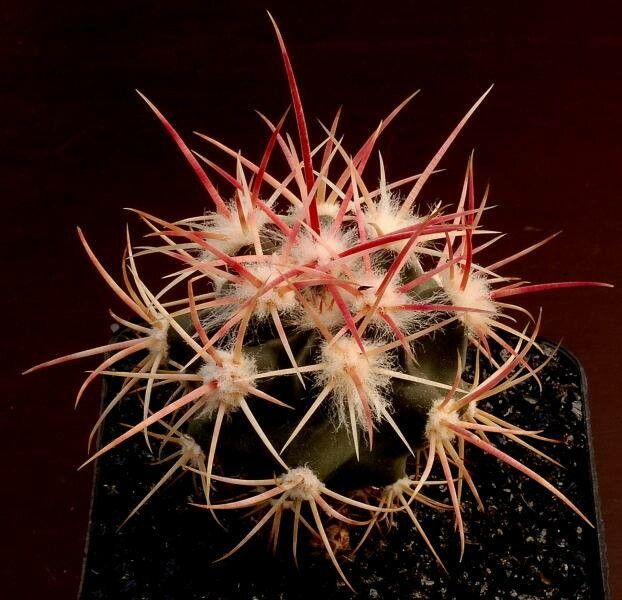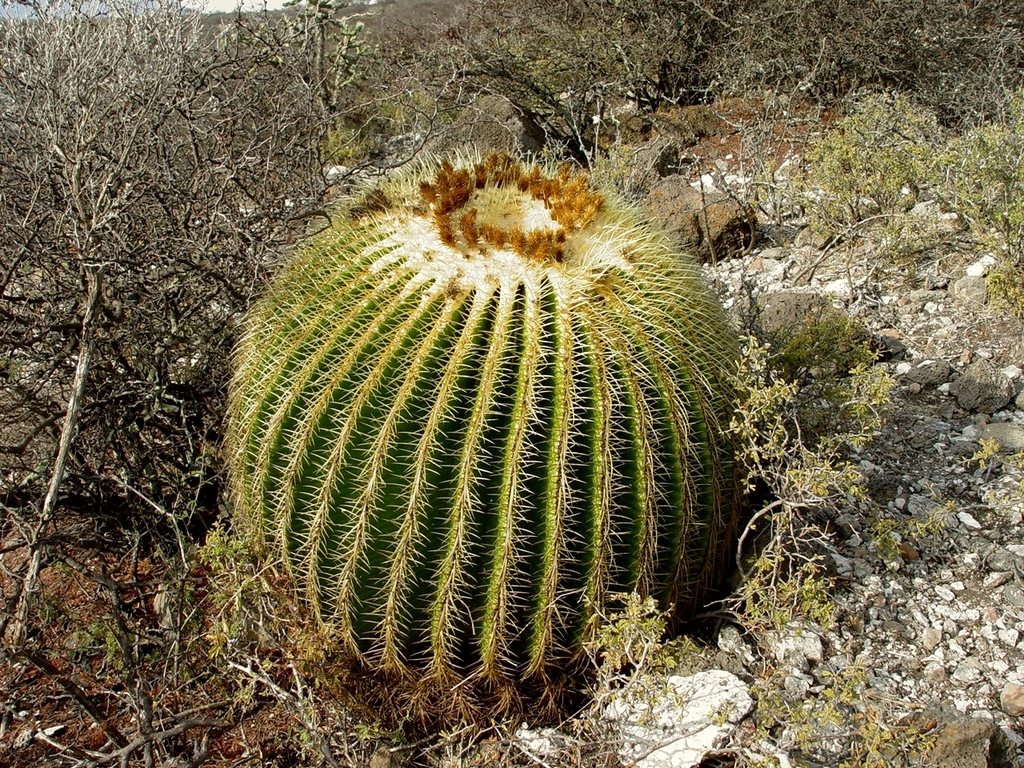
Echinocactus grusonii, commonly known as the Golden Barrel Cactus, is a beloved ornamental plant native to Mexico. This slow-growing cactus can reach up to 1 meter in height and 60 cm in diameter. It features a distinctive spherical shape with numerous ribs adorned by golden-yellow spines.
The Golden Barrel Cactus thrives in well-draining soil and full sun exposure. It is drought-tolerant and can endure long periods without water, making it an ideal choice for xeriscaping gardens or arid landscapes.
In the wild, Echinocactus grusonii inhabits rocky areas at high altitudes, where it provides shelter for small animals such as lizards and birds. During the summer months, it produces bright yellow flowers that attract pollinators such as bees.
Legend has it that in the beginning, the cactus neither blossomed nor had any thorns. It was merely a nondescript green ball, yet it possessed remarkable vitality and could survive even in the desert. A landlord, who had a deep love for flowers, collected many rare plants from around the world. Among these, he inadvertently brought home the unassuming green cactus ball. He set up a flower shed and hired a gardener to tend to his collection. The gardener found a flowerpot, filled it with soil, and placed the cactus ball in a corner of the shed. Meanwhile, the other plants in the shed competed to produce the most vibrant and elegant blooms, creating a stunning display. These beautiful flowers attracted visitors from the village, and as their renown grew, they began mocking the plain cactus ball, insisting it didn't belong in the greenhouse with them. This ridicule angered the cactus ball, and it tried desperately to grow flowers but failed. Instead, it sprouted thorns, which became a source of further mockery from the other plants. Undeterred, the cactus persevered, its determined spirit eventually catching the attention of the flower fairy. Moved by the cactus's resilience, she planted a precious flower seed in its pot. To everyone's astonishment, the cactus ball bloomed immediately, surprising those who had once scorned it. FUN FACT · FROM THE LIBRARY
Due to its unique appearance and low maintenance requirements, Echinocactus grusonii has become a popular choice among gardeners worldwide. However, over-harvesting from its natural habitat for ornamental purposes and the illegal trade of wild specimens have placed this species under threat. Since 2013, it has been listed as "Endangered" on the IUCN Red List of Threatened Species. Habitat loss due to urbanization, agricultural expansion, and climate change further exacerbates the risk to its survival, given its limited distribution range within Mexico's deserts.
Overall, this plant serves not only an aesthetic purpose but also plays an important ecological role within its native environment. Conservation efforts are crucial for ensuring the survival of Echinocactus grusonii in the years to come.
The Golden Barrel Cactus is a rare species in the wild and is classified as endangered. Today, it is primarily cultivated in gardens. This cactus has a distinctive round, globe-like shape and is covered with sharp, golden spines, resembling a barrel, which is how it got its name.
Golden barrel cactus has strong resistance to disease and generally remains healthy under typical care. That said, it can be vulnerable to mealybugs; these pests may cause some harm but usually do not pose a major threat. Regarding care, the Golden barrel cactus is drought-tolerant and does not require frequent watering. It can endure extended intervals without water and needs little fertilizer. However, it is very prone to root rot if exposed to poor lighting and excess watering. In summary, the Golden barrel cactus is a good choice for those who prefer low-maintenance plants, but it is still necessary to know and meet its basic requirements. It is especially well suited to people who are away for long stretches and might neglect regular watering.
How to keep Echinocactus Grusonii.
Light
The golden barrel cactus prefers locations with abundant sunlight, though it can also adapt to places that receive lower amounts of sun each day. Native to areas that resemble desert conditions, these cacti thrive under such light. Too much sun can cause scorching, whereas insufficient light may result in poorly developed plants.
Water
The golden barrel cactus thrives in arid environments due to its high drought tolerance, requiring water only once every three weeks. Native to regions with low rainfall, it prefers well-drained soil to avoid waterlogging, which mimics its natural habitat. This makes it ideal for outdoor settings.
Humidity
This plant prefers dry conditions, so don't mist it. However, watering it less often can also thrive in higher humidity.
Temperature
Native to environments where temperatures range from 20 to 38 ℃ (68 to 100.4 ℉), the golden barrel cactus prefers hot conditions but can withstand winter lows down to 10 ℃ (50 ℉). Regulate temperatures by keeping it away from cold drafts during cooler periods or by providing partial shade in the hottest months.
Fertilizer
Golden barrel cactus require only light applications of fertilizer once or twice a year during the growing season. Do not fertilize in winter or in summer when it is dormant. Cut back on fertilizer for plants that have been repotted and wait a couple of months after repotting before fertilizing. Fertilizing helps maintain healthy growth and promotes blooming.
Pruning
The golden barrel cactus requires very little pruning. To improve its vitality and appearance, simply remove any withered flowers and branches. This will help direct nutrients to healthy growth.
Pot & Repot
Repot Golden barrel cactus in spring or summer, placing it in a pot slightly larger than the current one with good drainage. Use a well-draining, sandy or gritty cactus mix. Handle it with care to avoid spikes. Allow the cactus to dry out before repotting to prevent root rot. After repotting, wait one week before watering to allow the roots to heal.
Toxicity
The golden barrel cactus is safe to have around both humans and animals. However, handling with care is a must as its spines are sharp.
Further reading →
The toxicity and danger assessments provided are for reference only. We do not assure their accuracy, so it's crucial not to depend on them. Seek professional advice when necessary for accurate guidance.
Botanical profile.
- Plant Type
- Succulent, Shrub
- Life Cycle
- Perennial
- Genus
- Echinocactus
- Family
- Cactaceae
- Hardiness Zone
- 9-12
- Mature Height
- 0.2 m to 1.22 m
- Mature Spread
- 40 cm to 76 cm
- Leaf Color
- Green, Yellow
- Leaf Type
- Evergreen
- Flower Color
- Yellow
- Flower Size
- 3.05 cm to 5.08 cm
- Bloom Time
- Early summer, Mid summer
- Planting Time
- Spring, Autumn
- Harvest Time
- Mid summer
- Native Area
- Rocky volcanic slopes of Mexico, SW United States
Other names.
Reader questions.
What should I do if I give my Golden barrel cactus too much or too little water?
Golden barrel cacti are known for their ability to withstand long periods without water, so it's unusual to see them suffering from underwatering. However, if you have forgotten to water your cactus for a month or more, you may notice it looking thirsty or damaged. Underwatered cacti have shriveled, dry, and flat leaves, some of which may have turned brown and crispy or fallen off. The soil will also be completely dried out. To remedy this, you should give your cactus plenty of water by submerging the pot in water for 5-10 minutes. Once the soil feels moist on the surface, the watering is sufficient. Remove any dried-out leaves to make way for new growth. Overwatering is a serious problem for golden barrel cacti and can be fatal if not addressed. Excessive moisture over time leads to root rot, which prevents the roots from absorbing nutrients and water from the soil. Root rot occurs when fungi and bacteria thrive in wet soil and feed on the roots. Signs of overwatering include yellow, swollen, and translucent leaves that may burst open. If left untreated, leaves may turn brown or black and fall off easily. It's important to check the soil to confirm if overwatering is the issue or if there are other causes for similar symptoms. Saving an overwatered plant is challenging but possible if caught early. If you suspect overwatering, remove the cactus from the pot and examine the roots and soil. Remove wet soil, rinse the roots in room-temperature water to remove fungus, and assess their health. Dark brown or black, soft, mushy, or slimy roots indicate root rot. If the majority of roots are affected, it may not be possible to save the plant, and propagating from healthy leaves is the best option. If only a portion of the roots are affected, there is a chance of saving the cactus. Remove unhealthy-looking roots with sterilized tools, dip the remaining roots in fungicide, and repot in fresh, well-draining soil. While not guaranteed, this process often allows the cactus to make a full recovery and produce new growth in the next growing season.
Why should I put fertilizer on my Golden barrel cactus?
Fertilizing Golden barrel cactus during the growing season promotes healthy growth and blooming. Although it already stores water and nutrients, adding plant food enhances its overall nourishment.
What are the sunlight requirements for a golden barrel cactus?
A golden barrel cactus thrives under full sun exposure, which is above 6 hours of sunlight daily, but it can also adapt to partial sun, defined as about 3-6 hours of sunlight. To ensure your cactus grows healthy, it's crucial to position it in spots that harmonize light and shade appropriately, following its native desert-like conditions' needs. Monitoring how sunlight moves through your garden helps in choosing the perfect balance for your plants, guaranteeing their well-being.
What are the ideal growing conditions for the Golden Barrel Cactus?
The Golden Barrel Cactus, botanically known as Echinocactus grusonii, thrives in hot environments, with temperature preferences ranging from 20°C (68°F) to 38°C (100.4°F). Despite its love for warm weather, it can withstand colder temperatures down to 10°C (50°F) during the winter months. To adapt to these temperature preferences, it's important to avoid cold drafts in cooler temperatures and provide partial shade during the peak of summer. If the outdoor temperature dips below freezing (0°C), the cactus should be moved indoors, ideally near a south-facing window, to continue its cultivation with ample sunlight. In cases of insufficient natural light, supplemental lighting can be used. During colder periods when the temperature falls below 20°C, the plant’s growth slows down, and watering should be minimized or completely stopped to prevent root rot. For those growing the cactus outdoors, cease watering entirely during cold temperatures, and consider setting up a temporary greenhouse or using insulating materials like plastic film or fabric to protect the plant.
How frequently should I give water to my Golden barrel cactus?
Determining the frequency of watering for Golden barrel cactus can be a flexible process. To simplify this, check the soil and only water when it is completely dry. You can use a finger or moisture meter to assess the moisture level beneath the surface. If the soil feels slightly damp, wait a few days and recheck. In general, watering every two weeks during summer and once a month during winter should suffice for most people. However, it is important to consider other factors that can influence watering frequency. The section below provides a list of these factors to assist in determining the appropriate watering schedule.
When should I fertilize my Golden barrel cactus?
Golden barrel cacti thrive with some added nutrients, but they only require a small amount of fertilizer during their growing season. To ensure optimal growth, it is recommended to fertilize them 1-2 times a year. Spring and autumn are the ideal seasons for fertilizing, while winter and summer, when the cactus is dormant, should be avoided. Take caution with repotted plants as they may need less fertilizer. It is advisable to wait a couple of months after repotting before beginning to apply fertilizer.
How do I ensure my indoor golden barrel cactus gets enough light?
For indoor golden barrel cacti, ensuring adequate light involves natural and artificial lighting strategies. When natural sunlight is insufficient, especially during winter or in less sunny spaces, artificial lighting becomes essential. LED lights are recommended for their ability to be customized to the specific light wavelengths needed by plants. Full sun plants require 30-50W/sq ft, partial sun plants need 20-30W/sq ft, and full shade plants should have 10-20W/sq ft of artificial light. The light source should be placed 12-36 inches above the plant to mimic natural sunlight, with 8-12 hours of light per day to promote faster, healthier growth.
How do you care for a Golden Barrel Cactus during low temperatures?
Caring for a Golden Barrel Cactus during low temperatures involves protecting it from conditions that it does not tolerate well, such as temperatures below 20°C. It's crucial to keep the plant above 0°C during winter to avoid damage. Exposure to temperatures below -5°C can weaken the plant, leading to wilt and a higher risk of root rot. In the event of mild frost damage, symptoms might not be immediately visible, but withering can occur gradually over a week. To mitigate frost damage, trim off the frostbitten areas while checking for root rot. If root rot is found, affected roots should be cut off, and the plant may be propagated through cuttings. Immediately move the plant indoors to a warmer environment and place it near a south-facing window for maximum sunlight exposure. If sunlight is not sufficient, consider using supplemental lighting.
What do I need to think about when watering my Golden barrel cactus?
To properly water your Golden barrel cactus, there are a few environmental factors to consider. Firstly, the size of the container and type of soil will determine the frequency and amount of water needed. Ensure your container has ample drainage holes to prevent excess water buildup. Smaller containers will hold less moisture and require more frequent watering, while larger pots will retain more water and need less frequent watering. Avoid using oversized pots, as this can lead to overwatering. When repotting, choose a container just one size larger than the current one. Opt for a shallow container, as Golden barrel cactus has shallow roots. The watering schedule of the Golden barrel cactus also varies with the seasons. In winter, when growth slows down and evaporation rates are lower, watering can be reduced. However, in the active growing seasons of spring and autumn, more frequent watering is necessary. Additionally, the general climate of your location plays a role in watering frequency. In humid and rainy areas, less frequent watering is required compared to dry and arid climates. Remember that weather conditions can fluctuate within the same geographic location due to seasons and indoor heating or air conditioning use. If your Golden barrel cactus is planted in the ground, it generally won't need additional watering once its root system is established, relying on natural precipitation and dew. However, during extended dry periods, occasional watering may be necessary. For those growing the cactus in containers, it can be moved outdoors in spring and summer when temperatures are suitable and brought back indoors as temperatures drop. A potted Golden barrel cactus kept outside will usually require more water due to increased sun exposure, even if it's in a shaded area.
When is it not a good idea to give my Golden barrel cactus fertilizer?
The Golden barrel cactus, like other plants, goes through a dormancy period. During this time, it's best to avoid using fertilizer. The plant stops growing in both summer and winter, so fertilizer should also be avoided then. Additionally, after repotting in spring, it's a good idea to wait a couple of months before applying fertilizer again.
What symptoms indicate my golden barrel cactus is getting too much or too little light?
Symptoms of improper lighting for a golden barrel cactus include leggy or sparse growth, which shows as stretched-out appearances due to longer spaces between leaves or stems; slower or halted growth as the plant enters survival mode; chlorosis, where leaves turn yellow from breakdown of chlorophyll due to excessive sunlight; sunscald, presenting as pale, bleached areas on the plant from intense sun exposure; leaf curling or twisting as a defense against extreme sunlight; wilting from increased water loss and difficulty in maintaining hydration; and leaf scorching, seen as brown, dry edges on leaves from excessive sunlight. These symptoms point to the need for adjusting the plant’s light exposure.
What should be done if a Golden Barrel Cactus is exposed to high temperatures?
For a Golden Barrel Cactus, it is essential to keep its environment below 38°C (100.4°F) during the summer months. Exposure to temperatures exceeding 43°C (109.4°F) can halt the plant’s growth, causing water loss, wilting, and an increased risk of sunburn. In such cases, any sunburned and rotten parts should be removed, and the plant should be shielded from direct afternoon sunlight until it shows signs of recovery and resumes growing. If root rot is present due to excessive watering, refrain from watering the plant until new roots start to grow, thereby facilitating the plant's recovery from high temperature stress.