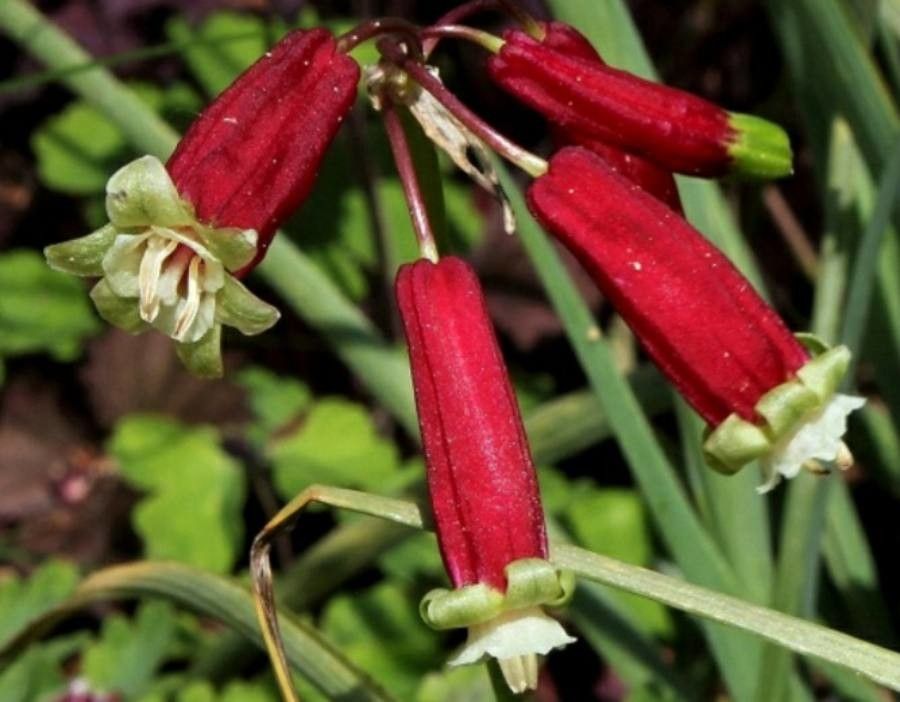
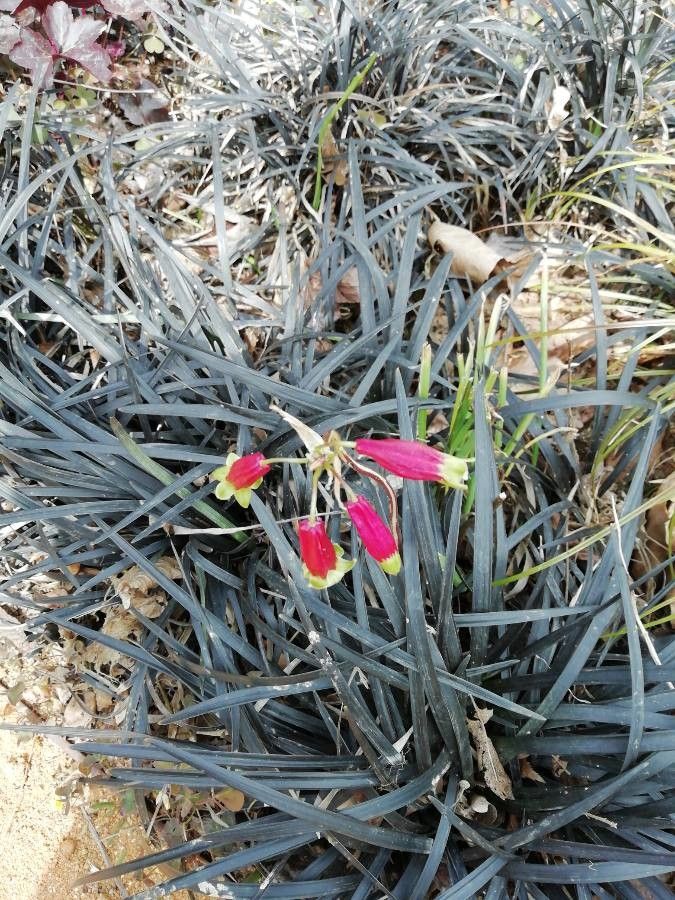
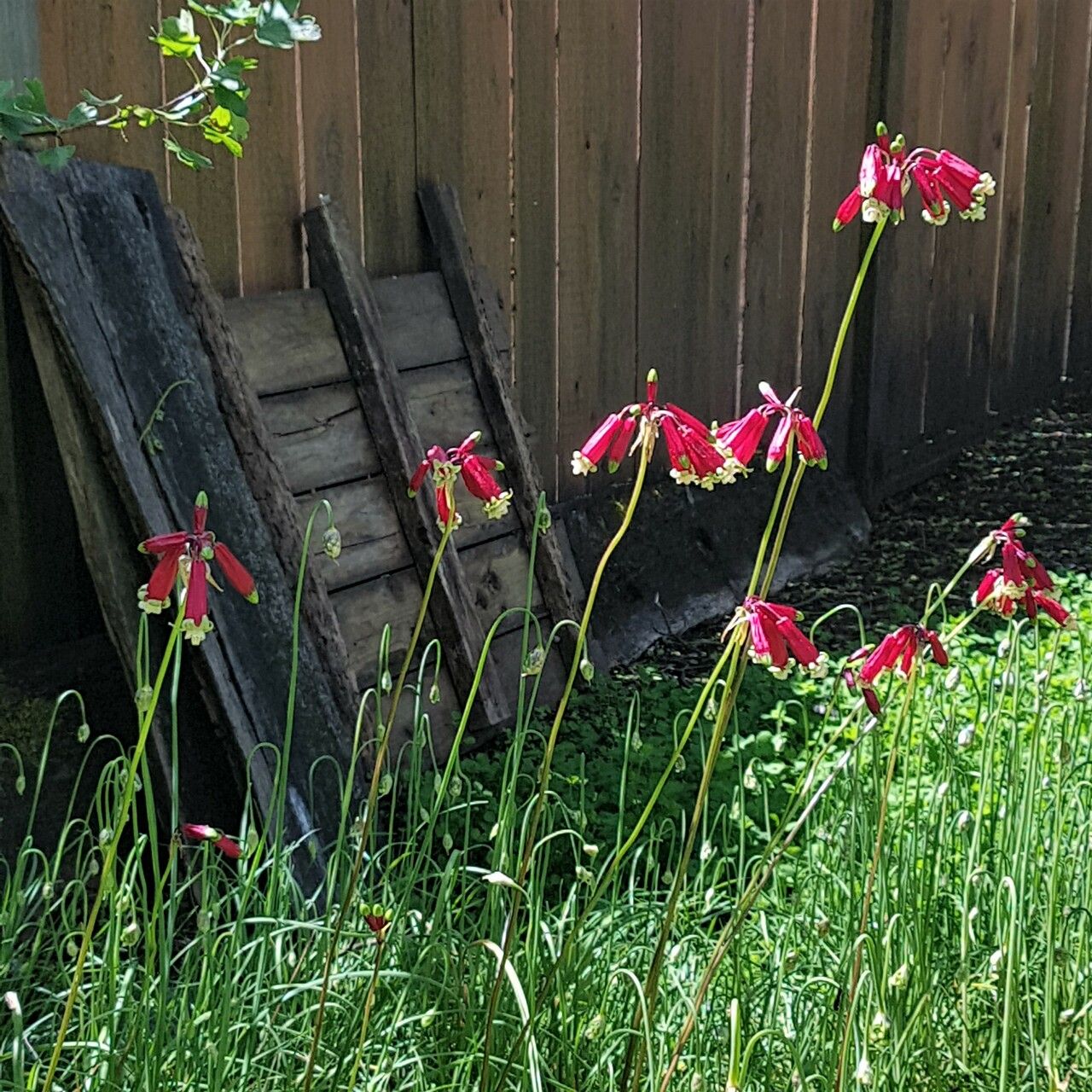
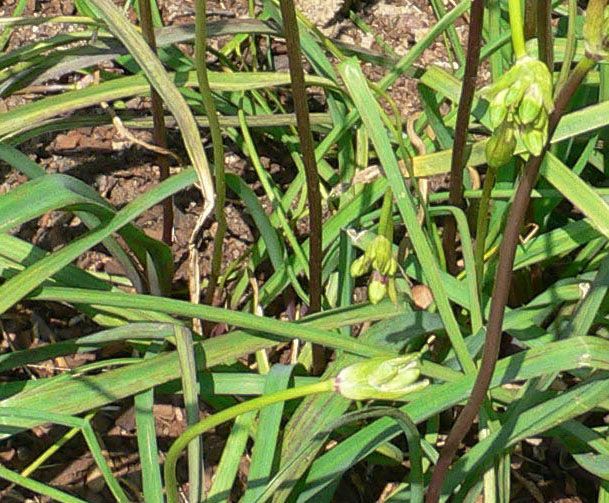
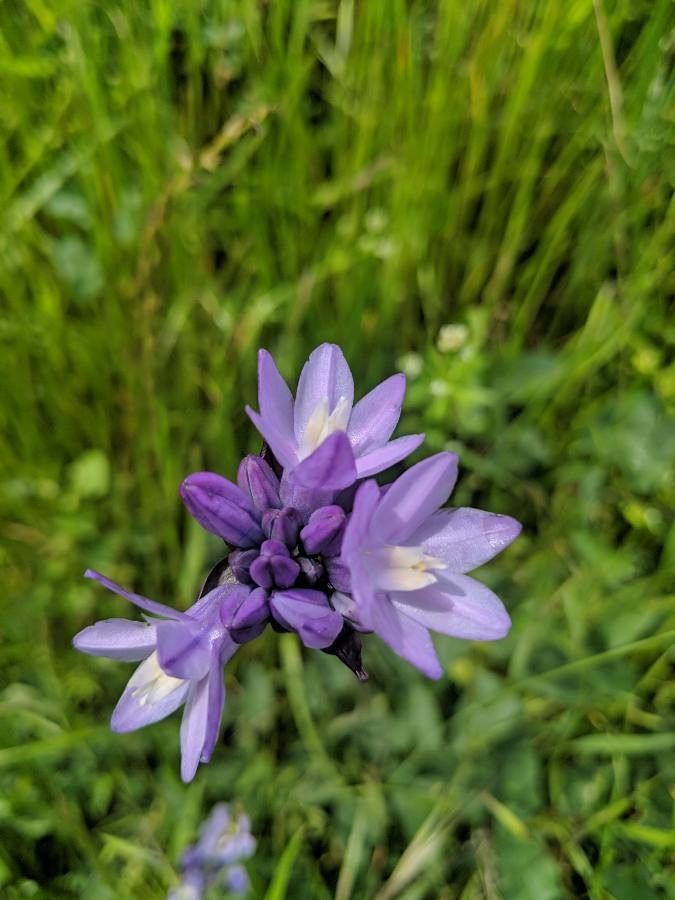
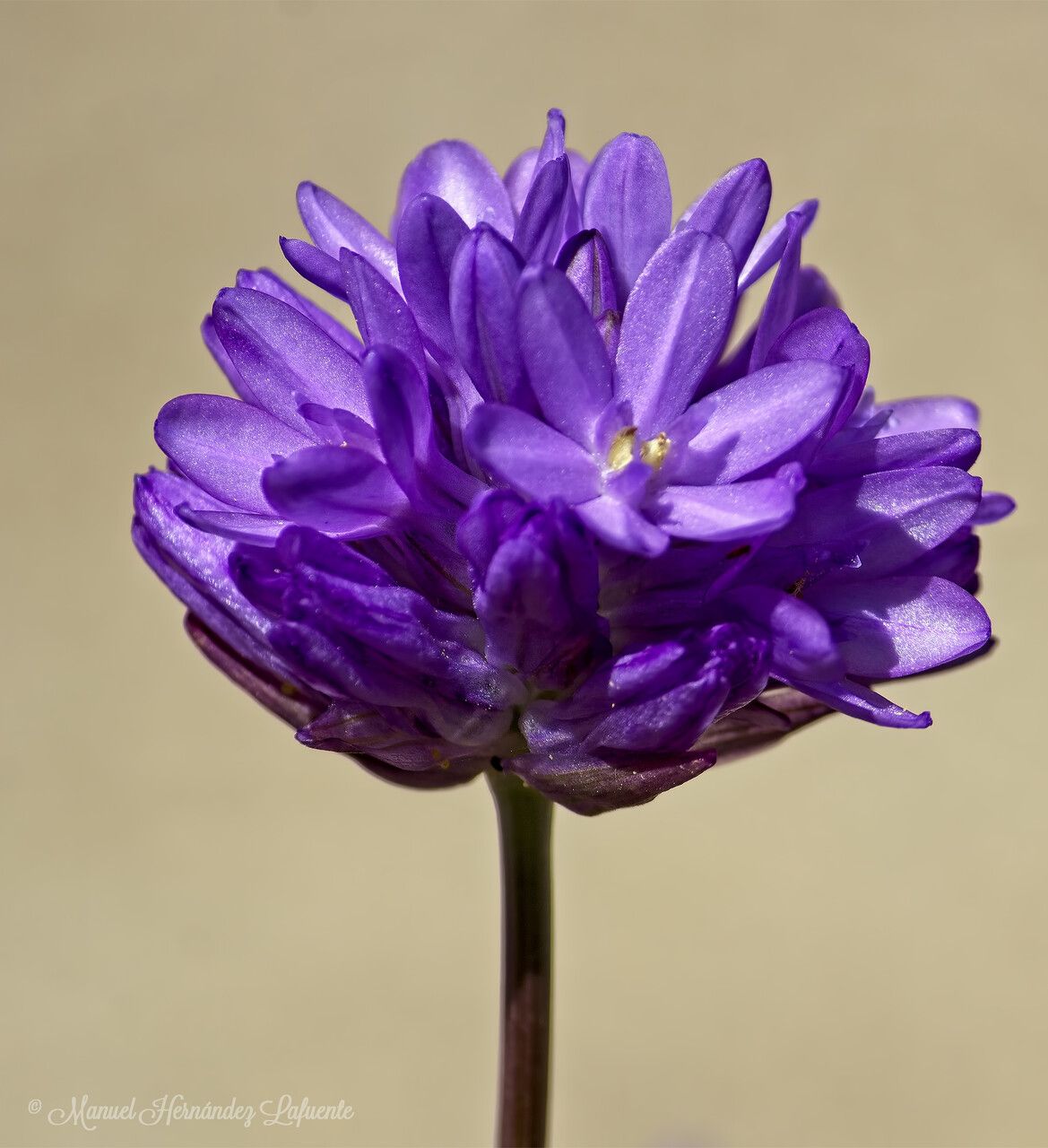
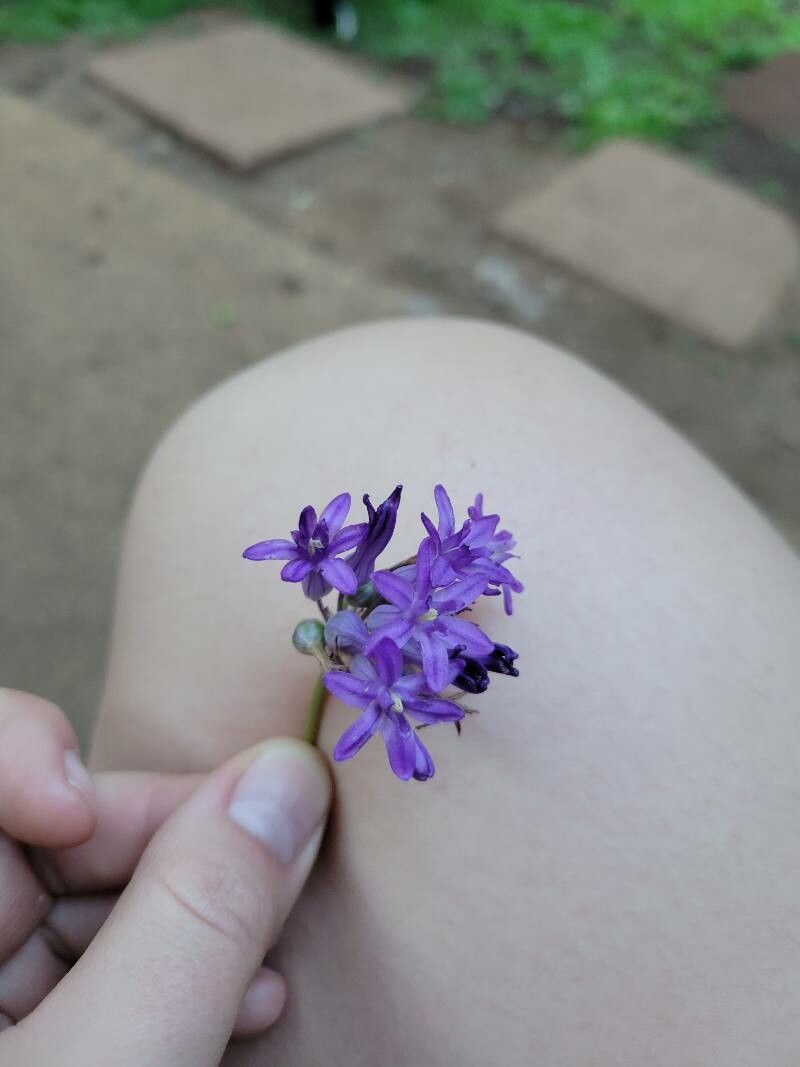
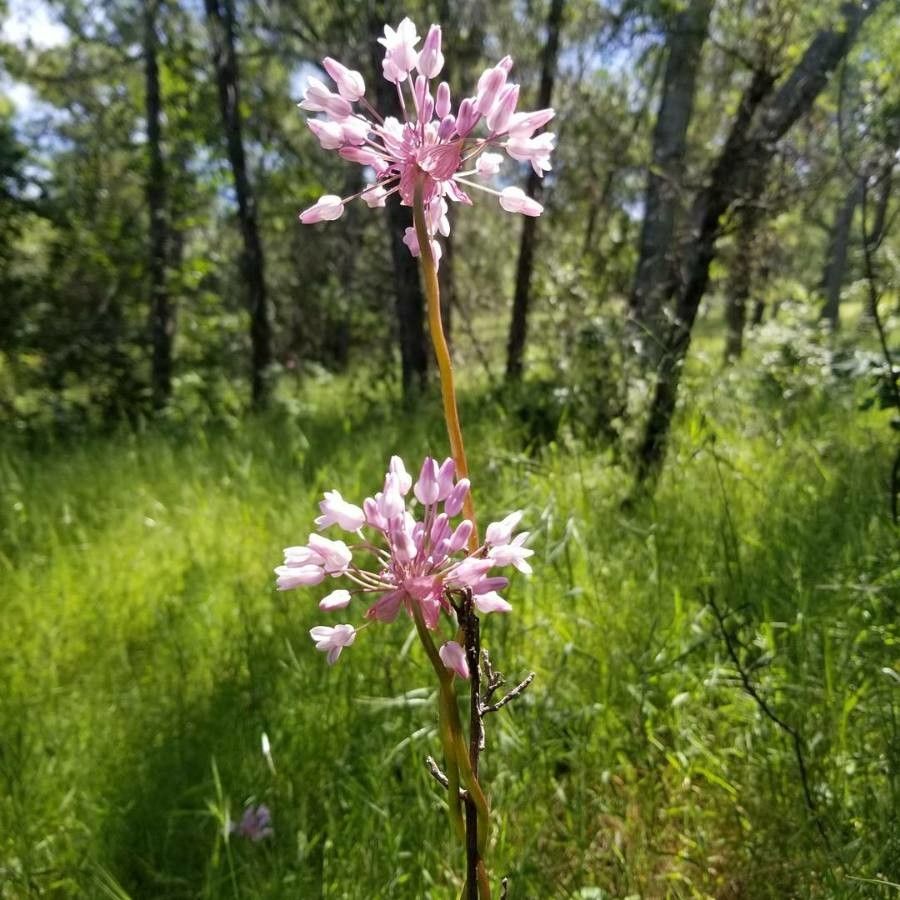
Dichelostemma ida-maia is a species of flowering plant known as firecracker flower. It is native to northern California and southern Oregon, where it grows in mountain forests, woodlands, and coastal meadows. It is also widely cultivated as an ornamental plant for its showy crimson and cream flowers. Dichelostemma ida-maia is a perennial which erects a tall, naked stem topped with an umbel of six to 20 flowers. Each flower is a cylindrical red tube two to three centimeters long. The tip of each flower lobe curls back to reveal a shiny white underside. The curls rim the mouth of the tubular flower in a corona, surrounding the small anthers and a stalked ovary. The flower hangs when it is in anthesis and holds itself erect as the fruit develops. One umbel may have some hanging flowers and some erect fruiting flowers at the same time.
Firecracker flower has strong resistance to disease and generally does not get sick easily. Still, it can be affected by pests and diseases that exist in its surroundings. Such infections are typically mild. Regarding care, this plant needs a moderate amount of attention. It should be pruned regularly to preserve a good appearance and support healthy growth. Applying fertilizer can also encourage more blooms. Firecracker flower is appropriate for anyone who has outdoor space, like a garden or patio, and it does not demand extensive gardening experience. When grown indoors, it may need extra care.
How to keep Dichelostemma Ida Maia.
Light
Firecracker flower does best in places where sunlight is free from interruption for the whole day. Sites that receive full daylight each day promote its healthy development. Excessive shading can cause stunted growth and lowered vigor, while continual strong sunlight generally does not cause major problems for this plant. The habitat it originated from was typically rich in sunlight.
Water
The Firecracker Flower thrives in conditions that mimic its native habitat, which includes occasional dry periods. It is highly drought-tolerant, so watering every two weeks is recommended once the plant's needs are understood. This plant does well outdoors, taking advantage of seasonal rains that help boost its flowering potential.
Temperature
The firecracker flower comes from areas where temperatures range from 41 to 89.6°F (5 to 32℃), reflecting its adaptation to moderate climatic conditions. In different seasons, adjustments may be necessary if the external environment does not meet these temperature preferences.
Fertilizer
The best time to fertilize Firecracker flower is in early spring, while the blooms are forming. Using the correct fertilizer promotes stronger blooms and helps the Firecracker flower produce attractive flowers. Applying fertilizer in early spring guarantees excellent flowering through the season and supplies energy for its dormant growth stages.
Pruning
The Firecracker flower produces vibrant red tubular blooms and can be enhanced with pruning from early to late spring. To promote healthy growth, remove spent blossoms and dead foliage, but avoid heavy cutting. This practice helps improve air circulation, reduces the risk of pests, and maintains the plant's vigor.
Botanical profile.
- Plant Type
- Herb
- Life Cycle
- Perennial
- Genus
- Dichelostemma
- Family
- Asparagaceae
- Hardiness Zone
- 5-8
- Mature Height
- 30 cm to 61 cm
- Mature Spread
- 49 cm
- Leaf Color
- Green
- Leaf Type
- Deciduous
- Flower Color
- Red
- Flower Size
- 2.03 cm to 3.05 cm
- Bloom Time
- Mid spring, Late spring, Early summer
- Planting Time
- Spring
- Harvest Time
- Mid summer, Late summer, Early fall
Other names.
Reader questions.
How should I water my Firecracker flower?
To properly water the Firecracker flower, it is best to use filtered water at room temperature. Tap water may have harmful particles that can affect its health. Since the Firecracker flower is accustomed to warm environments, avoid using cold water as it may shock the plant. It is not recommended to water the plant from above, as this can cause issues with the foliage. Instead, slowly pour filtered room temperature water onto the soil until it is thoroughly soaked. This helps to moisturize the roots and allows them to spread and gather nutrients effectively.
Why should I give my Firecracker flower some plant food?
Fertilization is important for the Firecracker flower and other plants because it provides essential nutrients for growth. Although the Firecracker flower has low fertilization needs, annual fertilization can greatly benefit the plant, keeping it alive and promoting the production of longer-lasting flowers. Therefore, those who want their Firecracker flower to flourish should prioritize regular fertilization.
What are the sunlight requirements for a Firecracker flower?
The Firecracker flower requires above 6 hours of sunlight daily to thrive optimally. Observing how sunlight moves through your garden helps in choosing spots that provide a perfect balance of light and shade, ensuring the plants' happiness. Firecracker flower thrives in areas with comprehensive daily light exposure, as its growth can be hindered by excessive shading. Yet, it's well adapted to withstand strong solar exposure without significant threats, reflecting its origin's sunny environment.
What are the ideal temperature conditions for the Firecracker flower?
The Firecracker flower, scientifically known as Dichelostemma ida-maia, thrives in moderate climates, favoring temperatures between 41 to 89.6°F (5 to 32°C). These conditions highlight the plant's adaptation to a range of weather patterns. Although it possesses strong cold resistance, making special frost protection measures usually unnecessary, there are specific temperature-related adjustments to consider in different seasons. For instance, during winters with extreme cold, particularly when temperatures are expected to drop below -25°C, it's crucial to protect the plant by using insulating materials like soil or straw. Additionally, watering the plant abundantly before the first freeze of autumn to maintain soil moisture can help prevent drought and water scarcity throughout the winter and into early spring.
What should I do if I give my Firecracker flower too much water or too little water?
Overwatering is a common issue that can harm your Firecracker flower. It causes wilting and yellowing of the stems and leaves. Over time, it can also lead to diseases like root rot, mold, and mildew, which can be fatal for the plant. Underwatering is less common but still possible. Signs of underwatering include brittle and brown leaves. To prevent damage caused by overwatering, it's important to recognize the signs early and reduce the watering schedule immediately. If the soil doesn't drain well, replace it with a well-draining potting mix. If the plant is not getting enough water, increase the frequency of watering until the signs subside.
What is the ideal time to add fertilizer to my Firecracker flower?
The best time to fertilize a Firecracker flower is in the late winter to early spring when it is transitioning from being dormant to actively growing. Fertilizing during this time promotes healthy growth and helps the plant start the season well. While it is generally recommended to fertilize in early spring, it is also okay to fertilize in the fall. However, it is not advisable to feed the Firecracker flower in summer or winter.
How can artificial lighting be used for indoor Firecracker flowers?
Indoor Firecracker flowers require adequate lighting for optimal growth, especially when natural sunlight is insufficient. During winter or in less sunny spaces, artificial lights are crucial, promoting faster, healthier growth. LED lights are recommended because they can be customized to provide specific wavelengths needed by the plants. Full sun plants need 30-50W/sq ft of light, partial sun plants require 20-30W/sq ft, and full shade plants need 10-20W/sq ft. The light source should be placed 12-36 inches above the plant to mimic natural sunlight, ensuring most plants receive 8-12 hours of light per day.
How does the Firecracker flower react to low temperatures?
The Firecracker flower can tolerate cold well and performs best when temperatures remain above 5°C. During the winter, it is important to keep the environment above -20°C. Should temperatures fall below -25°C, the plant may not show immediate distress, but there could be a reduced rate of sprouting or a complete lack of sprouting come spring. To address this, parts of the plant that have failed to sprout in the spring should be removed.
How often do I need to water my Firecracker flower?
If your Firecracker flower is in a pot, the most accurate way to determine if it needs water is by sticking your finger into the soil. Check if the top two to three inches of soil are dry, and if they are, it's time to water your plant. If you grow your Firecracker flower outdoors in the ground, you can use a similar method to test the soil. Again, if the first few inches of soil have dried out, it's time to add water. In the spring and early fall, watering once a week is usually sufficient. However, during extremely hot weather, you may need to water twice or more per week. It's worth noting that mature and well-established Firecracker flowers have an impressive ability to tolerate drought.
When is it not a good idea to put fertilizer on my Firecracker flower?
To avoid any issues related to overfertilization, it is best to only fertilize your Firecracker flower in late winter and early spring. This plant has low fertilization needs, so a single feeding during this time should be sufficient. If you didn't fertilize in spring, it is also acceptable to feed the plant in the fall. It is important to note that fertilizing throughout the spring, summer, and fall can easily lead to overfertilization and its associated complications. Additionally, there is no need to fertilize the Firecracker flower during the winter months. During this time, the plant is in a dormant growth phase and doesn't produce new growth. Therefore, it is not advisable to fertilize it during most of the winter.
What are the symptoms of light deficiency in Firecracker flowers?
Symptoms of light deficiency in Firecracker flowers include smaller new leaves, leggy or sparse growth, faster leaf drop, delayed or halted growth, and pale or irregularly colored new leaves. These symptoms arise from inadequate lighting, demonstrating the plant's inability to sustain its energy and health. Conversely, exposure to excessive sunlight can cause chlorosis, sunscald, leaf curling, wilting, and leaf scorching, indicating the delicate balance required for optimal plant health.
What should be done if the Firecracker flower is exposed to high temperatures?
In the summer, it is advisable to keep the Firecracker flower below 32°C to avoid heat stress. Exposure to temperatures above 35°C can cause the plant’s leaves to lighten in color, curl, and become prone to sunburn; severe cases may result in the plant wilting and drying out. To mitigate these effects, trim away the sunburned and dried parts of the plant. Shifting the plant to a shadier location during the midday and afternoon sun or using a shade cloth can protect it from direct light. Additionally, watering the plant in the morning and evening helps keep the soil at an appropriate moisture level.