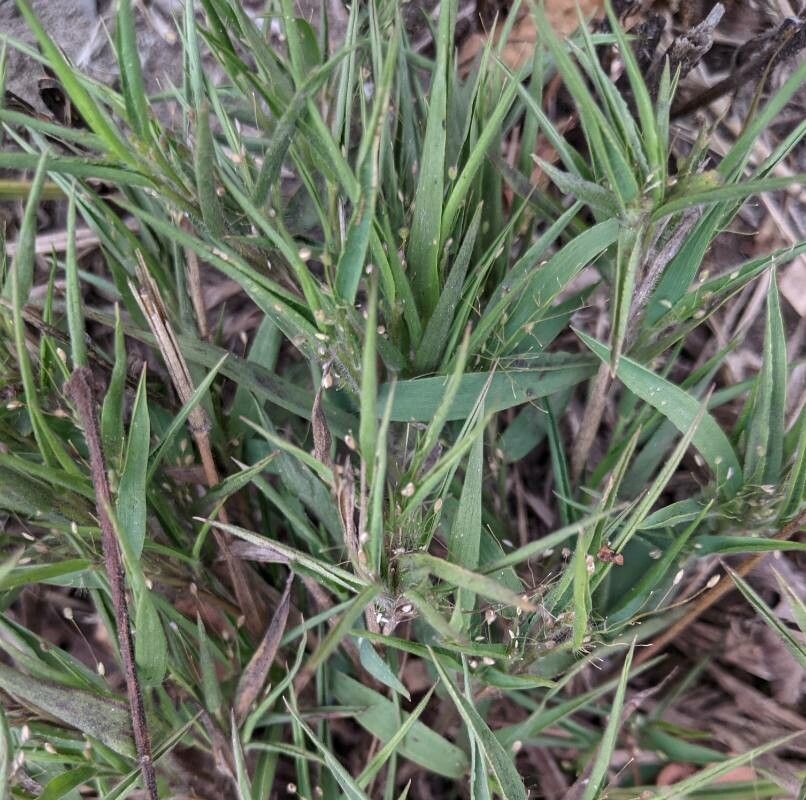
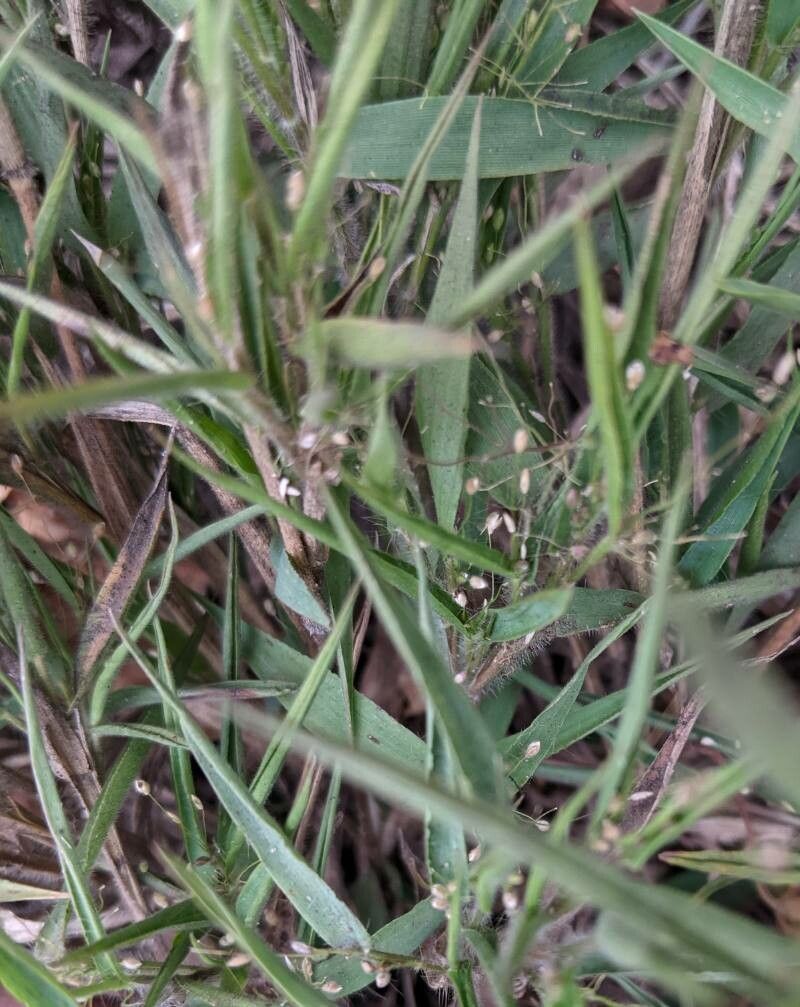
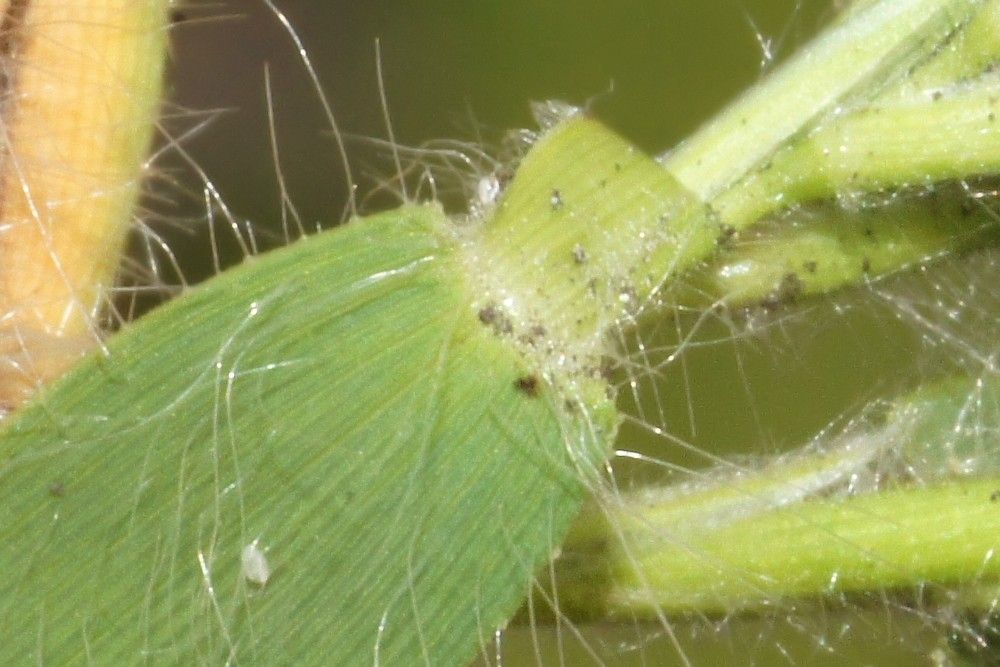
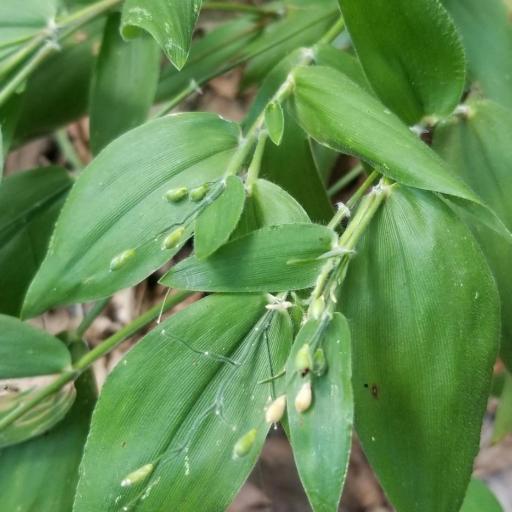
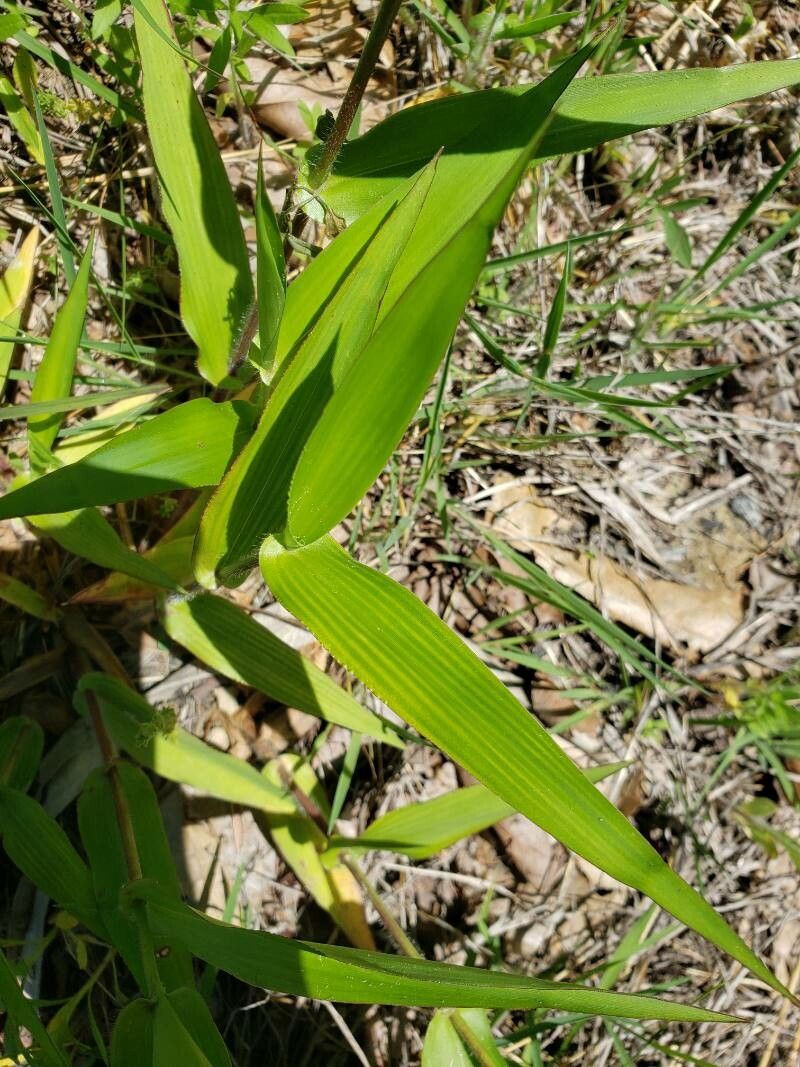
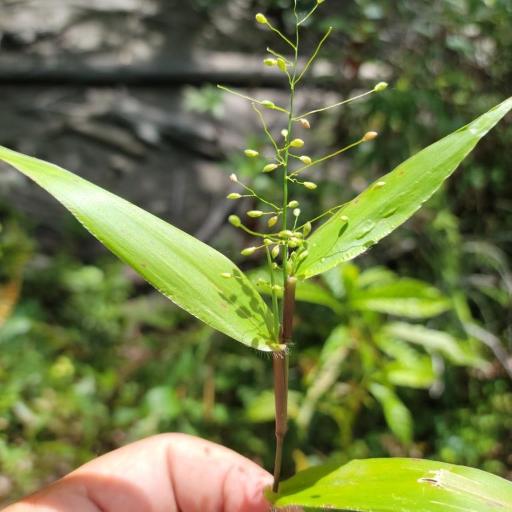
Fewanther Obscuregrass is resistant to disease and is generally not susceptible to illnesses. In terms of upkeep, this plant is fairly low-maintenance. When grown outdoors it needs only light watering, and larger plants typically do not need pruning. Smaller plants, however, should be pruned after they finish blooming. Fewanther Obscuregrasst is appropriate for anyone with an outdoor area, such as a garden or deck, and does not require much care experience.
How to keep Dichanthelium Scribnerianum.
Light
Obscuregrass Fewanther is a perennial herbaceous plant that loves the sun and is native to open environments, frequently flourishing in grasslands and meadows. It prefers full sunlight, but it can also withstand conditions with partial sun.
Temperature
Fewanther Obscuregrass naturally occurs in moderate climatic conditions, prospering in temperatures between 41 and 95 °F (5 to 35 ℃). For the plant to develop effectively, it is best to not expose it to temperatures below this particular range, notably during the cold winters. Keeping an eye on and making suitable adjustments to the environment are necessary to cater to its requirements.
Fertilizer
Additional nutrients are required by Fewanther Obscuregrass to encourage robust new growth. Distributing some compost around the plant's base during spring can successfully deliver the essential nutrition it requires. The process of fertilizing contributes to promoting energetic growth and assisting the plant in warding off diseases and pests.
Botanical profile.
- Plant Type
- Grass
- Life Cycle
- Perennial
- Genus
- Dichanthelium
- Family
- Poaceae
- Hardiness Zone
- 5-9
- Mature Height
- 15 cm to 49 cm
- Mature Spread
- 20 cm to 40 cm
- Leaf Color
- Green, Dark Green
- Leaf Type
- Semi-evergreen
- Flower Size
- 3.05 cm to 7.62 cm
- Bloom Time
- Late spring, Early summer, Mid summer
- Planting Time
- Spring
- Harvest Time
- Early summer, Mid summer
Other names.