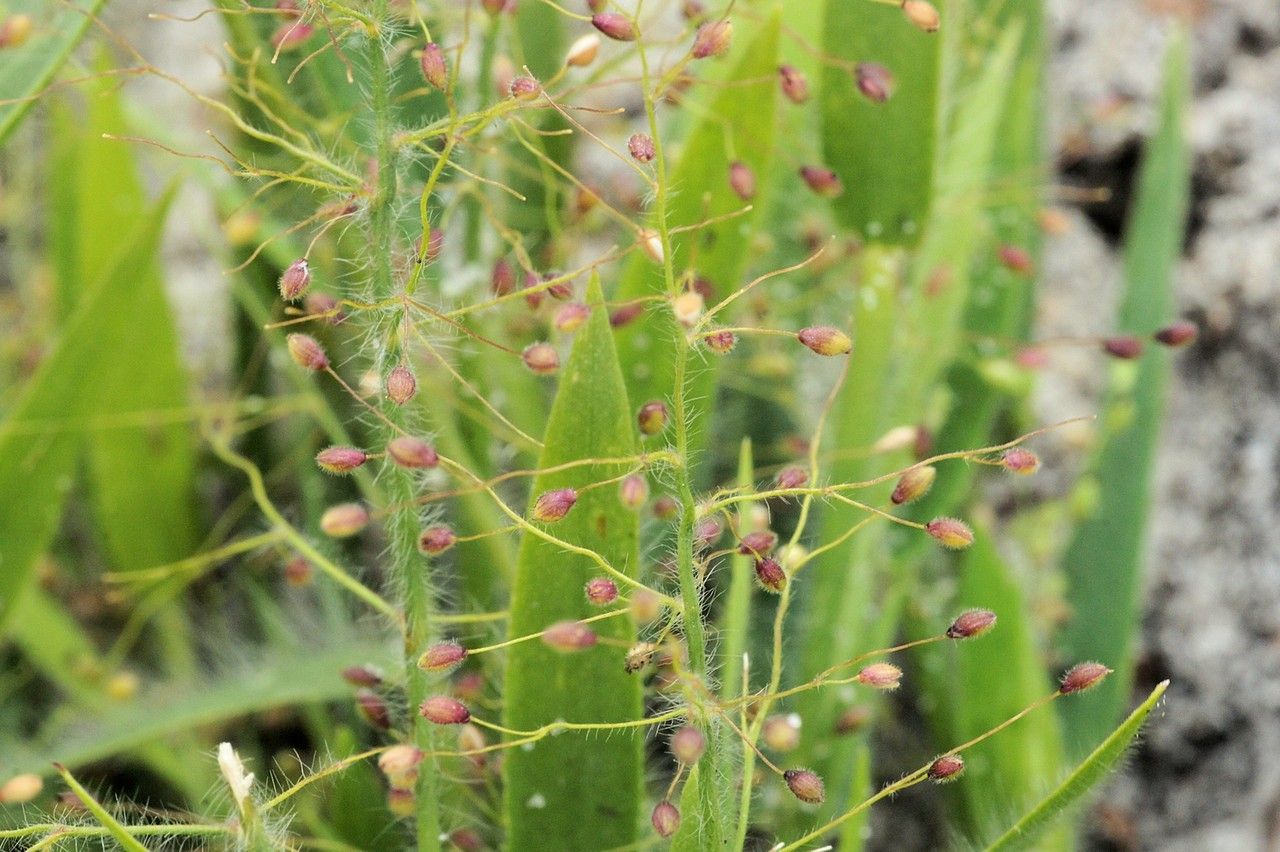
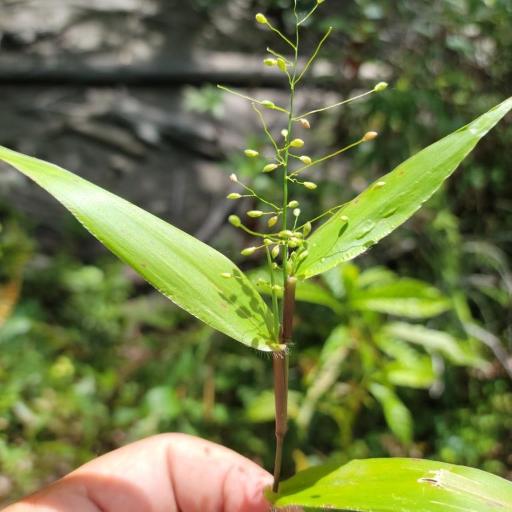
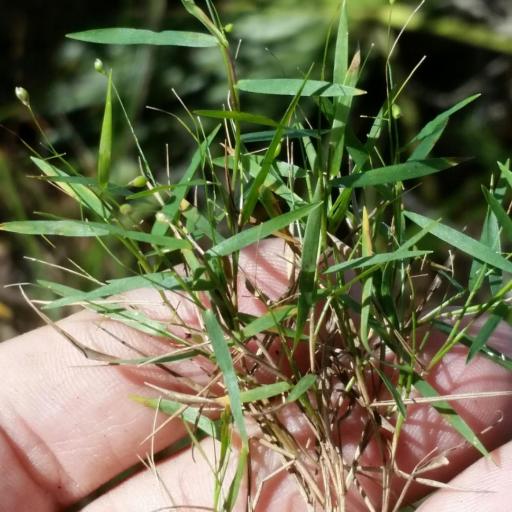
Dichanthelium acuminatum, commonly known as hairy panic grass, is a perennial species in the Poaceae family. Native to North America, it thrives in various habitats, including prairies, savannas, and open woodlands.
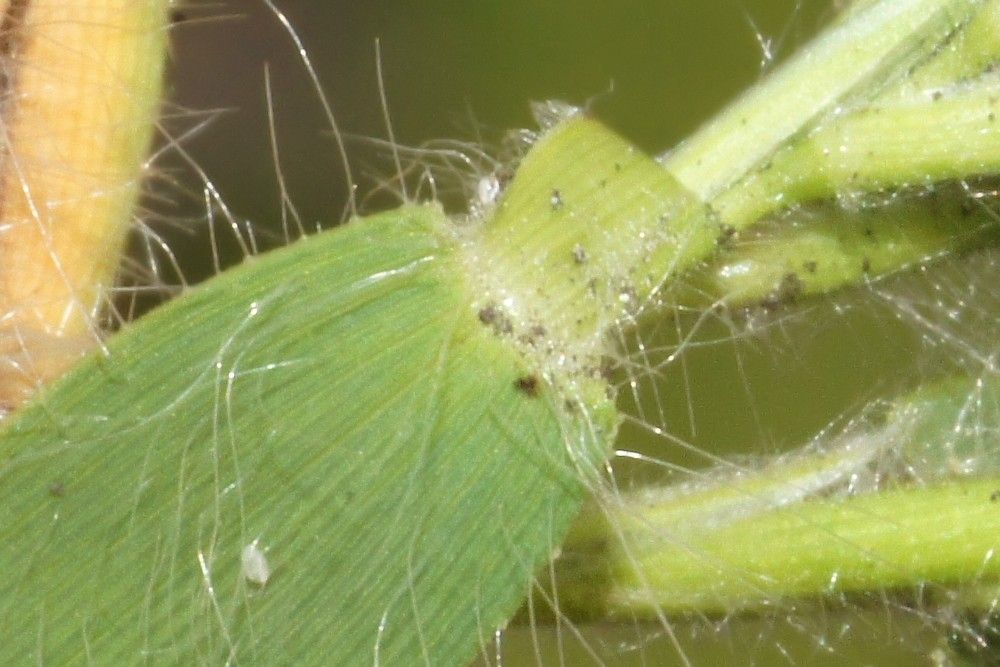
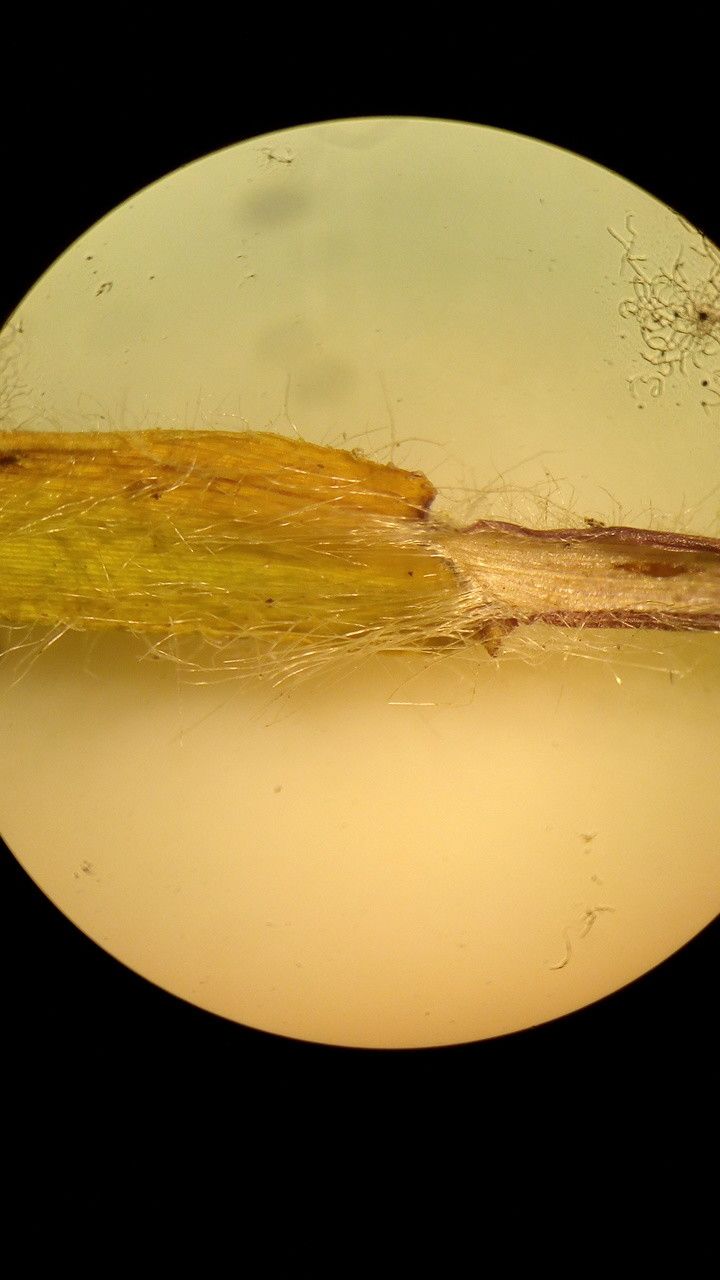
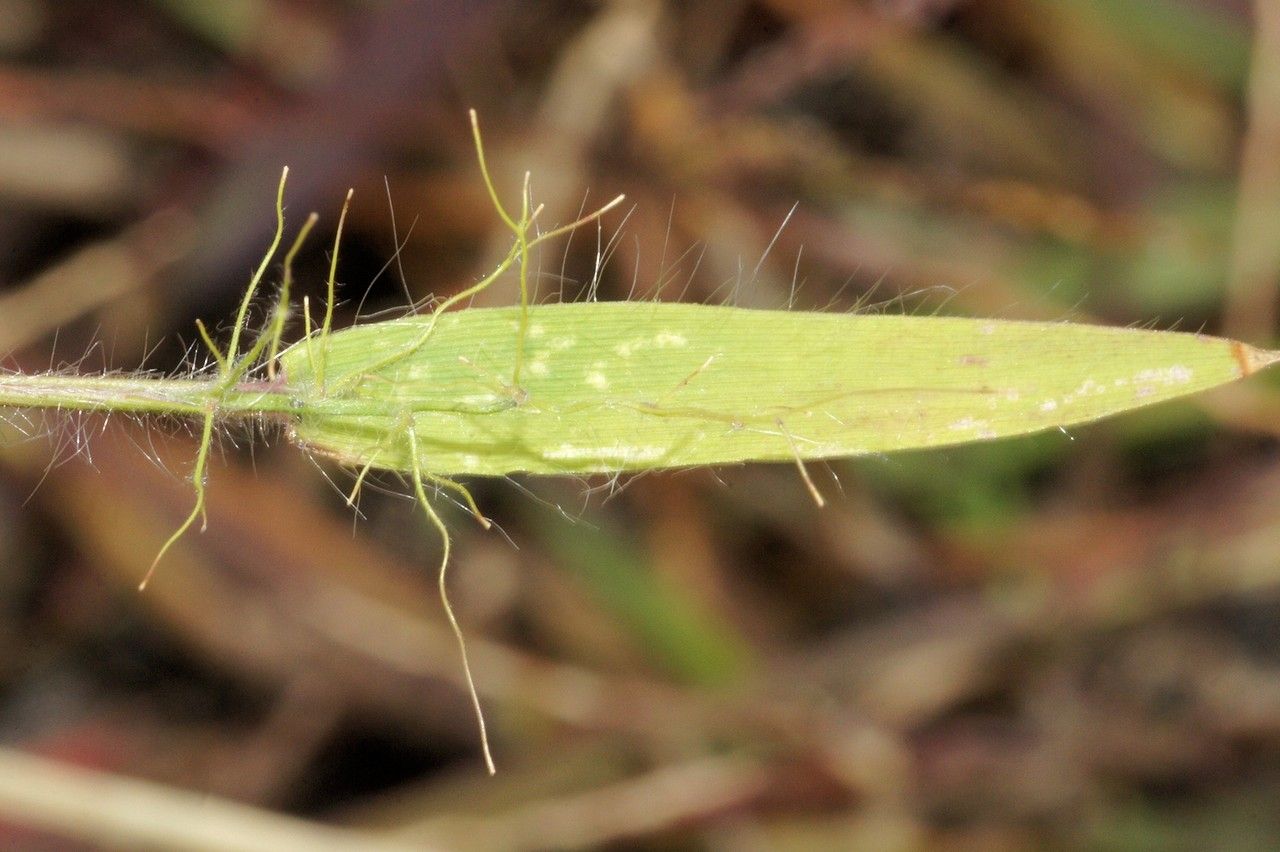
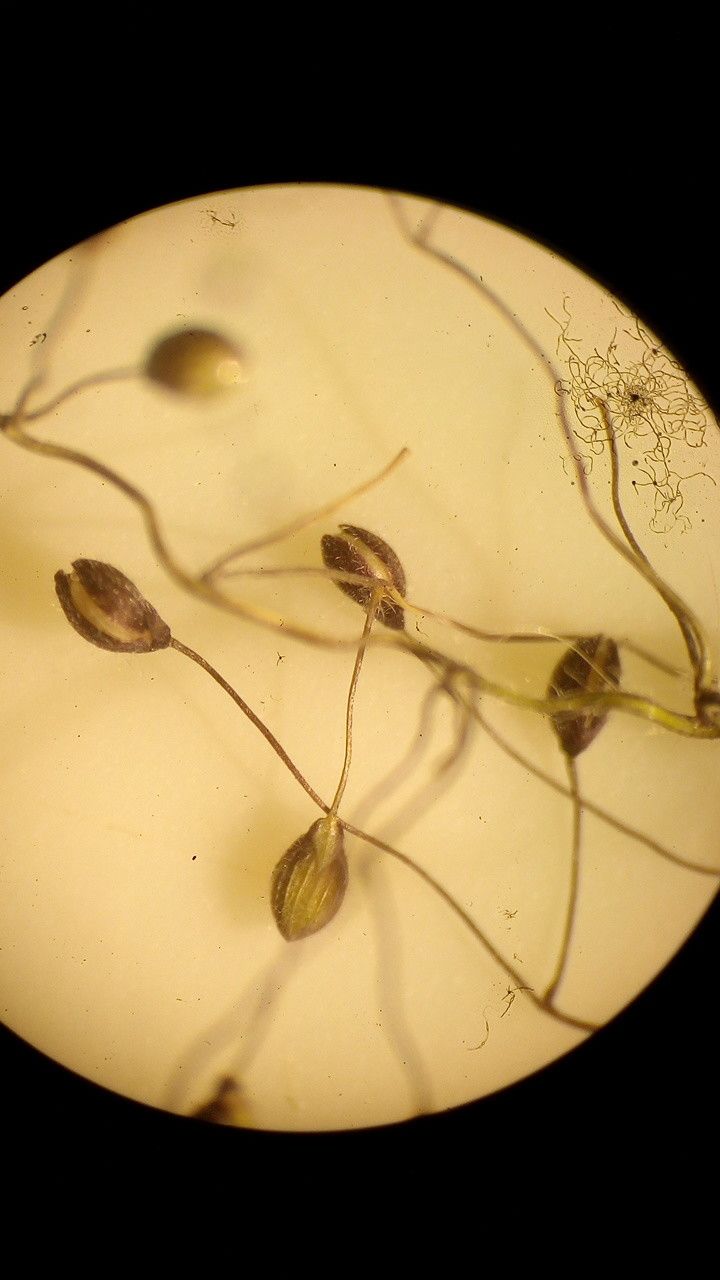
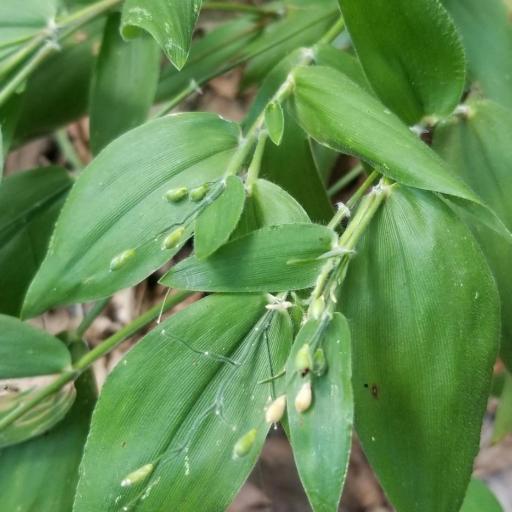
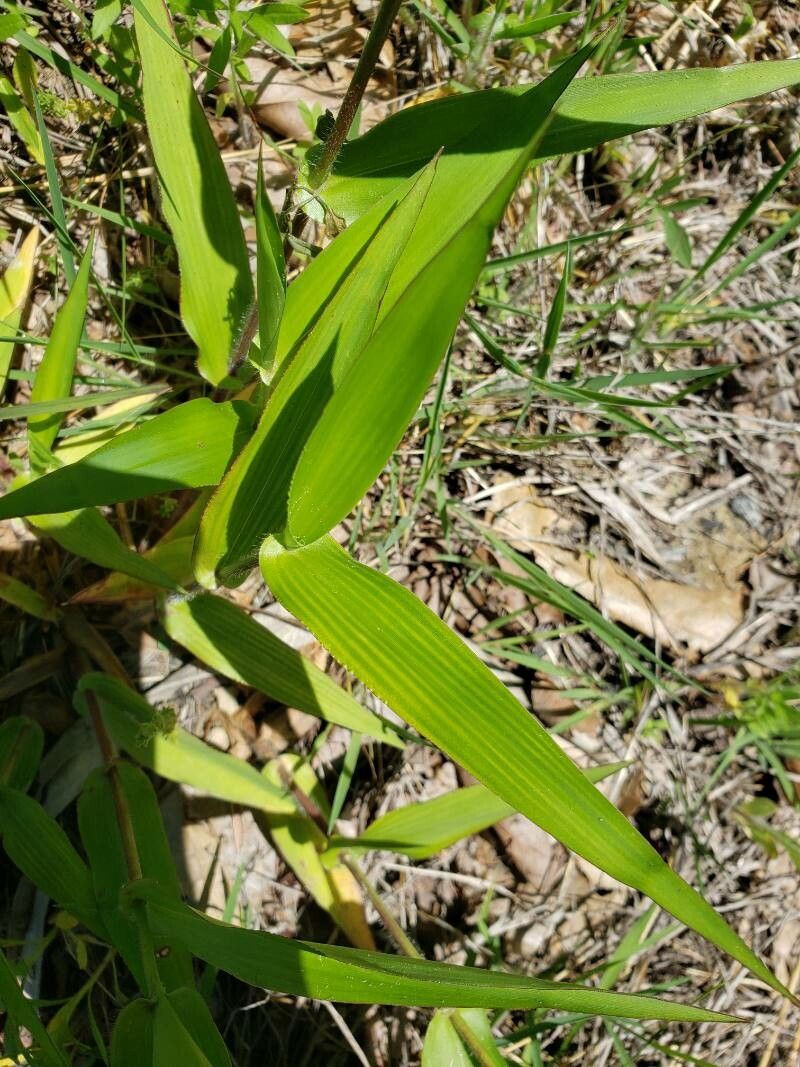
This grass features a fibrous root system and can reach heights of up to 1 meter. Its narrow leaves, with pointed tips, are covered in fine hairs that give them a soft texture. The flowers of Dichanthelium acuminatum are small and inconspicuous, appearing in clusters at the ends of long stems.
Hairy panic grass is a valuable forage plant for livestock, such as cattle and sheep, due to its high nutritional content. It also plays a crucial role in soil conservation, helping to prevent erosion with its extensive root system.
Beyond its practical applications, Dichanthelium acuminatum has been used by Native American tribes for medicinal purposes, including the treatment of fever and stomach ailments.
Overall, this hardy plant is significant for both its ecological and cultural roles, making it an important species in North American ecosystems.
Woolly panic grass is disease-resistant and generally not susceptible to diseases. In terms of care, the plant is fairly low-maintenance. Planted outdoors, it needs only light watering, and larger plants usually do not require pruning. Smaller plants, however, should be pruned after they have finished blooming. Woolly panic grass is suitable for anyone with an outdoor area, such as a garden or deck, and does not demand extensive care experience.
How to keep Dichanthelium Acuminatum.
Light
Woolly panic grass is a perennial herbaceous plant that prefers sunny conditions and originates from open habitats, commonly growing in meadows and grasslands. It favors full sun but can also tolerate partial sun.
Temperature
Woolly panic grass can tolerate a wide range of temperatures, but its distribution can still be restricted by various combinations of moisture and heat. It does best in warm summer climates with adequate rainfall or irrigation. Long periods of cloudy, rainy weather or sustained high temperatures can increase the chance of Woolly panic grass dying. In winter, protecting it from cold can improve its survival.
Fertilizer
Woolly panic grass needs extra nutrients to encourage healthy new growth. In spring, spreading compost around the plant’s base will effectively supply the nutrition it requires. Fertilizing supports vigorous growth and helps the plant better resist diseases and pests.
Botanical profile.
- Plant Type
- Grass
- Life Cycle
- Perennial
- Genus
- Dichanthelium
- Family
- Poaceae
- Hardiness Zone
- 4-9
- Mature Height
- 30 cm to 91 cm
- Mature Spread
- 20 cm to 40 cm
- Leaf Color
- Light Green, Pale Green
- Leaf Type
- Deciduous
- Flower Size
- 0.20 cm to 0.25 cm
- Bloom Time
- Summer
- Planting Time
- Spring, Summer, Autumn
- Harvest Time
- Late summer, Early fall, Mid fall
Other names.