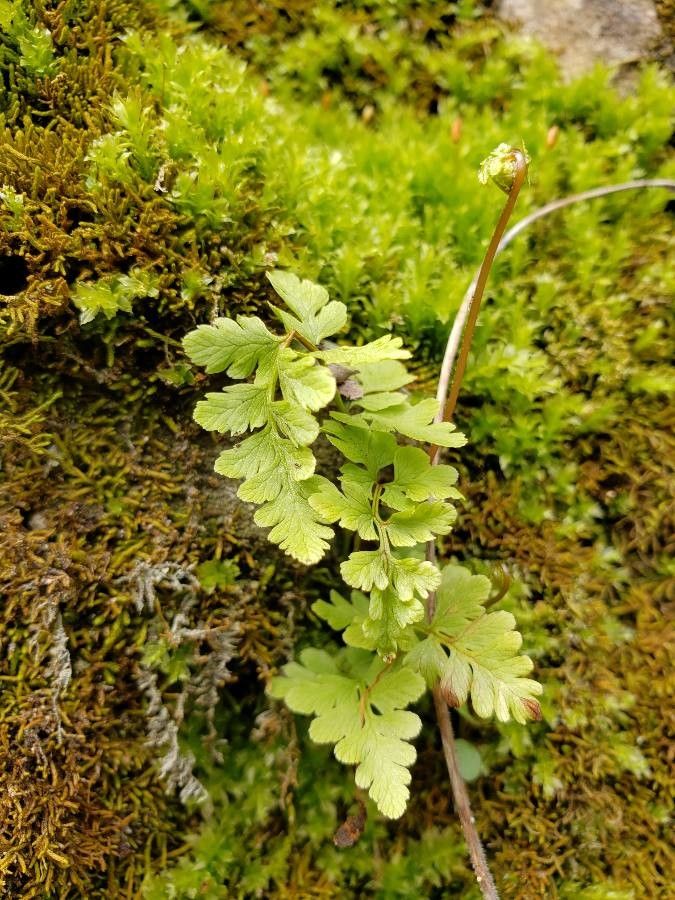
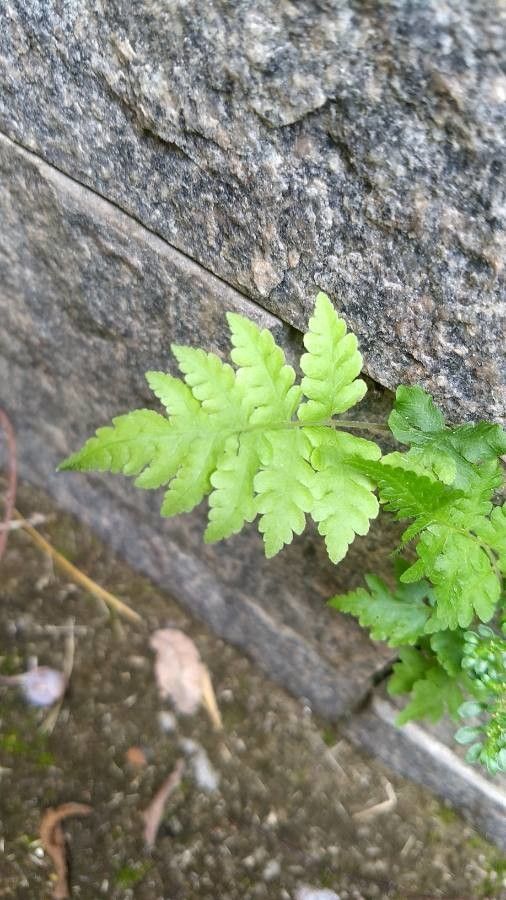
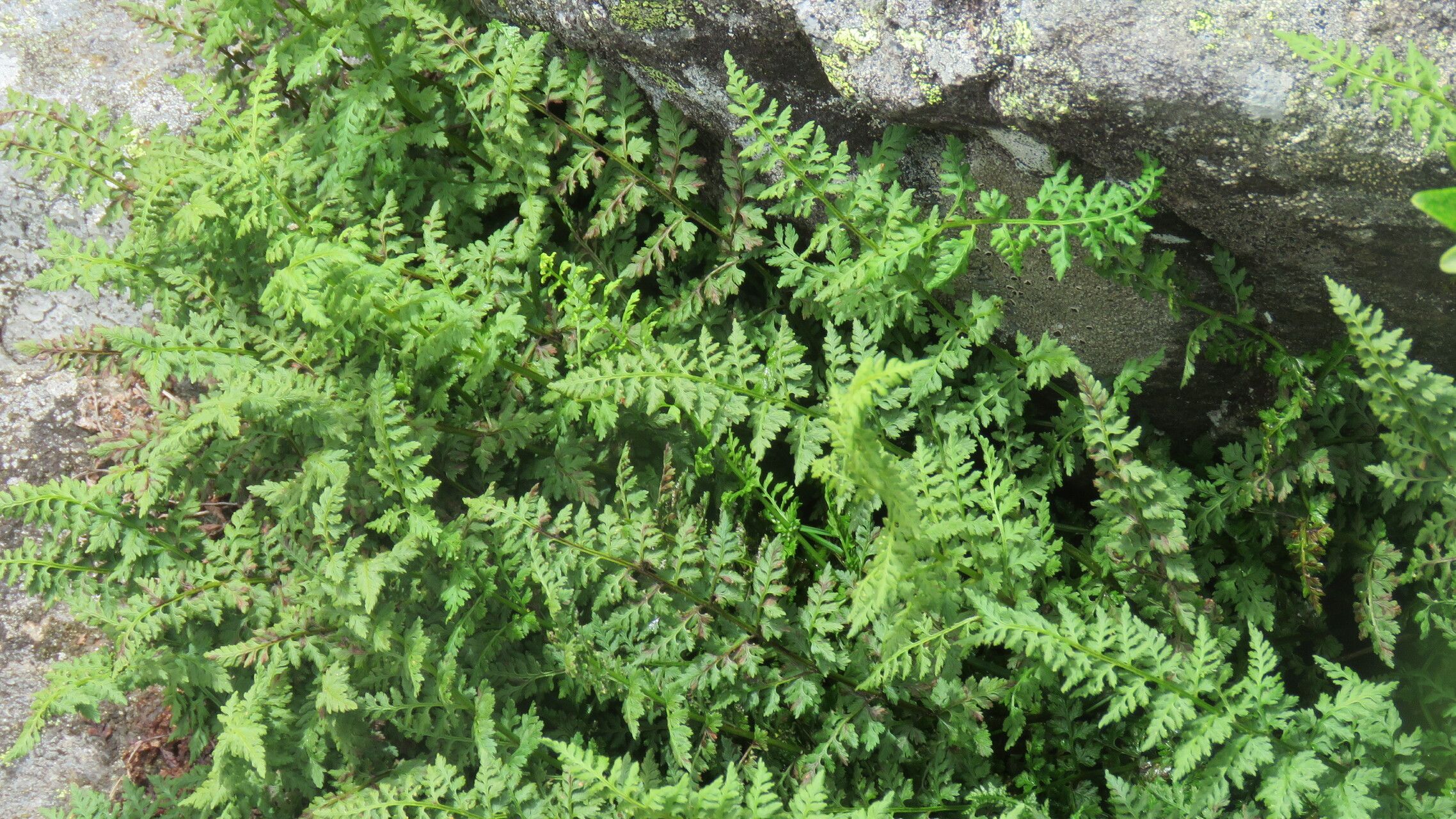
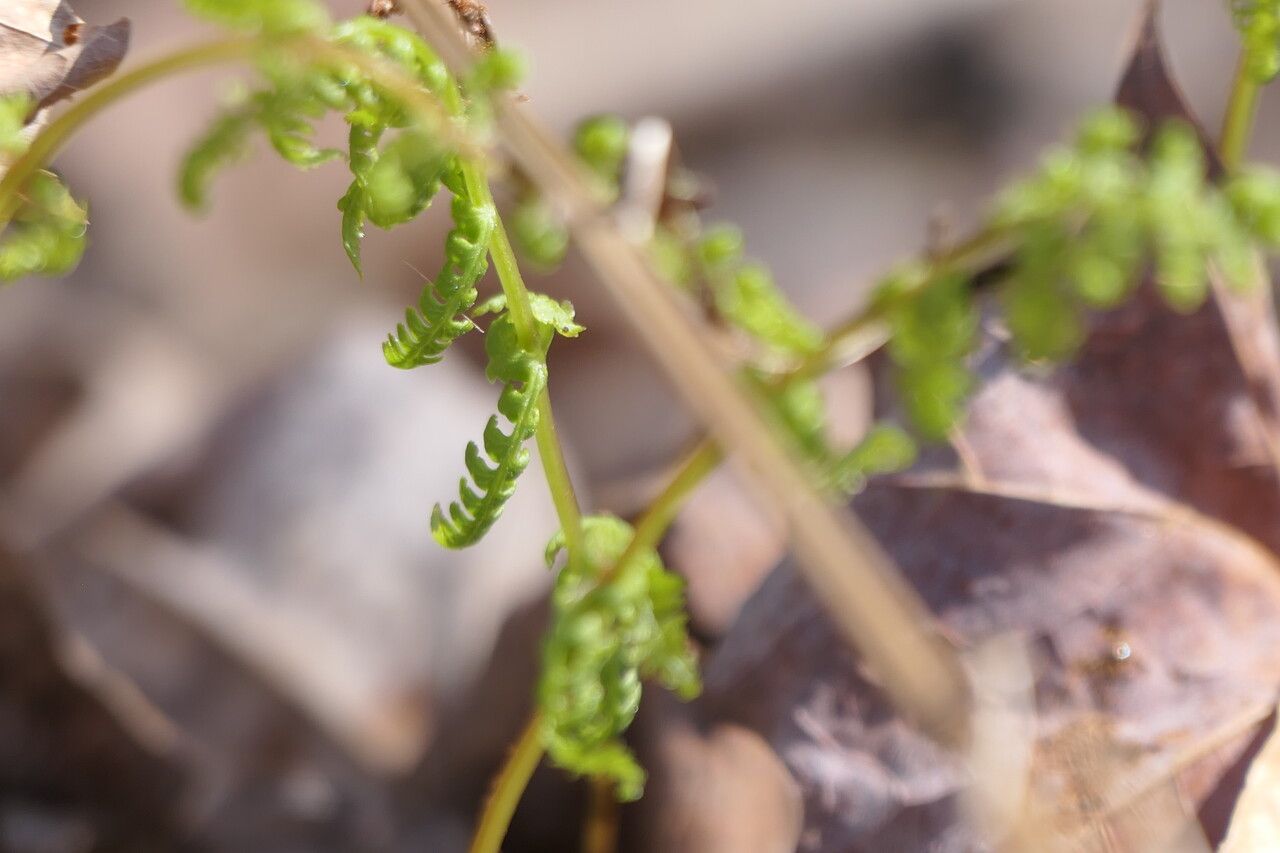
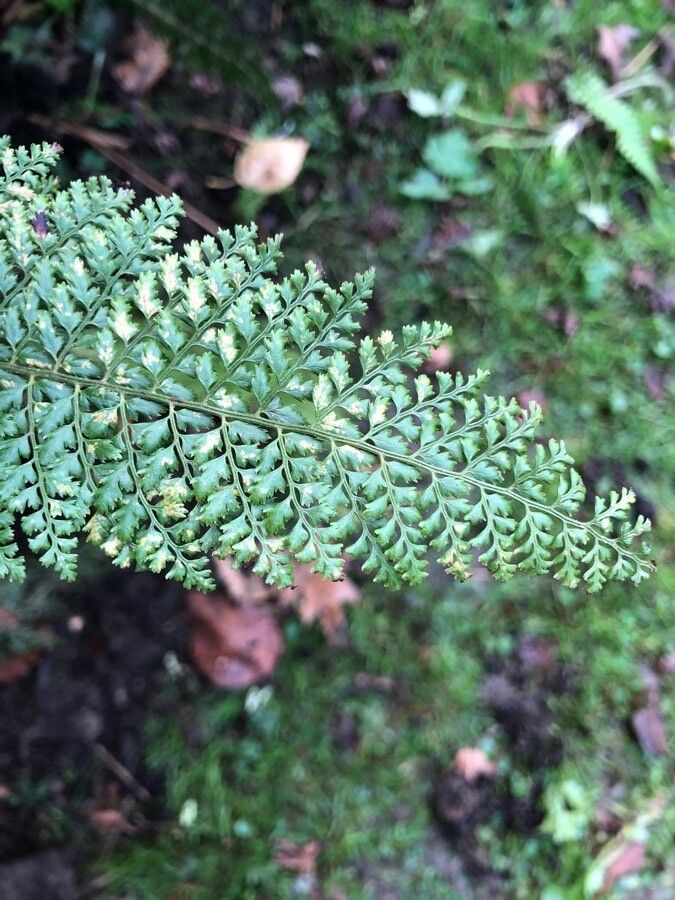
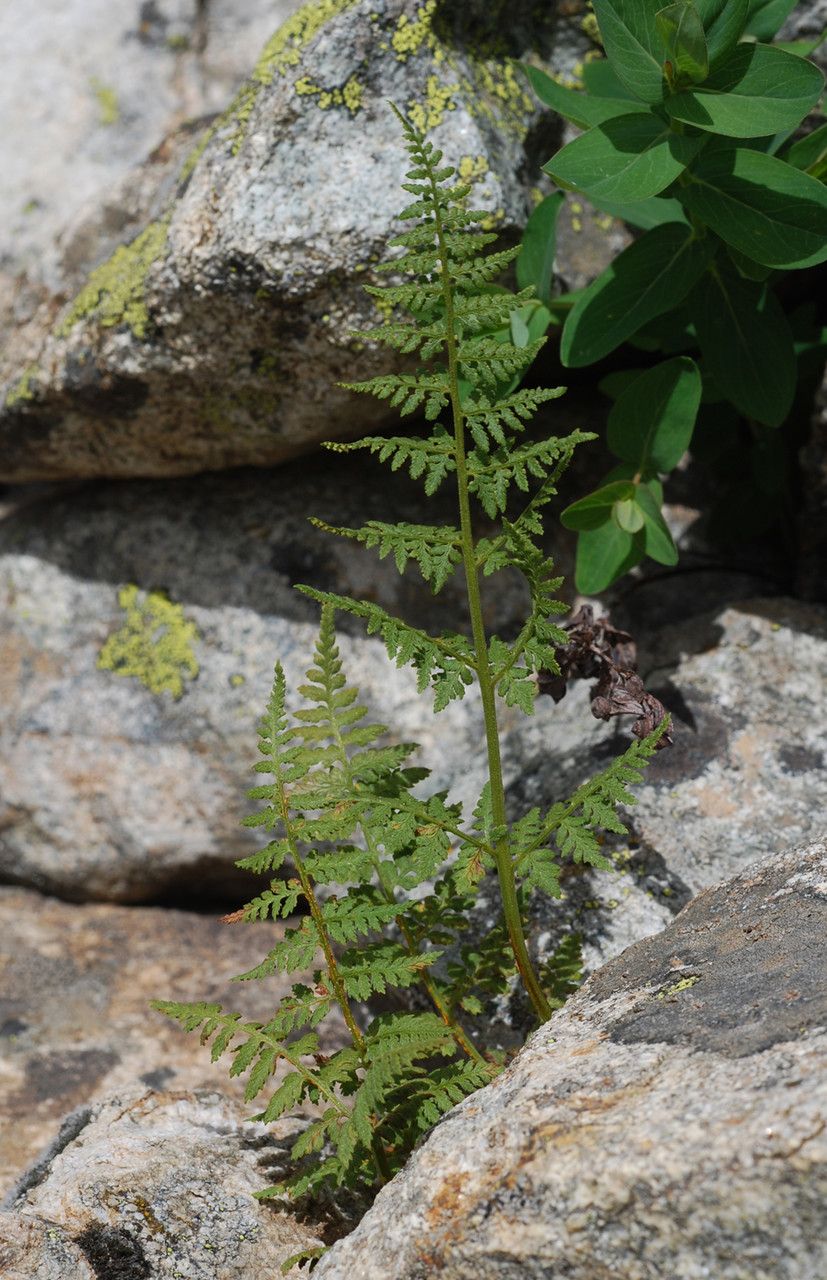
Cystopteris tennesseensis, commonly known as the Tennessee bladderfern, is a small fern species native to the southeastern United States. It typically thrives in moist, shaded environments such as rocky slopes and stream banks. The fronds of this fern are delicate, triangular, and have finely divided leaflets that lend them a lacy appearance. The plant can grow up to 30 cm tall and 20 cm wide.
Tennessee bladderfern is endangered due to habitat loss from human activities like logging, mining, and development. It also faces threats from invasive plant species, which compete for resources.
Conservation efforts are underway to protect the remaining populations of the Tennessee bladderfern through habitat restoration and protection measures. These efforts include limiting human disturbance in its natural habitats and controlling invasive plants.
Overall, Cystopteris tennesseensis plays an important role in maintaining healthy ecosystems by providing habitat for other organisms, such as insects and small mammals, and contributing to soil stabilization through its root system.
Tennessee bladderfern has strong resistance to disease and is generally not susceptible to illnesses. However, it can be affected by pests and diseases present in its environment. These problems are typically mild. Regarding care, this plant needs moderate upkeep. It should be pruned regularly to preserve a neat appearance and support healthy growth. Fertilizing can also encourage flowering. Tennessee bladderfern is appropriate for anyone with outdoor space, such as a garden or patio, and does not demand extensive care experience. It may need additional attention when grown indoors.
How to keep Cystopteris Tennesseensis.
Light
The Tennessee bladderfern thrives naturally in shaded locales like forest understories or rocky terrain. While it fares best in partially sunny surroundings, it's also capable of adapting to fully lit or entirely shaded conditions, highlighting its resilient and adaptable character.
Water
The Tennessee bladderfern flourishes in moist woodland environments, requiring stable soil that is not waterlogged and weekly watering to maintain its lush appearance. It prefers higher humidity and adapts well to indoor settings, benefiting from consistently moist conditions during its active growth phase, when new fronds emerge.
Temperature
The Tennessee bladderfern is capable of adjusting to a broad spectrum of temperature environments, but its prevalence might still be constrained by various mixtures of water and thermal situations. The plant flourishes optimally in summertime in hot regions given sufficient rain or irrigation. Extended spells of cloudiness and rainfall, together with sustained high temperatures, can enhance the probability of the Tennessee bladderfern perishing. In the winter months, the right protection against low temperatures can raise the plant's likelihood of survival.
Fertilizer
Typically, a one-time application of fertilizer in the spring is enough for Tennessee bladderfern, but for optimal growth, frequent feedings are beneficial. Administer nourishment once every month to six weeks. Fertilizing augments the aesthetics and operation of the leaf, fostering regular coloration and a healthy feel. Moreover, it helps foster the development of roots and absorption of nutrients, thereby ensuring the plant's prolonged wellness.
Pruning
Prune the Tennessee bladderfern in early to late spring by removing damaged fronds and older stems. This encourages new growth and improves the plant's health. Use clean, sharp tools to prevent the spread of disease. By doing this, you ensure optimal recovery and a lush appearance, promoting robust development.
Botanical profile.
- Plant Type
- Herb
- Life Cycle
- Perennial
- Genus
- Cystopteris
- Family
- Dryopteridaceae
- Hardiness Zone
- 4-8
- Mature Height
- 30 cm
- Mature Spread
- 20 cm to 40 cm
- Leaf Color
- Light Green, Pale Green
- Leaf Type
- Deciduous
- Planting Time
- Spring, Summer, Autumn
Other names.