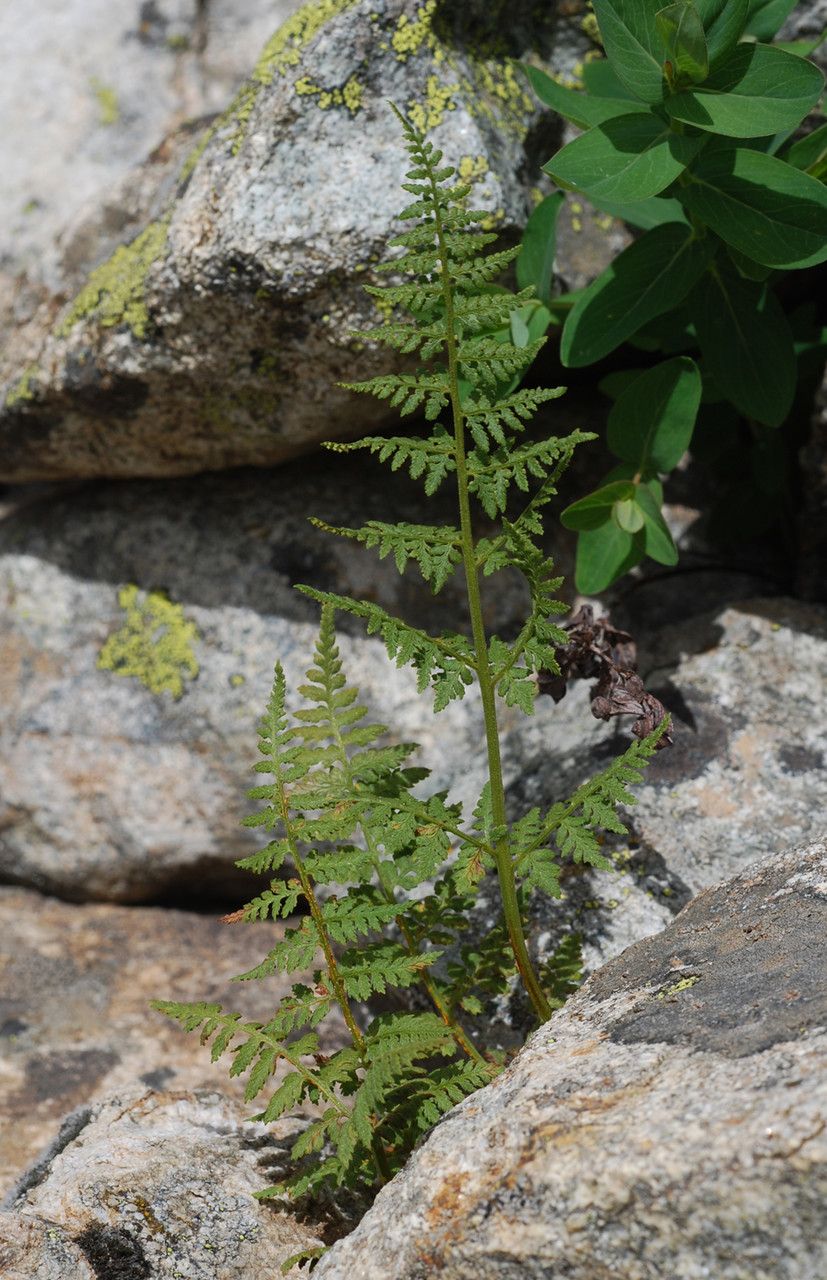
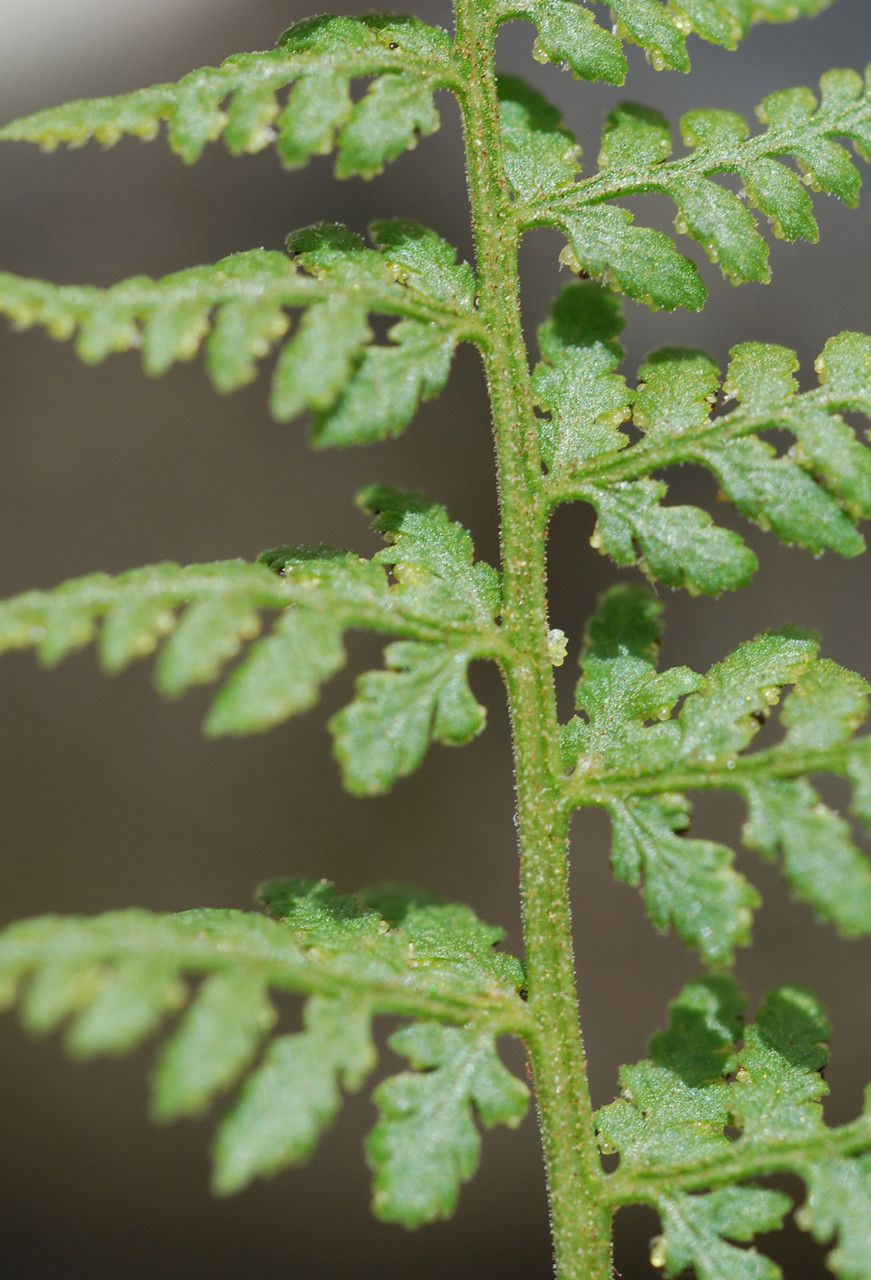
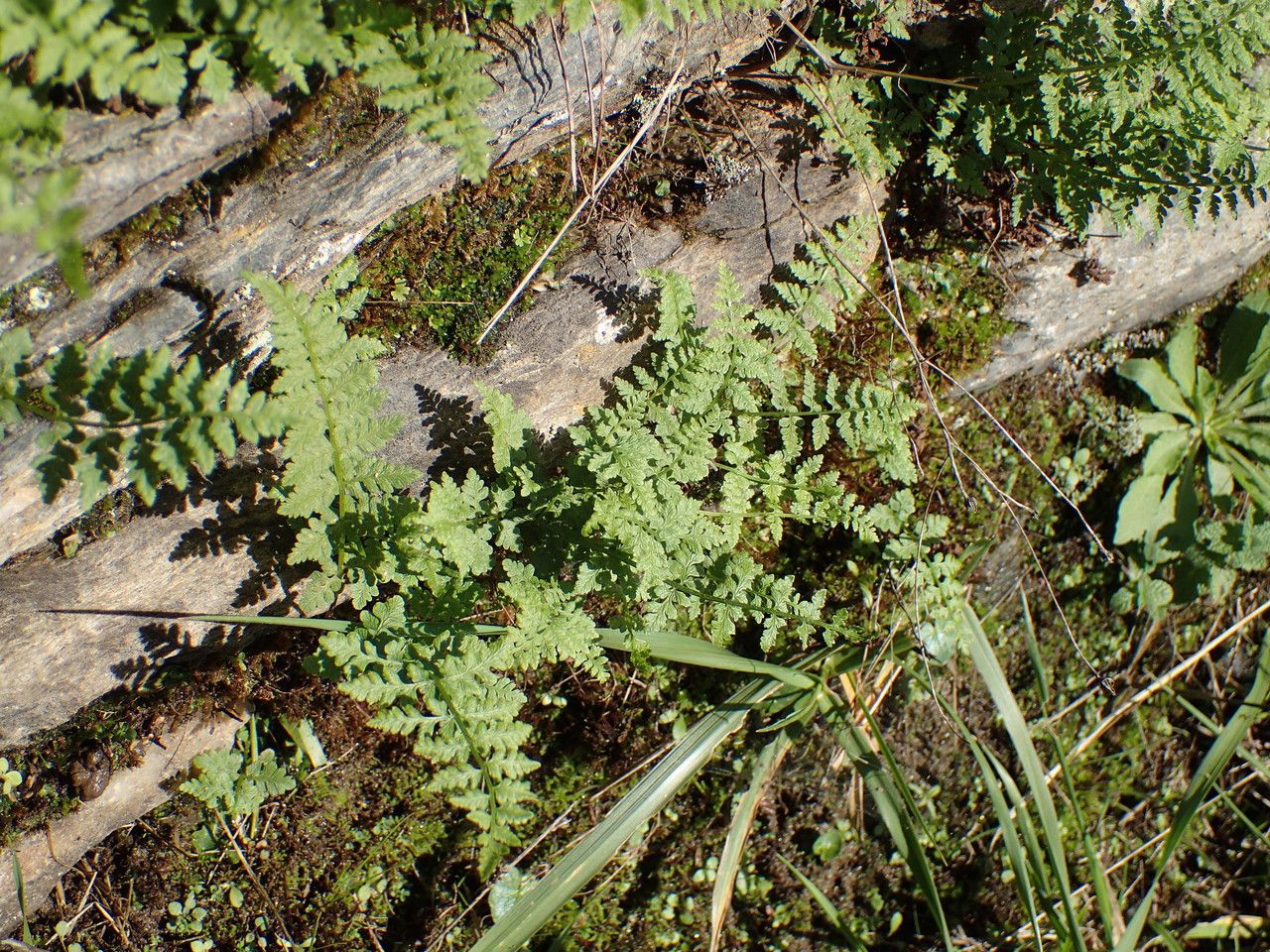
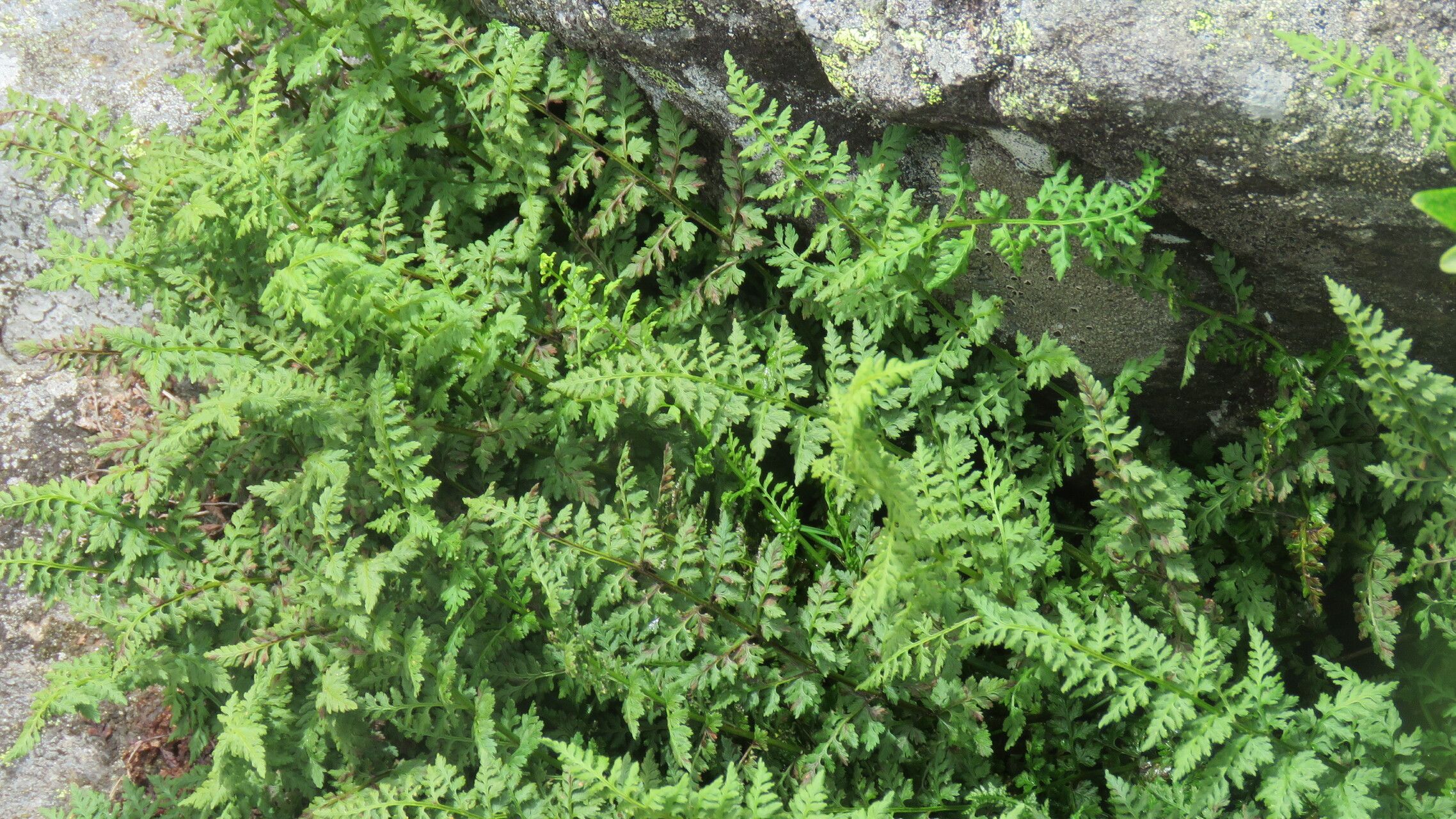
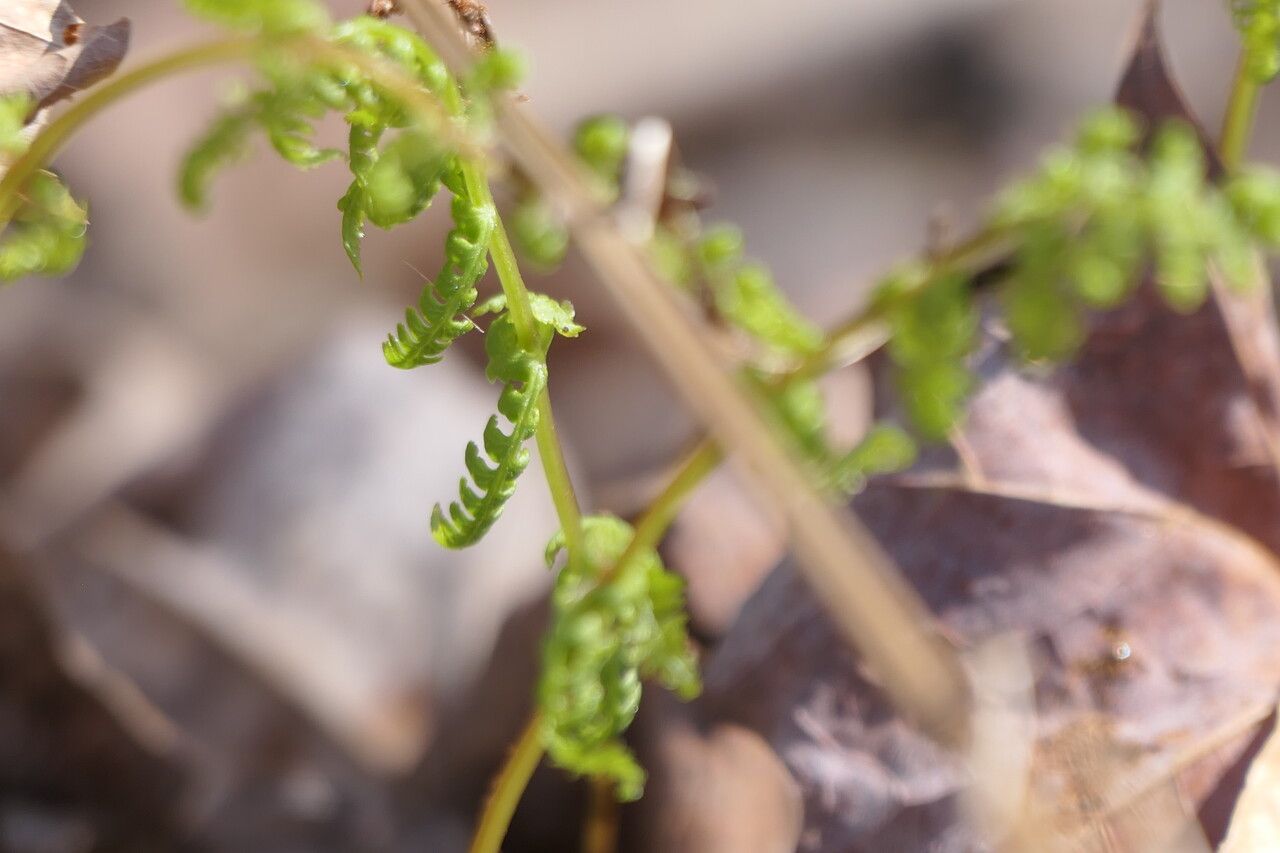
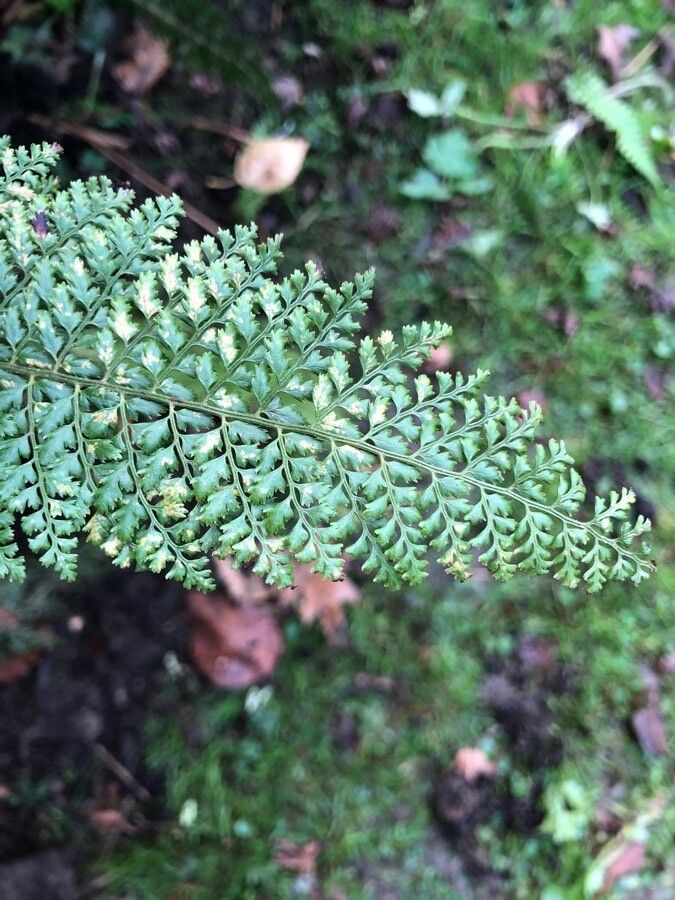
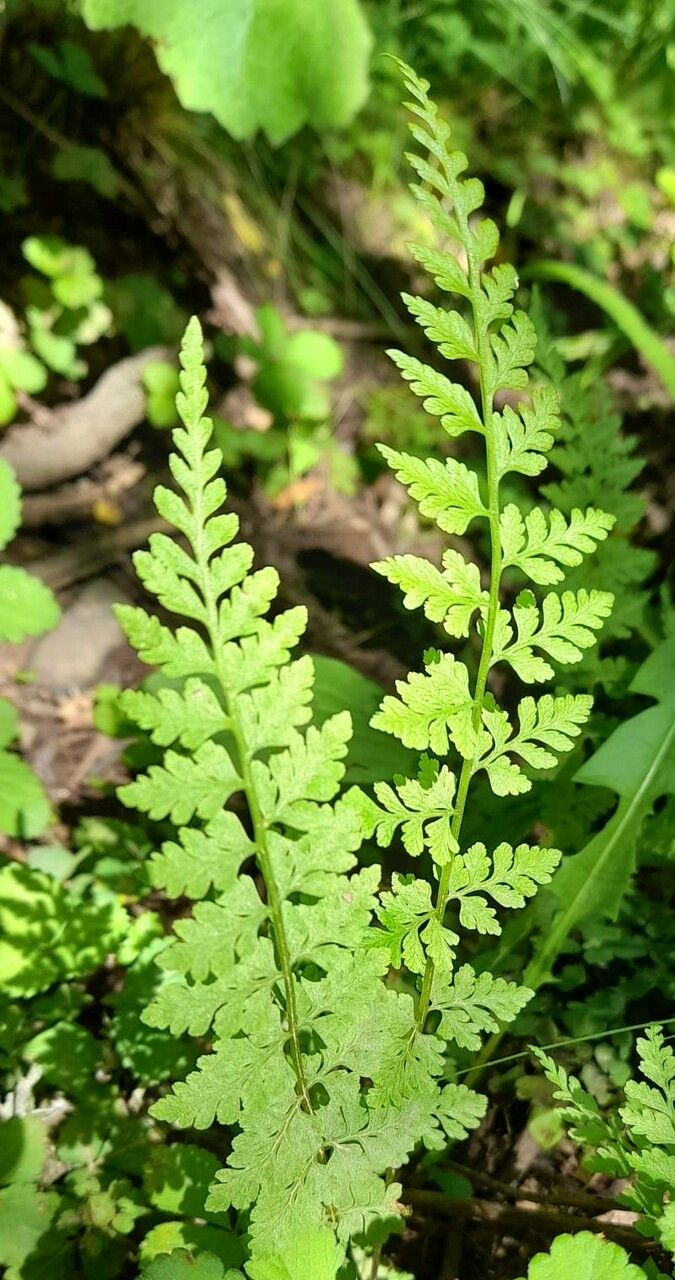
Cystopteris dickieana, commonly known as Dickie's bladder-fern, is a fern with a wide distribution in the Northern Hemisphere. There is debate amongst botanists as to whether it is a species in its own right or a variant of C. fragilis.
Dickie's fern typically resists disease well and faces relatively few insect pests. Its care is regarded as challenging because it needs a consistently moist environment and regular watering. At the same time, its roots can rot if it is overwatered or kept in poor ventilation. Dickie's fern is appropriate for growers with some experience, since most people can keep it alive for a limited period. Still, it may struggle to flourish and its fronds can dry out and become less healthy over time.
How to keep Cystopteris Dickieana.
Light
Dickie's fern comes from habitats like forest understories or rocky areas that provide natural shade. It prefers full shade but can tolerate partial sun.
Water
Dickie's fern flourishes in moist conditions and prefers soil that remains consistently damp, though it can tolerate moderate drought. To achieve this balance, water the plant twice a week, ensuring the soil stays moist without becoming waterlogged. Regular misting is also beneficial, as it helps maintain the humidity needed for the fern's lush, evergreen fronds. This makes Dickie's fern an excellent choice for indoor environments.
Temperature
Dickie's fern is naturally adapted to moderate climates and grows best when temperatures range from 59 to 95°F (15 to 35℃). In warmer months, take care to prevent it from being exposed to excessive heat.
Pruning
Dickie's fern flourishes in cool, shady environments and is known for its delicate fronds. To keep the plant healthy and promote new growth, prune it in early spring to remove any dead fronds. This practice also improves airflow and helps prevent disease. Regular pruning not only boosts the fern's vitality but also enhances its appearance. For more detailed maintenance tips, consult horticultural guides.
Botanical profile.
- Plant Type
- Fern
- Life Cycle
- Perennial
- Genus
- Cystopteris
- Family
- Woodsiaceae
- Hardiness Zone
- 7-10
- Mature Height
- 25 cm to 30 cm
- Mature Spread
- 1 cm
- Leaf Color
- Light Green, Medium Sea Green
- Leaf Type
- Deciduous
- Planting Time
- Spring, Summer, Autumn
- Native Area
- Nepal, Tajikistan, Turkey, Sweden, India, Czech Republic, Slovakia, Armenia, Pakistan, Greece, Morocco, China, Russia, Norway, Afghanistan, Germany, Portugal, Italy, Kazakhstan, Spain, Switzerland, Finland, Azerbaijan, United Kingdom, France
Other names.
Reader questions.
What should I do if I give too much or too little water to my Dickie's fern?
The Dickie's fern can be overwatered if it sits in a pool of water or if its planter lacks drainage holes. This can lead to the roots not being able to take up nutrients and moisture and can cause fungal or bacterial diseases. Signs of overwatering include wilted and yellow leaves, drooping or mushy stems. However, it's important to consider other causes as well since it's difficult to give this plant too much water. Conversely, it's also possible to underwater the Dickie's fern. Many fern owners unintentionally let their plant get too dry, especially if they don't use a self-watering planter. In dry conditions, the fern's appearance can quickly change from lush and green to brown and crispy. In extreme cases, it may seem that no living fronds are left, but it's still possible to save the plant if some roots are healthy. By removing dry and dead stems, thoroughly watering, and returning the plant to its usual location, it can start putting out new fronds. It may take several months to fully recover, but with proper care, it's possible.
Why should I put fertilizer on my Dickie's fern?
Fertilizing Dickie's fern is important because it provides the necessary nutrients for healthy new growth. By supplying extra nutrients, you also support the well-being of the existing growth and enhance the plant's ability to combat diseases and pests.
What kind of sunlight does Dickie's fern need?
To ensure the healthy growth of Dickie's fern, it is best to provide it with a small amount of indirect light daily. The filtered light from a tree canopy is often the ideal condition for this plant to thrive. It is important to note that three hours of light exposure each day is the maximum limit for this fern. Exceeding this limit or exposing it to direct light can result in burning, drying out, and ultimately, death of the plant.
What temperature is best for Dickie's fern?
The temperature that is best for Dickie's fern depends on the time of year and the stage of its growth cycle. The changing seasons determine the stage of the plant because of the temperature variations. For some plants, temperature affects their ability to flower, go dormant, and reemerge after cold seasons. Ideally, a temperature range of 65-80℉ (18-27℃) is recommended during the growing season.
How do I water my Dickie's fern the right way?
To keep your Dickie's fern happy, it needs consistently moist soil resembling its natural habitat. This means watering it every one or two days, as it should never be allowed to dry out. When you notice the top layer of soil starting to feel even slightly dry, it's time to water again. Remember to thoroughly soak the soil until water drains out from the bottom of the pot. Once the excess water has drained, make sure to discard any remaining water so that the pot is not sitting in a puddle. Following this method will help prevent the soil from drying out too much.
When should I put fertilizer on my Dickie's fern?
The feeding schedule for Dickie's fern depends on its location. This plant is not very hungry, but it does need some extra nutrients. If it is an outdoor plant, it should be fertilized once in the spring. On the other hand, if it is an indoor plant, it needs to be fed monthly starting in the spring and continuing through the summer.
Should I keep Dickie's fern away from the sun?
To keep your Dickie's fern healthy, it's important to regulate its exposure to sunlight. Avoid placing it in direct sunlight, especially if it's sudden. Dickie's ferns prefer morning and afternoon sunlight over midday sunlight, which is the hottest and most harmful. If you're growing the fern indoors, make sure it doesn't receive direct light from a window. Instead, place it in a spot where it can get a small amount of indirect light each day, similar to outdoor conditions. Getting the right amount of sunlight from the beginning is best, but if you notice your fern is getting too much light, move its container or find a shadier area in the ground to transplant it.
Suggestions for the ideal temperature for Dickie's fern during its growing season.
There is a significant difference between acceptable temperatures during the growing season and the dormant season. During the growing season, Dickie's fern requires warmer temperatures between 65-80℉ (18-27℃) to sprout, mature, and reproduce. However, if temperatures drop too low, the fern won't be able to complete this growth cycle and may die off or try again next year if it has enough energy. The growing season typically spans from late spring to early autumn, but the specific dates can vary due to yearly temperature changes. Temperature is the determining factor. Once the daytime temperatures consistently stay above 15℉ (-10℃), the fern comes out of dormancy and starts growing vigorously.
What do I need to think about when I water my Dickie's fern?
The humidity of the air around your Dickie's fern affects how often you should water it. Higher humidity means less frequent watering because evaporation is slower. Avoid placing the plant near a heating or cooling vent as it will dry out quickly. Find a draft-free location for it. This fern prefers dappled and indirect sunlight and temperatures between 55-80 degrees F (13-27 degrees C). Placing it in a warm and sunny spot, like a windowsill, may cause dehydration. Rainwater or distilled water is great if available, but tap water usually works fine. Tap water can contain minerals and chemicals that may cause brown leaf tips, especially because Dickie's fern has thin leaves. Small pots can lead to issues as they dry out more quickly. It's better to give this plant more space in the pot. Consider using a self-watering planter for Dickie's fern. This pot has a wicking system that keeps the soil consistently moist by continuously soaking up water from a central reservoir. It saves you from constantly watering the fern and provides a steady water supply for the roots, preventing them from going from dry to wet and back again.
When is it not a good idea to give my Dickie's fern fertilizer?
To avoid excessive growth before winter, refrain from fertilizing after early autumn. Additionally, it is not advisable to fertilize Dickie's fern during hot and dry periods as dry soil is not as effective in delivering fertilizer. Fertilizing during this time can also stimulate growth that requires more water, which may not be readily available. It is best to apply fertilizer earlier in the season when temperatures are cooler. Lastly, be cautious about inadvertently providing ferns with a double-dose of fertilizer as they can absorb fertilizer that has been applied to nearby plants or lawns.
What will happen if Dickie's fern doesn't get enough sunlight?
The Dickie's fern doesn't need much light, but it still needs a few hours of light to grow properly. Without this light, the fern may lose its color and grow slowly. However, the fern actually prefers shade, so it is more likely to have problems from too much sunlight rather than not enough.
How can I keep Dickie's fern safe from really hot or really cold temperatures?
Dickie's fern can handle temperatures up to 85℉(30℃) during the growing season, but anything hotter than that requires constant moisture through mist or drip irrigation. Providing shade during the hottest parts of the day is also beneficial for the fern's survival. To prevent extreme heat damage, shade and moisture are important. On the other hand, if temperatures drop below 15℉(-10℃) during the growing season, it can cause problems, especially if the fern has already started sprouting and growing foliage. To prepare for sudden cold snaps, you can protect your Dickie's fern by creating a mini greenhouse using clear polycarbonate plastic or by adding a thick layer of mulch around the base of the plant for insulation against the cold.