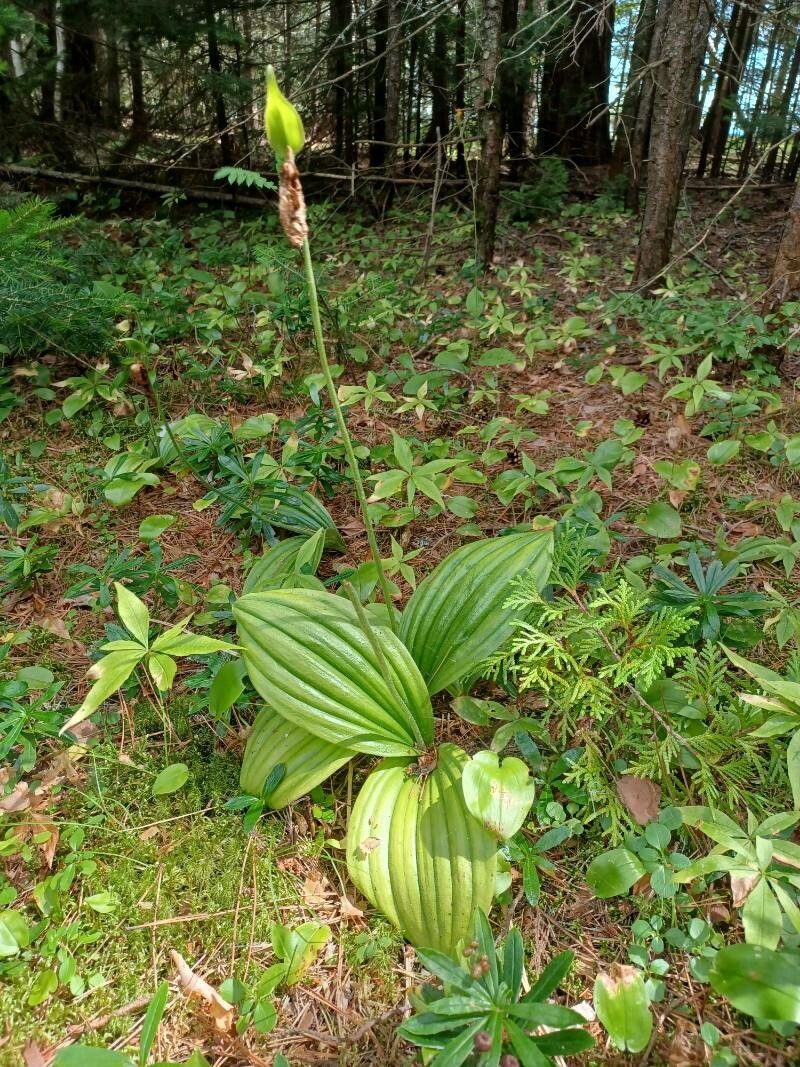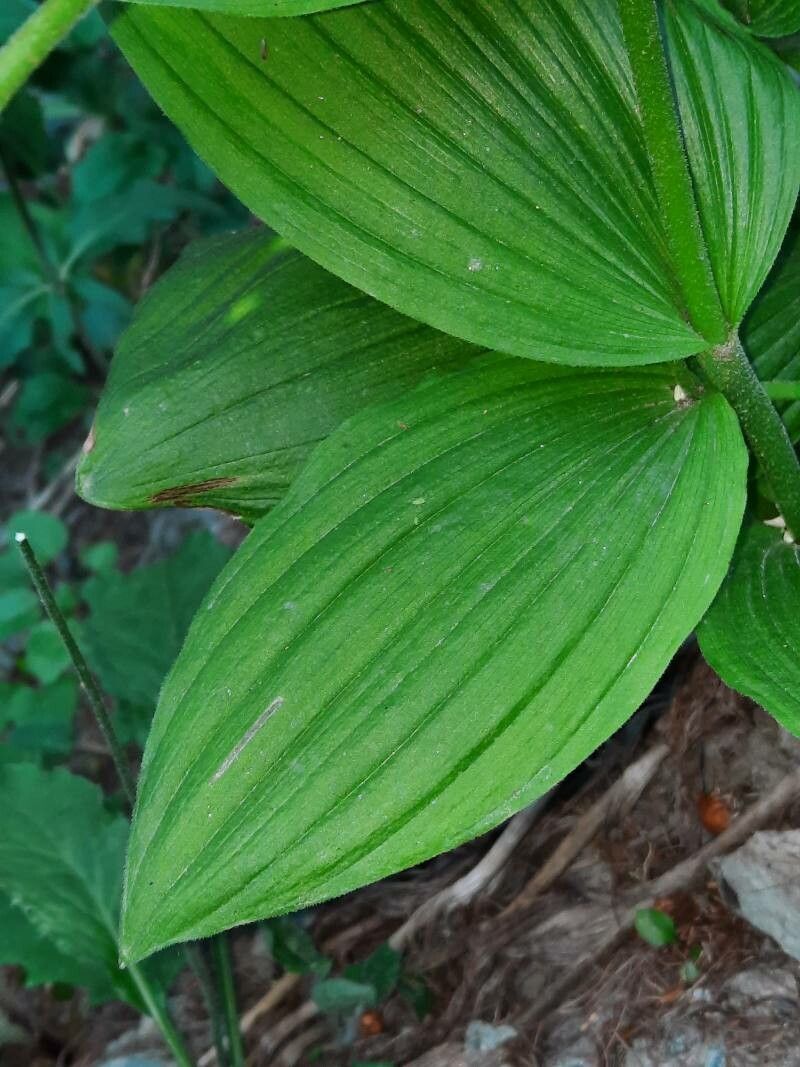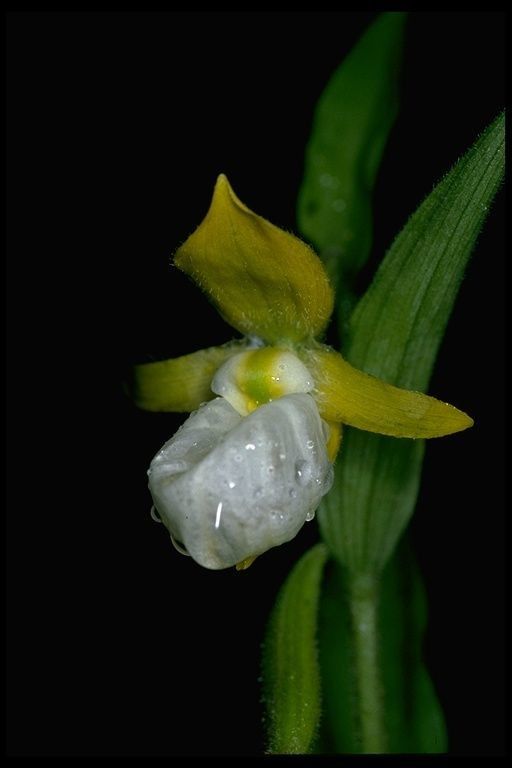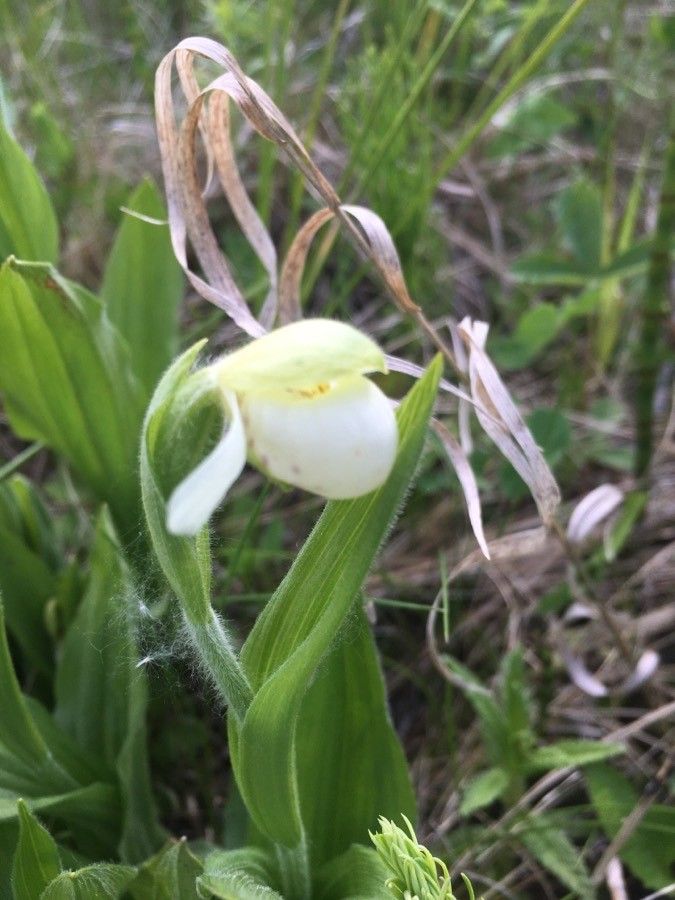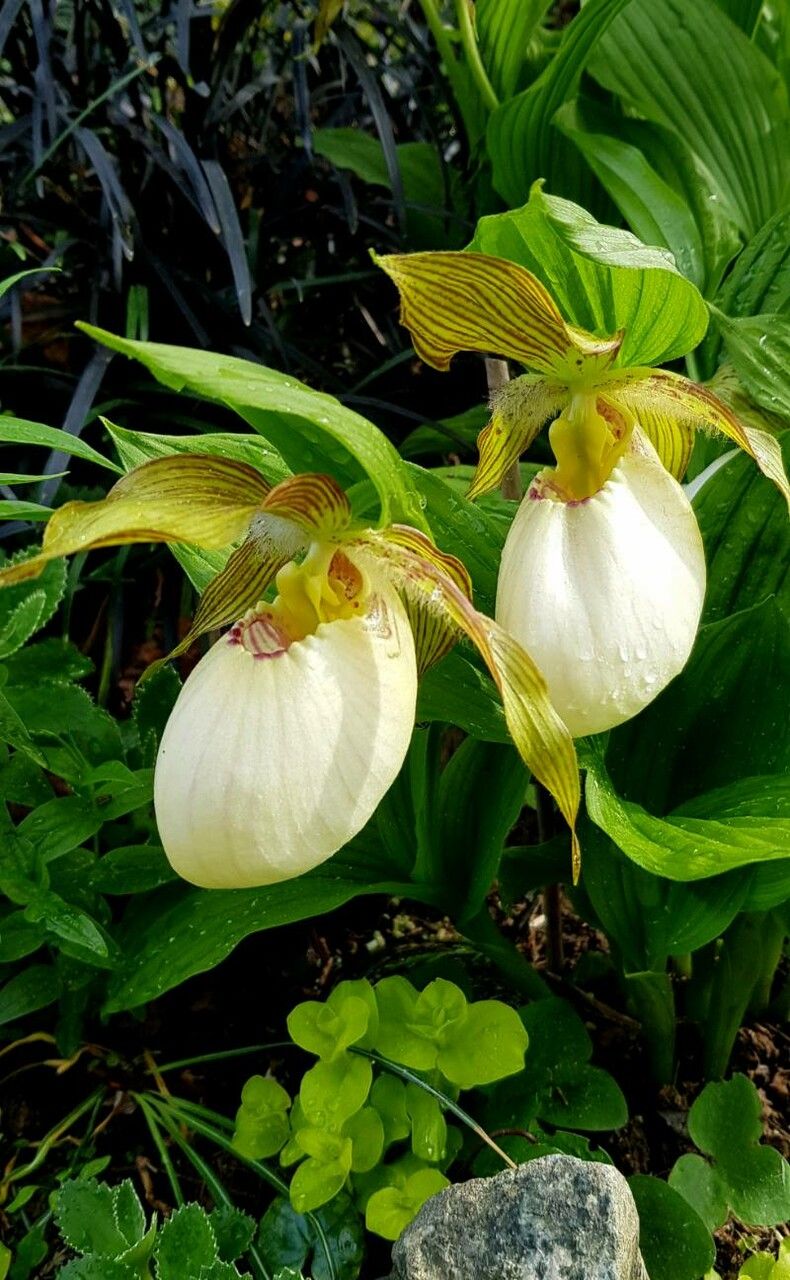
Cypripedium kentuckiense, the Kentucky lady's slipper or southern lady's slipper, is a member of the orchid genus Cypripedium. Members of this genus are commonly referred to as lady's slipper orchids. Originally thought to be an aberrant form of Cypripedium parviflorum var. pubescens, the morphology of C. kentuckiense suggests it is a species of its own. However, molecular evidence suggests that C. kentuckiense is more closely related to Cypripedium parviflorum var. parviflorum than it is to Cypripedium parviflorum var. pubescens.
Kentucky lady's slipper typically has strong disease resistance and encounters relatively few insect pests. Its care is considered difficult because it requires a high-humidity yet well-ventilated environment with few harmful pathogens. Overwatering can cause root rot. While anyone can grow Kentucky lady's slipper, keeping it healthy and getting it to bloom again requires more growing experience.
How to keep Cypripedium Kentuckiense.
Light
Kentucky lady's slipper naturally occurs in habitats like forest understories and rocky sites, where it grows in natural shade. It favors partial sun but can tolerate full sun or full shade, showing its versatile and hardy nature.
Temperature
The Kentucky lady's slipper can tolerate a wide range of temperatures, but its distribution may still be constrained by different combinations of moisture and heat. It performs best in warm summer conditions with adequate rainfall or watering. Extended periods of cloudy, rainy weather or prolonged high temperatures can increase the chance of the Kentucky lady's slipper dying. In winter, suitable protection from cold can improve its survival rate.
Fertilizer
The best time to fertilize a Kentucky lady's slipper is in early spring, as it comes out of dormancy and begins active growth. Fertilizing supplies essential nutrients needed for healthy growth. Although the Kentucky lady's slipper has relatively low fertilizer requirements, applying fertilizer annually can improve its survival and produce better, longer-lasting flowers.
Pruning
To promote healthy growth and improve the appearance of the Kentucky lady's slipper, it's best to prune during early to late spring. This helps remove dead foliage and encourages new growth, enhancing both aesthetics and airflow. Improved airflow can also reduce the risk of disease. However, be careful not to over-prune, as this can affect the plant's natural structure and vitality.
Botanical profile.
- Plant Type
- Herb
- Life Cycle
- Perennial
- Genus
- Cypripedium
- Family
- Orchidaceae
- Hardiness Zone
- 4-8
- Mature Height
- 46 cm to 76 cm
- Mature Spread
- 20 cm to 30 cm
- Leaf Color
- Green
- Leaf Type
- Deciduous
- Flower Color
- Yellow, Green
- Flower Size
- 7.62 cm to 11.43 cm
- Bloom Time
- Mid spring, Late spring
- Planting Time
- Spring
- Harvest Time
- Early summer, Mid summer