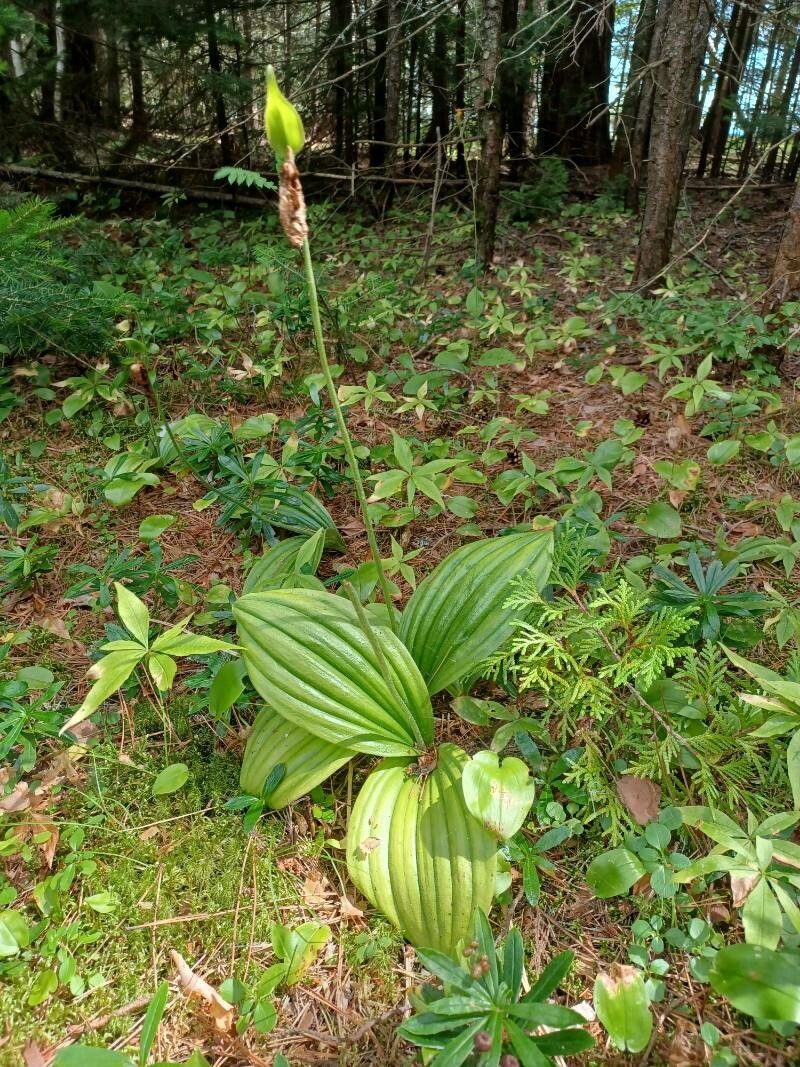
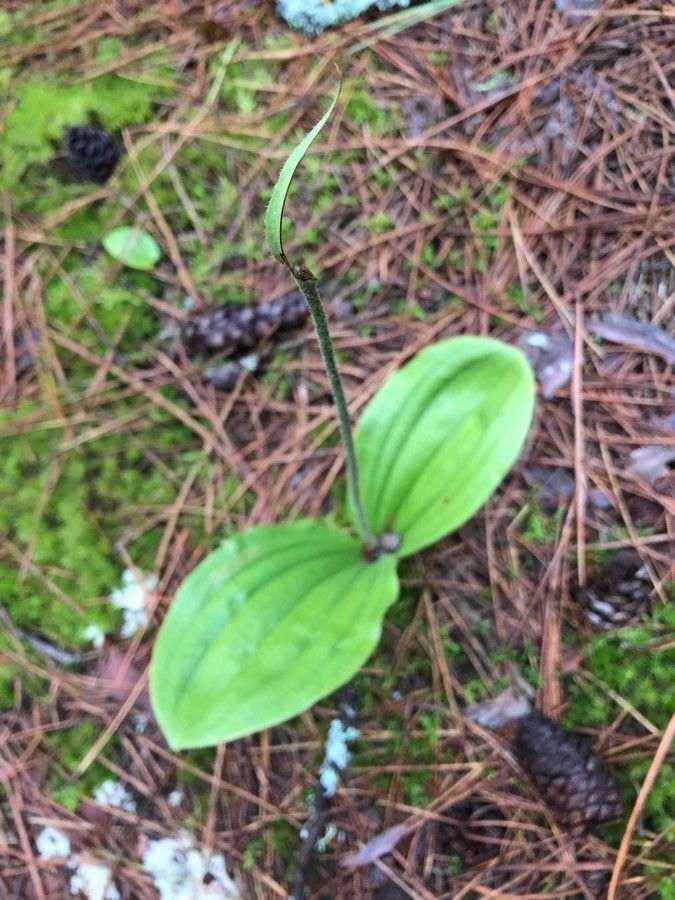
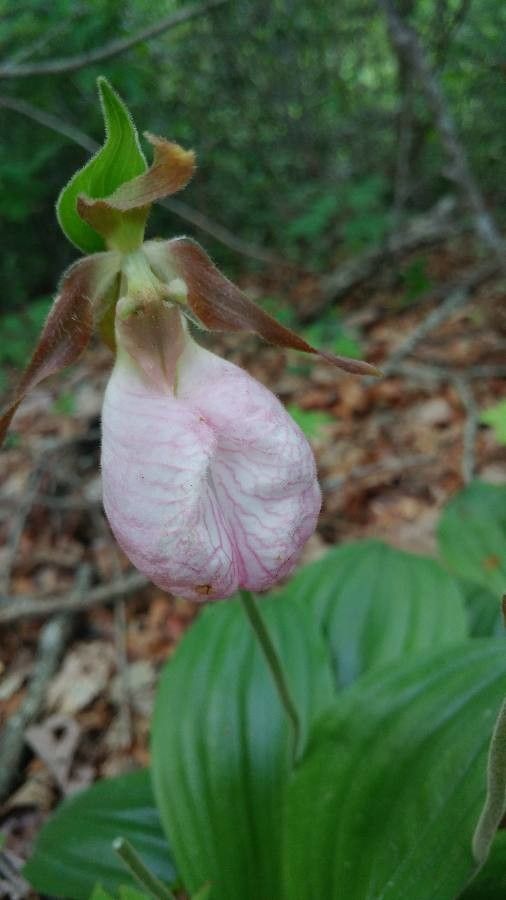
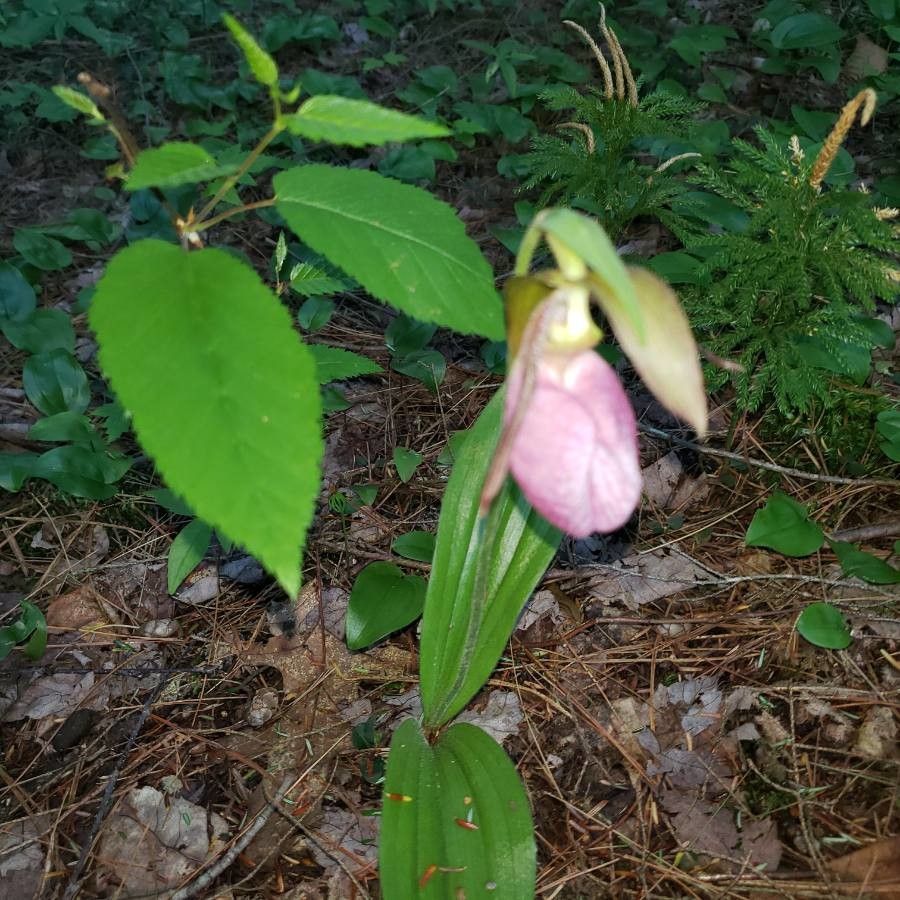
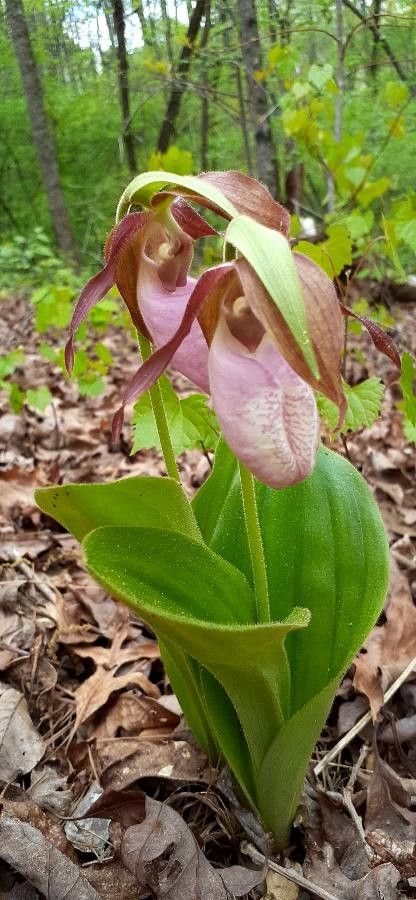
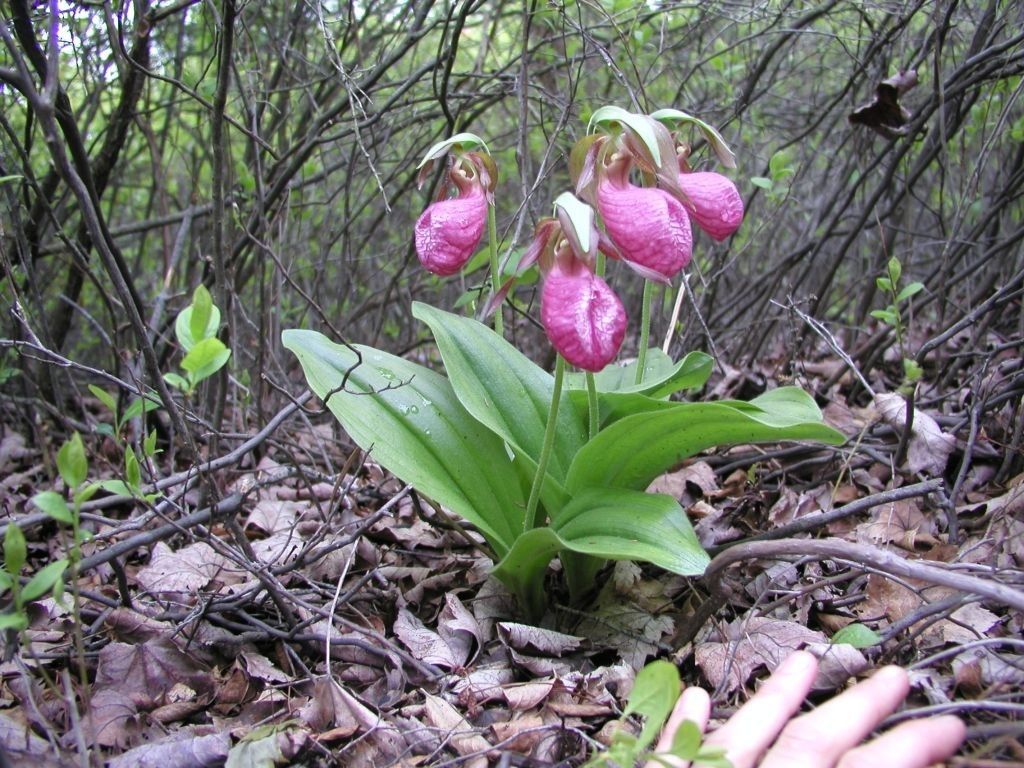
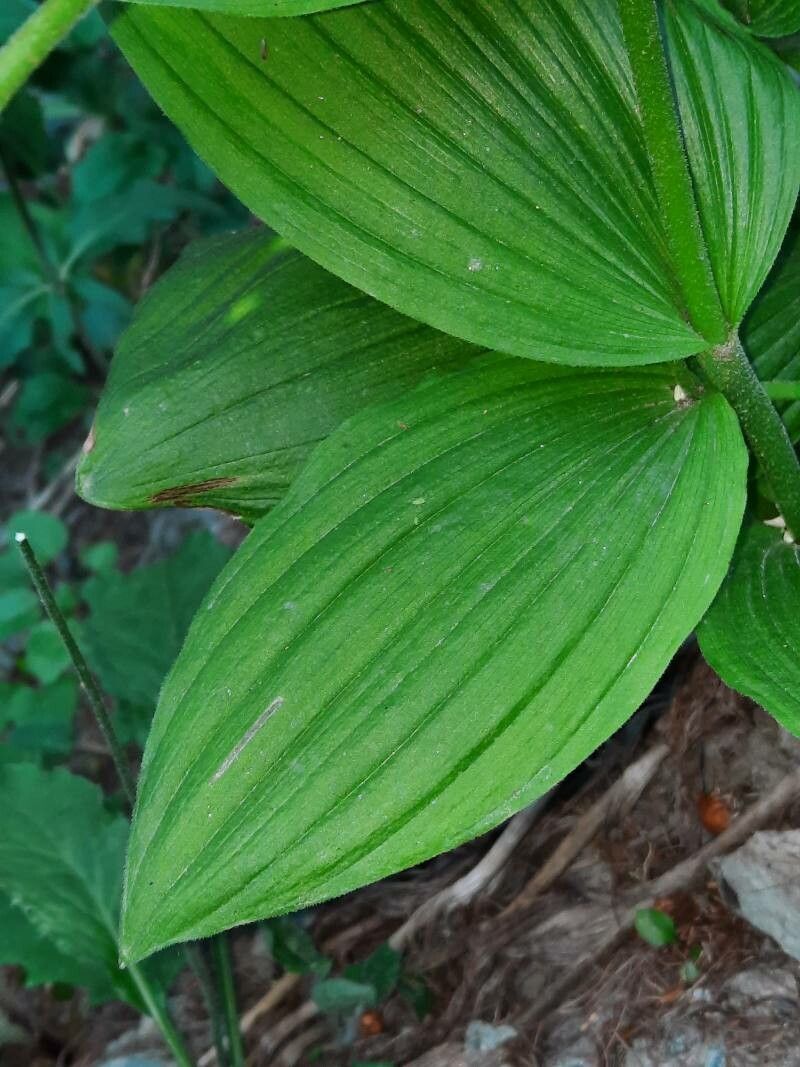
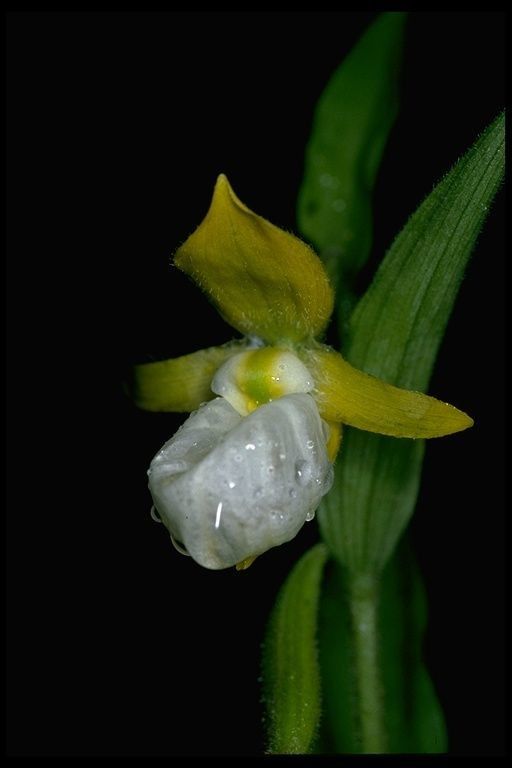
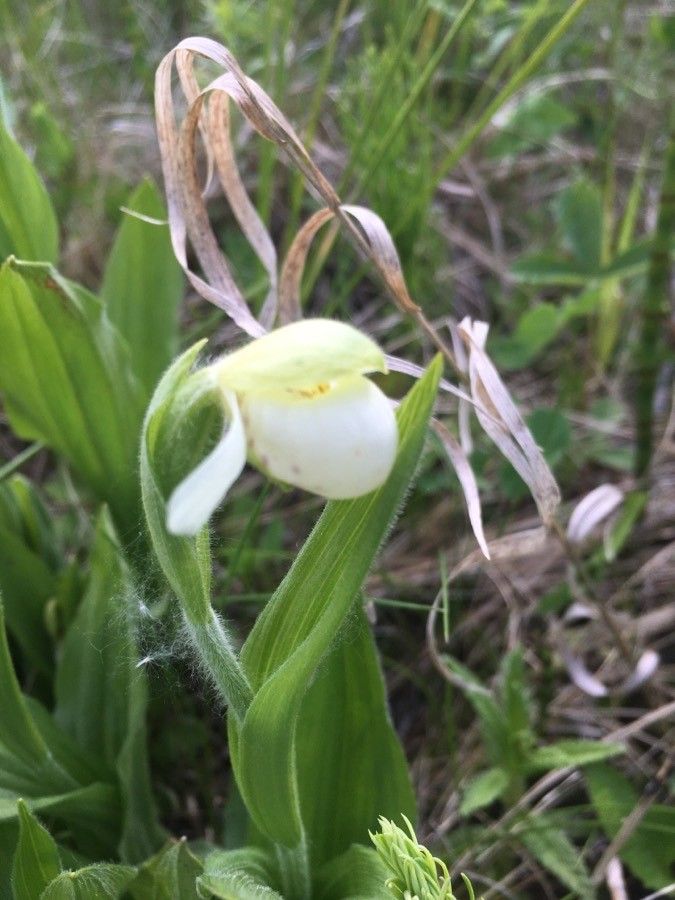
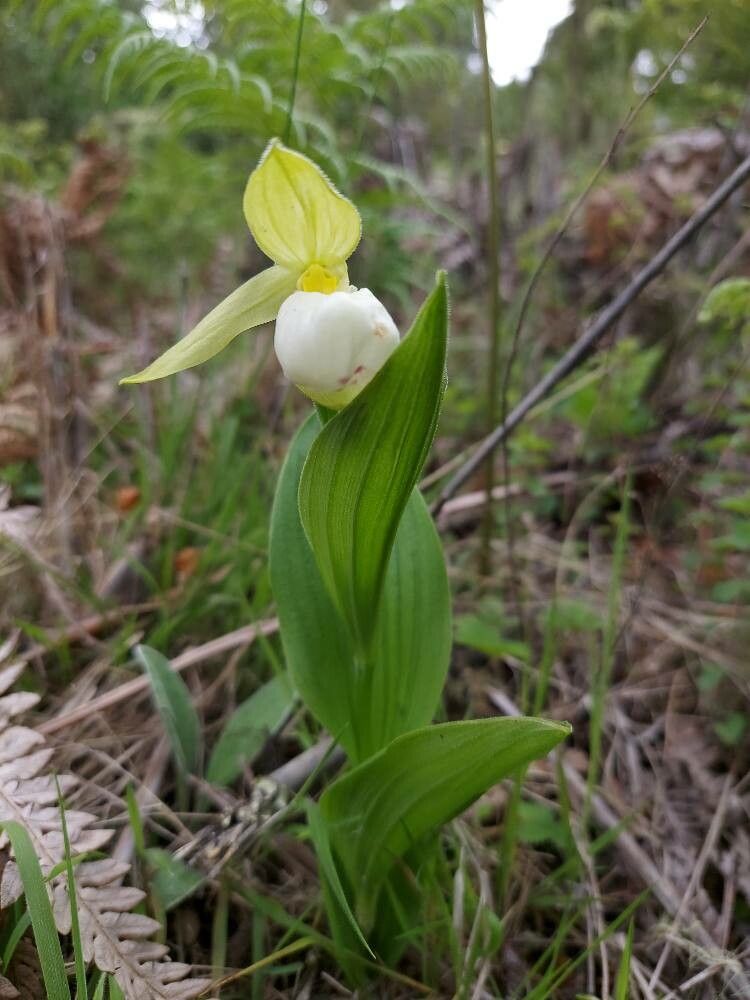
Cypripedium acaule is a species of flowering plant in the orchid family Orchidaceae. It is commonly referred to as the pink lady's slipper or moccasin flower. The specific epithet acaule means "lacking an obvious stem", a reference to its short underground stem, for which reason the plant is also known as the stemless lady's-slipper. It is the provincial flower of Prince Edward Island, Canada and the state wildflower of New Hampshire, United States.
Pink lady slipper is generally resistant to disease and has relatively few insect pests. Its care is considered difficult because it needs high humidity yet good ventilation and an environment with few harmful pathogens. Overwatering can cause root rot. Although anyone can grow Pink lady slipper, maintaining its health and getting it to flower again requires more cultivation experience.
How to keep Cypripedium Acaule.
Light
Pink lady slipper does well with enough sunlight but not an excess. Coming from habitats where they are not completely exposed to sun rays, these plants perform best when the light is somewhat filtered. Both too much and too little light can impair their growth, limiting flowering and leaf development.
Water
The Pink Lady Slipper thrives in temperate forests that offer consistent moisture and nutrient-rich soil. It prefers moderate humidity and should be watered once a week. When grown outdoors in shaded areas, applying mulch helps retain moisture, mimicking the plant's natural habitat.
Humidity
This plant needs special care because it loves high humidity levels of 60-80% or more. The best way to achieve this is by placing a humidifier near the plant. Daily misting is also essential! Make sure the room has good ventilation.
Temperature
The pink lady slipper is indigenous to cool temperate areas and favors temperatures from 32 to 50 ℉ (0 to 10 ℃). In winter it can endure freezing as low as 14 to 23 ℉ (-5 to -10 ℃). In summer it prefers cooler conditions near 68 to 77 ℉ (20 to 25 ℃).
Fertilizer
The best time to fertilize a Pink lady slipper is in early spring, as it emerges from dormancy and starts active growth. Fertilizing supplies essential nutrients needed for healthy development. Although Pink lady slipper has fairly low fertilizer requirements, applying fertilizer annually can improve its survival and encourage better, longer-lasting flowers.
Pruning
The Pink Lady Slipper is known for its distinctive pink, slipper-shaped flowers. To encourage healthy growth, prune any dead or damaged foliage from early to late spring. Handle the plant gently, as it has delicate roots. Careful pruning not only promotes blooming but also helps prevent disease. Remember to always use sanitized tools to maintain the plant's health.
Pot & Repot
When repotting a Pink lady slipper, select a pot that is only slightly larger and has good drainage, preferably a clear orchid pot. Use an orchid-specific, well-draining mix that includes bark or moss. Gently clean the roots and trim any that are dead or rotting. Repot after flowering, typically in spring or fall, water thoroughly, and place in bright, indirect light. Avoid disturbing the roots once repotted.
Botanical profile.
- Plant Type
- Herb
- Life Cycle
- Perennial
- Genus
- Cypripedium
- Family
- Orchidaceae
- Hardiness Zone
- 3-7
- Mature Height
- 15 cm to 61 cm
- Mature Spread
- 23 cm
- Leaf Color
- Green
- Leaf Type
- Deciduous
- Flower Color
- Pink, Green
- Flower Size
- 0.51 cm to 1.78 cm
- Bloom Time
- Late spring, Early summer
- Planting Time
- Spring
- Harvest Time
- Mid summer
Other names.
Reader questions.
How should I water my Pink lady slipper plant?
The way you water your Pink lady slipper depends on whether it is actively growing or not. During active growth, water the soil and occasionally water from above if the weather is warm. In winter or cool and wet weather, only water the soil directly. Signs that your plant needs more water include thin and dry roots and leaves, or discoloration. Overwatered Pink lady slippers will look mushy and limp. Grow your plant in a pot with good drainage. During the growing season, water multiple times per week, ensuring the water drains quickly to avoid standing water. The size of the pot will determine the amount of water needed, with larger pots needing less frequent watering. Rainwater and distilled water are recommended, and try to match the water temperature with the air as closely as possible.
Why should I put fertilizer on my Pink lady slipper?
Fertilization is important for the Pink lady slipper plant. It provides essential nutrients for growth both above and below the ground. While the overall fertilization needs of the Pink lady slipper are low, annual fertilization can greatly benefit the plant. It helps to keep it alive and may even result in improved flowers that last longer. Therefore, those who want their Pink lady slipper to thrive should prioritize annual fertilization.
What are the sunlight requirements for Pink Lady Slipper?
Pink Lady Slipper requires partial sun, approximately 3-6 hours of sunlight daily. It's essential to observe how sunlight moves through your garden to find the perfect balance of light and shade, ensuring the plant's well-being. These plants flourish under conditions with sufficient, but not overwhelming sunlight, since they originate from environments where they aren't fully exposed to sun rays. Therefore, they thrive when sun rays are filtered somewhat, as too much or too little light exposure can hinder their growth, affecting blossom and leaf development.
What is the native environment of the pink lady slipper plant?
The pink lady slipper plant, known botanically as Cypripedium acaule, thrives in cool temperate regions. It prefers temperatures ranging from 32 to 50°F (0 to 10°C) and can tolerate winter conditions as low as 14 to 23°F (-5 to -10°C). During the summer months, ideal temperatures for the plant are between 68 to 77°F (20 to 25°C). Notably, the pink lady slipper is quite cold-tolerant and does not require additional protection against frost during the winter. However, to prevent drought and water scarcity during the colder months and early spring, it's recommended to water the plant generously before the first freeze in autumn, ensuring the soil is moist when it enters a frozen state.
What should I do if I give my Pink lady slipper plant too much or too little water?
To avoid killing your Pink lady slipper, it's important to keep the soil well-drained. Although these plants need frequent watering during active growth, they also require a growing medium that allows water to drain quickly. Overwatering can lead to mushy plants and root rot. In such cases, it's necessary to remove any rotted roots using sterile pruning shears and then repot the plant in a container with good drainage and fast-draining potting mix. However, keep in mind that excessive repotting may not be beneficial for Pink lady slippers, so it's essential to find the right balance in watering. If you notice signs of underwatering, such as shriveling or dryness in the plant, it's likely due to the soil drying out faster than expected, and you should increase the watering frequency.
When should I fertilize my Pink lady slipper?
The best time to fertilize a Pink lady slipper is in late winter to early spring. During this time, the plant is coming out of dormancy and entering a phase of active growth. Fertilizing at this time promotes healthy growth and sets the plant up for a successful season. Although early spring is the most beneficial time to fertilize, it is also acceptable to fertilize in the fall. However, summer and winter are not recommended times to feed a Pink lady slipper.
How can artificial lighting be used for Pink Lady Slipper indoors?
Indoor Pink Lady Slippers require adequate lighting for optimal growth, especially when natural sunlight is insufficient, like in winter or less sunny spaces. Artificial lights, such as LEDs that can be customized to provide specific wavelengths of light needed by your plants, are a vital solution. For full sun plants, 30-50W/sq ft of artificial light is needed, partial sun plants need 20-30W/sq ft, and full shade plants need 10-20W/sq ft. The light source should be placed 12-36 inches above the plant to mimic natural sunlight, and most plants need 8-12 hours of light per day.
How does the pink lady slipper plant react to extremely low temperatures?
The pink lady slipper plant is exceptionally tolerant to cold, designed to withstand the chill of its native cool temperate climates. However, if winter temperatures fall below the growth threshold of 14 to 23°F (-5 to -10°C), you might not observe any immediate detrimental effects. The true impact is revealed in spring, with a potential decrease in sprouting or, in some cases, no sprouting at all. To combat this, it's advised to remove any parts of the plant that have failed to sprout in the spring, thus promoting healthier growth in the surviving sections.
How many times should I water my Pink lady slipper plant?
To properly care for your Pink lady slipper, you should adjust your watering routine based on the season. During the active growth stage in spring and summer, water your plant once or twice per week. If it's particularly hot and dry, increase watering to three times per week or more. In winter, water your plant less frequently, around two to three times per month, to sustain it during colder months. However, if you keep your Pink lady slipper indoors during winter, be aware that indoor conditions can dry out the soil faster. In this case, you may need to water it more than two to three times per month. During fall, gradually decrease watering from the high summer frequency to match the reduced winter watering schedule.
When is the best time to not fertilize my Pink lady slipper?
To ensure proper care for your Pink lady slipper plant, remember to only fertilize it during late winter and early spring. This plant's low fertilization needs make an annual feeding sufficient. Avoid fertilizing throughout spring, summer, and fall to prevent overfertilization and its complications. However, if you missed fertilizing in spring, it's acceptable to feed the plant in fall. Additionally, refrain from fertilizing during winter as the plant will be in a dormant growth phase and does not require new growth during this time.
What are the symptoms of light deficiency in Pink Lady Slipper?
When Pink Lady Slipper is grown indoors with insufficient light, it may exhibit symptoms such as small new leaves, leggy or sparse growth, faster leaf drop, slower or no new growth, lighter-colored new leaves, chlorosis (leaves turning yellow), sunscald (damage from intense sunlight), leaf curling, wilting from excessive sunlight exposure, and leaf scorching characterized by brown, dry, and crispy leaf edges. These symptoms indicate the plant's struggle under poor light conditions.
What should I do if the pink lady slipper plant is exposed to high temperatures?
The pink lady slipper plant does not fare well in high temperatures, especially when the mercury climbs above 68 to 77°F (20 to 25°C). Such conditions stifle its growth and increase susceptibility to rot. If the plant becomes sunburned or parts dry up because of excessive heat, trimming these damaged sections is recommended. Additionally, moving the plant to a cooler, shaded area or employing a shade cloth to protect it from the midday and afternoon sun can be beneficial. Ensuring the soil remains moist by watering the plant during cooler times of the day, such as the morning and evening, helps prevent further heat damage.