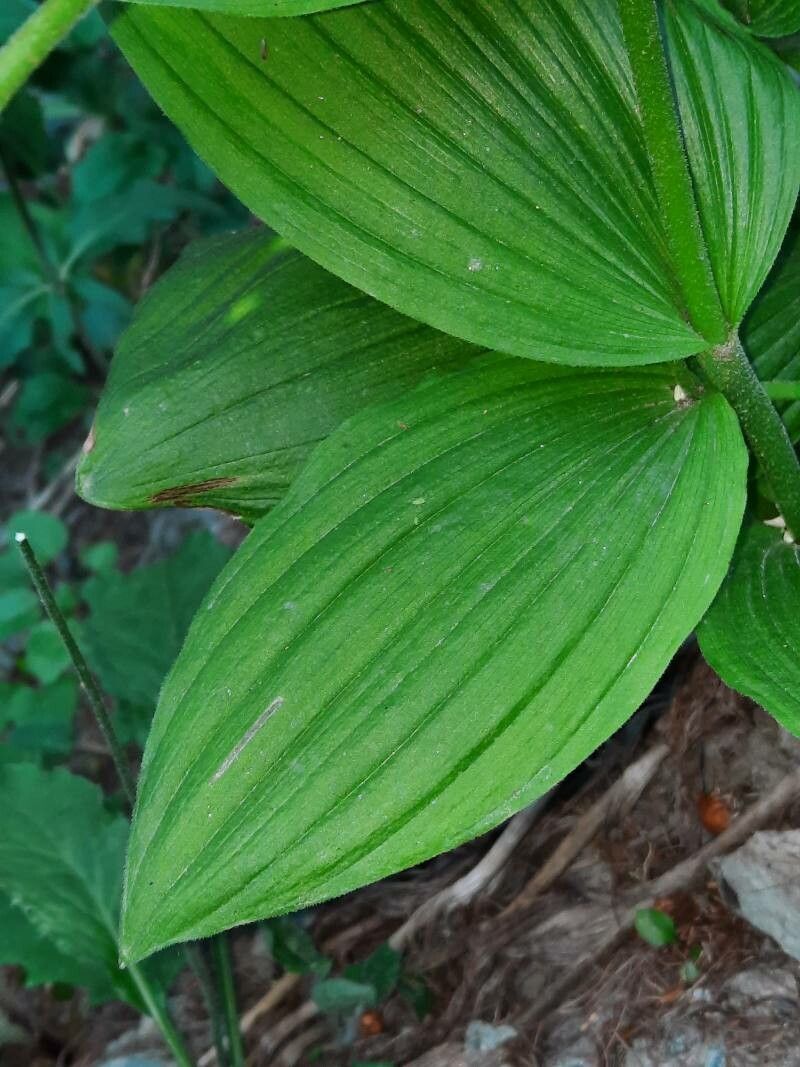
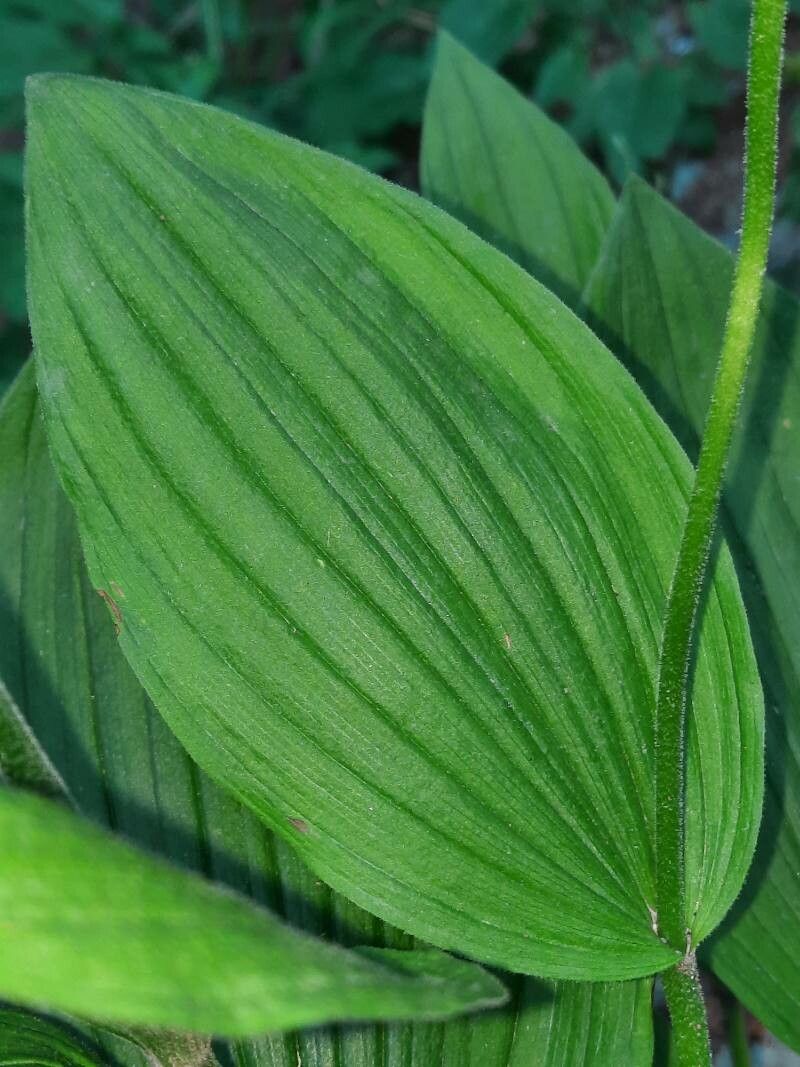
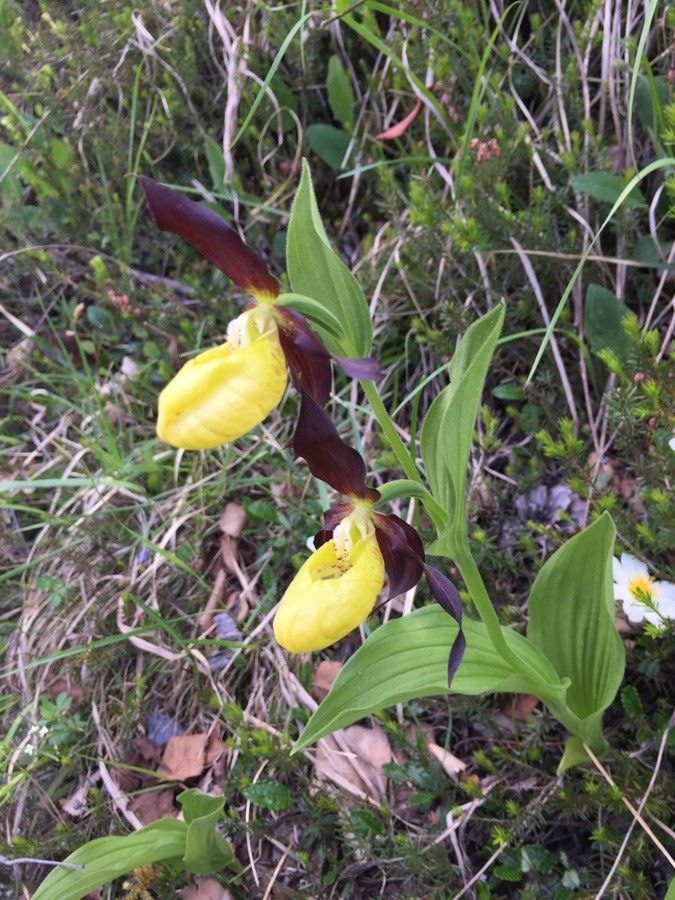
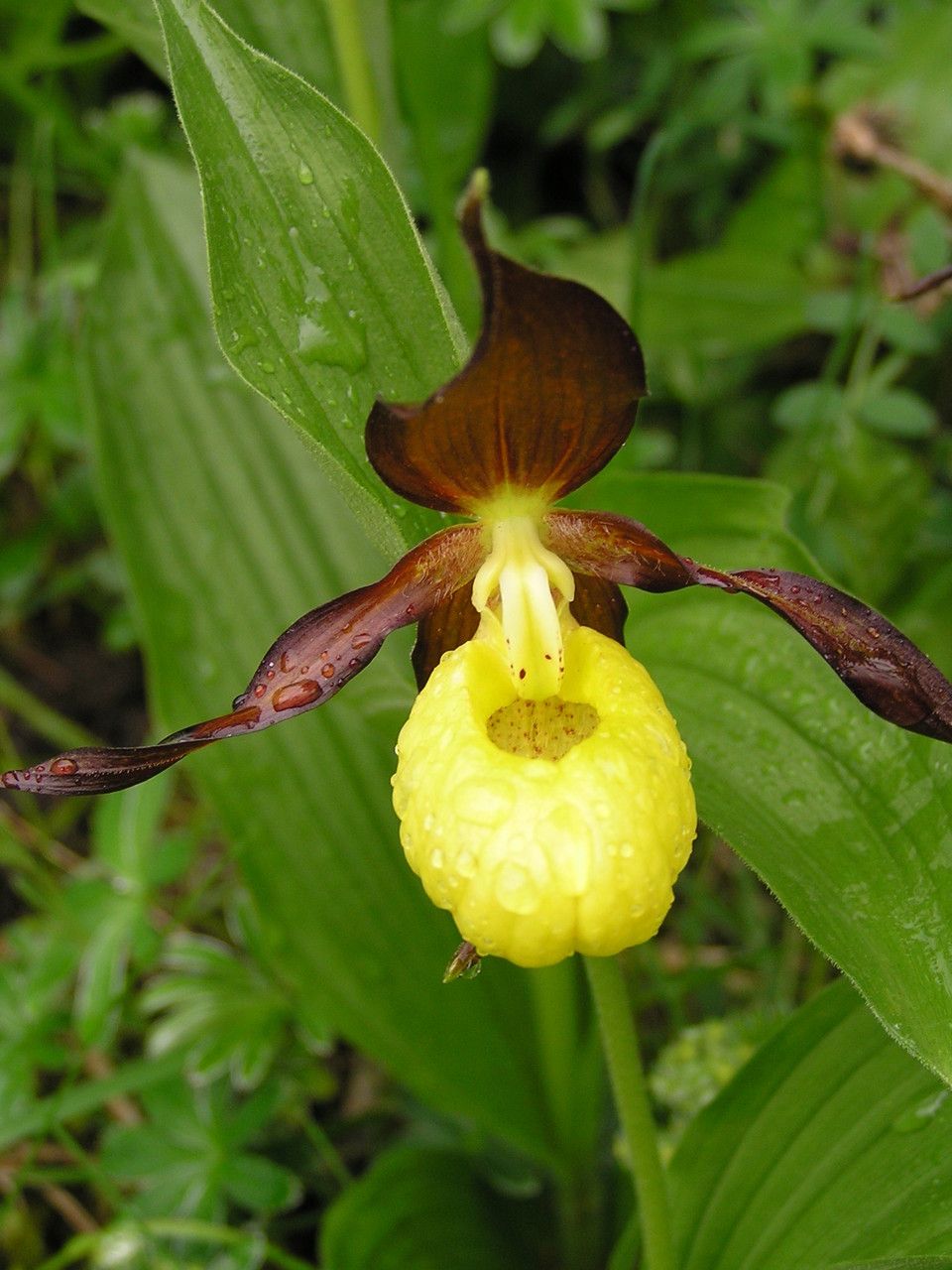
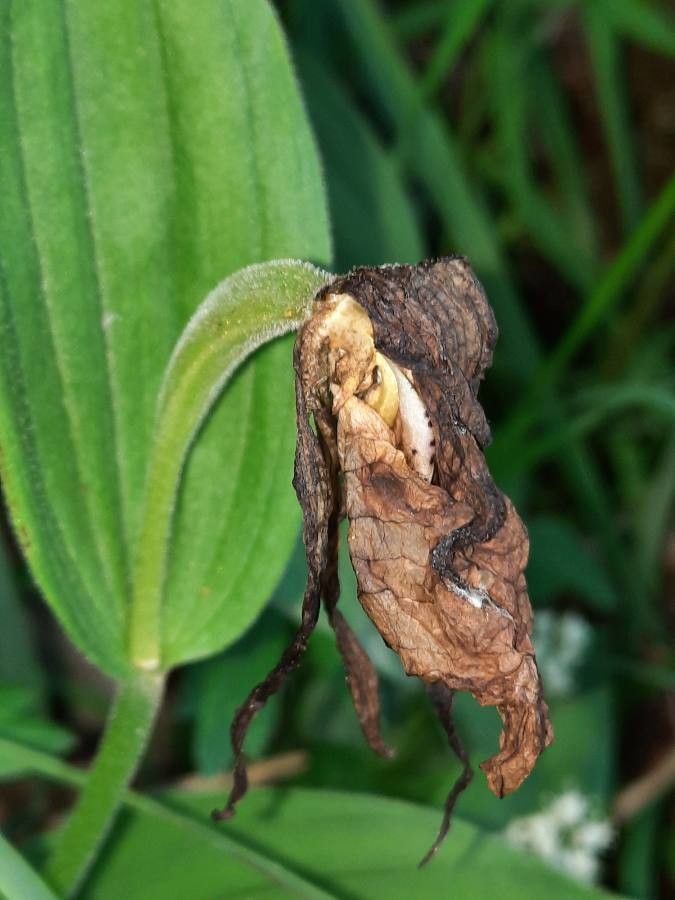
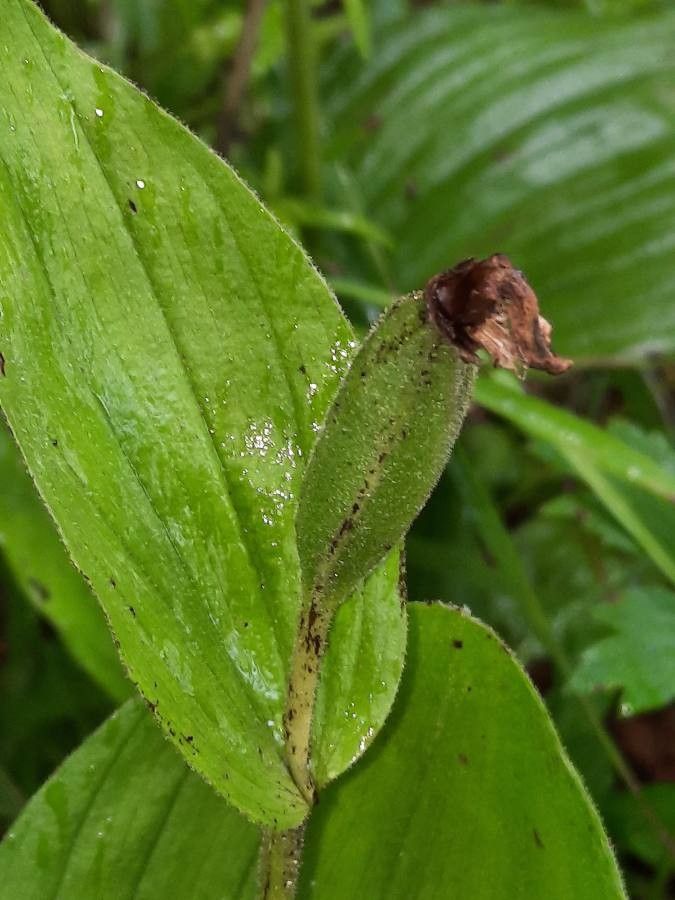
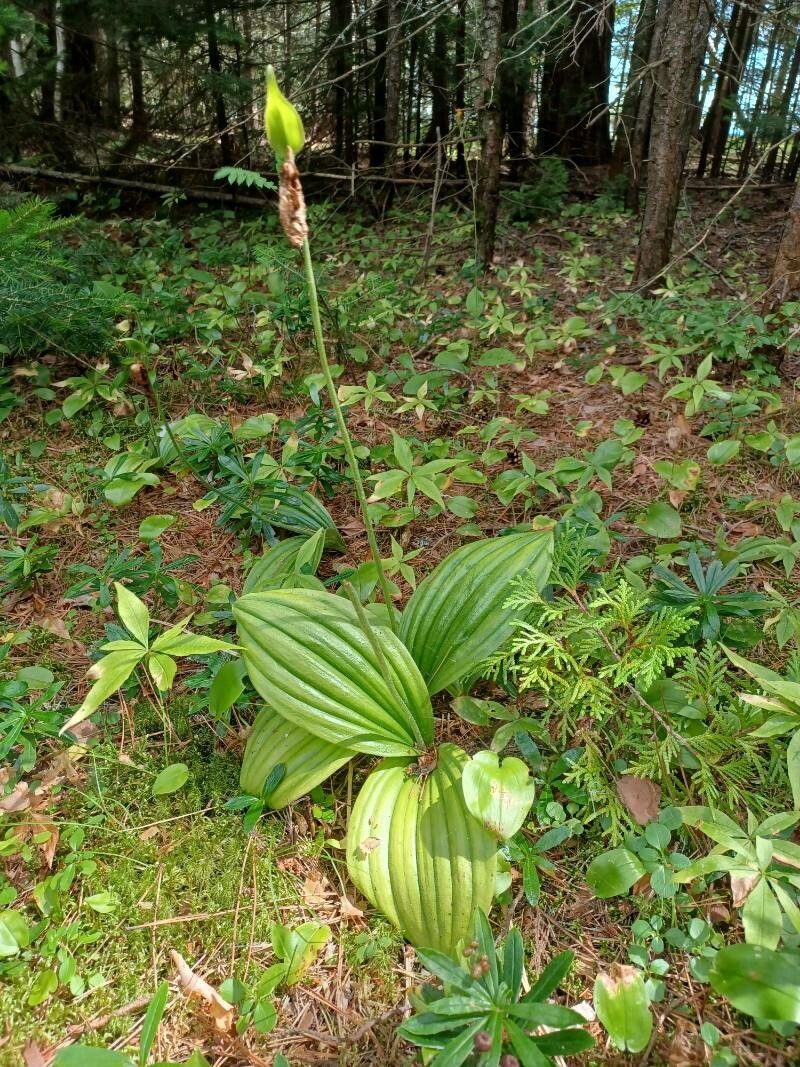
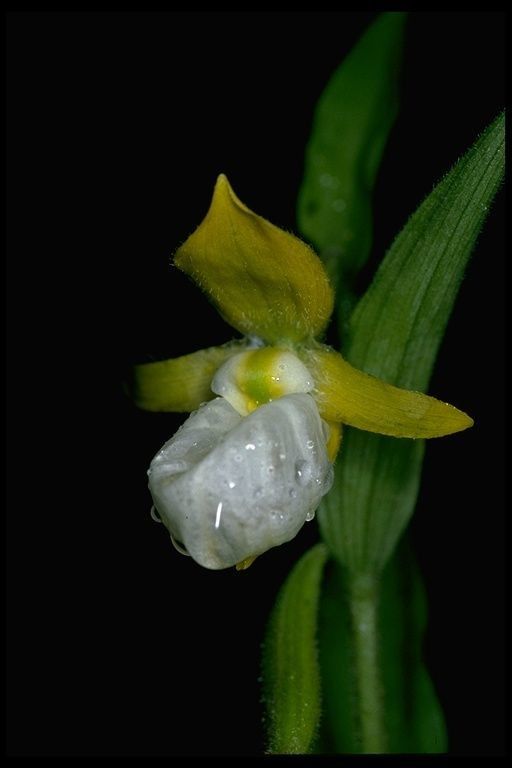
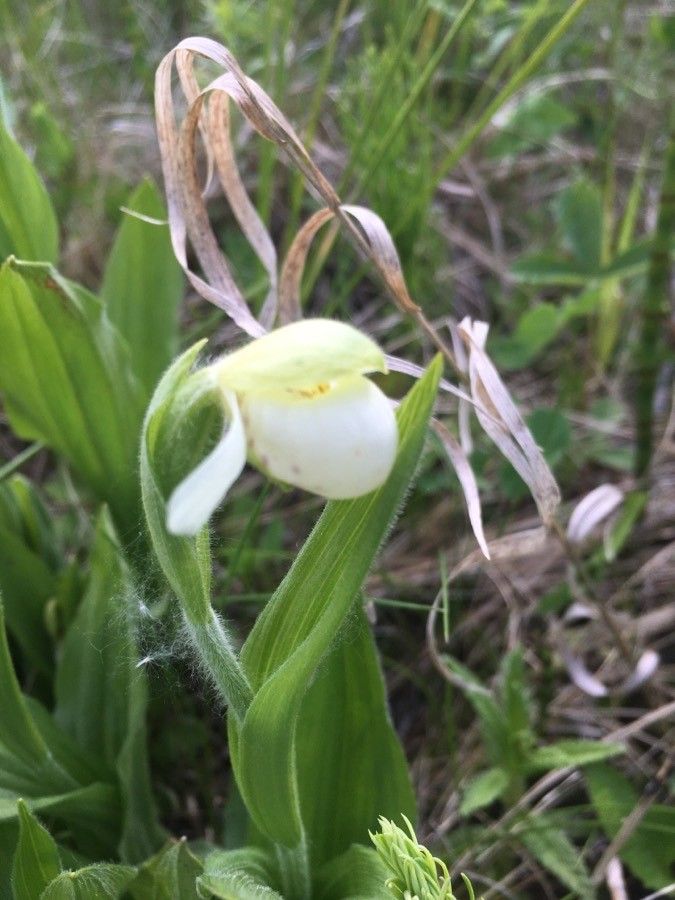
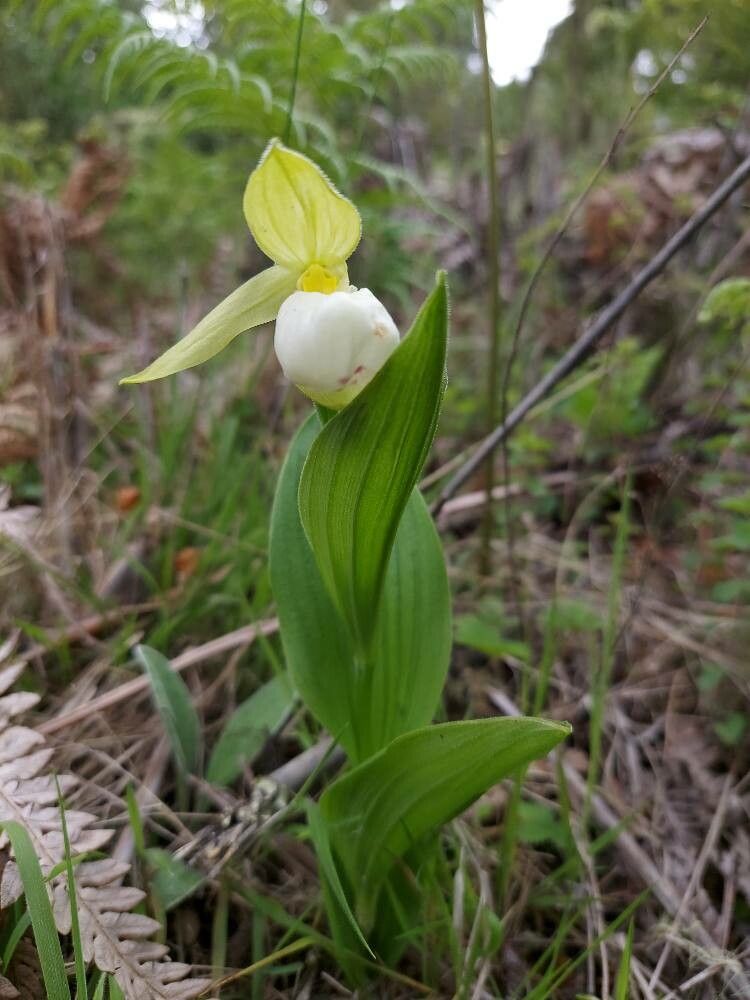
The Cypripedium calceolus, commonly known as the Lady's Slipper Orchid, is a rare and beautiful plant species belonging to the Orchidaceae family. Native to Europe and Asia, this plant thrives in damp woodlands and meadows. It is easily recognizable by its large yellow or greenish-yellow flowers, which are shaped like a slipper or shoe.
For centuries, the Lady's Slipper Orchid has been highly valued for its medicinal properties. Native Americans used it as an herbal remedy to treat various ailments, including headaches, stomach issues, and even snake bites.
Unfortunately, due to habitat loss and over-harvesting by collectors in the past century, Cypripedium calceolus is now considered endangered in many parts of its range. Conservation efforts are currently underway to prevent this beautiful plant species from becoming extinct.
Beyond its medicinal properties and aesthetic appeal as an ornamental plant in gardens worldwide, Cypripedium calceolus also plays a significant role in maintaining biodiversity within its natural ecosystems. It supports wildlife, especially pollinators like bees, which rely on its flowers for nectar during their reproductive life stages.
Overall, this rare orchid is important not only for its beauty but also for its ecological contributions. It underscores the necessity of conservation and scientific research to better understand and protect our natural world.
Lady's slipper orchids are generally resistant to disease and suffer from relatively few insect pests. They are considered difficult to care for because they need high humidity along with good ventilation and minimal harmful pathogens. Too much watering can cause root rot. Although anyone can grow a lady's slipper orchid, keeping it healthy and getting it to bloom again requires more growing experience.
How to keep Cypripedium Calceolus.
Light
Lady's slipper orchids do well in places with plenty of light that is not harsh, and they can tolerate spots of higher light intensity. Because they come from dappled-light habitats, their growth and health can be harmed by too little light or by overly strong rays.
Water
The lady's slipper orchid thrives in moist woodland environments and requires a consistent level of moisture without becoming waterlogged. Ideally, you should water it weekly. Using mulch can help retain soil moisture. Providing adequate water during the growing season is crucial for the orchid's health and vibrant blooms.
Temperature
The lady's slipper orchid occurs naturally in habitats where temperatures run from 68 to 100 °F (20 to 38 °C). While it is fairly adaptable, the plant thrives best in warm climates. Seasonal adjustments may be necessary to maintain these ideal conditions.
Fertilizer
Proper fertilization is essential for the health and appearance of the Lady's slipper orchid. Fertilize the Lady's slipper orchid during summer, applying it once a month throughout the season. Nutrients fuel growth and maintain the plant's parts. Fertilization improves the Lady's slipper orchid's floral display, ensuring the best blooms.
Pruning
To care for a lady's slipper orchid, minimal pruning is needed, ideally from early to late spring. Trim away any dead foliage to encourage new growth, but be careful not to over-prune, as this can cause stress to the plant. Proper pruning not only promotes blooming but also helps prevent disease. Remember to always sterilize your tools to avoid spreading infections.
Botanical profile.
- Plant Type
- Herb
- Life Cycle
- Perennial
- Genus
- Cypripedium
- Family
- Orchidaceae
- Hardiness Zone
- 9-11
- Mature Height
- 25 cm to 61 cm
- Mature Spread
- 30 cm to 40 cm
- Leaf Color
- Green
- Leaf Type
- Deciduous
- Flower Color
- Yellow, Brown
- Flower Size
- 2.54 cm to 7.62 cm
- Bloom Time
- Mid spring, Late spring
- Planting Time
- Spring, Summer
- Harvest Time
- Mid summer, Late summer
- Native Area
- Sweden, Austria, Czech Republic, Slovakia, Bulgaria, Poland, Croatia, Belarus, Ukraine, Serbia, Russia, China, Lithuania, Norway, Germany, Hungary, Italy, Kazakhstan, Spain, Switzerland, Denmark, Estonia, Mongolia, Finland, Koppen, United Kingdom, Romania, Latvia, Belgium, France
Other names.
Reader questions.
How should I water my Lady's slipper orchid in the best way?
The way you water the Lady's slipper orchid depends on whether it is in an active growth phase or not. If it is growing, water the soil and occasionally spray water over the leaves when the weather is warm. In winter and cool, wet weather, only water the soil. If the roots and leaves look dry or discolored, give the orchid more water. If it looks mushy and limp, it's getting too much water. Use a pot with good drainage and water multiple times a week during the growing season, making sure the water drains quickly. The size of the pot determines how often you water. Use rainwater or distilled water that matches the air temperature as closely as possible.
Why should I put fertilizer on my Lady's slipper orchid?
Fertilizer and soil nutrients are like fuel for your Lady's slipper orchid. They help the plant grow healthily by providing the necessary nutrients. All plants, including the Lady's slipper orchid, use nutrients from the soil to develop new plant material and maintain their existing components. Fertilizing the plant is particularly important for showcasing its beautiful flowers, which are its main attraction. To ensure the flowers look their best, most gardeners choose to fertilize their Lady's slipper orchid. This is a reliable way to help the plant produce the most vibrant blooms possible.
What are the sunlight requirements for a Lady's Slipper Orchid?
The Lady's Slipper Orchid thrives in conditions of partial to full sunlight. Partial sun is defined as about 3-6 hours of sunlight per day, while full sun refers to more than 6 hours of sunlight daily. It's important to observe the movement of sunlight through your garden to find spots that offer an ideal balance of light and shade, ensuring the plants remain healthy and happy.
What are the ideal temperature conditions for growing Lady's slipper orchid?
Lady's slipper orchid thrives in warm climates, with ideal temperatures ranging from 68 to 100 °F (20 to 38 °C). It is native to environments that support its growth best within these temperature ranges. During winter, if temperatures fall below 0°C, it's recommended to bring the orchids indoors to protect them from the cold. Keeping indoor temperatures above 20°C and positioning the plant near a south-facing window can ensure ample sunlight and warmth for the orchid.
What should I do if I give my Lady's slipper orchid too much water or too little water?
To keep your Lady's slipper orchid healthy, it's important to properly manage its moisture levels. While these plants require frequent watering during active growth, they also need a well-draining growing medium. Overwatering can cause the plant to become mushy and develop root rot. If this happens, use sterilized pruning shears to remove any rotted roots, then repot the orchid in a container with good drainage and fast-draining potting mix. However, be mindful that Lady's slipper orchids don't respond well to excessive repotting. To avoid underwatering, check the soil regularly and increase watering if it feels dry or the plant begins to shrivel.
When should I fertilize my Lady's slipper orchid to give it the most nutrients?
The Lady's slipper orchid goes through two main phases each year: dormant and active growth. The dormant phase occurs during the winter, with minimal new growth. The active growth phase happens in spring and fall, when fertilization is most needed. For best results, start fertilizing your Lady's slipper orchid in the spring and continue once a month throughout spring and most of the summer. As fall approaches, you can decrease the frequency of fertilization.
What are the essential light conditions for the growth of Lady's Slipper Orchid?
The Lady's Slipper Orchid performs well in ample but not overly harsh light conditions, similar to its natural habitat which provides dappled light. This resilience allows it to tolerate areas with more luminous intensity, although its health and growth may suffer under insufficient or excessively strong rays. For indoor plants lacking natural sunlight, it is recommended to use artificial lighting sources. LED lights are a popular choice, providing necessary wavelengths of light. Full sun plants require 30-50W/sq ft, partial sun plants 20-30W/sq ft, and full shade plants 10-20W/sq ft of artificial light. The artificial light source should be placed 12-36 inches above the plant, for 8-12 hours per day to mimic natural sunlight conditions.
How do you care for a Lady's slipper orchid during winter?
Caring for a Lady's slipper orchid during winter involves keeping it away from low temperatures. If outdoor conditions become too cold (below 0°C), it is advisable to bring the orchid indoors. The indoor environment should be kept above 20°C to ensure the plant's health. Placing the orchid near a south-facing window will provide sufficient sunlight. Additionally, maintaining humidity through regular misting or using a humidifier is crucial for its wellbeing. For plants that must stay outdoors, ensuring a sheltered position with sunlight and possibly setting up a temporary greenhouse or using protective wraps can help.
How frequently should I water my Lady's slipper orchid?
During the active growth stage, which is in the spring and summer, water your Lady's slipper orchid once or twice per week. If it's hot and dry, water it three times per week or more. In winter, water it less frequently, about two to three times per month. However, if you keep it indoors, the soil may dry out faster, so you might need to water it more often. In the fall, gradually decrease the watering frequency from multiple times per week to match the reduced winter schedule.
When should I not put fertilizer on my Lady's slipper orchid?
To support the growth of your Lady's slipper orchid without causing root burn, it's important to consider its different growth stages. During the spring and summer, when the plant is actively growing, it requires additional nutrients. However, in the fall and winter, when the orchid enters its dormancy stage, it is best to discontinue fertilizing.
What are some symptoms of inadequate lighting on Lady's Slipper Orchid?
Inadequate lighting can result in several symptoms in a Lady's Slipper Orchid, including smaller new leaves, leggy or sparse growth, accelerated leaf drop, halted or no new growth, lighter-colored or irregularly patterned leaves indicating a shortage of chlorophyll, chlorosis marked by yellowing leaves due to excessive light, sunscald with damage from intense exposure, leaf curling as a defense against excessive sun, wilting from increased water loss, and leaf scorching signified by brown, dry edges on leaves. These symptoms highlight the plant's struggle with either too little or too much light.
What symptoms indicate temperature distress in Lady's slipper orchid?
Temperature distress in Lady's slipper orchid is evident through specific symptoms. Low temperatures below -5°C cause extensive water-soaked necrosis, wilting, and drooping of the leaves, indicating the plant is not tolerant of cold. On the other end, high temperatures above 43°C halt the plant's growth, with leaves wilting and the plant becoming susceptible to root rot and sunburn. These symptoms serve as indicators that the plant's environment needs adjustment.