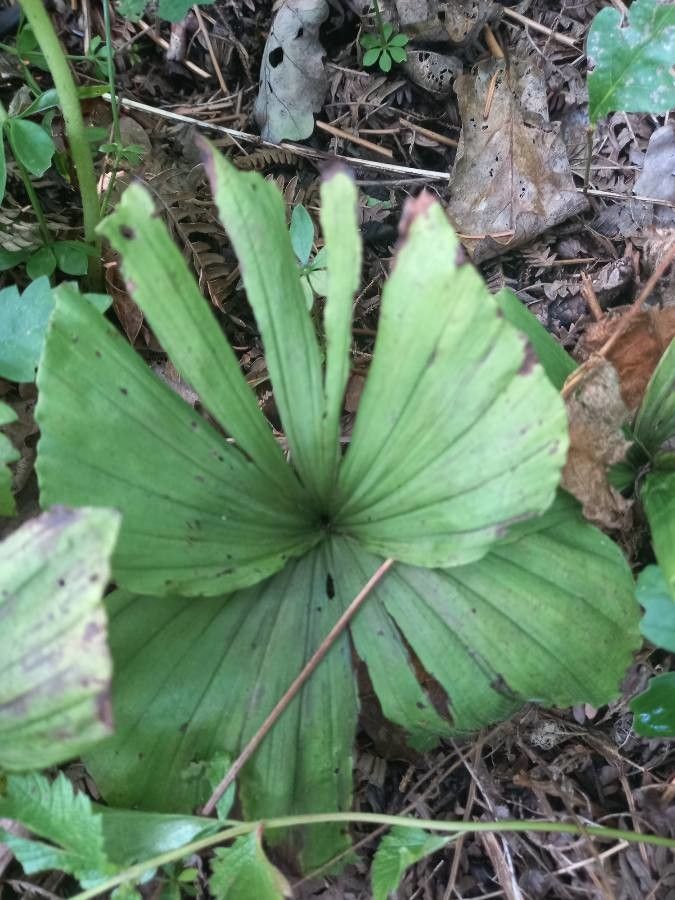
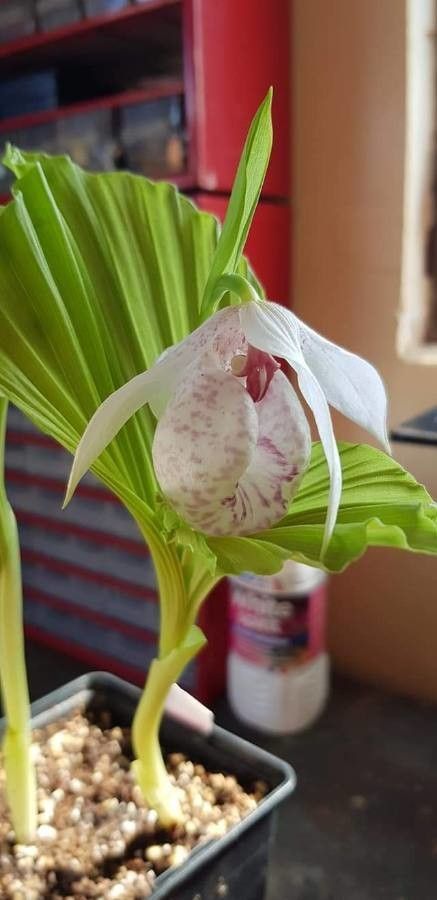
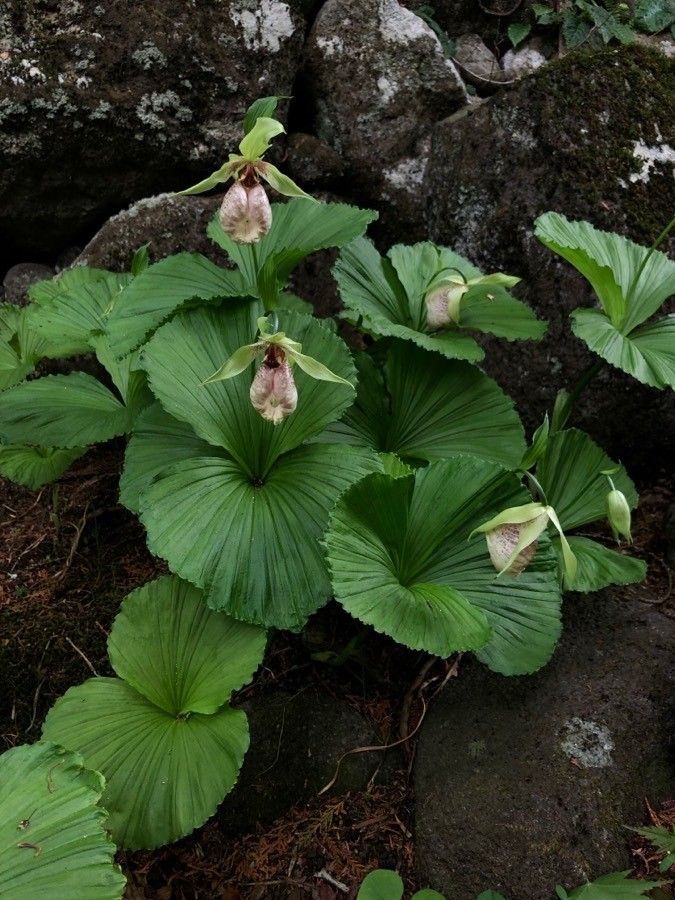
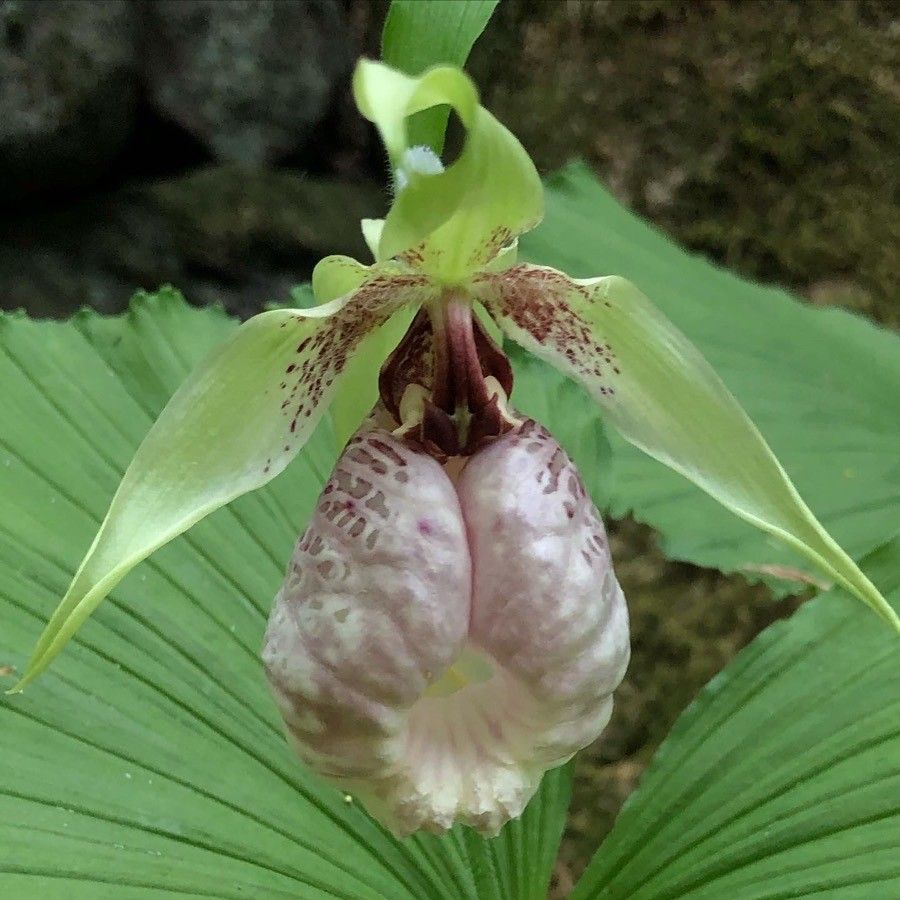
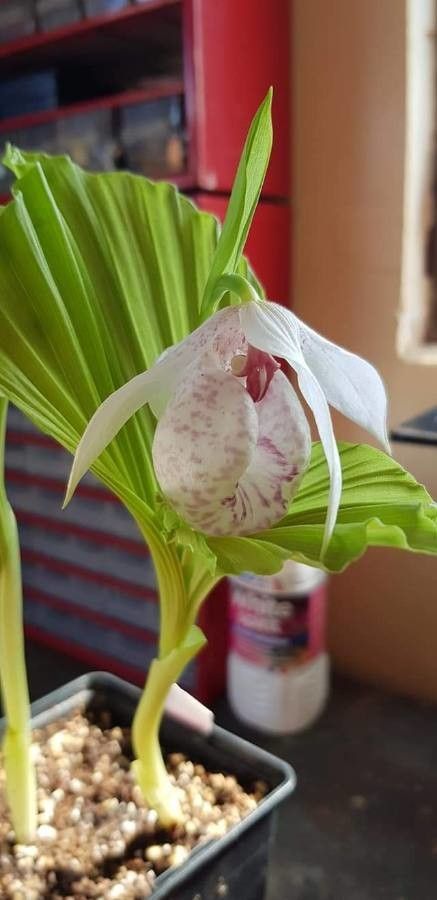
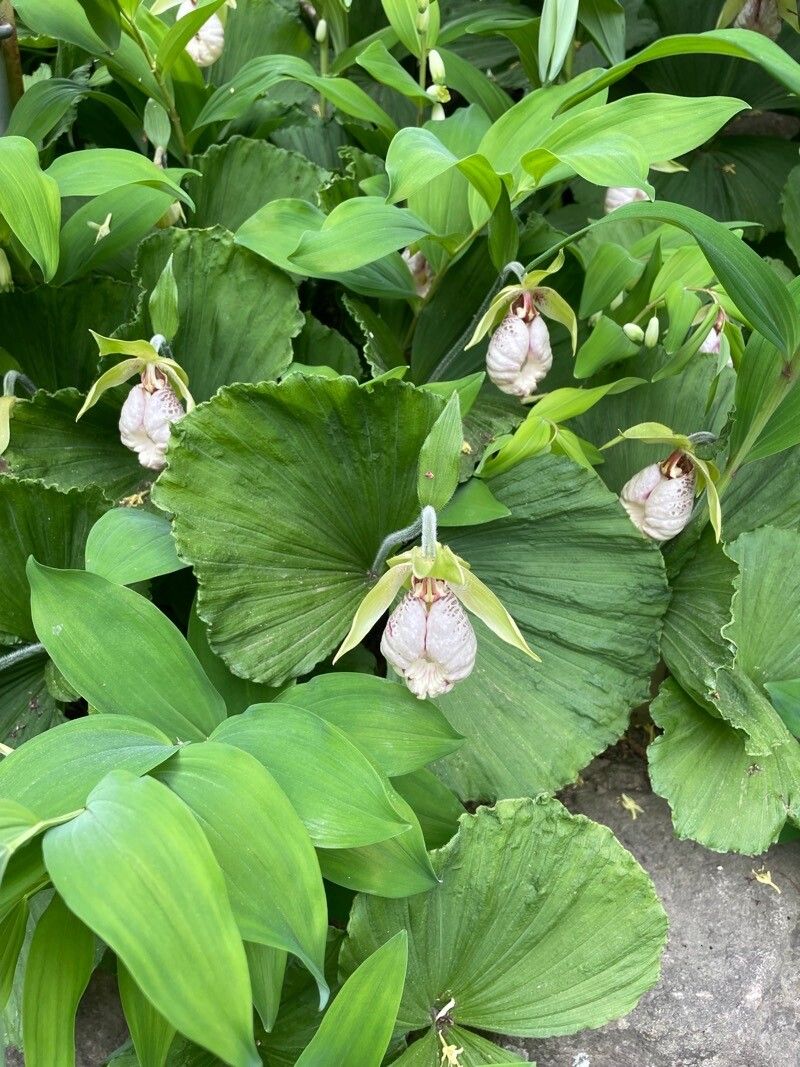
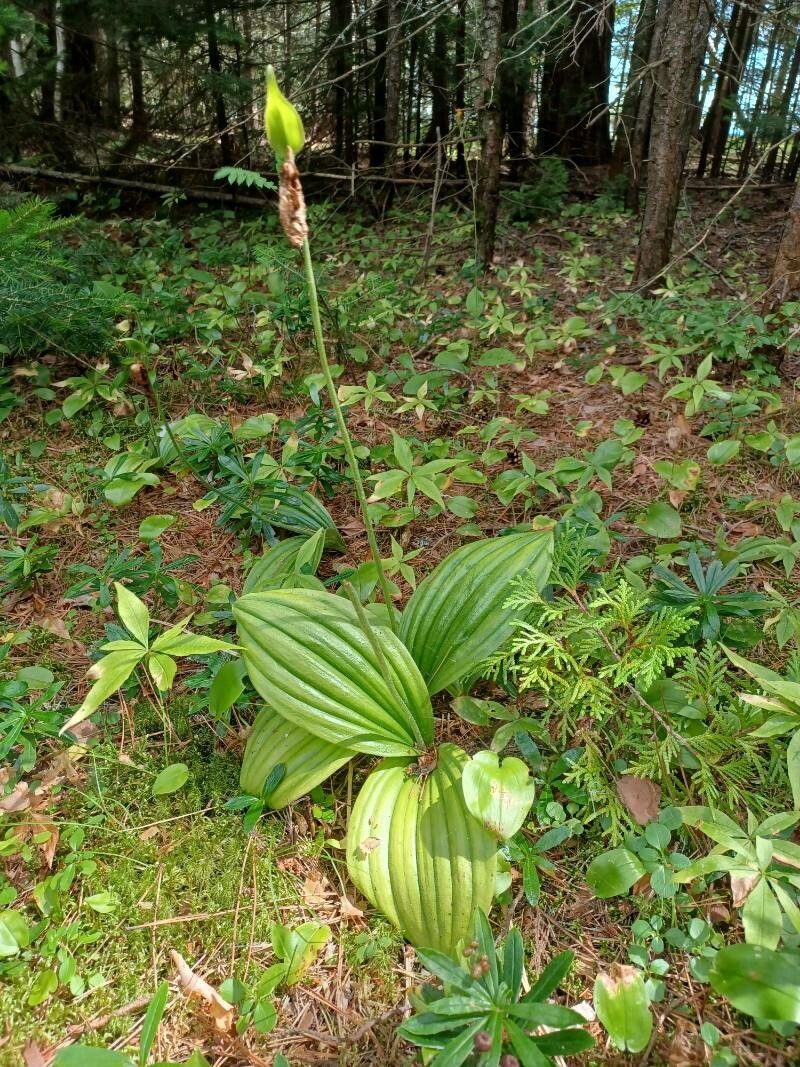
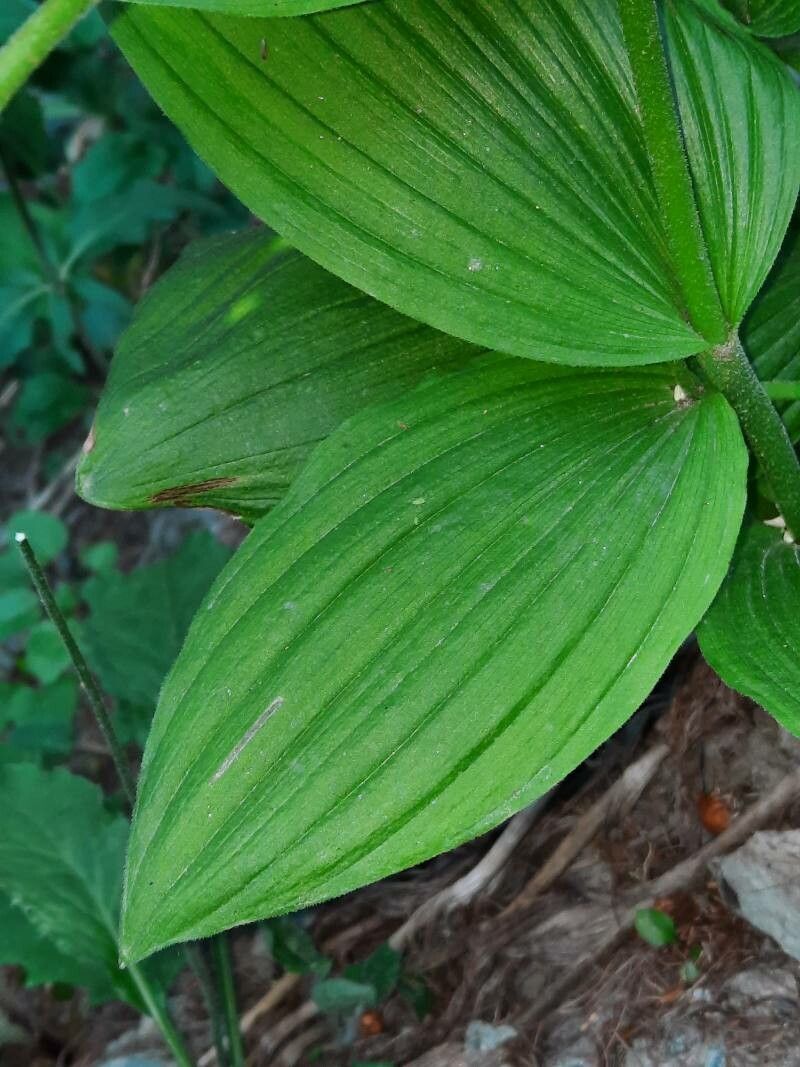
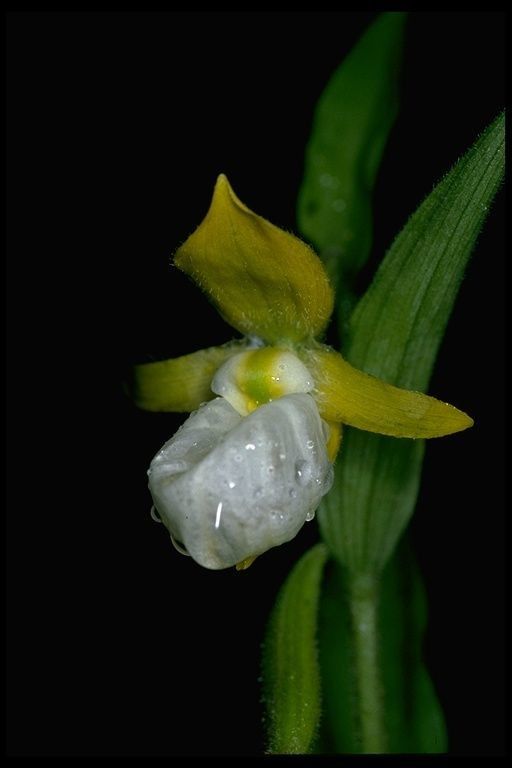
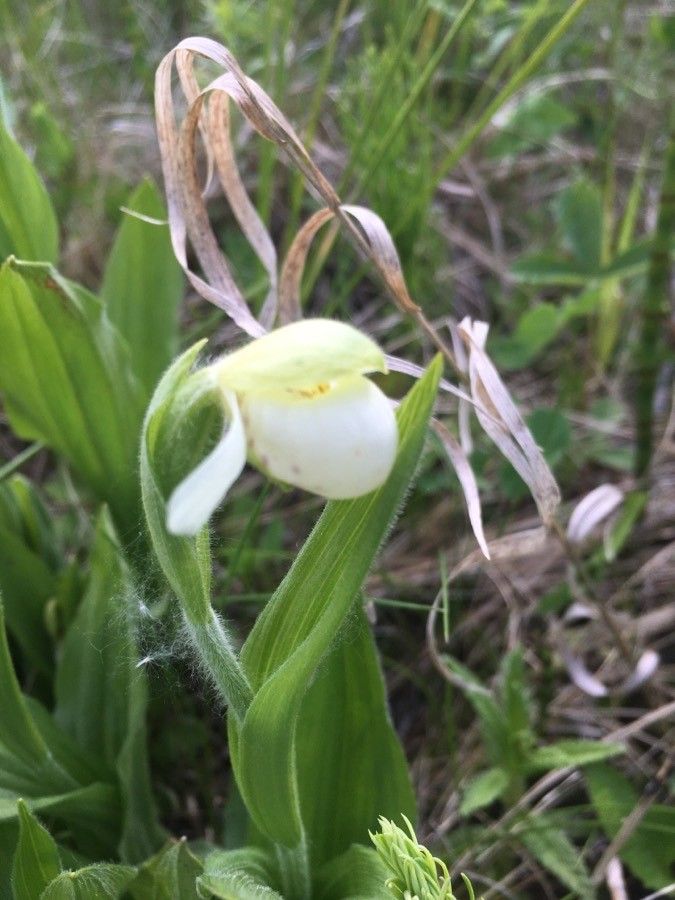
Cypripedium japonicum, known as the Japanese cypripedium and Korean lady's slipper, is a species of orchid. It is native to Japan, Korea and China (Anhui, Gansu, Guizhou, Hubei, Hunan, Jiangxi, Shaanxi, Sichuan, Zhejiang).
Japanese cypripediums are generally quite resistant to disease and suffer from relatively few insect pests. Their care is regarded as challenging because they need a very humid yet well-ventilated environment with minimal harmful pathogens. Overwatering can cause root rot. While anyone can grow Japanese cypripediums, keeping them healthy and getting them to bloom again requires more horticultural experience.
How to keep Cypripedium Japonicum.
Light
Japanese cypripedium does best with light that has been filtered through the leafy canopy of its natural environment. Too much light can scorch the leaves, while too little light can limit its growth and vigor. Its different growth stages do not demand different sunlight conditions. The shade present in its native habitat is responsible for this specific light preference.
Water
Native to the moist woodlands of East Asia, the Japanese cypripedium flourishes in humid conditions. It requires weekly watering, but it's important to avoid waterlogging. As an understory plant, it benefits from mulching, which helps retain soil moisture and mimics the natural leaf litter of its habitat.
Temperature
Japanese cypripedium is native to temperate regions and thrives where temperatures range from 41 to 90 °F (5 to 32 ℃). Adjustments to temperature are required during seasonal shifts. Monitor closely to keep the temperature around this preferred range.
Fertilizer
The primary time to fertilize Japanese cypripedium is in early spring, when the flowers are developing. The appropriate fertilizer promotes better blooms and helps Japanese cypripedium produce attractive flowers. Fertilizing in early spring supports excellent flowering during the season and supplies energy for dormant growth phases.
Pruning
The Japanese cypripedium is admired for its large flowers and broad leaves. To maintain its health and manage its size, you should prune it from early to late spring. This involves removing dead foliage and spent flowers, which helps promote new growth. It's important to clean your tools before pruning to prevent the spread of disease. By pruning at the right time, you can enhance the plant's vigor and longevity.
Botanical profile.
- Plant Type
- Herb
- Life Cycle
- Perennial
- Genus
- Cypripedium
- Family
- Orchidaceae
- Hardiness Zone
- 4-7
- Mature Height
- 34 cm to 55 cm
- Mature Spread
- 15 cm to 46 cm
- Leaf Color
- Light Green, Forest Green
- Leaf Type
- Deciduous
- Flower Color
- Pink, White
- Flower Size
- 1.02 cm to 1.27 cm
- Bloom Time
- Mid spring, Late spring
- Planting Time
- Spring
- Harvest Time
- Early summer, Mid summer
- Native Area
- South Korea, Japan, China
Other names.
Reader questions.
How should I water my Japanese cypripedium plant?
The way you water the Japanese cypripedium depends on whether it is in a growth phase or not. If it is growing, you should water the soil and occasionally water the leaves if it is warm out. In winter or when it's cool and wet, stick to watering the soil directly. If the roots and leaves become dry or discolored, it needs more water. Too much water will make it mushy and limp. Plant the cypripedium in a pot with good drainage. During the growing season, water it several times a week, making sure the water drains quickly. The size of the pot determines how often you water it. Rainwater or distilled water is best, ideally at the same temperature as the air.
Why should I add fertilizer to my Japanese cypripedium?
Fertilization serves several important purposes for the Japanese cypripedium and other plants. By providing essential nutrients, fertilization promotes overall plant growth both above and below ground. However, the Japanese cypripedium has relatively low fertilization requirements. While it can survive without fertilization, annual fertilization can greatly benefit the plant's survival and encourage the production of longer-lasting, better-quality flowers. Therefore, those wanting to optimize the appearance of their Japanese cypripedium should prioritize annual fertilization.
How much sunlight does Japanese cypripedium need to grow?
To ensure the healthy growth of Japanese cypripedium, it requires approximately 3-6 hours of direct sunlight daily. However, it is important to shield it from excessive sun exposure during the hottest periods to prevent any harm. Ideally, morning sunlight suits the Japanese cypripedium best, although it can handle some afternoon sun if the temperature is not too high. To strike the right balance, consider planting the Japanese cypripedium in a location that receives partial sun, such as beneath a tree or on the east side of a building.
What temperature is best for Japanese cypripedium?
Japanese cypripedium thrives in cooler weather and has a specific temperature range to optimize growth. The ideal temperature range for these plants is between 65~75℉(18~25℃). While they can tolerate higher and lower temperatures, it is best to keep them within a few degrees of 65~75℉(18~25℃) for optimal health. If you cannot maintain this precise range, don't worry, as the plants can still grow. Japanese cypripedium can withstand a wider range of temperatures before experiencing damage or reduced growth. On the higher end, the temperature can be between 75~85℉(25~30℃), while on the lower end, temperatures as low as 5℉(-15℃) can be tolerated. However, it is most crucial to avoid temperatures above 85℉(30℃), as these plants prefer cooler environments. Exceeding this upper limit can slow down growth and even cause the plant to die.
What should I do if I give too much or too little water to my Japanese cypripedium plant?
If you want your Japanese cypripedium to survive, avoid letting it sit in overly moist soil for too long. Although it needs regular watering during growth, it also requires well-draining soil. Overwatering can lead to the plant becoming mushy with root rot. In that case, carefully remove any rotting roots with sterile pruning shears before repotting the plant in a well-draining container with fast-draining potting mix. However, excessive repotting can harm the plant, so it's important to find the right balance when watering. If the cypripedium starts to shrivel and feel dry, it likely needs more frequent watering because the soil is drying out faster than expected.
When should I fertilize my Japanese cypripedium?
The best time to fertilize a Japanese cypripedium is in the late winter to early spring. This is when the plant is coming out of its dormant phase and starting to grow actively. Fertilizing at this time promotes healthy growth and gives the plant a good start for the season. Although early spring is generally the most beneficial time, you can also fertilize in the fall. However, it is not recommended to fertilize during summer or winter.
What happens if Japanese cypripedium doesn't get enough sunlight?
Japanese cypripedium may suffer from sun damage, such as yellowing or burning of the leaves, wilting, and stunted growth if exposed to excessive direct sunlight. To protect it, provide some shade during the hottest parts of the day. This can be done by using a shade cloth or planting it near taller plants that can offer natural shade.
Do Japanese cypripedium need different temperatures at different stages of growth?
To ensure the healthy growth of Japanese cypripedium, it is crucial to maintain an appropriate temperature range in the growing space. Ideally, the temperature should be kept between 65 to 75℉ (18 to 25℃). However, it is advisable to lean towards the colder end of this range. It is important not to allow the temperature to drop below -5℉ (-20℃) as extremely cold temperatures can impede growth at any stage. While cold temperatures can be problematic, they are not as damaging as excessively high temperatures. If the temperature remains high during the budding stage, it can prevent Japanese cypripedium from flowering altogether.
How frequently do I need to water my Japanese cypripedium?
During the spring and summer months, water your Japanese cypripedium about once or twice per week. If it's really hot and dry, you may need to increase that to three times per week or more. In the winter, you still need to water your Japanese cypripedium, but not as often. Two to three times per month should be enough during the coldest months. However, if you keep your Japanese cypripedium indoors during winter, remember that indoor locations can dry the soil faster, so you may need to water more frequently. In the fall, gradually reduce the watering frequency from multiple times per week to your reduced winter schedule.
When is it not a good idea to add fertilizer to my Japanese cypripedium plant?
To properly fertilize your Japanese cypripedium, keep in mind that late winter and early spring are the ideal times. This plant has low fertilization needs, so a single feeding per year is enough. It's important not to continue fertilizing throughout spring, summer, and fall as this can result in overfertilization and its associated problems. However, if you missed fertilizing in the spring, it is acceptable to feed the plant in the fall. Additionally, refrain from fertilizing during the winter when the Japanese cypripedium is in a dormant growth phase and doesn't produce new growth. Consequently, fertilization during most of the winter is not recommended.
What happens if Japanese cypripedium gets too much sunlight?
If the Japanese cypripedium doesn't receive sufficient sunlight, it might become tall and thin with limited foliage. Additionally, the leaves could turn yellow or pale green, which indicates insufficient production of chlorophyll caused by a lack of sunlight. To address this issue, consider relocating the Japanese cypripedium to a sunnier location or trimming surrounding foliage to enable more light to reach the plant.
Here are three tips to help you control the temperature of Japanese cypripedium.
Here are three tips for successfully growing Japanese cypripedium indoors: 1. Choose the coldest room in your home: When growing Japanese cypripedium indoors, it's important to select a room that doesn't experience intense heat from the sun. However, ensure the room still receives a healthy amount of sunlight. Complete darkness can hinder the plant's growth. 2. Control the temperature to promote flowering: Japanese cypripedium typically blooms during spring and early summer. High temperatures during this period can prevent proper flowering, resulting in partially opened or non-flowering buds. Maintain the temperature between 65-75℉ (18-25℃) to allow the plant to blossom to its full potential. 3. Protect from frost: Although Japanese cypripedium can tolerate low temperatures, significant frost can damage the plant. In late fall or winter, extreme cold can cause wilting and discoloration of the plant. If any parts turn brown or black, they cannot be salvaged and should be pruned to keep the plant healthy.