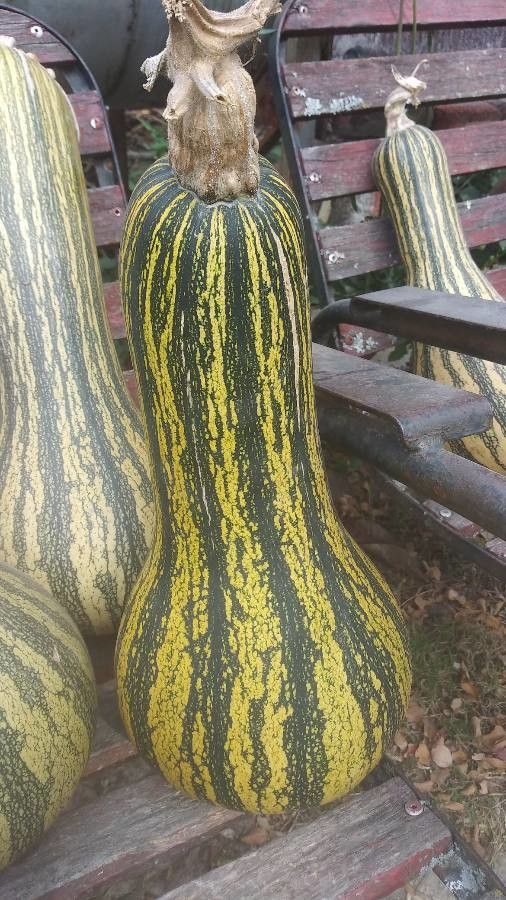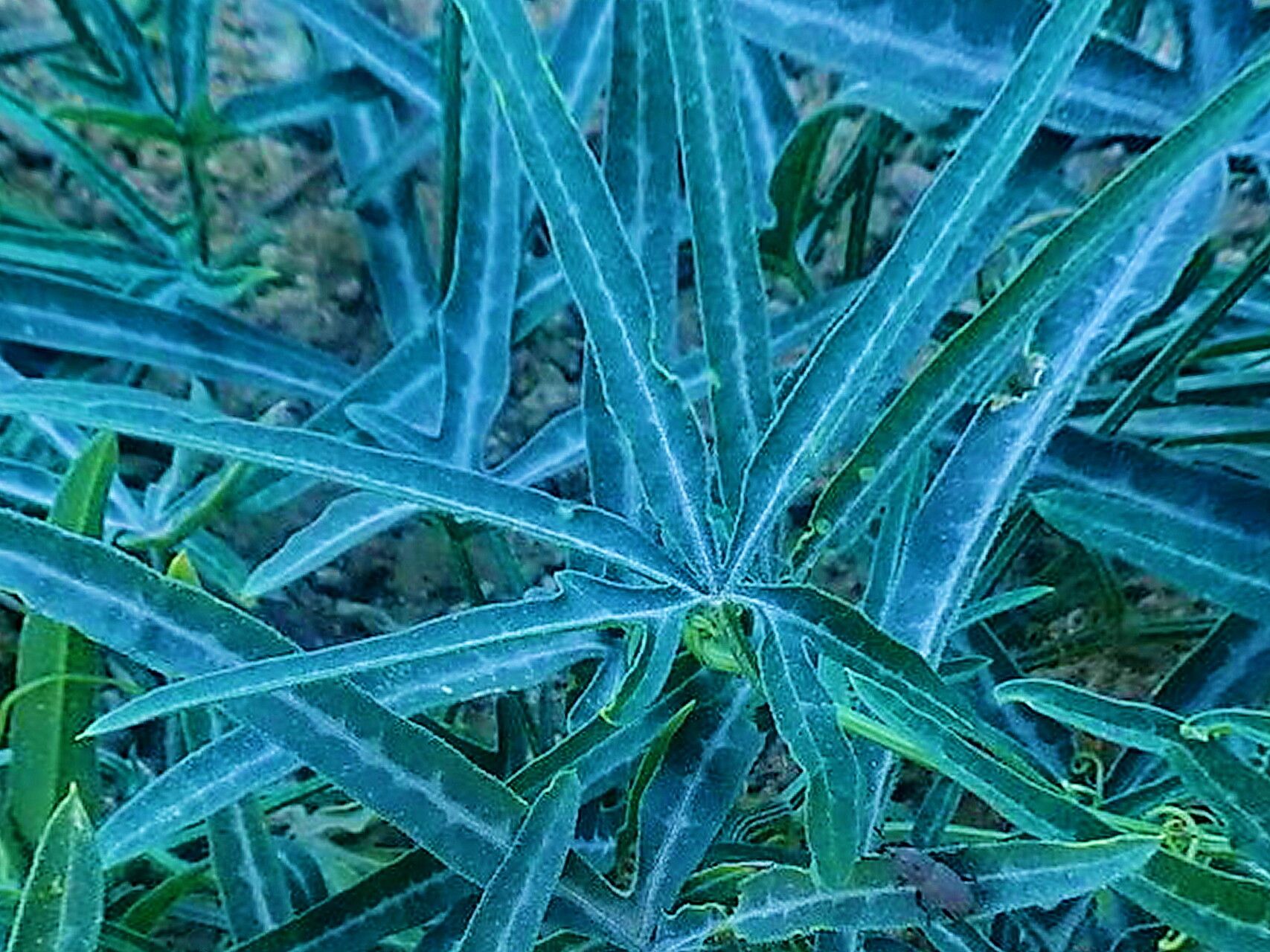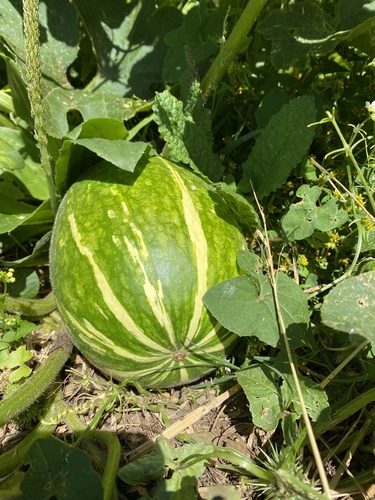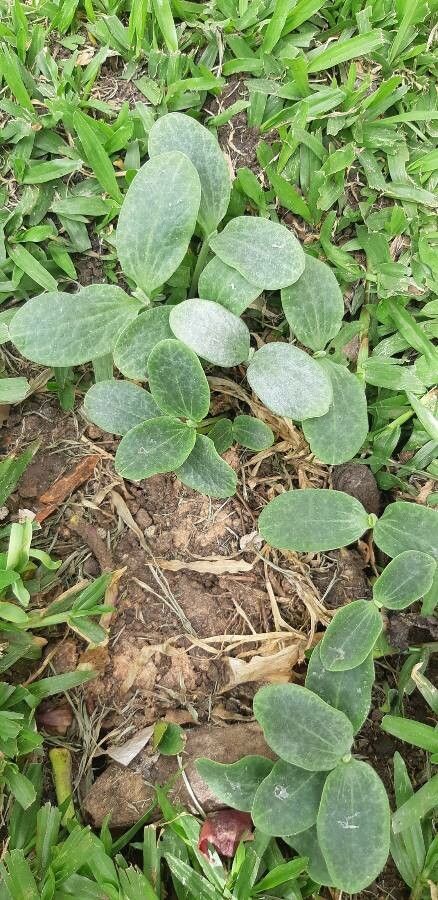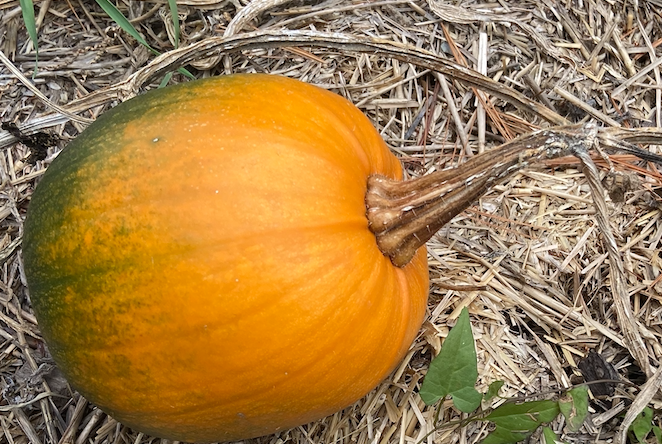
Cucurbita pepo, commonly known as summer squash or zucchini, is a species of plant in the Cucurbitaceae family. It is a warm-season annual plant that thrives in most parts of the world. This plant has a sprawling growth habit and can extend up to 1 meter in length. Its large, lobed leaves have rough surfaces covered with tiny hairs.
The fruit of Cucurbita pepo is typically harvested when it is still young and tender, usually within 2-3 days after flowering. The skin of the fruit is thin and can be green or yellow depending on the variety, while the flesh is either white or yellow.
Summer squash has been cultivated for thousands of years for its edible fruit, which is rich in vitamins A and C as well as potassium. It also contains antioxidants that help protect against cancer-causing free radicals.
Cucurbita pepo requires full sun exposure to grow well and needs regular watering during dry periods to prevent wilting. The plant prefers well-drained soil with a good amount of organic matter added before planting.
Overall, Cucurbita pepo is an easy-to-grow vegetable that provides delicious fruits throughout the summer months, offering numerous health benefits to those who consume it regularly.
Summer squash has weak disease resistance and is prone to powdery mildew, horn spot, and leaf spot. It also shows poor resistance to most insect pests. If it becomes infected, it will need treatment, though most diseases mainly reduce yield and are not lethal. For care, summer squash requires frequent watering during the summer and additional fertilizer to encourage fruit growth. It does not need much pruning. This makes it well suited to people who have a garden or outdoor area and are able to put in some effort to care for it.
How to keep Cucurbita Pepo.
Light
Summer squash grows best when it gets sun for most of the day and can tolerate periods of reduced sunlight. Native to areas with abundant sun, too little light can restrict its growth while too much can scorch the leaves.
Water
Field pumpkins, originally from temperate regions, thrive with consistent moisture and have moderate drought tolerance. They need to be watered twice a week and benefit from mulching, which helps retain soil moisture. This care mimics their native seasonal rainfall patterns, promoting optimal growth.
Humidity
This plant will thrive in moderate humidity, which is probably the level in your home. However, misting it a few times a week can be very beneficial. Make sure the room has good ventilation.
Temperature
Summer squash originates from temperate regions and needs temperatures ranging from 68 to 100 °F (20 to 38 ℃). It is best cultivated in areas with moderate warmth. Across different seasons the plant can tolerate changing temperatures, provided it is properly protected from severe cold.
Fertilizer
To feed Summer squash, use natural or commercial fertilizers high in nitrogen for leaf growth, phosphorus for roots and blossoms, and potassium for photosynthesis and maximum fruit production. Plant in spring, enrich the soil with compost or manure, and fertilize seedlings when they reach a height of 2-4 inches. Insufficient macronutrients cause slow growth, wilting, and problems with fruit quality.
Pruning
Pruning field pumpkins at the right time can significantly benefit their growth by improving air circulation and light exposure. Key practices include removing dead leaves and trimming back overgrown stems. For the best results, prune in late spring to enhance plant health and increase fruit yield. Remember to always sterilize your tools to prevent the spread of disease.
Pot & Repot
When repotting Summer squash, choose a pot that is 1-2 inches (2.5–5.1 cm) larger in diameter and ensure it has good drainage. Use a well-draining potting mix and consider adding perlite for extra drainage. Repot in spring or early summer, water thoroughly afterward, and place it in a shady spot at first.
Toxicity
Commonly grown and harvested for consumption, pumpkin plants are non-toxic to people and pets.
Further reading →
The toxicity and danger assessments provided are for reference only. We do not assure their accuracy, so it's crucial not to depend on them. Seek professional advice when necessary for accurate guidance.
Botanical profile.
- Plant Type
- Vine, Herb
- Life Cycle
- Annual, Perennial
- Genus
- Cucurbita
- Family
- Cucurbitaceae
- Hardiness Zone
- 5-11
- Mature Height
- 30 cm to 76 cm
- Mature Spread
- 0.91 m to 4.88 m
- Leaf Color
- Green
- Leaf Type
- Deciduous
- Flower Color
- Yellow, Orange
- Flower Size
- 3.05 cm
- Bloom Time
- Early summer, Mid summer
- Planting Time
- Spring
- Harvest Time
- Mid summer
- Native Area
- Honduras, Mexico, Guatemala, Nicaragua, Panama
Other names.
Reader questions.
When should I water my field pumpkin?
For your field pumpkin, it's crucial to water when the soil moisture level suggests it. Insert your finger about 2-3 inches deep into the soil; if it feels dry or slightly damp, it's time to water. Look out for signs like wilting leaves, a clear indication of under-watering, especially under hot conditions. Leaf color change, stunted growth, and dry soil cracks also signal the need for watering. It's vital to strike a balance, as both over-watering and under-watering can pose risks to the plant's health. Through careful observation and these guidelines, you can ensure your field pumpkin is hydrated optimally, thereby promoting its healthy growth and fruit development.
Why should I use fertilizer on my Field pumpkin?
When growing Field pumpkins for their fruit, it is important to provide the proper nutrients in the soil. Each macronutrient serves a different purpose for plants. Phosphorus is specifically important for promoting flower and fruit formation. In addition, a healthy root system and leaves are essential for absorbing sunlight. Without enough of these macronutrients, plants may lack vitality, grow slowly, and even wilt. Since plants require a significant amount of energy for flowering and fruiting, a deficiency in these essential components will be reflected in the quality of the resulting fruits.
What are the sunlight requirements for field pumpkins?
Field pumpkins require specific sunlight conditions to thrive. Full sun, meaning above 6 hours of direct sunlight a day, is ideal for their growth, allowing them to flourish in outdoor environments. Partial sun, which is about 3-6 hours of sunlight, can also support their development, though to a lesser extent. It's important to observe the movement of sunlight through your garden to find spots that offer the right balance of light and shade, ensuring your plants' optimal health. Additionally, field pumpkins can adapt to less intense solar exposure but may face growth challenges if light conditions are insufficient.
What is the native climate for Field pumpkin?
Field pumpkin is native to temperate climates and thrives in temperature ranges from 68 to 100 °F (20 to 38 °C). It is best grown in regions that experience moderate heat, and it can adjust to variable temperatures across different seasons. However, it requires protection from extreme cold.
How should I water my field pumpkin?
Watering your field pumpkin correctly involves ensuring regular and consistent hydration without over-doing it, to prevent root rot and other complications. The preferred method is watering directly at the soil base, avoiding the foliage, using a watering can or a drip irrigation system. Bottom-watering and using a moisture meter can also be effective strategies. The goal is to avoid overwatering and waterlogged soil, ensuring the top inch of soil dries out before the next watering. Your watering frequency should be adjusted based on environmental factors like temperature, humidity, and soil type, aiming for slightly dry soil without allowing complete dryness.
When should I put fertilizer on my Field pumpkin?
To successfully grow field pumpkins, it is important to follow a few guidelines. Firstly, field pumpkins are a summer crop, so they should be planted in the spring to ensure fruit production during the summer months. It's crucial to check the specific variety of field pumpkin you have as it may have different planting requirements. Additionally, field pumpkins require nutrient-rich soil for optimal quality produce. Before planting, it is recommended to mix a 2-inch layer of compost or well-rotted manure into the soil as this boosts soil nutrients and improves drainage. For transplanted seedlings, it is advisable to fertilize them immediately after planting. However, it is suggested to wait until seedlings reach a height of 2 to 4 inches before applying fertilizer for the first time. Established plants should be fed with fertilizer approximately every 3 to 4 weeks throughout the growing season until the first frost or when the plant stops producing. Be sure to consider both the specific fertilizer type and the variety of field pumpkin you are growing, as this will help you customize an effective fertilization schedule. If unsure, it is better to fertilize less rather than risk over-fertilization.
How important is artificial lighting for indoor field pumpkins?
Indoor field pumpkins require adequate lighting to compensate for the lack of natural sunlight, making artificial lighting a vital solution, especially in winter or less sunny spaces. LED lights are recommended due to their ability to mimic the specific wavelengths needed by plants. For optimal growth, full sun plants need 30-50W/sq ft, partial sun plants need 20-30W/sq ft, and full shade plants should have 10-20W/sq ft of artificial light. The light source should be placed 12-36 inches above the plant and turned on for 8-12 hours per day to simulate natural daylight conditions.
How should Field pumpkins be cared for during winter?
During winter, it's beneficial for the growth of Field pumpkin to maintain temperatures above 20°C, ensuring it stays above freezing point to prevent damage. If outdoor temperatures approach -5°C (25°F), it is advisable to bring Field pumpkins indoors or to set up protective measures such as a temporary greenhouse or wrapping with plastic film or fabric to shield the plant.
How much water does field pumpkin really need?
Field pumpkin requires significant water, ideally between 1 and 1.5 inches weekly to thoroughly soak the root zone, reflecting its habitat's need for good moisture retention. The signs of adequate watering include vibrant orange to yellow skin and lush green vines, while under-watering manifests as wilted leaves and small fruits with thick skins. Conversely, over-watering can lead to yellow leaves and fruit rot. It's crucial to balance water quantity to avoid the extremes of under- and over-watering, which respectively lead to poor yield and root rot while maintaining plant health.
When is the best time to not use fertilizer on my Field pumpkin?
To ensure the healthy growth of Field pumpkins, it is best to avoid using fertilizers with high levels of nitrogen. These can result in excessive leaf development but fewer flowers and fruits. Instead, opt for fertilizers that have a lower nitrogen content compared to other nutrients. Additionally, it is important not to fertilize Field pumpkins during periods of high temperature or dry conditions. This is because the fertilizer can easily wash away through the soil without being absorbed by the plants. Moreover, plants have reduced capacity to absorb nutrients in hot weather, causing the fertilizer to remain in the soil, consequently hindering the plant's ability to absorb water. This scenario can be particularly detrimental to the plants during droughts or heatwaves.
What are the common symptoms of insufficient sunlight in field pumpkins?
Field pumpkins grown indoors or in shaded areas may show subtle signs of light deficiency that could affect their health and growth. These symptoms include abnormal flowering and fruiting, faster leaf drop due to resource conservation, slower or halted growth as the plant enters survival mode, leggy or sparse growth creating a weak structure, chlorosis or loss of green leaf color from excessive sunlight, sunscald on leaves or stems, leaf curling as a defense against sunlight, wilting from loss of water through transpiration, and leaf scorching marked by brown, dry leaf edges. Recognizing these symptoms early can help prevent long-term damage to the plant.
What symptoms indicate Field pumpkin is affected by low temperature and what are the solutions?
Field pumpkin exhibits a moderate tolerance to low temperatures, thriving best between 20°C and 38°C. Symptoms of low temperature stress include darkening of leaves, water-soaked necrosis, wilting, drooping, and if severe, leaves turning brown. To mitigate these effects, trim away frost-damaged parts and move the plant to a warm environment indoors or establish a makeshift greenhouse for cold protection, ensuring adequate sunlight by placing near a south-facing window or using supplemental lighting.