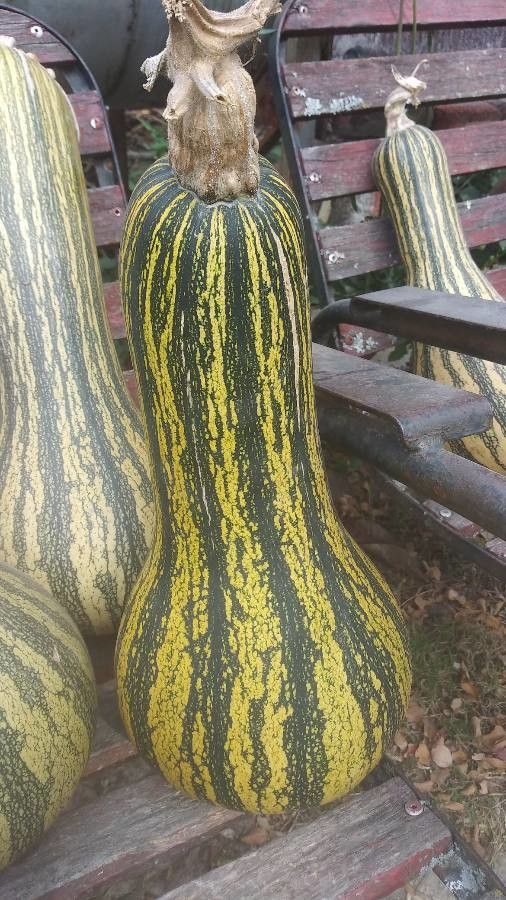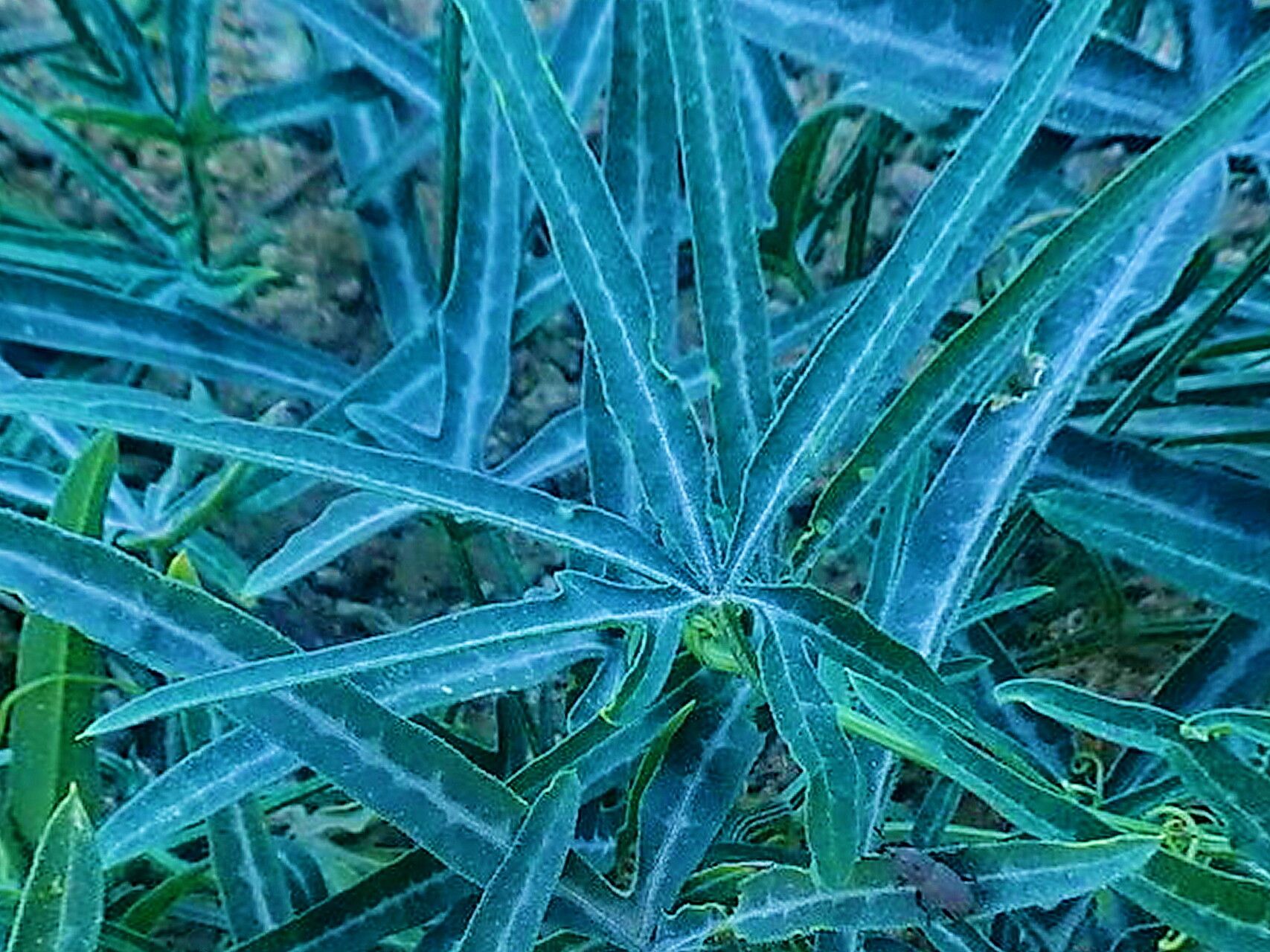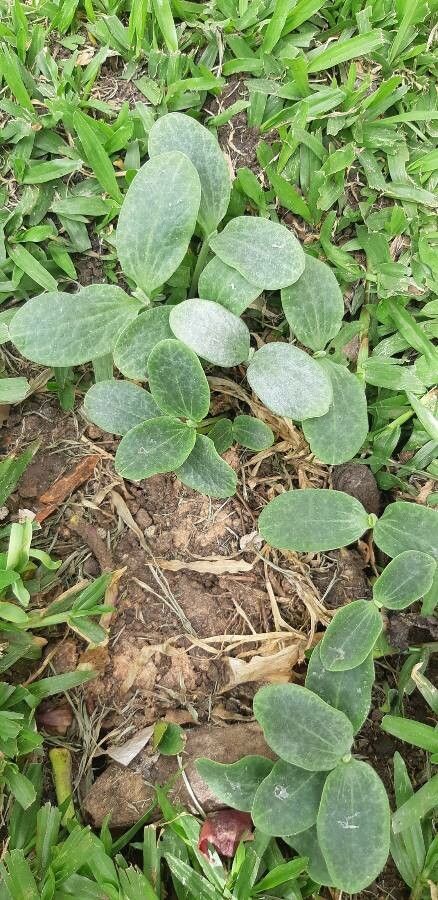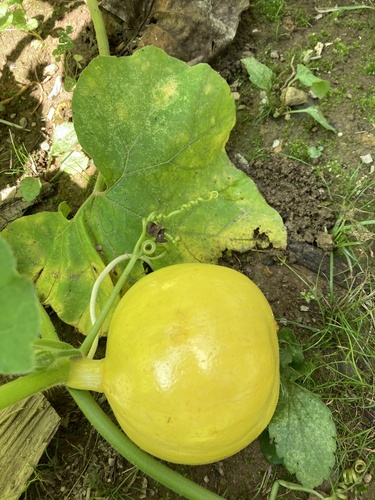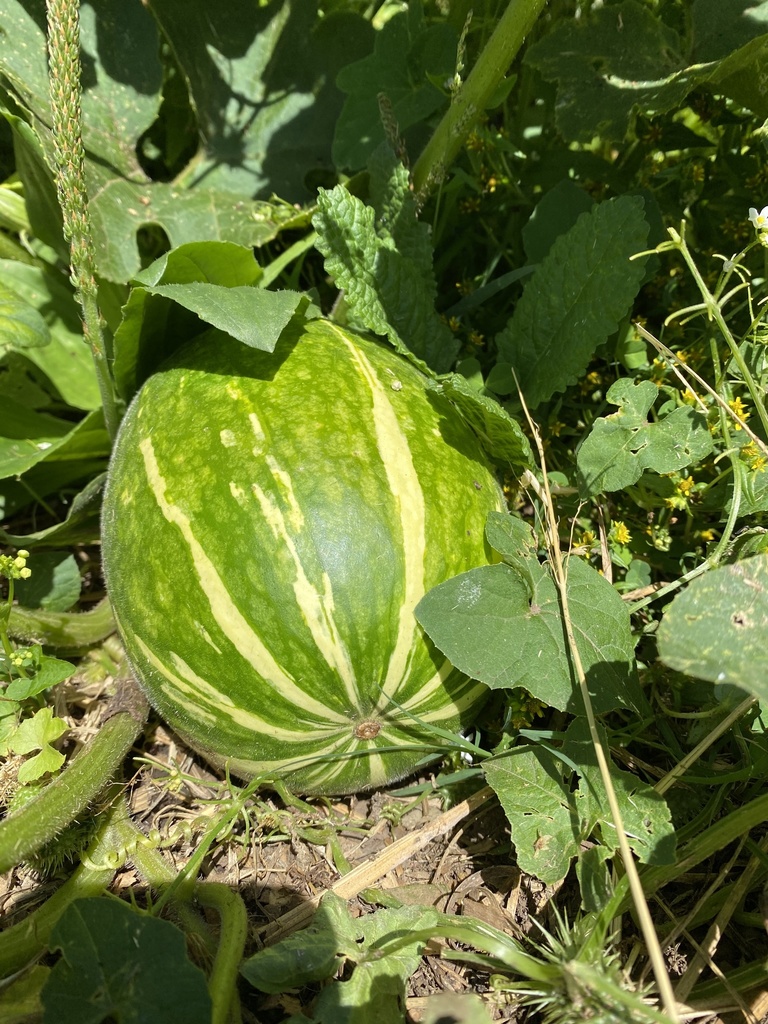
Cucurbita ficifolia, commonly known as the fig-leaf gourd or chilacayote, is a species of squash native to Mexico and Central America. It is a vigorous climbing vine that can grow up to 10 meters in length, producing large, round or oblong fruits that can weigh up to 10 kilograms. These fruits have a hard outer shell and are typically used in traditional Mexican cuisine for making sweet preserves or savory dishes such as stews and soups. The plant has large leaves with deeply lobed edges resembling fig leaves, which is how it gets its common name.
Besides its culinary uses, the fig-leaf gourd is also valued for its ornamental appeal due to its attractive foliage and bright yellow flowers that bloom during the summer months. Cucurbita ficifolia requires full sun exposure, well-drained soil, and regular watering during the growing season for optimal growth. It has been cultivated since ancient times by the indigenous peoples of Mexico, who valued it both as a food source and for its medicinal properties. The plant is rich in nutrients, including vitamins A, C, and E, as well as potassium and calcium, making it an important crop even today. This is particularly true in rural communities that rely on subsistence farming practices for their livelihoods.
Malabar gourd has weak disease resistance and is prone to powdery mildew, horn spot, and leaf spot. It also has poor resistance to most insect pests. Once it is infected, treatment is necessary, but most diseases only reduce yield and are not fatal. Regarding care, Malabar gourd needs frequent watering in summer and extra fertilizer to encourage fruit growth. It does not require much pruning. This makes it suitable for people with a garden or outdoor space who have some energy to care for it.
How to keep Cucurbita Ficifolia.
Light
Malabar gourd requires abundant sunlight for best growth, though it can tolerate some shade. Its original habitat offers plenty of sun, and without that light the plant cannot grow healthily. Too little light limits its growth, and excessive exposure can cause damage.
Water
The Malabar gourd is native to tropical areas and thrives in consistently moist conditions. It needs to be watered weekly and benefits from mulching, which helps retain soil moisture and regulate root temperature. These practices improve its water absorption and promote healthy growth.
Temperature
Malabar gourd is native to regions where temperatures fall between 68 and 100 °F (20 to 38 ℃). It does best within that same temperature range. In colder months, consider relocating it to a warmer spot or using plant-warming methods.
Fertilizer
Prefer organic fertilizers (e.g., fish emulsion, compost) instead of chemical ones for Malabar gourd. Supply higher nitrogen and phosphorus to young plants in spring. Mix compost or fertilizer into the soil before or after planting. For mature plants, apply a balanced fertilizer or one aimed at specific deficiencies in spring. Nutrient deficiency causes small leaves, short branches, yellow or bronze leaves, acidic fruits, premature fruit drop, and splitting.
Pruning
Malabar gourd is a robust climbing plant with large lobed leaves and edible fruits. To maintain its health and productivity, prune it in early spring. This helps remove dead branches and improves air circulation, which encourages healthier growth and better harvests. Regular pruning also helps manage the plant's size and reduces the risk of disease, ensuring that the plant remains productive.
Botanical profile.
- Plant Type
- Herb, Vine
- Life Cycle
- Perennial, Annual
- Genus
- Cucurbita
- Family
- Cucurbitaceae
- Hardiness Zone
- 9-11
- Mature Height
- 4.88 m to 14.94 m
- Mature Spread
- 2.13 m to 3.96 m
- Leaf Color
- Green
- Leaf Type
- Deciduous
- Flower Color
- Yellow
- Flower Size
- 7.62 cm to 15.24 cm
- Bloom Time
- Summer, Early fall, Mid fall
- Planting Time
- Spring, Summer
- Harvest Time
- Late summer, Fall, Early winter
- Native Area
- Mexico
Other names.
Reader questions.
How should I water my Malabar gourd?
The Malabar gourd has specific preferences for water, including how much it receives and how it is provided. It is important to use the correct watering technique to avoid damaging your tomatoes. The best approach is to water the Malabar gourd by applying the water directly to the soil, in a slow and gentle manner. Avoid pouring all the water into the soil at once or using overhead watering. While watering slowly, ensure that the soil throughout the growth area of your Malabar gourd is adequately moist.
Why is it important to fertilize my Malabar gourd plant?
If your area has rich soil, fertilization might not be crucial. However, if the soil lacks nutrients, it affects the growth of a Malabar gourd, leading to insufficient leaves, flowers, and fruits. Conducting a soil test allows you to identify the nutrients that are abundant or inadequate. Nutrient deficiency in the Malabar gourd can result in small leaves, stunted branches, yellowing or bronze leaves, and less tasty fruits due to increased acidity. Additionally, certain nutrient deficiencies can result in early fruit falling or splitting.
What are the sun requirements for Malabar gourd?
Malabar gourd, also known as Cucurbita ficifolia, thrives best with copious amounts of sunlight, requiring above 6 hours of sunlight daily for full sun conditions and around 3-6 hours for partial sun conditions. Its growth can be substantially hindered by inadequate light, whereas too much direct sunlight without any shade can also cause harm. It's crucial to monitor the movement of sunlight through your garden to choose spots that offer the right balance of light and shade, ensuring the plants remain healthy and happy.
What is the ideal temperature range for growing Malabar gourd?
Malabar gourd (Cucurbita ficifolia) thrives in environments where temperatures range between 68 to 100 °F (20 to 38 °C). It is extremely heat-loving and does not tolerate cold temperatures well. During cooler months, it's advisable to move the plant to a warmer area or employ plant warming techniques to maintain a temperature above 20°C. Ensuring the temperature does not approach 0°C is crucial for the plant's well-being, especially during winter when keeping it indoors near a bright window, away from direct heat sources, is recommended.
What should I do if I give my Malabar gourd too much water or too little water?
If you've overwatered your Malabar gourd and are worried about disease, take immediate action. The best solution is to uproot the gourd from its current location and let the roots dry a bit before planting it elsewhere. Make sure the new spot has well-draining soil. If you're using pots, consider transferring the plant to a pot with better drainage. On the other hand, if you're underwatering the plant, simply increase the frequency of watering.
When should I fertilize my Malabar gourd for the best results?
To ensure strong leaf and root development for young Malabar gourd plants, it is recommended to provide them with higher nitrogen and phosphorus fertilizer. The ideal time to apply the fertilizer is during the spring of their first growing season. It is also advisable to mix compost or another fertilizer into the soil before or immediately after planting. For mature plants, it is necessary to supplement them with a balanced fertilizer or one that targets specific soil deficiencies in your region every few years during the spring and summer. However, it is important to avoid fertilizing the Malabar gourd in the autumn or winter seasons.
How important is sunlight for Malabar gourd?
Sunlight is essential for the healthy growth of Malabar gourd, as its initial habitat was abundant in sunlight. Without sufficient sunlight, the plant cannot grow healthily, leading to stunted growth or even damage if overexposed. During periods of insufficient natural sunlight, such as winter or in less sunny spaces, it's advised to use artificial lighting to promote optimal growth. Artificial lights, especially LED lights, can be adjusted to provide specific wavelengths needed by the plant, with requirements ranging from 10-20W/sq ft for full shade plants up to 30-50W/sq ft for full sun plants.
How do you care for Malabar gourd in low temperatures?
Malabar gourd is not tolerant of low temperatures and requires special care during colder periods. Should the temperature drop below -5°C, the leaves may lighten in color and, following frost damage, turn brown or black with symptoms like wilting and drooping. To protect the plant, trim off frost-damaged parts and move it to a warmer, indoor environment. Placing the Malabar gourd near a south-facing window ensures it receives ample sunlight without exposing it to heaters or air conditioning vents, which can cause excessive dryness.
How much should I water my Malabar gourd?
Malabar gourd requires a lot of water throughout the growing season. In the spring and summer, it's important to water it early and often. At the beginning of the season, water it once or twice a week. As the season goes on, increase the frequency of watering. In the summer, depending on the weather, you might need to water it twice a day or even more. Once the major growth phases are done, you can reduce watering to once a week until the end of the growing season.
When is the best time to not put fertilizer on my Malabar gourd?
To ensure the well-being of your Malabar gourd, do not fertilize it after pruning or when it is dealing with disease, insects, or any kind of stress. Fertilizer is only effective in treating soil nutrient deficiencies and cannot address other issues that may harm the gourd. It is important to properly identify the problem to avoid mistakenly using fertilizer when another factor is causing the problem. Additionally, refrain from fertilizing the Malabar gourd during winter or during extremely hot and dry periods in the summer.
What are the symptoms of light deficiency in Malabar gourd?
Symptoms of light deficiency in Malabar gourd include smaller new leaves compared to older ones, leggy or sparse growth with longer spaces between leaves or stems, premature leaf drop, delayed or halted new growth, paler new leaves indicative of chlorophyll and nutrient deficiency, and chlorosis which turns leaves yellow. Additionally, excessive sunlight can cause sunscald, highlighted by pale, bleached, or necrotic areas on plant tissue, leaf curling as a defense mechanism against water loss, wilting from loss of turgor pressure, and leaf scorching evident by brown, dry edges on leaves.
What should you do if Malabar gourd experiences high temperatures?
During summer, it's important to keep Malabar gourd below 38°C to prevent stress from high temperatures. Exceeding 43°C can cause the leaves to lighten, increasing susceptibility to sunburn. To manage this, trim away the sunburned or dried-up parts of the plant. Relocate the Malabar gourd to a shaded area that protects it from the midday and afternoon sun. Additionally, watering the plant in the morning and evening can help maintain soil moisture and alleviate the effects of high temperatures.