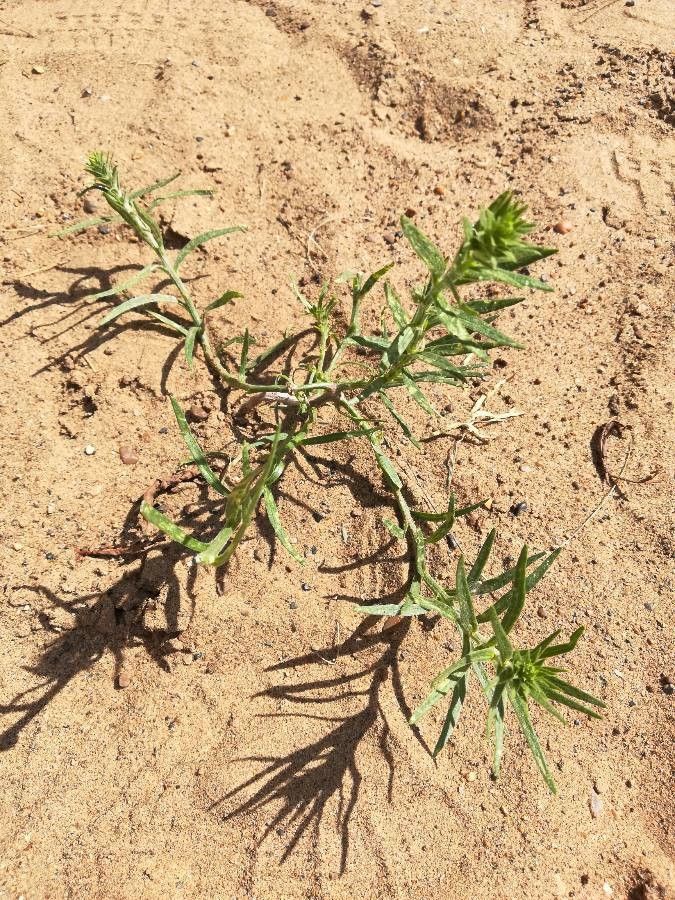
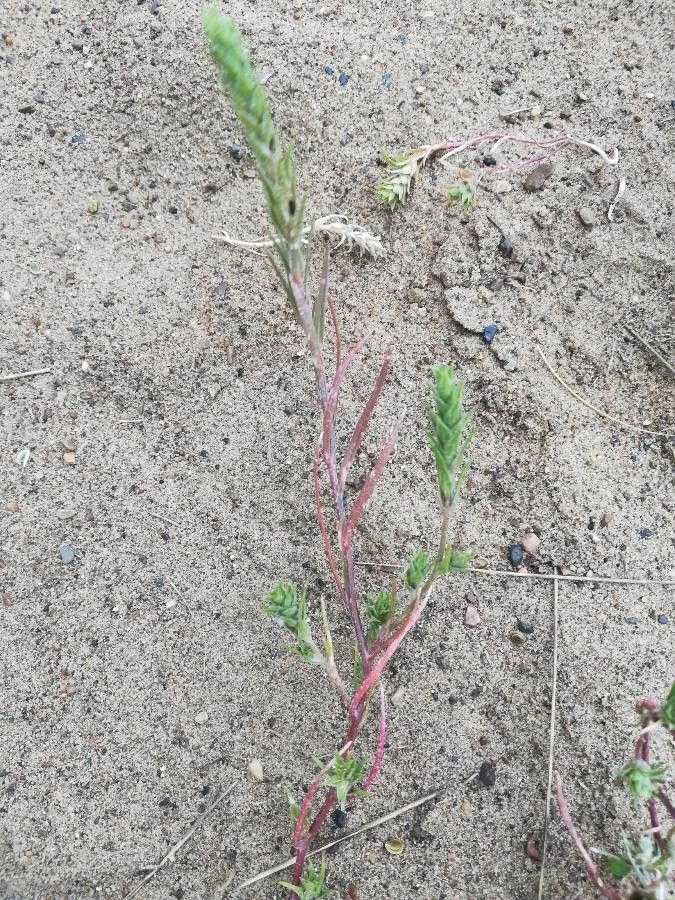
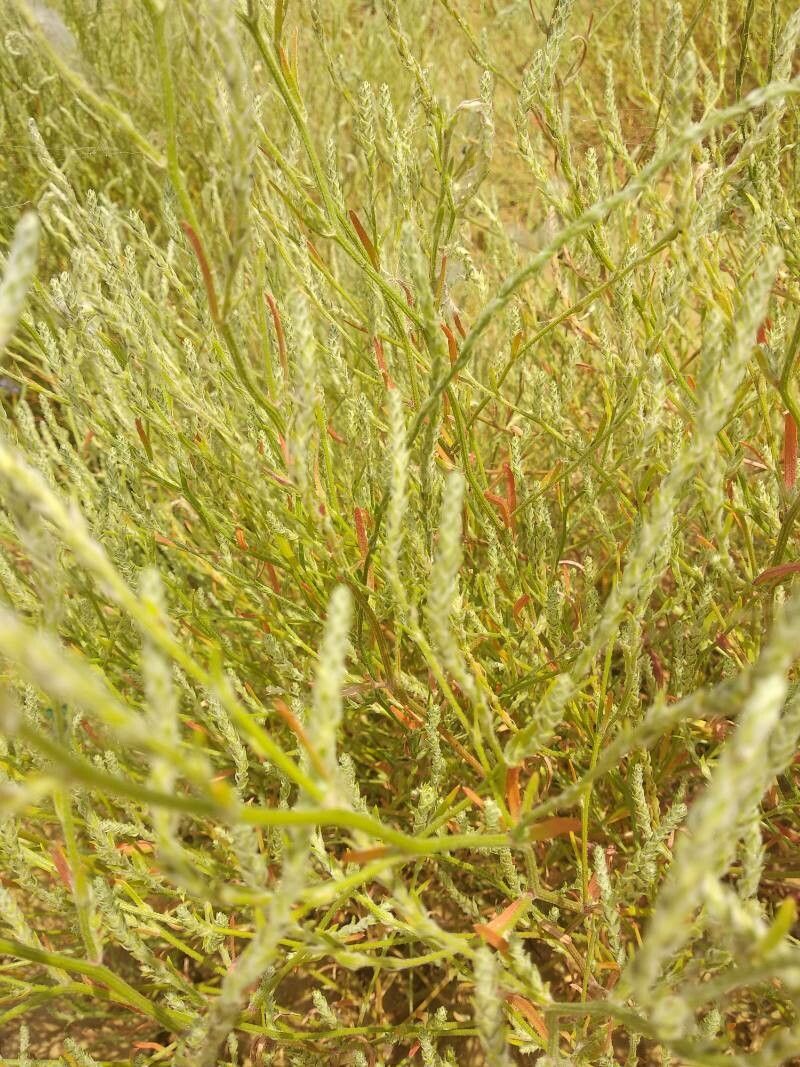
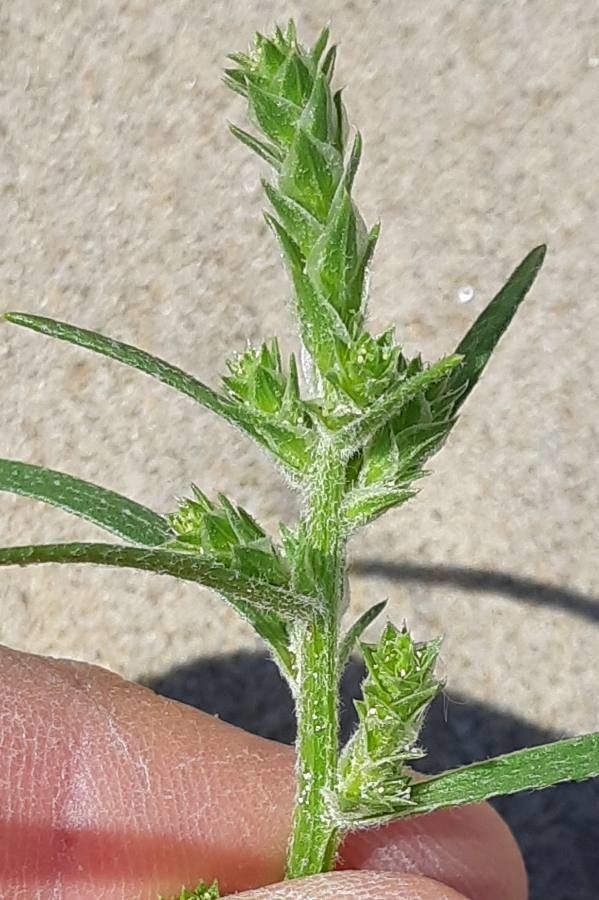
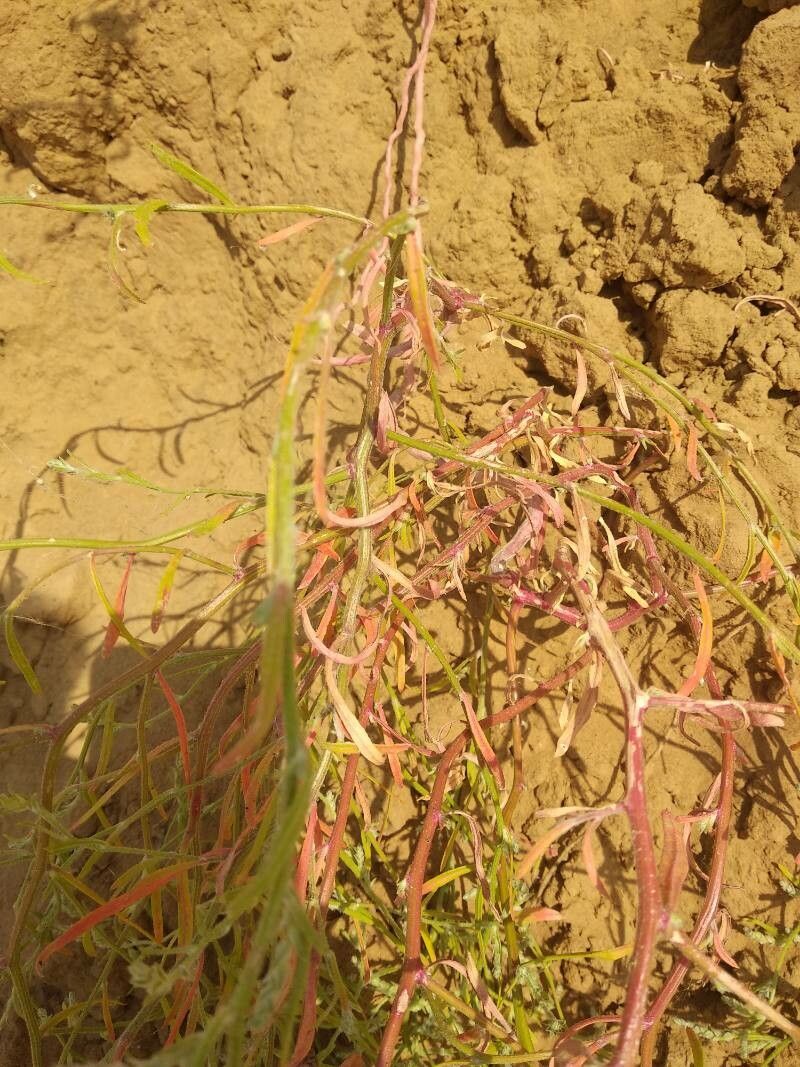
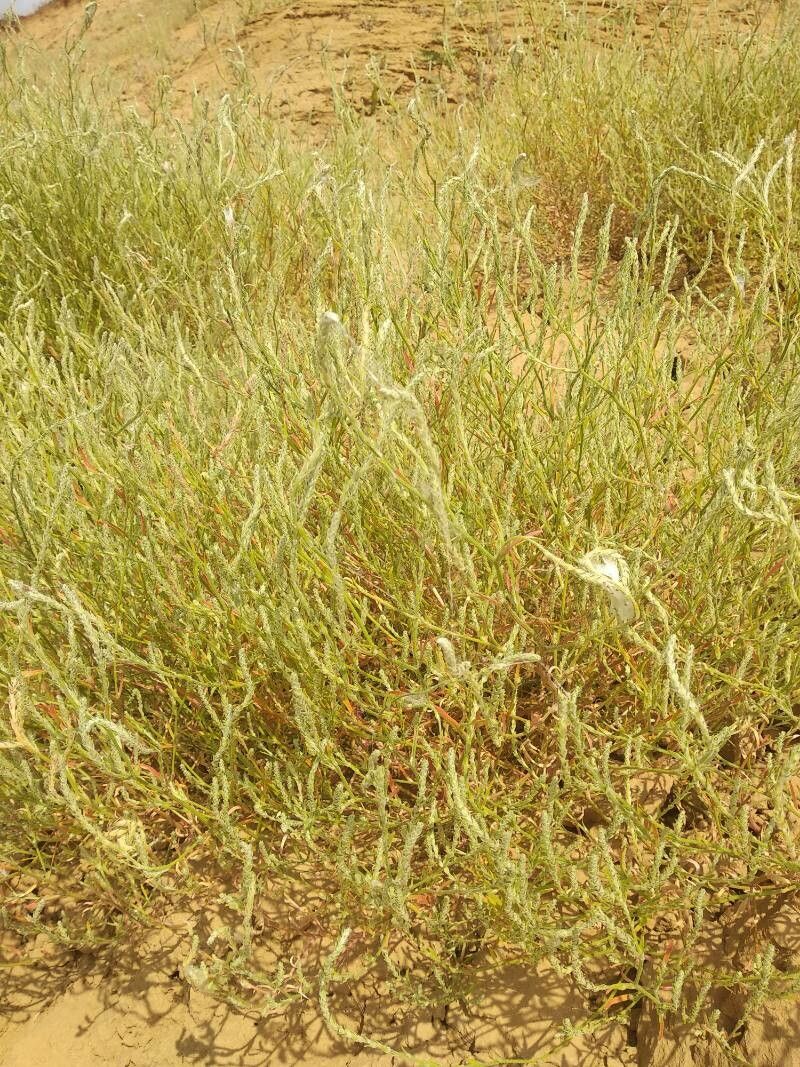
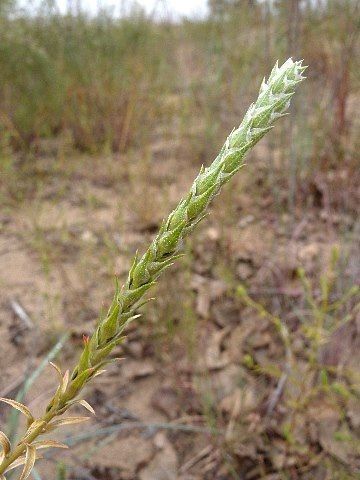
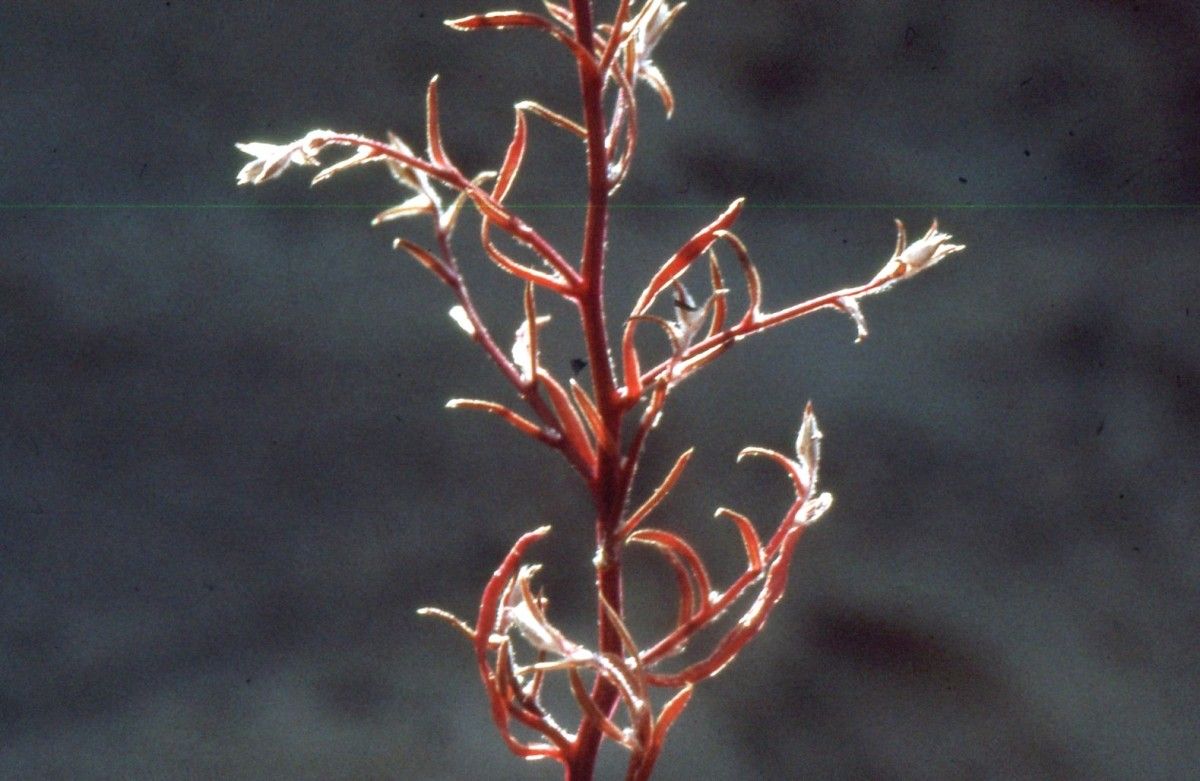
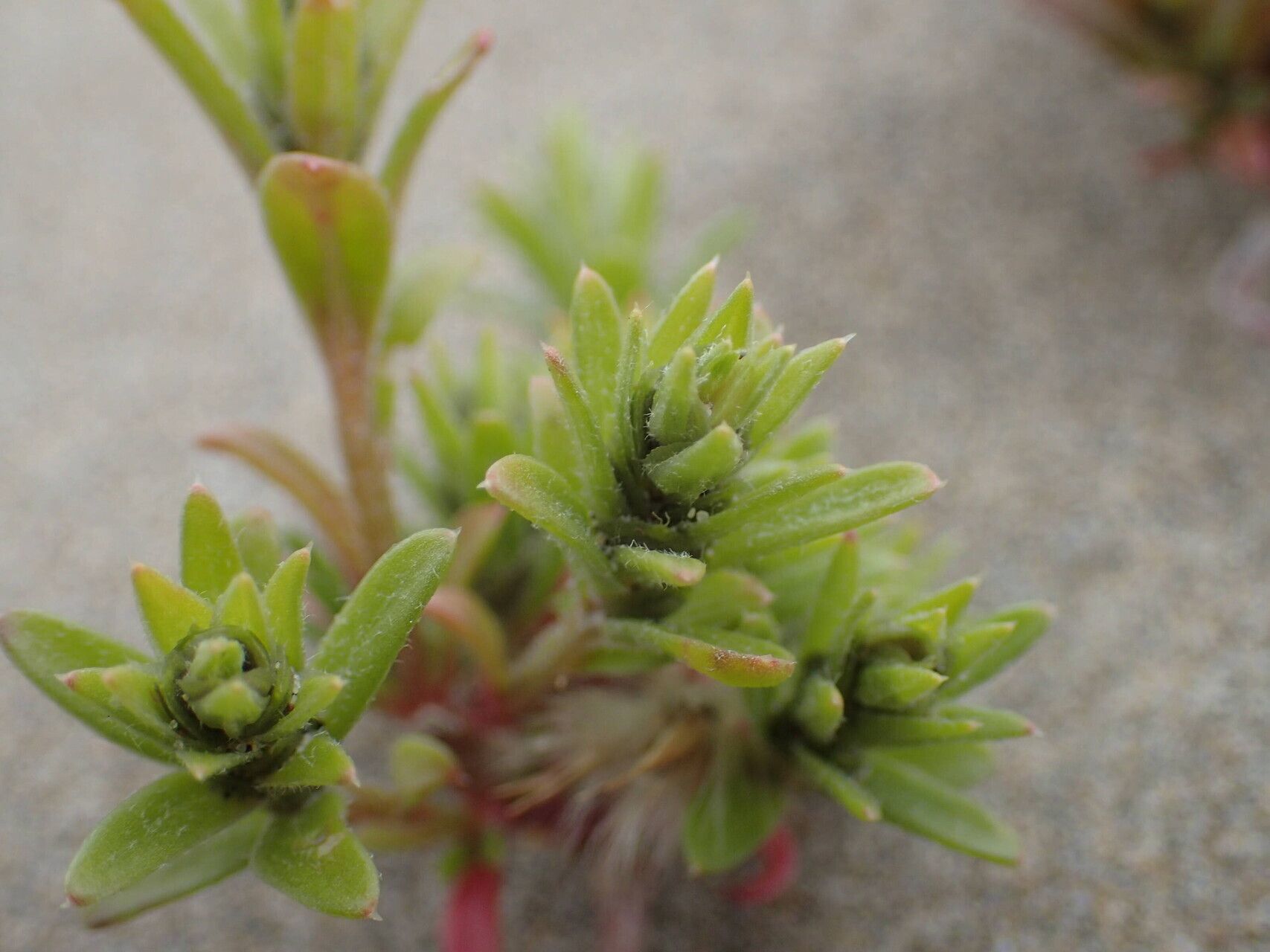
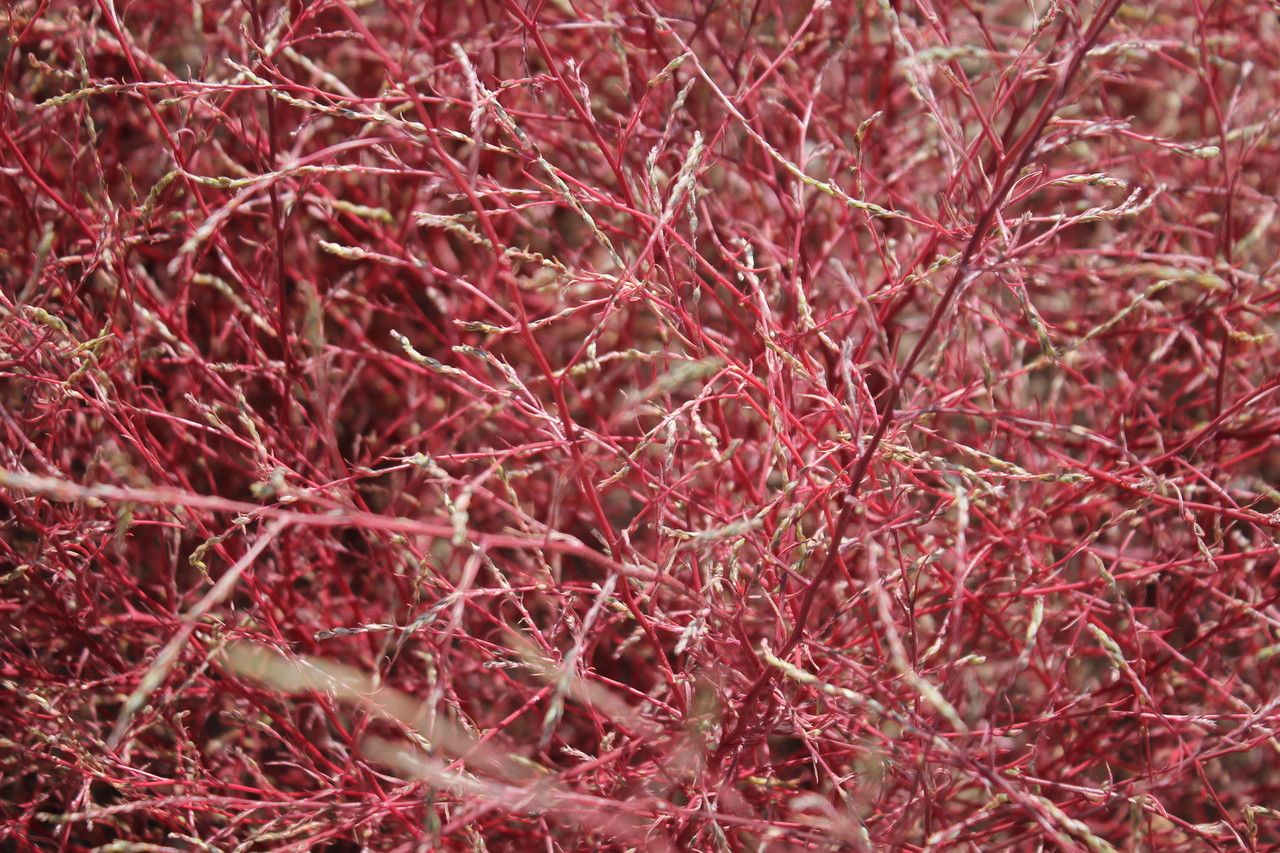
Corispermum pallasii, common name Pallas bugseed, is a plant apparently native to Siberia but naturalized in Europe, Canada, and the Great Lakes Region of the United States. It is a branched herb growing on sand dunes and other sandy soils.This plant is named after botanist and zoologist Peter Simon Pallas and was published by Stevens as Corispermum pallasii in Mém. Soc. Imp. Naturalistes Moscou. 5: 336. 1817.Subspecies:
Corispermum pallasii subsp. membranaceum (Bisch. ex Shnittspalm) Tzvelev (synonym: Corispermum membranaceum (Bisch. ex Shnittspalm) Iljin)
Siberian bugseed is fairly disease-resistant and generally not susceptible to illnesses. However, it can be vulnerable to pests and diseases present in its surroundings. These infections are usually mild. In terms of care, this plant requires moderate maintenance. It should be pruned regularly to maintain a good appearance and healthy growth. Fertilizing can also help encourage flowering. Siberian bugseed is suitable for anyone with an outdoor area, such as a garden or patio, and does not demand extensive care experience. It may need more attention when cultivated indoors.
How to keep Corispermum Pallasii.
Temperature
Siberian bugseed can tolerate a wide range of temperatures, yet its distribution may still be restricted by particular combinations of water and heat. It does best in warm summer climates with sufficient rainfall or watering. Extended stretches of cloudy, rainy weather or prolonged high temperatures can raise the likelihood of Siberian bugseed dying. In winter, appropriate protection from cold can improve the plant's chances of survival.
Fertilizer
Siberian bugseed responds well to regular, dilute applications of fertilizer to encourage healthy leaf growth. Fertilize Siberian bugseed roughly once a month during the summer months. Nitrogen is vital for foliage, and providing nitrogen-rich sources helps Siberian bugseed thrive.
Botanical profile.
- Plant Type
- Herb
- Life Cycle
- Annual
- Genus
- Corispermum
- Family
- Amaranthaceae
- Hardiness Zone
- 8-10
- Native Area
- Russia, Germany, Austria, Hungary, Belarus
Other names.