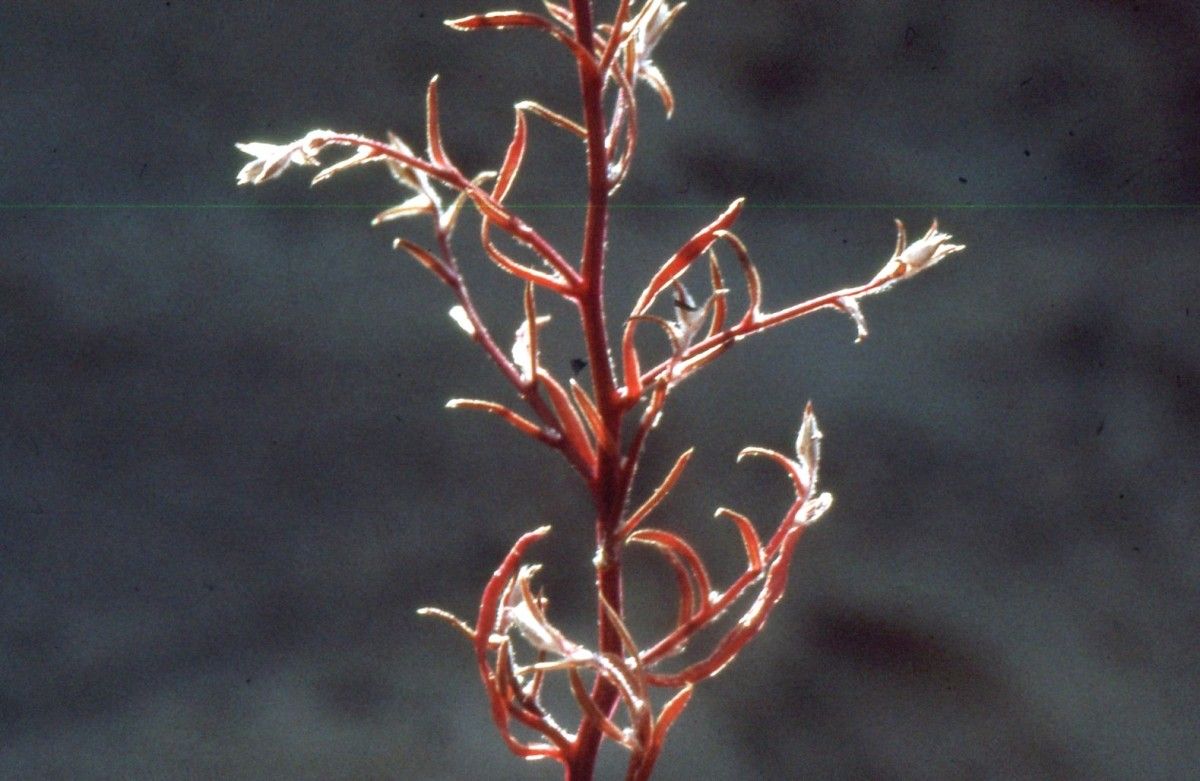
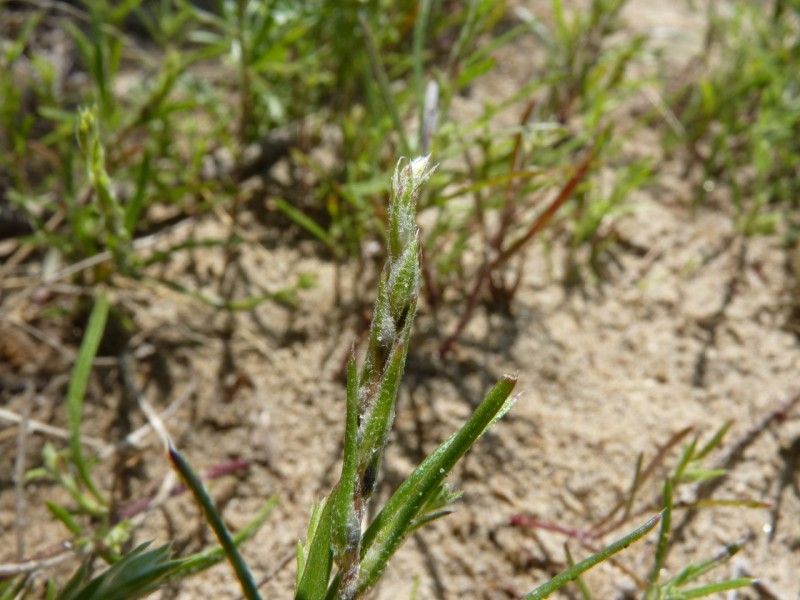
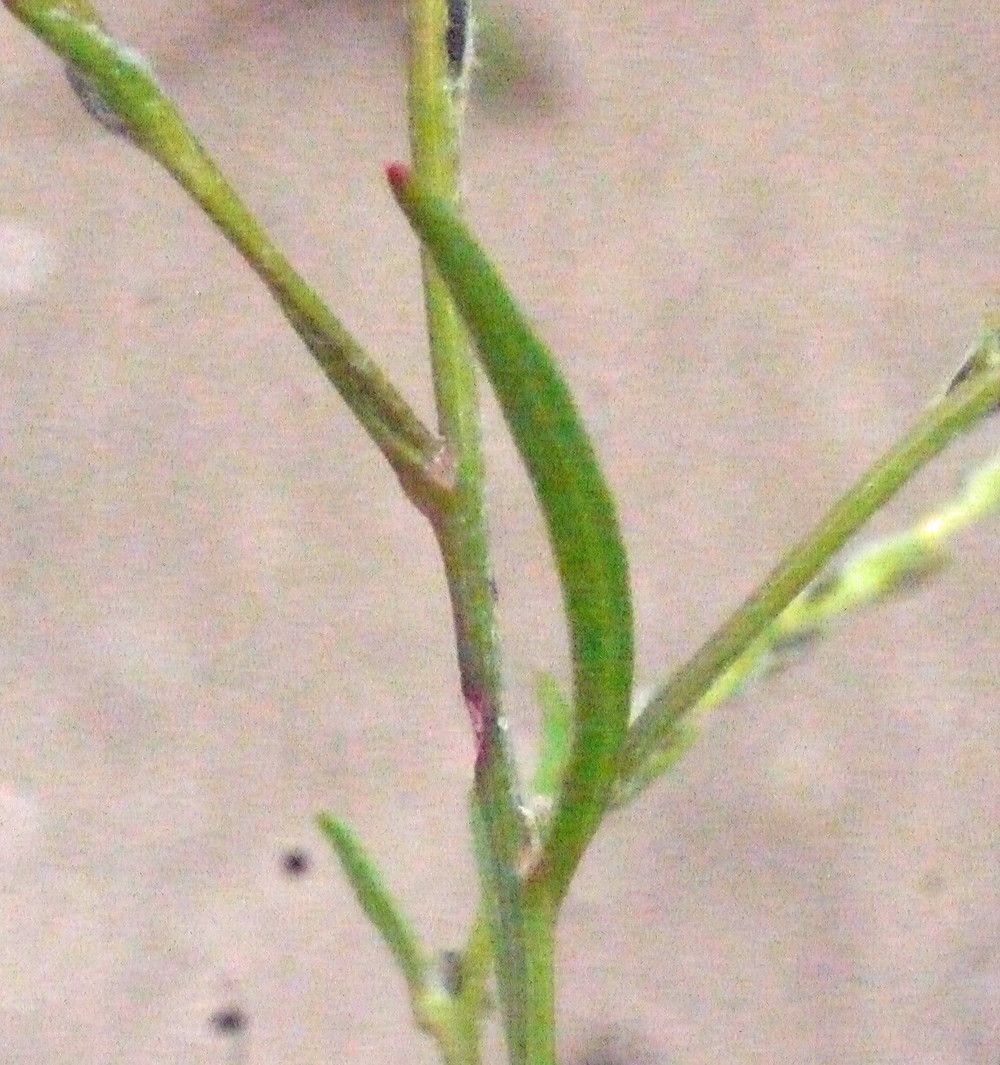
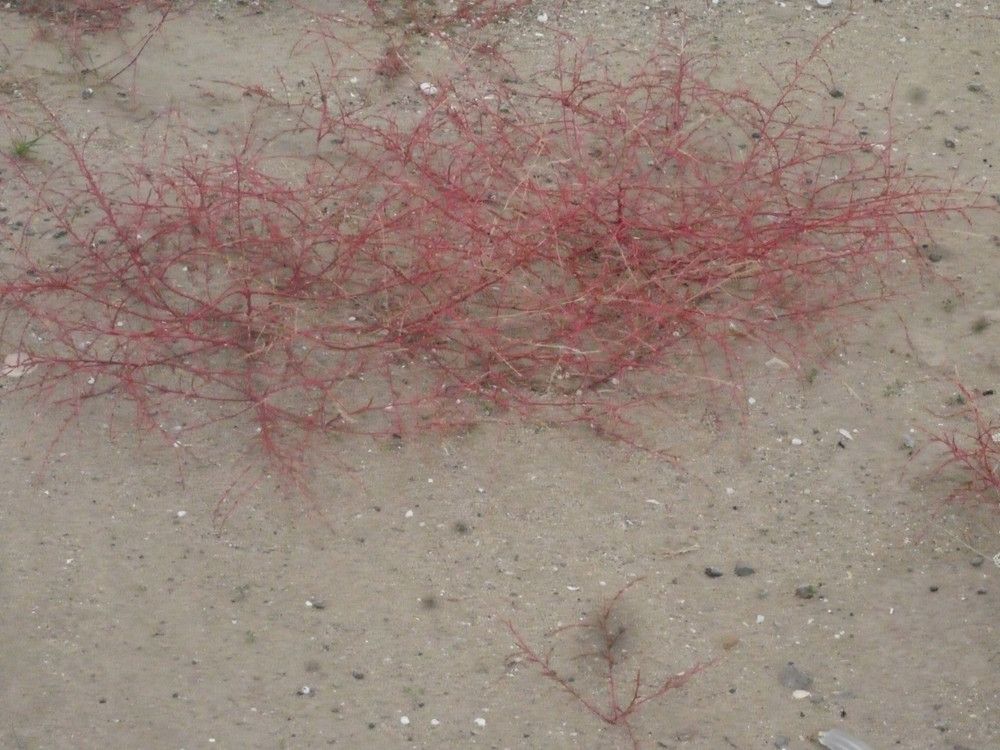
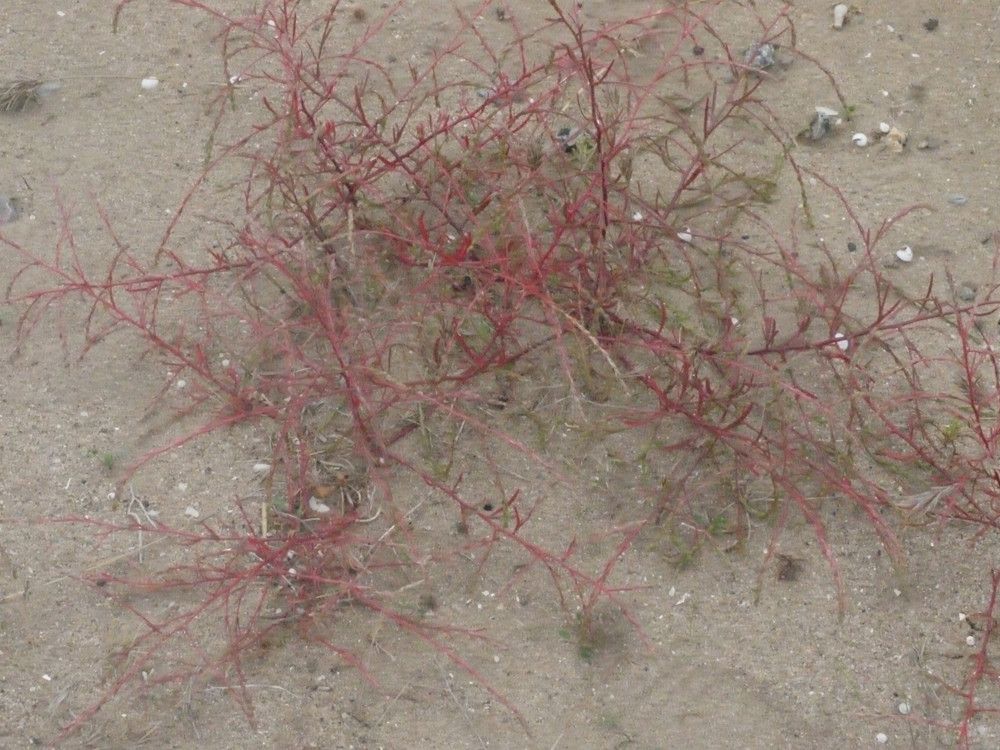
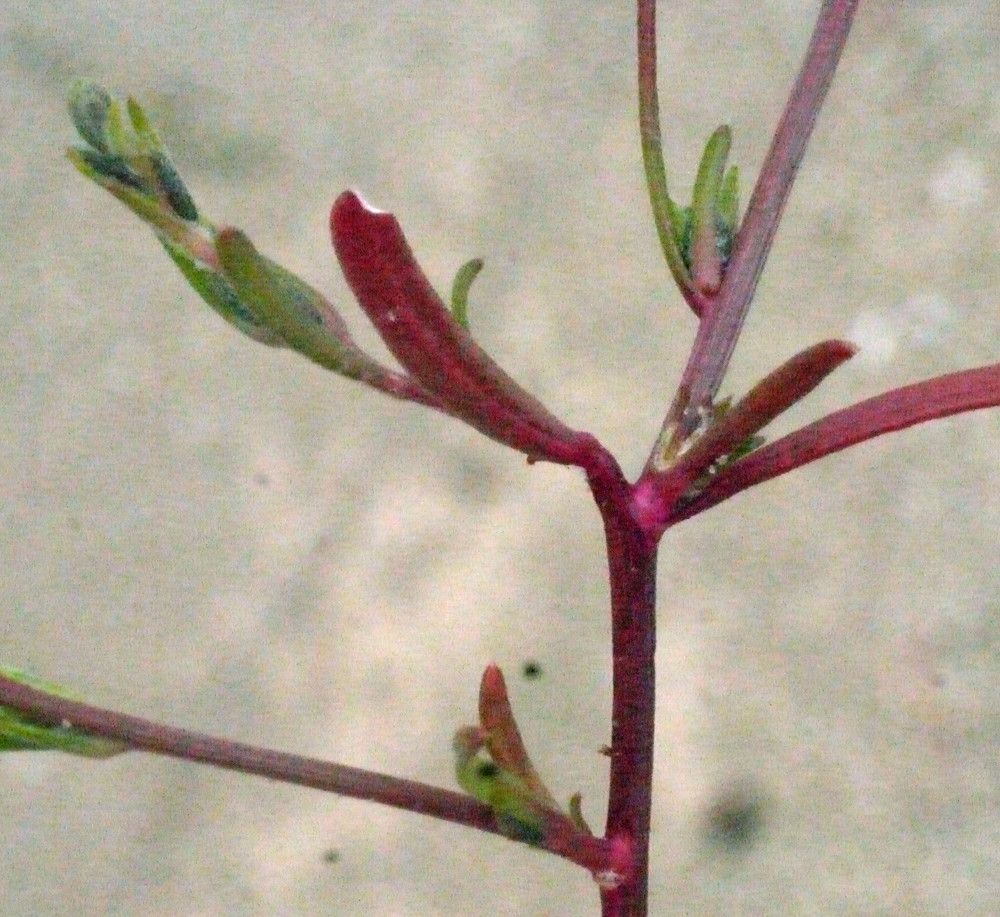
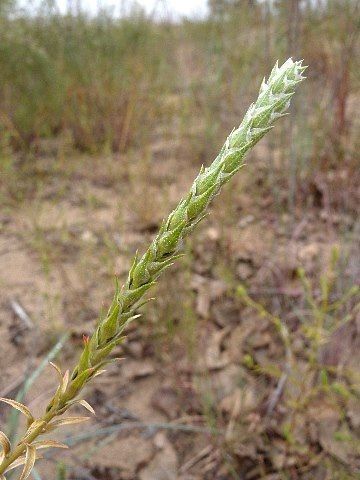
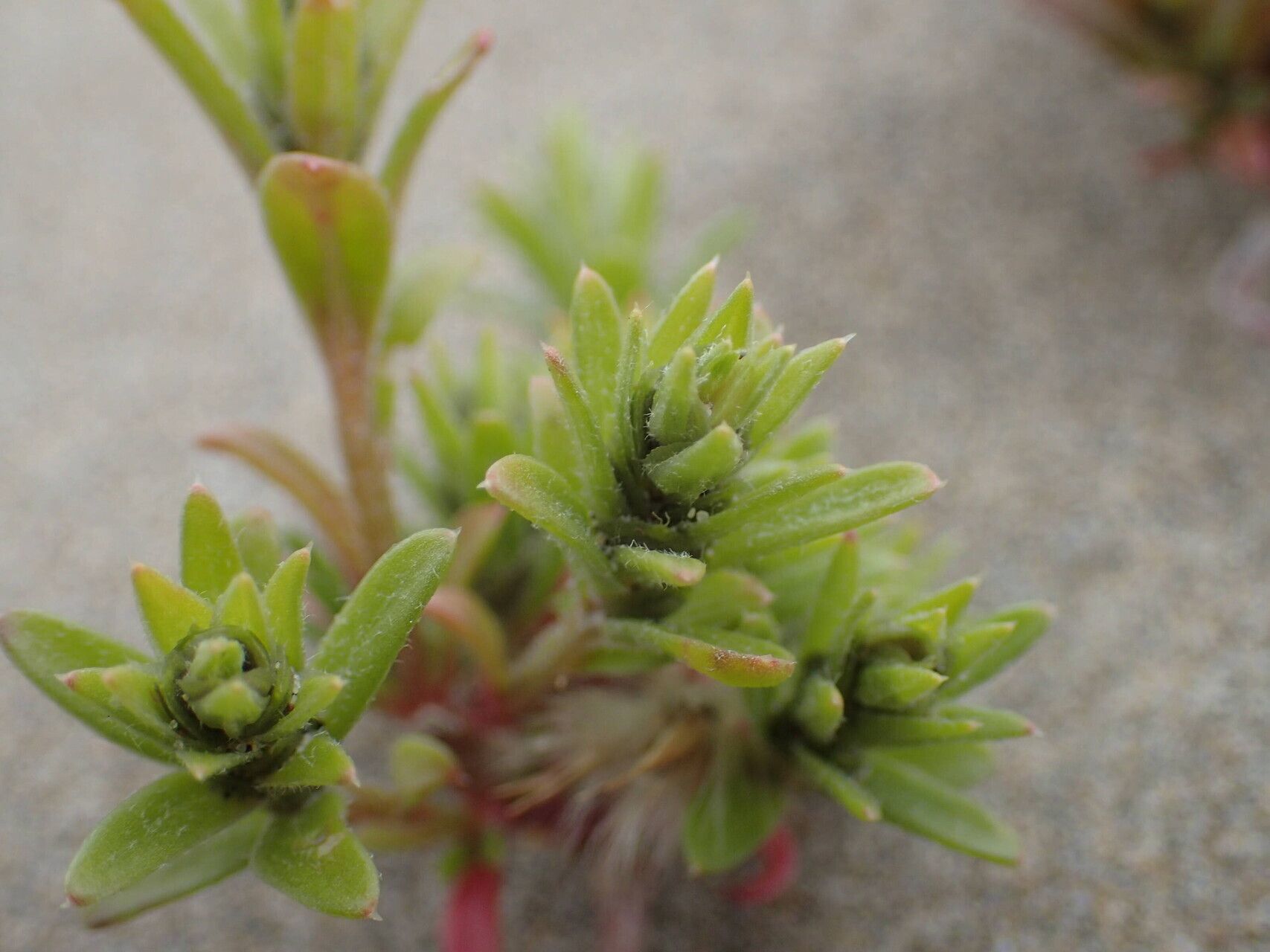
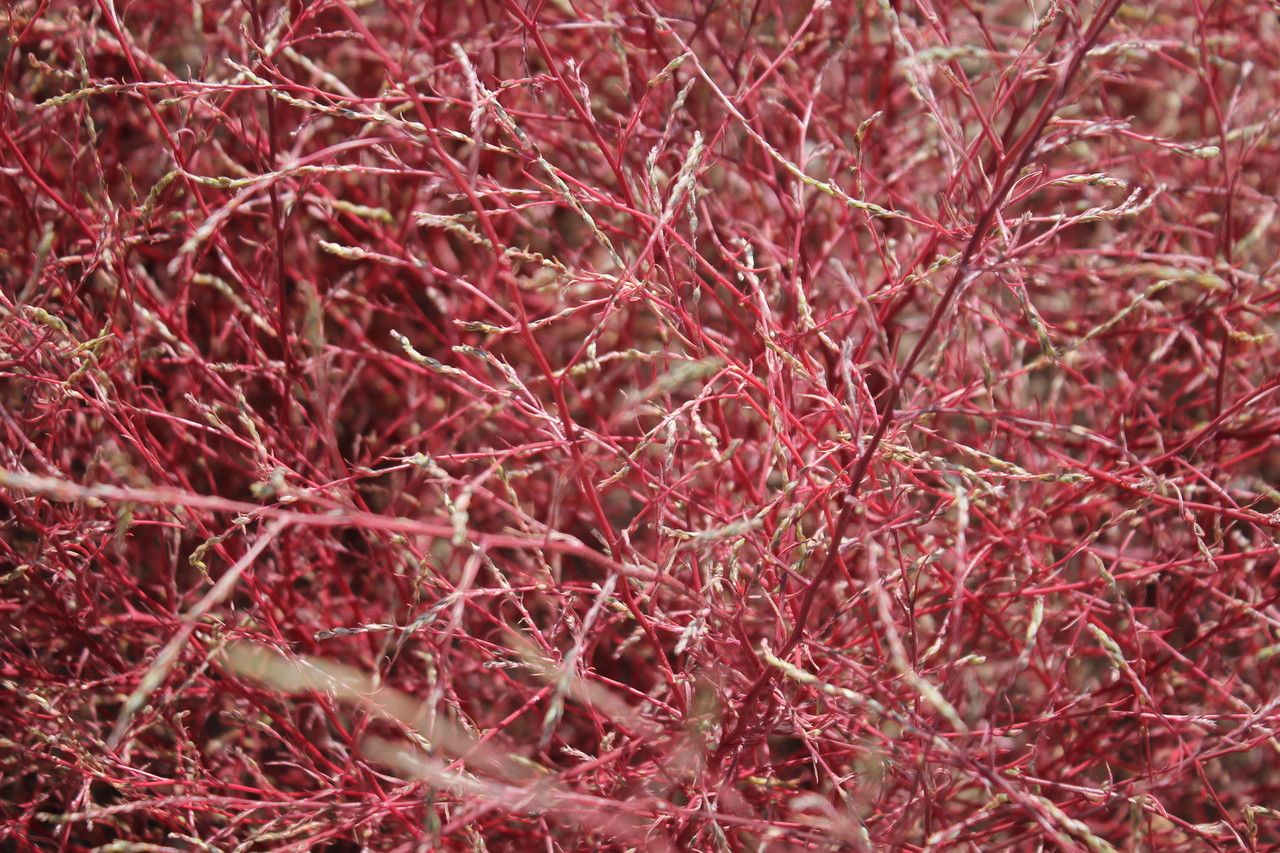
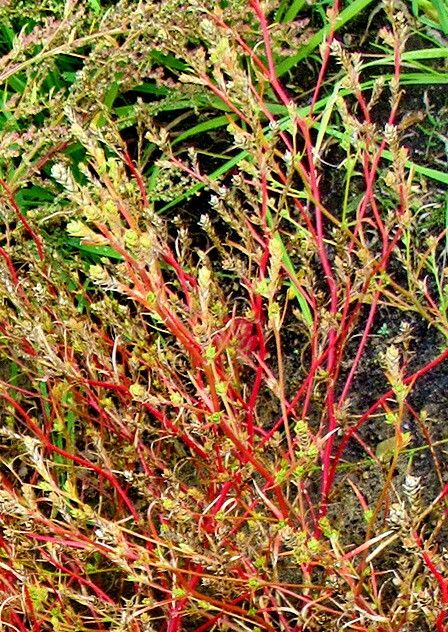
Declinate bugseed has strong disease resistance and is generally not susceptible to illnesses. Nevertheless, it can be affected by pests and diseases present in its environment. These issues are typically mild. As for care, this plant needs moderate maintenance. It should be pruned regularly to preserve an attractive appearance and healthy growth. Fertilizing can also encourage flowering. Declinate bugseed is appropriate for anyone with outdoor space, such as a garden or patio, and does not demand extensive gardening experience. It may need additional attention if grown indoors.
How to keep Corispermum Declinatum.
Light
Declinate bugseed comes from well-lit, open habitats where it does best in full sunlight. It can tolerate some shade but prefers direct sun for optimal growth. This plant, which may be annual or biennial, is recognized for its sun-loving character.
Water
Declinate bugseed thrives in arid environments, showcasing remarkable drought tolerance while needing only weekly watering. This annual herb prefers well-drained soil and flourishes outdoors in dry climates, with its growth cycle closely tied to water availability.
Temperature
Declinate bugseed can tolerate a wide range of temperatures, but its distribution may still be limited by various combinations of moisture and heat. It performs best in warm summer climates with sufficient rainfall or watering. Long stretches of cloudy, rainy weather or sustained high temperatures can raise the chance of Declinate bugseed dying. In winter, adequate protection from cold can enhance the plant’s survival.
Fertilizer
Declinate bugseed benefits from regular, light applications of fertilizer to encourage healthy leaf development. You should feed Declinate bugseed about once a month during the summer. Nitrogen is important for foliage, and adding nitrogen-rich sources helps Declinate bugseed thrive.
Pruning
Declinate bugseed flourishes when pruned at the right time, from early to late spring. This practice enhances its growth and improves air circulation. Be sure to remove any dead branches, use clean tools to prevent the spread of disease, and avoid heavy pruning to minimize stress on the plant. Regular pruning not only shapes the declinate bugseed for ornamental appeal but also promotes its overall health and vigor.
Botanical profile.
- Plant Type
- Herb
- Life Cycle
- Annual
- Genus
- Corispermum
- Family
- Amaranthaceae
- Hardiness Zone
- 4-8
- Mature Height
- 10 cm to 49 cm
- Mature Spread
- 10 cm to 30 cm
- Leaf Color
- Green
- Leaf Type
- Semi-evergreen
- Flower Color
- White, Purple, Green
- Flower Size
- 0.20 cm to 0.25 cm
- Bloom Time
- Mid summer, Late summer, Early fall
- Planting Time
- Spring, Summer
- Harvest Time
- Early fall, Mid fall
- Native Area
- Russia, Kazakhstan, Mongolia, South Korea, China
Other names.
Reader questions.
How should I water my Declinate bugseed plant?
To water Declinate bugseed, there are various options you can choose from such as using a garden hose with a spray nozzle, a watering can, or any other typical watering tool. This plant is not very particular about the type of water it receives and can thrive with rainwater, tap water, or filtered water. However, it is advisable to avoid watering from above as it can harm the leaves and flowers and even lead to diseases. A drip irrigation system is often the best method for watering this plant as it provides even and direct watering to the soil. If you have a container-grown Declinate bugseed, you can follow a similar approach but use a cup, watering can, or simply pour water from your tap directly onto the soil.
How many hours of sunlight does Declinate bugseed need each day to grow well?
To ensure healthy growth and survival of the plants, it's essential to provide them with a minimum of 6 to 8 hours of sunlight each day. These plants have a preference for morning light, especially during the summer. The particular species called Declinate bugseed thrives in full sun and benefits from as much sunlight as possible. The more light these plants receive, the better they can produce food, display attractive blooms, and withstand the challenges they face.
What should I do if I give too much or too little water to my Declinate bugseed?
The remedy for underwatering Declinate bugseed is simple: water it more regularly when you notice it lacks moisture. On the other hand, overwatering can be a more serious problem. When your Declinate bugseed is overwatered, it can develop diseases that lead to its decline and death. To prevent this, choose a proper growing location with ample sunlight to dry the soil and good drainage to avoid waterlogged soil. If you are overwatering a potted plant, consider transferring it to a new pot with better drainage. When repotting, use loose soil and a pot that drains efficiently.
What kind of sunlight does Declinate bugseed require?
The Declinate bugseed thrives in full sunlight, so it's important to avoid planting them too close together to ensure even sun exposure. The leaves need enough sunlight to thrive. If planted in pots, place the herbaceous flowers in windows with direct sun and make sure they receive full sunlight year-round. They do not do well in partial or filtered light because it weakens their stems and flowers. For optimal growth, it's recommended to always keep the Declinate bugseed exposed to the sun.
How frequently should I water my Declinate bugseed plant?
Declinate bugseed requires regular watering during the growing season. In the spring, water it once a week. As the season progresses and it gets warmer, you may need to water it two to three times a week. However, be careful not to overwater, as this can harm the plant. Regardless of how often you water, make sure the soil stays moist but not wet. When growing Declinate bugseed in a pot, you'll need to water it more frequently. Potted soil tends to dry out faster, so plan to water the plant a few times a week. In contrast, an in-ground plant only needs to be watered once a week.
Can the sun damage plants? How can we protect Declinate bugseed from damage caused by sun and heat?
When the temperature rises above 90℉(32℃), the Declinate bugseed can be damaged by extreme temperatures, especially if it is exposed to many hours of sun. To protect the plant, it's helpful to provide some shade in the afternoon during the summer. It's important to remember that the sunlight during summer is stronger and lasts 50% longer than in winter. If the Declinate bugseed is stressed due to sunlight, it's advisable to keep it well hydrated. Water the plant when the top 2 inches of soil are dry and consider moving it indoors if the outdoor temperatures are too hot, especially if it is planted in a container. During the day, it is normal for the leaves of the plant to wilt, but they typically recover at night. However, if you notice that the Declinate bugseed is still drooping, it means it is losing water quickly and needs to be watered.
How much water does my bugseed plant need?
There are multiple ways to decide how much water to give your Declinate bugseed. Some gardeners rely on the moisture in the soil, watering until the top six inches feel moist. Others prefer a set measurement, usually around two gallons per week depending on heat and soil dryness. However, you could risk overwatering if your plant needs less. When growing in a container, a different approach is necessary. You should moisten all dry soil layers by either checking with your finger or watering until excess water drains out of the pot.
Should I shield Declinate bugseed from the sun?
The Declinate bugseed is not sensitive to sunlight and actually thrives in sunny conditions. Some species are even attracted to the sun, following its movement throughout the day. To maximize their exposure to sunlight, it's recommended to plant them in south-facing gardens where they can receive morning to afternoon sun. However, it's important to note that excessive sun exposure may result in sunburn for some species. To protect them from the strong afternoon and midday sun, you can provide shading from a nearby tree or wall. It's not feasible to grow the Declinate bugseed in shady areas as the larger flowers require ample energy from sunlight to grow and bloom. Therefore, for optimal growth, it's advised to place them in an area with full sun and provide the necessary lighting conditions.
How can I know if I'm giving enough water to my Declinate bugseed?
Avoiding overwatering your Declinate bugseed can be a little tricky. These plants have deep roots and should be watered weekly, but they are also highly prone to root rot. Overwatering can also cause browning. Underwatering is less of a concern as these plants can survive without much watering, but if you wait too long, they may wilt and develop dry leaves.
What will happen if Declinate bugseed doesn't get enough sunlight?
When the Declinate bugseed does not receive enough sunlight, it's important to note that their photosynthetic process will slow down. This lack of sunlight causes the stems to become thin and long, as they try to reach for more sunlight. In shady conditions, they will not bloom or produce seeds. Insufficient sunlight also leads to the older leaves dying, while the new leaves appear lighter in color and smaller in size. Although the Declinate bugseed enjoys the sun, excessive heat and ultraviolet light during the summer can cause wilting. To protect them, consider using a net with a green shade to prevent scorching of the leaves and flowers, especially in the summer. When they are indoors, use a fan to reduce heat.
How should I water my Declinate bugseed throughout the year?
As the season progresses, you can expect your Declinate bugseed to require more water. In spring, watering once per week is sufficient. However, as summer arrives with its heat, your Declinate bugseed will likely need more water, sometimes up to three times per week. This is particularly important for bugseed grown in containers since the soil in containers tends to dry out faster than ground soil in warm weather. During autumn, when your Declinate bugseed is still blooming, it may need slightly less water due to decreasing temperatures and less intense sunlight compared to summer.
Does the bugseed plant called Declinate require any specific sunlight conditions as it grows?
When the Declinate bugseed is growing, they require more light compared to when they are mature. For the younger ones, it is important to provide them with enough light, but sudden exposure to full sunlight may be too much for them, especially if they are grown in a nursery. They tend to be more sensitive to the strong summer sun, so it is best to gradually and slowly increase the lighting for them.