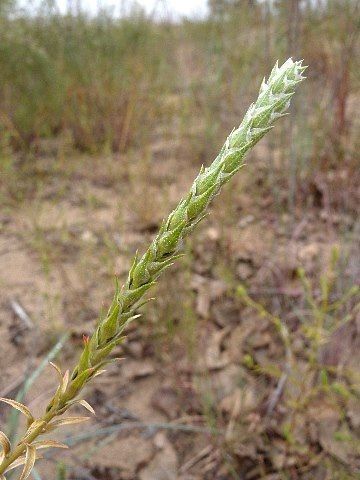
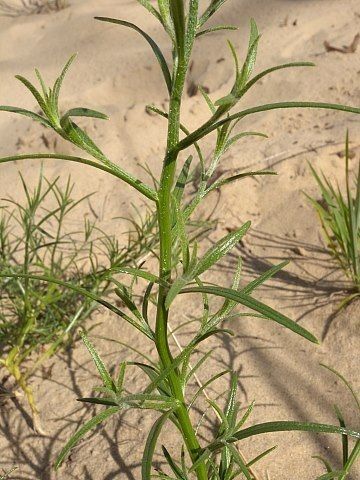
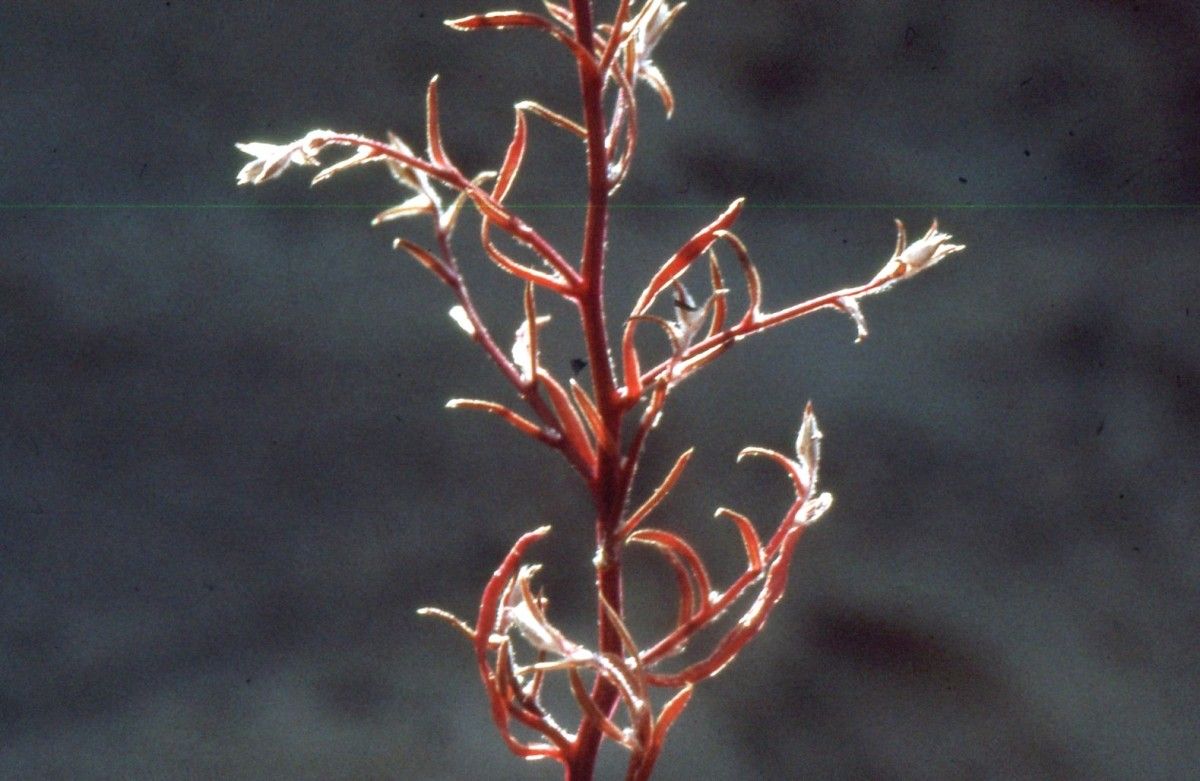
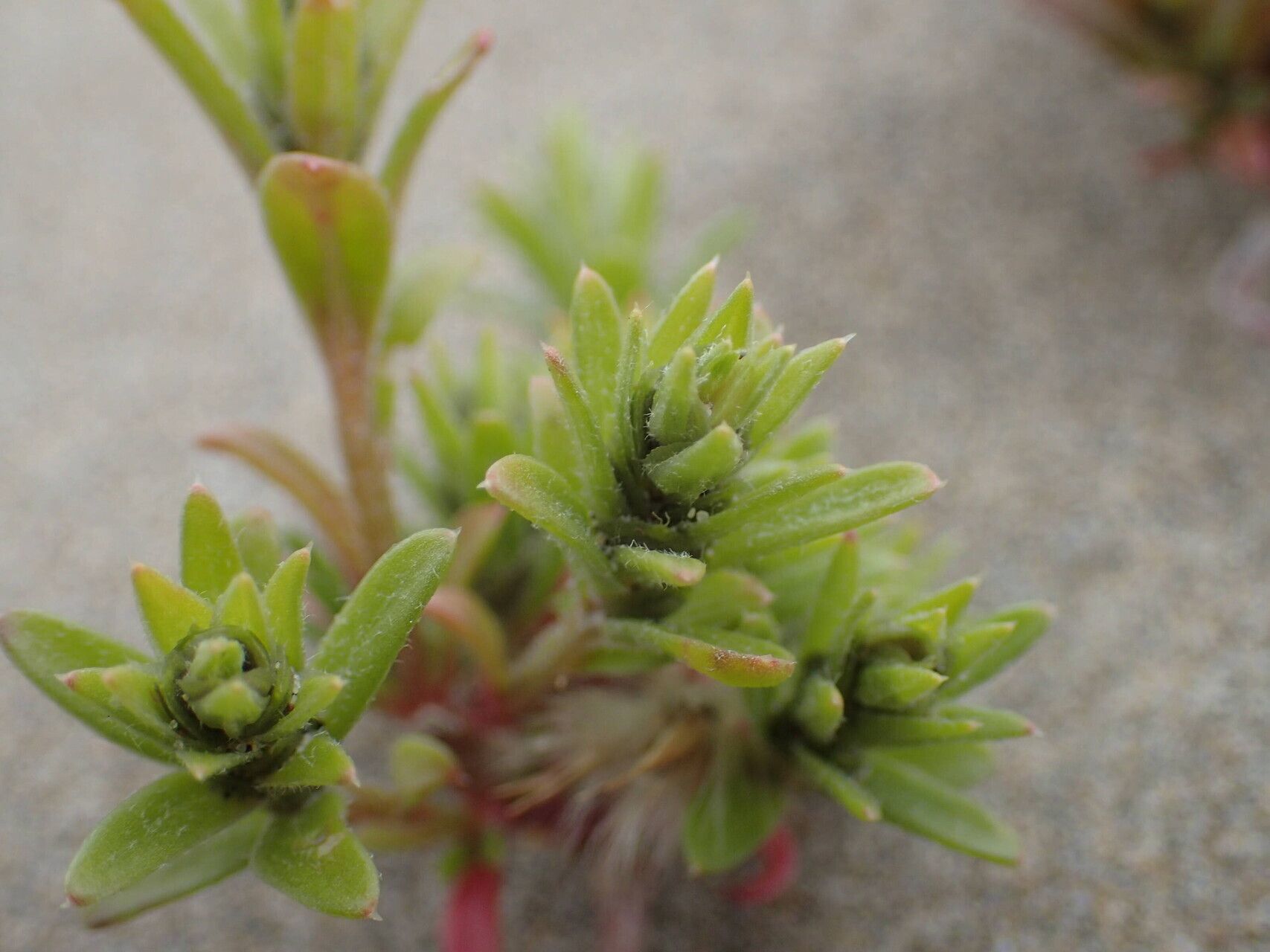
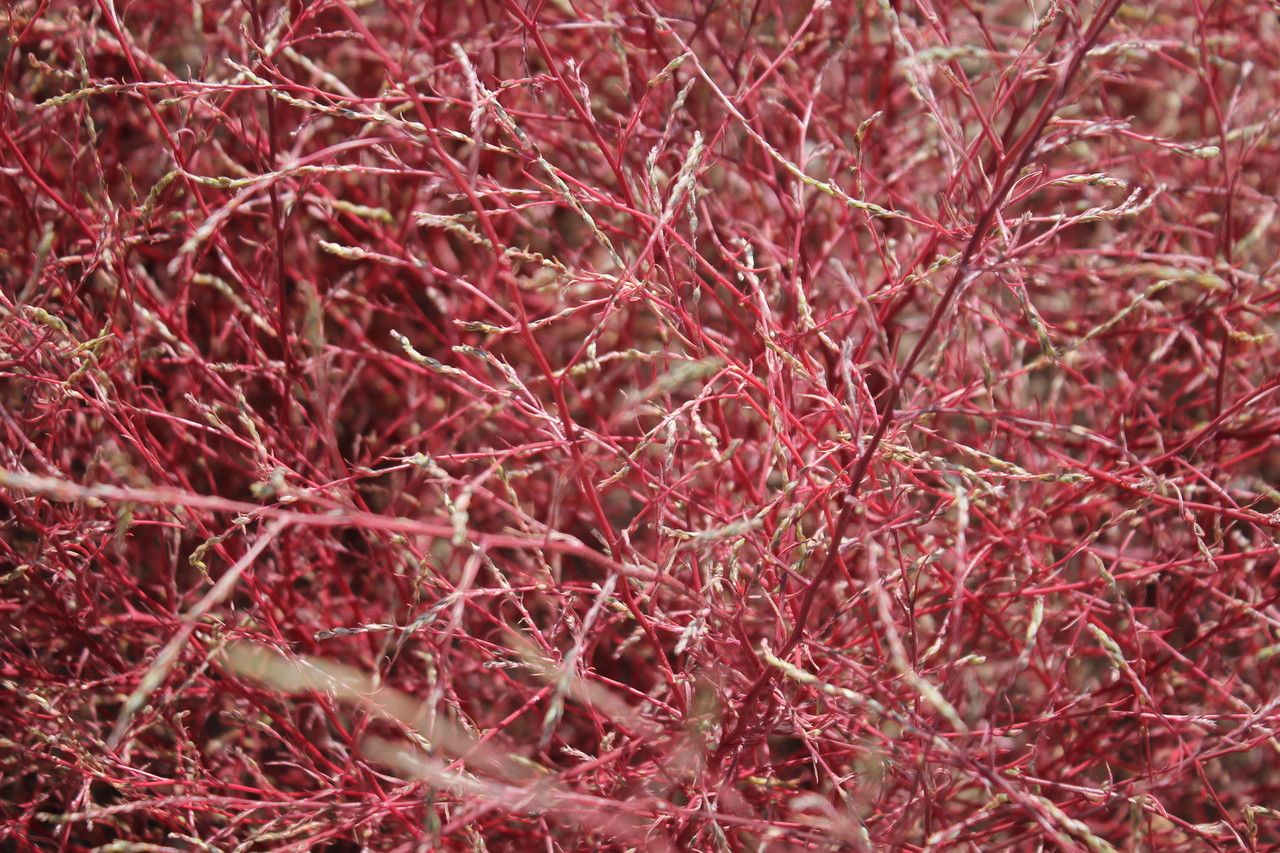
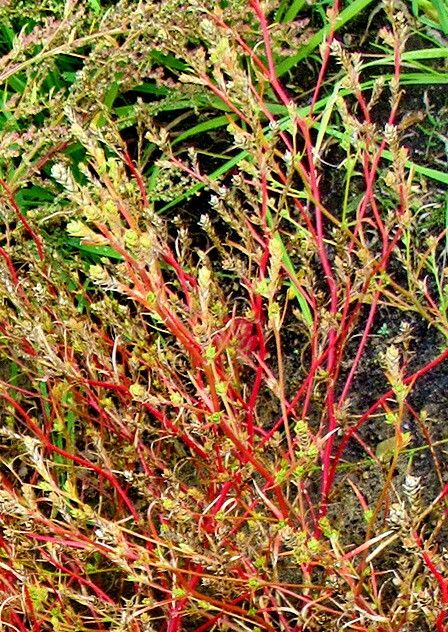
Corispermum americanum, commonly known as American bugseed, is an herbaceous plant in the Amaranthaceae family. Native to North America, this plant thrives in various habitats such as prairies, meadows, and open woodlands.
Growing up to 1 meter tall, American bugseed features a slender stem with narrow, green leaves. Its flowers are small, inconspicuous, and possess greenish-white petals that bloom from July to September. The plant produces small seed capsules containing numerous tiny seeds.
Historically, Native Americans utilized American bugseed for its medicinal properties to treat ailments like fever, diarrhea, and respiratory infections. In the culinary realm, its seeds can be ground into flour or used as a seasoning.
Ecologically, American bugseed is important for providing food to birds like sparrows and finches, especially during winter months when other food sources are scarce.
In summary, Corispermum americanum is a fascinating native North American herbaceous plant with valuable medicinal uses and significant ecological contributions.
American bugseed is fairly disease-resistant and typically not prone to illnesses. However, it can be affected by pests and diseases present in its environment. Such infections are generally mild. Regarding care, this plant needs moderate maintenance. Regular pruning is necessary to keep a good appearance and support healthy growth. Applying fertilizer can also encourage flowering. American bugseed is suitable for people with outdoor space, such as a garden or patio, and does not require much care experience. It may need extra attention when grown indoors.
How to keep Corispermum Americanum.
Light
The American bugseed is native to sunny, open areas where it flourishes in abundant sunlight. It can manage in locations with partial sun, however, it prefers to be directly under the sun for the best growth. This plant, which grows annually and biennially, is widely recognized for its proclivity for sunny conditions.
Water
The American bugseed is well-adapted to thrive in arid environments, thanks to its high drought tolerance. To care for this plant, water it twice a week and make sure it is planted in well-drained soil to avoid root rot. Although it can benefit from natural rainfall, the American bugseed makes efficient use of water, enabling it to endure dry spells.
Temperature
The American bugseed is capable of adjusting to various temperature conditions, although its spread can still be constrained by differing mixtures of moisture and heat conditions. The plant flourishes optimally in warm weather during summer months when there is sufficient rainfall or irrigation. Extensive phases of overcast and rainy conditions, along with sustained elevated temperatures, could heighten the chances of the American bugseed's demise. Protecting the plant appropriately against cold in the winter can enhance its rate of survival.
Fertilizer
Frequent, mild applications of fertilizer can aid in the vigorous leaf growth of American bugseed. Once a month throughout summer is an ideal time to fertilize this plant. Nitrogen, vital for leaf development, can be supplemented through nitrogen-rich substances, which can enhance the growth of the American bugseed.
Pruning
The American bugseed flourishes in dry, sandy soils and benefits from pruning between early and late spring. Pruning involves removing dead stems and shaping the plant to encourage healthier growth, denser foliage, better air circulation, and fewer pests. It's important to use sharp, sterilized tools during this process to prevent the spread of diseases.
Botanical profile.
- Plant Type
- Herb
- Life Cycle
- Annual
- Genus
- Corispermum
- Family
- Amaranthaceae
- Hardiness Zone
- 4-8
- Mature Height
- 0 cm to 91 cm
- Mature Spread
- 10 cm to 30 cm
- Leaf Color
- Green, Light Green
- Leaf Type
- Deciduous
- Flower Size
- 0.10 cm to 0.20 cm
- Bloom Time
- Mid summer, Late summer, Early fall
- Planting Time
- Spring, Summer
- Harvest Time
- Early fall, Mid fall
- Native Area
- Mexico
Other names.