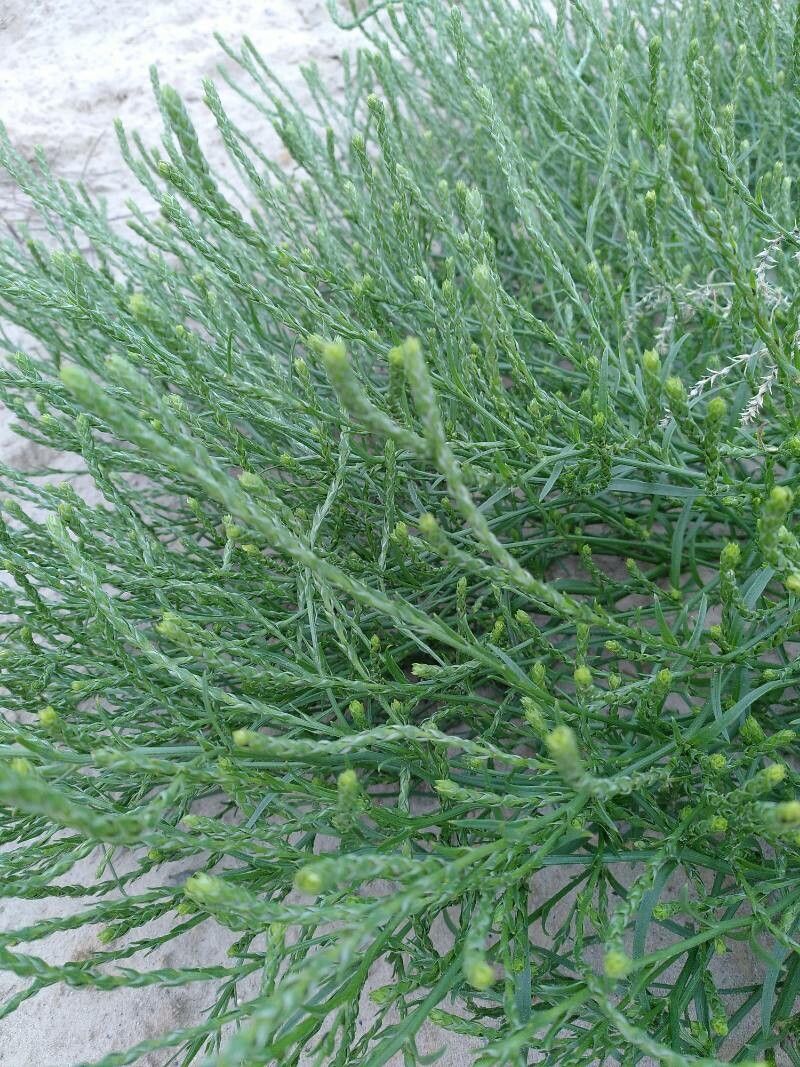
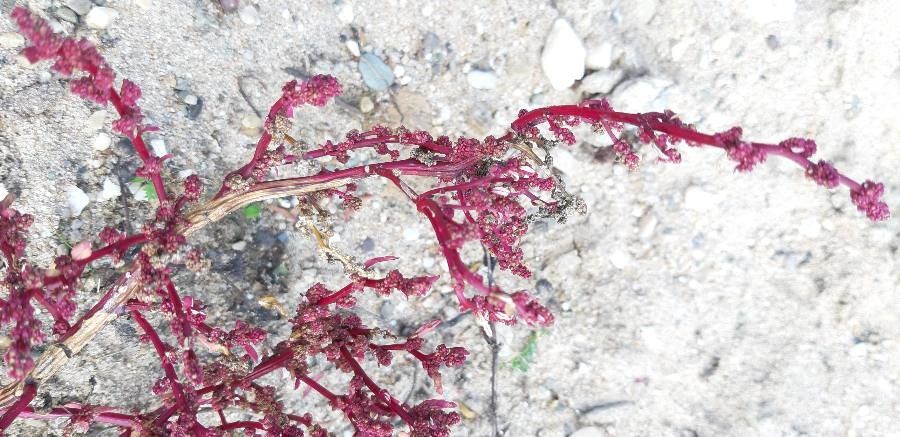
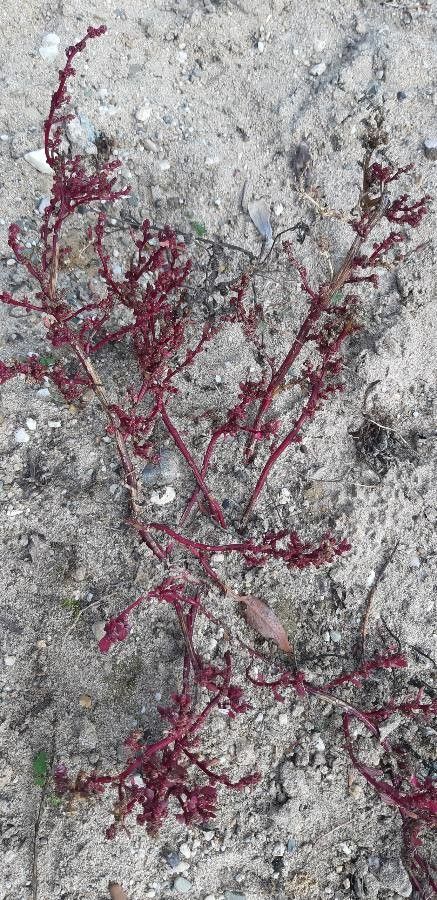
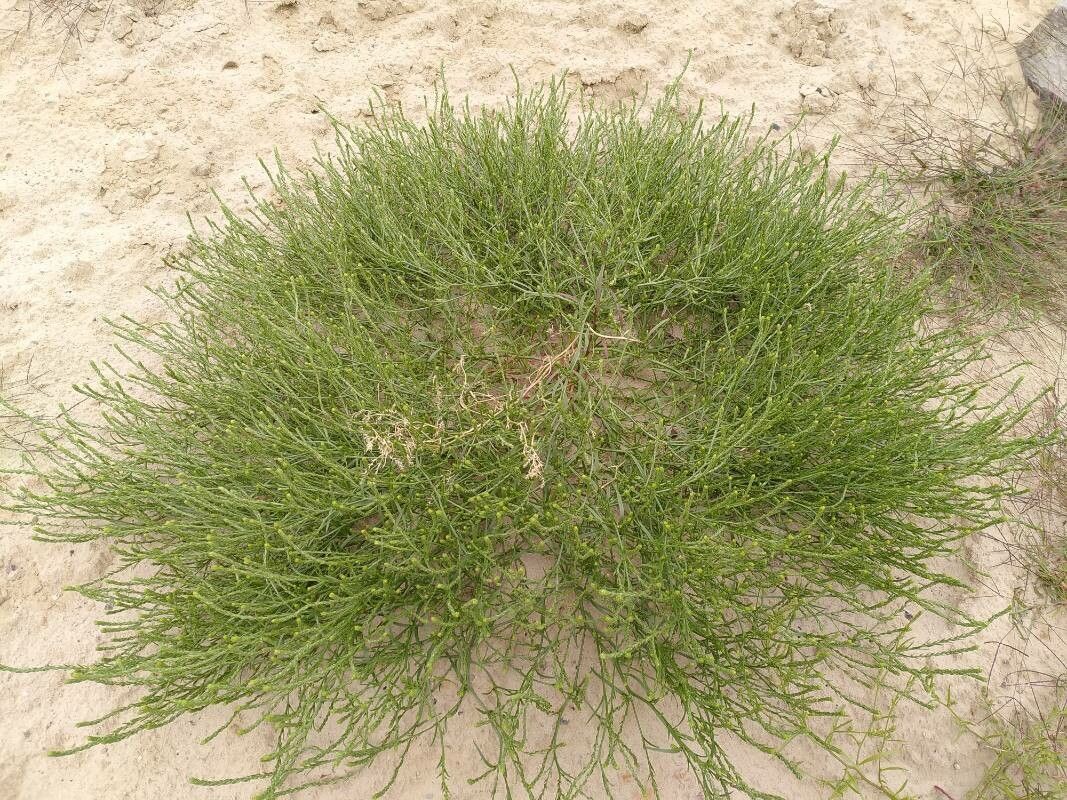
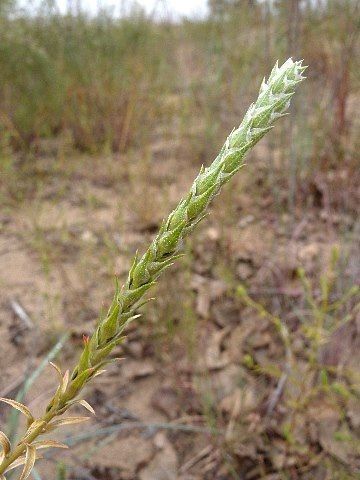
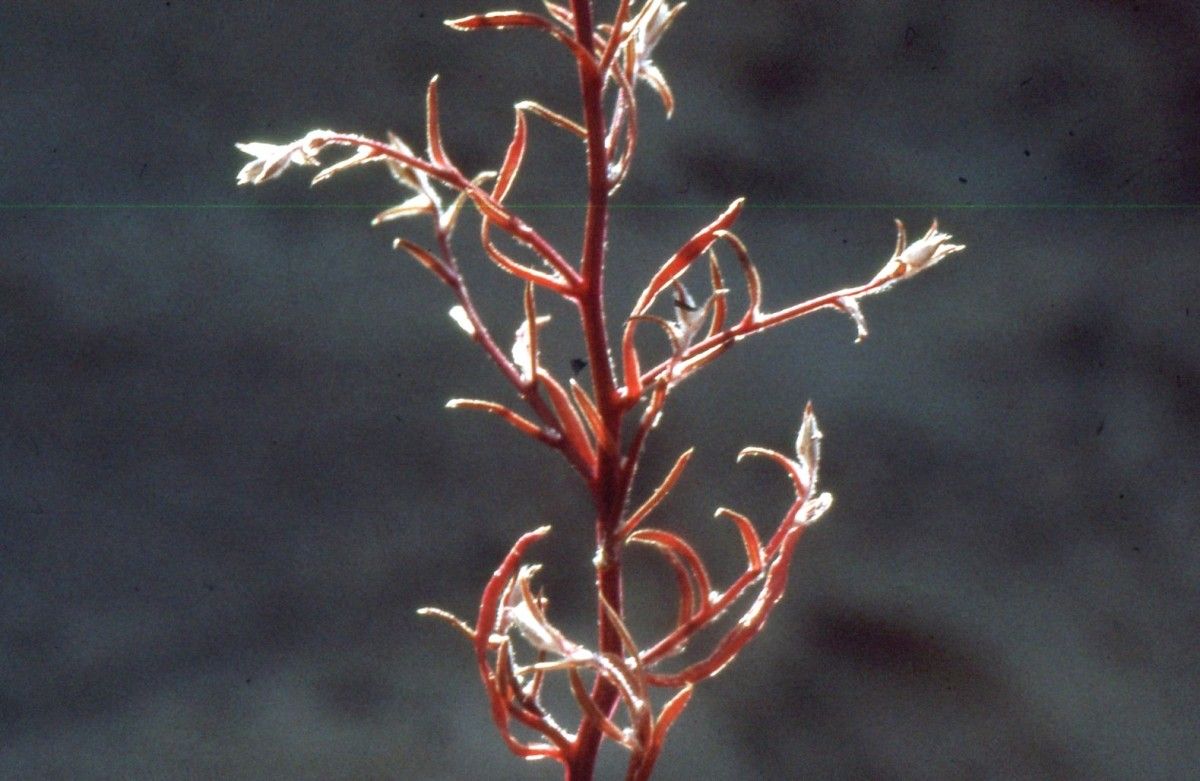
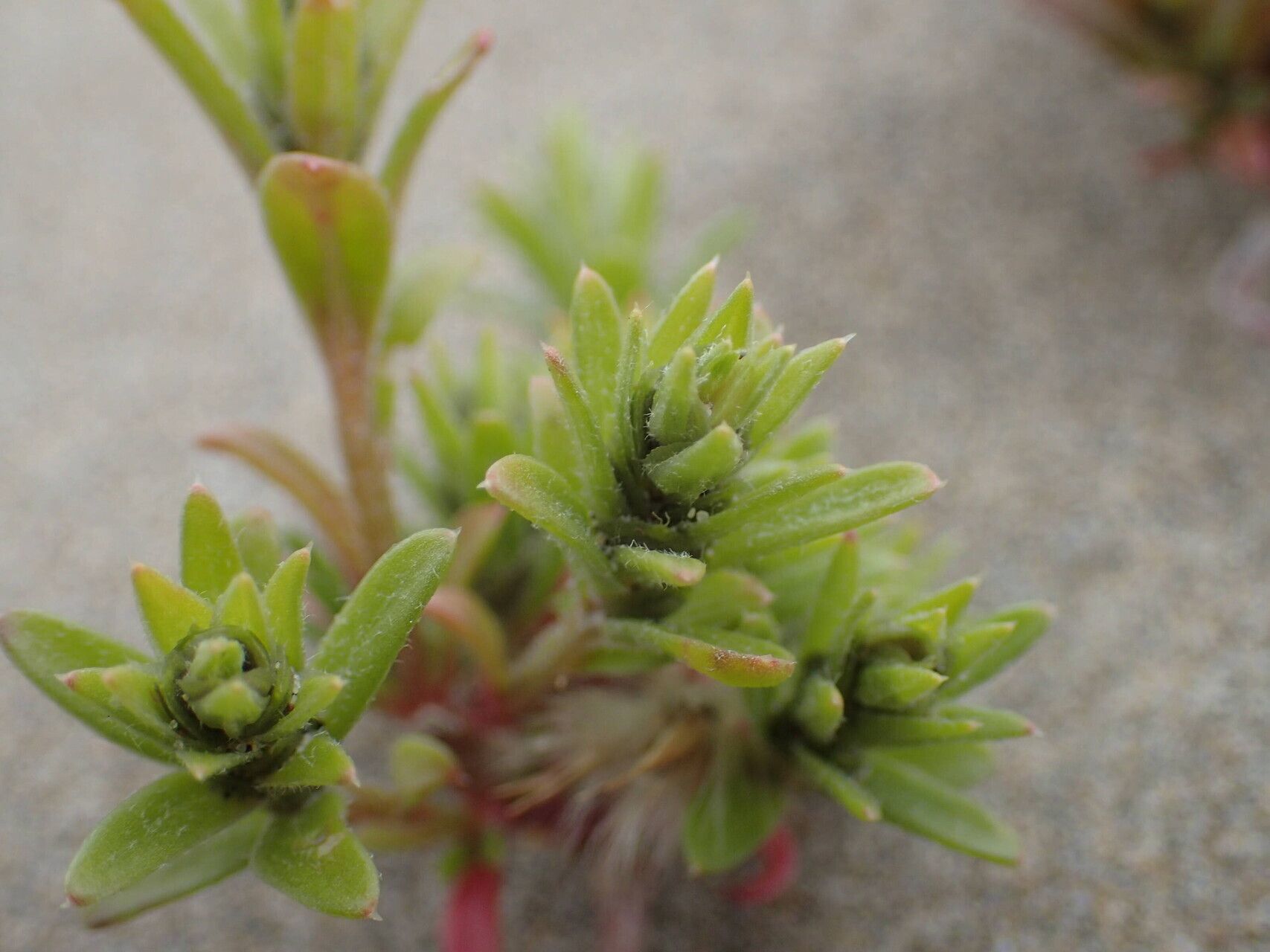
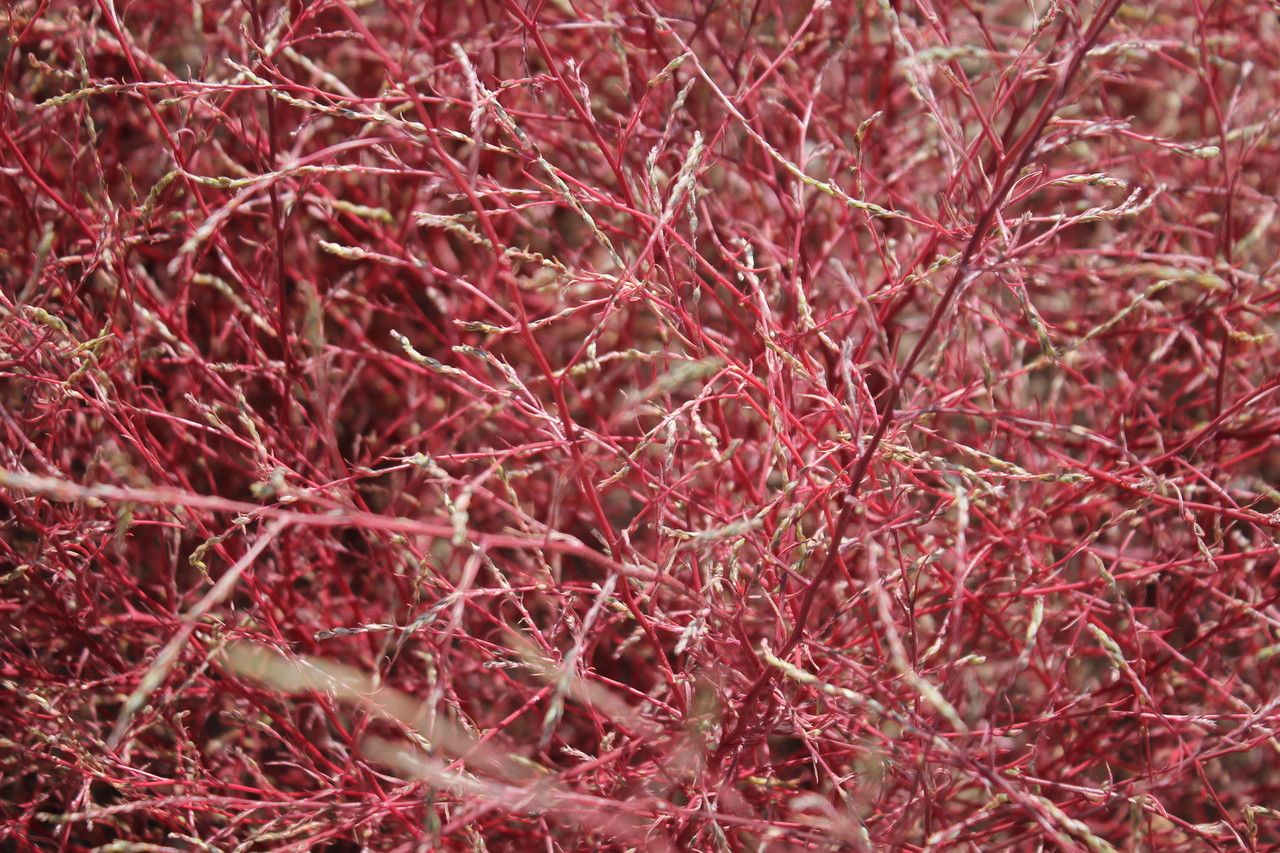
Hyssop-leaved tickseed has strong resistance to disease and is generally unlikely to suffer from illnesses. Still, it can be vulnerable to pests and diseases present in its surroundings. Such infections tend to be mild. Care-wise, this plant needs moderate attention. It requires regular pruning to preserve an attractive appearance and encourage healthy growth. Fertilizing can also help stimulate flowering. Hyssop-leaved tickseed is appropriate for anyone with an outdoor area, like a garden or patio, and does not demand extensive care experience. It may need more attention when cultivated indoors.
How to keep Corispermum Intermedium.
Light
Hyssop-leaved tickseed comes from bright, open habitats and does best in full sun. It can tolerate partial sun but prefers direct sunlight for optimal growth. This plant, which may be annual or biennial, is known for its sun-loving nature.
Water
Hyssop-leaved tickseed thrives in well-drained environments with moderate moisture, demonstrating both drought tolerance and a preference for dry periods between waterings. To maintain optimal health, it is recommended to water the plant weekly. This outdoor plant adapts well to various climate zones, growing in harmony with local rainfall patterns.
Temperature
Hyssop-leaved tickseed can tolerate a wide range of temperatures, although its range may still be restricted by various combinations of water and heat. It performs best in warm summer conditions with sufficient rainfall or watering. Extended periods of cloudy, rainy weather or prolonged high temperatures can raise the chance of Hyssop-leaved tickseed dying. In winter, giving proper protection from cold can increase the plant’s survival.
Fertilizer
Hyssop-leaved tickseed does well with regular, light applications of fertilizer to encourage healthy foliage. You should apply fertilizer about once a month during the summer. Nitrogen is essential for the leaves, and providing nitrogen-rich sources helps Hyssop-leaved tickseed thrive.
Pruning
To maintain the health and appearance of hyssop-leaved tickseed, prune it between early and late spring. Start by removing dead stems and trimming about one-third of the plant's height. This practice promotes new growth, enhances air circulation, reduces the risk of disease, and encourages abundant blooms. Regular trimming also keeps the plant tidy and supports dense foliage.
Botanical profile.
- Plant Type
- Herb
- Life Cycle
- Annual
- Genus
- Corispermum
- Family
- Amaranthaceae
- Hardiness Zone
- 8-10
- Mature Height
- 28 cm
- Mature Spread
- 15 cm to 30 cm
- Leaf Color
- Green
- Leaf Type
- Semi-evergreen
- Flower Color
- Yellow, Green
- Flower Size
- 0.20 cm to 0.25 cm
- Bloom Time
- Mid summer, Late summer, Early fall
- Planting Time
- Spring
- Harvest Time
- Early fall, Mid fall
- Native Area
- Russia, Lithuania, Germany, Poland, Latvia
Other names.
Reader questions.
How should I water my Hyssop-leaved tickseed plant?
You have a few options for watering the Hyssop-leaved tickseed plant. You can use tools like a garden hose with a spray nozzle or a watering can. The plant isn't too particular about the type of water it receives, as it can survive with rainwater, tap water, or filtered water. It's generally best to avoid watering the plant from above, as this can harm the leaves and flowers and potentially lead to disease. One effective method for watering is using a drip irrigation system, which provides even and direct watering to the soil. If you have a container-grown Hyssop-leaved tickseed, you can follow a similar approach but change the tools used, such as using a cup, watering can, or tap to apply water directly to the soil.
How many hours of sunlight does Hyssop-leaved tickseed need each day to grow well?
For optimal growth, it is important to provide the plants with a minimum of 6 to 8 hours of sunlight each day. Specifically, in the summer, they thrive when exposed to more morning light. The Hyssop-leaved tickseed, in particular, requires full sun and benefits from as much sunlight as possible. Increasing the amount of light these species receive enables them to produce more food, display stunning blooms, and enhance their chances of survival.
What do I do if I give my Hyssop-leaved tickseed too much or too little water?
To remedy underwatering for Hyssop-leaved tickseed, the solution is straightforward. When you see that your plant lacks moisture, increase the frequency of watering. On the other hand, overwatering can be much more problematic if not detected early. Overwatered Hyssop-leaved tickseed is susceptible to diseases that can lead to decline and death. To avoid this, choose an appropriate location with ample sunlight to dry the soil and proper drainage to prevent pooling and waterlogged soil. If your potted Hyssop-leaved tickseed is overwatered, consider transferring it to a new pot. The previous container may have lacked adequate drainage or sufficient drainage holes. When repotting the overwatered plant, use loose soil and a pot that drains efficiently.
What kind of sunlight does Hyssop-leaved tickseed require?
The Hyssop-leaved tickseed thrives in full sunlight. To ensure even exposure, avoid crowding the plants together. It's important to provide them with ample sunlight. If planting in pots, place the herbaceous flowers by windows that receive direct sun so they can enjoy full sunlight all year round. Partial or filtered light is not ideal as it may result in weak stems and unhealthy flowers. It is recommended to always expose the Hyssop-leaved tickseed to sunlight.
How often should I give water to my Hyssop-leaved tickseed plant?
To keep Hyssop-leaved tickseed healthy, water it regularly throughout the growing season. In spring, water it once a week. As the season progresses and the weather gets warmer, increase watering to two to three times a week. However, be careful not to exceed this rate, as it can harm the plant. Regardless of how often you water, make sure the soil remains moist but not overly wet. If you have Hyssop-leaved tickseed in a pot, you'll need to water it more frequently than if it was planted in the ground. Potted plants tend to dry out faster, so plan to water them a few times a week instead of just once.
Can the sun harm plants? How can I shield Hyssop-leaved tickseed from damage caused by the sun and heat?
When the temperature rises above 90℉(32℃), the Hyssop-leaved tickseed can be damaged by extreme heat, especially if exposed to many hours of sun. It is best to provide some shade in the afternoon during the summer since the sunlight is stronger and lasts longer than in the winter. If the tickseed is stressed from sunlight, it's important to fully hydrate them by watering when the top of the soil is about 2 inches dry. If it's too hot outside, particularly if the tickseed is planted in containers, consider moving the plants indoors. It is normal for the leaves to wilt during the day but they should recover at night. However, if the tickseed continues to droop, it means the plant is losing water rapidly and needs to be watered.
How much water does my Hyssop-leaved tickseed plant require?
Determining how much water to give your Hyssop-leaved tickseed can be done in a few different ways. Some gardeners prefer to assess the moisture level of the soil by feeling it with their hands. This method suggests watering until the first six inches of soil feels moist. Alternatively, you can use a specific measurement to determine the water quantity. On average, giving your Hyssop-leaved tickseed about two gallons of water per week is recommended, taking into account the temperature and soil dryness. However, strictly following this guideline could result in overwatering if your plant doesn't actually need two gallons per week. When growing Hyssop-leaved tickseed in a container, a different approach is necessary. You should water enough to moisten all dry soil layers. To test for dampness, simply insert your finger into the soil. Additionally, you can water until you see a slight trickle of excess water flowing out the drainage holes of the pot.
Should I keep Hyssop-leaved tickseed away from the sun?
The Hyssop-leaved tickseed thrives in sunny conditions and can be planted in south-facing gardens to ensure maximum exposure. While they can benefit from the sun, it's important to protect them from the afternoon and midday sun to prevent sunburn. This can be done through shade provided by a nearby tree or wall. It's not possible to grow the Hyssop-leaved tickseed in shady areas as growing larger flowers would require more energy. To achieve the best results, always make sure to provide them with full sun lighting conditions.
How do I know if I'm giving enough water to my Hyssop-leaved tickseed?
To avoid overwatering your Hyssop-leaved tickseed, it's important to understand their watering needs. These plants have deep roots, so they should be watered weekly to keep the soil moist. However, be cautious as these plants are prone to root rot and can experience browning if overwatered. Underwatering is less likely, as Hyssop-leaved tickseed can survive without extra watering for some time. However, if they are not watered for too long, they may wilt and develop dry leaves.
What will happen if Hyssop-leaved tickseed doesn't get enough sunlight?
If the Hyssop-leaved tickseed does not receive enough sunlight or is not placed in full sun locations, its photosynthetic process will slow down. Without adequate sunlight, the stems will become leggy as they stretch out in search of more sunlight. Additionally, they will not bloom or produce seeds in shady conditions. Insufficient sunlight can also cause the older leaves to die off, resulting in new growth that is lighter in color and smaller in size. While the Hyssop-leaved tickseed thrives in sunny conditions, it can wilt in excessive heat and ultraviolet light during the summer. To protect the plant, consider covering it with a green shade net, especially in the summer, to prevent scorching of the leaves and flowers. When indoors, you can reduce the heat by using a fan.
How often should I water my Hyssop-leaved tickseed throughout the year?
As the seasons progress, you can expect your Hyssop-leaved tickseed's water needs to change. In spring, watering once a week should suffice. However, as summer brings hotter temperatures, you will likely need to increase watering to about three times per week. This is particularly important for tickseed plants in containers, as the soil dries out faster in warm weather. In autumn, when the temperature drops and the sun weakens, your tickseed may require less water, even though it is still in bloom.
Does hyssop-leaved tickseed require specific sunlight care throughout its various growth stages?
The Hyssop-leaved tickseed requires more light while it is growing compared to its mature counterparts. However, it is important to ensure that the younger plants are not exposed to sudden full sunlight, especially if they are being grown in a nursery. These young plants are more sensitive to the summer sun, so it is best to introduce lighting gradually and at a slower pace.