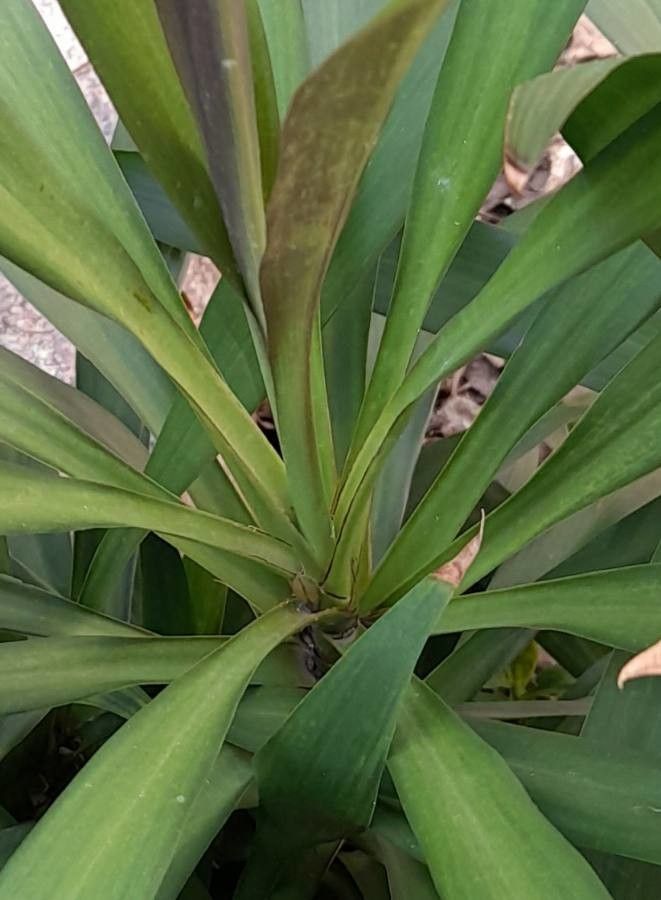
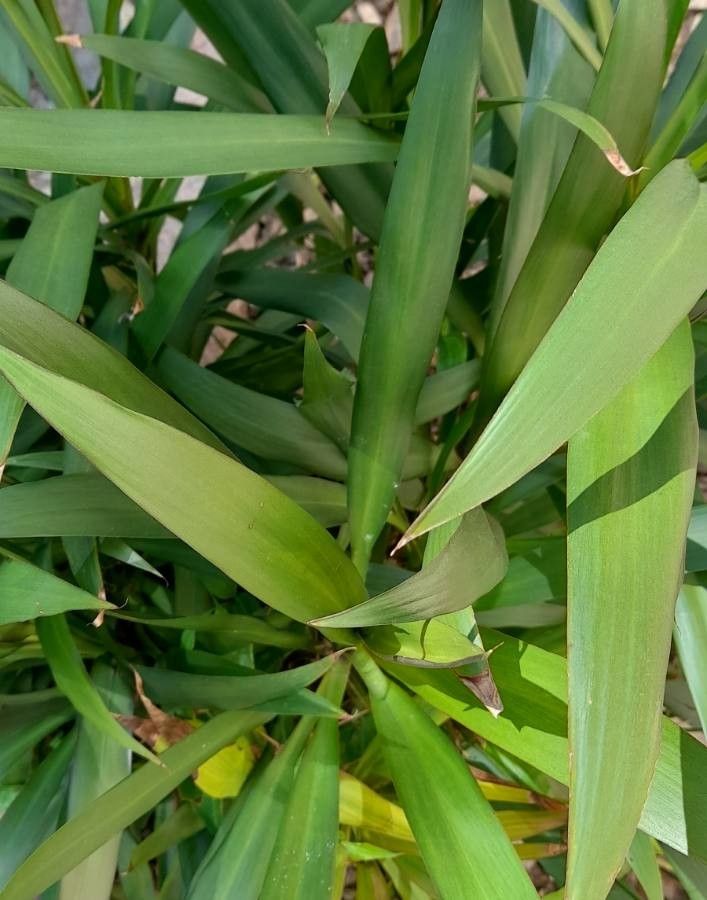
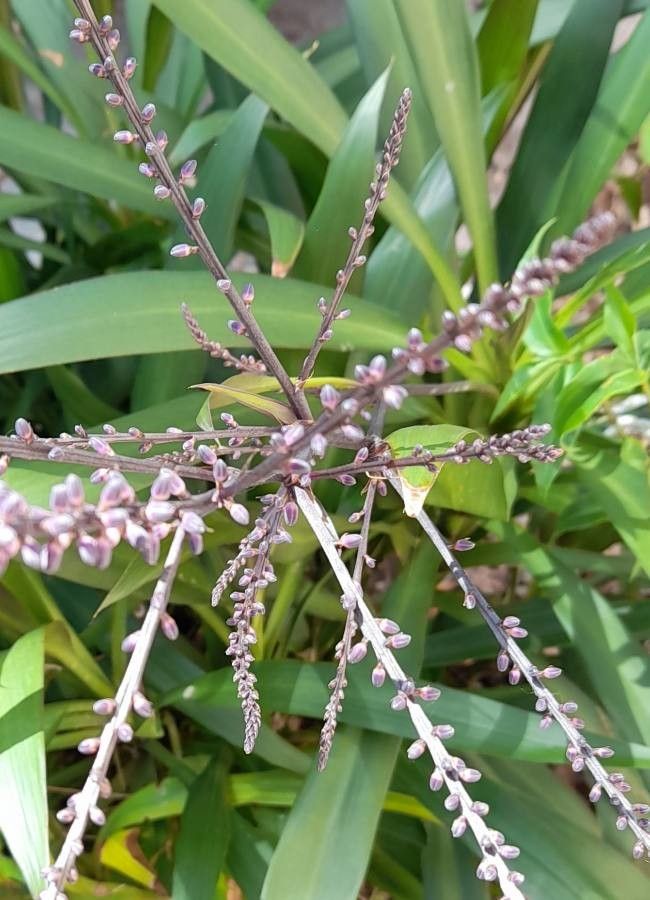
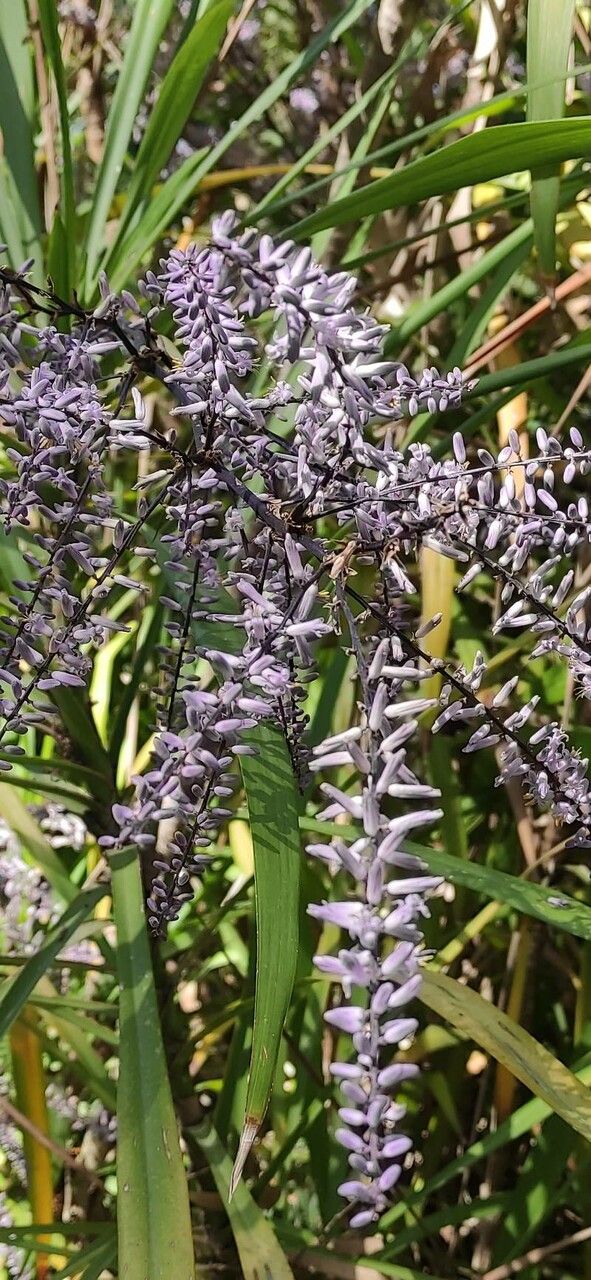
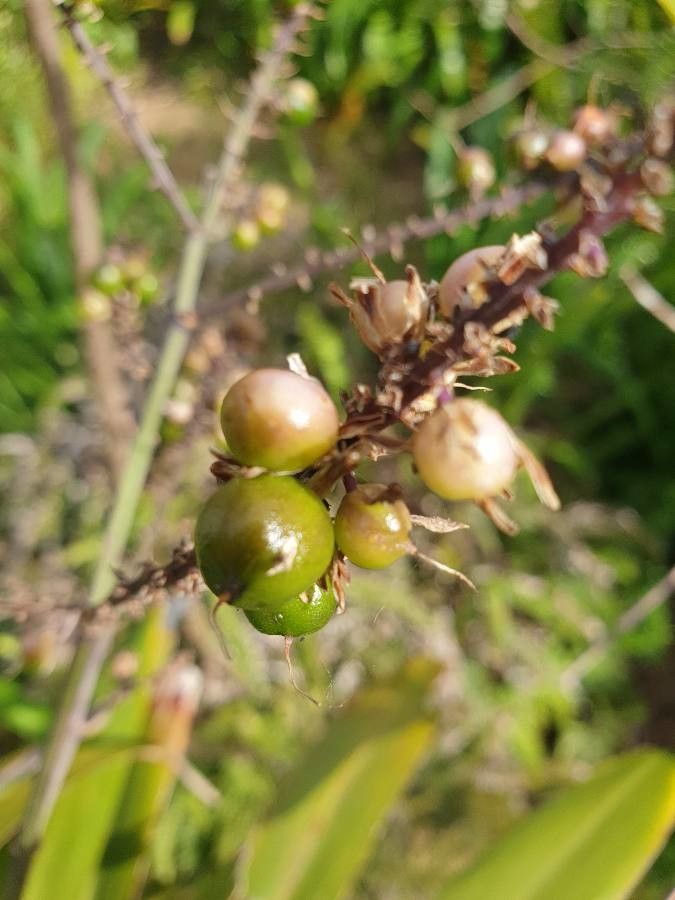
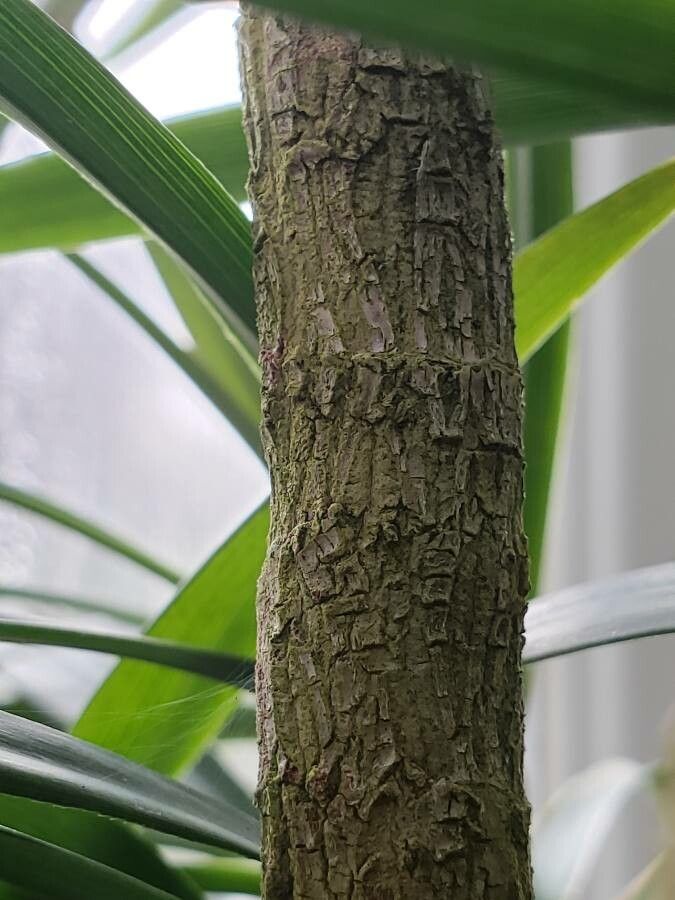
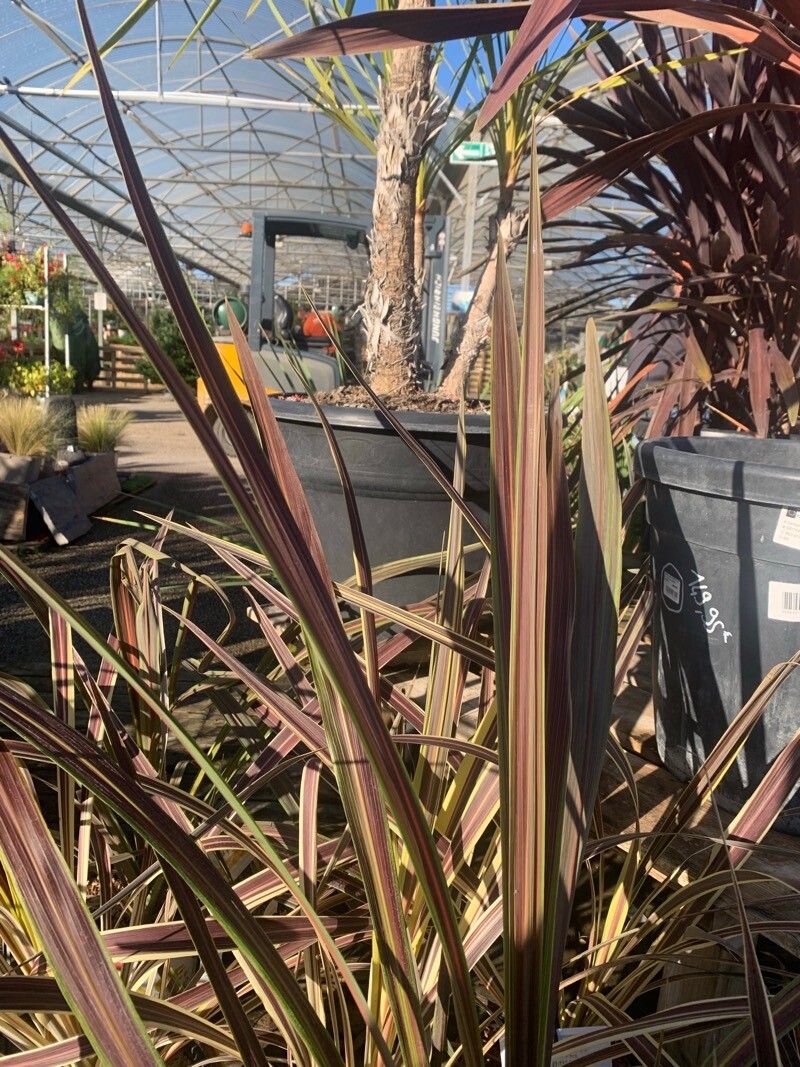
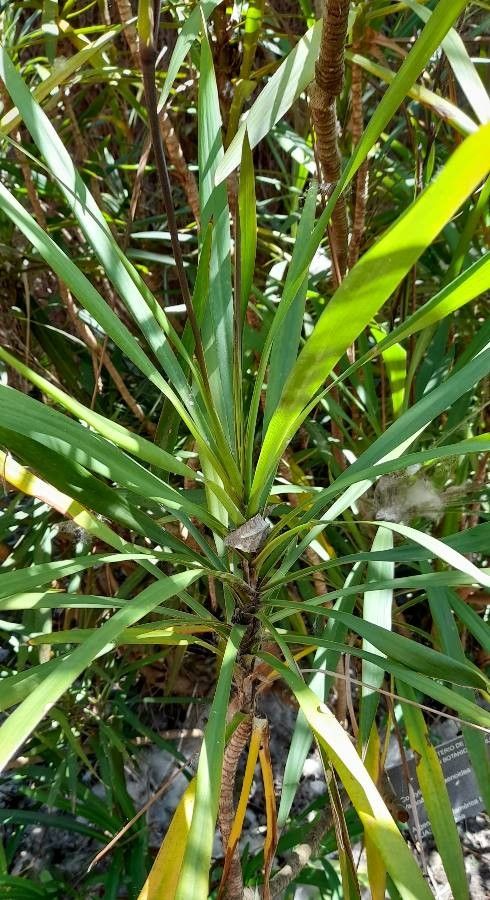
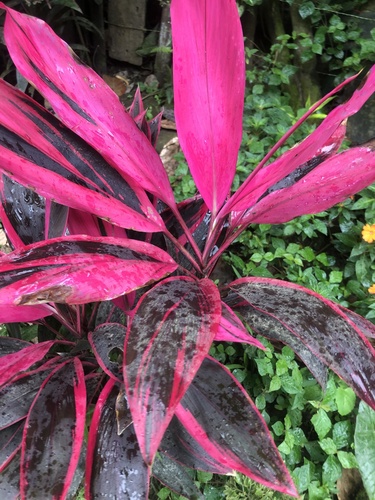
Cordyline stricta, known as the Slender Palm Lily, or Narrow-leaved Palm Lily (not to be confused with C. congesta, which is also known by this common name) is an evergreen Australian plant. A shrub to 5 metres tall found in wet sclerophyll forest and rainforest, usually on the coastal lowlands. From near Bilpin, New South Wales further north to Queensland. C. stricta has become naturalised in Victoria.
Slender palm lily is resistant to disease and is generally not susceptible to illnesses. In terms of care, this plant is fairly low-maintenance. When planted outdoors, it needs little watering, and larger plants typically do not require pruning. Smaller plants, however, should be trimmed after they have finished blooming. Slender palm lily is suitable for anyone who has an outdoor area, such as a garden or deck, and does not need extensive care experience.
How to keep Cordyline Stricta.
Light
The slender palm lily benefits from abundant sunlight. It performs best when the sun shines on it for most of the day. It can nevertheless tolerate spots where sunlight is only available for part of the day. If it does not get enough light, its growth can be slowed and its health weakened. Conversely, too much sun can cause the leaves to become scorched.
Water
The slender palm lily, native to Australian rainforests, thrives in moist soil and high humidity. To replicate its natural habitat, it should be watered weekly. As an evergreen plant, the slender palm lily retains moisture in its leaves, making it an excellent choice for indoor spaces with moderate humidity.
Humidity
This plant will thrive in moderate humidity, which is probably the level in your home. However, misting it a few times a week can be very beneficial. Make sure the room has good ventilation.
Temperature
Slender palm lily is native to temperate regions and prefers temperatures of 68 to 105.8 °F (20 to 41 ℃). In colder seasons, consider relocating this plant indoors to a warmer location to maintain optimal growth.
Fertilizer
The best time to fertilize a Slender palm lily is in early spring as it comes out of dormancy. This supports overall growth and the development of flowers. Fertilization improves the foliage, stems, and branches, while encouraging large, vibrant, and long-lasting blooms. It helps move nutrients from the roots to the flowers and enhances the plant’s health and resistance to disease.
Pruning
The slender palm lily, known for its graceful, palm-like appearance, benefits from regular pruning to maintain its shape and health. In late spring, prune away dead leaves and thin out crowded stems. Use sharp tools to prevent infection and encourage strong growth, which helps keep the plant visually appealing and disease-free.
Pot & Repot
Repot the slender palm lily every two years in the spring to promote healthy growth. Choose a pot that is 2-3 inches (5-8 cm) wider than the current one. After repotting, water the plant thoroughly and place it in a location with bright, indirect light to ensure a smooth transition. The slender palm lily is resilient and recovers quickly.
Botanical profile.
- Plant Type
- Shrub
- Life Cycle
- Perennial
- Genus
- Cordyline
- Family
- Asparagaceae
- Hardiness Zone
- 9-13
- Mature Height
- 4.88 m
- Mature Spread
- 1.52 m to 1.83 m
- Leaf Color
- Green
- Leaf Type
- Evergreen
- Flower Color
- Lavender
- Flower Size
- 0.76 cm to 1.02 cm
- Bloom Time
- Mid fall, Late fall, Early winter
- Planting Time
- Spring
- Harvest Time
- Mid winter, Late winter, Early spring
Other names.
Reader questions.
What is the most effective way to water my Slender palm lily plant?
When watering your Slender palm lily, you have a lot of flexibility in choosing the right watering tool. You can use a watering can, hose, or even a cup - they all work well. The key is to water the plant's soil directly and evenly to ensure all parts of the root system get the water they need. Using filtered water is a good idea to avoid harmful particles from tap water. It's also best to use water that is at or slightly above room temperature, as extreme temperatures can shock the plant. However, the Slender palm lily generally does well with any type of water.
Why should I add fertilizer to my Slender palm lily?
Fertilization plays a crucial role in maintaining the overall health and well-being of a Slender palm lily. By providing the necessary energy and nutrients, it promotes healthy foliage, sturdy stems, and branches. Additionally, fertilization is essential for the development of large, vibrant, and long-lasting flowers, which are highly prized by gardeners. The right kind of fertilizer facilitates the transfer of fuel from the roots to the flowers, improving their growth. Moreover, proper fertilization contributes to the plant's general health, enhancing its ability to resist diseases.
What are the sun requirements for Slender palm lily?
The Slender palm lily requires above 6 hours of sunlight to be considered in full sun, while about 3-6 hours of sunlight is adequate for it to be under partial sun. It's important to observe how sunlight moves through your garden, ensuring that you choose locations that provide a balance of light and shade. This balance is crucial for the happiness and health of your plants.
What is the preferred temperature range for Slender palm lily, and how does it react to cold?
Slender palm lily, botanically known as Cordyline stricta, thrives in a temperate climate with a preferred temperature range of 68 to 105.8 °F (20 to 41 °C). It is extremely heat-loving and vulnerable to cold temperatures. In cold seasons, it's advised to move the plant indoors to a warmer environment to ensure optimal growth. Maintaining temperatures above 20°C during winter is essential for the plant's well-being. Exposure to temperatures nearing 0°C can be harmful, highlighting the importance of protecting the Slender palm lily from cold by possibly placing it near a bright window indoors but at a safe distance from heaters.
What should I do if I give my Slender palm lily too much or too little water?
For outdoor plants, especially newly planted ones or plant seedlings, it is important to remember to water them enough for the first few months. This is because when the roots are still establishing, Slender palm lilies need regular watering, even though they can rely on rain once they are established. When Slender palm lilies are planted in pots, overwatering is more likely to occur. If this happens, it is important to take immediate action. Stop watering the plant right away to minimize the impact of overwatering. Then, remove the plant from its pot to check its roots. If no root rot is found, you can return the plant to its container. However, if there are signs of root rot, trim the affected roots and consider using a fungicide to prevent further damage. Finally, repot the Slender palm lily in well-draining soil. On the other hand, if the Slender palm lily is underwatered, simply water it more frequently. This is a straightforward solution, as the plant's leaves will droop and dry out when underwatered, but they will quickly regain fullness after sufficient watering. It is important to correct your watering frequency as soon as you notice signs of underwatering.
When should I fertilize my Slender palm lily?
The best time to fertilize a Slender palm lily is in early spring, when it is coming out of dormancy and about to bloom. This will provide the plant with the energy it needs for growth and flower development. However, it is also beneficial to fertilize the plant again in the fall, although this feeding doesn't need to be as big as the first one. Some gardeners may choose to fertilize the Slender palm lily during planting, but this is not always required.
How does the Slender palm lily react to different sunlight exposures?
The Slender palm lily thrives best with ample sunlight exposure, enjoying most of the day basked in sunlight. It also shows resilience in partially sunny spaces. However, insufficient sunlight can hinder its growth and compromise its health. On the flip side, too much direct sunlight exposure can lead to scorching of its leaves. When natural sunlight isn't sufficient, especially during winter or in less sunny areas, artificial lighting can be a viable solution, promoting healthier and faster growth.
How should you care for a Slender palm lily when it experiences low temperatures?
Slender palm lily prefers warm temperatures over cold and is best kept in conditions above 20°C, remaining safeguarded against temperatures below 0°C. In instances where temperatures drop below -5°C, the plant's leaves may lighten in color, transitioning to brown or black following frost damage, along with wilting and drooping symptoms. To manage frost damage, trim off the affected parts and relocate the plant to a warm indoor setting for cold protection. Positioning the plant near a south-facing window ensures sufficient sunlight, and it's recommended to avoid placing it near heaters or air conditioning vents to prevent air dryness.
How frequently do I need to water my Slender palm lily?
Most outdoor plants can grow naturally with rainfall. However, if your area doesn't get much rain, you should water your plants adequately every 2 weeks during the spring and fall. In the summer, when plants need more water, you should water them more often. In the winter, when plants grow slower and need less water, you can water them less frequently or even not at all. If your Slender palm lily is young or newly planted, it's important to water it more often so it can establish itself and become more adaptable and drought tolerant. When it comes to potted plants, there are two main ways to determine how often to water your Slender palm lily. The first way is to have a set watering schedule, such as once every week or once every other week. However, this may not work well as it doesn't take into account the specific conditions of your growing environment. Another approach is to assess the soil moisture. It's generally best to wait until the first two to four inches of soil (about ⅓ to ½ depth of the pot) have dried out completely before watering again. This method allows you to adjust the watering frequency based on the season, as the plant's water needs are highest in the summer.
When is it not a good idea to fertilize my Slender palm lily?
During the winter, Slender palm lilies enter a dormant phase similar to many other plants. Consequently, fertilization is unnecessary during this time as the plant does not require extra nutrients to develop new growth. In fact, fertilizing during winter increases the risk of overfertilization and its negative effects. Instead, the ideal feeding times for Slender palm lilies are in early spring and fall. This means that during most of spring and summer, the plant does not need to be fertilized. It is also important to avoid feeding the plant if it is experiencing excessively hot or dry conditions.
What types of artificial lighting are recommended for indoor plants when sunlight is insufficient?
When natural sunlight is lacking, artificial light becomes essential for indoor plants. LED lights are a popular choice because they can be customized to provide specific wavelengths needed by plants. For full sun plants, 30-50W/sq ft of artificial light is recommended, 20-30W/sq ft for partial sun plants, and 10-20W/sq ft for full shade plants. The light source should be placed 12-36 inches above the plant, and the duration should mimic natural daylight hours, generally 8-12 hours per day.
What measures should be taken if a Slender palm lily experiences high temperatures?
During the summer, it's crucial to ensure the temperature surrounding a Slender palm lily does not exceed 41°C, as temperatures above 45°C can cause the leaves to lighten and increase the risk of sunburn. If sunburn occurs, trim the damaged areas and relocate the plant to a spot that provides relief from the intense midday and afternoon sun. Watering the plant in the morning and evening can help keep the soil suitably moist, aiding in the plant's overall health and resilience against high temperatures.