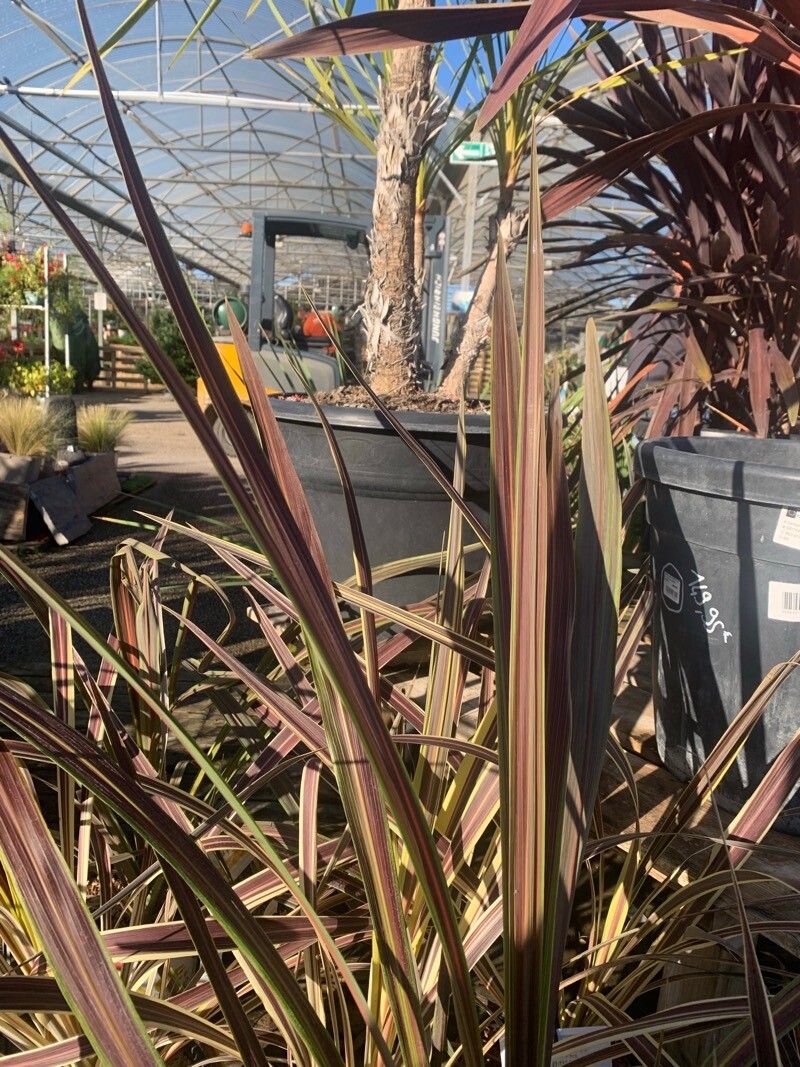
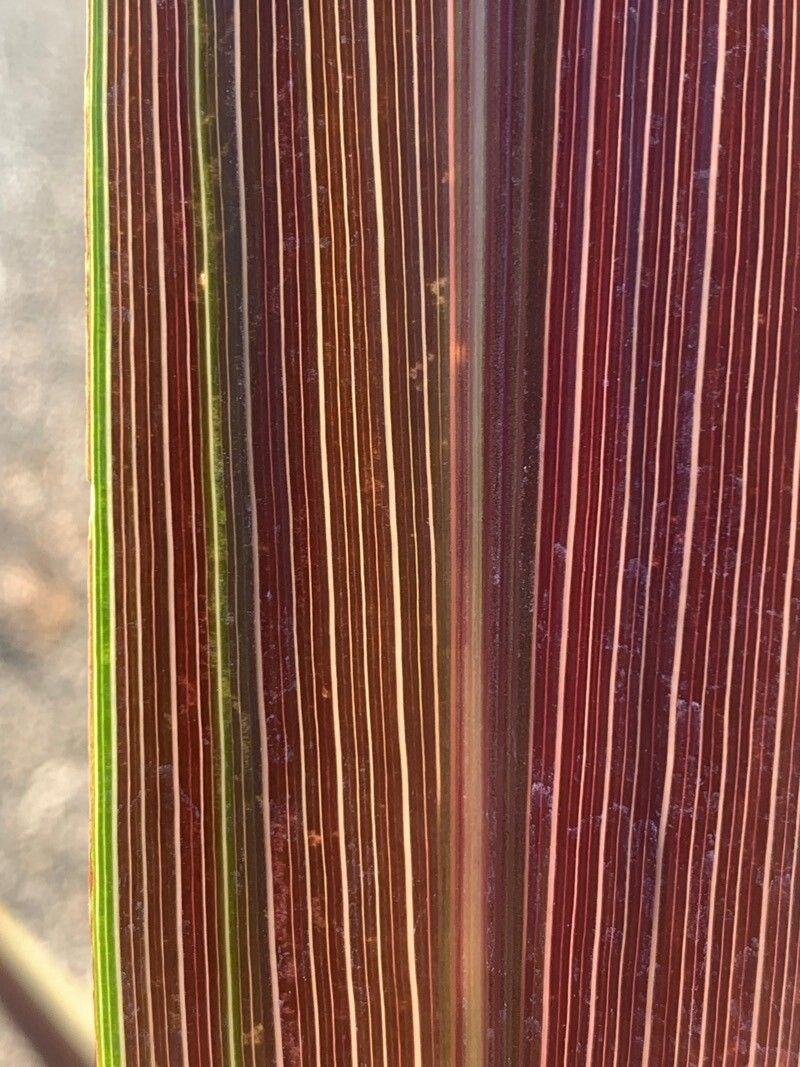
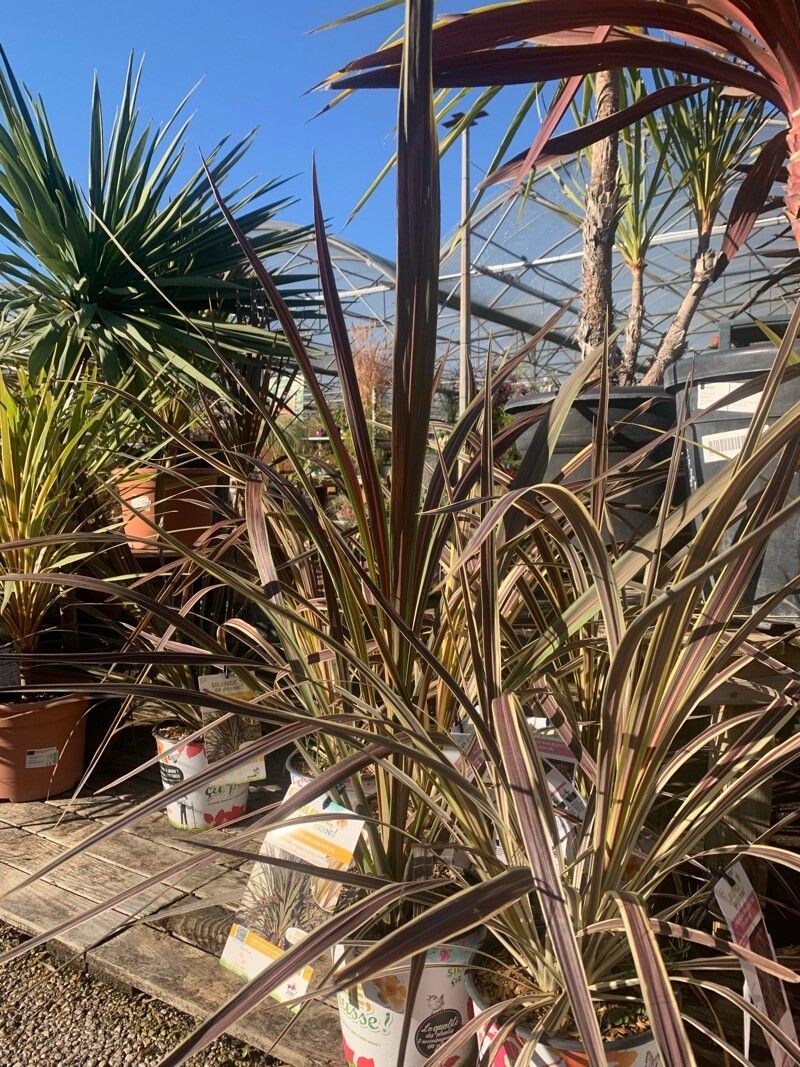
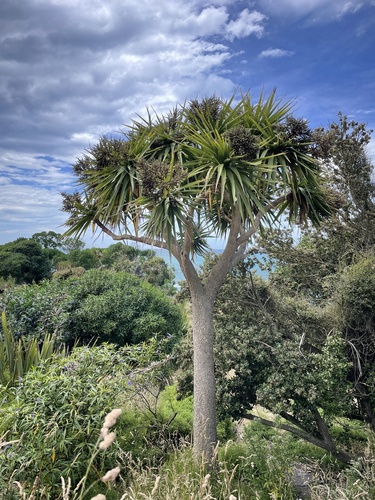
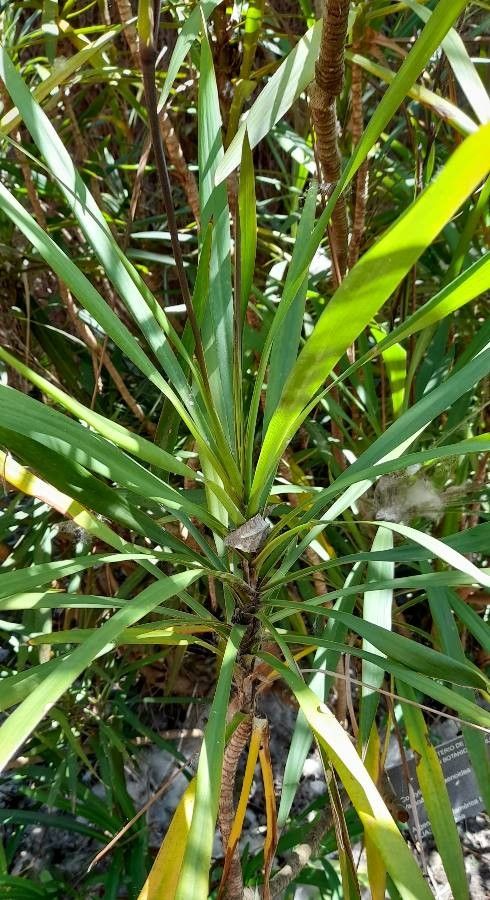
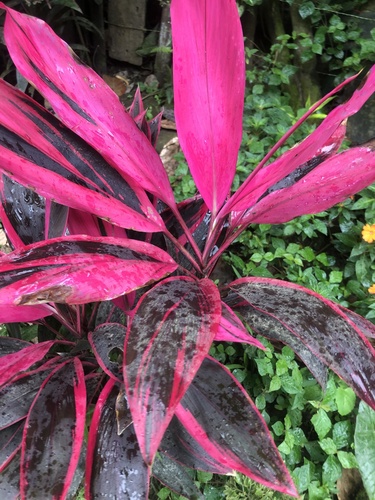
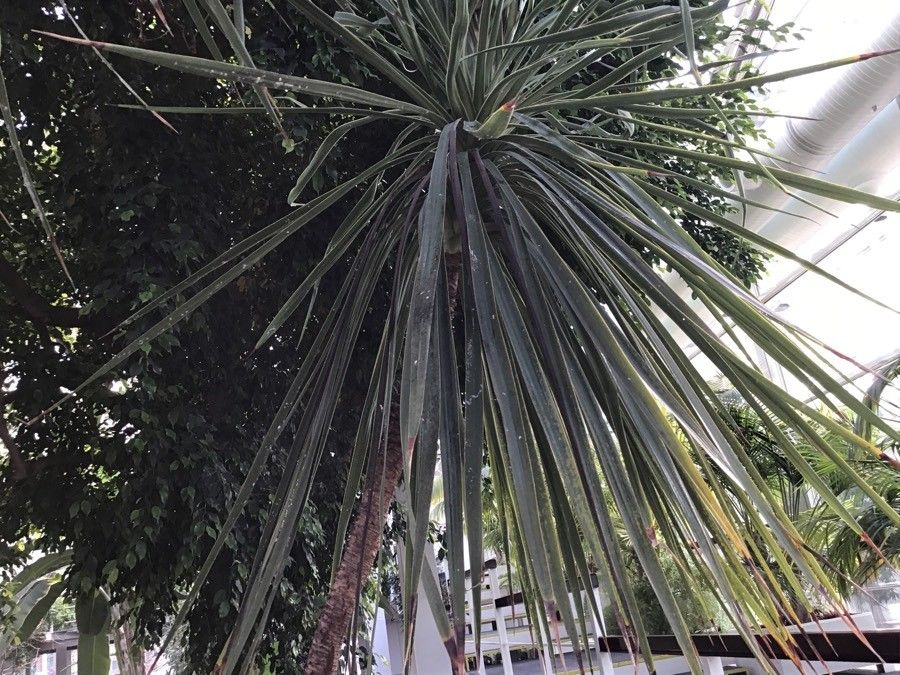
Cordyline banksii, commonly known as Ti Kouka or the Cabbage Tree, is a species of evergreen tree native to New Zealand. Belonging to the Asparagaceae family, this tree can reach heights of up to 20 meters. It features a single trunk adorned with long, narrow leaves that range in color from green to bronze and can grow up to 1 meter in length.
During the summer months, Cordyline banksii produces small white flowers, which are followed by purple-black berries. The plant thrives in well-drained soil and full sun exposure but can also tolerate partial shade.
Ti Kouka has been utilized by the Maori people for centuries for various purposes, including food, medicine, fiber production, and building materials. Additionally, it is a popular ornamental plant due to its attractive foliage.
Overall, Cordyline banksii is a versatile tree with cultural significance that enhances the beauty and interest of any landscape it inhabits.
Forest cabbage tree has good disease resistance and is generally not prone to diseases. In terms of care, this plant is relatively low maintenance. When planted outdoors, it requires minimal watering, and larger plants generally do not need to be pruned. However, smaller plants should be pruned after they have finished blooming. Forest cabbage tree is suitable for anyone with an outdoor space, such as a garden or a deck, and does not require much care experience.
How to keep Cordyline Banksii.
Light
Forest cabbage tree needs moderate sunlight for the best growth. It also has a strong tolerance for brighter light. Native to areas with varying light intensity, it copes well with changing sunlight. Too little or too much light can harm its health, resulting in weak growth or discolored foliage.
Water
The Forest Cabbage Tree thrives best in consistently moist soil and has a moderate tolerance for drought. For optimal health, water the tree every two weeks. Although it is typically grown outdoors, it is important to plant it in well-draining soil that mimics its native environment. This ensures the tree receives proper hydration without becoming oversaturated.
Humidity
This plant will thrive in moderate humidity, which is probably the level in your home. However, misting it a few times a week can be very beneficial. Make sure the room has good ventilation.
Temperature
Originating from climates where temperatures range from 68 to 100 °F (20 to 38 ℃), the forest cabbage tree does thrive in warmth. When winter approaches, maintain those warmer temperatures to keep the forest cabbage tree's growth uninterrupted.
Fertilizer
The best time to fertilize a Forest cabbage tree is in early spring as it breaks dormancy. This supports overall growth and flower development. Fertilization improves the foliage, stems, and branches and encourages flowers that are larger, more vivid, and longer-lasting. It assists in moving nutrients from the roots to the blooms and enhances the plant's health and resistance to disease.
Pruning
The forest cabbage tree is an evergreen plant with long leaves that benefits from pruning in early to late winter. Pruning removes dead foliage, shapes the plant, and improves air circulation. Regular pruning helps maintain a tidy appearance and promotes healthy growth.
Botanical profile.
- Plant Type
- Tree
- Life Cycle
- Perennial
- Genus
- Cordyline
- Family
- Asparagaceae
- Hardiness Zone
- 10-11
- Mature Height
- 1.22 m to 2.44 m
- Mature Spread
- 0.91 m to 1.22 m
- Leaf Color
- Green
- Leaf Type
- Evergreen
- Flower Color
- White
- Flower Size
- 0.76 cm to 1.02 cm
- Bloom Time
- Summer
- Planting Time
- Spring, Summer, Autumn
- Harvest Time
- Late summer, Early fall, Mid fall
- Native Area
- New Zealand
Other names.
Reader questions.
What are the sunlight requirements for plants?
Plants have varying requirements for sunlight, crucial for their growth and health. Partial sun plants need about 3-6 hours of sunlight, while full sun plants thrive with more than 6 hours of sunlight daily. It's essential to observe the movement of sunlight through your garden to choose optimal spots that offer a balance of light and shade, ensuring your plants' well-being.
What are the ideal temperature conditions for the growth of the Forest cabbage tree?
The Forest cabbage tree flourishes in temperatures that range from 68 to 100 °F (20 to 38 °C), indicating its preference for warm climates. To ensure uninterrupted growth, especially in winter, it is important to maintain these warmer temperatures. When colder weather approaches, it is advisable to move outdoor-grown Forest cabbage trees indoors near a bright window, keeping them away from direct heat sources. Maintaining temperatures above 20°C during the winter season is beneficial, as any drop towards 5°C can harm the plant. The Forest cabbage tree is notably heat-loving, and exposure to cold can be detrimental to its health.
How does the Forest cabbage tree respond to different lighting conditions?
The Forest cabbage tree requires moderate sunlight exposure for optimal growth but is quite adaptable to varying light intensities due to its origin in diverse habitats. It can tolerate periods of intense light, but both insufficient and excessive exposure may lead to poor health outcomes, such as weak growth or discolored foliage. Adapting to light changes is key for the tree's well-being.
What should I do if my Forest cabbage tree is exposed to low temperatures?
If your Forest cabbage tree is exposed to temperatures below its tolerance level, it may exhibit symptoms such as lightening of leaf color when the temperature falls below 1°C, with further damage leading to browning or blackening of leaves alongside wilting and drooping after frost exposure. To mitigate this, trim off frost-damaged parts and move the plant to a warmer indoor environment immediately for protection against the cold. Placing the plant near a south-facing window ensures it gets enough sunlight without being directly exposed to heating systems or air conditioning vents, which could excessively dry out the air.
What are some artificial lighting tips for indoor plants?
Indoor plants benefit significantly from adequate lighting, especially when natural sunlight is scarce. Artificial lighting, such as LED lights, can be tailored to provide the specific wavelengths needed by your plants. Full sun plants typically need 30-50W/sq ft, partial sun plants 20-30W/sq ft, and full shade plants 10-20W/sq ft of artificial light. The light source should be positioned 12-36 inches above the plant to mimic sunlight, and plants often require 8-12 hours of light per day to mimic natural daylight hours for optimal growth.
How should I care for my Forest cabbage tree during high temperatures?
During the summer months, ensuring that the Forest cabbage tree’s environment does not exceed 38°C is crucial, as temperatures above 43°C can lighten the leaf colors and increase susceptibility to sunburn. In such cases, remove sunburned or dried-up parts of the plant. To protect your Forest cabbage tree from excessive heat, relocate it to a shaded area, especially during the midday and afternoon sun. Watering the plant in the morning and evening will help maintain soil moisture, assisting in the plant’s health during periods of high temperature.
What are common symptoms of inappropriate light exposure in Forest cabbage trees?
Inadequate light exposure can cause several issues for Forest cabbage trees, including small, new leaves; leggy or sparse growth; faster leaf drop; and slower or halted new growth. Insufficient sunlight can also lead to lighter-colored new leaves, a condition known as chlorosis, where leaves lose their green color. Excessive sunlight exposure can cause sunscald, leaf curling, wilting, and leaf scorching, indicating the need for balanced light conditions.
How can I address lighting issues for my Forest cabbage tree?
To optimize your Forest cabbage tree's growth in response to lighting issues, indoor plants can be moved to sunnier spots gradually each week until they receive 3-6 hours of direct sunlight daily. If moving the plant is not feasible, consider using artificial lighting such as desk lamps or professional grow lights for at least 8 hours a day. For outdoor plants, it's crucial to adapt them to sunlight gradually to prevent sunburn. Minimizing obstructions or transplanting to a sunnier location can also help, especially for ground plants. Remember, parts of the plant that suffered from inadequate sunlight may not recover, but new growth should be healthy with improved light conditions.