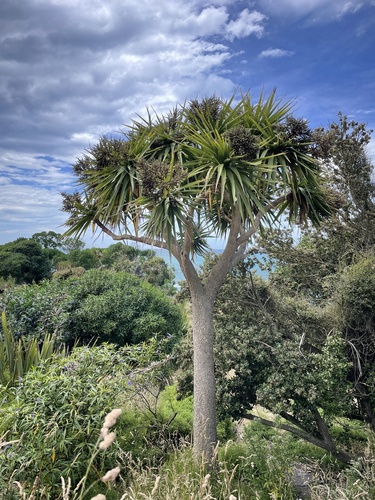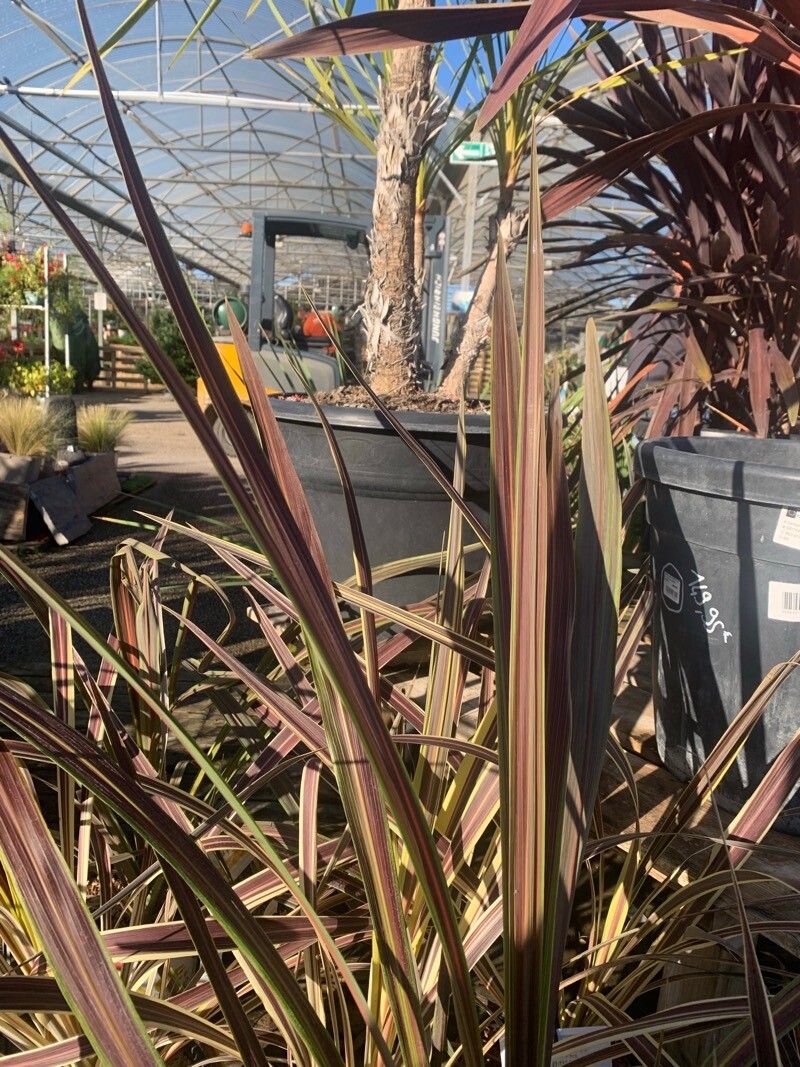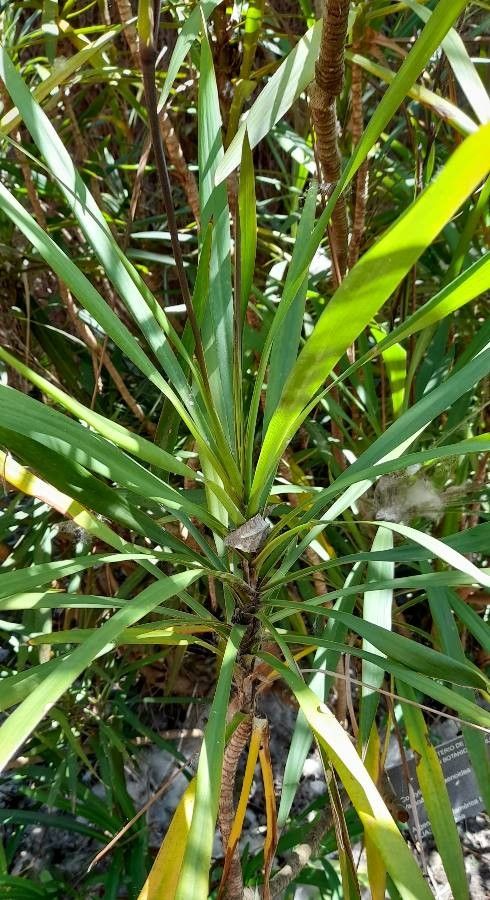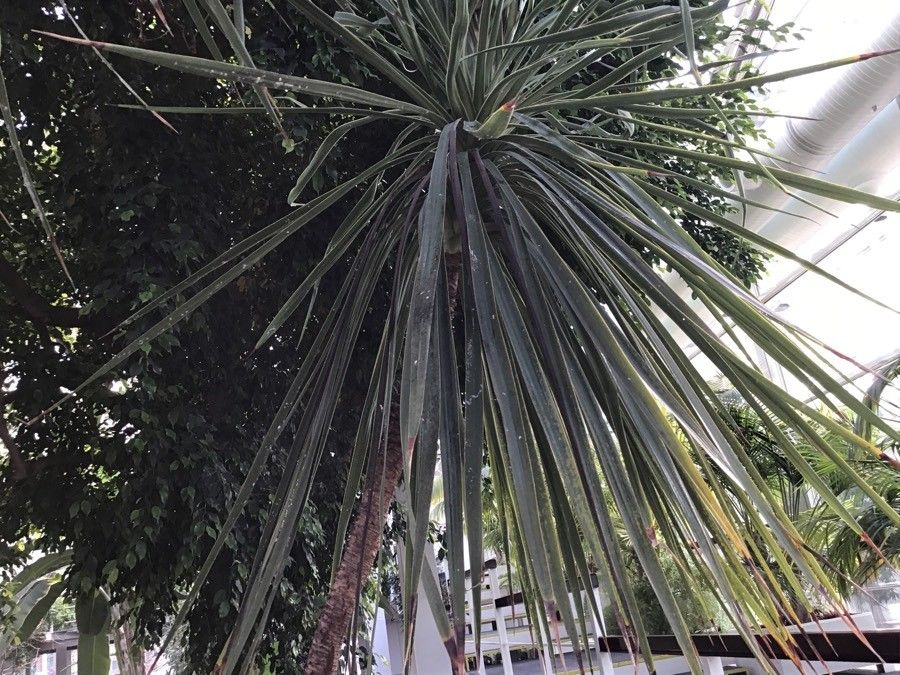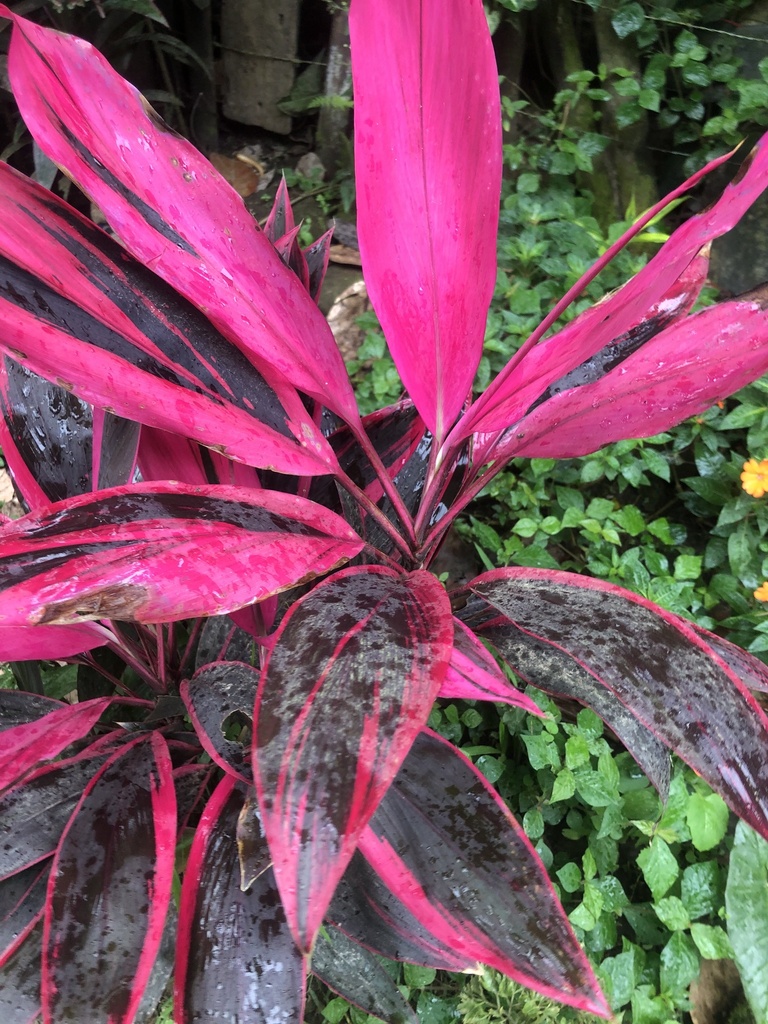
Cordyline fruticosa, commonly known as the Ti plant or Hawaiian good luck plant, is a tropical evergreen shrub native to Southeast Asia and the Pacific Islands. This popular ornamental plant is prized for its appealing foliage and easy maintenance. The plant features long, narrow leaves that vary in color from green to red, and can also be variegated with stripes of pink, purple, or white. Although the flowers are small and inconspicuous, they give way to clusters of berries that attract birds.
Cordyline fruticosa thrives in well-draining soil and prefers full sun to partial shade, although it can tolerate some shade as well. It requires regular watering but can withstand short periods of drought once established. Due to its vibrant foliage, this plant is often used in landscaping as a border or accent feature.
Beyond its ornamental appeal, Cordyline fruticosa holds cultural significance in many Pacific Island communities, where it is utilized for medicinal purposes and in the creation of traditional clothing items such as skirts and hats. Overall, Cordyline fruticosa is a versatile and colorful tropical shrub that brings interest and beauty both indoors as a houseplant and outdoors in the garden.
According to legend, Ti is the incarnation of Apollo. Long ago, during a war, Apollo transformed himself into a Ti to escape his enemies. By doing so, he successfully avoided capture. Since that time, Ti has been considered the incarnation of Apollo. FUN FACT · FROM THE LIBRARY
The Ti plant, also known as Ki, was considered sacred to Lono, the Hawaiian god, and Laka, the goddess of hula. It symbolized high rank and divine power. Over time, it became known as the Ti plant.
Ti plant has a good degree of disease resistance and is generally not susceptible to disease. However, if it is maintained in poor conditions, it can become more vulnerable to disease. This plant also encounters few insect pests. Regarding care, its needs are moderate. It is important to give it plenty of sunlight, because insufficient light can make it more disease-prone and cause thin growth. Since it is often kept indoors, it may need to be moved regularly to a well-lit spot. This plant does not require frequent watering. Overall, Ti plant is suitable for most people, but it is best for those who can provide good light conditions.
How to keep Cordyline Fruticosa.
Light
The Ti plant thrives in moderate sunlight but can adjust to a wide range of light conditions, from plentiful sun to low light. Its photosynthetic efficiency rises with adequate light, encouraging healthy growth. Nevertheless, the plant can tolerate lower light levels. Excessive sun or very little light can hinder its growth and affect its overall health.
Water
The Ti plant thrives in high humidity and prefers consistent moisture, but it can tolerate slight drought. Water the plant every 1-2 weeks, making sure the soil remains hydrated without becoming oversaturated. Although the Ti plant is typically grown indoors, it's important to use well-draining containers to prevent waterlogging, which aligns with its preference for humid conditions.
Humidity
This plant needs special care because it loves high humidity levels of 60-80% or more. The best way to achieve this is by placing a humidifier near the plant. Daily misting is also essential! Make sure the room has good ventilation.
Temperature
In its native range, the ti plant needs temperatures of 68 to 100℉ (20 to 38℃). It favors warm conditions and high humidity, making it well suited to tropical and subtropical climates. During the summer months, keep the plant in a shaded spot to prevent sun damage and leaf burn.
Fertilizer
Fertilization is essential to Ti plant care. Regular feeding throughout the growing season preserves the energy needed for its showy leaves and encourages overall growth. Neglecting fertilization can lead to unhealthy foliage, reduced ornamental appeal, and stunted or weak growth that is prone to breakage.
Pruning
The Ti plant benefits from winter pruning, which involves trimming dead leaves to maintain its health and shape. To encourage new growth, cut back old stems. It's important to use clean tools to prevent the spread of disease. Be careful not to over-prune, as this can disrupt the plant's natural form. Instead, aim to encourage bushier growth and enhance the plant's overall appearance.
Pot & Repot
When repotting a Ti plant, select a pot 1–2 inches (2.5–5.1 cm) larger with ample drainage. Use a well-draining potting mix. Repot in spring or fall, making sure the root ball sits slightly below the rim of the flower pot. Water thoroughly after repotting and place the plant in a warm spot with indirect sunlight.
Botanical profile.
- Plant Type
- Shrub
- Life Cycle
- Perennial
- Genus
- Cordyline
- Family
- Asparagaceae
- Hardiness Zone
- 9-12
- Mature Height
- 0.91 m to 4.88 m
- Mature Spread
- 0.91 m to 2.44 m
- Leaf Color
- Green, Red, Purple
- Leaf Type
- Evergreen
- Flower Color
- White, Pink, Red
- Flower Size
- 2.54 cm
- Bloom Time
- Early summer, Mid summer
- Planting Time
- Spring, Summer, Autumn
- Harvest Time
- Mid summer, Late summer
- Native Area
- India, Malaysia, Indonesia, Cambodia, Myanmar, Laos, Thailand
Other names.
Reader questions.
When should I water my Ti Plant?
To determine the best time to water your Ti Plant, look for several indicators: the leaves losing firmness, appearing droopy, or changing color can signal dehydration. Before watering, check if the top 1-2 inches of soil are dry and consider the weight of the pot as a lighter pot usually means the soil is dry. Timely watering, by identifying these signs early, can prevent issues like root rot or wilting, ensuring the plant’s health and longevity.
Why do I have to put plant food on my Ti plant?
Ti plants need regular fertilization because they have showy leaves that require a lot of energy. This energy is needed to produce and maintain the leaves, as well as support the growth of stems, branches, roots, and other vital structures. If fertilization is neglected, two likely outcomes can occur. First, the leaves may lose their natural color and texture, appearing unhealthy and diminishing the plant's ornamental appeal. Second, overall growth may slow down, with weak growth that could easily break.
What are the sunlight requirements for a Ti plant?
The Ti plant thrives under moderate sunlight conditions but can acclimate to a range of light exposures, from ample sun to scarce light. It's important to provide about 3-6 hours of sunlight to categorize exposure as partial sun, while full sun or full shade requires above 6 hours of sunlight. Adequate exposure improves the plant's photosynthesis efficiency and fosters healthy growth, although the plant can also withstand lower light levels. Excessive sunlight or insufficient light may negatively affect the plant's growth and overall well-being. Remember to observe the movement of sunlight in your garden and choose locations that offer a balanced light environment for your plants.
What are the ideal temperature conditions for the Ti plant?
The Ti plant, known botanically as Cordyline fruticosa, thrives in temperatures between 68 to 100°F (20 to 38°C), which reflects its preference for warm environments and high humidity typical of tropical and subtropical climates. To protect it from sun damage and leaf burn, it's advisable to keep the plant in a shaded area during the hot summer months. As it's extremely sensitive to cold, ensuring that the plant is brought indoors or placed near a bright window away from heaters during the cooler autumn to maintain suitable growth temperatures above the minimum threshold is crucial. Continual exposure to temperatures approaching its lower tolerance limit can be harmful.
How should I water my Ti Plant?
Watering your Ti Plant effectively involves several techniques to meet its unique requirements. Utilize bottom watering by placing the plant in a tray filled with water to encourage root moisture without soggy soil or consider misting to increase humidity. A watering can with a long, narrow spout is ideal for directing water to the base and avoiding foliage, which reduces disease risk. Utilizing a moisture meter can help prevent over or under-watering by monitoring soil moisture levels accurately.
When should I fertilize my Ti plant for the best results?
Ti plants require occasional feedings, so there is no need to have a set feeding schedule when planting them. One easy way to fertilize your Ti plant is to apply fertilizer while watering it occasionally. During the growing season, it is important to give your Ti plant a good amount of water. You can feed the plant once every two to three weeks, and this feeding should continue as long as the plant is producing new growth.
How do you use artificial lighting for indoor Ti plants?
Indoor Ti plants require sufficient lighting for optimal growth, especially when natural sunlight is insufficient, such as in winter or less sunny spaces. Artificial lights, like LEDs, are ideal as they can provide the specific wavelengths needed by plants. The requirements for artificial light intensity vary by plant type: full sun plants need 30-50W/sq ft, partial sun plants 20-30W/sq ft, and full shade plants 10-20W/sq ft. The light source should be placed 12-36 inches above the plant to mimic natural sunlight and turned on for about 8-12 hours per day to replicate natural daylight hours. Choosing the right type of artificial light and determining the appropriate distance and duration are crucial for promoting faster, healthier growth.
What should I do if my Ti plant is exposed to low temperatures?
If your Ti plant has been exposed to temperatures below its comfort zone, you may notice the leaves lightening in color, or after frost damage, turning brown or black with signs of wilting or drooping. To manage this, trim off the frost-damaged areas and move the plant to a warmer indoor setting promptly. Placing it near a south-facing window ensures it receives sufficient sunlight without direct exposure to heat sources like heaters or air conditioning vents, which could overly dry the air and further stress the plant.
How much water does Ti Plant really need?
The amount of water a Ti Plant needs varies based on its size, container size, and environmental conditions. Ideally, water thoroughly, allowing the top inch of soil to dry out between sessions. Signs your plant is receiving adequate water include vibrant and erect leaves. Conversely, signs like wilted or discolored leaves could indicate under or over-watering. Adjust watering practices according to the plant’s specific needs and environmental changes.
When is it not a good idea to fertilize my Ti plant?
You can typically fertilize your Ti plant on a regular schedule for most of the year, specifically during the active growing season of spring, summer, and early fall. However, it's important to refrain from fertilizing the plant during the winter. During the winter season, the Ti plant goes into a dormant growth phase where it either doesn't produce any new growth or only minimal growth. Because of this lack of active growth, the plant requires less energy and, as a result, does not need any additional fertilizer during this time.
What are the symptoms of incorrect sunlight exposure in Ti plants?
Ti plants may exhibit several symptoms if they receive incorrect amounts of sunlight. Insufficient light can lead to slower or halted growth, as the plant enters survival mode and stops producing new leaves. A lack of ideal conditions may also cause a reduction in variegation or leaves to turn completely green. The plant may become leggy or exhibit sparse growth due to elongated spaces between leaves or stems. Other symptoms include chlorosis, where leaves lose their green color and turn yellow; sunscald, characterized by pale, bleached, or necrotic areas on the plant tissue; leaf curling as a defense mechanism against excessive sun; wilting from increased water loss; and leaf scorching, showing as brown, dry edges on leaves.
How can I protect my Ti plant from high temperatures?
High temperatures can pose a risk to the Ti plant by lightening the leaves' color and increasing susceptibility to sunburn. It's important to keep the plant in conditions below its maximum temperature threshold during summer. Any sunburned or dried-up parts should be trimmed away, and the plant should be relocated to an area that's shielded from the intense midday and afternoon sun. Adequate watering in the morning and evening will help keep the soil moist, assisting in cooling the plant and mitigating heat stress.