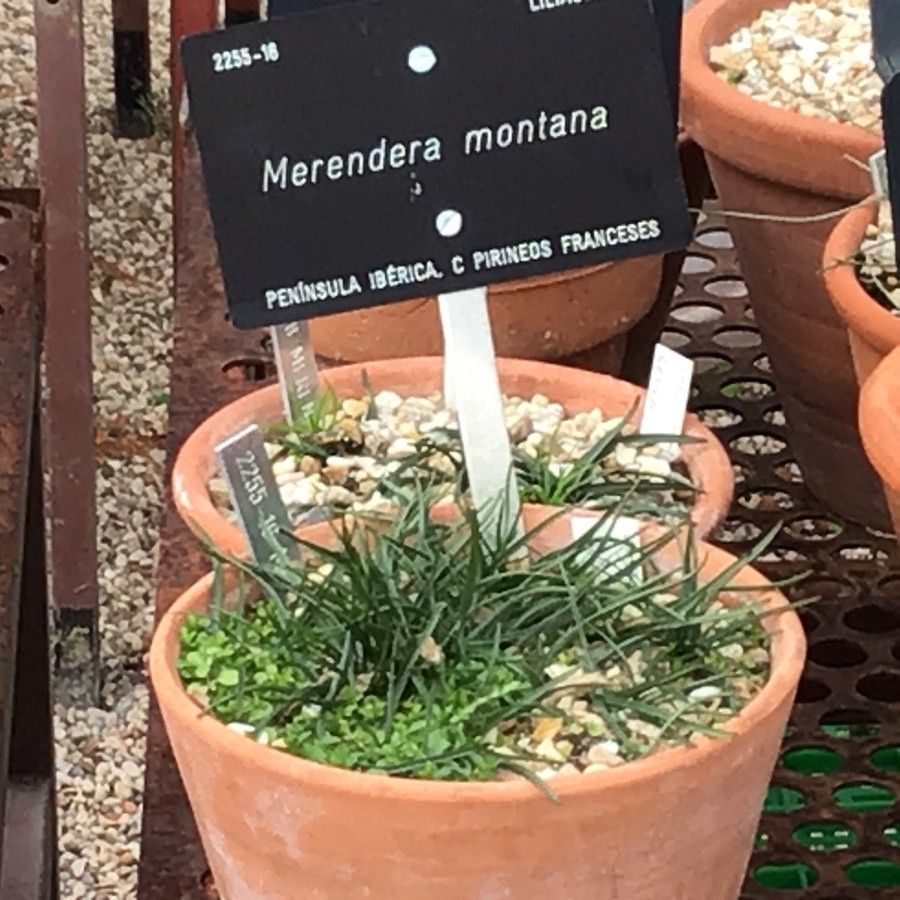
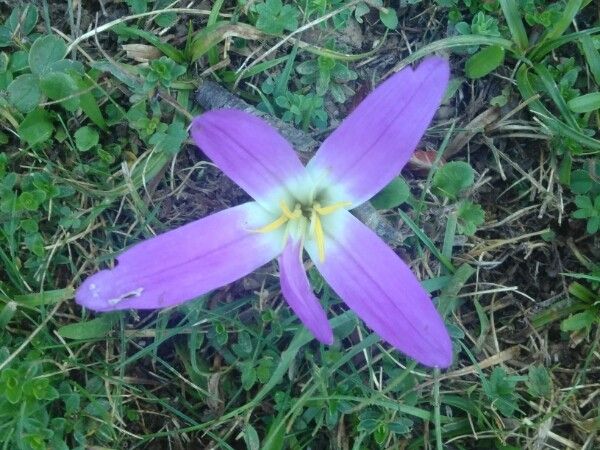
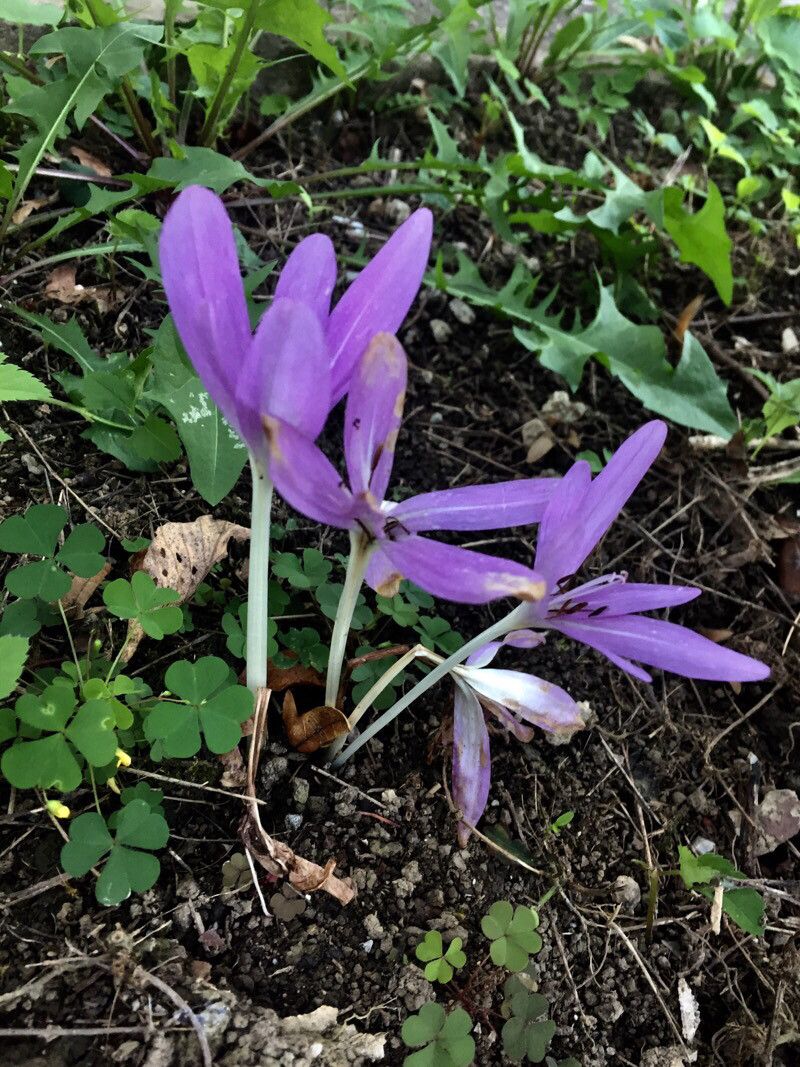
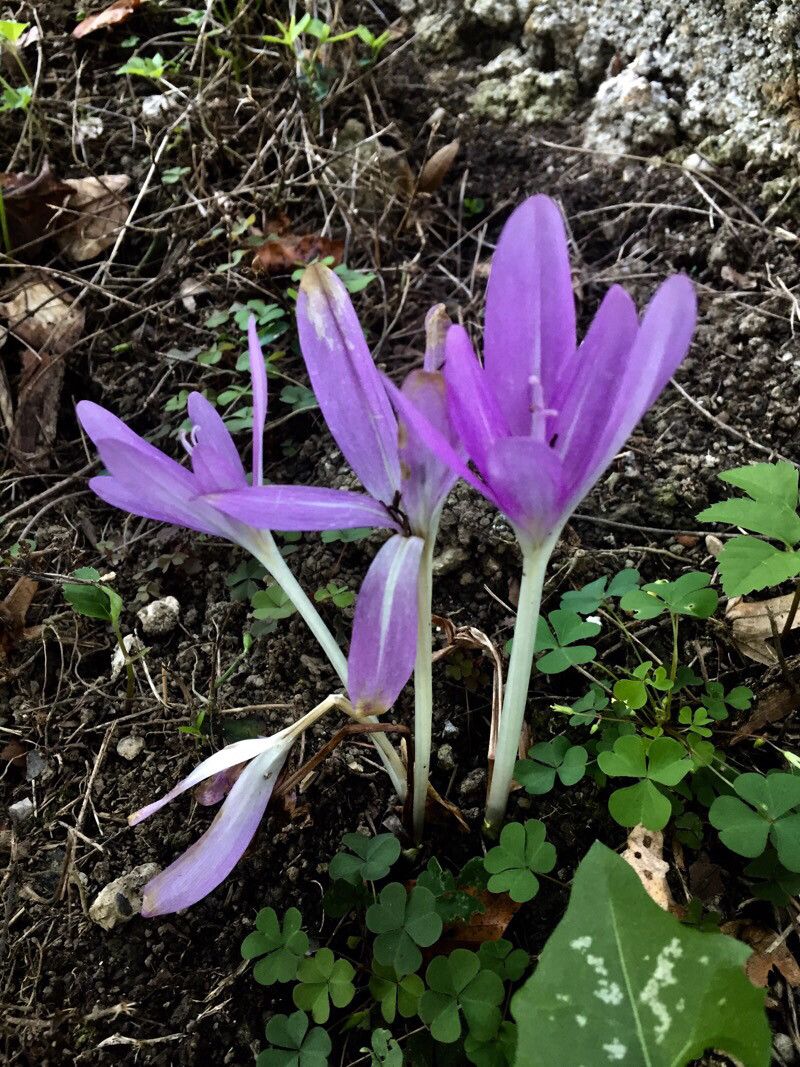
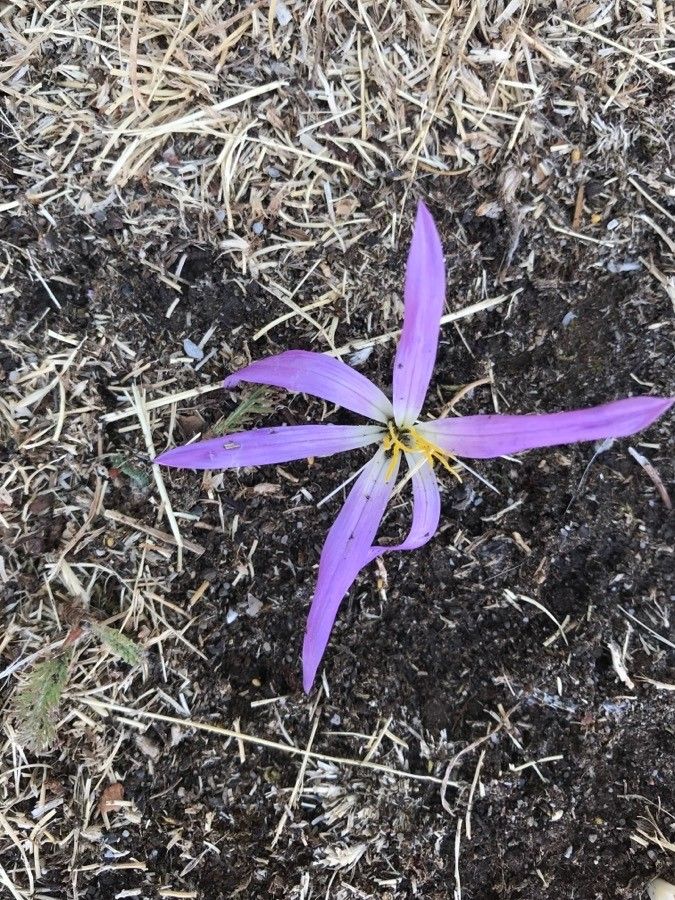
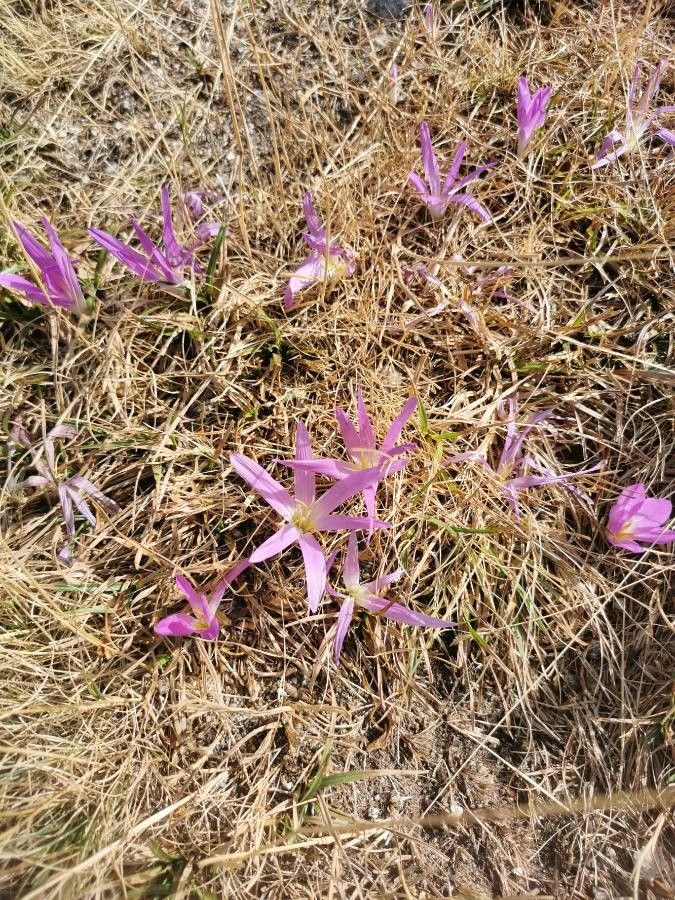
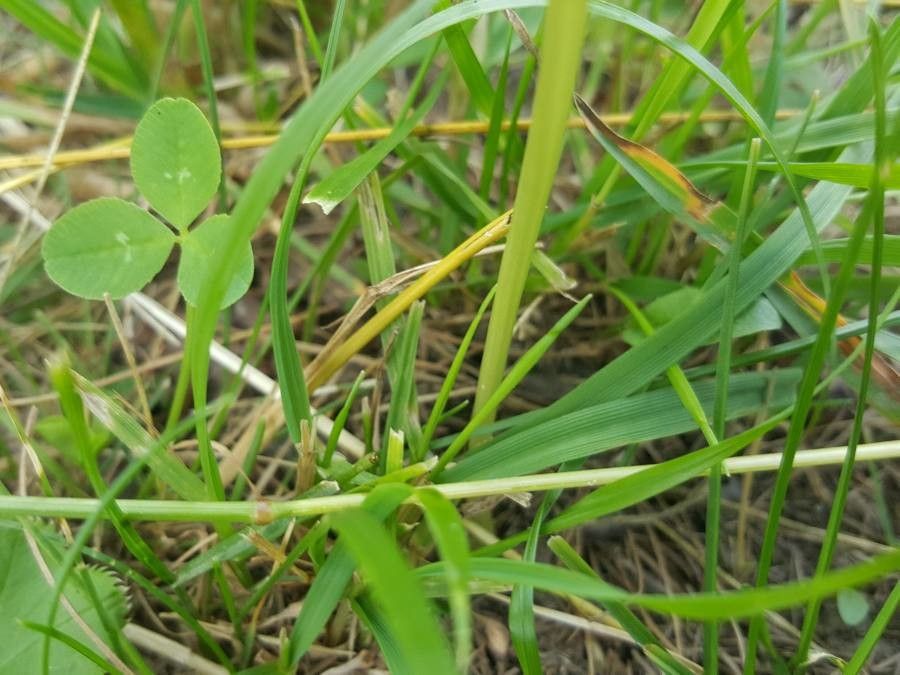
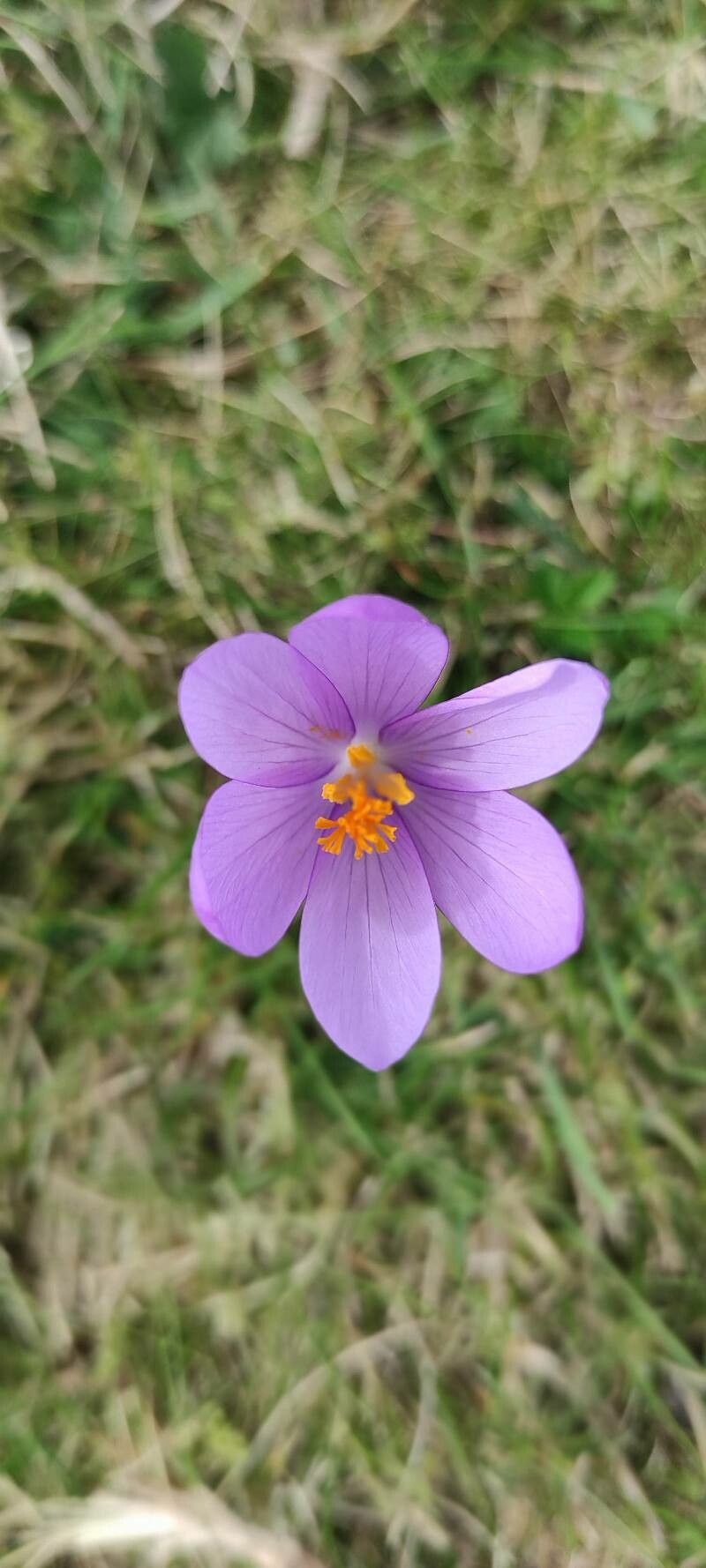
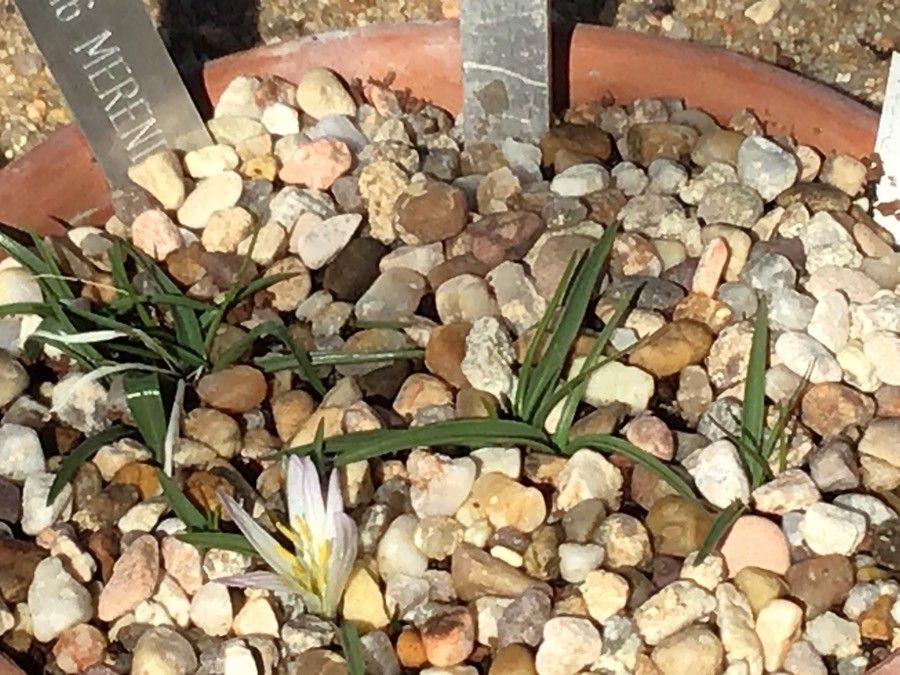
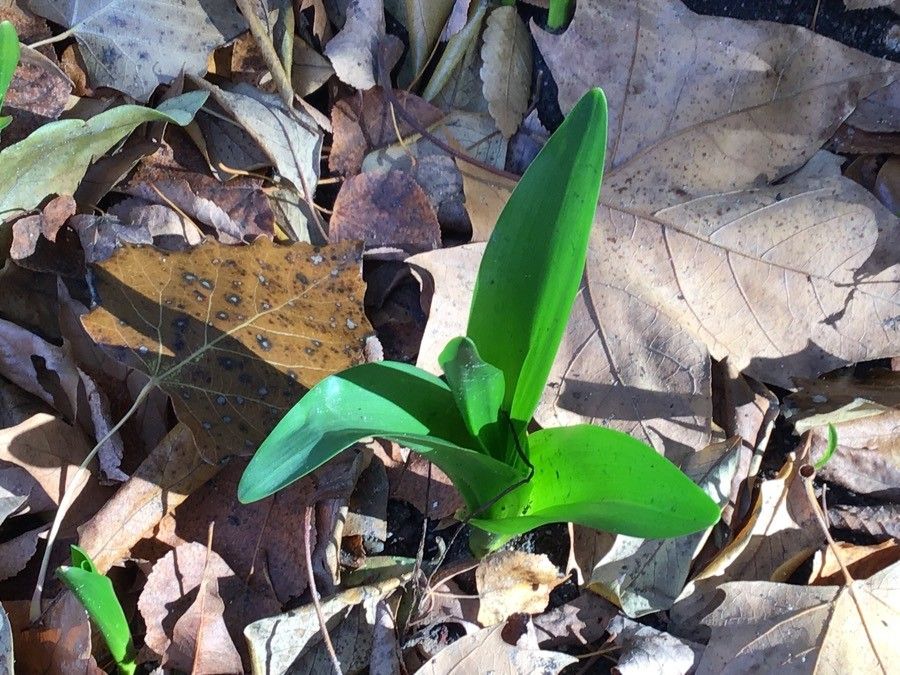
Colchicum montanum, commonly known as mountain meadow saffron, is a perennial herbaceous plant belonging to the Colchicaceae family. Native to Europe and Asia, it thrives in mountain meadows, rocky slopes, and forests. The plant grows up to 20 cm in height and features a bulbous underground stem. It produces narrow leaves that reach up to 20 cm in length and 1-2 cm in width. Its flowers, which bloom in autumn before the leaves appear, are pink or purple with six petals. Colchicum montanum has been used for medicinal purposes for centuries, thanks to its alkaloid content, which has proven effective against gout and other inflammatory conditions. However, it should be used with caution, as it can be toxic if ingested. Beyond its medicinal properties, Colchicum montanum is also cultivated as an ornamental plant for its attractive flowers that bloom when most other plants have finished flowering. In summary, Colchicum montanum is a fascinating plant with both medicinal and ornamental value, adding beauty and health benefits to gardens or natural areas.
False meadow saffron is fairly disease-resistant and typically not prone to illnesses. However, it can be affected by pests and diseases present in its surroundings. These infections are generally not severe. Regarding care, the plant needs moderate maintenance. It requires regular pruning to maintain a good appearance and healthy growth. Fertilization can also help encourage flowering. False meadow saffron is suitable for anyone with outdoor space, such as a garden or patio, and does not demand extensive care experience. It may require more attention when grown indoors.
How to keep Colchicum Montanum.
Light
False meadow saffron grows best when exposed to full sun. It comes from habitats that receive steady daylight. Throughout its development it prefers the same amount of light. Insufficient or excessively strong light can harm it, causing reduced growth or wilting.
Water
False meadow saffron, which originates from mountainous regions, prefers soil with moderate moisture. It thrives when watered weekly. In temperate zones, if grown outdoors, it benefits from natural rainfall to meet its hydration needs during active growth periods.
Temperature
False meadow saffron is native to climates with moderate temperatures, about 50 to 77°F (10 to 25℃). To grow it outside its preferred range, provide warmer conditions in winter and cooler conditions in summer.
Fertilizer
The primary time to fertilize False meadow saffron is in early spring while the flowers are forming. Using the appropriate fertilizer promotes stronger blooms and helps False meadow saffron produce attractive flowers. Fertilizing in early spring ensures excellent flowers through the season and supplies energy for dormant growth phases.
Pruning
False meadow saffron is a low-growing perennial known for its vibrant flowers that bloom in autumn. To maintain its health and enhance its blooms, prune the plant in early to late spring. This will help to remove any dead foliage and spent flowers. However, be cautious not to prune too heavily, as this can stress the plant. With this careful approach, you can enjoy a more vigorous and visually appealing display.
Botanical profile.
- Plant Type
- Herb
- Life Cycle
- Perennial
- Genus
- Colchicum
- Family
- Colchicaceae
- Hardiness Zone
- 6
- Mature Height
- 10 cm
- Mature Spread
- 15 cm
- Leaf Color
- Green, Dark Green
- Leaf Type
- Deciduous
- Flower Color
- Pink
- Flower Size
- 2.54 cm to 5.08 cm
- Bloom Time
- Late summer, Early fall
- Planting Time
- Spring, Autumn
- Harvest Time
- Mid fall, Late fall
- Native Area
- Spain, Portugal, France
Other names.
Reader questions.
How should I water my False meadow saffron plant?
To water the False meadow saffron plant effectively, it's best to use filtered water at room temperature. This plant prefers filtered water because tap water may have harmful particles. Keeping the water at room temperature or slightly warmer is important because the plant is used to warm conditions, and cold water could be a shock to its system. It's also recommended to avoid watering the plant from above, as this can cause problems with the leaves. Instead, it's better to apply the filtered room temperature water directly to the soil until it is completely soaked. This method of watering is beneficial because it helps the roots to stay hydrated and allows them to spread through the soil to absorb the necessary nutrients.
What are the sunlight requirements for False Meadow Saffron?
False Meadow Saffron thrives best in full sunlight, requiring more than 6 hours of sunlight daily for optimal growth. It is vital to observe how sunlight moves through your garden to select spots offering the ideal balance of light and shade, ensuring the plant's health. This species is naturally adapted to environments with abundant exposure to daylight, and similarly, it appreciates receiving a high level of illumination throughout its growth stages. Too little or excessively intense light can lead to health issues, such as stunted growth or withering.
What is the indigenous climate for False meadow saffron?
False meadow saffron, scientifically known as Colchicum montanum, thrives in moderate temperatures, specifically within the range of 10 to 25°C (50 to 77°F). This plant is native to environments that experience these moderate climate conditions.
What should I do if I give my False meadow saffron too much or too little water?
Overwatering and underwatering can harm your False meadow saffron, but overwatering is more common. When overwatered, the stems and leaves may wilt and turn yellow. Overwatering for a long time can lead to diseases like root rot, mold, and mildew, which can kill the plant. Underwatering is less common because the plant can tolerate drought. However, it can still happen, causing brittle and brown leaves. It's important to notice signs of overwatering early. Some diseases, like root rot, can't be fixed if left too long. If you see early signs, reduce watering immediately and check the soil's drainage. If it's poor, replace it with a well-draining mix. If your plant doesn't receive enough water, simply water it more regularly until the signs of underwatering go away.
How can artificial lighting benefit indoor plants, including False Meadow Saffron?
Indoor plants like the False Meadow Saffron require adequate lighting for optimal growth, particularly when natural sunlight is insufficient, such as in winter or in less sunny spaces. Artificial lights, including LED lights which can be customized to provide specific wavelengths, offer a critical solution. For full sun plants, you'll need 30-50W/sq ft of artificial light, while partial sun plants require 20-30W/sq ft, and full shade plants need 10-20W/sq ft. The light source should be placed 12-36 inches above the plant, mimicking natural sunlight, and most plants need 8-12 hours of light per day.
How can you accommodate False meadow saffron in different climates?
To grow False meadow saffron outside its indigenous climate, adjustments should be made for the plant to withstand variations. In winter, create warmer conditions, and during summer, ensure it's cooler. Despite its high cold tolerance, where it doesn't need extra frost protection, it is beneficial before the first autumn freeze to water the plant generously. This ensures the soil remains moist and enters a frozen state, aiding the plant through potential droughts and water scarcity in winter and early spring.
How often do I need to water my False meadow saffron?
If your False meadow saffron is in a pot, you can check if it needs water by sticking your finger in the soil. If the top two to three inches are dry, it's time to water. The same method can be used if the plant is growing outdoors in the ground. Usually, you'll need to water once a week in spring and early fall. During very hot weather, you may need to water twice a week or more. However, mature False meadow saffron plants are good at surviving without water.
What are the symptoms of inadequate lighting for False Meadow Saffron?
False Meadow Saffron shows several symptoms when exposed to inadequate lighting, including smaller new leaves, leggy or sparse growth, faster leaf drop, slower or no new growth, lighter-colored new leaves, chlorosis or yellowing of leaves, sunscald, leaf curling, wilting, and leaf scorching. These symptoms indicate that the plant is struggling with light deficiency, affecting its overall health and development.
What are the temperature limits for False meadow saffron?
False meadow saffron exhibits high tolerance to low temperatures, and it's crucial to keep the winter temperature above -25°C for its survival. However, if the temperature falls below this limit, you might not observe immediate changes during winter, but there could be a decline in sprouting or even a complete lack of sprouting come springtime. Conversely, this plant does not fare well in high temperatures. Growth halts and the plant is at a higher risk of rot when temperatures exceed 25°C.
How much water does my False meadow saffron plant need?
To properly water your False meadow saffron, make sure the first two to three inches of soil are dry. Then, give it a good, thorough watering. You want to soak the soil entirely, adding enough water that excess water flows out of the pot's drainage holes. If you don't see excess water draining, you may not have added enough water. However, be careful not to let water accumulate in the soil, as that can harm the plant. On the other hand, if water isn't draining well, it could mean the soil is poorly draining, which is bad for the plant's health. If the plant is outside, 1 inch of rain per week should suffice.
What solutions can address light deficiency issues in False Meadow Saffron?
To combat light deficiency in False Meadow Saffron, gradually increase its exposure to sunlight; move it closer to a window or reduce room obstructions to light. For indoor plants, consider using artificial lighting, like desk lamps or professional grow lights, for at least 8 hours a day. Outdoor plants should be moved to sunnier spots gradually to prevent sunburn. If plants are in the ground and blocked by obstacles like trees, consider pruning or transplanting them to a sunnier location. Though parts of the plant that suffered from insufficient sunlight may not recover, new growth after increasing light exposure should be healthy.
What are the solutions for False meadow saffron experiencing extreme temperatures?
For False meadow saffron affected by low temperatures resulting in non-sprouting parts, the solution is to remove these failed sprouts in spring. Concerning high temperatures, to protect and care for the plant, trim away any sunburned or dried parts, move the plant to a shaded location to avoid midday and afternoon sun, or utilize a shade cloth. Additionally, watering the plant in the morning and evening helps keep the soil adequately moist.