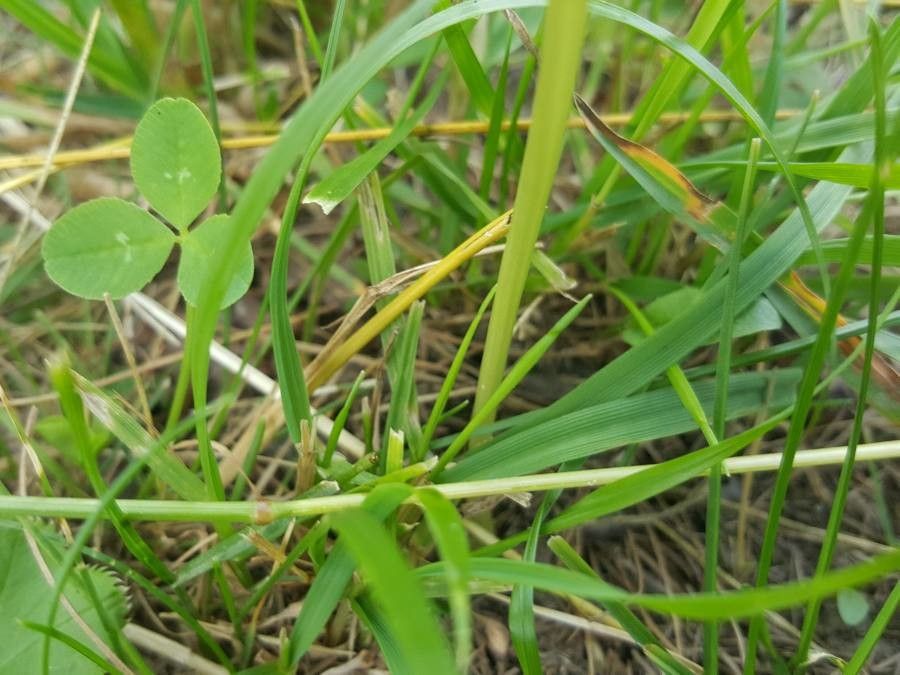
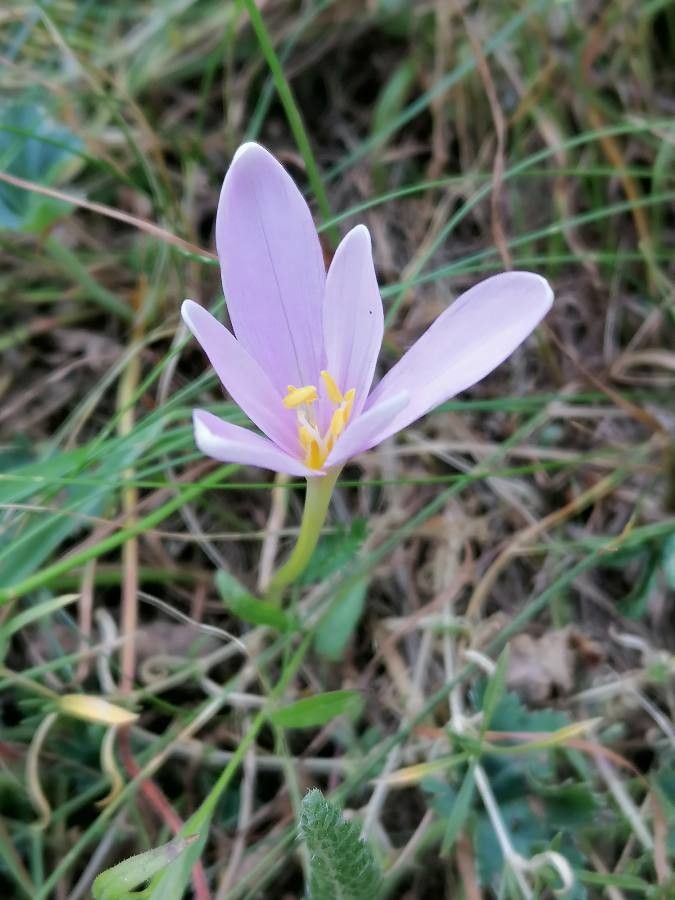
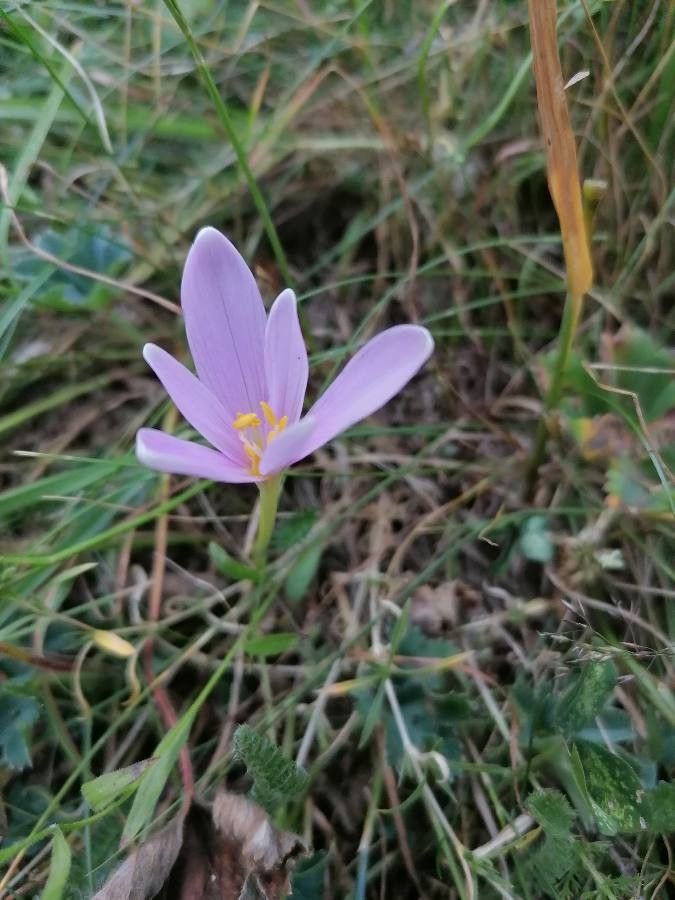
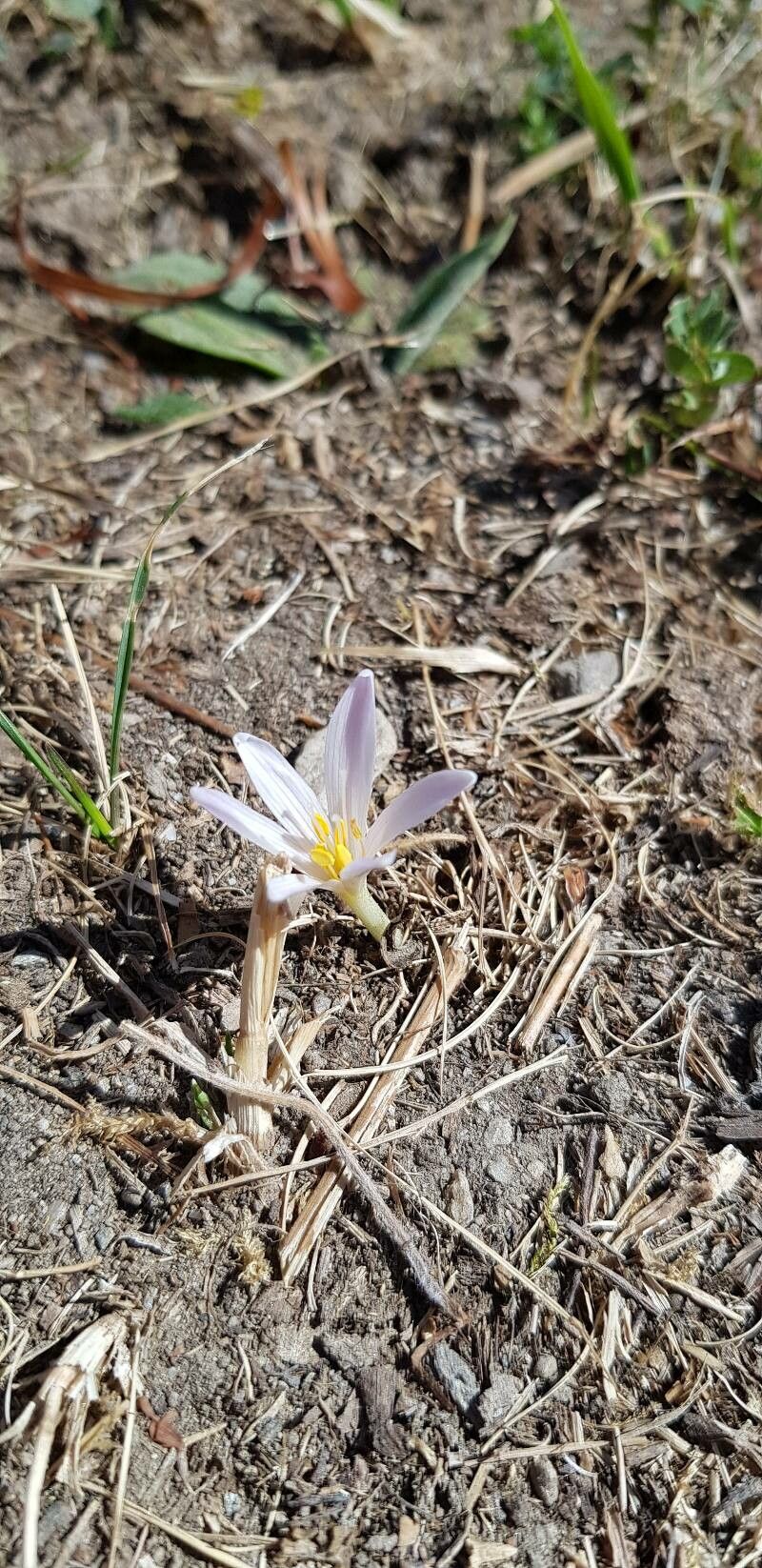
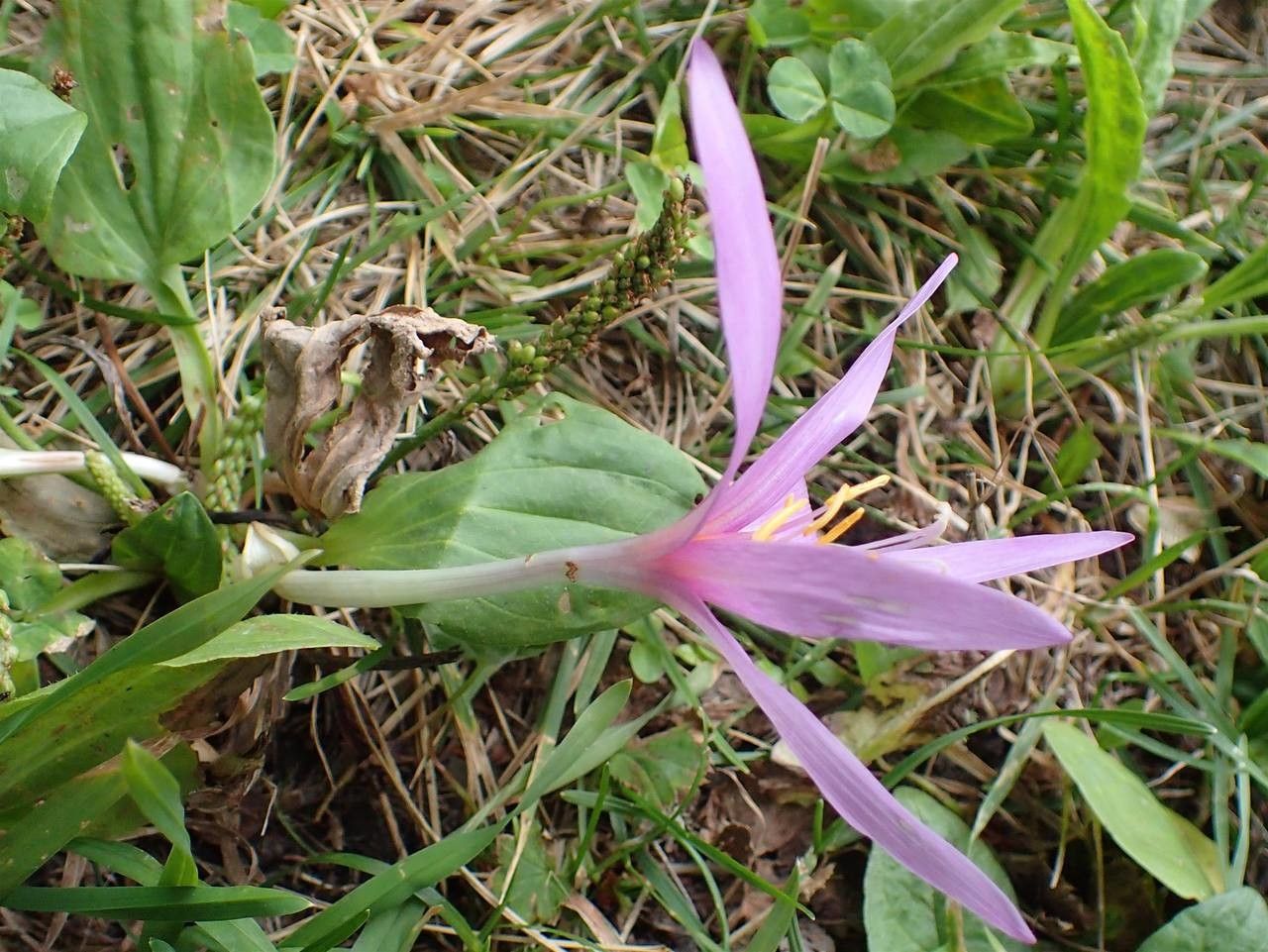
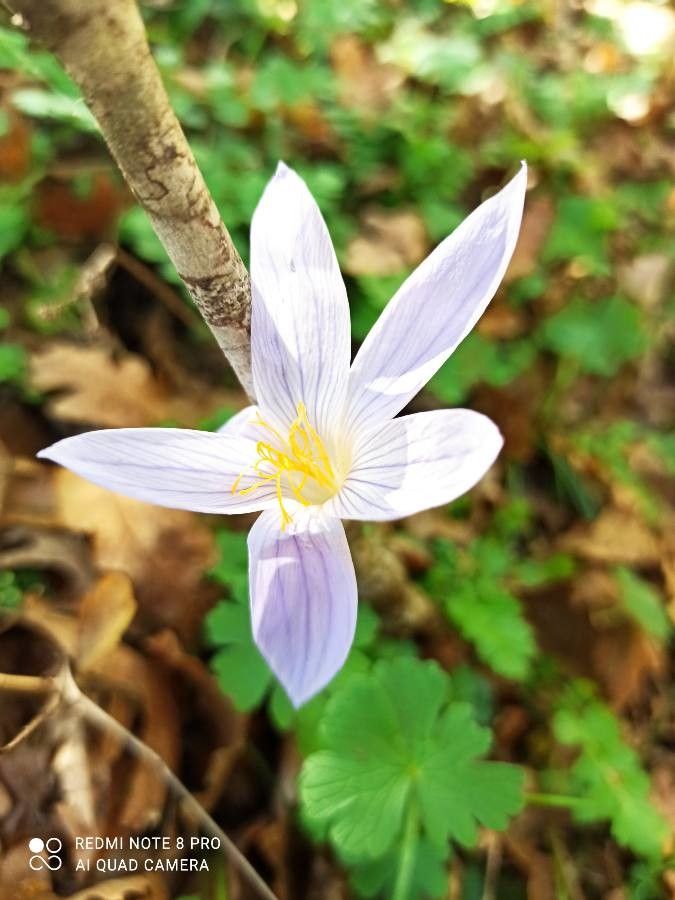
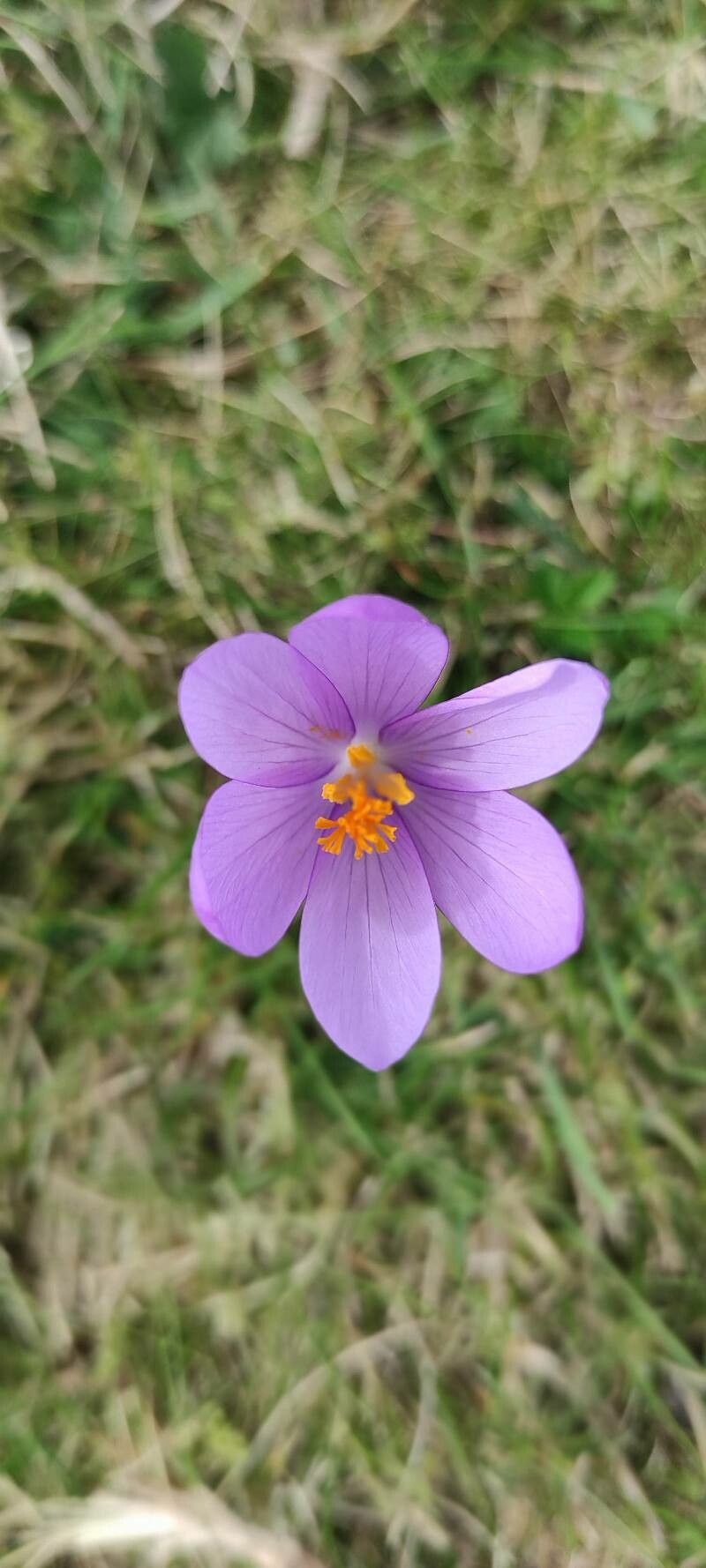
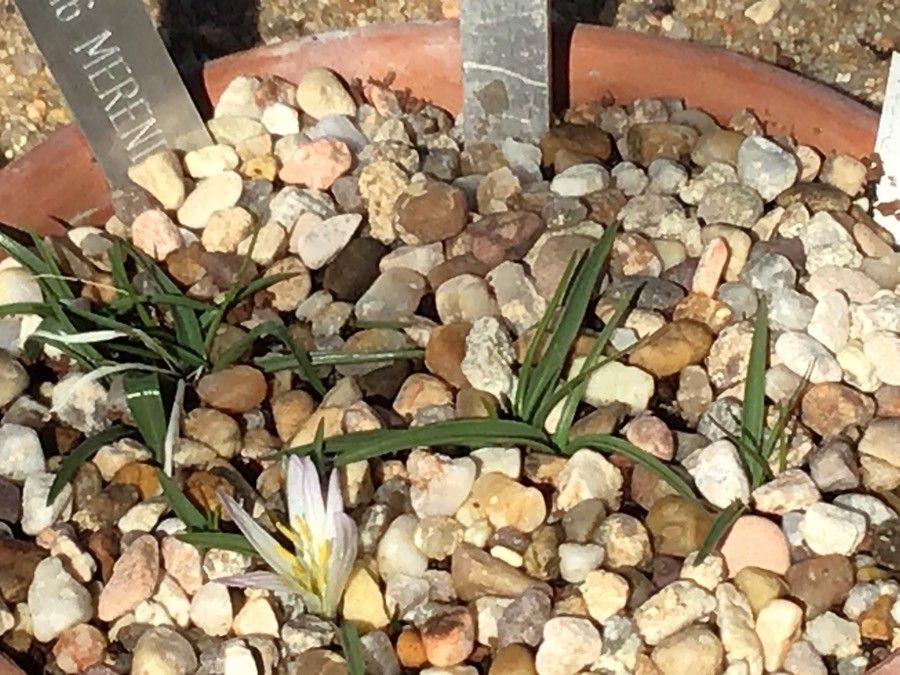
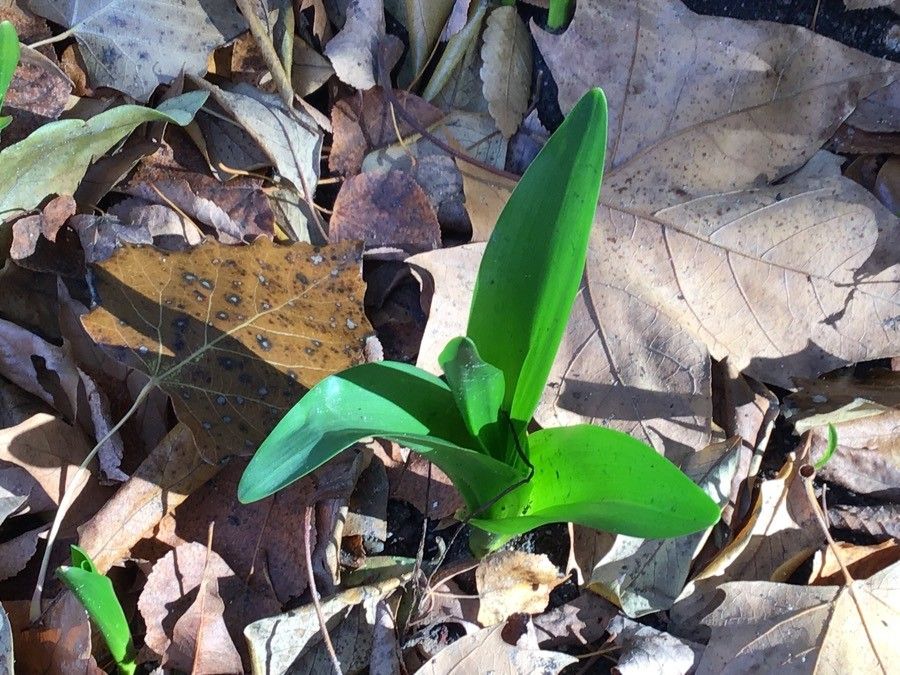
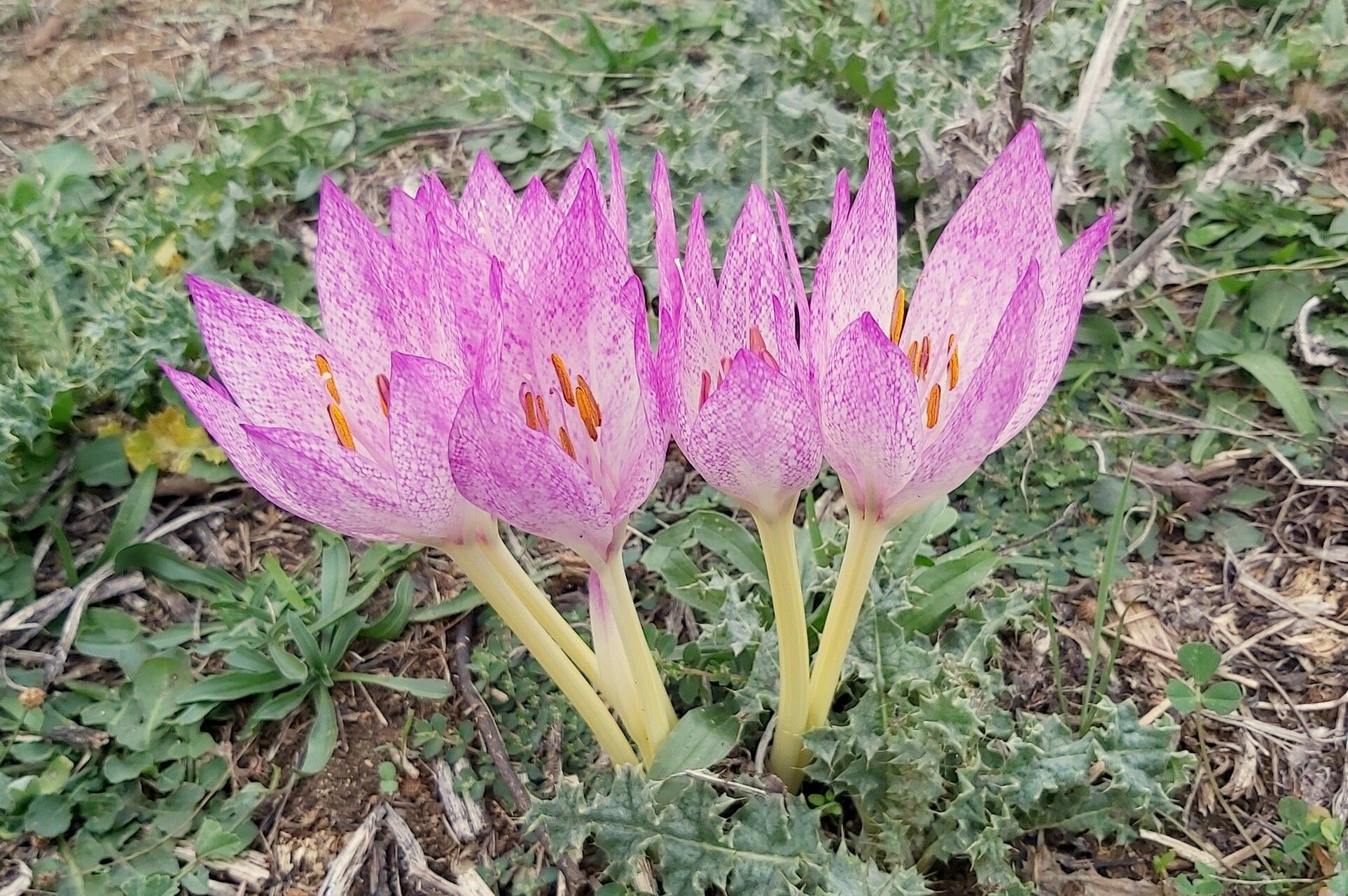
Colchicum alpinum, the alpine autumn crocus, is a corm-forming perennial with pale, delicate rosy-purple flowers, similar to C. autumnale but smaller. It is native to the Alps and the Appennini of Italy, Switzerland, France and Sicily, and cultivated as an ornamental in other regions.
Alpine saffron has strong resistance to disease and is generally unlikely to suffer from illnesses. However, it can be affected by pests and diseases present in its surroundings. These problems are typically mild. Regarding care, the plant needs a moderate level of maintenance. It should be pruned regularly to preserve a good appearance and support healthy growth. Fertilizing can also help encourage flowering. Alpine saffron is appropriate for anyone with an outdoor area, such as a garden or patio, and does not demand much care experience. It may need more attention when grown indoors.
How to keep Colchicum Alpinum.
Light
Alpine saffron naturally occurs in settings like forest understories or rocky terrain, where it grows in natural shade. It prefers partial sun but can tolerate full sun or full shade, showing its versatile and hardy character.
Water
Alpine saffron comes from mountainous areas and flourishes in well-drained soils with moderate moisture. It needs regular weekly watering but should not be overwatered, especially in outdoor rock gardens. Good drainage is essential to prevent root rot, as the plant is sensitive to waterlogged conditions.
Fertilizer
For Alpine saffron, the main time to fertilize is in early spring when the flowers are forming. The right fertilizer encourages stronger blooms and helps Alpine saffron produce attractive flowers. Fertilizing in early spring ensures good flowers during the season and provides energy for dormant growth phases.
Pruning
Alpine saffron showcases vibrant blooms in the fall. To promote healthy growth and maintain a compact shape, prune any dead or damaged foliage as well as spent flowers in early spring. Avoid pruning in late summer, as this is the time when the foliage is nourishing the bulbs. Correct pruning not only enhances air circulation and reduces the risk of fungal diseases but also improves the plant's appearance.
Botanical profile.
- Plant Type
- Herb
- Life Cycle
- Perennial
- Genus
- Colchicum
- Family
- Colchicaceae
- Hardiness Zone
- 5-9
- Mature Height
- 10 cm to 20 cm
- Mature Spread
- 5 cm to 10 cm
- Leaf Color
- Green, Dark Green
- Leaf Type
- Deciduous
- Flower Color
- Pink
- Flower Size
- 3.05 cm to 5.08 cm
- Bloom Time
- Late summer, Early fall
- Planting Time
- Spring, Summer
- Harvest Time
- Mid fall, Late fall
- Native Area
- Italy, Switzerland, France
Other names.