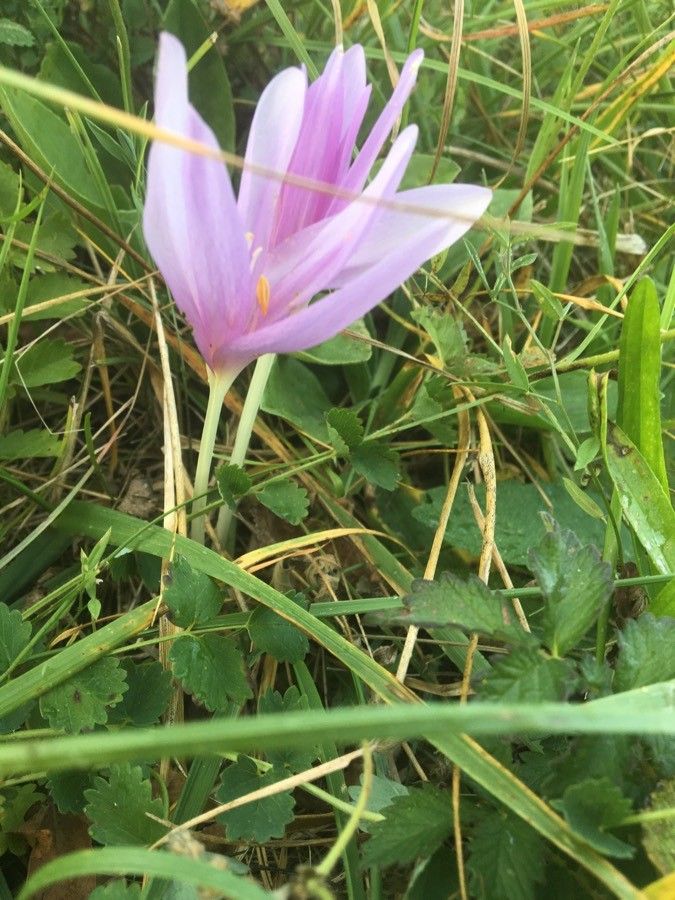
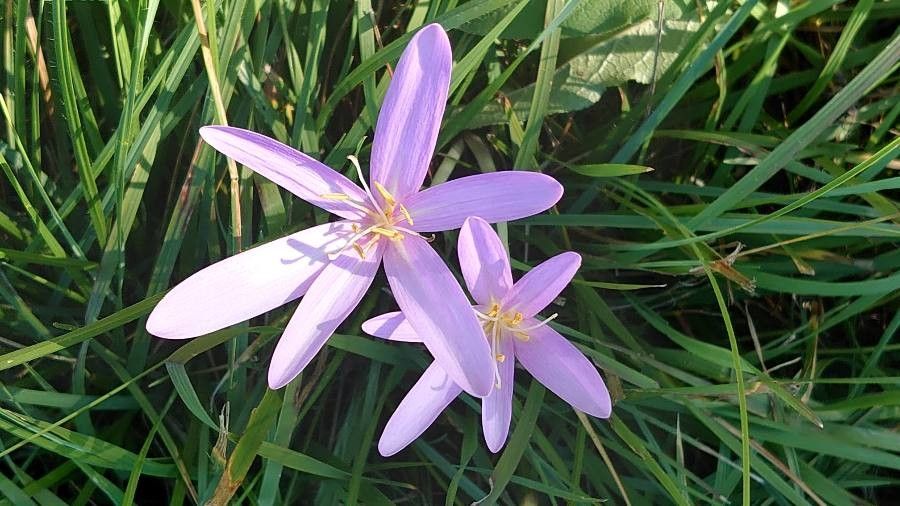
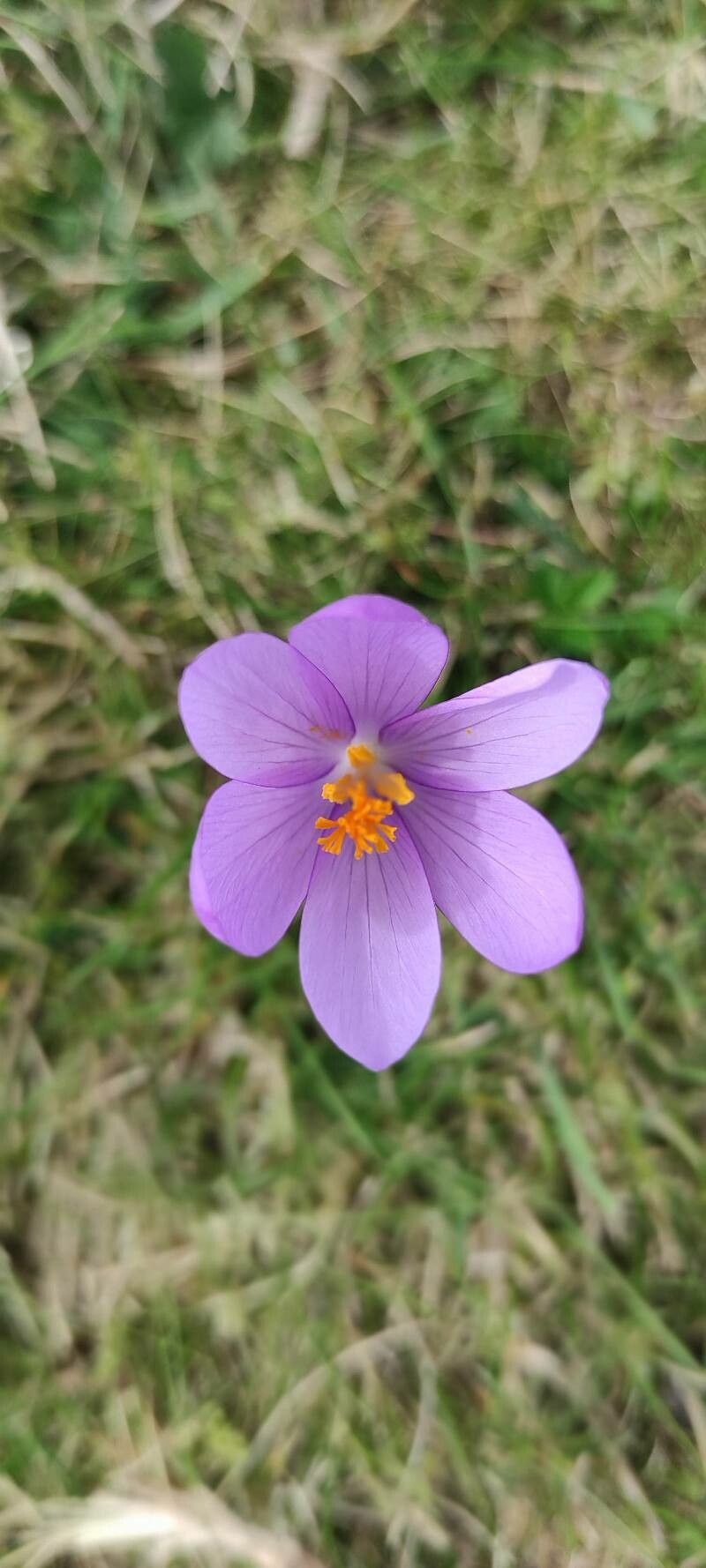
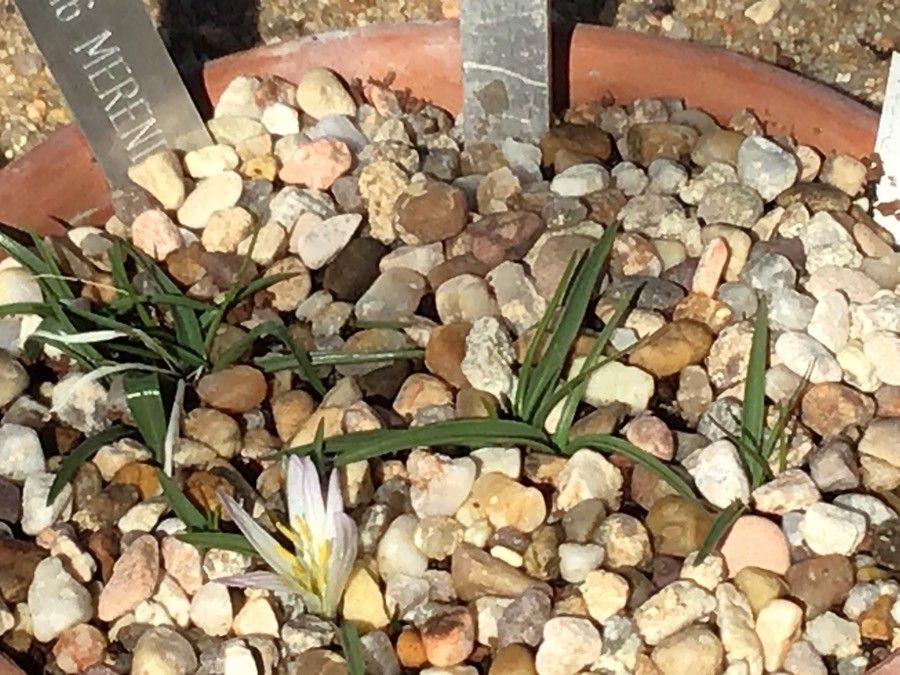
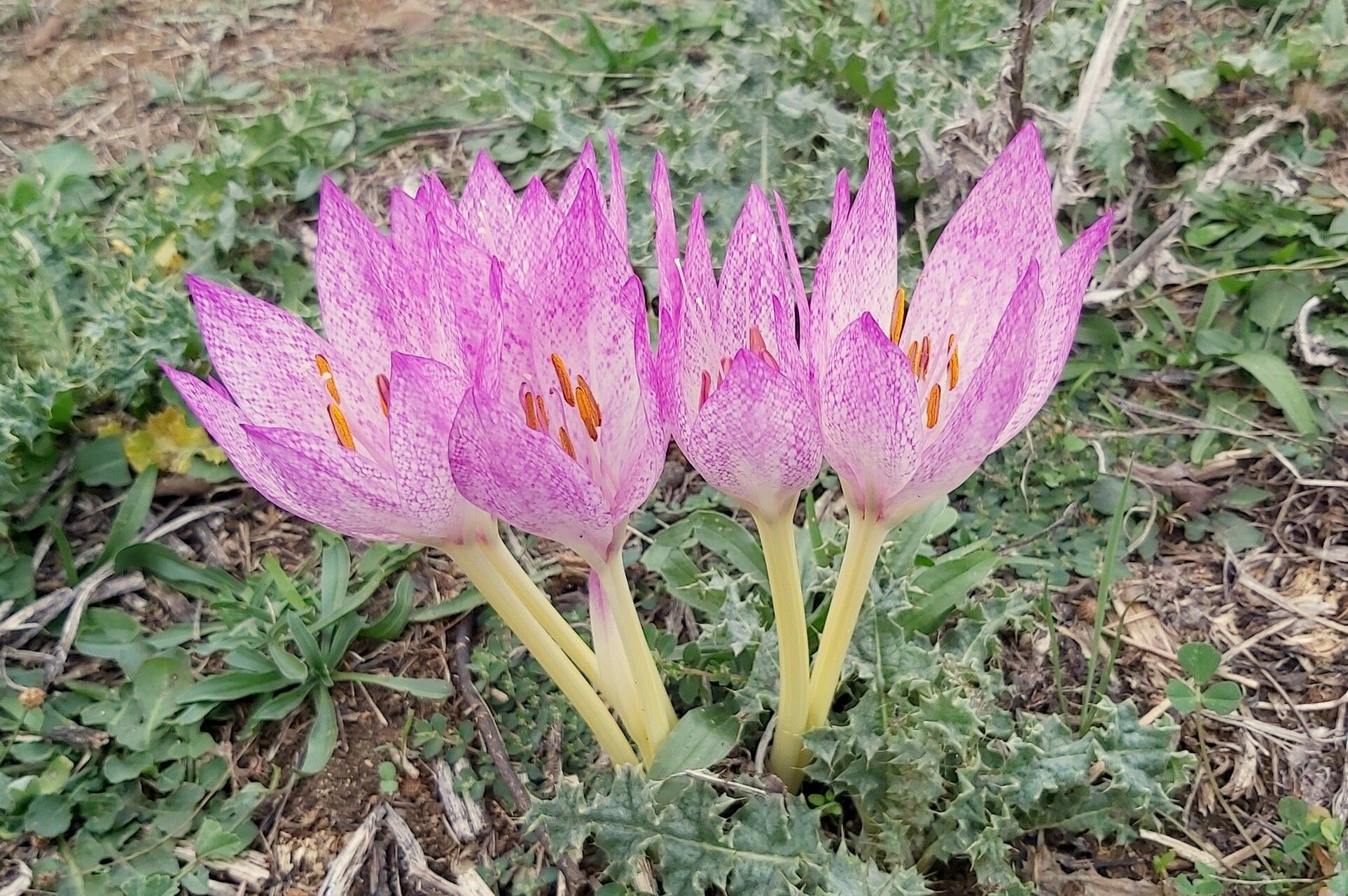
Colchicum autumnale, commonly known as autumn crocus or meadow saffron, is a perennial flowering plant that belongs to the family Colchicaceae. Native to Europe and western Asia, it has also been naturalized in North America. The plant typically grows to a height of 15-20 cm and produces large, showy flowers in shades of pink or purple.
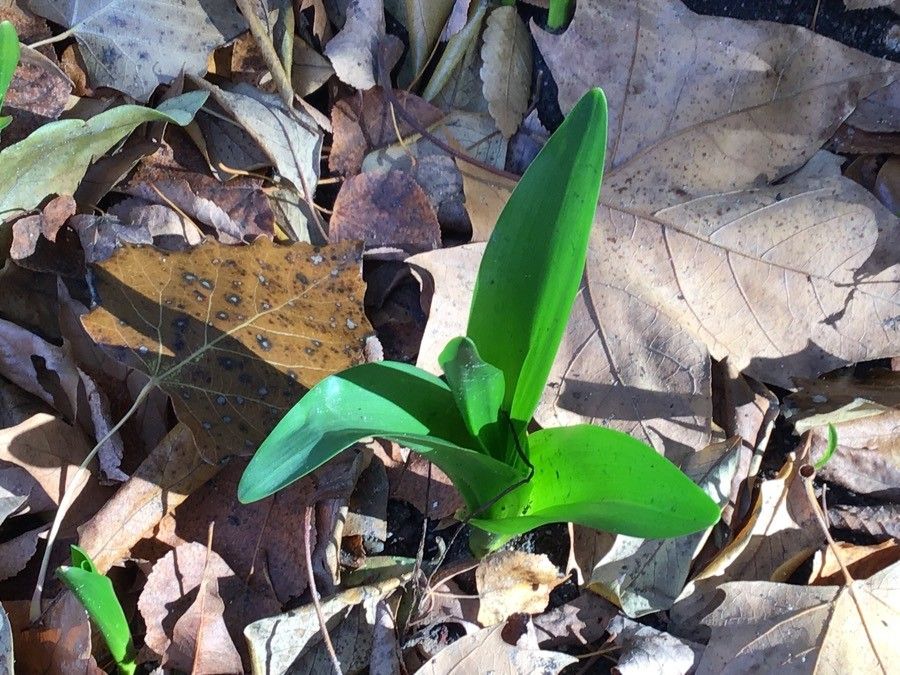
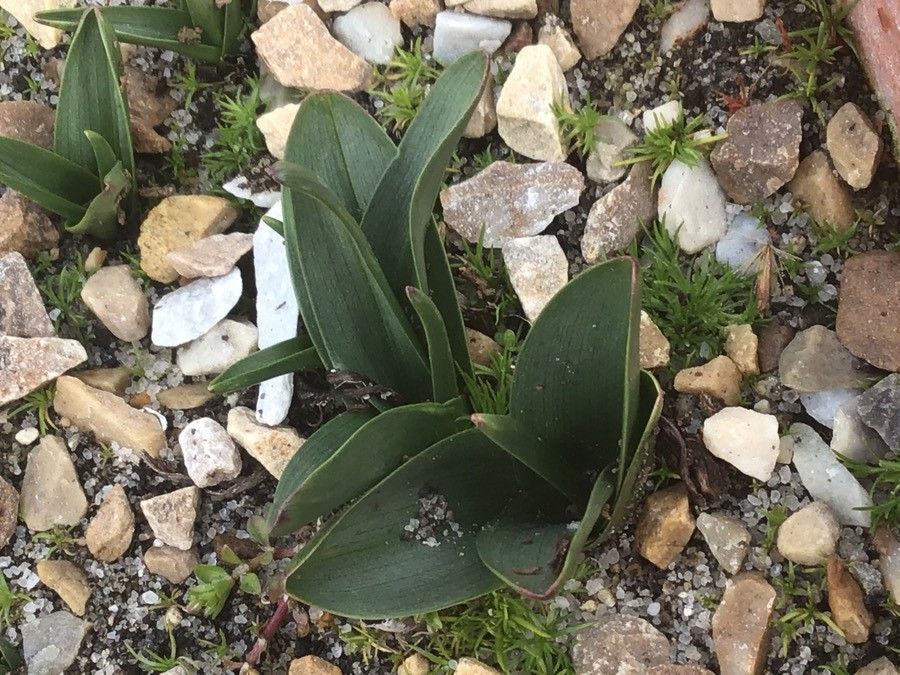
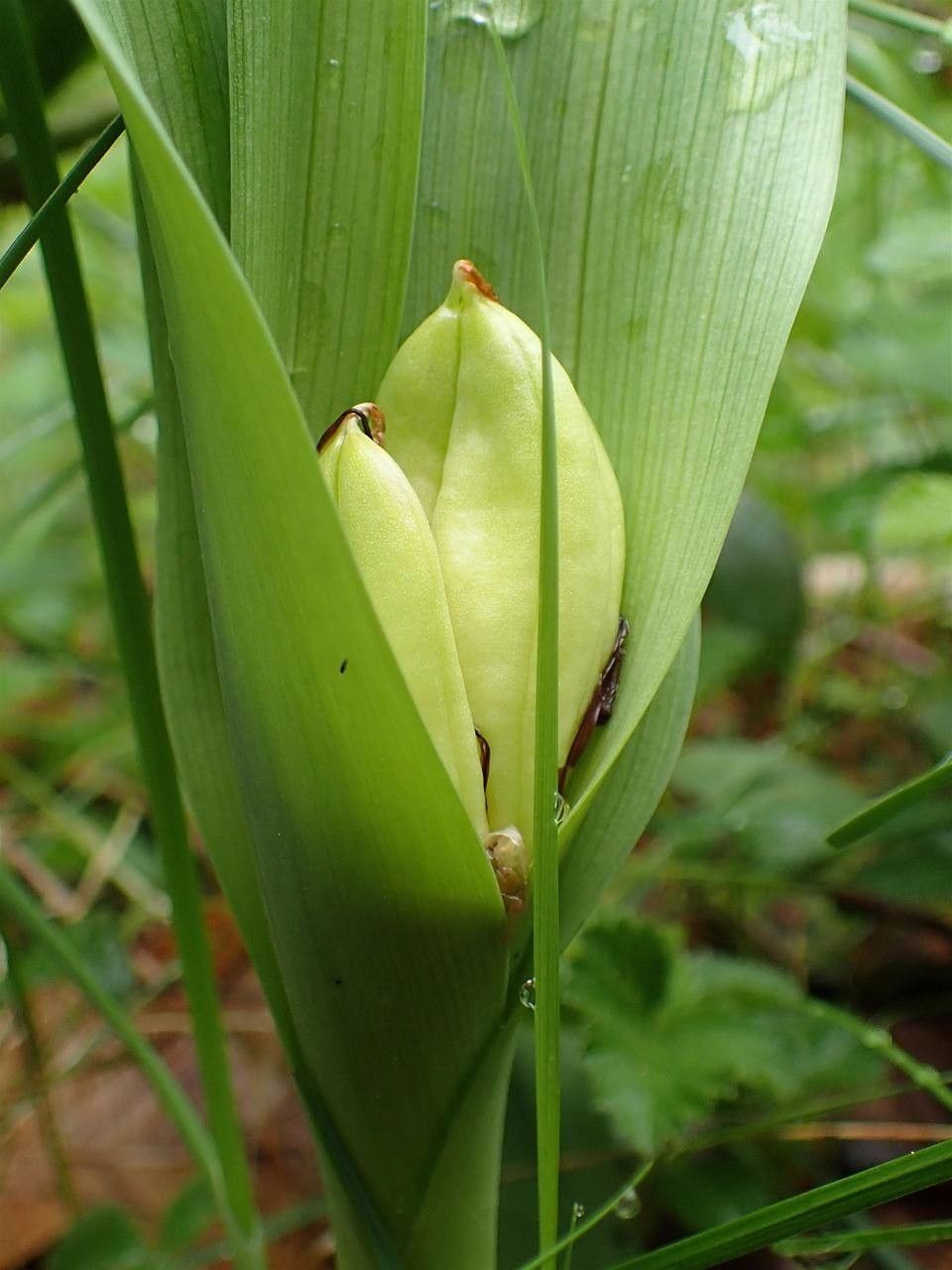
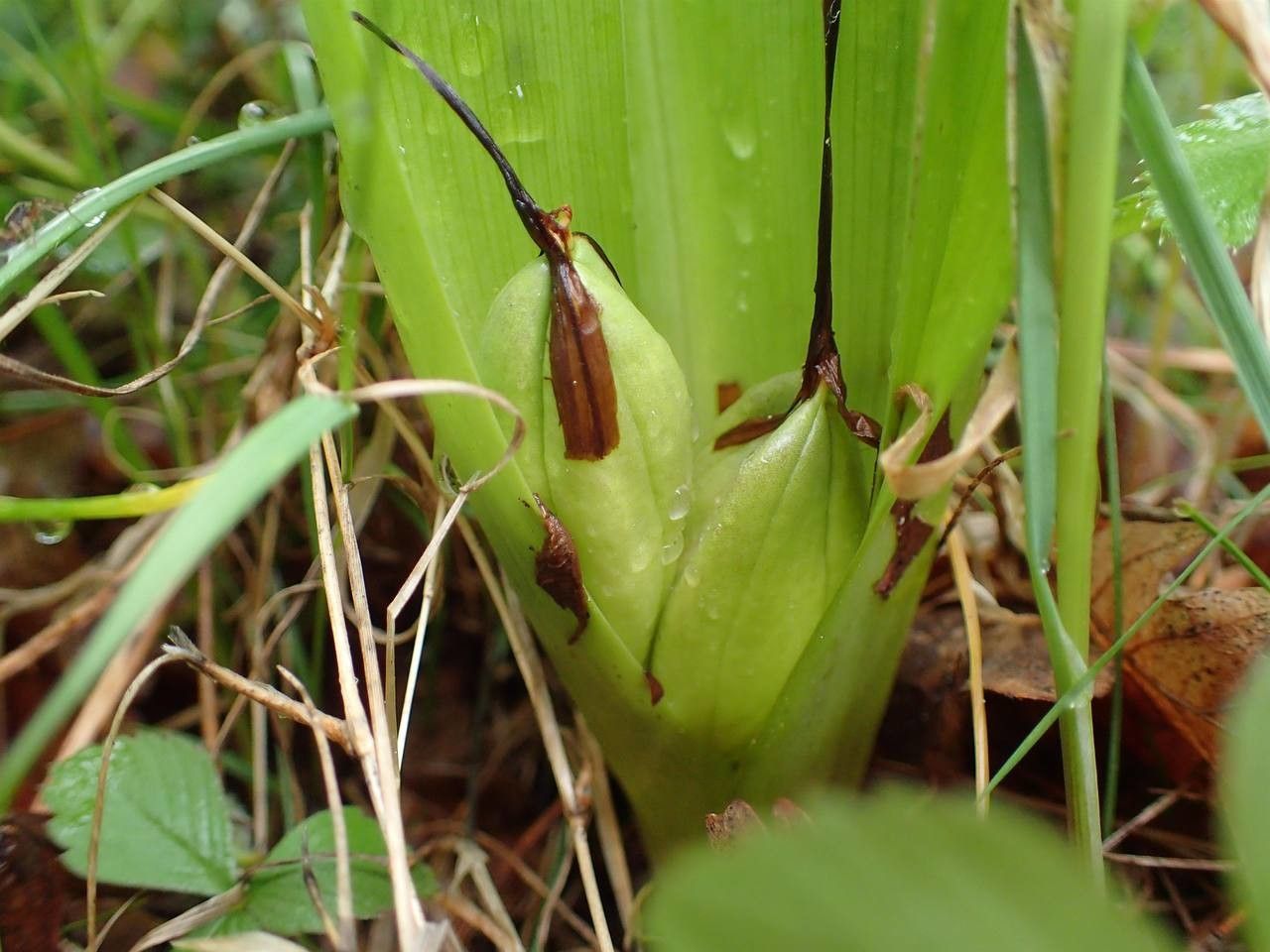
The leaves of Colchicum autumnale are basal and emerge after the flowers have blossomed. They are long, narrow, and have a bluish-green hue. This plant blooms in late summer or early fall, providing color when most other plants have stopped flowering.
Colchicum autumnale contains colchicine, a compound used medically to treat gout attacks by reducing inflammation caused by uric acid crystals in the joints. However, it is important to use colchicine with caution, as it can be toxic if ingested improperly.
The plant thrives in well-drained soil with full sun exposure but can also tolerate partial shade. It is often cultivated for its ornamental value, offering beautiful flowers that bloom in the fall when most other plants have finished their flowering season.
In conclusion, Colchicum autumnale is a visually striking perennial with medicinal properties. However, it should be handled carefully due to its potential toxicity if ingested.
Autumn crocus has good disease resistance and is generally not prone to illnesses. Still, it can be vulnerable to pests and diseases present in its environment, and such infections are typically not serious. Regarding care, this plant is moderately demanding. It requires regular pruning to preserve a tidy appearance and support healthy growth. Applying fertilizer can also encourage flowering. Autumn crocus is appropriate for anyone with outdoor space, such as a garden or patio, and does not demand much care experience. It may need increased attention if cultivated indoors.
How to keep Colchicum Autumnale.
Light
Autumn crocus does best in locations that receive unimpeded sunlight for most of the day, maximizing its photosynthesis and promoting strong growth. In sites where sunlight is somewhat blocked, it can still grow but at a slower rate. Its original habitat is sunny meadows, which highlights its need for light. Both too much and too little light can cause growth problems, such as yellowing leaves or stunted development.
Water
Autumn crocus flourishes in temperate grasslands, where it prefers moderate moisture levels but can tolerate brief droughts. During the active growing season in the fall, when the plant blooms, it is important to water it once every 1-2 weeks. After this period, the plant will enter dormancy.
Humidity
This plant needs special care because it loves high humidity levels of 60-80% or more. The best way to achieve this is by placing a humidifier near the plant. Daily misting is also essential! Make sure the room has good ventilation.
Temperature
The autumn crocus does well at temperatures from 41 to 90 ℉ (5 to 32 ℃). It is a temperate, woody species that prefers cooler climates. No seasonal temperature adjustments are necessary to ensure proper growth.
Fertilizer
The primary time to fertilize Autumn crocus is in early spring when the flowers are forming. Using the appropriate fertilizer promotes stronger blooms and helps Autumn crocus produce attractive flowers. Fertilizing in early spring secures excellent flowers during the season and supplies energy for dormant growth phases.
Pruning
The autumn crocus is known for its vibrant blooms in the fall and requires minimal pruning. The best time for light pruning is in early spring, after the flowers have bloomed. During this time, focus on removing any damaged foliage. Additionally, it's important to clear away the spent flowers to prevent seed formation. This helps conserve the plant's energy, which is particularly beneficial during its natural cycle of dying back and re-emerging.
Pot & Repot
To ensure your autumn crocus thrives, repot it every 2 to 3 years, preferably in the autumn after it has finished blooming. Select a medium-sized pot with excellent drainage. Maintain the soil at a moderate level of moisture and place the plant in an area with indirect light. Be cautious when handling the autumn crocus, as it contains toxic alkaloids.
Botanical profile.
- Plant Type
- Herb
- Life Cycle
- Perennial
- Genus
- Colchicum
- Family
- Colchicaceae
- Hardiness Zone
- 4-8
- Mature Height
- 15 cm
- Mature Spread
- 25 cm to 30 cm
- Leaf Color
- Green
- Leaf Type
- Deciduous
- Flower Color
- Pink, White, Purple, Lavender
- Flower Size
- 6.35 cm to 7.62 cm
- Bloom Time
- Mid summer, Late summer
- Planting Time
- Spring, Autumn, Winter
- Harvest Time
- Early summer, Mid summer
- Native Area
- Europe, North Africa, West Asia
Other names.
Reader questions.
What should I do if I give too much or too little water to Autumn crocus?
Autumn crocus plants can develop yellow leaves if they are over-watered. This is normal when the blooming period is ending. However, if the leaves turn yellow before the flowers bloom, it means there is too much water. To solve this problem, ensure proper drainage and withhold watering for a few days. Mixing sawdust into the soil can help absorb excess moisture. If the situation doesn't improve, check if the seedpods have rotted by digging them up. If severe decay is found, remove the seedpods promptly. Under-watering can also cause yellow leaves in Autumn crocus, along with drooping stems, smaller curled leaves, and brown patches. If you realize you haven't given enough water, provide a good drink without saturating the soil. Just keep it moist. Avoid over-watering, as it can lead to root rot and fungus growth on the bulb. This fungus can cause damage, noticeable through spots on leaves and buds, as well as discoloration and death of leaf tips.
Why do I have to add fertilizer to my Autumn crocus?
Fertilizing your Autumn crocus has multiple benefits. The most noticeable one is that it helps the plant produce beautiful blooms. The best time to fertilize is in early spring, as this ensures excellent flowers during that season. Additionally, fertilizer provides the crocus with plenty of energy to store in the ground during its dormant growth phases. By giving it extra nutrients during fall planting or late spring, you'll help the crocus store more energy for when active growth resumes.
What are the sunlight requirements for Autumn crocus?
Autumn crocus requires full sun exposure for optimal growth, which means it needs to be in direct sunlight for more than 6 hours a day. It can also grow under partial sun conditions, receiving about 3-6 hours of sunlight daily. The plant flourishes best in well-lit environments, similar to its native meadows, highlighting its significant need for light. Whether the plant is indoors or outdoors, insufficient or excessive exposure to sunlight can cause issues such as yellowing leaves or stunted growth. It's important to observe the movement of sunlight through your garden to find the ideal location that provides the necessary balance of light and shade.
What are the essential growing conditions for Autumn crocus?
The Autumn crocus, also known by its botanical name Colchicum autumnale, flourishes in temperatures ranging from 41 to 90°F (5 to 32°C), making it suitable for cooler climates as it does not require temperature adjustments across different seasons. The plant possesses strong resistance to cold, ordinarily not needing special frost protection measures. However, should winter temperatures drop below the growth limit, it's crucial to protect the plant using soil or straw covers. To combat drought and water scarcity during winter and early spring, it's advised to water the plant abundantly before the first autumn freeze, ensuring the soil remains moist and enters a frozen state.
How often do I need to water my Autumn crocus?
The growth of your Autumn crocus depends on its location and current state. After planting, give them a good initial watering. You can then leave them until you see shoots appear. If your crocus is in a pot, water it when the top 1-2 inches of soil feels dry, as container plants can dry out faster. If your crocus is planted outside, additional water is not necessary if it has rained during the week. Keep in mind that the crocus has some drought resistance, but excessive watering can cause the plant to die. So, be cautious about how often you water it to avoid rotting of the seed ball.
When should I fertilize my Autumn crocus?
There are several optimal times to fertilize your Autumn crocus. The first and most important time is in early spring when the flowers are just beginning to form. Using the right fertilizer during this period will enhance the blooming process. Another suitable time to fertilize is later in the spring, after the flowers have wilted. This will give the crocus extra energy to store and utilize for the following year. If you are planting Autumn crocus for the first time in the fall, it is also beneficial to provide fertilizer during the planting process. This will increase the likelihood of a healthy set of flowers during its initial growing season.
How do artificial lights support the growth of Autumn crocus?
When natural sunlight is inadequate, especially during winter or in less sunny spaces, artificial lighting becomes crucial for the growth of indoor Autumn crocus plants. Adequate lighting is essential for these plants, and using artificial lights can promote faster and healthier growth. LED lights are favored for their ability to be tailored to provide specific wavelengths needed by plants. For full sun plants, 30-50W/sq ft is recommended, 20-30W/sq ft for partial sun plants, and 10-20W/sq ft for full shade plants. The artificial light source should be positioned 12-36 inches above the plant to mimic natural sunlight, ensuring plants receive 8-12 hours of light per day.
How does Autumn crocus react to low temperatures?
Autumn crocus shows notable cold tolerance, with optimal growth observed when temperatures remain above a specific minimum suitable growth temperature. Even during winter, keeping temperatures above the minimum tolerable growing temperature is advisable. Despite its resilience, falling below the limit growth temperature might not visibly affect the plant in winter, but come spring, it could lead to reduced or even absent sprouting. In such cases, removing any parts that failed to sprout in spring is recommended.
Do I need to change how often I water my Autumn crocus based on the time of year or the weather?
When your Autumn crocus is growing, water it once a week. As the temperature gets higher, the soil will dry out faster, so you'll need to water it more often. It's better for the crocus to have slightly dry soil rather than overly wet soil. During the summer, the crocus will become dormant and the parts above ground will dry up and die. If you planted it outdoors, you don't need to water it. However, if you live in a rainy area, consider digging them up to protect the buds from too much water, which can cause rot. If you planted the crocus in pots, stop watering it completely after the above-ground part dries out. Dig up the buds and store them in a cool place, or leave them in the soil in a cool location with no watering until the next growing season. Resume watering when it's time to sow the seeds again.
When is the best time to not fertilize my Autumn crocus?
To properly fertilize an Autumn crocus, it is important to follow a specific timeline. The best times to fertilize this type of crocus are during the fall planting process, when it starts to bloom in early spring, and during late spring after it finishes blooming. Fertilizing outside of these periods is not necessary and could even harm the plant. When taking care of an Autumn crocus, it's important to note that it goes through extended periods of dormancy. During these times, it requires less fertilizer and water. The plant goes dormant during the winter, which is expected. However, it also enters a dormant phase in the summer. After the flowers fade, the leaves will remain for a short time before dying back. Once the leaves have died back, the plant has returned to its dormant phase and no longer requires fertilizer.
What symptoms indicate insufficient light for an Autumn crocus?
Symptoms of light deficiency in Autumn crocus include smaller new leaves, leggy or sparse growth, faster leaf drop, slower or ceased growth, and lighter-colored or chlorotic leaves. Additionally, excessive sunlight can lead to symptoms like sunscald, leaf curling, wilting, and leaf scorching, indicating damage to the plant's tissues. These symptoms either reflect a survival mechanism under poor light conditions or a defensive response to excessive light, both of which impact the plant's health and growth adversely.
What should be done if the Autumn crocus is exposed to high temperatures?
During summer, it's vital to maintain the Autumn crocus below the maximum suitable growth temperature to avoid overheating. Exceeding the maximum tolerable growing temperature can cause the leaves to lighten, curl, become susceptible to sunburn, or in extreme cases, lead to the drying and wilting of the entire plant. To mitigate these issues, trim away any sunburned or dried parts of the plant, relocate it to a shaded area during the intense midday and afternoon sun, or use a shade cloth. Additionally, watering the plant in the morning and evening will help keep the soil moist, further protecting it from heat stress.