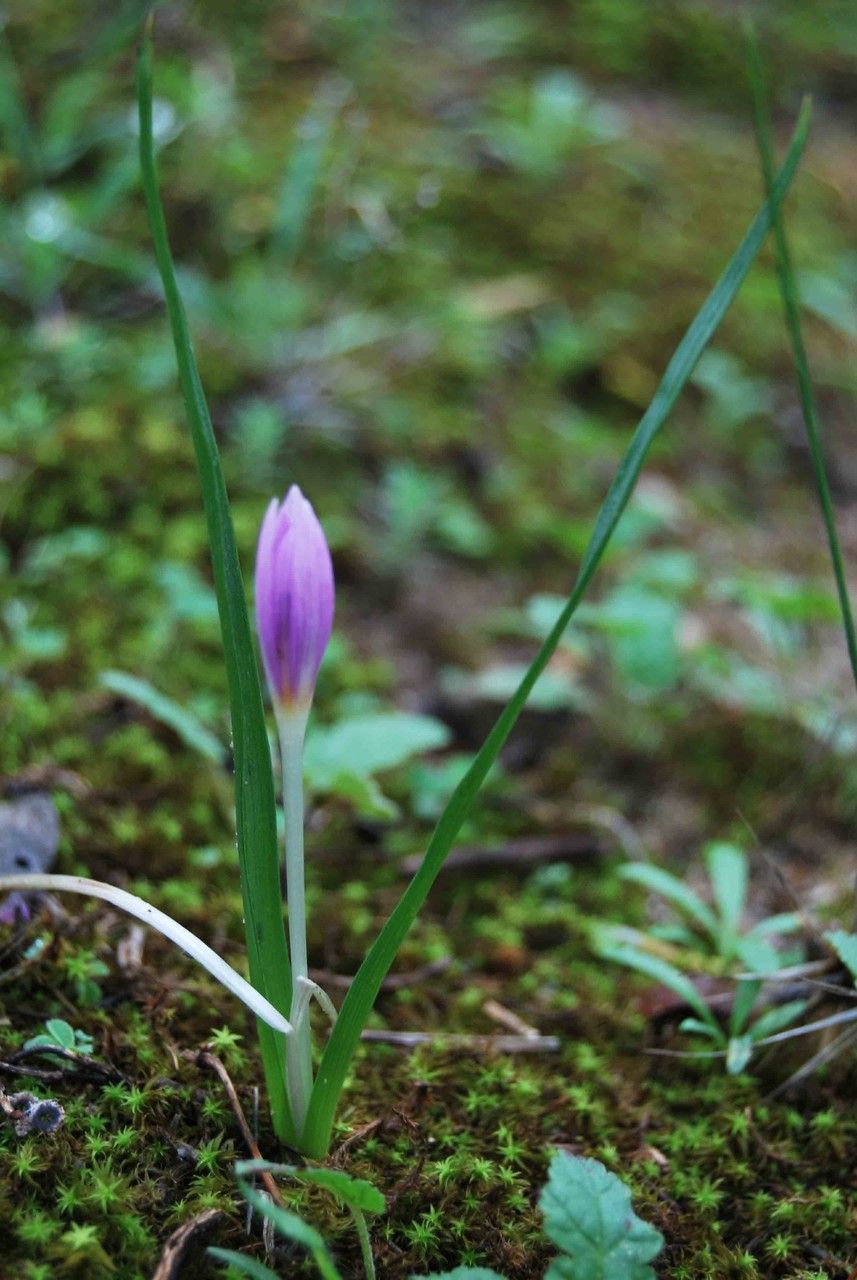
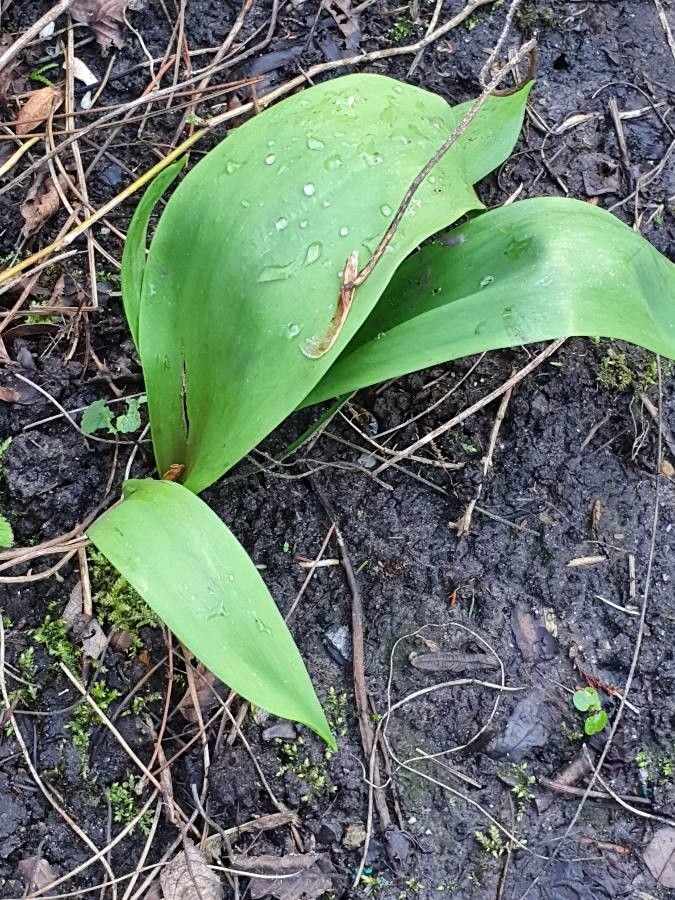
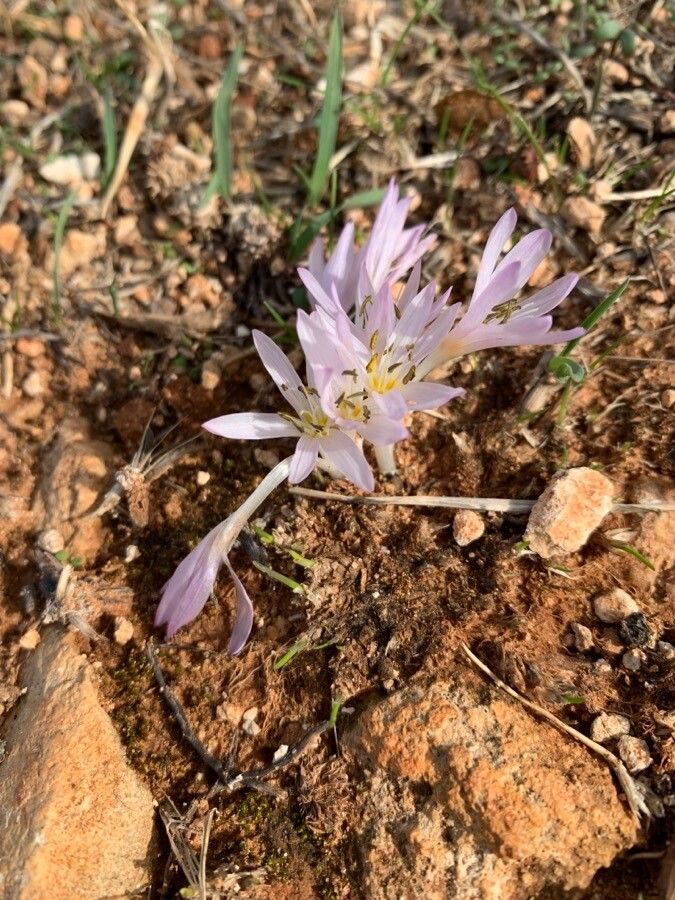
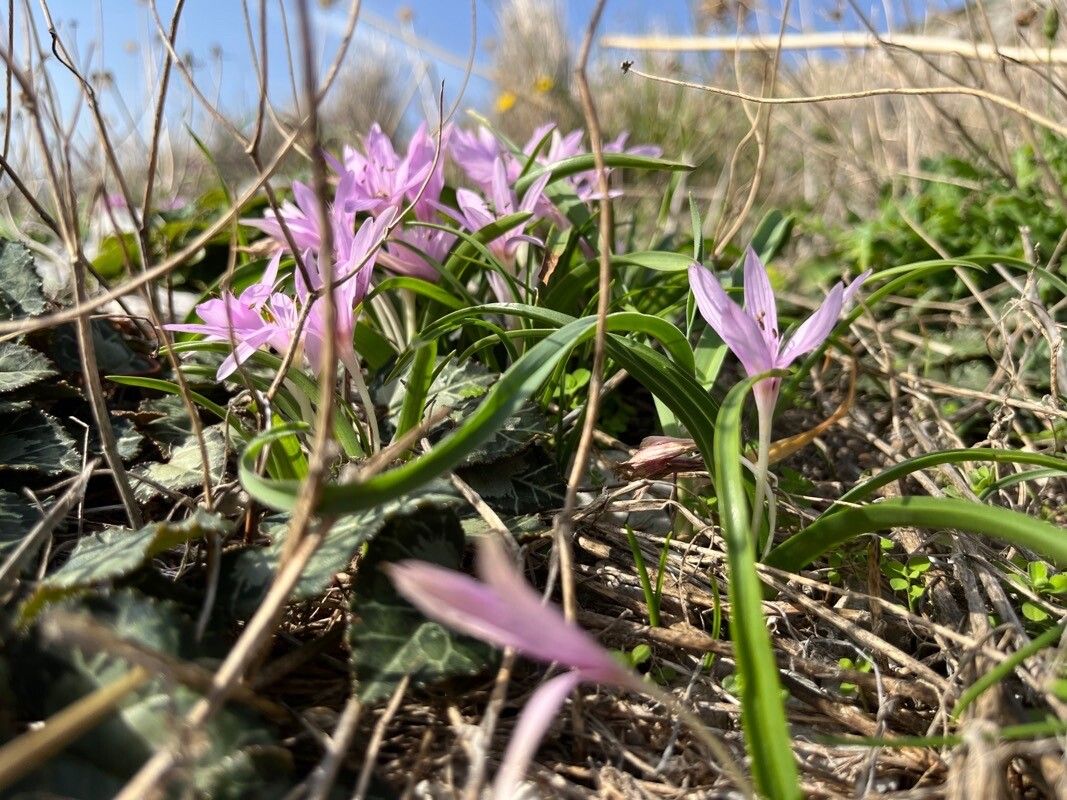
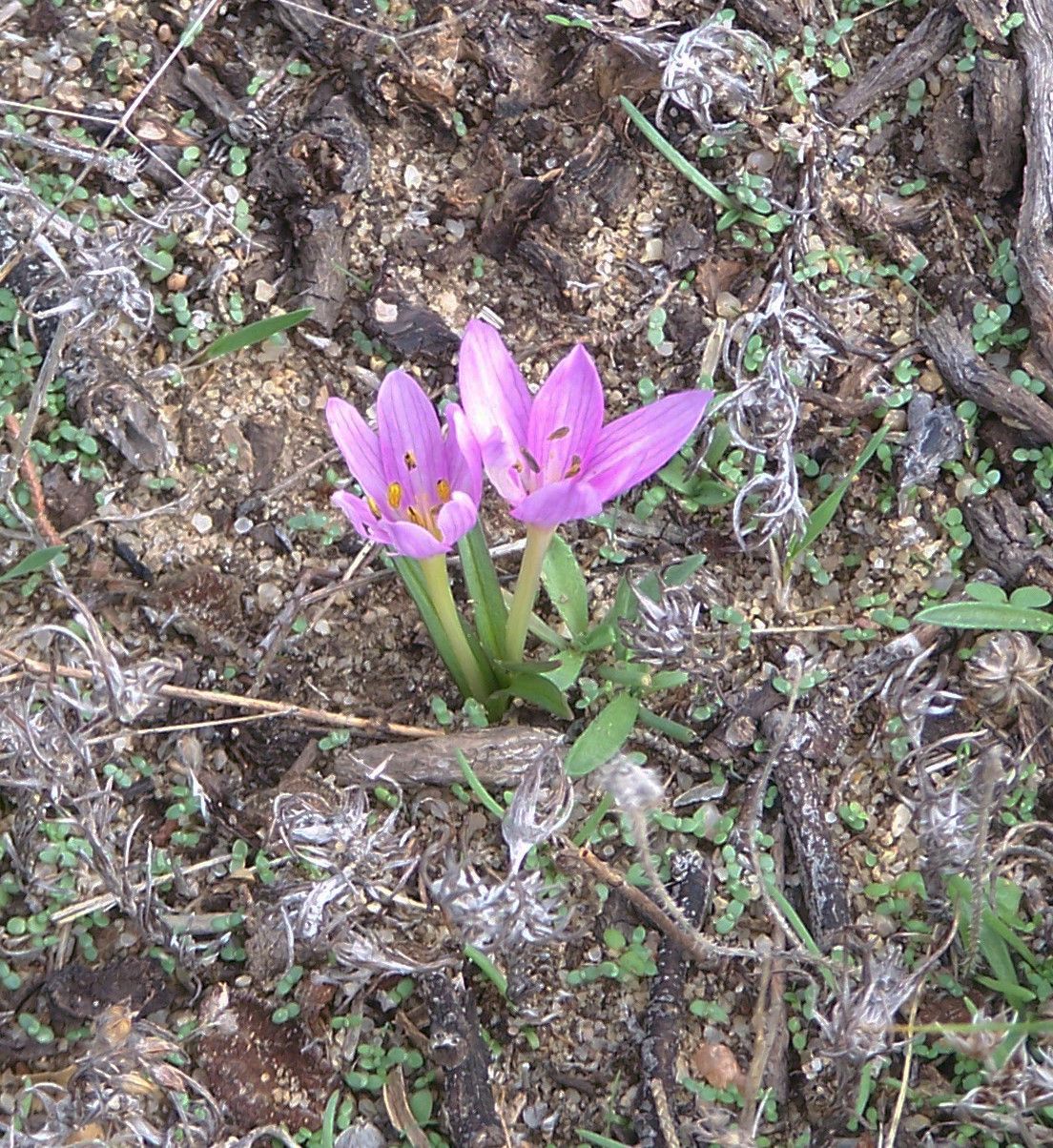
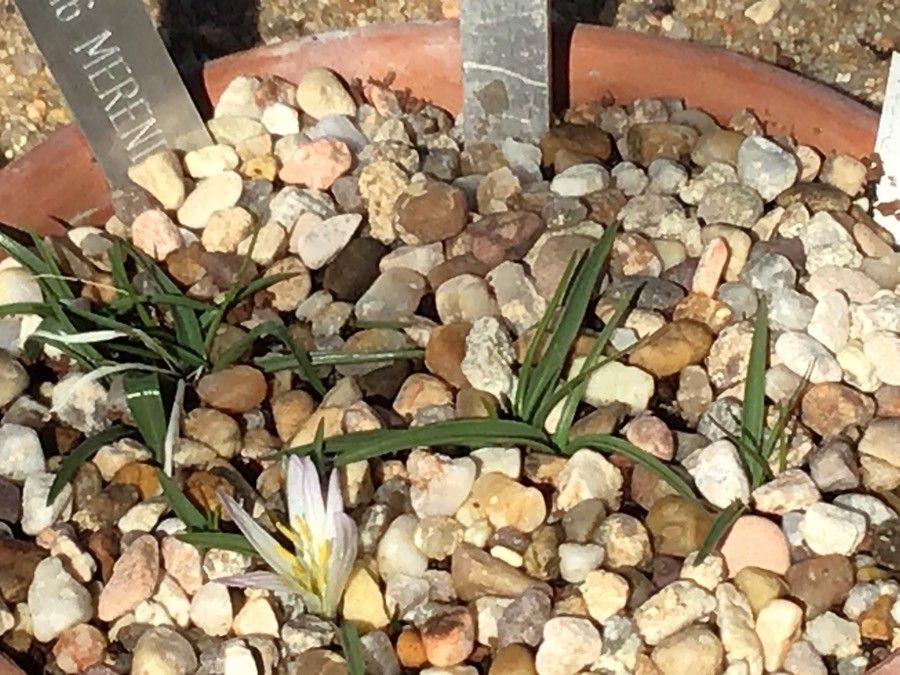
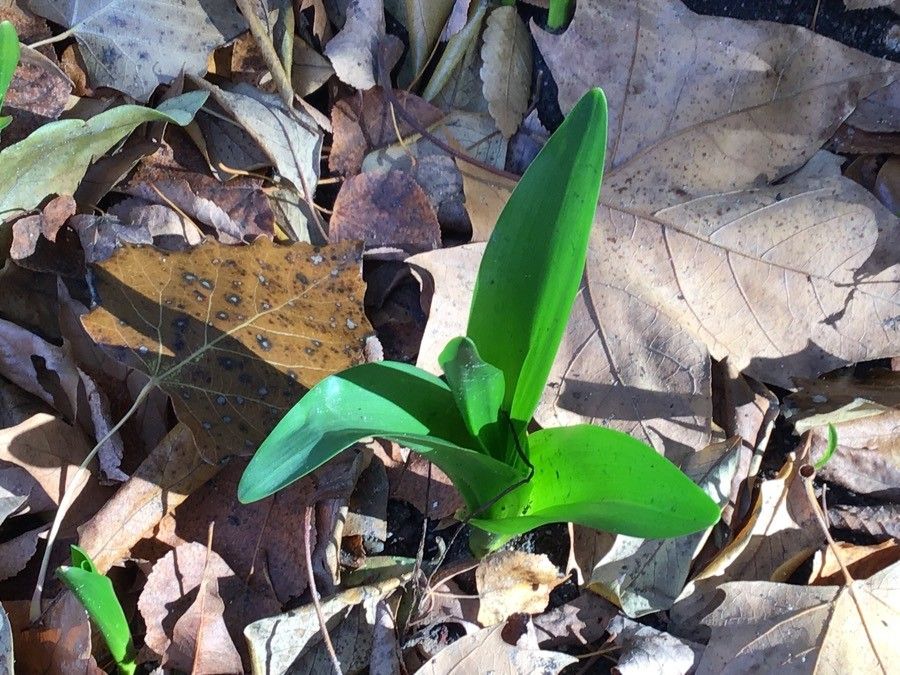
Colchicum cupanii is a widespread species of flowering plant in the family Colchicaceae, known as the Mediterranean meadow saffron. It grows around much of the central Mediterranean Basin, reported from France, Sardinia, Italy, Albania, Greece, Montenegro, Croatia, Sicily, Algeria, Malta and Tunisia.Colchicum cupanii is quite variable. Some specimens have flowers that open completely to a star shape, while others remain cup-shaped. The pink to purple, untessellated flowers are small, up to 3 cm (1") in diameter, but are produced in abundance in the fall. The foliage is also produced in the fall.
Mediterranean meadow saffron is fairly disease-resistant and usually not affected by many illnesses. However, it can be vulnerable to pests and diseases present in its environment. These problems are generally not serious. Regarding care, the plant requires moderate maintenance. It should be pruned regularly to preserve a good appearance and encourage healthy growth. Fertilizing can also aid in enhancing flowering. Mediterranean meadow saffron is suitable for anyone with outdoor space, like a garden or patio, and does not demand extensive gardening experience. It may need more attention when kept indoors.
How to keep Colchicum Cupanii.
Light
Mediterranean meadow saffron occurs naturally in habitats like forest understories and rocky sites, where it grows in natural shade. It prefers partial sun but can tolerate full sun or full shade, showing its versatile and hardy character.
Temperature
Mediterranean meadow saffron can tolerate a wide range of temperatures, but its distribution may still be restricted by different combinations of moisture and heat. It performs best in warm summer climates with adequate rainfall or watering. Long stretches of cloudy, rainy weather or extended high temperatures can raise the chance of the plant dying. In winter, suitable protection from cold can increase its survival rate.
Fertilizer
One fertilizer application in spring is generally enough for Mediterranean meadow saffron, but several feedings can maximize growth. Apply fertilizer every month to six weeks. Fertilizing improves the leaves' appearance and function, keeping color even and texture healthy. It also promotes root development and nutrient uptake, supporting the plant's long-term health.
Pruning
Mediterranean meadow saffron benefits greatly from strategic pruning, which is best done in early spring before new growth begins. By removing dead foliage, you encourage healthier growth and better flowering. Pruning also helps maintain the plant's structure, prevents overcrowding, and improves air circulation, all of which reduce the risk of fungal diseases. Be sure to always use sterilized tools to prevent the spread of pathogens.
Botanical profile.
- Plant Type
- Herb
- Life Cycle
- Perennial
- Genus
- Colchicum
- Family
- Colchicaceae
- Hardiness Zone
- 6-9
- Mature Height
- 10 cm to 15 cm
- Mature Spread
- 5 cm to 10 cm
- Leaf Color
- Green
- Leaf Type
- Deciduous
- Flower Color
- Pink
- Flower Size
- 2.03 cm to 4.06 cm
- Bloom Time
- Late summer, Early fall, Mid fall
- Planting Time
- Spring, Autumn
- Harvest Time
- Late fall, Early winter, Mid winter
- Native Area
- Italy, Albania, Algeria, Greece, Croatia, Morocco, France
Other names.