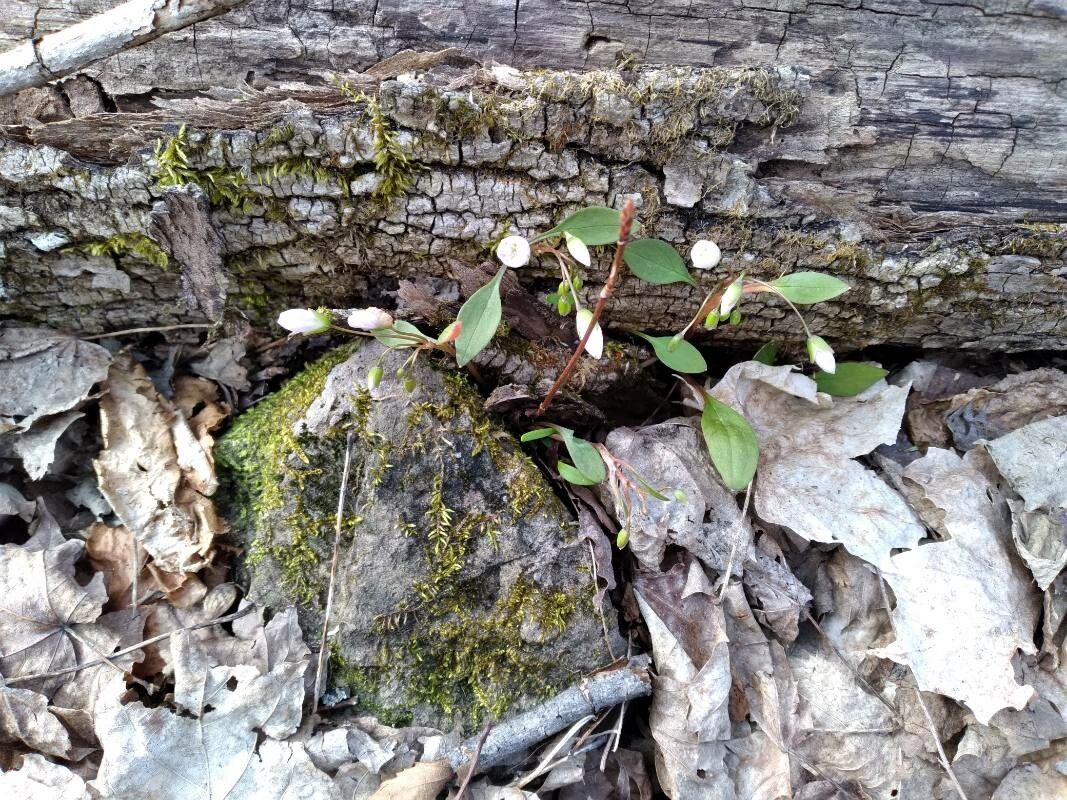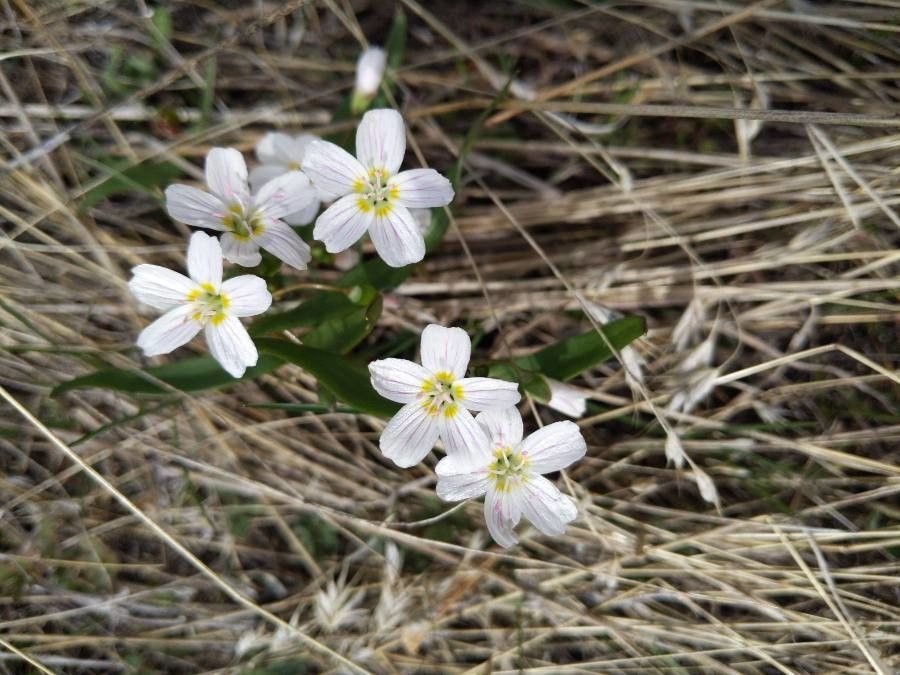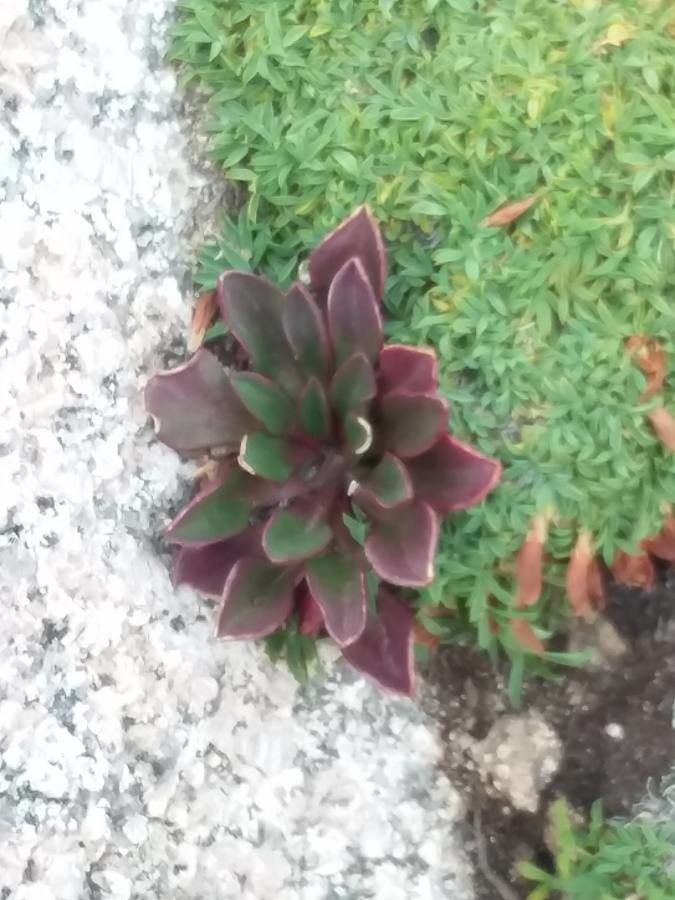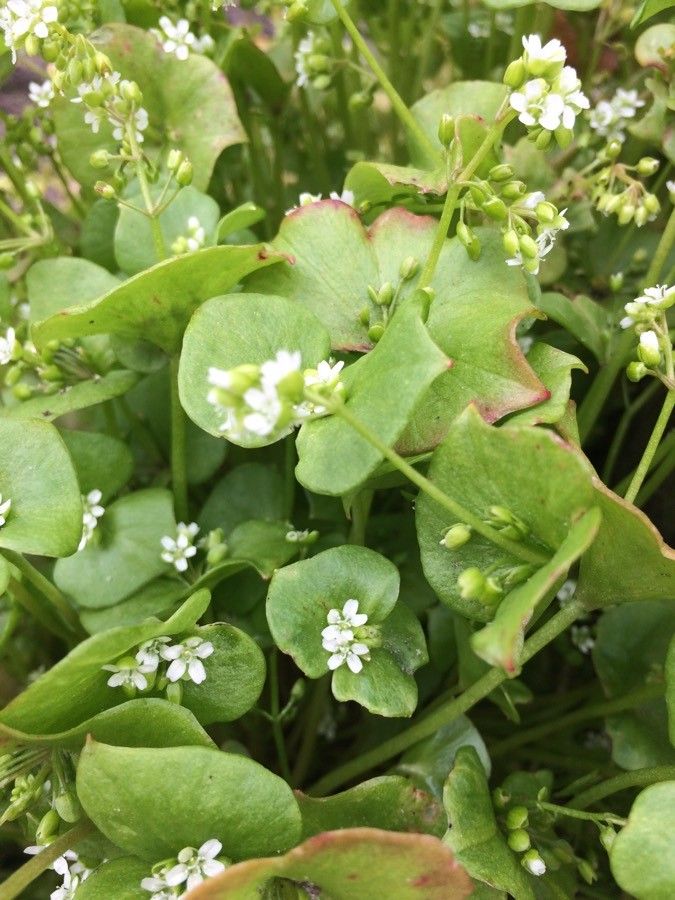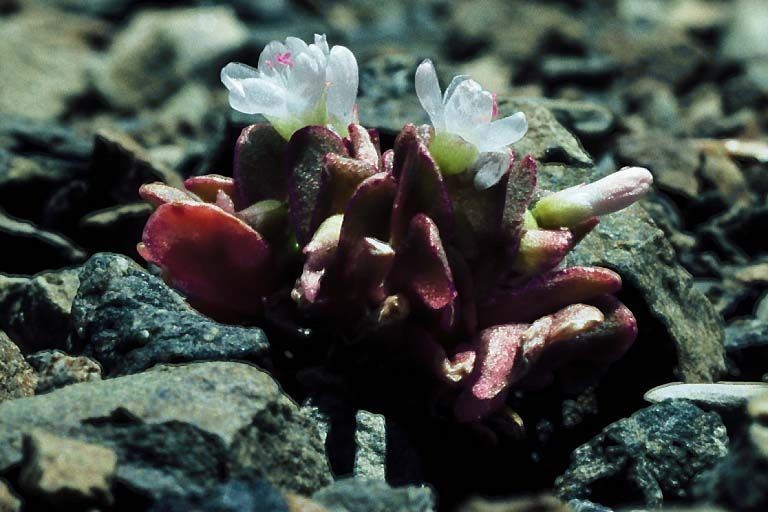
Claytonia saxosa, commonly known as Rocky Mountain spring beauty, is a perennial herbaceous plant in the Montiaceae family. Native to the western regions of North America, including Alaska and Canada, this plant typically grows to a height of 10-30 cm. It features a basal rosette of oval-shaped, succulent leaves.
The flowers of Claytonia saxosa are pink or white and have five petals that are fused at the base. Blooming from April to June, these flowers attract pollinators such as bees and butterflies. The plant produces fruit in the form of a capsule containing numerous small seeds.
Claytonia saxosa thrives in moist soil with good drainage and can tolerate conditions ranging from partial shade to full sun exposure. It is commonly found in meadows, rocky slopes, forests, and along streams at elevations between 500 and 4000 meters.
Traditionally, Native American tribes have used this plant for medicinal purposes, including treating coughs, colds, sore throats, and stomach ailments, largely due to its high vitamin C content.
Overall, Claytonia saxosa is an attractive wildflower species that brightens natural landscapes with its beautiful blooms. It also provides ecological benefits by supporting pollinators like bees, which help maintain biodiversity in the ecosystems where it naturally grows.
How to keep Claytonia Saxosa.
Pruning
Brandegee's springbeauty is a small perennial plant featuring delicate flowers that range in color from pink to white, accompanied by succulent-like leaves. To encourage healthy growth, prune the plant in early spring with a focus on maintenance trimming. This practice helps improve airflow and reduces the risk of disease. For optimal care, always use clean and sharp tools when pruning.
Botanical profile.
- Life Cycle
- Perennial
- Genus
- Claytonia
- Family
- Montiaceae